
Everest is still growing, and a river that stole another river is pushing it up
A 2024 Nature Geoscience study found a river capture 89,000 years ago is still lifting Everest by up to about 2 mm a year, on top of the tectonic uplift.
At a glance
- Published · updated
- TopicRecords & People
- Verified againstSmithsonian Magazine / Nature Geoscience
- Treks coveredEverest Base Camp Trek — 14 Days, Everest Base Camp Trek — 15 Days, Gokyo Ri Trek — 11 Days
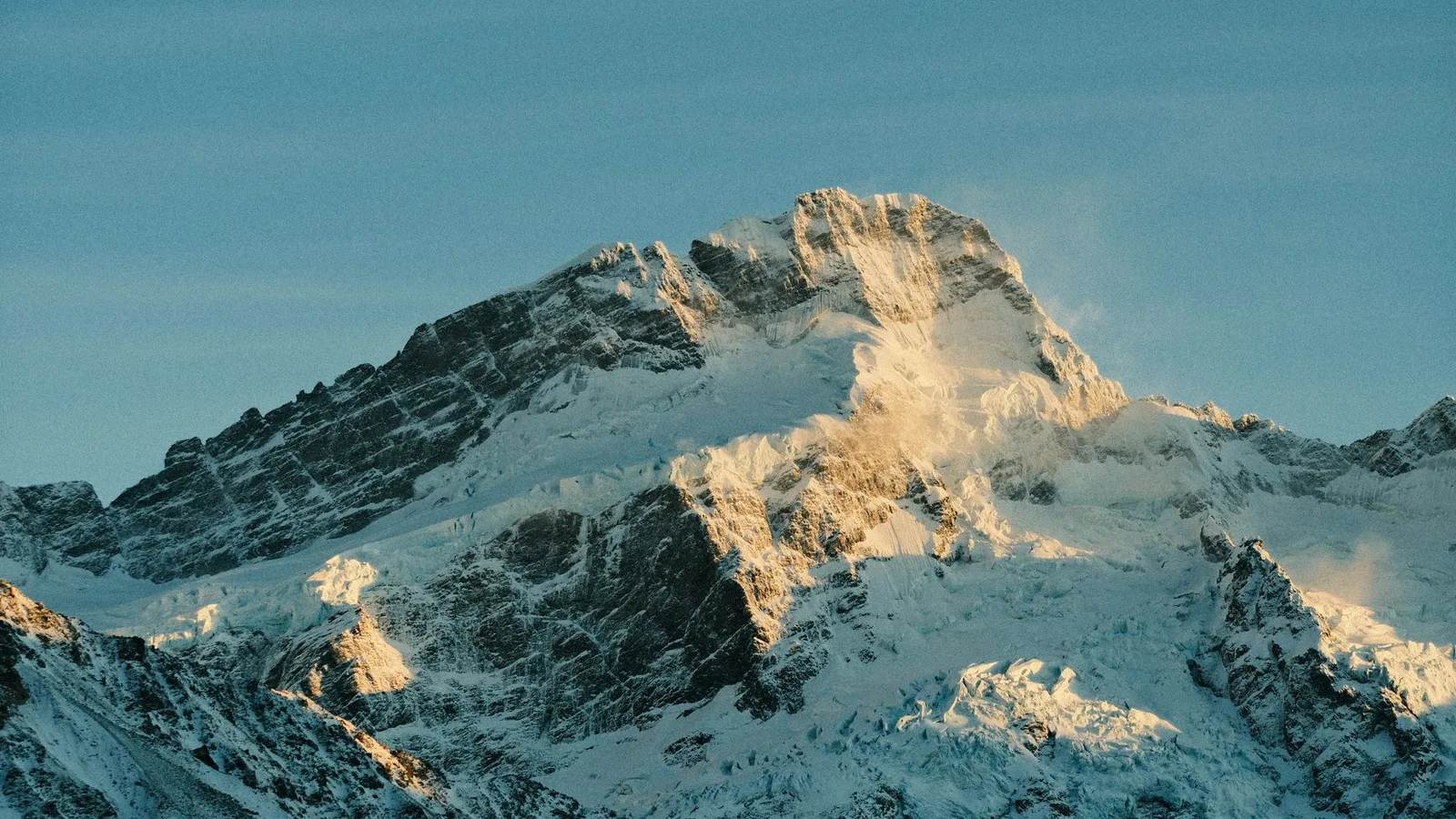
Mount Everest is still getting taller, and part of the reason is a river 75 kilometres away that captured another river about 89,000 years ago. A 2024 study in Nature Geoscience found the erosion that followed is still lifting Everest by up to about 2 millimetres a year, on top of the tectonic collision that built the Himalaya.
Key facts
- Everest’s official height, jointly surveyed by Nepal and China, is 8,848.86 m (29,031.7 ft), announced on 8 December 2020.
- About 89,000 years ago the Kosi river network captured the Arun, about 75 km (47 miles) from Everest.
- The resulting erosion has added an estimated 15–50 metres to Everest and is still lifting it by up to about 2 mm a year.
- Lhotse and Makalu are rising for the same reason, Makalu slightly faster.
The river that stole a river
The Kosi river system worked its way into the course of the Arun and absorbed it, a process geologists call river piracy or river capture. Suddenly carrying far more water, the merged system began cutting through the bedrock of the valleys below Everest much faster than before.
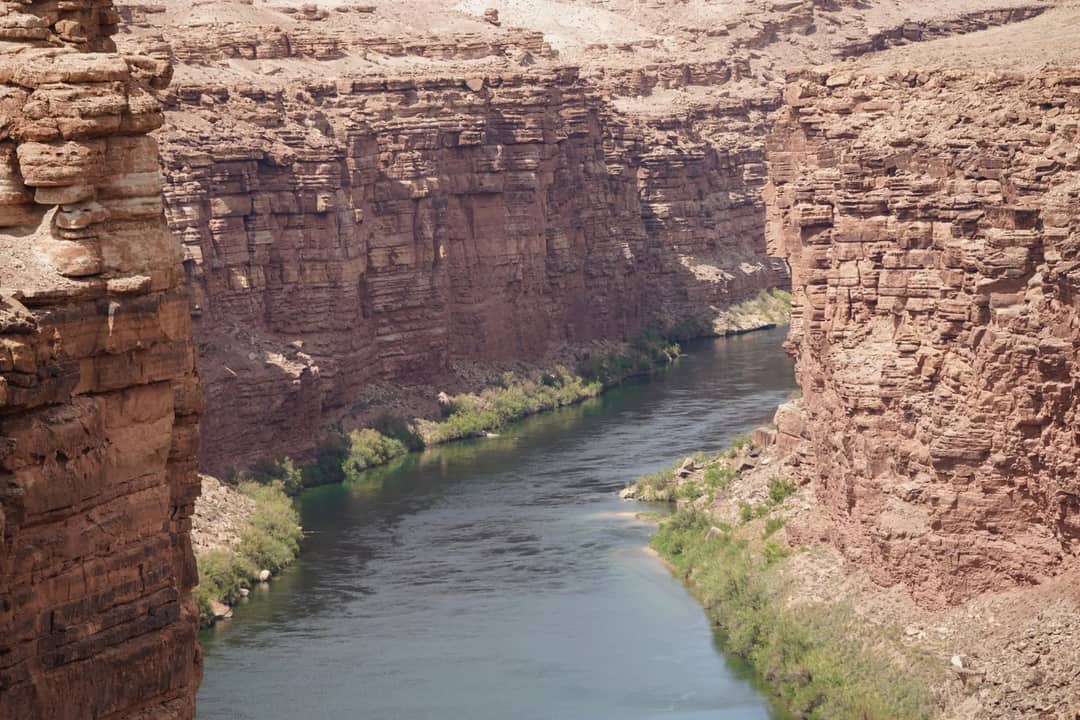
Removing that much rock lightens the crust, and a lighter crust rises — isostatic rebound. Study co-author Adam Smith of University College London compared it to a cargo ship losing its load: “The ship becomes lighter and so floats a little higher.” The rebound drags the neighbouring peaks up with it.
How much of Everest is a river’s doing
Somewhere between 15 and 50 metres, on the team’s modelling. The study, led by Xu Han of the China University of Geosciences with Jin-Gen Dai, Adam Smith and Matthew Fox, estimated the rebound’s total contribution over 89,000 years and its continuing rate.
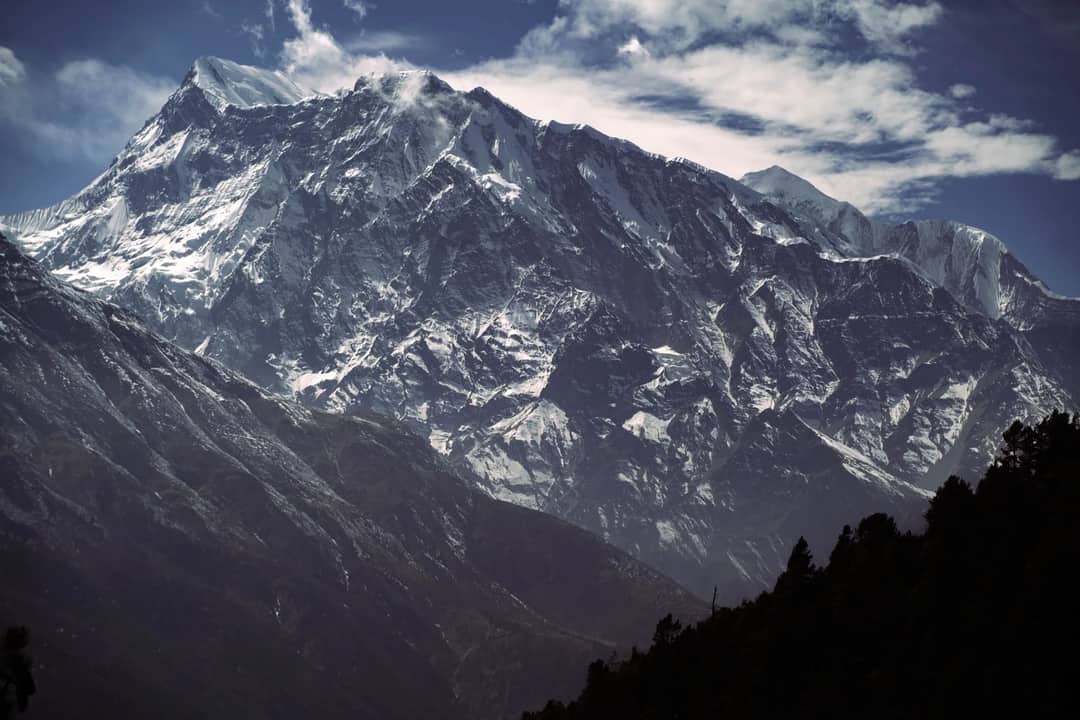
So Everest has at least two engines pushing it up at once: the continental collision that began tens of millions of years ago, and a comparatively recent case of one river swallowing another. The official figure of 8,848.86 metres, itself 86 cm higher than Nepal’s previous number, is a snapshot of a mountain that has never stopped moving.
Not just Everest
Lhotse, the fourth-highest peak, and Makalu, the fifth, are being lifted by the same rebound. Makalu, closest to the Arun’s new course, appears to be rising slightly faster than its neighbours.
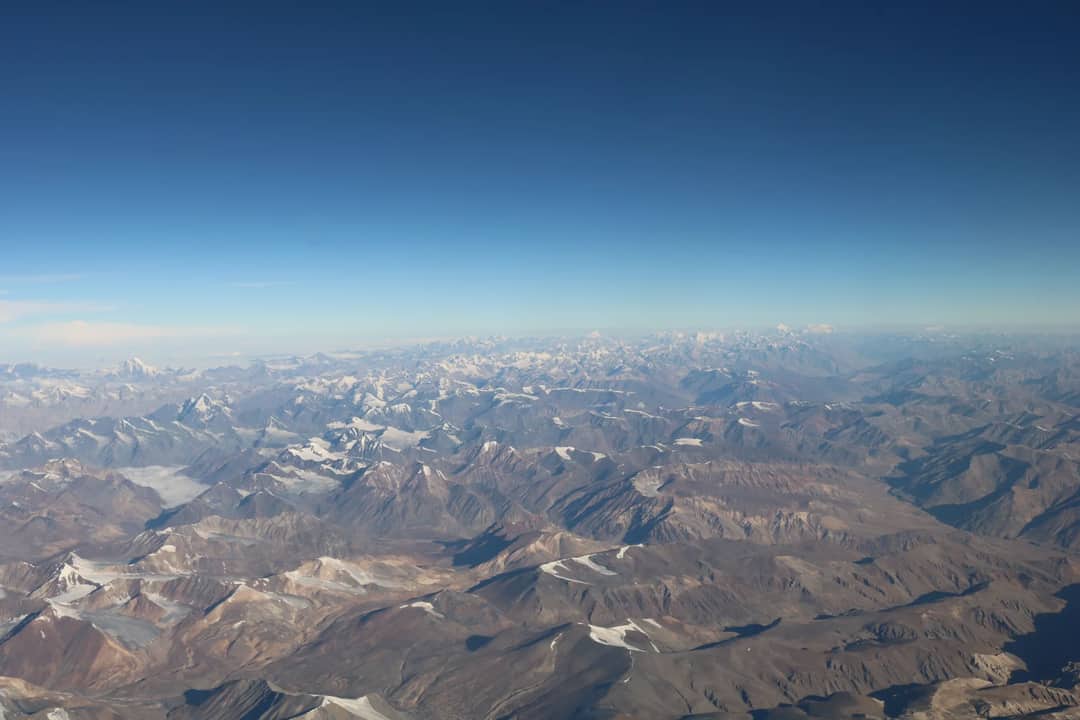
How the height is measured has its own history: the first calculation was made a century before GPS, by a mathematician working from more than 150 kilometres away. The summit rock itself is 450-million-year-old seafloor.
What this means for trekkers
Nothing changes underfoot — two millimetres a year is invisible on a two-week trek. What it does mean is that you can walk the very valleys the study is built on.
What this means for you
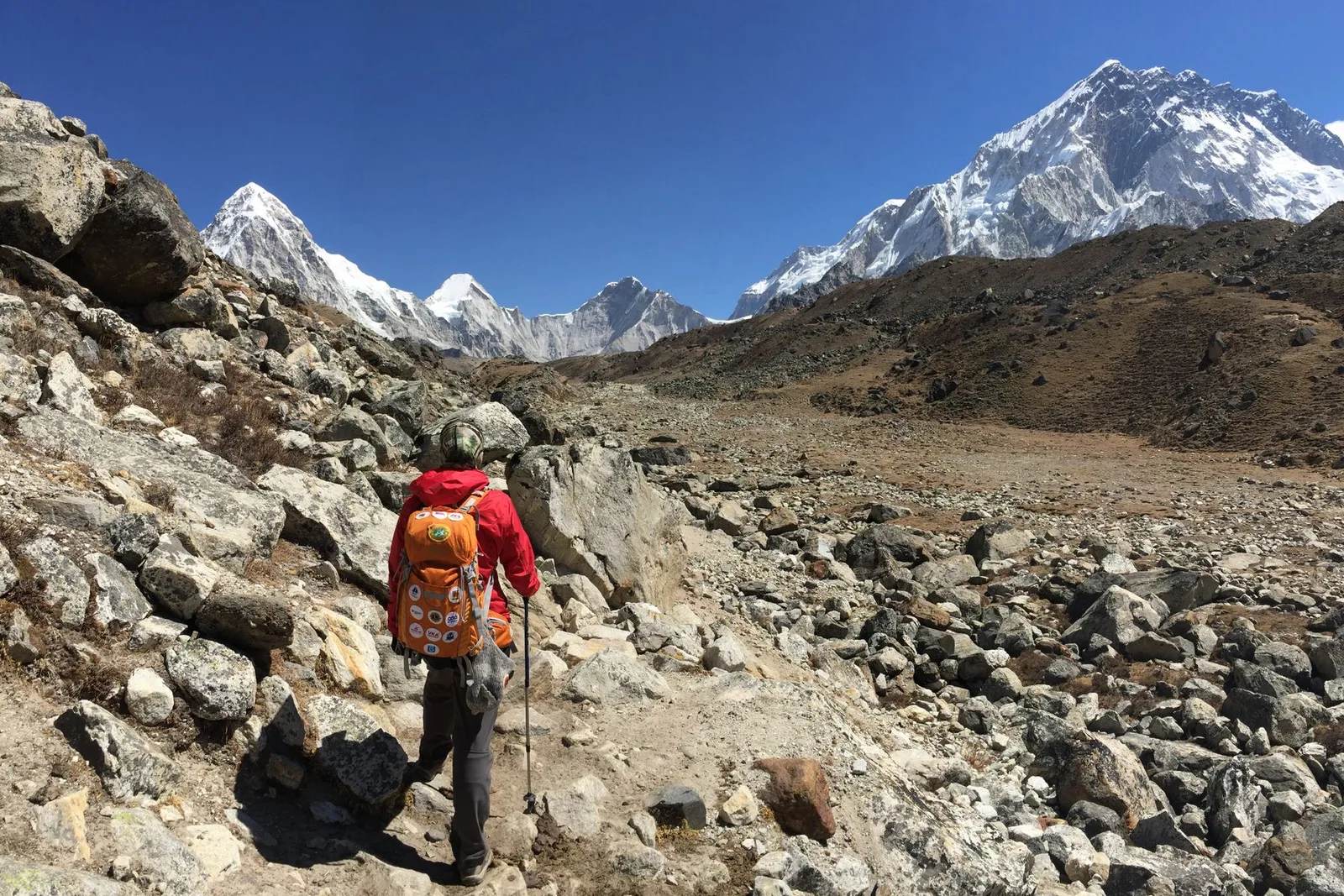
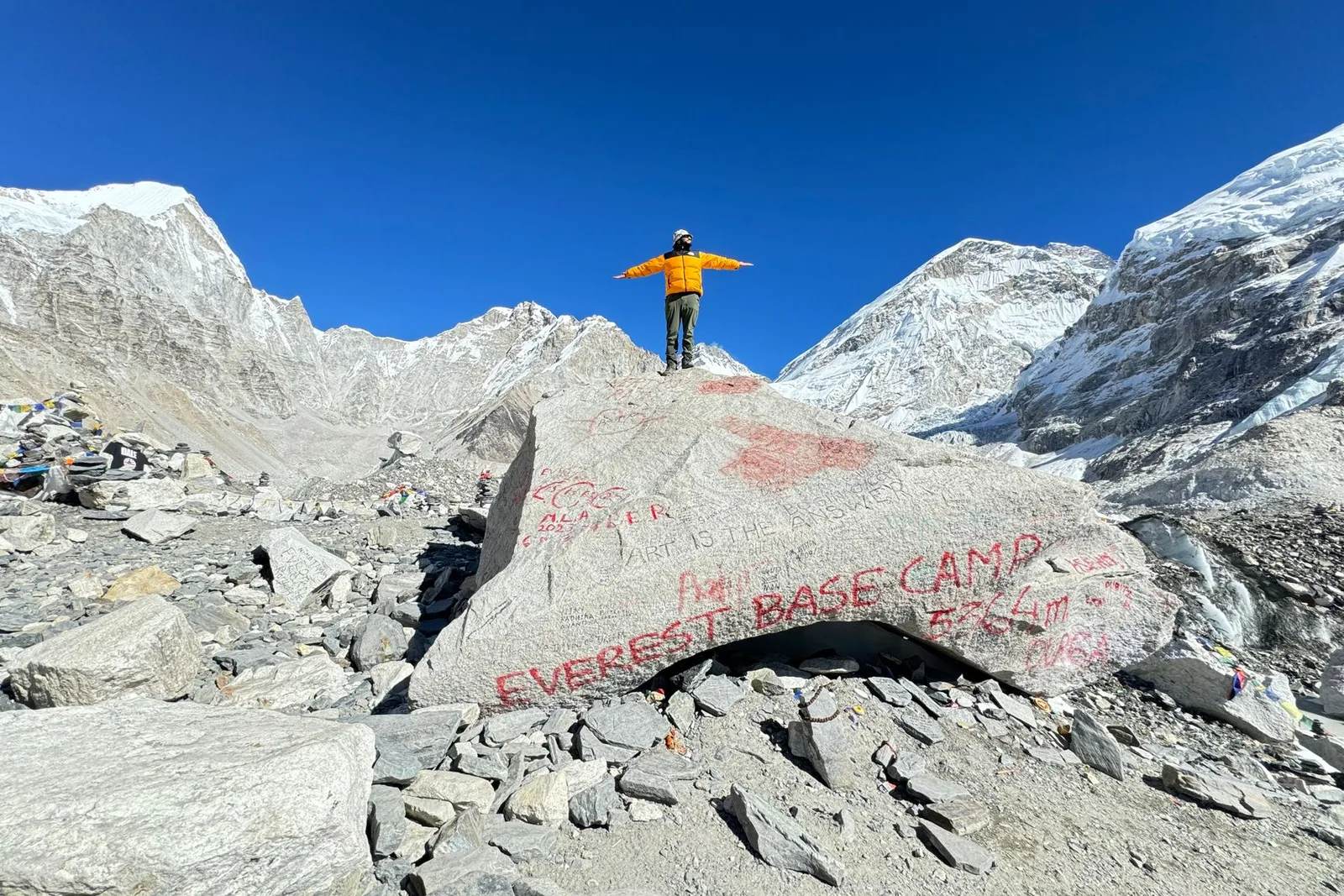
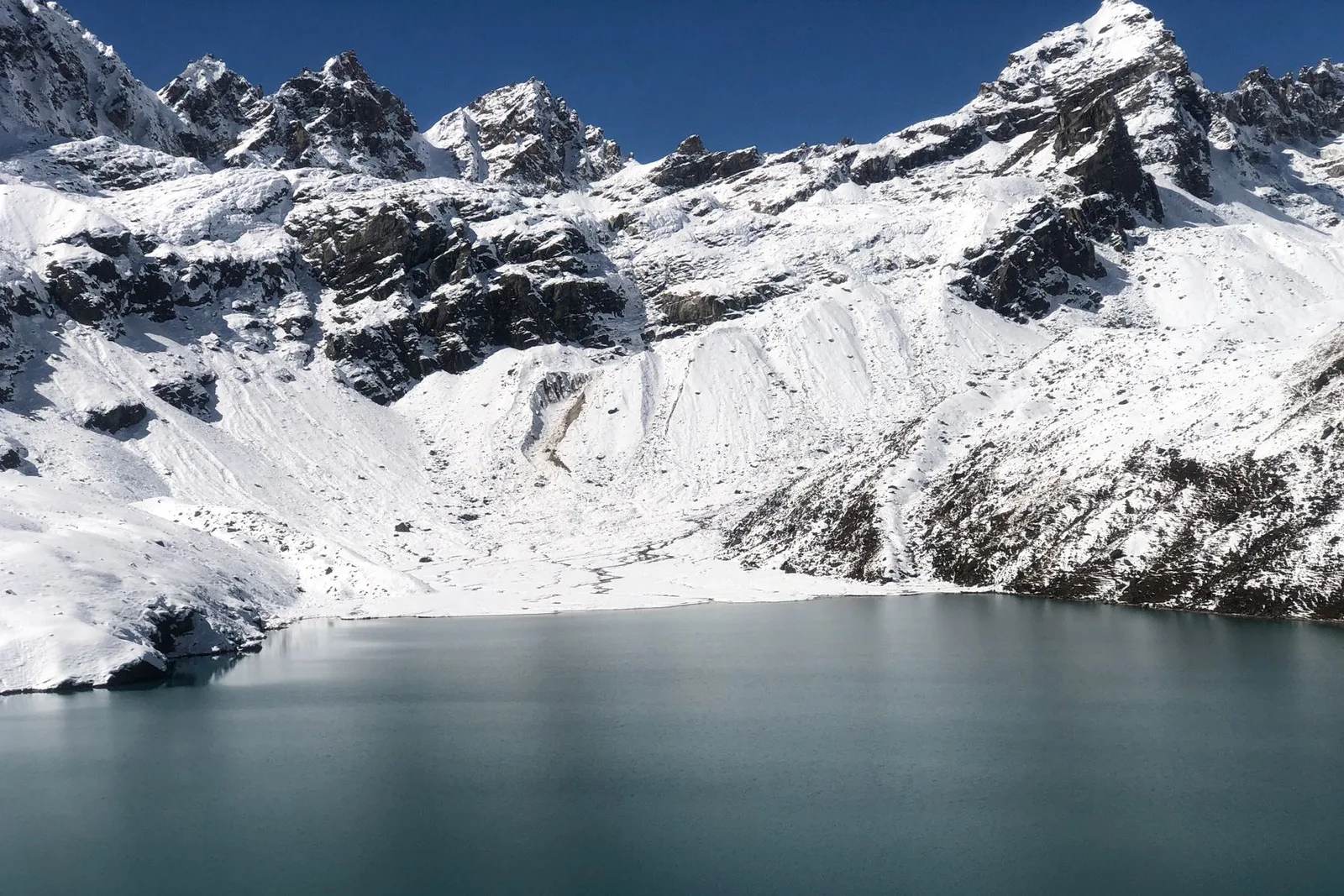
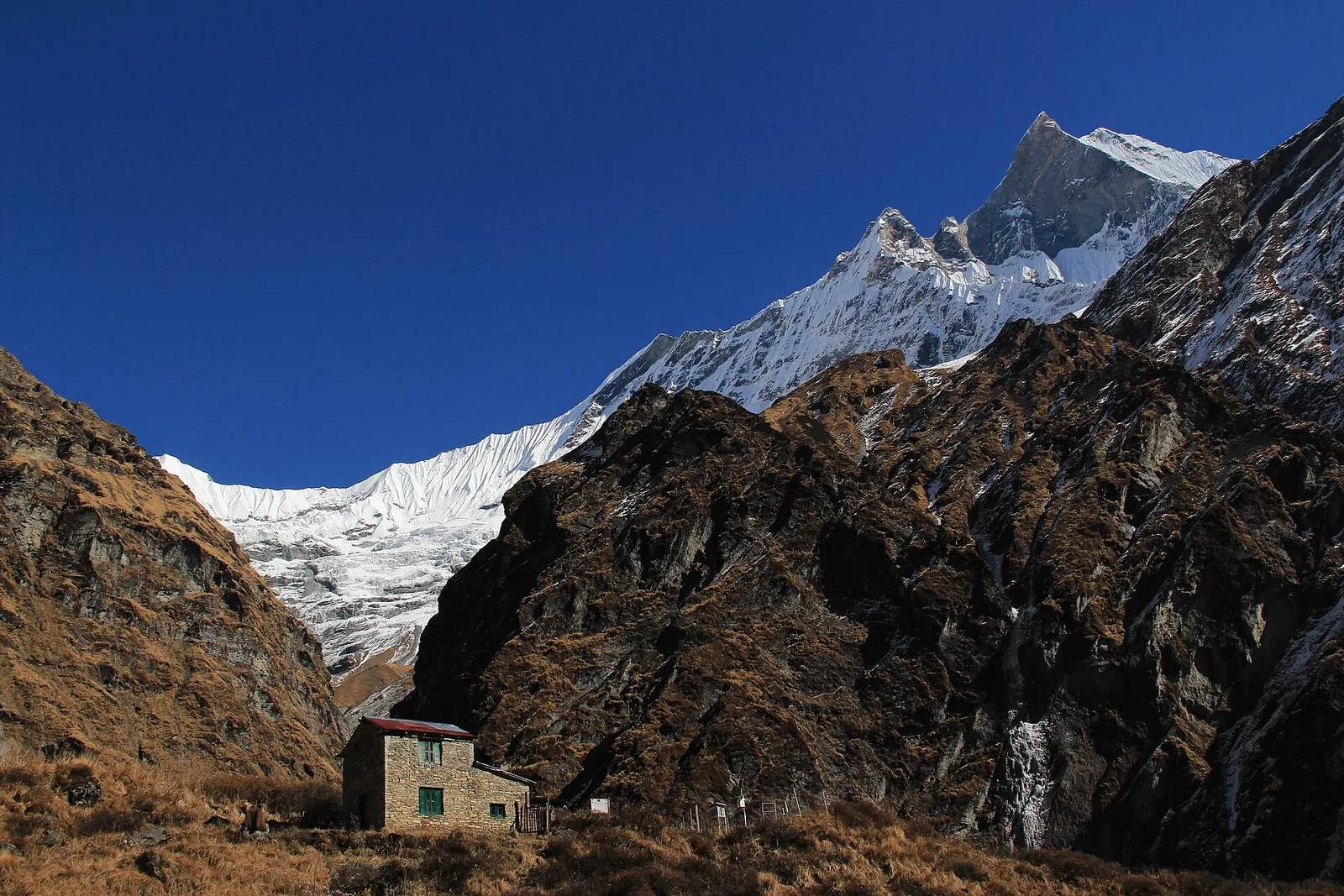
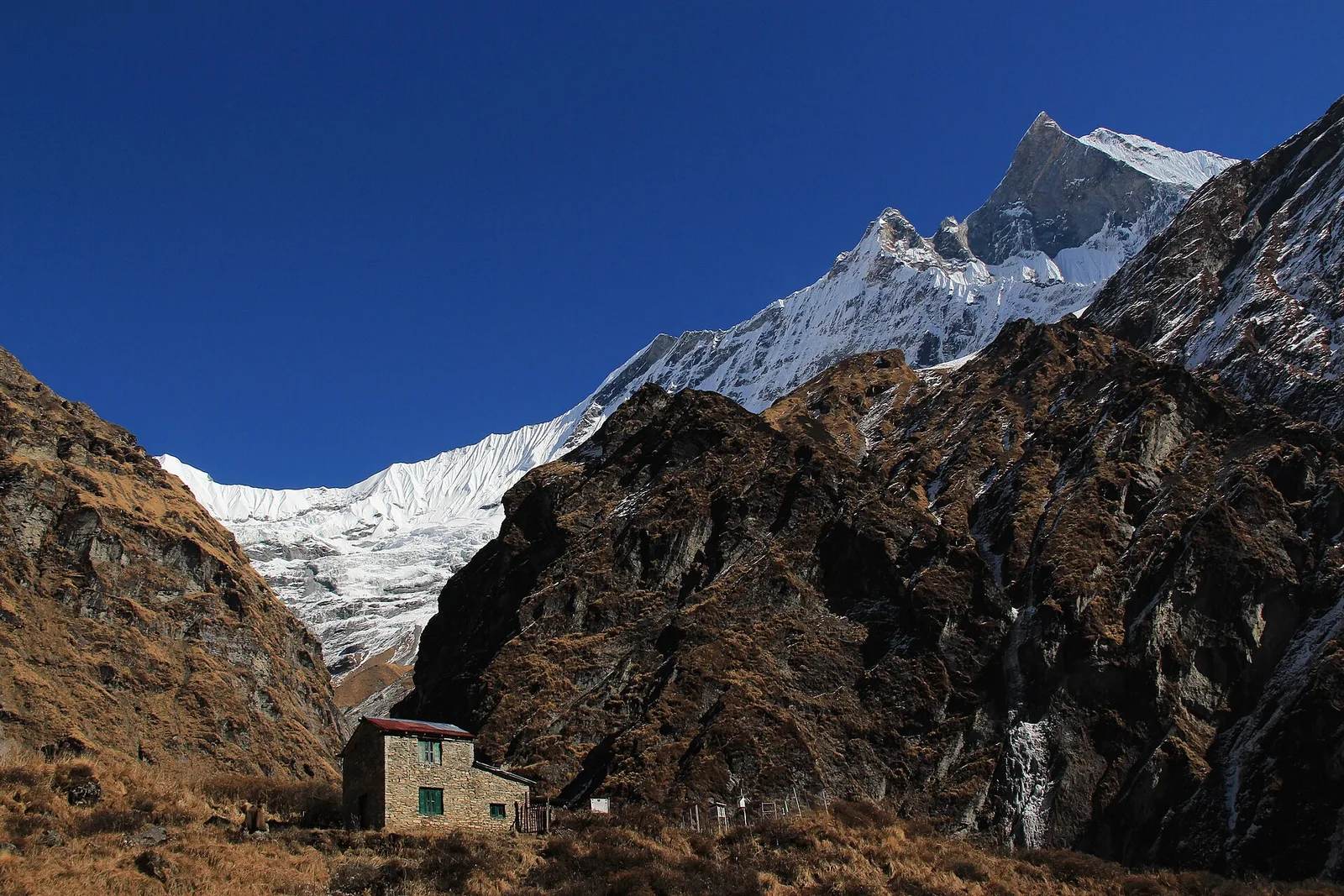
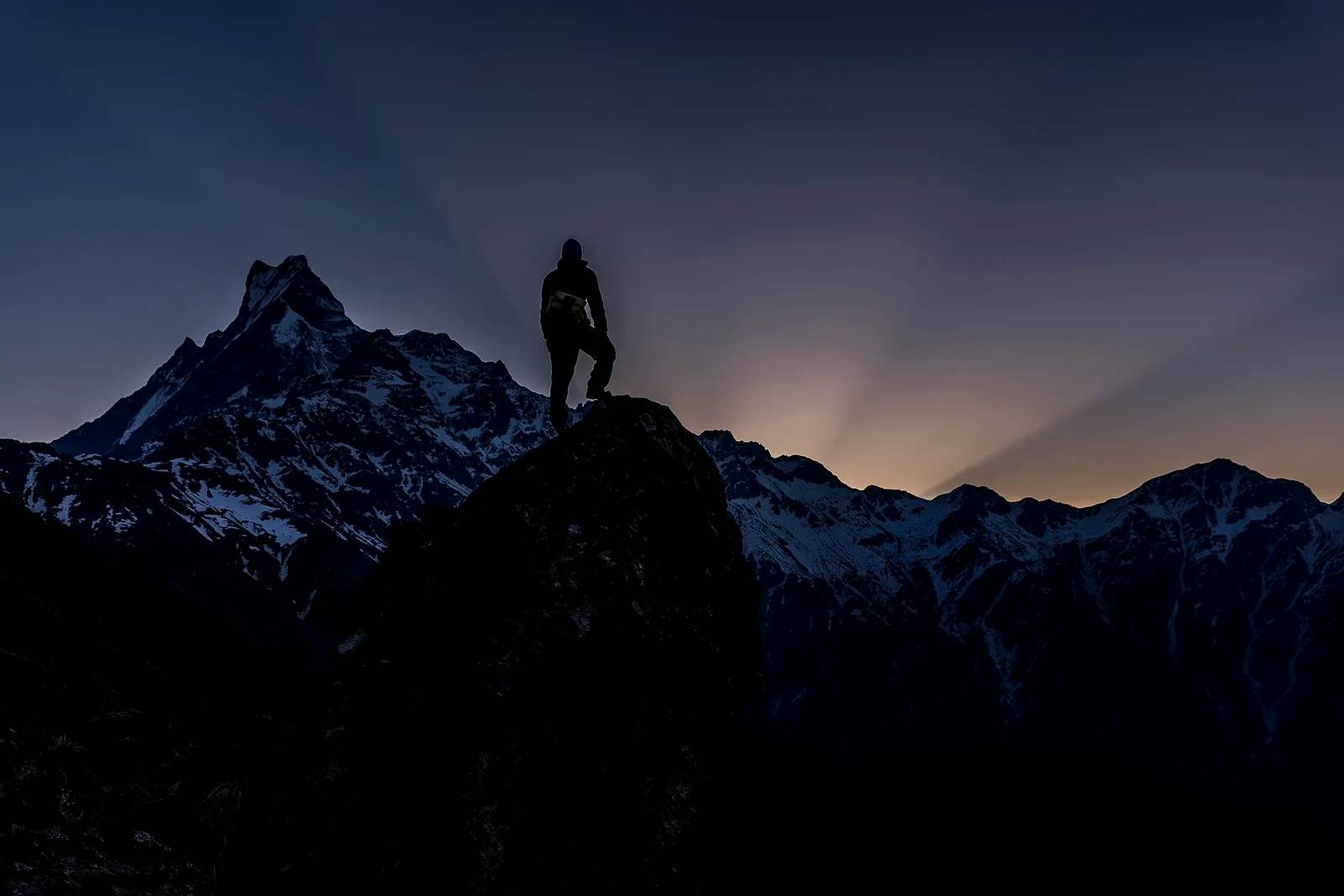
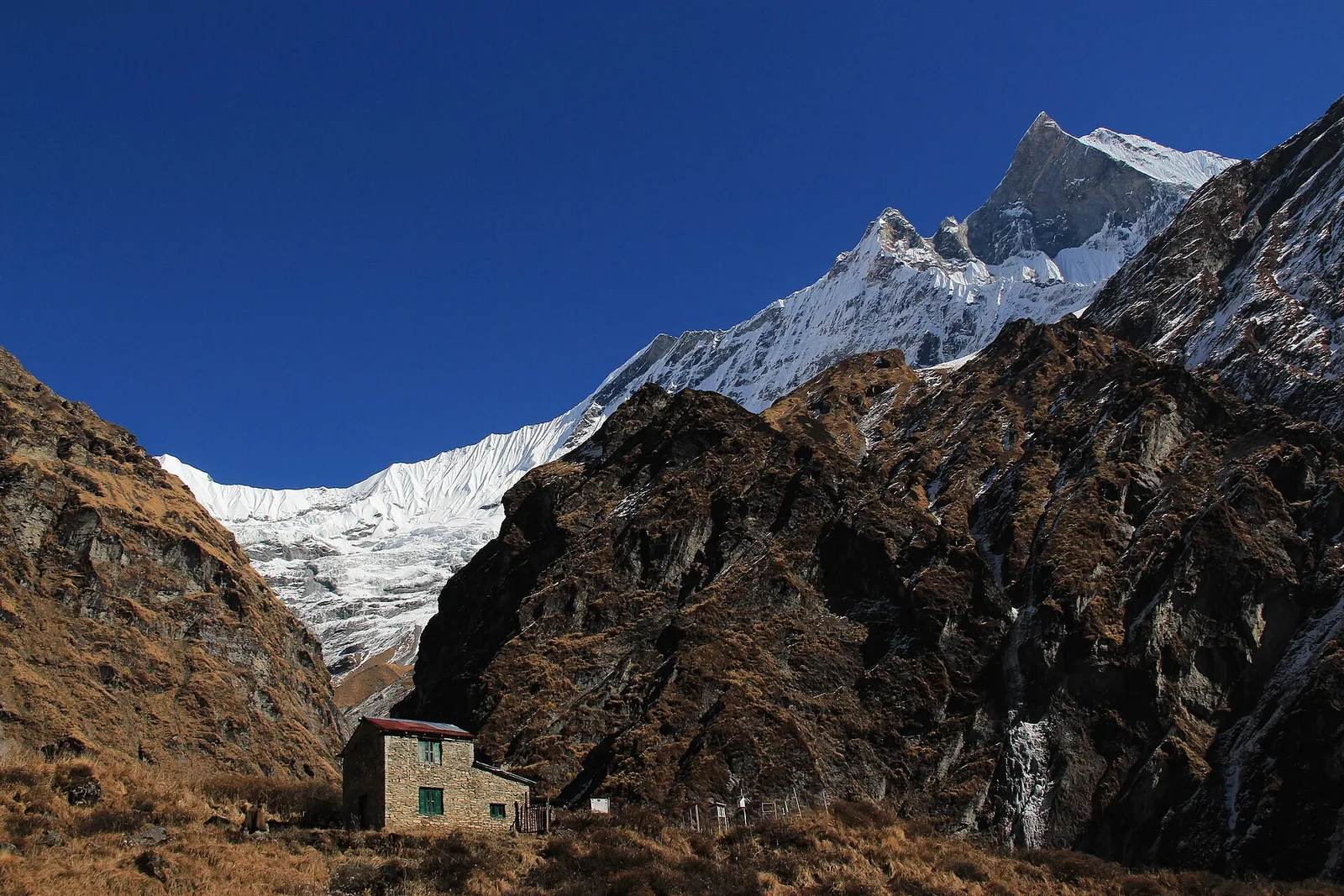
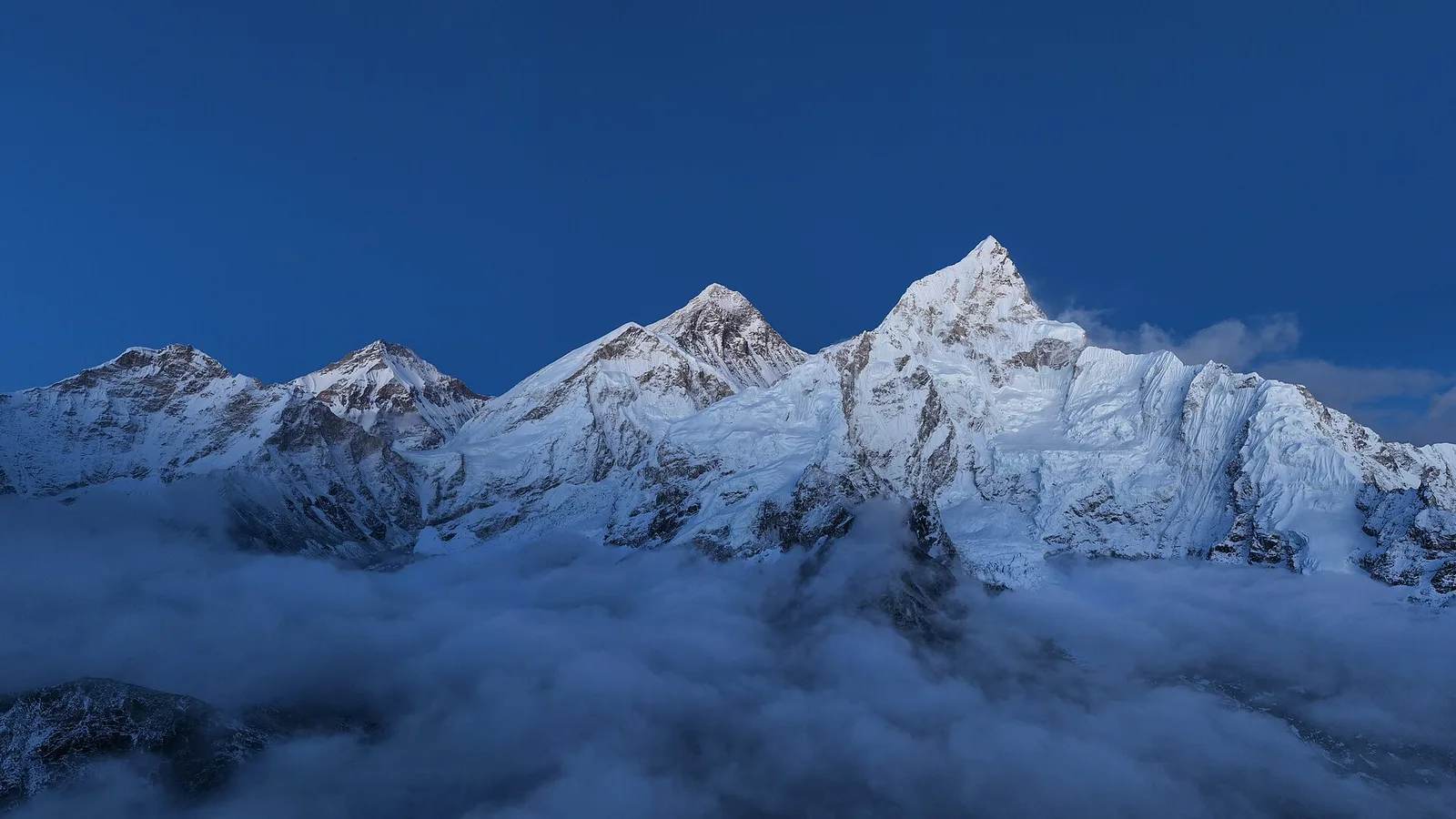
The Makalu Base Camp trek follows the Arun valley from subtropical terraces below 1,000 metres to the foot of the fifth-highest peak. From Kala Patthar on the Everest Base Camp trek, or from the quieter Gokyo side, you can see Everest, Lhotse and Makalu together — the three peaks this study is about.
Sources: Han et al., “Recent uplift of Chomolungma enhanced by river drainage piracy”, Nature Geoscience (2024); University College London; Smithsonian Magazine; The Kathmandu Post (2020 height).
Cover photo: Shashank Brahmavar via Pexels (Pexels License). Section photos: Vijay Richhiya via Pexels (Pexels licence); Dipak Chettri via Pexels (Pexels licence); Chetna Mahajan via Pexels (Pexels licence).
Still running this season
Everest Base Camp Trek — 14 Days is running normally
NMA-certified local guides, transparent pricing, 5,000+ treks since 1998. Message us your dates and we'll sort the permits, lodges and logistics — reply within 24 hours, no obligation.
Popular Nepal treks
All treks →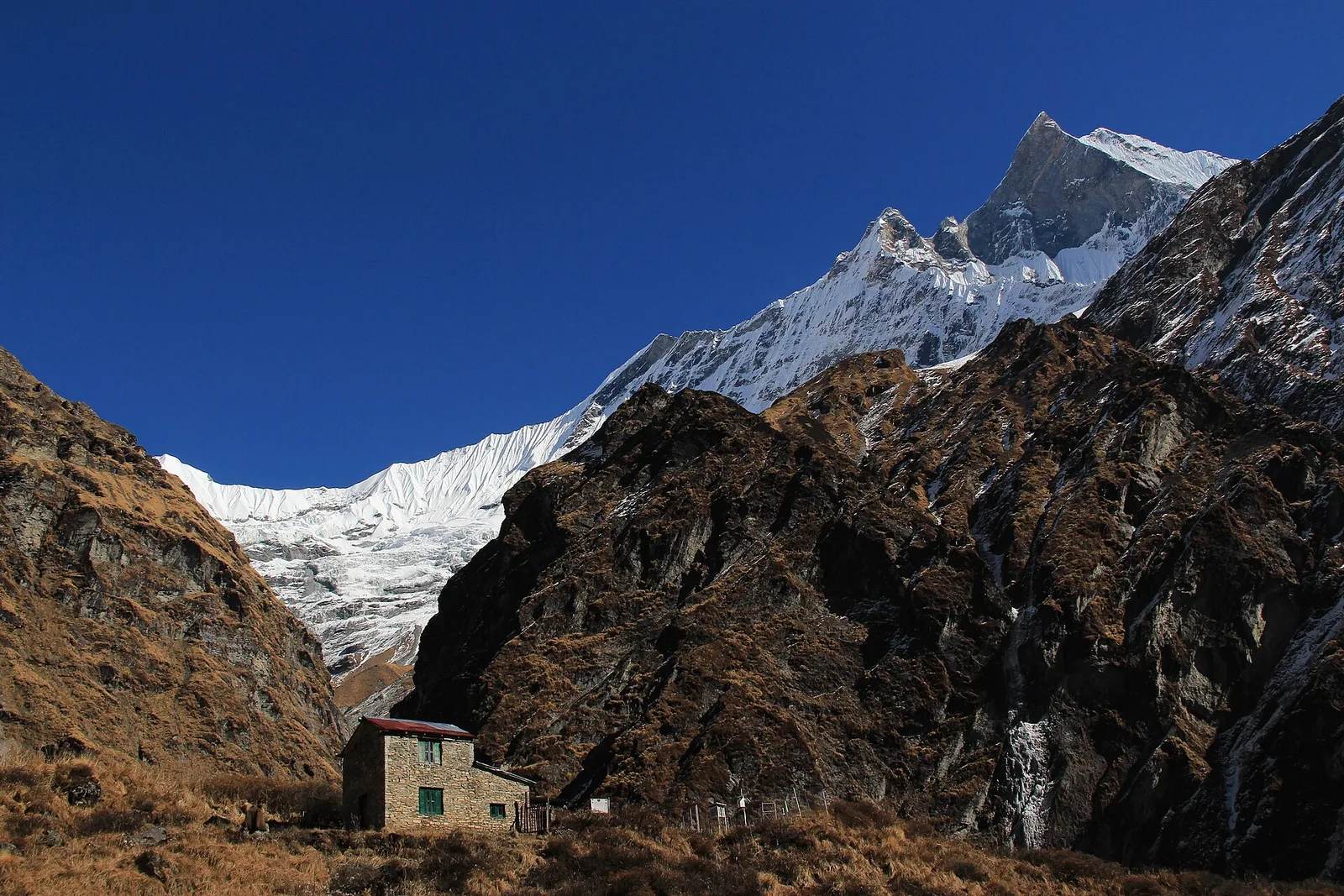
Related coverage
Records & People
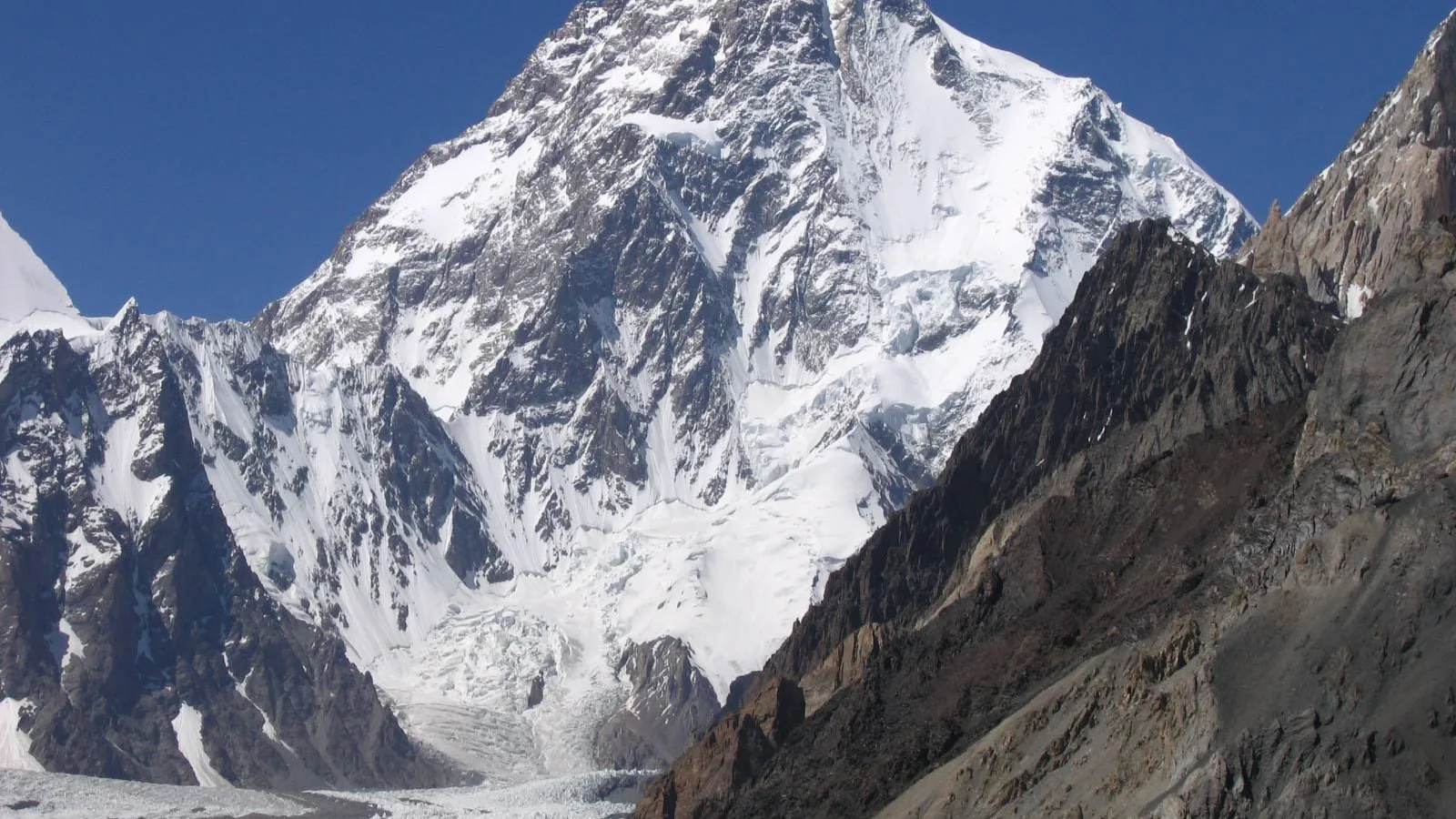
K2 or Everest, which one is actually harder to climb?
K2 is 238 m shorter than Everest but kills roughly one climber in ten — a dimension-by-dimension comparison of height, technical difficulty, weather, rescue and death rate, and why K2 is “the Savage Mountain.”
Records & People
Nepal Drops From 8,848 Metres to 59 in Under 250 Kilometres, and Its Lowest Point Just Moved
A 2017 survey reportedly found a lower spot than the one Nepal had used for decades, which makes the gap between jungle floor and Everest summit even harder to believe.
Records & People
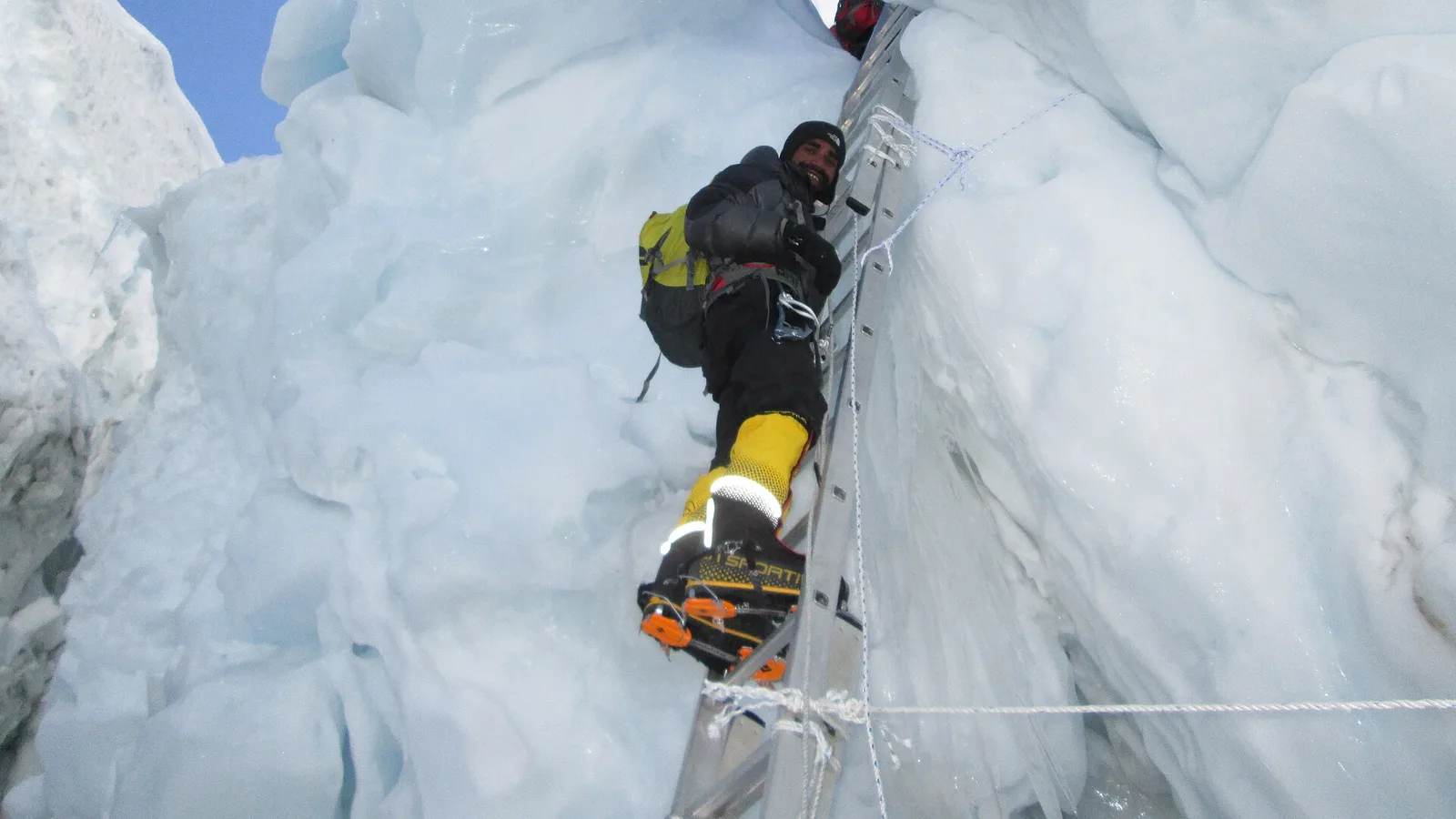
Eight Sherpas Build the Path Every Everest Climber Walks, and This Spring One Ice Tower Stopped Them for 19 Days
The Icefall Doctors fix the ladders and ropes through the Khumbu Icefall each spring, and in 2026 a 28-metre serac made it the latest route opening in years.
Records & People
Mount Everest's Official Height Was Wrong for 65 Years, Until Nepal and China Finally Agreed in 2020
The number on every map, 8,848.86 metres, only became official in December 2020, after two countries spent a decade measuring the same mountain.
Latest from the desk
Breaking Safety & Advisories
An Avalanche Buried Himlung Himal's Base Camp in Nepal, and Ten Climbers and Staff Are Missing
An avalanche hit Himlung Himal's base camp in Nepal's Manang district on 27 September, and rescuers are searching snow for ten missing climbers and staff.

Money & Insurance
You Could Be Owed Cash From a $167 Million Visa and Mastercard Settlement, Here's How to Check
Visa and Mastercard are paying $167.5 million after allegedly blocking cheaper ATM fees, and the claim deadline is 10 February 2027.
Wildlife & Nature
Chitwan or Bardia, here's which Nepal safari you should actually book
Nepal's 2026 tiger census found record numbers in Chitwan and a rare decline in Bardia, and it changes the honest answer to which safari to book.