
The Body on Everest That Climbers Used as a Landmark for 30 Years Finally Has a Name
DNA testing in 2026 named ‘Green Boots’, the climber who marked Everest’s north route for 30 years. The 1996 storm behind him, and the plan to bring him home.
At a glance
- Published · updated
- TopicRecords & People
- Verified againstCBS News
- Treks coveredEBC by Helicopter — 5 Days Kathmandu Package, Everest Base Camp Trek — 14 Days, Everest View Trek — 7 Days
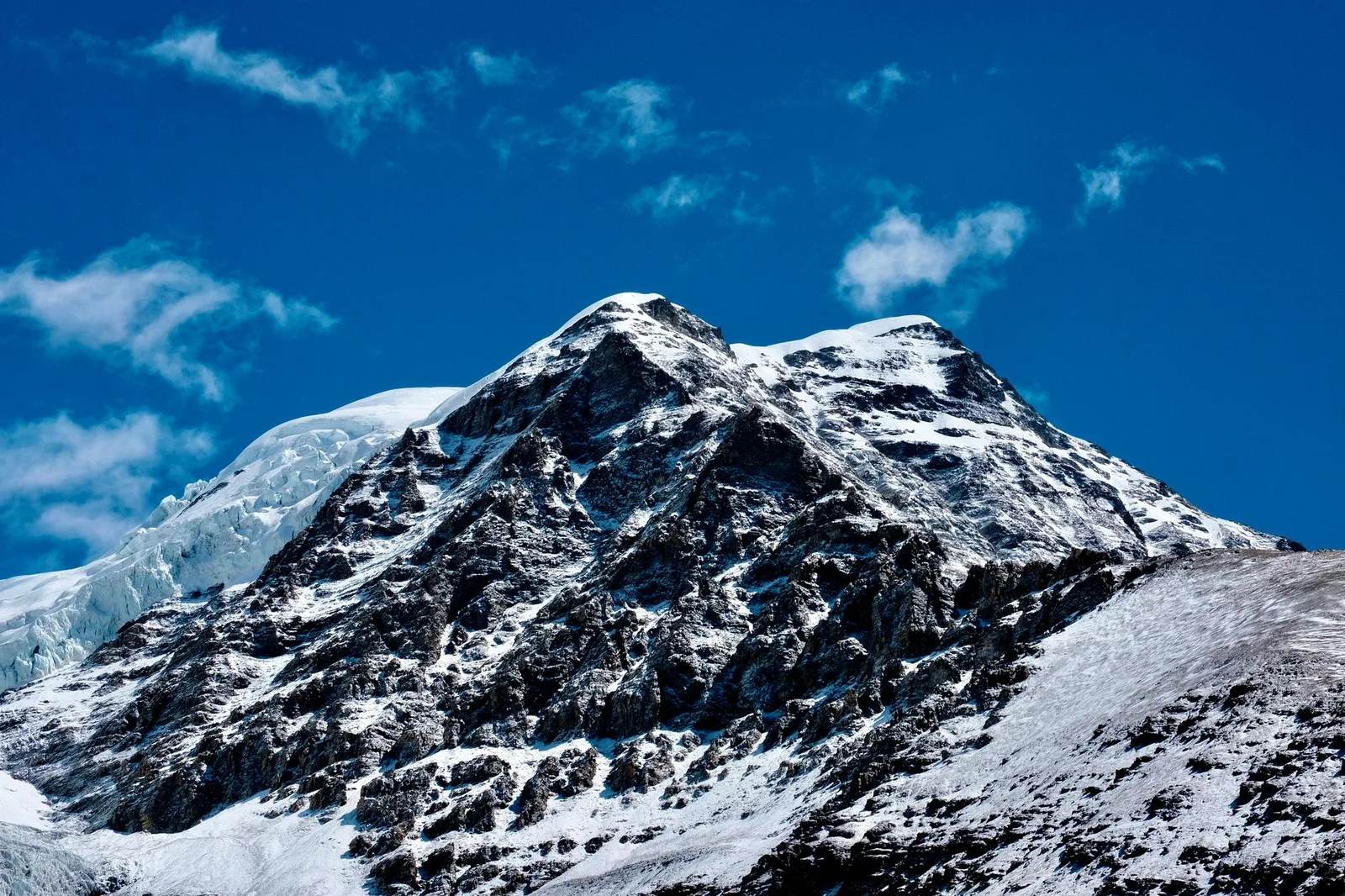
For thirty years, climbers on Everest's north side stepped past a pair of green mountaineering boots sticking out of a limestone alcove at 8,500m, just below the First Step, and kept walking. Everyone called him Green Boots. Almost nobody knew his name. In 2026, DNA testing by India's Indo-Tibetan Border Police finally gave it back to him: Lance Naik Dorje Morup, a 26-year-old ITBP soldier who died in one of the deadliest storms in Everest's history — and who is now, at last, being brought home.
Key facts
- Body located in a limestone cave at 8,500m (27,900ft) on Everest's Northeast Ridge, below the First Step
- Identified in 2026 via DNA testing as ITBP climber Dorje Morup, previously misattributed to teammate Tsewang Paljor
- Died in the storm of May 10, 1996, which killed 8 climbers across both sides of Everest in under 48 hours
- ITBP's recovery tender requires at least six high-altitude Sherpas and a body-to-Delhi deadline of October 2026
Who he was
Morup was one of three Indo-Tibetan Border Police climbers — alongside Subedar Tsewang Smanla and Head Constable Tsewang Paljor — who reached the summit from the north side at around 3:45pm on May 10, 1996, already dangerously late in the day. A blizzard closed in on the descent. None of the three ever radioed their high camp again, and none made it back to 8,300m. The same storm, hitting the south side of the mountain that same night, killed guides Rob Hall and Scott Fischer and three of their clients — the disaster later told in Jon Krakauer's Into Thin Air. Eight people died on Everest in that single storm; three of them were Morup's team, and only his body stayed visible.
Thirty years as a waypoint
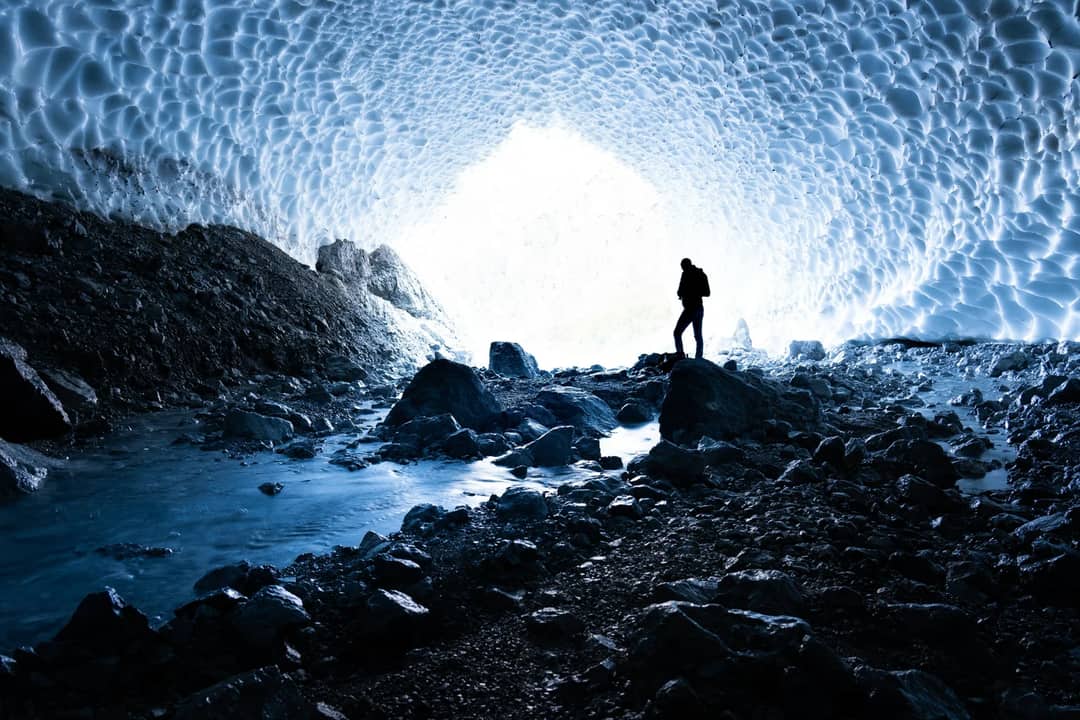
British filmmaker Matt Dickinson filmed the body for his documentary Summit Fever the same year Morup died, and from then on, guides used the green Koflach boots as an unofficial altitude marker on the North Ridge route — climbers reported passing him roughly 90 minutes below the summit. In 2006, a British climber named David Sharp collapsed and died in the same cave while dozens of summit-bound climbers passed him, a tragedy that reignited a global argument about triage above 8,000m that has never really settled. In 2014, a Chinese expedition quietly moved the body to a less visible spot nearby, but it was never brought down — recovery above 8,000m is its own separate, extremely dangerous undertaking, not a simple side errand for a passing team.
Morup, Paljor and Smanla die on the descent after summiting late; body first filmed months later.
A separate tragedy in the same alcove reignites the debate over high-altitude rescue ethics.
A Chinese expedition moves the remains to a less conspicuous ledge nearby.
ITBP confirms the identity and opens a bid for a technical retrieval mission.
Why bringing him down needs Nepal
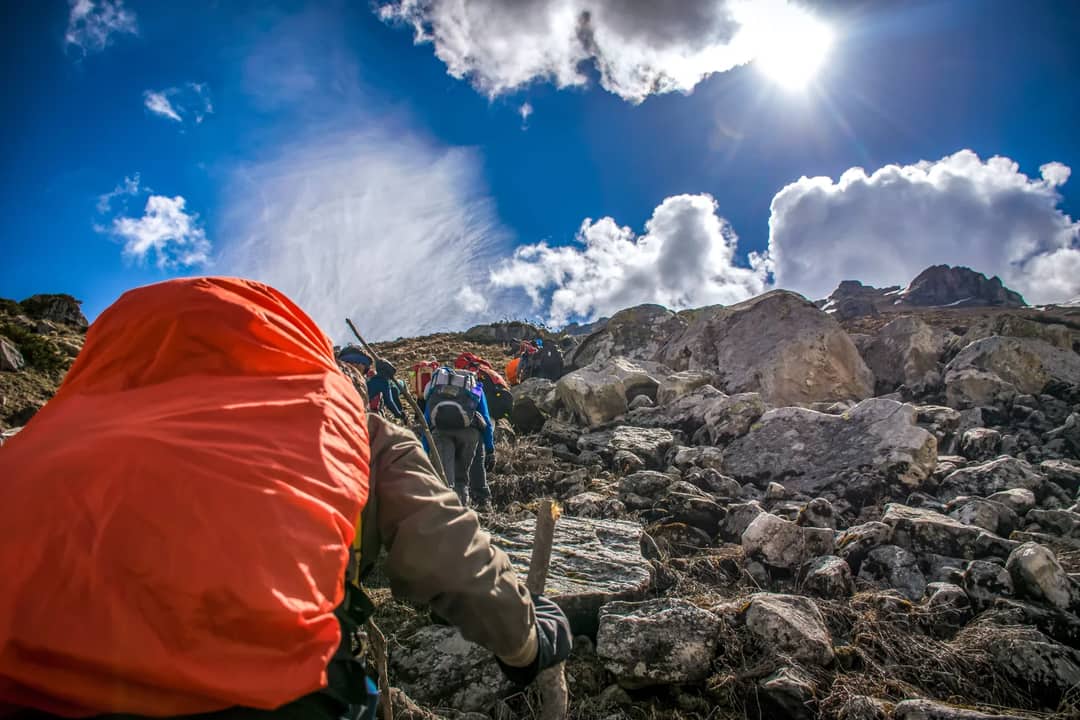
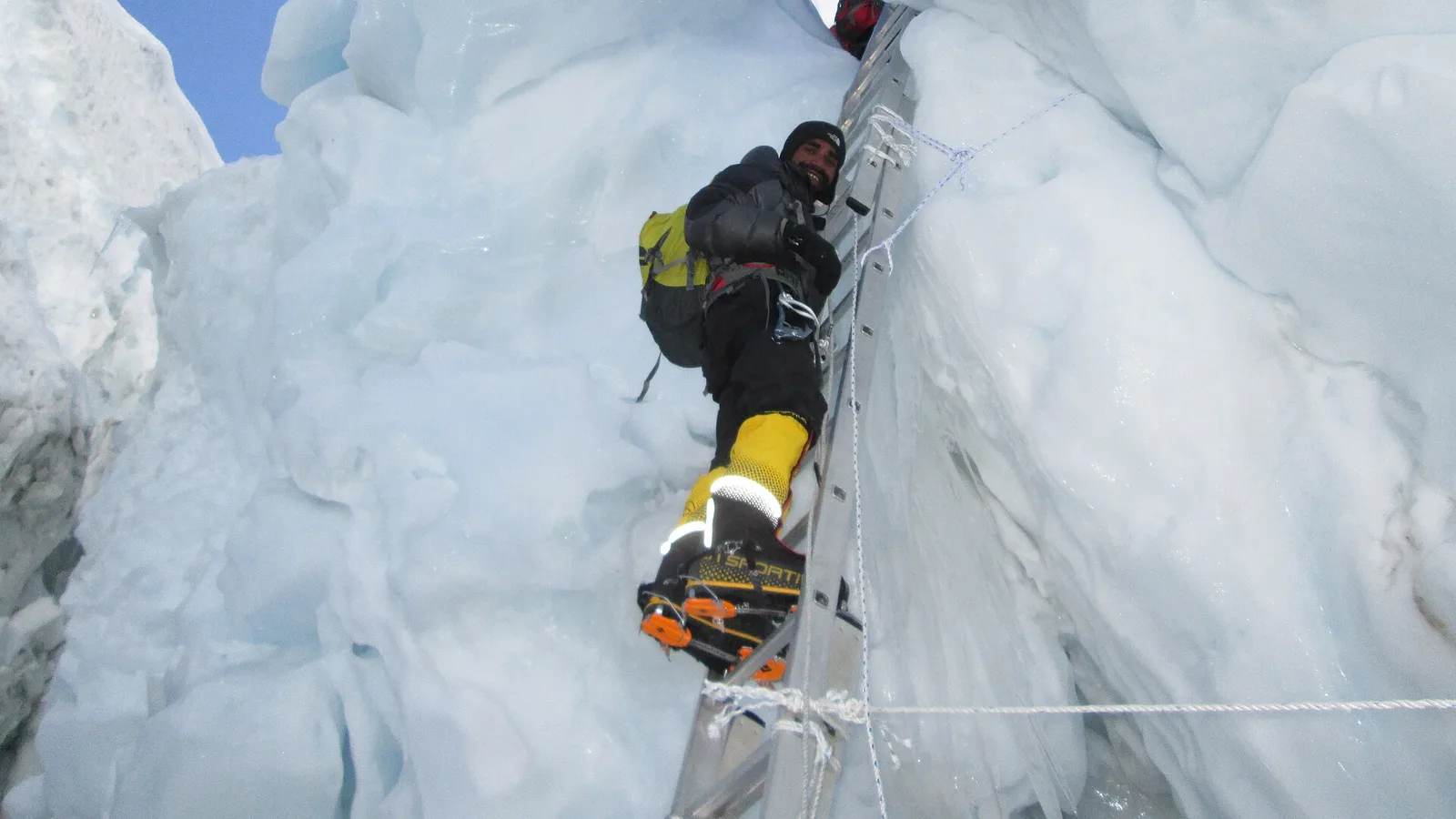
The recovery itself is where this story becomes ours as much as India's. ITBP's 2026 tender calls the mission a Phase II retrieval operation and specifies that the winning contractor must field at least six Sherpas experienced in technical work above 8,000m, secure Chinese permission to operate on the Tibet side, and route the remains south through Nepal for onward transport to Delhi by October. Everest's north side has no equivalent of the Khumbu's guiding infrastructure — every serious high-altitude recovery on that mountain still runs, in practice, through Nepali mountaineering expertise, whichever flag is on the summit permit. It is the same expertise that guides roughly 100,000 trekkers a year up the south-side trail to Everest Base Camp, a route that never goes near the death zone Morup's body has marked since 1996. We covered the team that does the mountain's other invisible high-altitude work in our piece on the Icefall Doctors — the same culture of technical mountain craft is what this recovery leans on.
Status — 19 September 2026
No recovery has been announced yet. The tender set the work window at June to September 2026, with the remains to reach Delhi by October. As of 19 September neither the ITBP nor any expedition source has reported the body being brought down. The Tibet side of the Himalaya is also closed to foreign climbers this autumn, Alan Arnette reports. We will update this page when the mission reports.
What this means for trekkers
What this means for anyone curious about Everest
Roughly 200 bodies remain on Everest — recovery above 8,000m is so dangerous that most families choose to leave their climbers where they fell. Morup's case is now the exception: a name restored, and a mission planned to finally bring him down, three decades late.
Source: CBS News
Cover photo: Martin Chan via Pexels (Pexels License). Section photos: Tima Miroshnichenko via Pexels (Pexels licence); Julien R via Pexels (Pexels licence); Guduru Ajay bhargav via Pexels (Pexels licence).
Still running this season
EBC by Helicopter — 5 Days Kathmandu Package is running normally
NMA-certified local guides, transparent pricing, 5,000+ treks since 1998. Message us your dates and we'll sort the permits, lodges and logistics — reply within 24 hours, no obligation.
Popular Nepal treks
All treks →
Related coverage
Records & People
Mount Everest Was Named After a Man Who Never Saw It and Asked Not to Be
Sir George Everest never set foot near the mountain, never wanted his name on it, and wasn't even the one who proved it was the tallest on Earth.
Records & People
Eight Sherpas Build the Path Every Everest Climber Walks, and This Spring One Ice Tower Stopped Them for 19 Days
The Icefall Doctors fix the ladders and ropes through the Khumbu Icefall each spring, and in 2026 a 28-metre serac made it the latest route opening in years.

Records & People
What really happened on Everest in May 1996, and what it changed
On 10–11 May 1996 a storm caught climbers high on Everest and eight people died. The sequence, the names, and the lessons that reshaped guided climbing — recounted with respect.
Records & People
Nobody tells you Everest can only be climbed a few days a year, and the jet stream is why
For most of the year the jet stream sits on Everest’s summit. It lifts for a few weeks in May as the monsoon pushes it aside, and only then can anyone climb.
Latest from the desk
Breaking Safety & Advisories
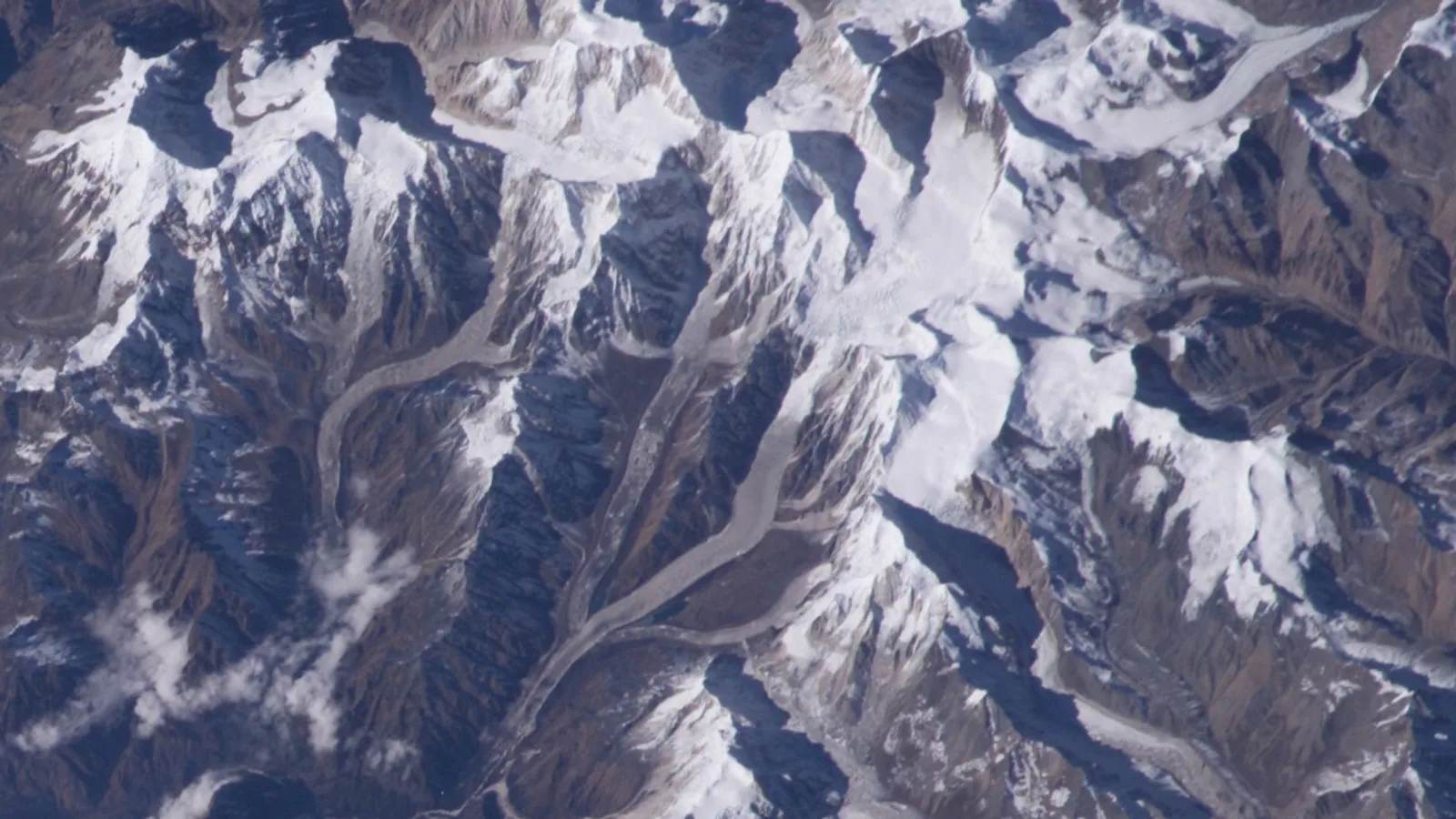
An Avalanche Buried Himlung Himal's Base Camp in Nepal, and Ten Climbers and Staff Are Missing
An avalanche hit Himlung Himal's base camp in Nepal's Manang district on 27 September, and rescuers are searching snow for ten missing climbers and staff.

Money & Insurance
You Could Be Owed Cash From a $167 Million Visa and Mastercard Settlement, Here's How to Check
Visa and Mastercard are paying $167.5 million after allegedly blocking cheaper ATM fees, and the claim deadline is 10 February 2027.
Wildlife & Nature
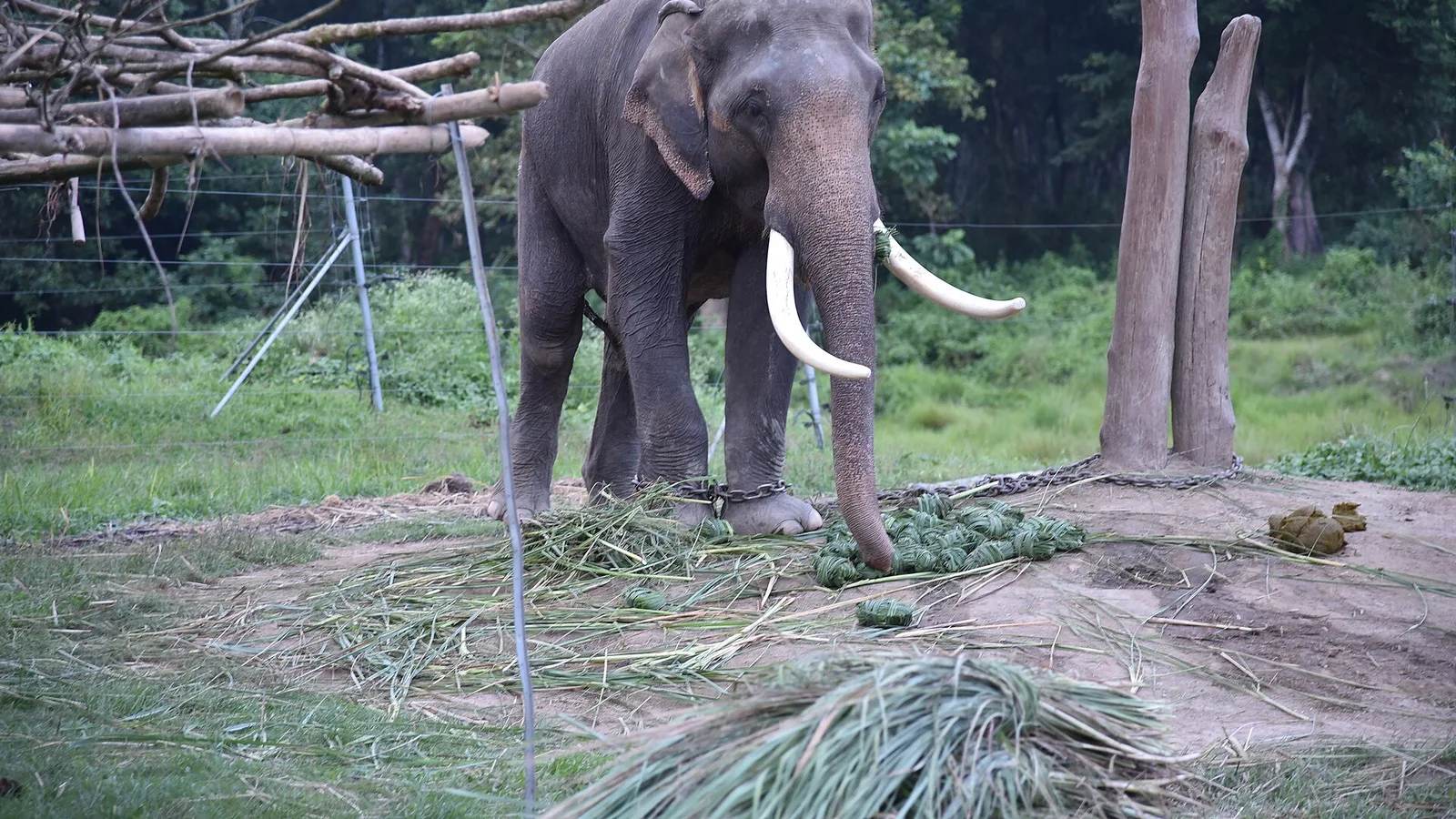
Chitwan or Bardia, here's which Nepal safari you should actually book
Nepal's 2026 tiger census found record numbers in Chitwan and a rare decline in Bardia, and it changes the honest answer to which safari to book.