
Is Trekking in Nepal Dangerous? What the Real 2025/26 Death Data From Annapurna Shows
Twenty-five tourists died of altitude sickness in the Annapurna region in the year to July 2026. Most deaths trace back to one avoidable mistake.
At a glance
- Published · updated
- TopicSafety & Advisories
- Verified againstThe Himalayan Times
- Treks coveredAnnapurna Circuit Trek — 10 Days, Jomsom Muktinath Trek, Mardi Himal Trek — 7 Days
Is trekking in Nepal dangerous? Nepal's own 2025/26 data gives an honest, and slightly surprising, answer: not in the way most people fear. Twenty-five tourists died of altitude sickness in the Annapurna Conservation Area in the fiscal year to mid-July 2026, up from 19 the year before, and the great majority of those deaths trace back to one avoidable mistake, skipping acclimatisation, not bad luck on a mountain.
Key facts
- 25 tourists died of altitude sickness in the Annapurna Conservation Area in FY 2025/26 (mid-July 2025 to mid-July 2026), up from 19 the year before
- 15 of those 25 deaths happened in Mustang, where a paved road lets travellers reach 3,800m Muktinath in a single day without walking in
- A further 5 tourists died in separate falls and severe-weather incidents on Annapurna trails the same year
- By contrast, Everest's record spring 2026 season, 492 permits issued and a single-day record of 274 summits, recorded 5 climbing deaths, a fatality rate under 0.5%
What Nepal's own numbers say
Twenty-five altitude deaths in one year, and fifteen of them in a single district. The figures come from the Annapurna Conservation Area Project (ACAP), reported by The Himalayan Times on 22 July 2026. Of the 25 who died, 12 were Nepali (including four trekking guides and porters), nine were Indian, and one each was Japanese, Mexican, Spanish and Singaporean. It is not a steady climb: the toll fell from 21 to 19 the year before, then jumped to 25.
| Location | Deaths |
|---|---|
| Mustang (incl. Muktinath road route) | 15 |
| Manang | 8 |
| Annapurna Base Camp trail | 1 |
| Mardi Himal trail | 1 |
| Total | 25 |
Why Mustang, specifically
ACAP's chief, Dr Rabin Kadel, pointed to a specific pattern: acute mountain sickness is particularly common among Nepali and Indian visitors who drive directly to high-altitude destinations such as Muktinath (3,800m) without any acclimatisation days built in. That is the opposite of how a walking trek works. Someone flying into Kathmandu and trekking to Annapurna Base Camp (4,130m) or around the Annapurna Circuit gains altitude gradually over a week or more, with rest days built into the route, exactly the pattern that prevents AMS. Someone driven up a paved road to Muktinath in an afternoon skips that step entirely.
What this means for trekkers
The real risk in Nepal's mountains isn't a rare accident, it's a well-understood illness with a well-understood fix. Gain no more than 300–500m of sleeping altitude per day above 3,000m, build in rest days, and travel with a licensed guide trained to recognise early AMS symptoms and turn a client around before it becomes life-threatening. That is standard practice on a proper multi-day trek; it is exactly what gets skipped by day-trippers driven to altitude.
Altitude, not accidents, is the risk on the trails
On the walking trails the dominant danger is altitude sickness, not avalanches or falls. It's worth separating this from the other kind of Himalayan risk people picture, avalanches, falls, a climber lost on an 8,000m peak. Nepal lost climbers in a Broad Peak avalanche in Pakistan this summer, and five bodies were recovered in August, nine months after a separate avalanche on Yalung Ri. Those risks are real and can't be engineered away, but they belong to unguided or semi-guided technical mountaineering, not Base Camp trekking. On the walking trails that carry the vast majority of Nepal's foreign visitors, Annapurna Base Camp, the Annapurna Circuit, Everest Base Camp, Mardi Himal, the dominant real threat is altitude sickness, and altitude sickness is the one Himalayan danger that responds almost completely to pacing.
What actually protects you
Every Travel Himalaya Nepal itinerary is built around this exact logic: altitude is gained in stages, with acclimatisation days scheduled at Namche-equivalent altitudes, and a licensed guide walks with the group who is trained to recognise AMS early and descend a client immediately rather than push on.
Two questions to ask before you book
Ask how many rest days are built into the itinerary at altitude, and whether the guide is licensed and trained to recognise AMS. Those two answers matter more than almost anything else on the trip, and an operator who cannot answer them precisely has told you something. For a longer checklist, see our guide on choosing a safe trekking company in Nepal.
Source: The Himalayan Times, citing the Annapurna Conservation Area Project (ACAP).
Cover photo: Ashok Sharma via Pexels (Pexels License). Section photos: Ashok J Kshetri via Pexels (Pexels licence); Rajan Pun via Pexels (Pexels licence); Jędrzej Koralewski via Pexels (Pexels licence).
Still running this season
Annapurna Circuit Trek — 10 Days is running normally
NMA-certified local guides, transparent pricing, 5,000+ treks since 1998. Message us your dates and we'll sort the permits, lodges and logistics — reply within 24 hours, no obligation.
Popular Nepal treks
All treks →
Related coverage
Deals & Routes
Annapurna Circuit or Upper Mustang, here's how to pick between Nepal's two classic treks
One climbs to a 5,416m pass with real altitude risk, the other stays under 4,000m in a walled desert kingdom. Here's the honest trade-off.
Safety & Advisories
Your Nepal Trekking Guide Just Spent the Week Learning to Keep You Alive Above 4,000m
Days before Nepal's autumn trekking season opens, two of the country's oldest mountain-safety institutions ran back-to-back wilderness first-aid courses for working guides, drilling CPR, patient evacuation and the earliest signs of altitude sickness.
Safety & Advisories
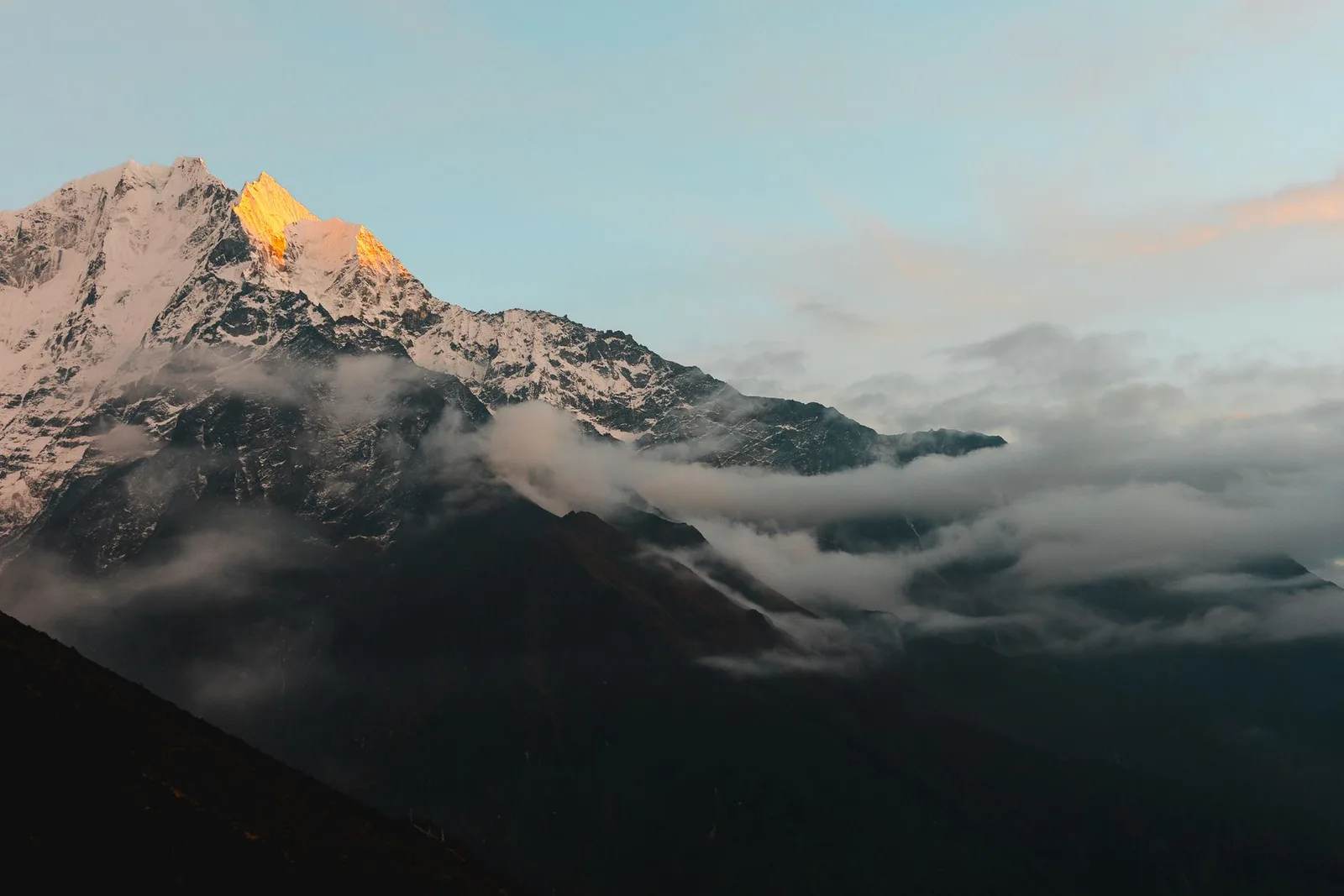
Is the Annapurna Circuit Trek Affected by the 2026 Nepal Floods?
Short answer: the Circuit trail itself was not hit — it runs the Marsyangdi and Kali Gandaki on the far western side of the country, a different river system from the Rasuwa flood. The one real catch is the drive in: confirm the Prithvi Highway to Besisahar, or fly to Pokhara.
Safety & Advisories
Is the Helambu Trek Affected by the 2026 Nepal Floods?
Mostly no, but this one needs a real check. The Helambu trails were not hit by the Rasuwa flood, but Helambu sits on the edge of the disruption zone on a monsoon-fragile access road. Reconfirm road access before you commit — and right now the no-doubt choice is Poon Hill or Annapurna.
Latest from the desk
Breaking Safety & Advisories
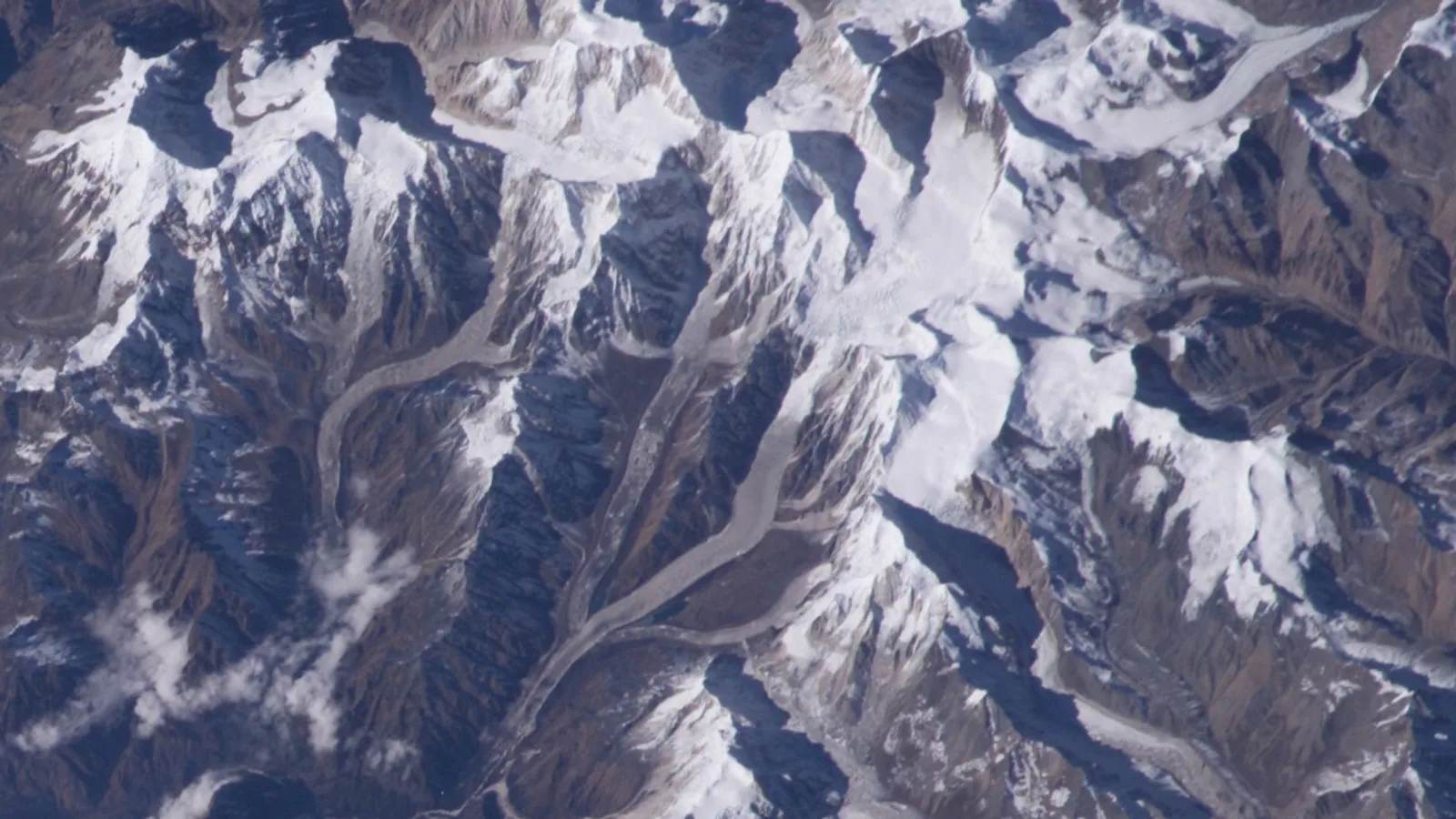
An Avalanche Buried Himlung Himal's Base Camp in Nepal, and Ten Climbers and Staff Are Missing
An avalanche hit Himlung Himal's base camp in Nepal's Manang district on 27 September, and rescuers are searching snow for ten missing climbers and staff.

Money & Insurance
You Could Be Owed Cash From a $167 Million Visa and Mastercard Settlement, Here's How to Check
Visa and Mastercard are paying $167.5 million after allegedly blocking cheaper ATM fees, and the claim deadline is 10 February 2027.
Wildlife & Nature
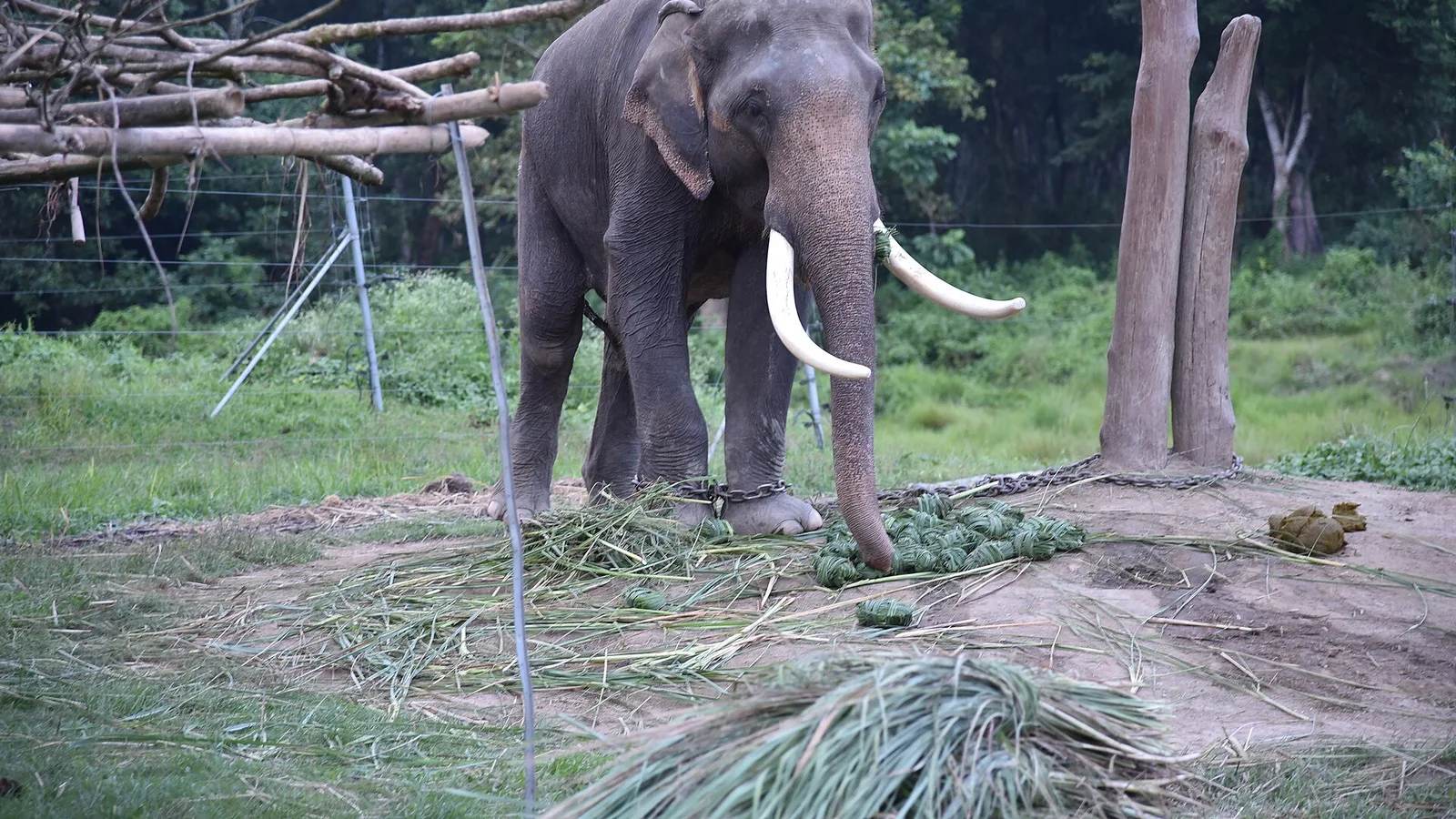
Chitwan or Bardia, here's which Nepal safari you should actually book
Nepal's 2026 tiger census found record numbers in Chitwan and a rare decline in Bardia, and it changes the honest answer to which safari to book.