
Is Trekking in Nepal Safe in 2026? What the Real Death and Rescue Data Say
Altitude sickness, not crime, is what kills trekkers in Nepal. A fresh ACAP toll shows exactly where it happens, and how not to become a statistic.
At a glance
- Published · updated
- TopicSafety & Advisories
- Verified againstThe Himalayan Times
- Treks coveredAnnapurna Base Camp Trek — 15 Days from Kathmandu, Jomsom Muktinath Trek
Yes — trekking in Nepal is safe for the overwhelming majority of the roughly 1.16 million foreign visitors who arrived in 2025, but the real risk is not crime or landslides, it's altitude, and a fresh government toll shows exactly where it kills. In the fiscal year to July 2026, altitude sickness killed 25 people in the Annapurna region alone, according to Annapurna Conservation Area Project (ACAP) officials — more than the 5 who died there from falls, avalanches or being lost in snowfall over the same period.
Where the deaths actually happen
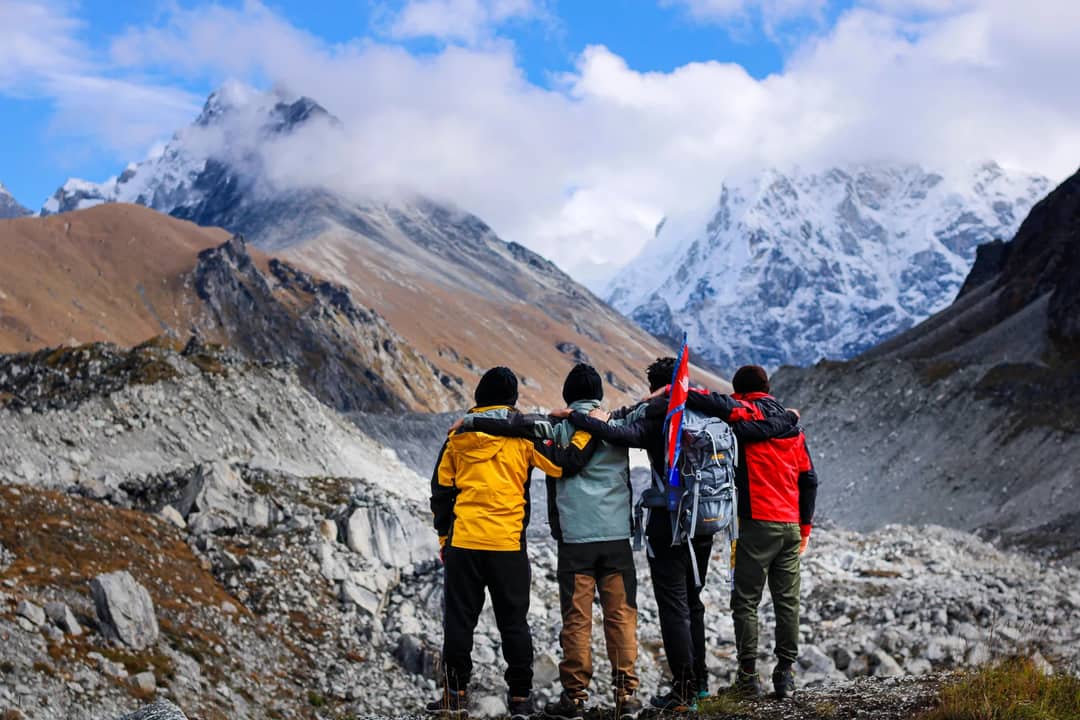
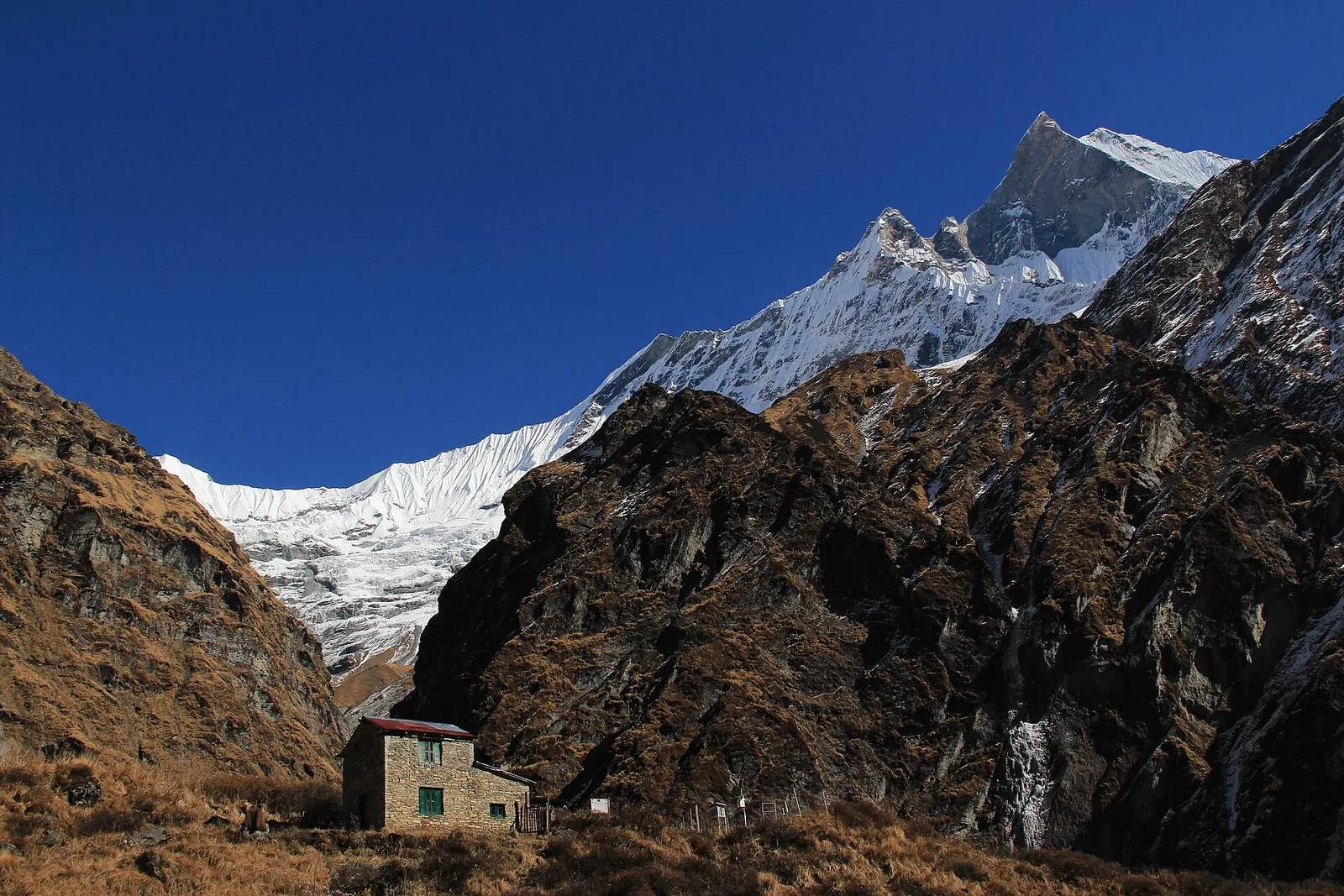
ACAP's count for the Annapurna Conservation Area — the single most detailed regional dataset available — breaks down like this: 15 altitude deaths in Mustang district, most of them Indian and Nepali pilgrims who drove up to Muktinath temple (3,710m) rather than trekked, and 8 in Manang on the classic Annapurna Circuit side, including three Nepali porters and guides. Only 2 altitude deaths were recorded on the base-camp and Mardi Himal trails combined. Dr Rabin Kadariya, the physician quoted alongside the toll, put it plainly: travelling to high altitude is inherently risky and requires proper preparation — never rush the ascent, and descend immediately if symptoms appear.
Why Muktinath pilgrims are most at risk
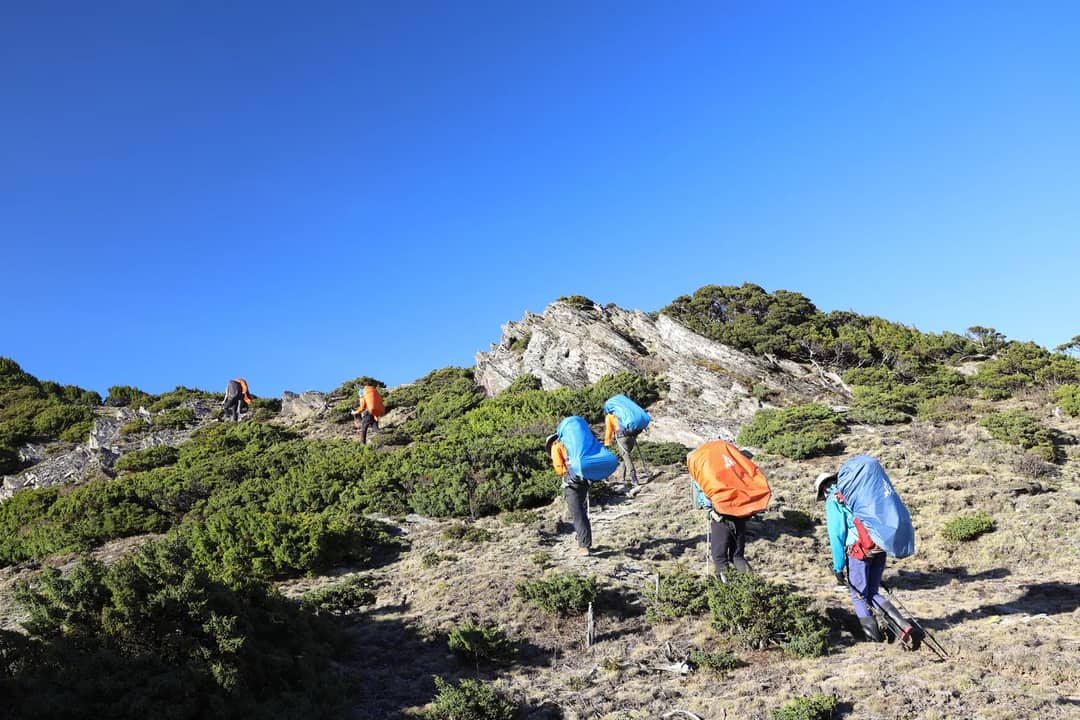
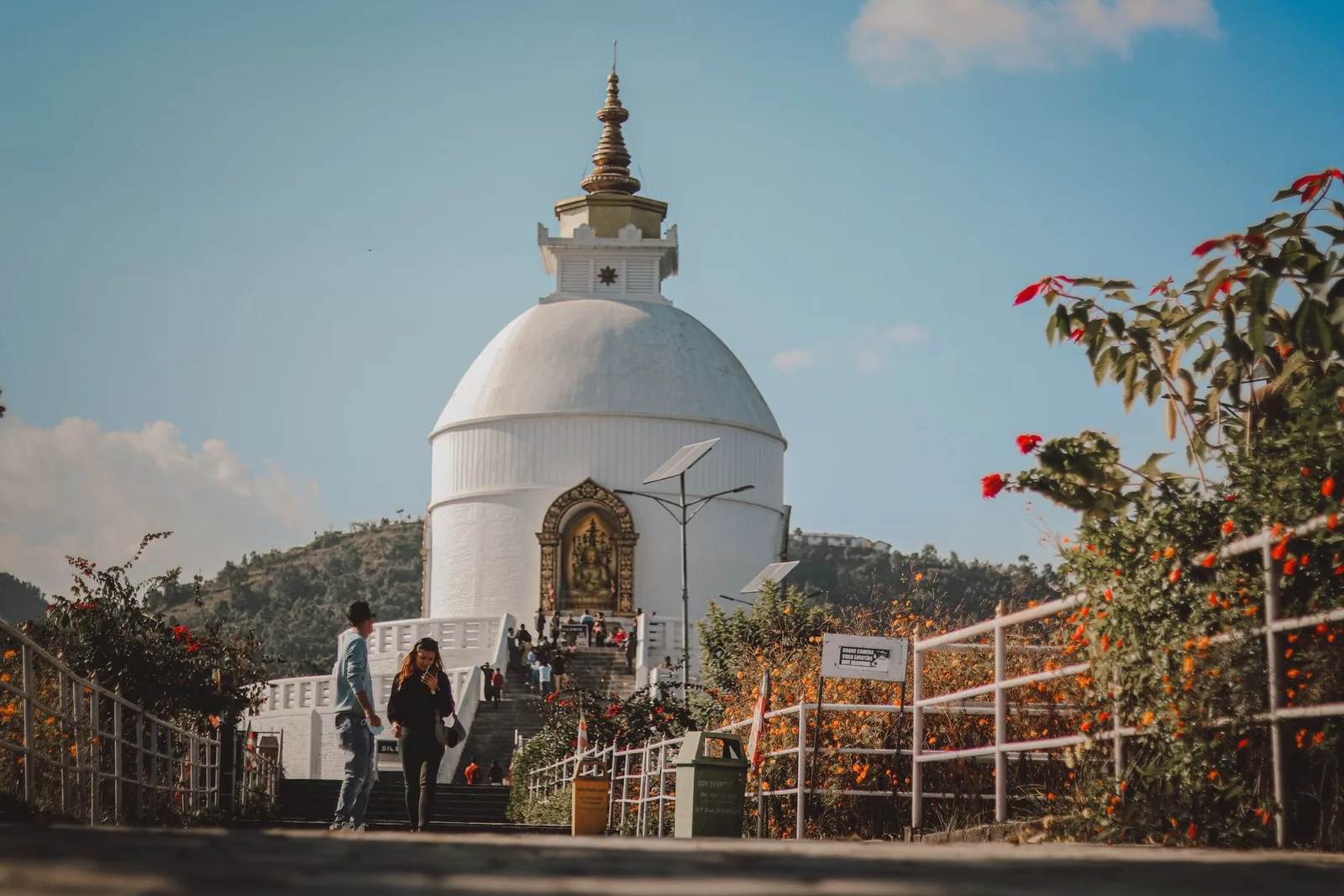
That Mustang cluster matters for anyone planning a trip: the road to Muktinath now lets a jeep carry a visitor from roughly 800m in Pokhara to 3,710m in a single day, skipping the gradual altitude gain a trekker gets on foot. It's the factor most commonly cited alongside these deaths — not remoteness, not weather, but speed of ascent.
The gap experts say is holding safety back
At a Kathmandu Marriott panel on 31 July 2026, officials from the Nepal Tourism Board, the Trekking Agencies' Association of Nepal and the National Trust for Nature Conservation agreed that the country's trekking-safety problem is not a lack of information but a failure to connect what already exists. GIS and disaster-risk expert Raju Chapagain told the panel that everything is stuck in planning, and what's needed now is to identify what data already exists and validate it. Panellists pointed to fragmented weather monitoring, poor data-sharing between local and federal authorities, and unreliable GPS signal in Nepal's deep gorge terrain as the practical gaps rescuers still face on the ground. A Nepal-built app, Trailmapper, has begun field-testing trail waypoints and emergency contacts on two routes as one attempt to close that gap.
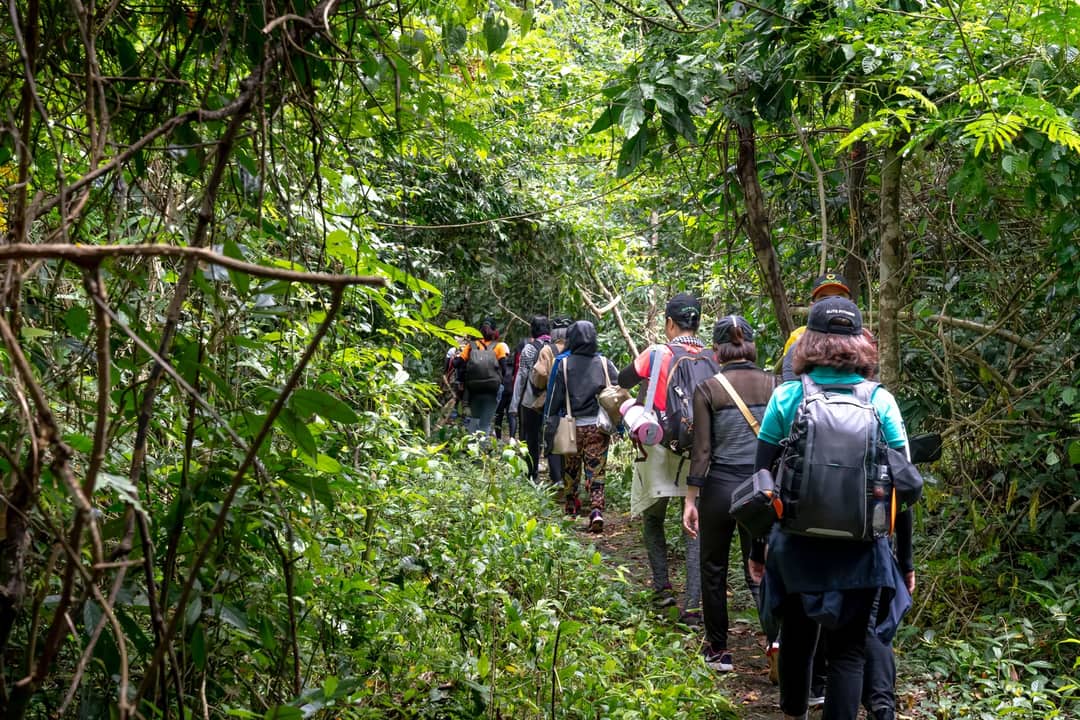
What this means for trekkers
What this means for trekkers
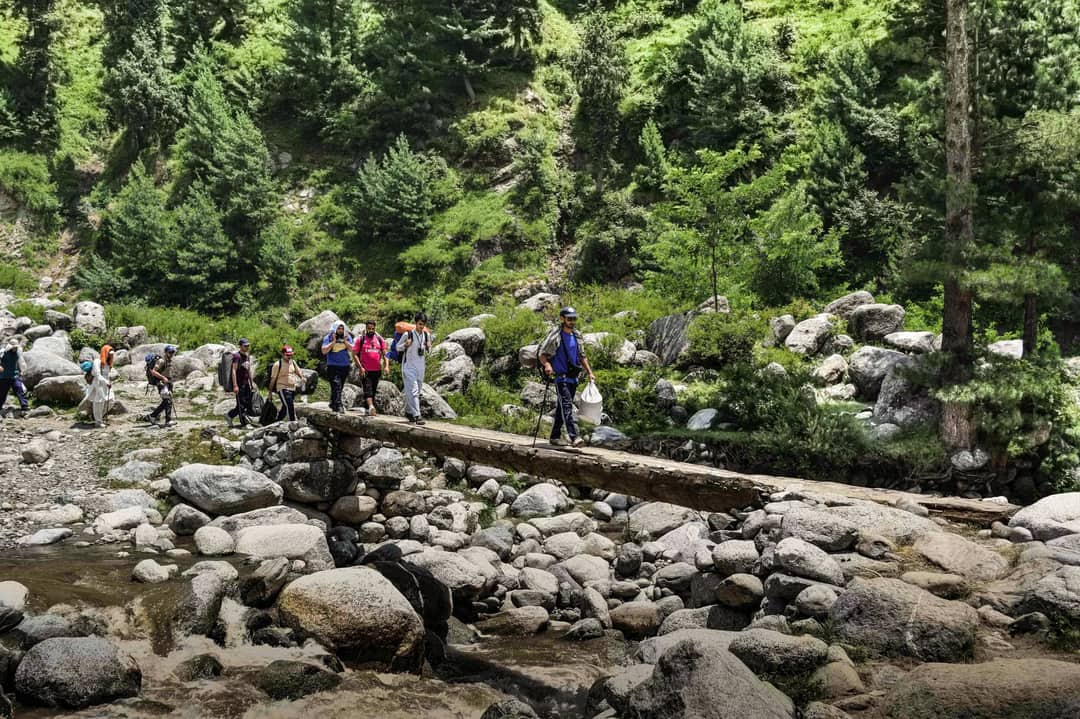
The honest risk on a Nepal trek is your own ascent rate, not the mountain itself. Build in acclimatisation days, never skip them by taking a jeep or a flight to gain altitude fast, and choose an itinerary — and a properly licensed operator — built around rest days rather than the fastest possible schedule.
In practice that means routes like the classic Jomsom to Muktinath trek, walked rather than driven, or a full 15-day Annapurna Base Camp itinerary from Kathmandu with acclimatisation built in, carry a materially lower altitude risk than the fastest jeep-and-day-hike version of the same route. Carry a pulse oximeter, know the early symptoms of acute mountain sickness — headache, nausea, loss of appetite — and treat 'descend now' as an instruction, not a last resort.
The honest verdict: the data doesn't argue against going to Nepal, it argues for respecting altitude once you're there. Trekkers with any heart or lung condition, or anyone tempted to skip walking in favour of a jeep straight up to 3,700m, are the ones who need the most caution; a paced, guided itinerary is genuinely safe for nearly everyone else. Nepal's trails have never killed anyone who turned around.
Sources: The Himalayan Times, ACAP data via Peoples' Review
Cover photo: Polyflux via Wikimedia Commons (CC BY-SA 4.0). Section photos: Ghana Shyam Khadka via Pexels (Pexels licence); P Hsuan Wang via Pexels (Pexels licence); Roshan Pokharel via Pexels (Pexels licence); Quang Nguyen Vinh via Pexels (Pexels licence); Amjad ali via Pexels (Pexels licence).
Still running this season
Annapurna Base Camp Trek — 15 Days from Kathmandu is running normally
NMA-certified local guides, transparent pricing, 5,000+ treks since 1998. Message us your dates and we'll sort the permits, lodges and logistics — reply within 24 hours, no obligation.
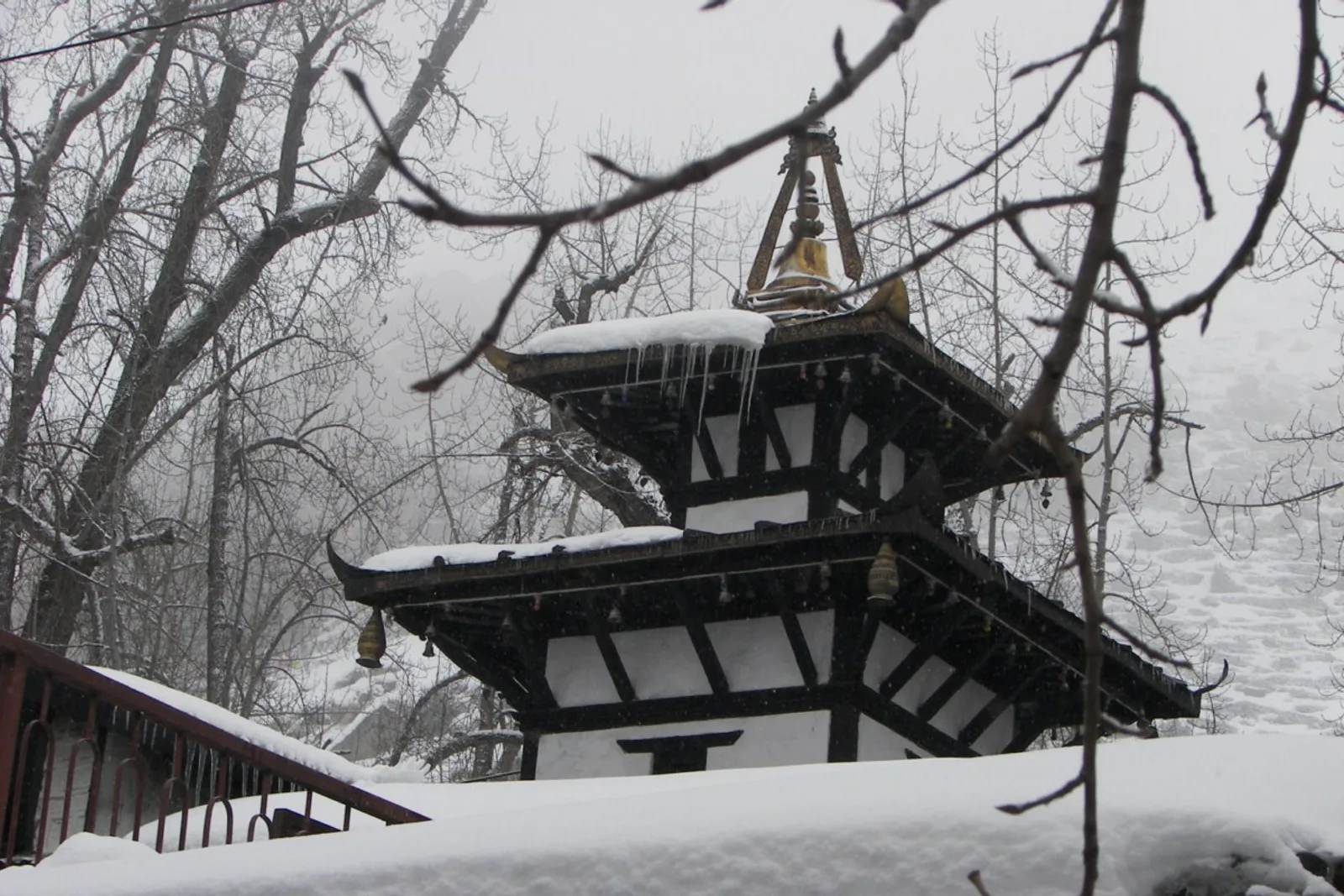
Popular Nepal treks
All treks →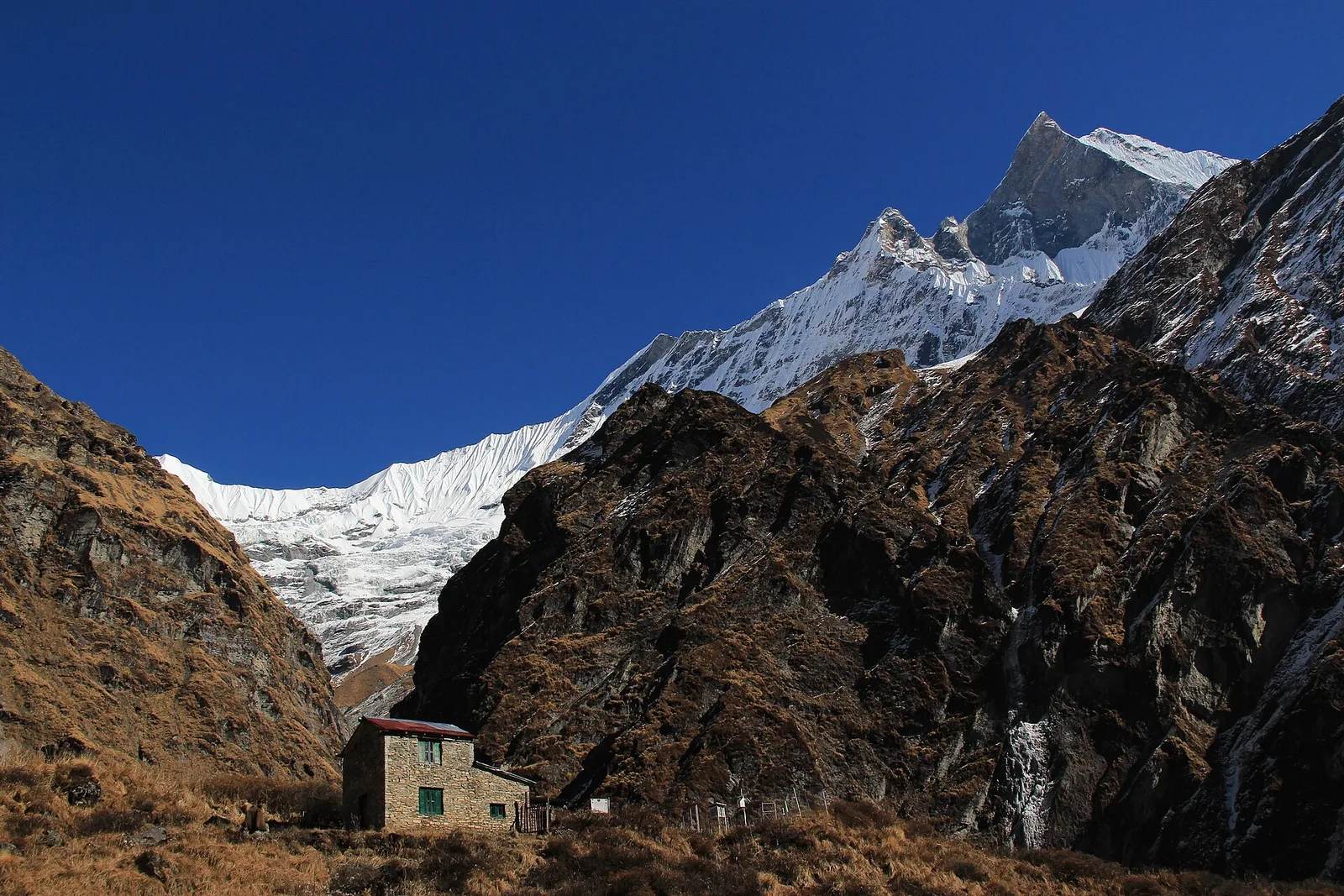
Related coverage
Safety & Advisories
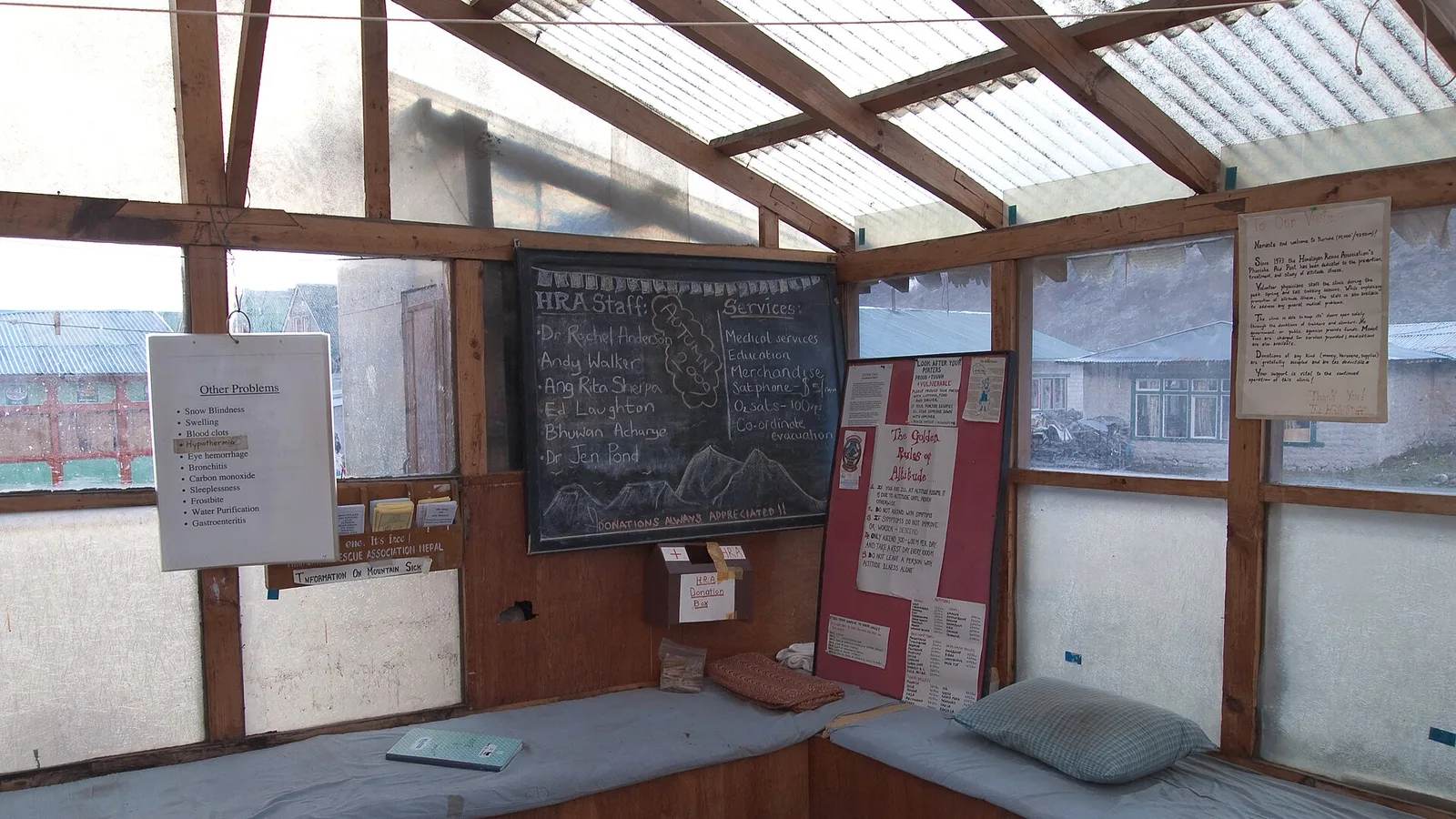
Your Nepal Trekking Guide Just Spent the Week Learning to Keep You Alive Above 4,000m
Days before Nepal's autumn trekking season opens, two of the country's oldest mountain-safety institutions ran back-to-back wilderness first-aid courses for working guides, drilling CPR, patient evacuation and the earliest signs of altitude sickness.
Safety & Advisories
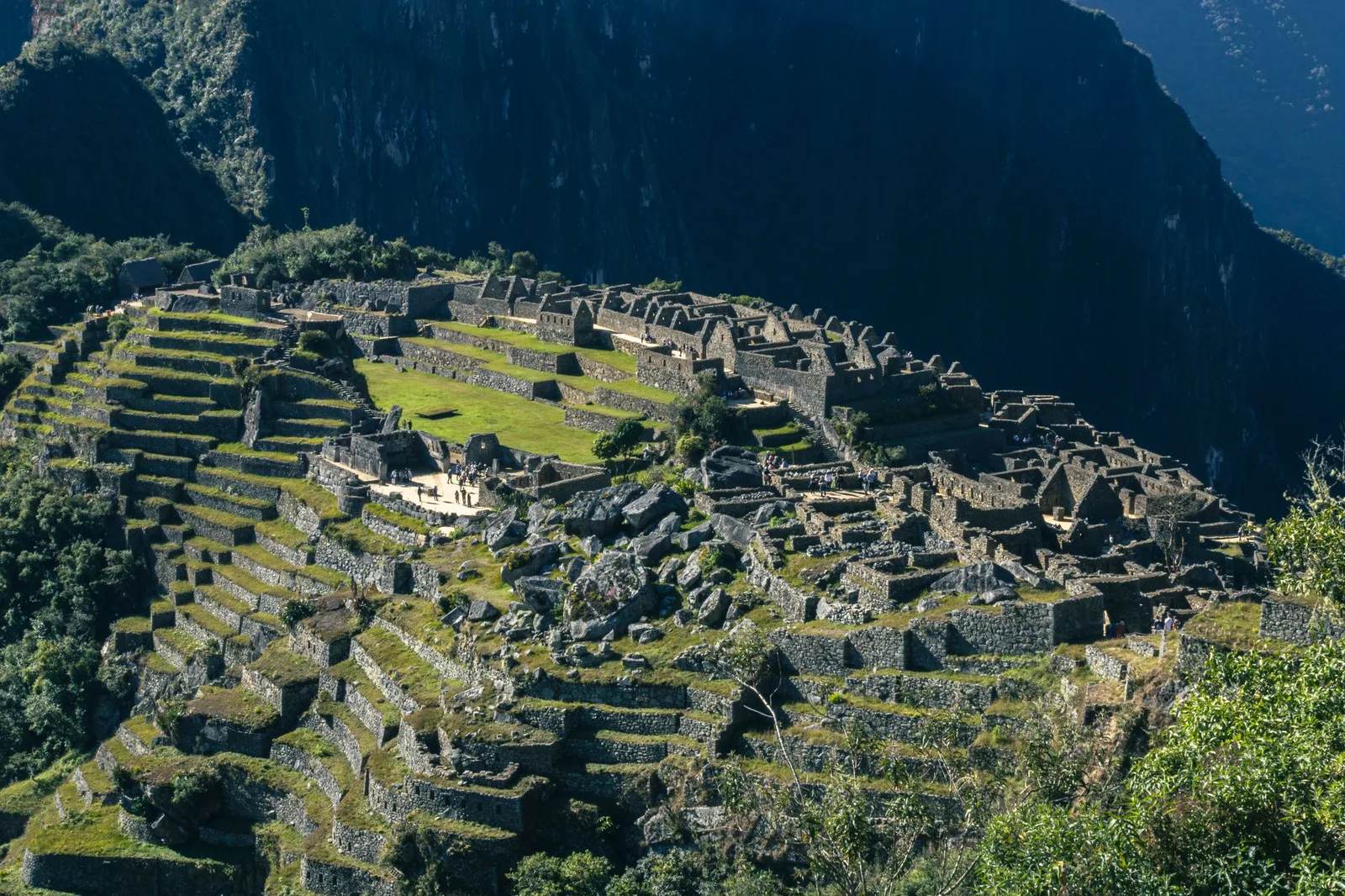
Altitude Sickness on Holiday in 2026: It Hits Tourists in High Cities and Sights, Not Just Trekkers
You do not have to climb a mountain to get altitude sickness. Cusco, La Paz, Lhasa and the ski slopes all sit high enough — here is how AMS works, the golden rules, and why fitness and age will not save you.
Trail & Weather
Nepal trekking news that actually changes your trip, updated for autumn 2026
The permit rules, fines, airfares, flight routes and road closures that changed for Nepal trekkers in 2026, and what to act on before you book.
Safety & Advisories
If You Have Type 1 Diabetes, Here’s What Altitude in Nepal Actually Does to Your Blood Sugar
Real studies from Everest and Nepal’s Dhaulagiri circuit show blood sugar swings both ways at altitude, and which trek actually suits type 1 diabetes.
Latest from the desk
Breaking Safety & Advisories
An Avalanche Buried Himlung Himal's Base Camp in Nepal, and Ten Climbers and Staff Are Missing
An avalanche hit Himlung Himal's base camp in Nepal's Manang district on 27 September, and rescuers are searching snow for ten missing climbers and staff.

Money & Insurance
You Could Be Owed Cash From a $167 Million Visa and Mastercard Settlement, Here's How to Check
Visa and Mastercard are paying $167.5 million after allegedly blocking cheaper ATM fees, and the claim deadline is 10 February 2027.
Wildlife & Nature
Chitwan or Bardia, here's which Nepal safari you should actually book
Nepal's 2026 tiger census found record numbers in Chitwan and a rare decline in Bardia, and it changes the honest answer to which safari to book.