
He says his Makalu guide left him at 7,900 metres, and now he alleges attempted murder
Konstantin Smirnov says his guide walked away near Makalu’s summit in May 2026. He survived, lost five fingers, and filed criminal and civil cases in Nepal.
At a glance
- Published · updated
- TopicRecords & People
- Verified againstThe Tourism Times
- Treks coveredIsland Peak Climbing — 18 Days, Makalu Base Camp Trek — 18 Days
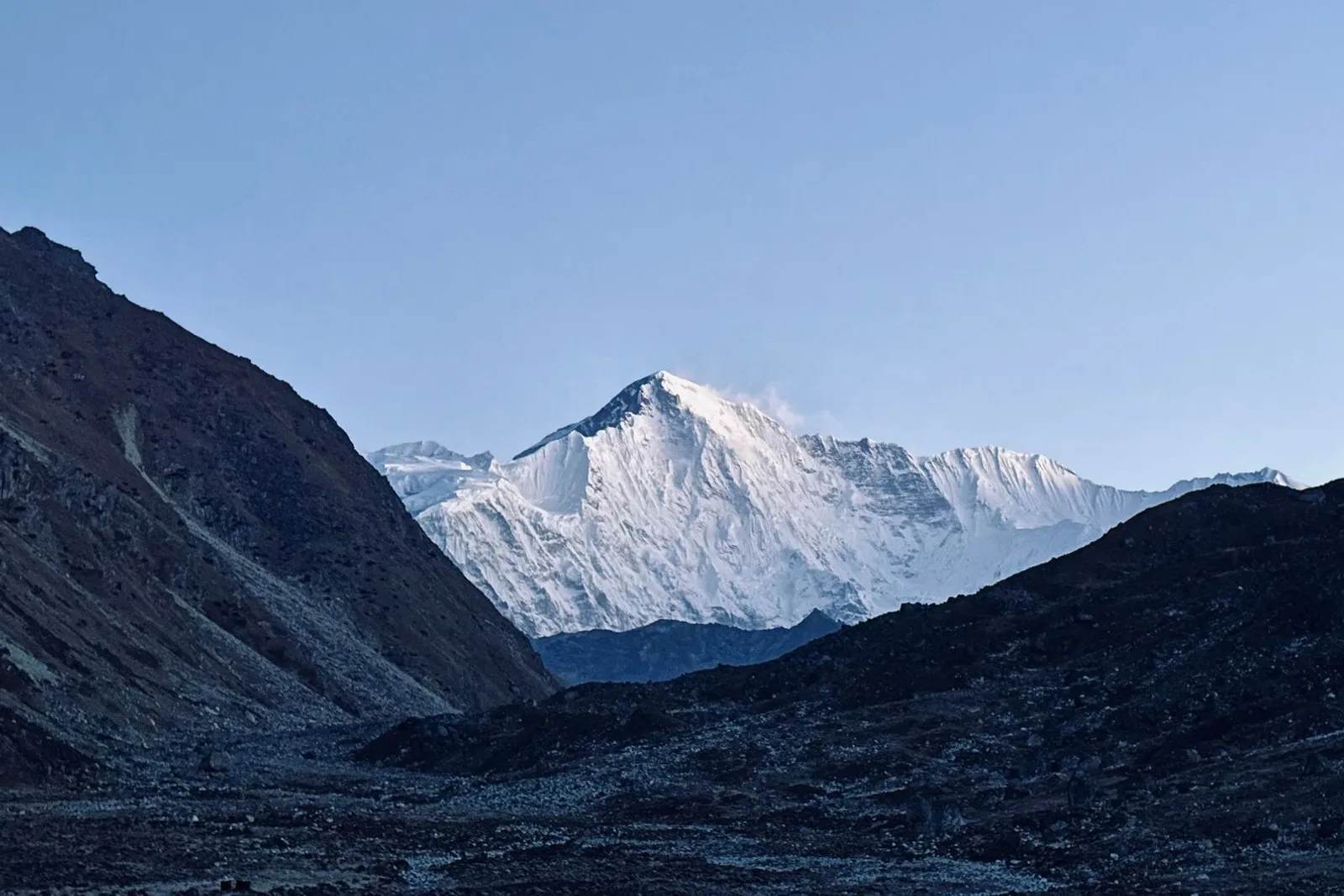
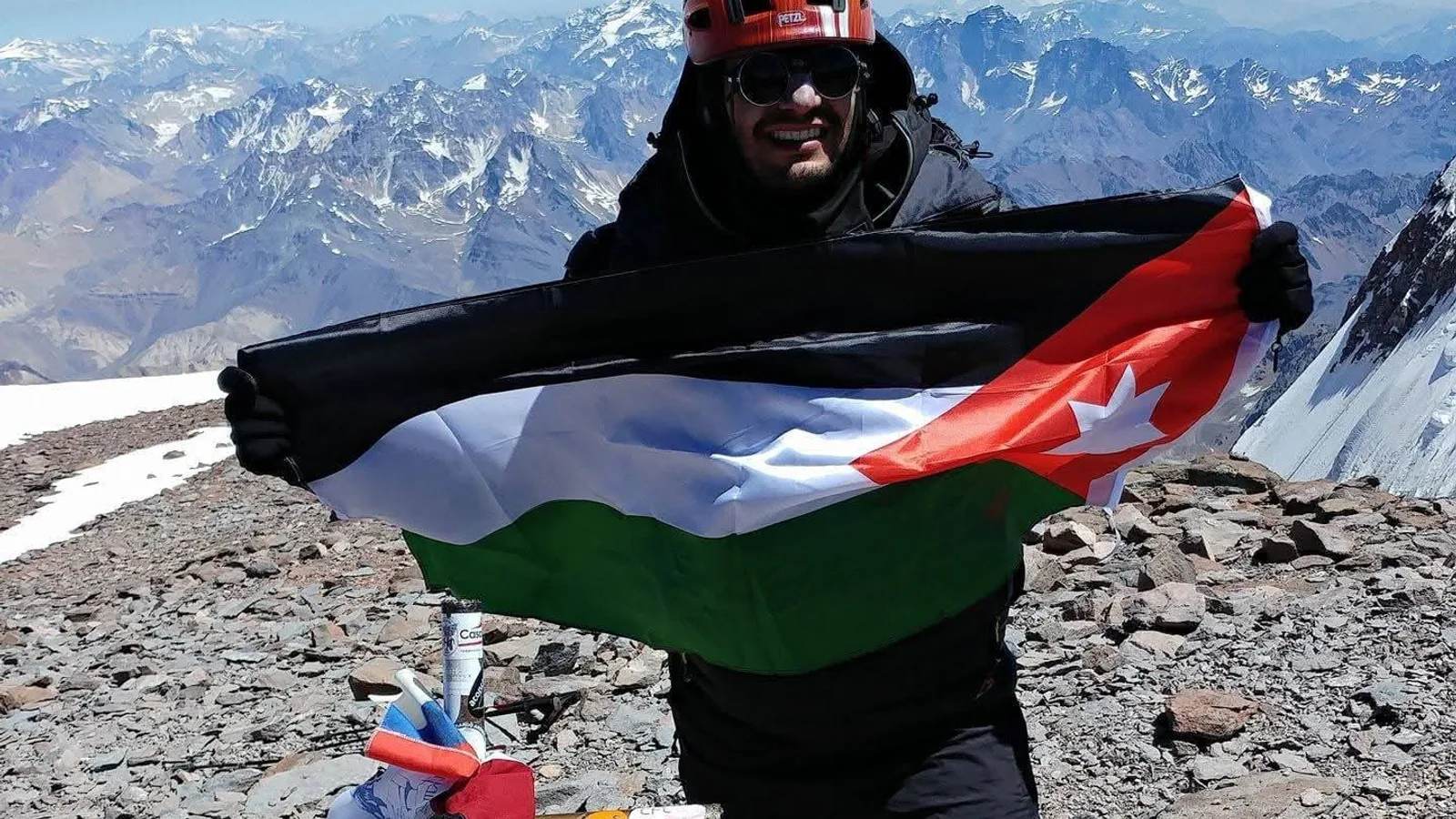
Konstantin Smirnov spent nearly two days alone above 7,700 metres on the world’s fifth-highest mountain, without his guide, without supplementary oxygen, and without anyone at base camp knowing exactly where he was. He survived. He did not keep his fingers.
Key facts
- Russian climber Konstantin Smirnov summited Makalu (8,485 m) with guide Bhajuram Gurung on 9 May 2026.
- Smirnov says he was left alone on the descent at roughly 7,900 m and was not found until the following day.
- He lost all five fingers on his left hand and most of the ring finger on his right hand to frostbite.
- He has filed a criminal complaint alleging attempted murder against the guide, and a separate civil case against the operator seeking roughly $75,000.
What Smirnov says happened
He says his guide left him behind at around 7,900 metres on the descent, between 6:30 and 7pm on 9 May. The pair had reached the summit at about 10:45am that morning.
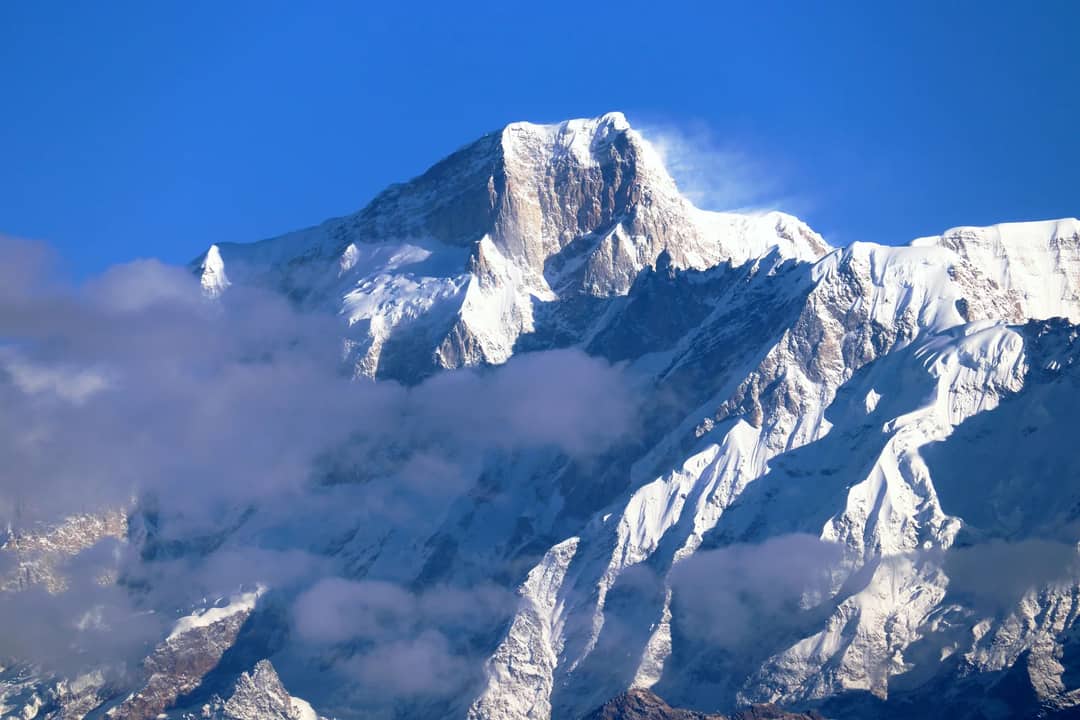
“When I woke up I was shocked to discover that my guide had left me to die high on the mountain,” Smirnov later said. Exhausted and out of bottled oxygen, he continued descending alone and collapsed lower on the route.
| When | What happened |
|---|---|
| 9 May, ~10:45am | Smirnov and guide Bhajuram Gurung reach the Makalu summit |
| 9 May, evening | Smirnov says he is left alone on the descent at roughly 7,900 m |
| Overnight | Smirnov, out of oxygen, collapses further down the route |
| 10 May | A second guide reaches him after a 13-hour push through bad weather |
| Following weeks | Amputation of all five fingers on his left hand, most of his right ring finger |
What the operator says happened
The operator disputes his account, and the disagreement is about whether the client could be moved. The company says Smirnov refused to descend with Gurung, and that Gurung continued down immediately to alert base camp rather than abandoning him.
It also says rescue efforts that day were hampered by poor weather and by a separate avalanche on the mountain. A second guide was dispatched after Gurung reached base camp without his client, and walked 13 hours through the night and worsening weather to reach Smirnov. That much is common to both versions.
What he lost, and what he is claiming
He is pursuing two separate cases, one criminal and one civil. The criminal complaint, accusing Gurung of attempted murder, was filed at the Sankhuwasabha District Police Office.

The civil case went to Kathmandu’s Consumer Court, reportedly seeking around $75,000 in damages on top of the $14,600 he had already paid for the expedition package.
The rules are easier to write than to enforce
Whatever a Nepali court decides about intent, one thing is not in dispute: a client on a paid, guided 8,000 m expedition lost every finger on one hand. Cases like this are rare. They are not unheard of.
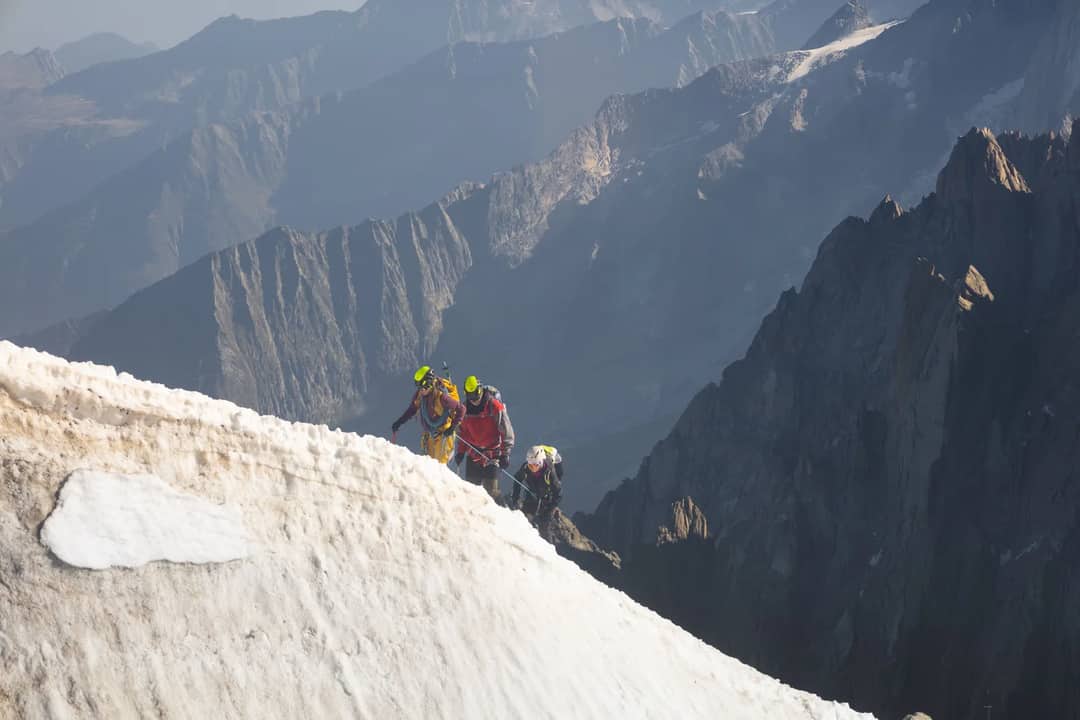
They are exactly why the Nepal Mountaineering Association and the Department of Tourism keep pushing operators toward stricter guide-to-client ratios and documented emergency protocols on the highest peaks. Those rules are far easier to write than to enforce once a team is above 7,000 metres and out of radio range.
What this means for trekkers
Almost nobody reading this is attempting an 8,000 m summit, and the lesson still applies at every altitude. The vast majority of our clients trek to base camps or climb well-guided, lower-risk peaks such as Island Peak or Mera Peak with fixed guide ratios and NMA-certified leaders.
What this means for you
Before you pay any deposit, ask exactly who your guide is, how many clients they are responsible for above high camp, what the operator’s emergency and evacuation protocol actually is in writing, and whether your travel insurance covers high-altitude rescue at the elevation you will actually reach. We have written before about the questions worth asking any Nepal trekking agency before you commit, and this case is a reminder of why that vetting matters most exactly where it is hardest to check — far above base camp.
Source: The Tourism Times.
Cover photo: European Space Agency via Wikimedia Commons (CC BY-SA 3.0 igo). Section photos: Suvankar Giri via Pexels (Pexels licence); https://kaboompics.com/ via Pexels (Pexels licence); Giuseppe Paoletti via Pexels (Pexels licence).
Still running this season
Makalu Base Camp Trek — 18 Days is running normally
NMA-certified local guides, transparent pricing, 5,000+ treks since 1998. Message us your dates and we'll sort the permits, lodges and logistics — reply within 24 hours, no obligation.
Popular Nepal treks
All treks →
Related coverage
Records & People
Nepal Drops From 8,848 Metres to 59 in Under 250 Kilometres, and Its Lowest Point Just Moved
A 2017 survey reportedly found a lower spot than the one Nepal had used for decades, which makes the gap between jungle floor and Everest summit even harder to believe.
Industry & Tourism
Everyone Says Island Peak Costs More Than Mera Peak in 2026 — the NMA Fee Says They're Identical
Nepal’s two most-climbed trekking peaks carry the same government permit fee this year, so the choice comes down to technical grade, not price.
Records & People
A Singaporean climber has died on Manaslu, the first foreigner lost this autumn
Lau Wee Seng, 50, died on 17 September near 6,000m while descending from Camp II on an acclimatisation rotation. He is the second death there this season.
Records & People
Eight of the World's 14 Highest Peaks Touch Nepal, and Only Three Sit Entirely Inside It
Nepal shares five of its eight giants with a neighbour, and all eight were first climbed within a single decade, starting with Annapurna in 1950.
Latest from the desk
Breaking Safety & Advisories
An Avalanche Buried Himlung Himal's Base Camp in Nepal, and Ten Climbers and Staff Are Missing
An avalanche hit Himlung Himal's base camp in Nepal's Manang district on 27 September, and rescuers are searching snow for ten missing climbers and staff.

Money & Insurance
You Could Be Owed Cash From a $167 Million Visa and Mastercard Settlement, Here's How to Check
Visa and Mastercard are paying $167.5 million after allegedly blocking cheaper ATM fees, and the claim deadline is 10 February 2027.
Wildlife & Nature
Chitwan or Bardia, here's which Nepal safari you should actually book
Nepal's 2026 tiger census found record numbers in Chitwan and a rare decline in Bardia, and it changes the honest answer to which safari to book.