
Mera Peak, Nepal's highest trekking peak, and why it needs lungs not technique
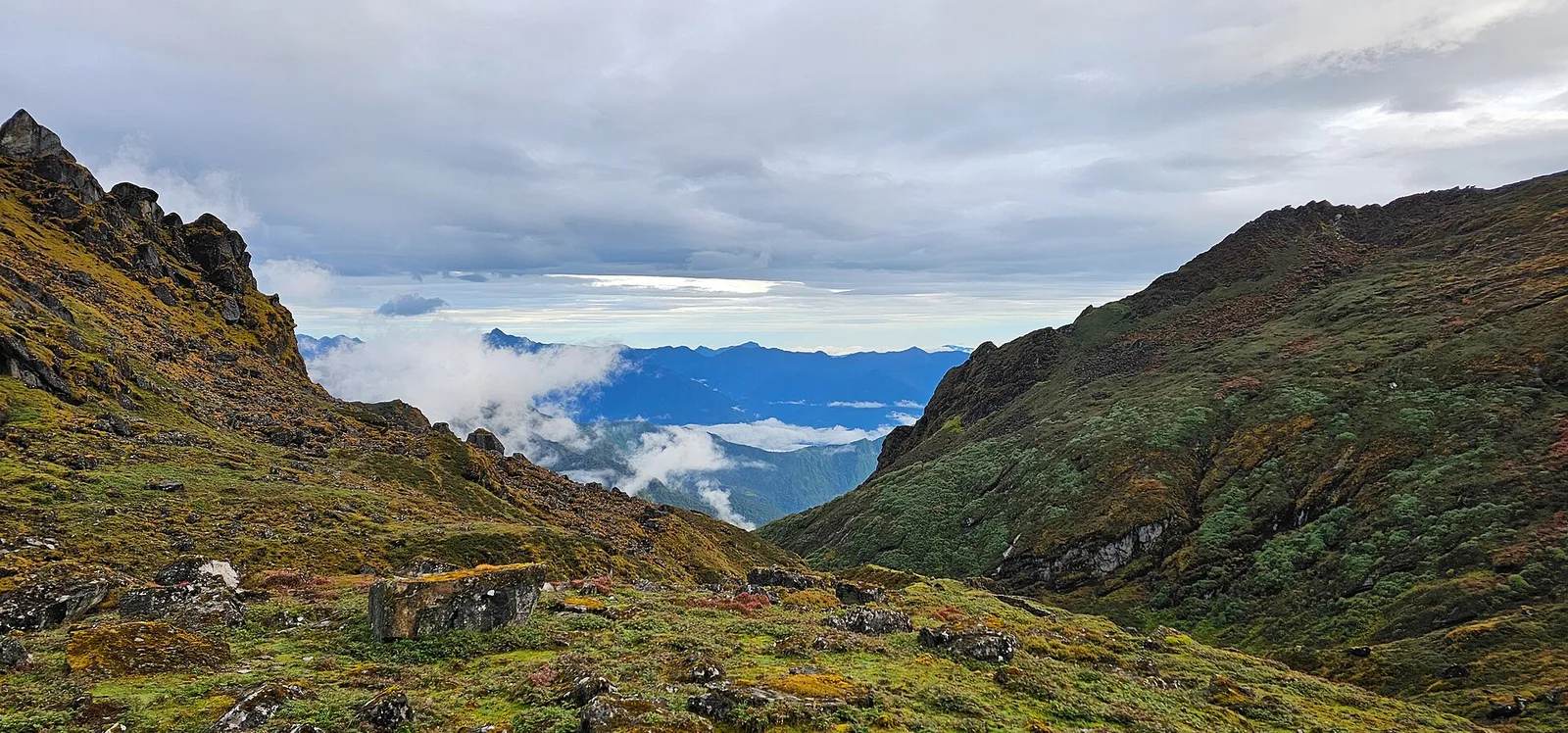
Nepal's highest trekking peak shows you five of the world's six highest mountains from the top, and its standard route needs no technical climbing.
At a glance
- Published · updated
- TopicTrail & Weather
- Verified againstNepal Mountaineering Association; Wikipedia; Travel Himalaya Nepal expedition operations
- Treks coveredEverest Base Camp Trek — 14 Days, Island Peak Climbing — 14 Days, Mera Peak Climbing — 15 Days
Mera Peak is Nepal’s highest trekking peak at 6,476 metres, and it asks for fitness and patience with thin air rather than technical climbing. The reward is one of the great summit views on Earth: five of the six highest mountains in a single sweep.
Key facts
- Mera North stands 6,476 m; most parties summit Mera Central at 6,461 m.
- The standard northern route is technically straightforward glacier walking.
- The summit view takes in Everest, Kangchenjunga, Lhotse, Makalu and Cho Oyu.
- NMA permit: US$350 in spring, US$175 in other seasons. Typically a 15–18 day trip via the Hinku Valley.
The view that makes it famous
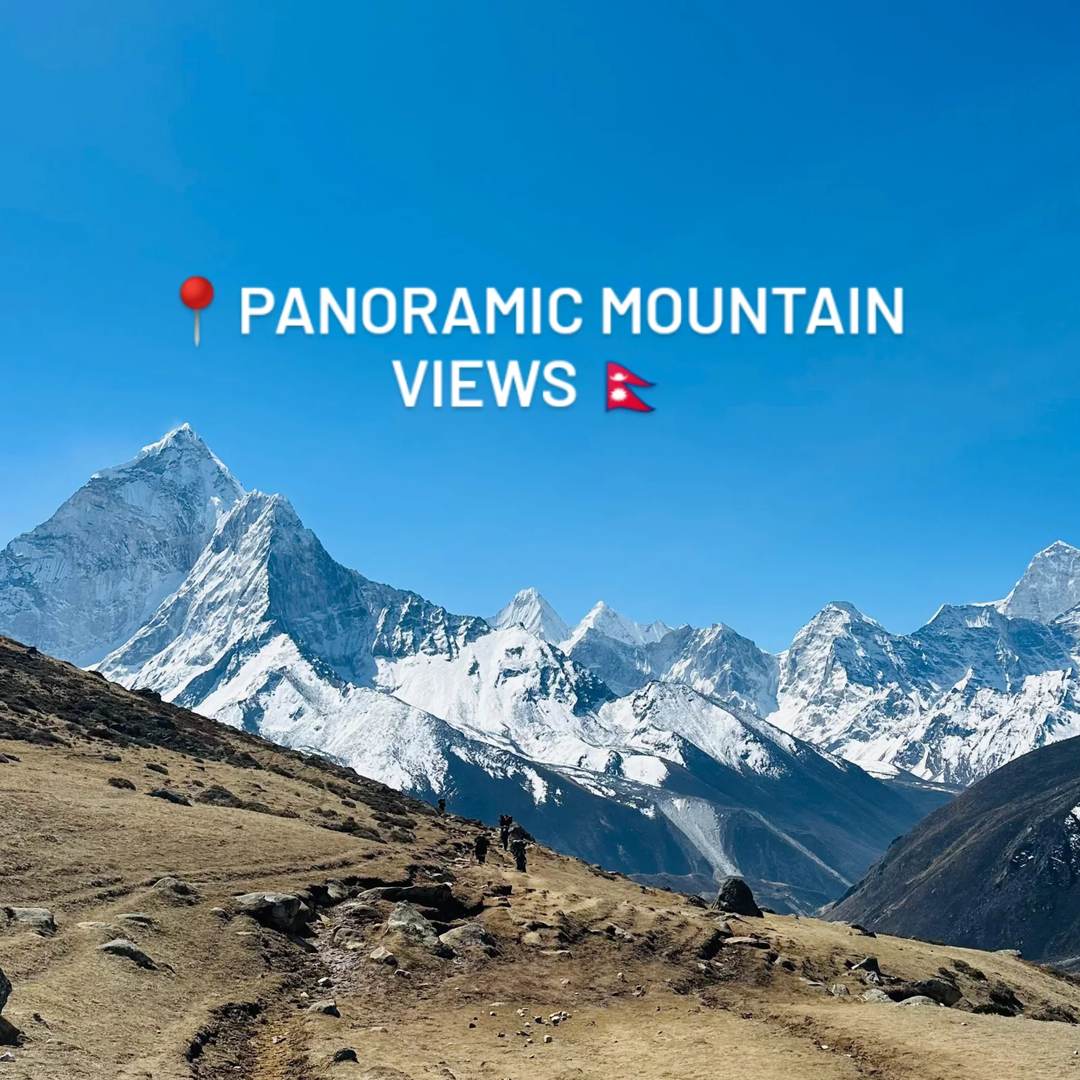
From the summit on a clear morning you see Everest, Kangchenjunga, Lhotse, Makalu and Cho Oyu strung across the horizon at once. Almost no other vantage point offers that skyline.
It is the payoff for the long walk in through the wild, lightly trekked Hinku Valley, east of the Everest trail and far from its crowds.
| Detail | Information |
|---|---|
| Height | 6,476 m (Mera North); 6,461 m (Mera Central) |
| Difficulty | Non-technical; altitude and endurance |
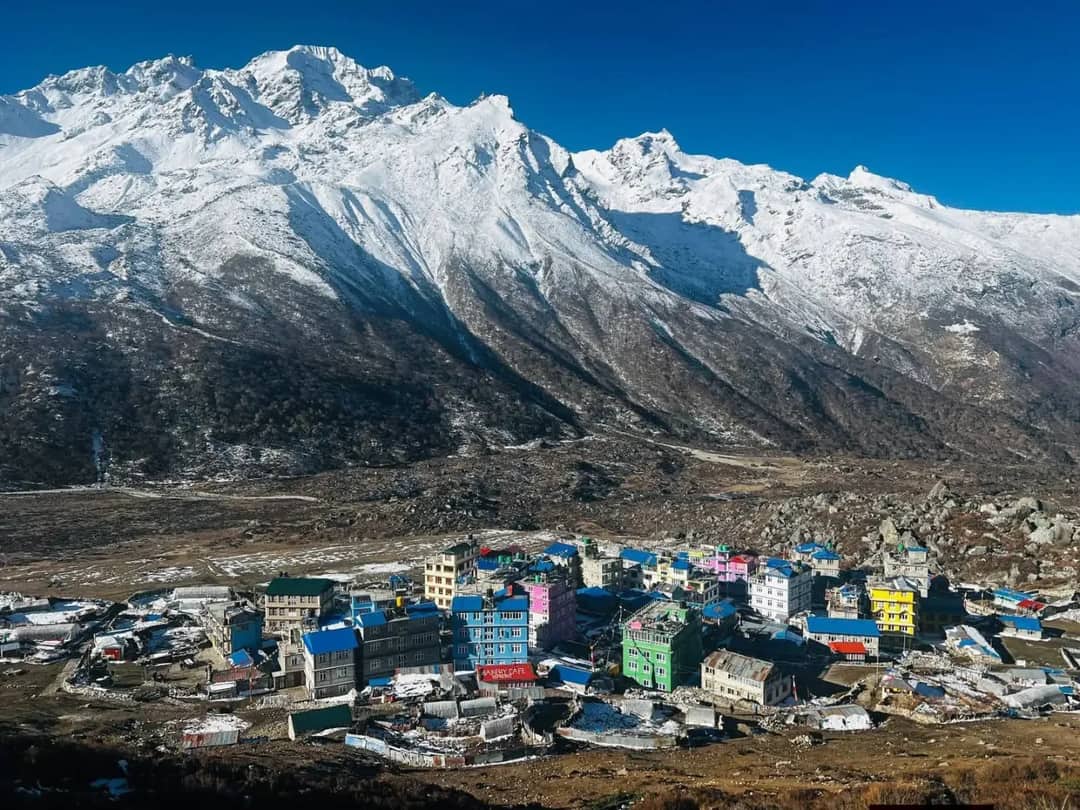
| Approach | Lukla → Hinku Valley → Mera La → high camp |
| Length | About 15–18 days |
| Best seasons | Spring and autumn |
How hard it really is
Mera is not easy; it is non-technical. The altitude is serious and the summit day long, but because it asks for endurance rather than rock-and-ice technique, a fit, well-prepared trekker with a good guide can reach the top.
You will still wear crampons and rope up on the glacier. What you will not need is to climb a headwall — which is the main difference from Island Peak.
Who Mera is for
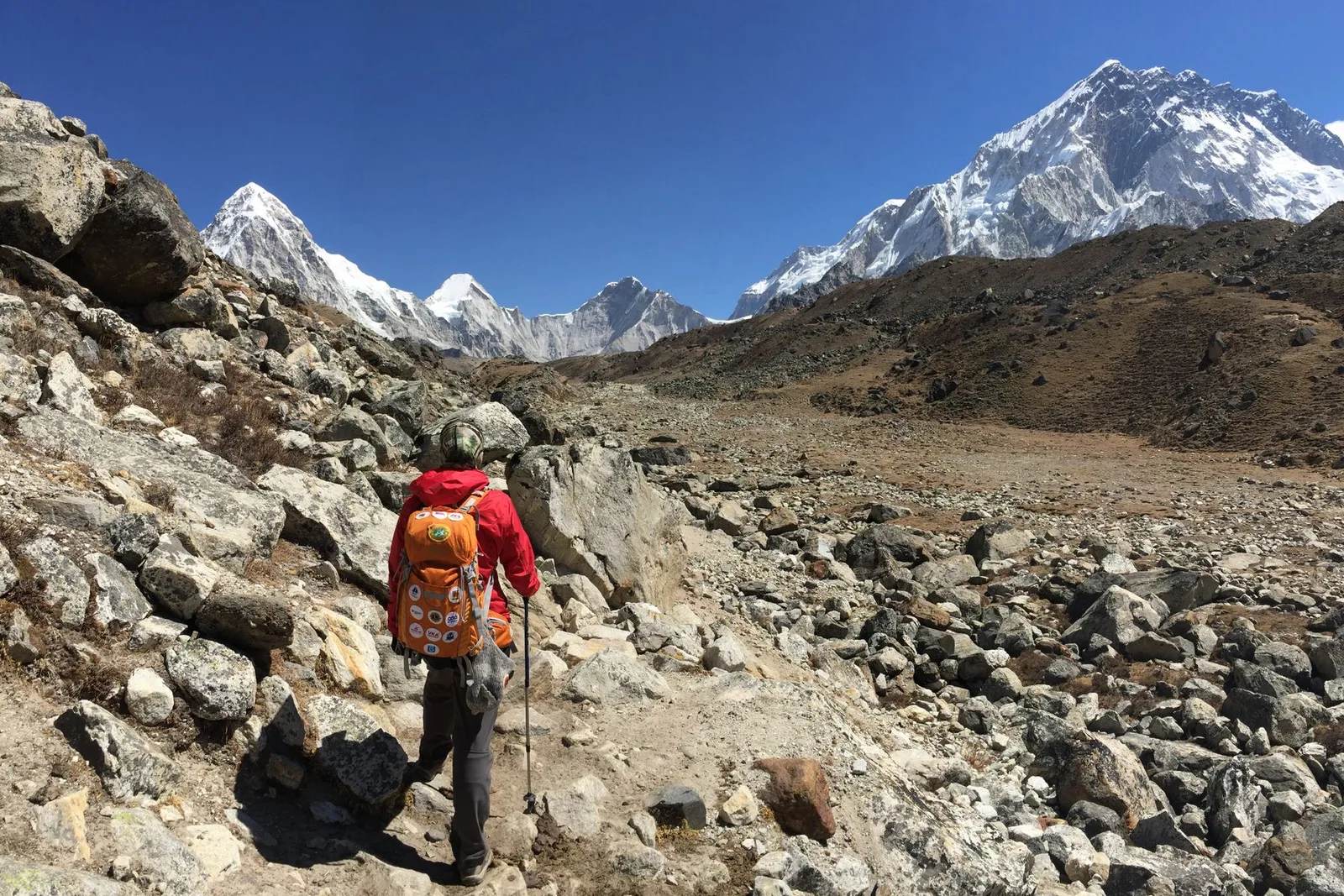
Mera is the trek-to-climb step. If you have walked to Everest Base Camp or Annapurna and want to stand on a real summit, feel the thin air of 6,000 metres and use crampons for the first time, it is the classic choice.
If you would rather learn to climb than simply go high, compare it with Island Peak and Lobuche East in our first 6,000-metre peak guide.
A little history
Mera Central was first climbed on 20 May 1953, nine days before Everest, by Colonel Jimmy Roberts and Sen Tenzing. The true north summit waited until 1975, when a French party reached it.
Climb Mera Peak with us
Our 15-day Mera Peak climb (US$2,500 solo, from US$1,950 per person in a group) is fully supported with the NMA permit, a licensed climbing guide and acclimatisation built in. Pair it with Island Peak and you have the makings of a mountaineer.
Sources: Wikipedia, “Mera Peak”; Nepal Mountaineering Association fee schedule; Travel Himalaya Nepal expedition operations.
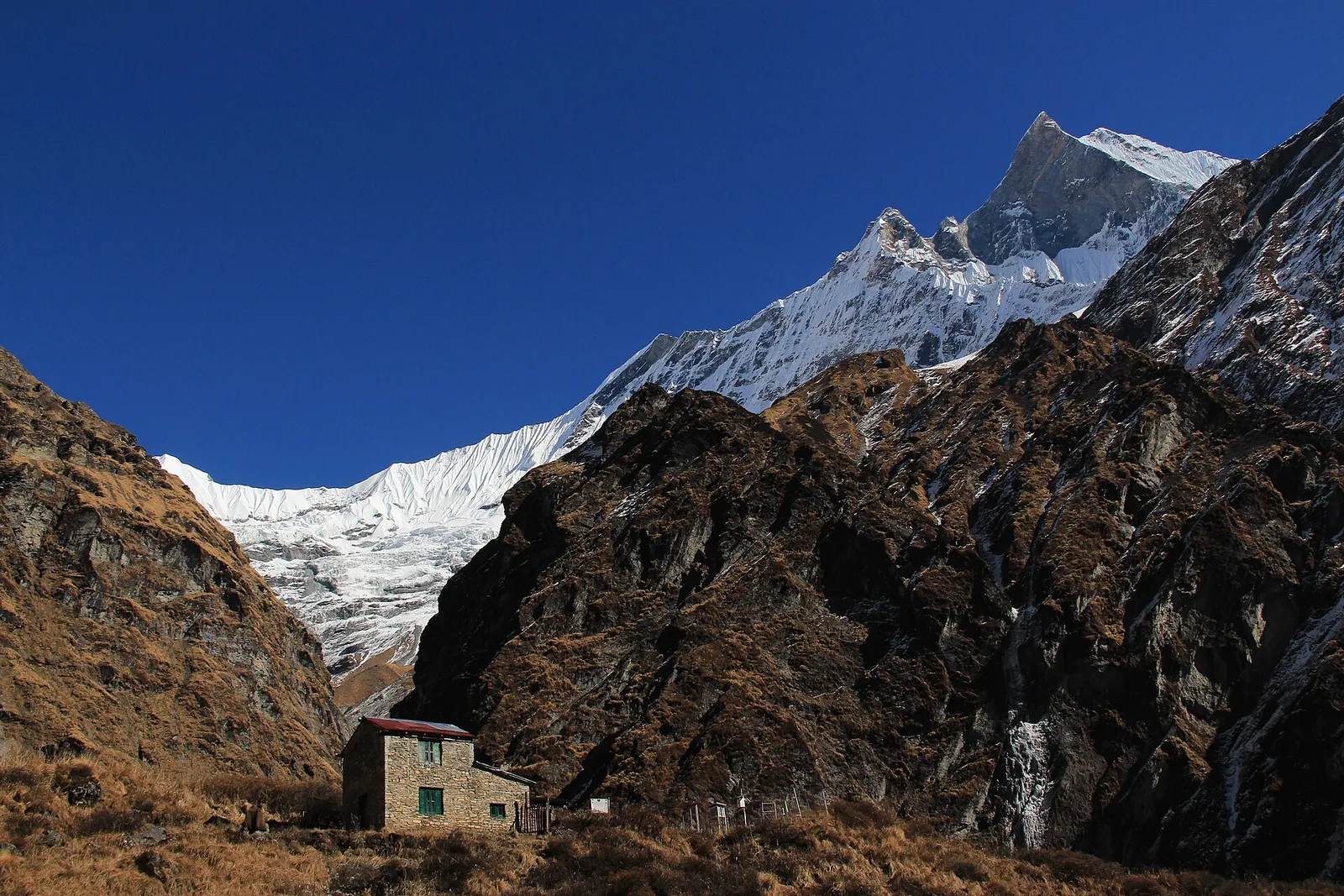
Cover photo: Nabin K. Sapkota via Wikimedia Commons (CC BY-SA 4.0).
Still running this season
Everest Base Camp Trek — 14 Days is running normally
NMA-certified local guides, transparent pricing, 5,000+ treks since 1998. Message us your dates and we'll sort the permits, lodges and logistics — reply within 24 hours, no obligation.
Popular Nepal treks
All treks →
Related coverage
Industry & Tourism
Everyone Says Island Peak Costs More Than Mera Peak in 2026 — the NMA Fee Says They're Identical
Nepal’s two most-climbed trekking peaks carry the same government permit fee this year, so the choice comes down to technical grade, not price.
Breaking World Destinations
A British Climber Died 20 Metres From the Top of Spain’s Highest Peak in the Picos de Europa, and the Route Doesn’t Even Need Ropes
He fell about 60 metres descending Torrecerredo on Thursday, on ground climbers don’t rope up for — proof an ‘easy’ mountain can still kill you.
Flights & Access
Why Nepal runs its clocks 15 minutes off India, and the mountain behind it
Nepal Standard Time is UTC+5:45, one of only three 45-minute time zones on Earth, set to a meridian running through a peak Nepalis hold sacred.
Trail & Weather
Nepal trekking news that actually changes your trip, updated for autumn 2026
The permit rules, fines, airfares, flight routes and road closures that changed for Nepal trekkers in 2026, and what to act on before you book.
Latest from the desk
Breaking Safety & Advisories
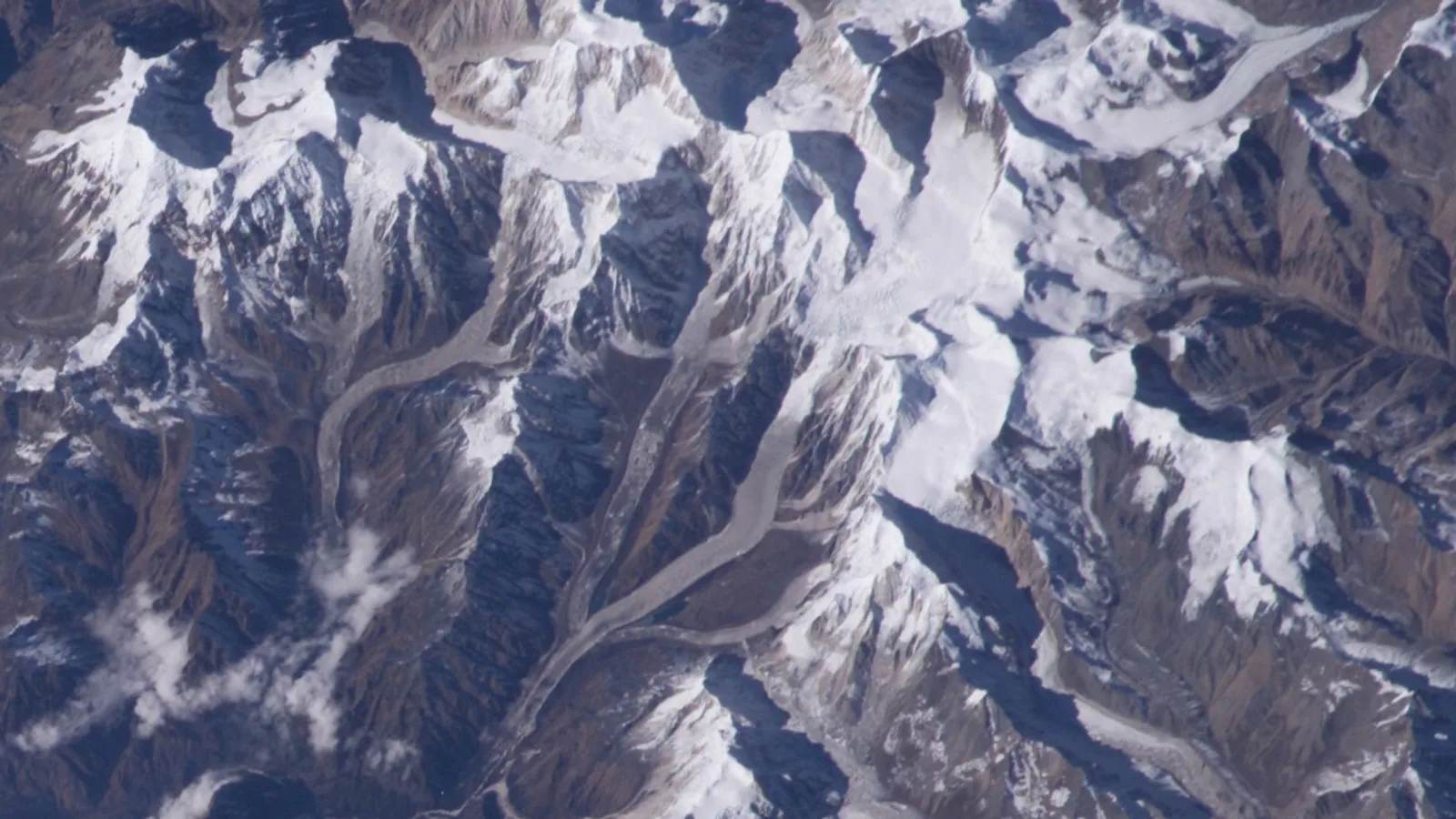
An Avalanche Buried Himlung Himal's Base Camp in Nepal, and Ten Climbers and Staff Are Missing
An avalanche hit Himlung Himal's base camp in Nepal's Manang district on 27 September, and rescuers are searching snow for ten missing climbers and staff.

Money & Insurance
You Could Be Owed Cash From a $167 Million Visa and Mastercard Settlement, Here's How to Check
Visa and Mastercard are paying $167.5 million after allegedly blocking cheaper ATM fees, and the claim deadline is 10 February 2027.
Wildlife & Nature
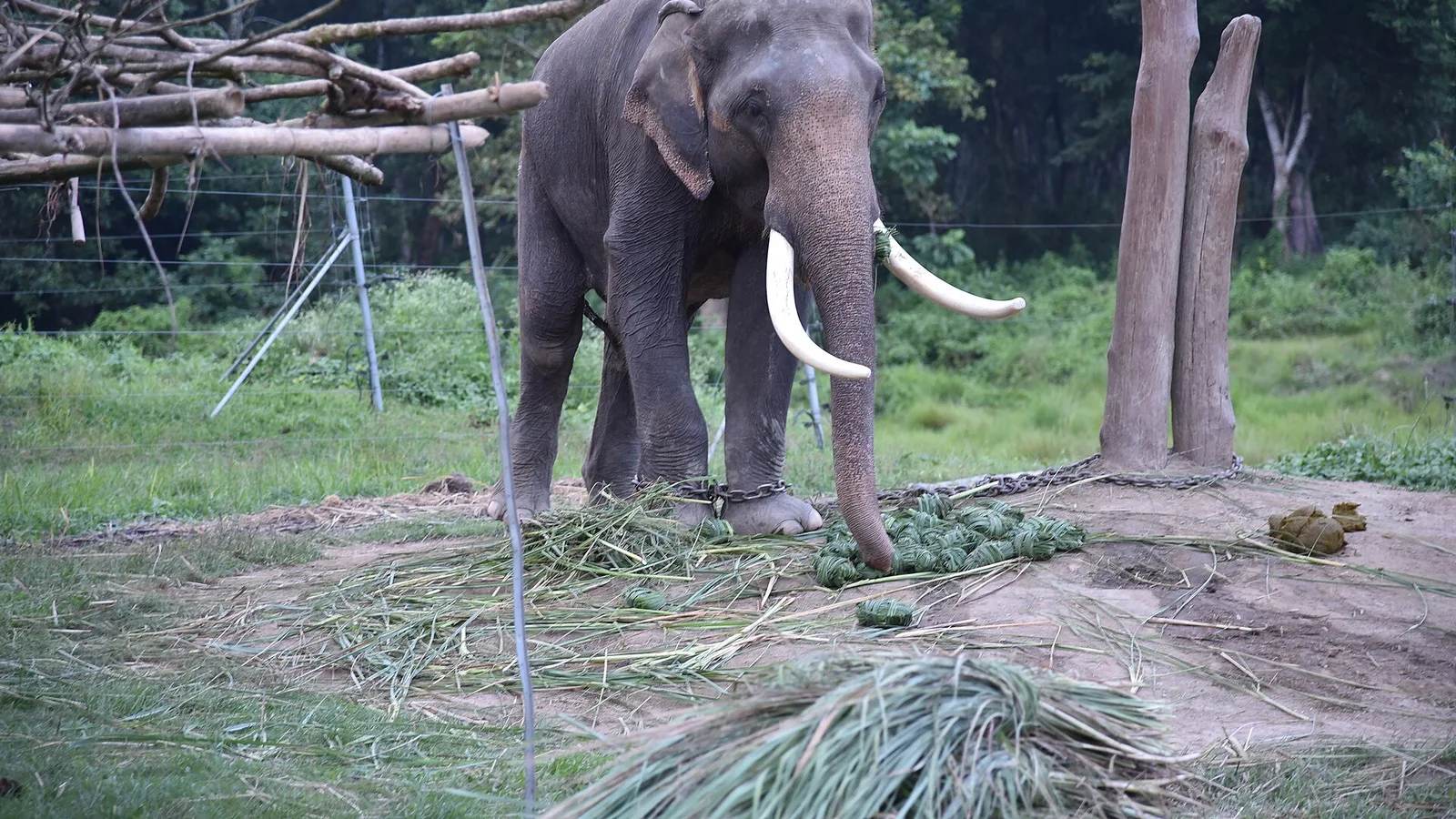
Chitwan or Bardia, here's which Nepal safari you should actually book
Nepal's 2026 tiger census found record numbers in Chitwan and a rare decline in Bardia, and it changes the honest answer to which safari to book.