
Breaking · Safety & Advisories
Nepal floods 2026 live updates, the latest toll and which treks are affected
Live tracker of Nepal’s August 2026 floods. The official toll to 17 September, where the deaths are, the disputed cause, and which treks are running.
At a glance
- Published · updated
- TopicSafety & Advisories
- ReportingOriginal, by our guides in Pokhara
- Treks coveredAnnapurna Base Camp Trek — 11 Days from Pokhara, Everest Base Camp Trek — 14 Days, Everest Base Camp Trek — 15 Days
Update — 17 September 2026, 19:00 NPT
The National Disaster Risk Reduction and Management Authority now reports 1,410 dead and 6,145 missing, three weeks after the flood. The authority says the missing list was revised after 110 bodies were identified, and it counts 587 foreign nationals among the missing. 13,756 people have been rescued, and the Nepal Army has flown 1,634 helicopter sorties. The deaths are concentrated downstream, not in Rasuwa: Chitwan 364, Nawalparasi (Bardaghat Susta Purba) 232, Nawalparasi (Bardaghat Susta Paschim) 222, Nuwakot 203 and Rasuwa 199.
On the roads, the Prithvi Highway reopened to two-way traffic at Krishnabhir at 6am on 17 September on a new 270-metre track, ending an 18-day block between Kathmandu and Pokhara. The road up the Trishuli through Betrawati and Dhunche to Syabrubesi is still closed. A separate flash flood on 6 September took two bridges near Namrung on the Manaslu Circuit; Gorkha’s district office said on 11 September that the route had reopened. For which treks are running, see Nepal trekking conditions right now. (NDRRMA bulletins as reported by Nepalnews; The Kathmandu Post; District Administration Office, Gorkha.)
Update — 31 August 2026, 09:00 NPT
The toll has risen sharply. NDRRMA now reports 903 dead and 4,247 missing nationwide (09:00, 31 August 2026), up from the 469 dead / 977 missing recorded on 28 August. Nepal’s Ministry of Foreign Affairs said on 29 August that the country remains open and that 187 foreign nationals have been rescued; the Nepal Tourism Board and Tourist Police are running a joint information desk. Separately, the Prithvi Highway was cut at Krishnabhir from 30 August and reopened fully on 17 September — see the Kathmandu–Pokhara road closure. These figures are provisional and have moved every day.
Last updated: 19 September 2026, with NDRRMA figures to 17 September (Nepal time). Figures below are provisional, still rising, and vary between sources — we present them as an attributed, dated record, not as a single settled toll.
Update — 29 August 2026
- Rescues: about 4,451 people have been brought out of the flood-hit zone, including 129 foreign nationals, with 101 injured treated (as reported 29 August).
- Roads: the 42 km Betrawati–Rasuwagadhi road is destroyed at multiple points and officials say it could take months to reopen; washed-out bridges have left communities relying on helicopters (The Kathmandu Post, 29 August). The Prithvi Highway (Kathmandu–Pokhara), Baireni–Mugling section, has reopened after three days blocked — the main road toward the Annapurna and Pokhara region is moving again.
- Barrier lake: the lake above the Nepal–Tibet border remains unstable and under close watch; China issued a Level-IV emergency response and reported its water overflowing above Gyirong (CCTV / Chinese authorities). No catastrophic secondary surge downstream has been established.
- Toll: provisional counts have continued to climb (some outlets report ~489 or higher) and remain unsettled, revised daily — see the attributed figures below.
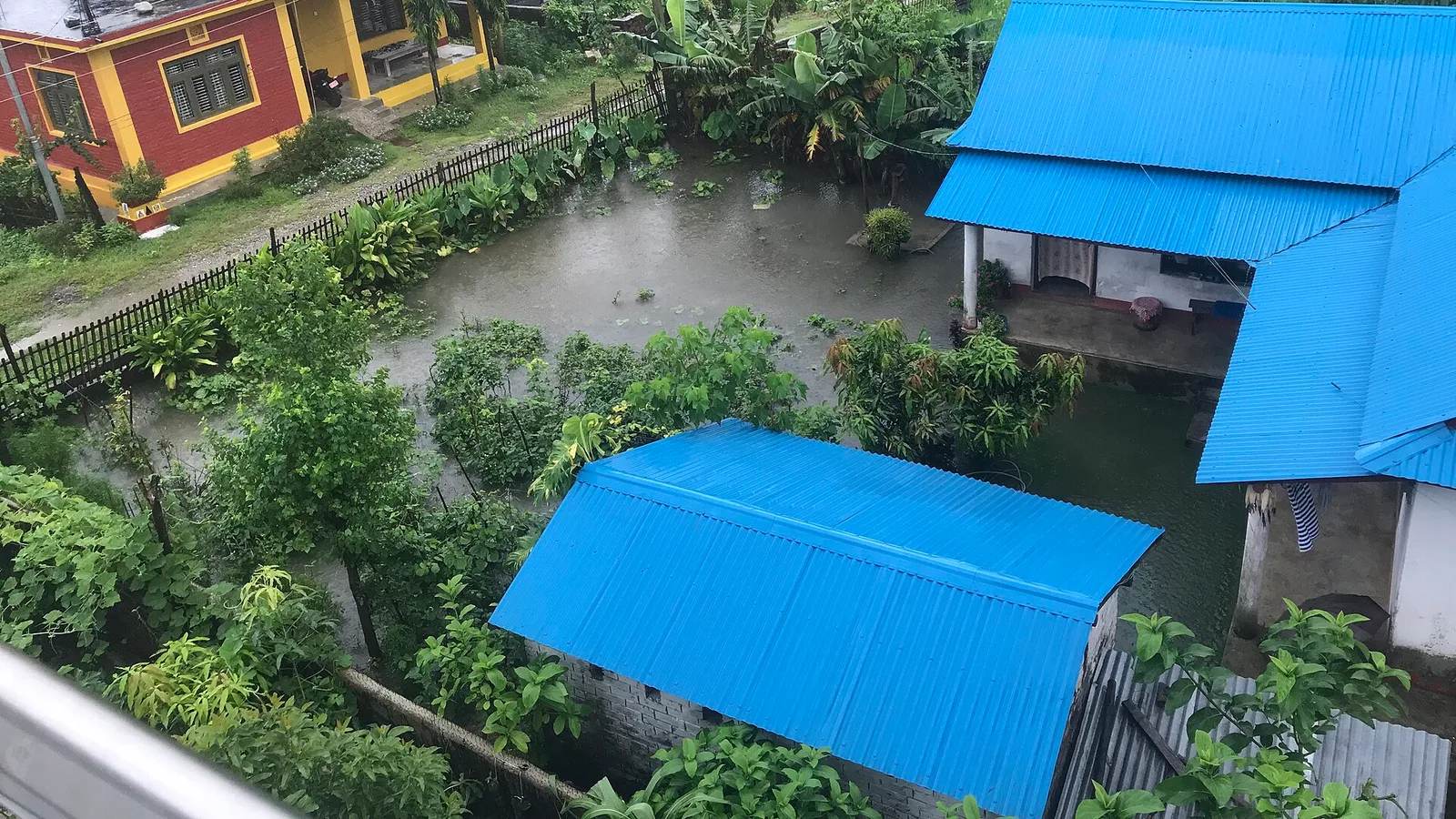
This is our live tracker for the floods that hit Nepal on 26–27 August 2026. Two things are happening at once and it matters to keep them apart: a sudden glacial flood down the Bhote Koshi River in Rasuwa district on the Tibet frontier (26 August), and a broader nationwide monsoon emergency — heavy rain, flooding and landslides across many southern and central districts. The nationwide death toll spans both; Rasuwa itself accounts for a small share of it. Every figure here is attributed to the authority or outlet that released it.
Current snapshot — as reported 27 August 2026 (all figures provisional and rising)
- Nationwide deaths: 469, with 977 missing (Nepal PM’s Office, 28 August; Al Jazeera reports over 470) — up from NDRRMA’s 359 on 27 August — up from 289 at 14:30 NPT, ~270 at 13:30, and 157–165 that morning (The Statesman; ANI / The Tribune). Some aggregators, including Wikipedia’s “2026 China–Nepal floods” infobox, list a higher ~359 — treat that tertiary total as less authoritative than the police bulletin.
- Rasuwa (the Bhote Koshi glacial flood): 17 deaths within the nationwide total, per the same Nepal Police district breakdown — most recovered bodies are in southern and central districts, not Rasuwa.
- Missing / being verified: the Nepal Tourism Board’s preliminary count rose to 579 (466 foreign, 113 Nepali); many earlier “missing” have since been accounted for, so this number is being actively revised.
- Rescued: 123 lifted by air from Timure (94 Nepali, 29 foreign) as reported; the Nepal Army earlier put rescues at about 88. Numbers are climbing.
- Tibet / China: 3 dead, per Chinese authorities (Xinhua).
- Cause: not conclusively established — leading assessments point to a glacier or ice-rock collapse; other lines of inquiry include a supraglacial-lake drainage and a USGS reading that the seismic signal was a landslide, not an earthquake.
- Trekker impact: the Langtang / Rasuwa corridor and the Rasuwagadhi–Kerung border are cut; Everest and Annapurna region trekking is running.
If you are trekking or planning to
We keep a live, region-by-region status page — which trails are open, which access roads are cut, and what we would book right now, updated by our team through the season: Nepal trekking conditions right now.
2 September: Tourism Minister Khadak Raj Paudel posted a video appeal asking international travellers not to cancel their trips, saying airports, hotels and the main destinations are open.
Latest updates (most recent first)
1–17 September 2026 — the toll passes 1,400: NDRRMA put the dead at 1,050 with 3,916 missing on the evening of 1 September, 1,358 with 5,326 missing at 18:00 on 8 September, 1,385 on 11 September and 1,410 with 6,145 missing at 19:00 on 17 September. Rasuwa, where the glacial flood began, has recorded 199 of those deaths; the rest are in the districts downstream along the Trishuli and Narayani. Figures provisional. (NDRRMA, as reported by Nepalnews.)
28 August 2026 (evening NPT) — toll rises; barrier lake drains: Nepal’s Prime Minister’s Office put the confirmed dead at 469 with 977 missing (644 of them foreign nationals); Al Jazeera reported the Nepal–Tibet total passing 470. Tibet: 3 dead, 558 missing (Chinese authorities). On the barrier lake, the news is better: after breaching, water has been flowing out since Friday morning and the lake level has fallen by about 10 metres, so Chinese authorities say the secondary-flood risk is gradually decreasing — no major downstream surge has been reported. Access is still severed: highways across Rasuwa and Nuwakot remain blocked, with roughly 42 km of road wiped out and helicopter-only reach in places. (Nepal PM’s Office; China MWR; The Kathmandu Post; Al Jazeera; CNN.) Figures provisional.
28 August 2026 — NEW secondary-flood warning (barrier lake): China’s Ministry of Water Resources reports that a barrier lake of about 2 million m³ has formed near the Chhochen Khola–Purepu Tsangpo confluence just north of the Nepal–Tibet border and is already overflowing, with roughly 3 million m³ more water expected to drain in over three days — a high risk of breach — and on 28 August the lake was reported to have breached (Nepali Army, via the Rasuwa CDO); no downstream surge size or casualties have been established yet. See our full report. China is running flood simulations; downstream communities along the Bhote Koshi–Trishuli (Rasuwa, Nuwakot) are on alert. (China MWR, via The Kathmandu Post / Outlook India.) The nationwide toll stood at 359 in NDRRMA’s 27 August 6:20pm bulletin, with 910 people out of contact.
27 August 2026, ~18:00 NPT — Nepal Police / The Kathmandu Post: the nationwide toll rose to 353 dead, with 826 people out of contact — 644 tourists (517 foreign, 127 Nepali) plus 44 Nepal Army, 28 Nepal Police and 13 Armed Police Force personnel. District breakdown: Chitwan 108, Nawalparasi East 62, Dhading 27, Gorkha 20, Rasuwa 17, Nawalparasi West 15, Nuwakot 12, Tanahun 9. Al Jazeera reports more than 1,300 missing across Nepal and China combined. All figures provisional and rising.
Each entry is timestamped in Nepal time (NPT) and attributed to its source. Where sources disagree we list both rather than average them.
27 August 2026
- 14:30 NPT — 289 dead across eight districts (Nepal Police). A Nepal Police bulletin put the nationwide toll at 289, broken down as Chitwan 108, Nawalparasi East 74, Dhading 27, Gorkha 20, Rasuwa 17, Tanahun 16, Nawalparasi West 15 and Nuwakot 12. The concentration in Chitwan and Nawalparasi reflects the wider monsoon flooding, distinct from the Rasuwa glacial flood.
- ~13:30 NPT — toll ~270. Police figures earlier in the afternoon stood at roughly 270 as recovery teams reached more communities.
- Morning — 157 to 165 reported. The Statesman reported 157 dead; ANI and The Tribune reported 165 — an early-day range as the count was being consolidated across districts.
- Missing revised upward. The Nepal Tourism Board’s preliminary missing count rose to 579 (466 foreign, 113 Nepali) from an earlier 384; officials cautioned that many listed as missing were being progressively confirmed safe. Security personnel out of contact were reported at about 44 Nepal Army, 28 Nepal Police and 13 Armed Police Force.
- Cause disputed. The USGS said the seismic signal was consistent with a landslide, not an earthquake, casting doubt on an earlier earthquake-trigger theory; ICIMOD’s satellite analysis continued to examine a glacier collapse and a possible supraglacial-lake drainage north of the Langtang Himal.
26 August 2026
- Through the day — toll climbed 8 → 95. Bagmati Pradesh Police, via spokesman Abi Narayan Kafle, reported a toll that rose through the day — first around 8, then 31, then 72, reaching At least 392 people are confirmed dead (389 in Nepal, 3 in China) and more than 1,468 remain missing, including 668 tourists from 34 countries. Figures are provisional and have risen every day since 26 August.
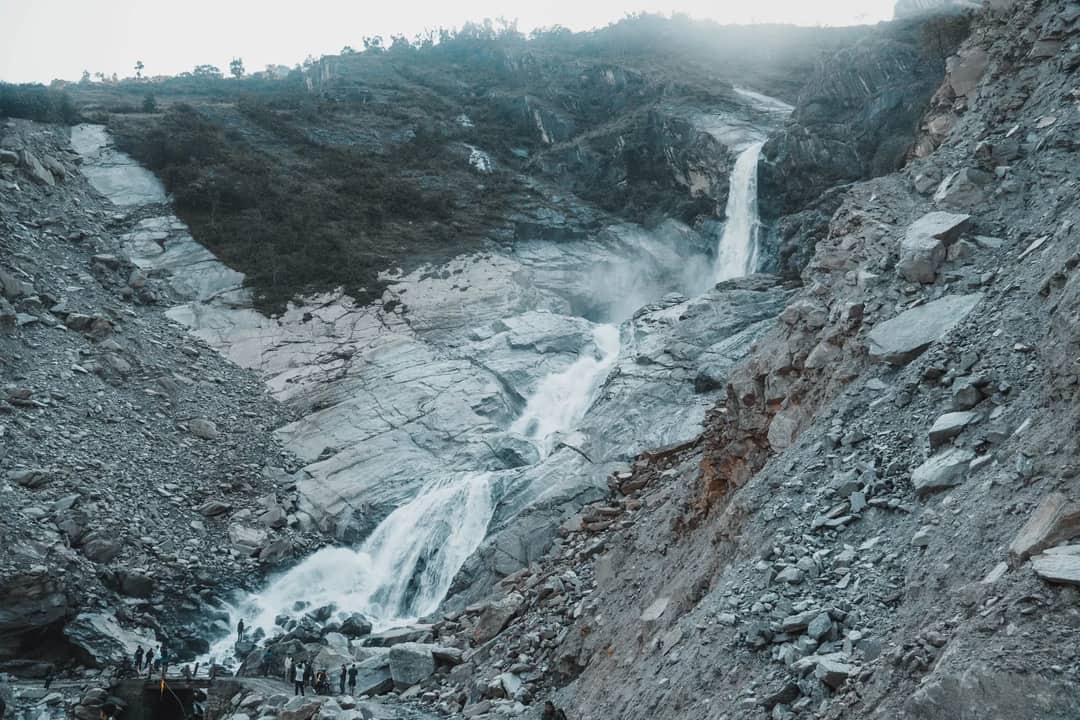
- ~08:40 NPT — the glacial flood struck. A glacier or ice-rock collapse roughly 20 km northeast of the Rasuwagadhi border point sent a debris flood down the Lhende Khola into the Bhote Koshi from the Tibet side, hitting the border zone, then the Rasuwa settlements of Timure and Syabrubesi, and running downstream via the Trishuli into Nuwakot and Dhading.
- Border and power hit. Gyirong (Kerung) Port on the Tibetan side was reported “completely destroyed,” with 300-plus vehicles washed away at the customs site; the Nepal Electricity Authority reported about 430 MW of generating capacity damaged across six hydropower plants.
| Time / date (NPT) | Reported toll | Source |
|---|---|---|
| 26 Aug, through the day | 8 → 31 → 72 → 95 | Bagmati Pradesh Police (Abi Narayan Kafle) |
| 27 Aug, morning | 157 | The Statesman |
| 27 Aug, morning | 165 | ANI / The Tribune |
| 27 Aug, ~13:30 | ~270 | Nepal Police |
| 27 Aug, 14:30 | 289 | Nepal Police bulletin (8 districts) |
| 27 Aug, ~14:59 UTC | ~359 + 3 | Wikipedia infobox (tertiary aggregator; Nepal + Tibet) |
The nationwide toll vs the Rasuwa glacial flood
It is easy to blur these into one number, so to be precise: the 289 figure is a nationwide toll driven mostly by monsoon flooding and landslides in the south and centre — Chitwan (108) and Nawalparasi East (74) alone account for the majority. The Bhote Koshi glacial flood in Rasuwa, the event on the Tibet frontier that damaged the border crossing and hydropower plants, accounts for 17 of those deaths in the police breakdown. Both are still being revised as access is restored and bodies are recovered.
| District | Deaths reported |
|---|---|
| Chitwan | 108 |
| Nawalparasi East | 74 |
| Dhading | 27 |
| Gorkha | 20 |
| Rasuwa | 17 |
| Tanahun | 16 |
| Nawalparasi West | 15 |
| Nuwakot | 12 |
| Total | 289 |
What caused it — still disputed
The cause has not been conclusively established, and credible experts are advancing different explanations:
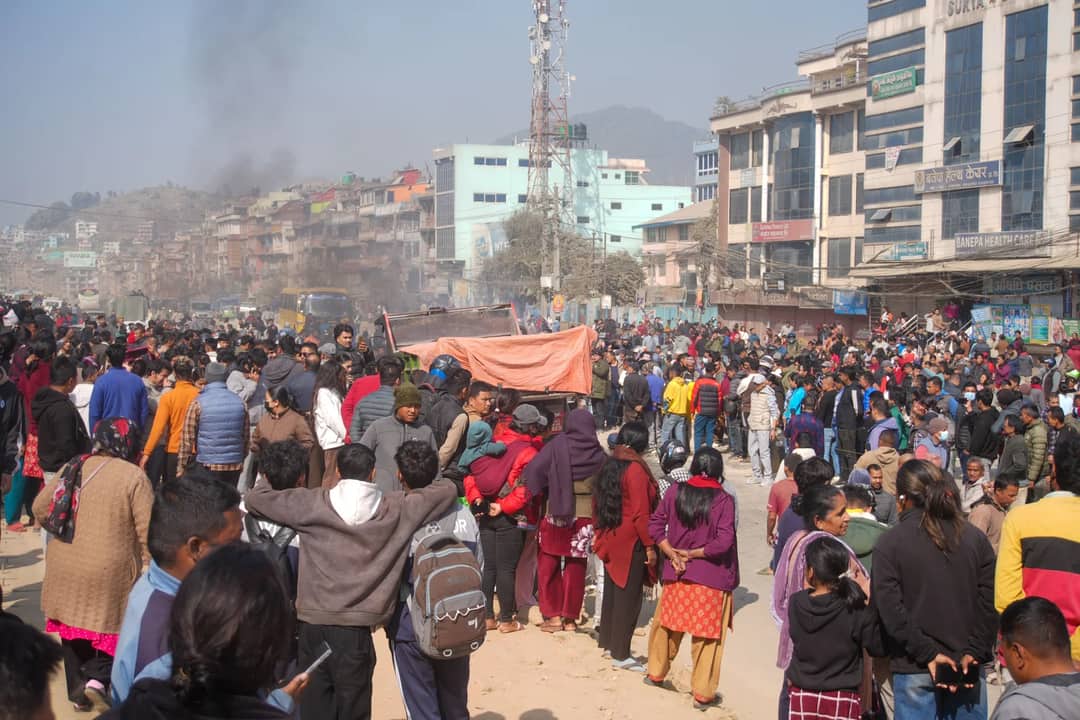
- Glacier / ice-rock collapse (leading assessment). ICIMOD’s early reading points to a glacier north of Kathmandu failing and sending ice, rock and water down toward the Lhende Khola.
- Supraglacial-lake drainage. ICIMOD satellite analysis (Sudan Maharjan) is examining the sudden drainage of a lake on the glacier surface north of the Langtang Himal — preliminary.
- USGS: landslide, not earthquake. The USGS said the seismic signal was consistent with a large landslide rather than an earthquake, which undercuts an earlier suggestion by Nepal’s foreign minister Shishir Khanal that an earthquake triggered an avalanche.
What worries scientists is the frequency: the same river flooded in July 2025 from a supraglacial-lake drainage — twice in about 14 months. ICIMOD’s Saswata Sanyal has described such events happening at an “unprecedented” pace. We go deeper into the science in what caused the Bhote Koshi glacial flood, and the climate link.
What it means for trekkers
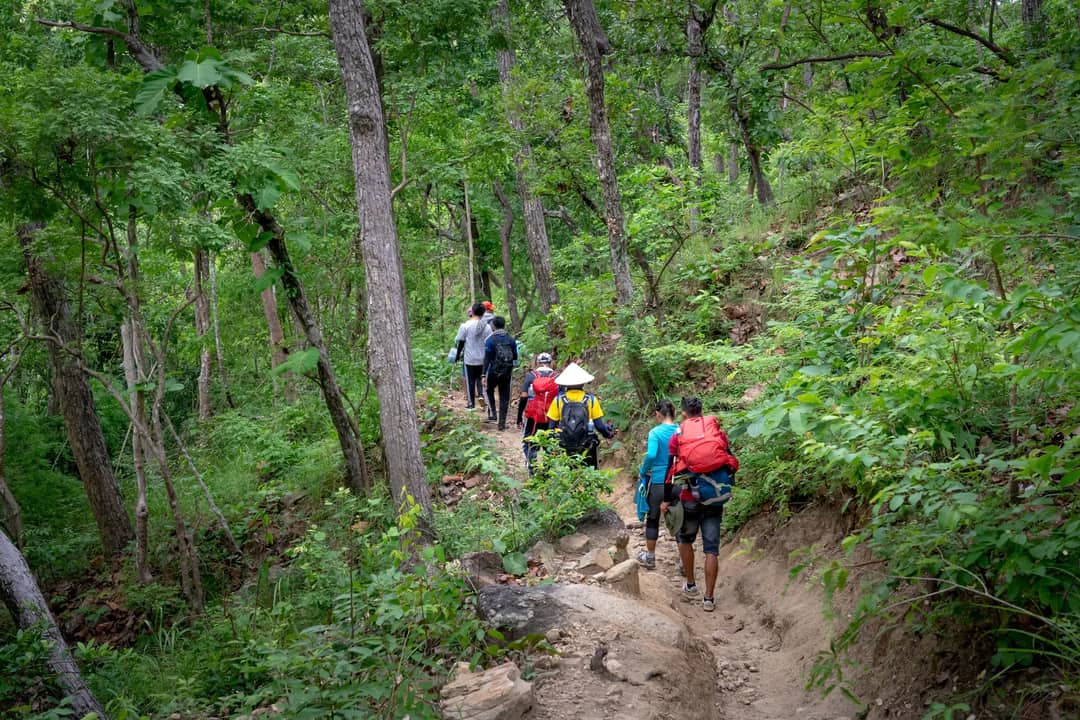
The disruption is concentrated on the northern Rasuwa / Langtang corridor and the Rasuwagadhi–Kerung trade route. Access roads, bridges and the border crossing there are cut, and infrastructure damage nationwide was reported at around NPR 15 billion, including 19 bridges and roughly 42 km of road. Trekking in the Everest and Annapurna regions is running normally. For a live read on which specific treks are open, on hold, or need a rerouted itinerary, see our status hub: which Nepal treks are affected or on hold, and for the Langtang picture specifically, Rasuwa flood and Langtang trek safety.
Response — as reported
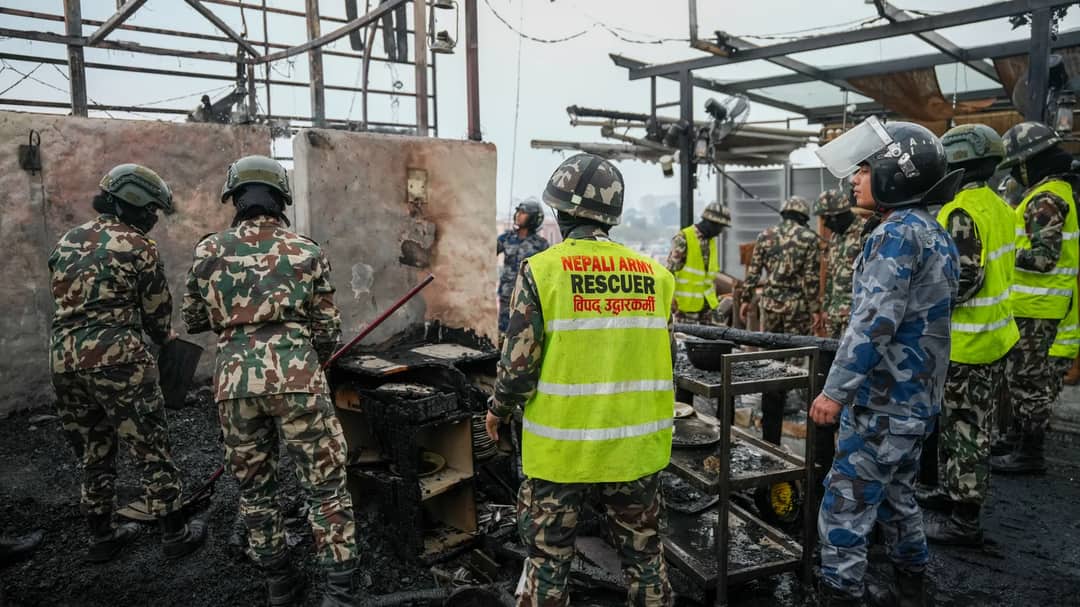
Nepal has deployed the Army, Armed Police Force, Nepal Police, helicopters and medical teams, coordinated by NDRRMA, with free treatment ordered for victims and Bailey bridges going in. International support reported so far: India (50 tonnes of aid), the United States ($500,000 plus a disaster-response advisor), the United Kingdom (£5 million pledged), the IFRC / Red Cross (about $1.4 million released) and China (800 emergency workers and 150 vehicles).
Full coverage
- Bhote Koshi flash flood, 26 August 2026: what happened in Rasuwa
- What caused the glacial flood — the science and the climate link
- Nepal trekking conditions right now (live status)
- Which Nepal treks are affected or on hold
- Rasuwa flood and Langtang trek safety
- Langtang autumn 2026: flood recovery and access
- Rasuwagadhi–Kerung border and Nepal–Tibet trade
- Hydropower damage and Nepal’s power supply
- Inside the Nepal Army flood rescue in Rasuwa
- Nepal’s glacial-flood early-warning systems
Sources
Figures on this page are attributed inline to the bodies that released them: Nepal Police and NDRRMA (official), the Kathmandu Post, CNN, Al Jazeera, Wikipedia’s “2026 China–Nepal floods” (tertiary aggregator), ICIMOD and the USGS. Where numbers conflict, we keep each source’s figure separate rather than reconciling them. We will correct any figure as authorities revise it.
This is a developing story. We update this page as verified figures change; timestamps above reflect when each figure was reported.
Cover photo: Rmfenner via Wikimedia Commons (CC BY-SA 4.0). Section photos: CP Khanal via Pexels (Pexels licence); Bijen Amatya via Pexels (Pexels licence); Aaditya Hirachan via Pexels (Pexels licence); Quang Nguyen Vinh via Pexels (Pexels licence).
If you want to help. Nepal’s official relief channel is the government’s Prime Minister’s Disaster Relief Fund — restricted by law to rescue, relief and rehabilitation, audited annually, and it takes international cards directly. We collect nothing and receive nothing. Be careful of account numbers circulating in forwarded messages: disaster fundraising draws scams within days. Our full guide, including two vetted alternatives, is at where to donate for the Nepal floods and how to help.
Related coverage

Industry & Tourism
Should you still book Nepal this autumn after the flood, and what happens to the guides if you don't
Four Langtang and Rasuwa treks are paused on our own books, while Everest, Annapurna and Manaslu sit in different river systems and are running normally.
Safety & Advisories
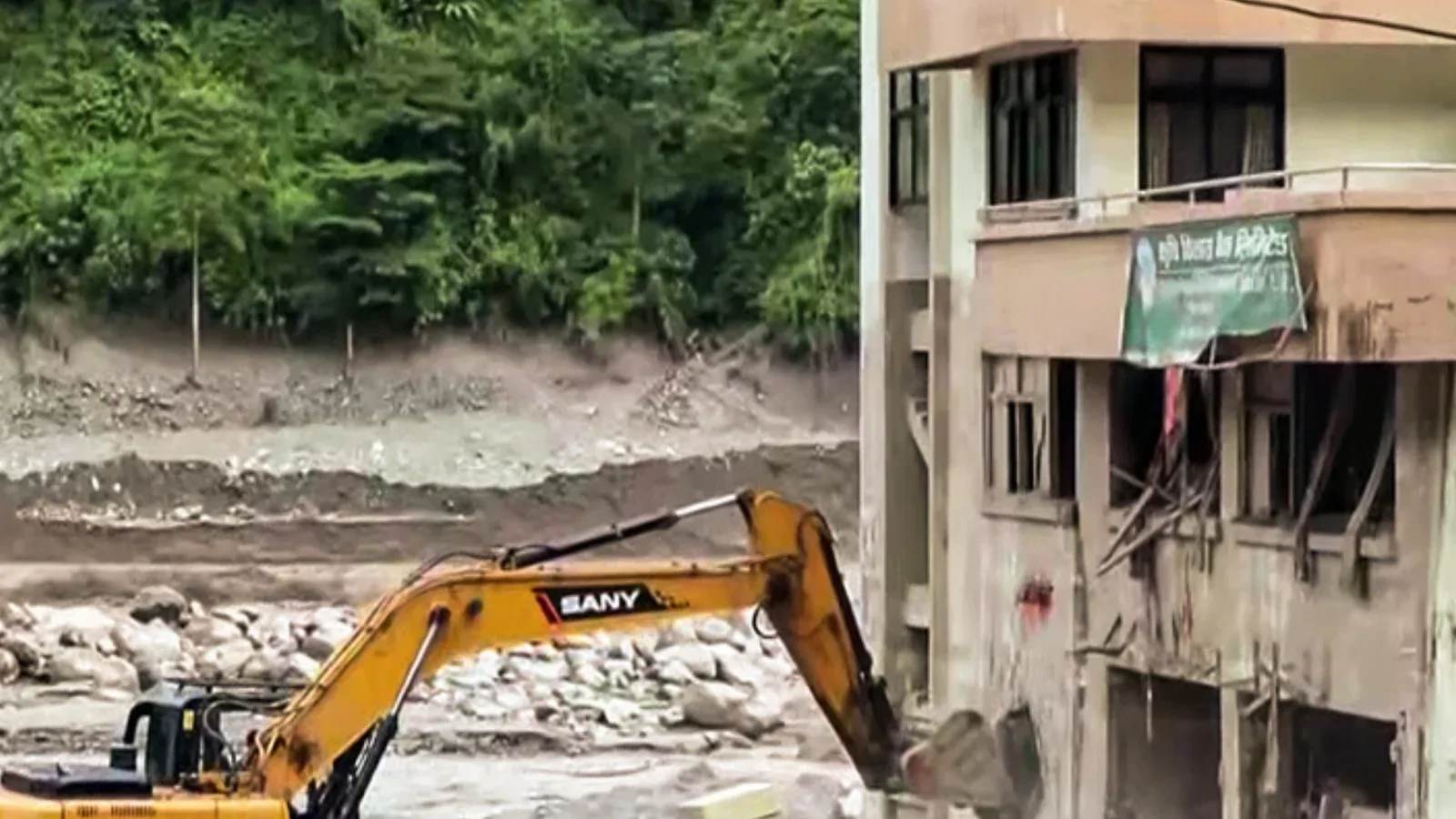
Nepal's flood camps are running out of water and medicine, and the doctors are warning about an epidemic
Four health facilities in Rasuwa are destroyed, Trishuli Hospital has lost its bridges and its medicines, and 1,000 people are in camps with no clean water.
Safety & Advisories
592 foreign nationals are still missing in the Nepal flood, here is who your family should actually call
Nepal's disaster authority counts 592 foreign nationals among the missing after the 26 August flood. Here is the official route for families abroad.

Safety & Advisories
The Nepal flood video with 7 million views was AI-generated, and here's how to check the next one
Nepal's Press Council has ordered 72 accounts to take content down. Here are the fakes that travelled furthest, and the three checks that catch nearly all of them.
Latest from the desk
Breaking Safety & Advisories
An Avalanche Buried Himlung Himal's Base Camp in Nepal, and Ten Climbers and Staff Are Missing
An avalanche hit Himlung Himal's base camp in Nepal's Manang district on 27 September, and rescuers are searching snow for ten missing climbers and staff.

Money & Insurance
You Could Be Owed Cash From a $167 Million Visa and Mastercard Settlement, Here's How to Check
Visa and Mastercard are paying $167.5 million after allegedly blocking cheaper ATM fees, and the claim deadline is 10 February 2027.
Wildlife & Nature
Chitwan or Bardia, here's which Nepal safari you should actually book
Nepal's 2026 tiger census found record numbers in Chitwan and a rare decline in Bardia, and it changes the honest answer to which safari to book.