
Is the Langtang Valley Trek Open After the 2026 Flood?
The trail itself was not hit; its gateway was. Syabrubesi and the Rasuwa road took the damage, so Langtang is the one region where the answer depends on your route and your dates. Here is the autumn 2026 picture.
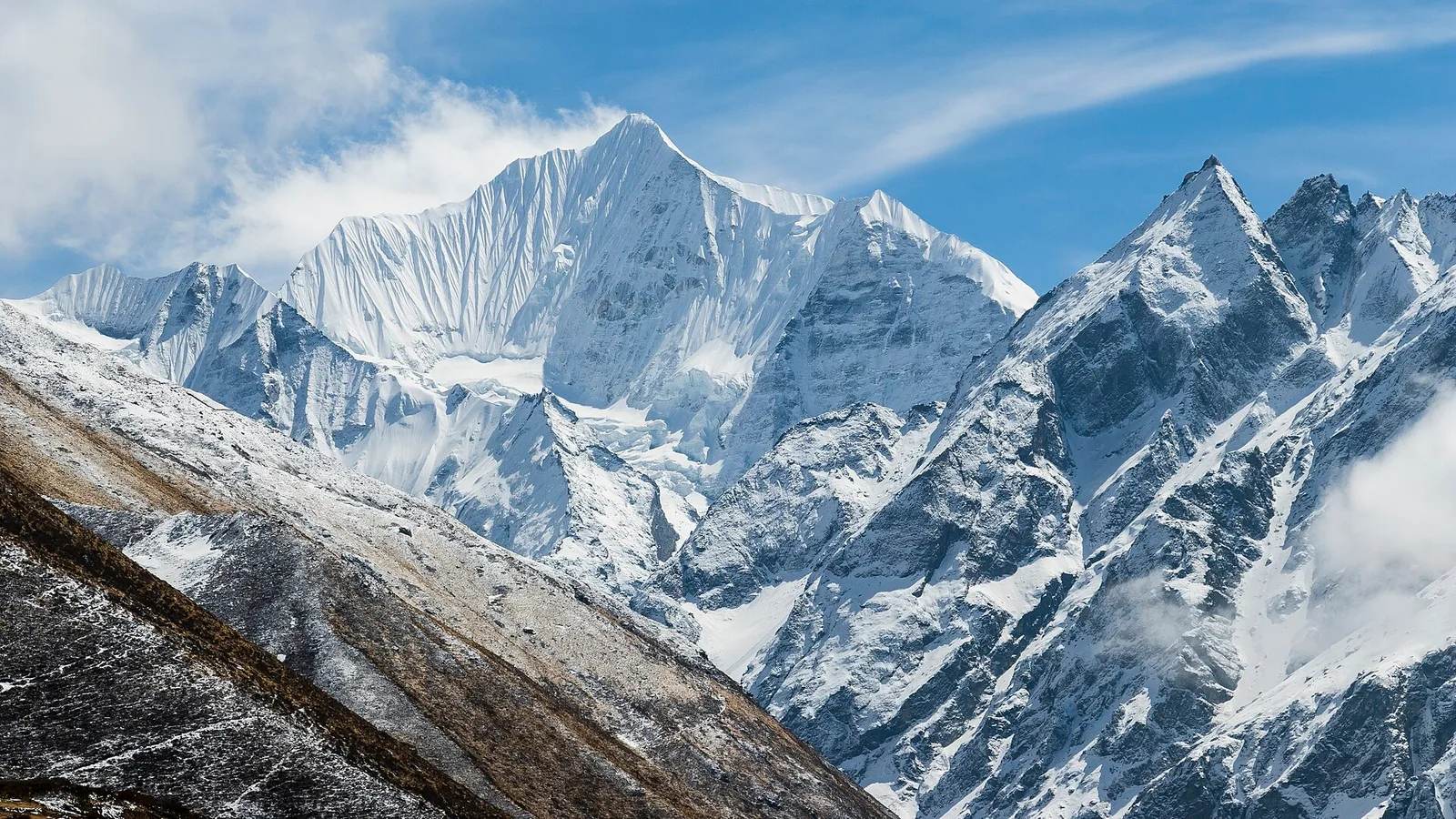
At a glance
- Published · updated
- TopicSafety & Advisories
- ReportingOriginal, by our guides in Pokhara
- Treks coveredHelambu Cultural Trek, Langtang & Gosaikunda Trek — 13 Days, Langtang Valley Trek — 7 Days
📍 Developing story — live updates
The 2026 Nepal floods are a developing, nationwide emergency and figures are rising. For the latest verified death toll, missing and rescued numbers, and trek status, follow our continuously-updated Nepal Floods 2026: Live Updates.
If you have a Langtang trek booked for this autumn, the question you actually want answered is not what happened on 26 August — it is whether you can still go, and when. The short version: Everest, Annapurna, Manaslu and every trek outside Rasuwa are running normally. What the flood damaged is Langtang's road gateway — Syabrubesi and the highway up to it — not, as far as anyone has reported, the trail up the valley itself. This piece is the forward-looking companion to our immediate Rasuwa flood safety note; the flood itself is covered in full in our report on the Bhote Koshi flash flood in Rasuwa.
Planning a trek this autumn? We keep a live region-by-region status page — which trails are open, which access roads are cut, and what we would book right now. It is updated through the season by our team in Pokhara: Nepal trekking conditions right now.
Here I want to talk only about recovery: what needs to be rebuilt, how road repair usually goes in Nepal after monsoon damage, and what that realistically means for October and November dates. First, the context in brief. On the morning of 26 August 2026 a sudden surge came down the Bhote Koshi from Tibet and tore through the border settlements of Timure and Syabrubesi, with serious damage downstream. As reported that day, Bagmati Pradesh Police put the confirmed toll at At least 392 people are confirmed dead (389 in Nepal, 3 in China) and more than 1,468 remain missing, including 668 tourists from 34 countries. Figures are provisional and have risen every day since 26 August. All of these figures are provisional — I mention them only so the early alarm is read in proportion.
Langtang autumn 2026, at a glance
- The valley trek itself: the trail climbs east up a separate valley from Syabrubesi and has not been reported damaged — but its condition is still being assessed, so confirm with your operator before fixing near-term dates
- The gateway road: sections of the Pasang Lhamu Highway toward Syabrubesi were badly hit; Nepali media reported a stretch of the Betrawati–Rasuwagadhi road washed away and vehicle movement suspended — this is the part that has to be restored
- Everest & Annapurna: completely unaffected, open, running normally — the easy rebooking answer if you cannot wait
- Autumn season: Langtang's main window is October–November, several weeks away — time that works in recovery's favour
- Overland Tibet / Kailash via Rasuwagadhi–Kerung: the crossing was reported closed — ask about the Kathmandu–Lhasa fly-in instead
The road that serves Langtang is the same road that runs on to the Chinese frontier, and the border end of it no longer exists. If you were combining Langtang with an overland Tibet leg, read what happened at the Rasuwagadhi–Kerung crossing first.
Nepal’s tourism minister has asked travellers not to cancel their trips, and for most of the country that is fair. It does not apply here: Langtang is the corridor the flood actually hit, and we are still not taking bookings for it.
What was hit: the gateway, not (as far as reported) the valley
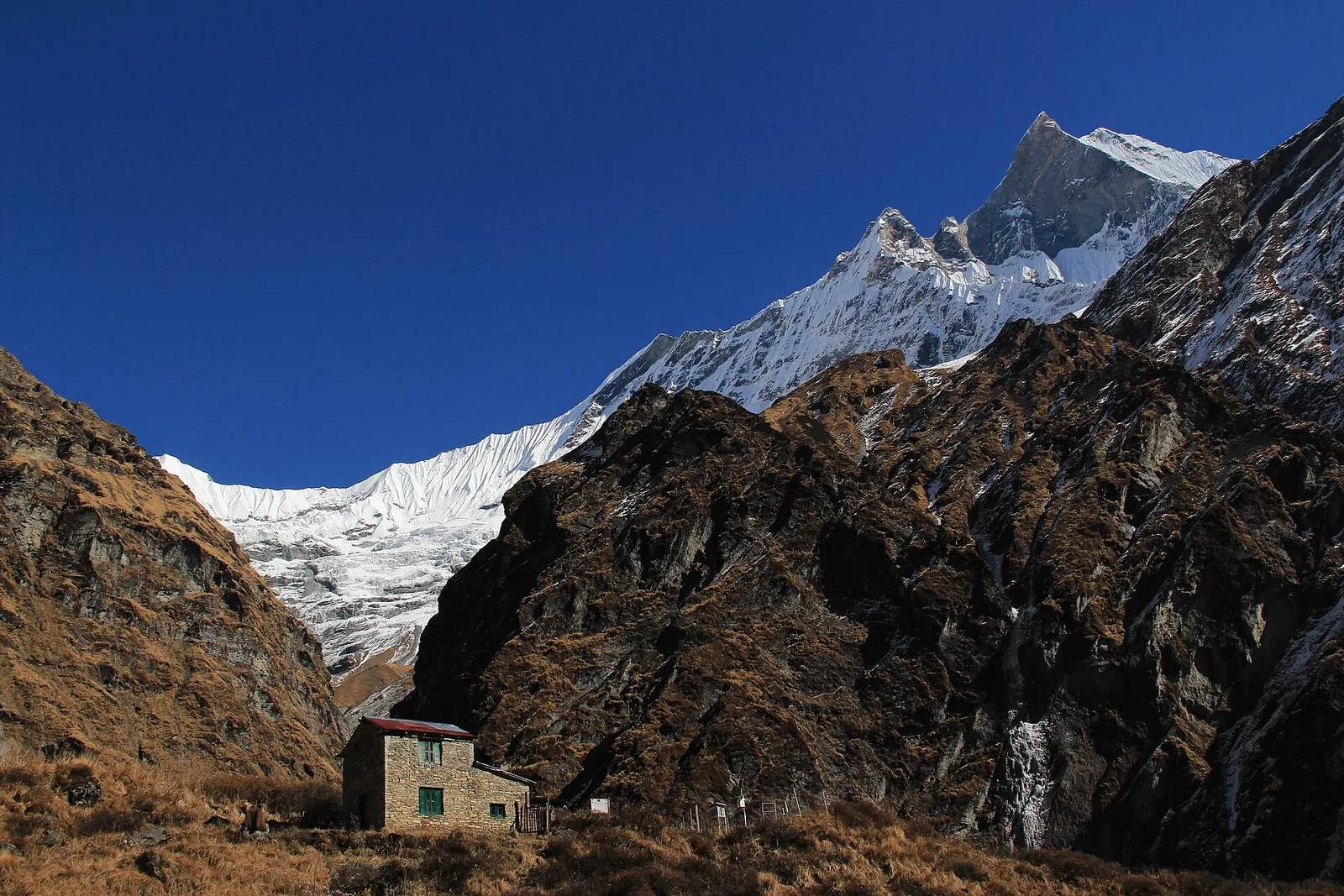
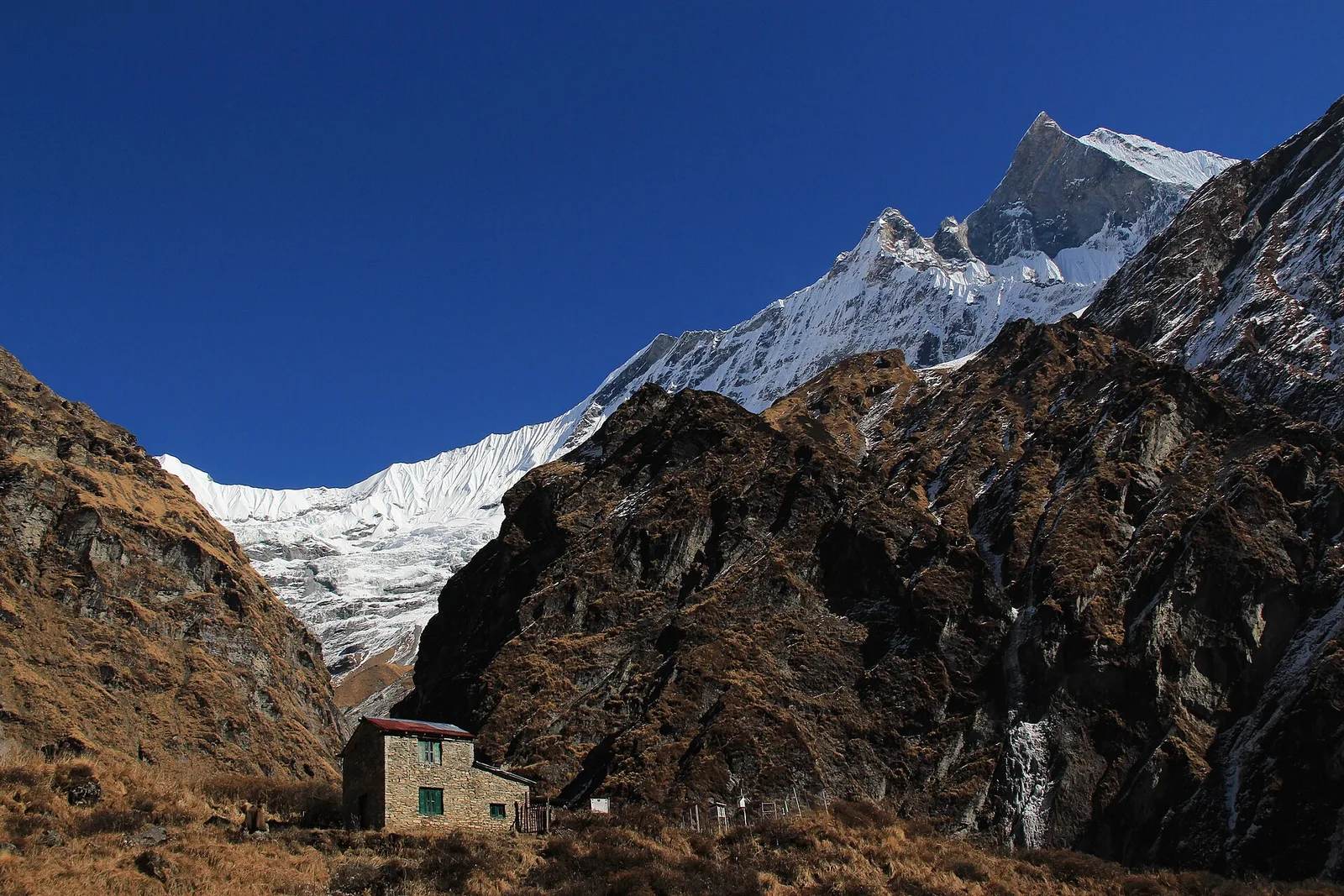
This distinction is the whole story for trekkers, so it is worth being precise. Langtang treks begin at Syabrubesi, the road-head you reach by driving the Pasang Lhamu Highway north from Kathmandu through Betrawati and Dhunche. From Syabrubesi the trail turns east and climbs the Langtang Khola valley — a different drainage from the Bhote Koshi that flooded. The confirmed damage is concentrated in that Bhote Koshi corridor: Timure, Syabrubesi and the border road on toward Rasuwagadhi, plus downstream at Betrawati and Trishuli. Nepali media reports (including Nepalnews) described a long section of the Betrawati–Rasuwagadhi road washed away and vehicle movement suspended, with some travellers relying on air transport out.
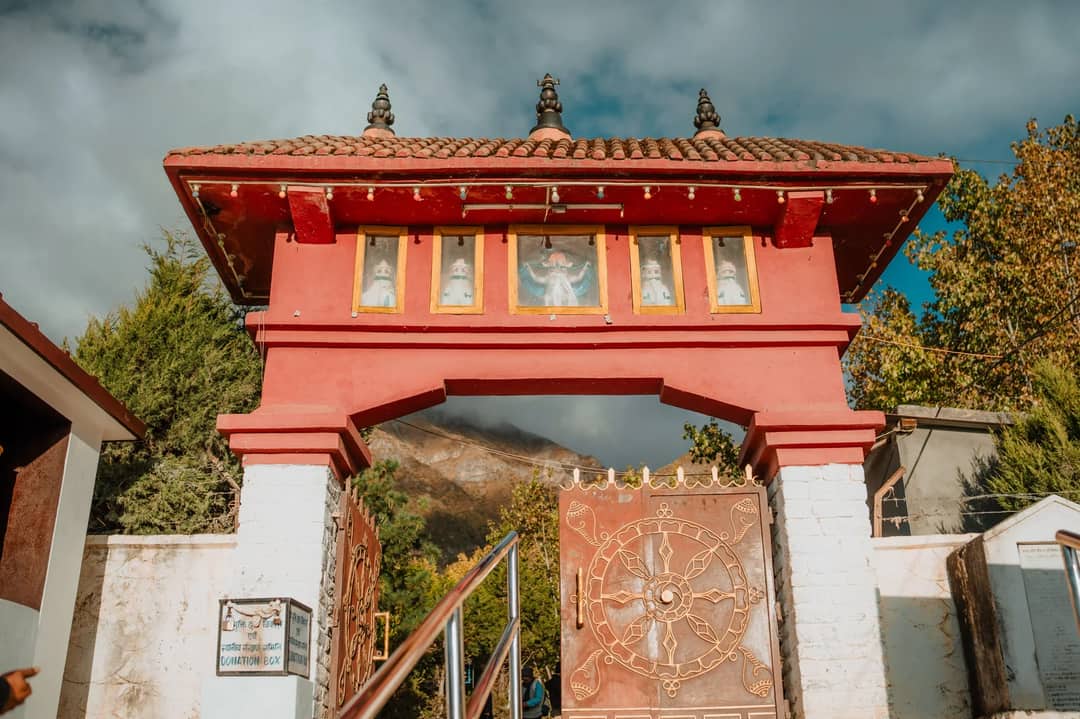
What has not been reported — and what I will not claim — is damage to Langtang village or the upper valley. Some operators are already saying the trekking trail is untouched; that may well prove true, but as of 26 August it is being assessed. The honest position today: the trail is probably fine, the road to reach it is the problem, and both deserve an operator's on-the-ground word before you lock in a near-term departure.
How road recovery usually goes after a monsoon flood in Nepal
This is not the first time this exact corridor has been hit. The Bhote Koshi flooded here in July 2025 as well, damaging the Syabrubesi–Rasuwagadhi road and sweeping away the Miteri (Friendship) bridge to Tibet — two floods in roughly fourteen months. That painful repetition is also useful, because it tells us how recovery tends to unfold, and it is a fairly consistent pattern after monsoon damage in the Nepal hills:
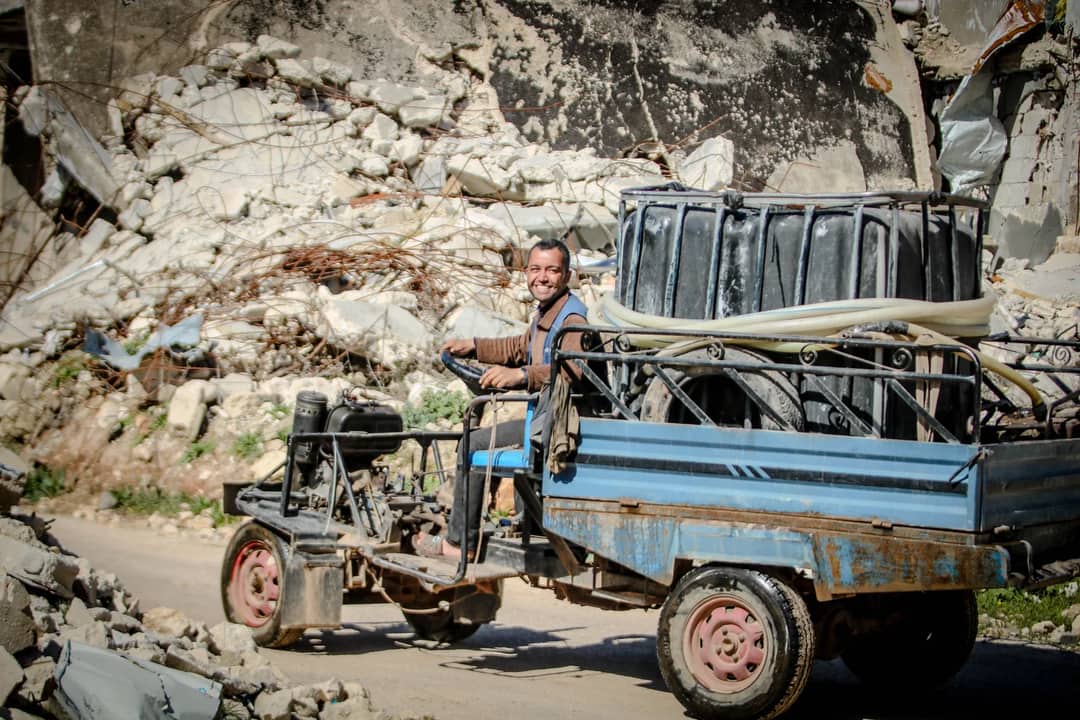
- Assess once the water drops. Serious road work does not begin while a river is still high and slopes are saturated. The first days are rescue and survey; engineering follows.
- Clear, then bridge temporarily. The Division Road Office and Department of Roads typically bulldoze landslide debris first to get light vehicles moving, then install temporary or Bailey bridges where spans are gone — a full permanent rebuild comes later.
- Jeep relays fill the gap. Long before a highway is seamless again, access is often stitched together with local jeeps on either side of a washed-out section and a short walk between — rough, but it moves people.
- Season pressure helps. Rasuwa's Tamang communities live on the autumn trekking season, so there is real local urgency — and national attention — behind reopening before October.
None of that is a promised timeline, and I will not invent one. As of 26 August the corridor is being assessed — confirm the specifics with operators and authorities. But the shape of it, in my experience, is light access measured in weeks, permanent repair measured in longer, with the autumn peak as the deadline everyone is working toward.
Region by region: what to do about your autumn dates
| Region / route | Status | What to do |
|---|---|---|
| Everest (Khumbu) | Unaffected, open | Trek as planned |
| Annapurna (Circuit, ABC, Poon Hill) | Unaffected, open | Trek as planned — the simplest switch if you cannot wait for Langtang |
| Manaslu, Mustang & treks outside Rasuwa | Unaffected, open | Trek as planned |
| Langtang valley — October / November dates | Trail likely fine; gateway road under repair | Hold your dates; reconfirm access 2–3 weeks out before final commitment |
| Langtang valley — September / imminent dates | Gateway access disrupted now | Consider moving later in autumn, or switch region |
| Rasuwagadhi–Kerung overland to Tibet / Kailash | Crossing reported closed; road & bridge damaged | Ask about the Kathmandu–Lhasa fly-in alternative |
Who should go, who should wait
Go, without hesitation: anyone booked for Everest, Annapurna, Manaslu, Mustang or any trek that does not route through Rasuwa. Your trip is not touched by this. There is no safety reason to change plans, and cancelling only takes income away from guides and lodges who need the season.
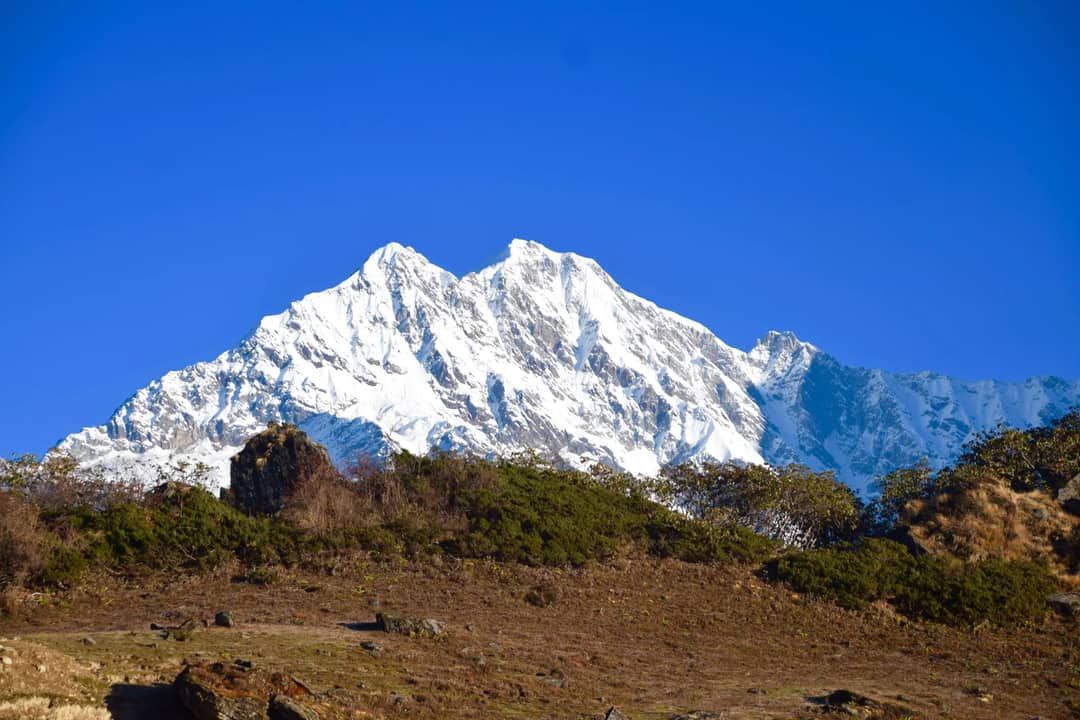
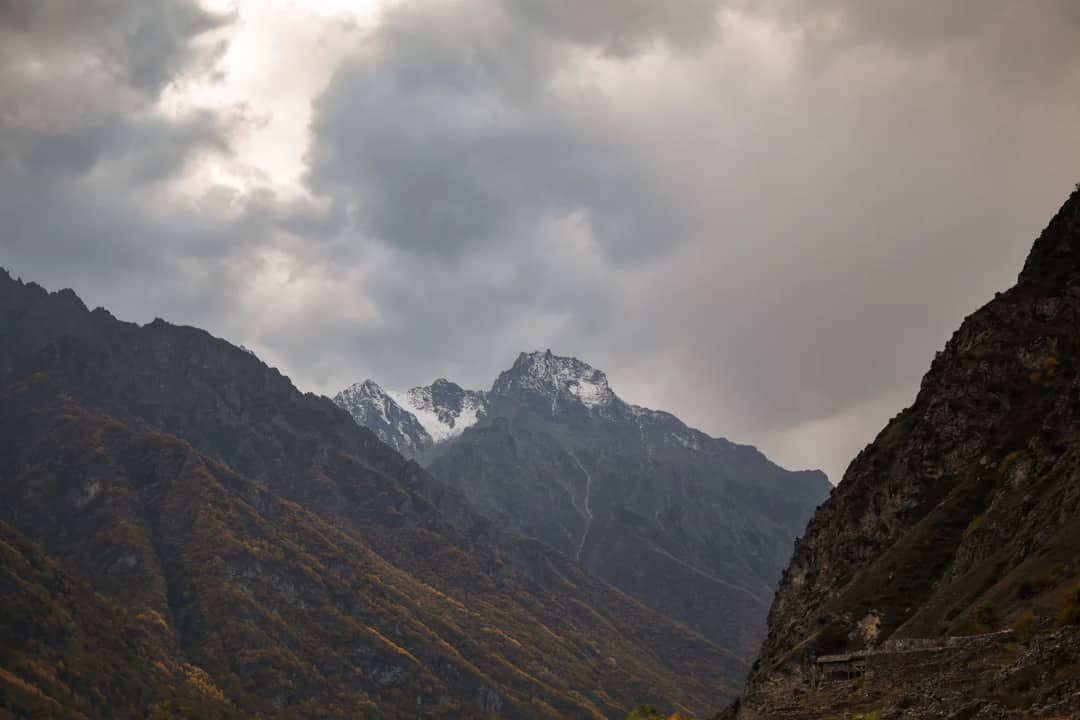
Hold and reconfirm: Langtang trekkers on October and November dates. The valley itself is very likely to be walkable; the open question is purely road access to Syabrubesi, and that is the thing recovery is aimed squarely at. Keep your booking, and have your operator reconfirm the access chain a couple of weeks before you fly — that is normal even in an ordinary autumn.
Genuinely wait or re-plan: anyone due to travel to Syabrubesi in the coming days or weeks, and anyone with an imminent overland Kerung departure. Not because the valley is unsafe once you are up it, but because the access corridor is where the damage is, and relief operations rightly have first call on those roads.
A local guide's take
In more than fifteen years of guiding I have watched this valley take a hard hit — the 2015 earthquake, the 2025 flood — and come back each time. The correct response to a flood like this is neither to write off Nepal nor to pretend nothing happened; it is to be specific. One corridor is damaged. The rest of the country's trails are open, and Langtang's own trail probably is too — it is the road that has to catch up. If Langtang is the dream, keep it and move the date if you must. If Everest or Annapurna is the plan, just go.
Rebooking and alternatives
If you are re-planning, you have good options and no need to rush. The cleanest swap is region: Annapurna and Everest are both at their best in autumn and completely unaffected, so a Langtang booking can move sideways with almost no compromise. If your heart is set on Langtang, the better move is usually to move the date, not cancel — hold a later-autumn slot and let access firm up. And for overland Tibet or Mount Kailash trips that relied on the Rasuwagadhi–Kerung road, ask about the Kathmandu–Lhasa fly-in, which sidesteps the damaged crossing entirely. Whatever you decide, lean on people who read these mountains for a living: which road is passable this week, which lodge in Kyanjin is open, where a jeep relay picks up. Our Langtang region guide lays out the trek as it normally is, for when you are ready to plan the calmer version.
If you would like help finding autumn dates that work once access is confirmed — or talking through an Everest or Annapurna alternative — we are glad to help, with no pressure to commit while things settle. The Langtang Valley Trek and the longer Langtang & Gosaikunda Trek are the two classic routes into the valley, and we will happily hold flexible dates or map out alternatives for anyone affected. For the wider picture, international coverage is being updated live by CNN and the Kathmandu Post, with a running summary on Wikipedia.
Cover photo: Bijay Chaurasia via Wikimedia Commons (CC BY-SA 4.0). Section photos: Pexels User via Pexels (Pexels licence); sagar sintan via Pexels (Pexels licence); Ahmed akacha via Pexels (Pexels licence); Dima Sagaria via Pexels (Pexels licence); Satyabrata Maiti via Pexels (Pexels licence).
Planning or re-planning a Langtang trek?
We are a Pokhara-based team and we run Langtang year-round. If the 2026 floods have upset your dates, tell us what you had planned and we will help you rework the route or move it to spring — honestly, and with no pressure to book something you did not want.
Message us on WhatsApp → · Ask us about your dates →
Our Langtang treks: Langtang Valley, 7 days · Langtang & Gosaikunda, 13 days.
If you want to help. Nepal’s official relief channel is the government’s Prime Minister’s Disaster Relief Fund — restricted by law to rescue, relief and rehabilitation, audited annually, and it takes international cards directly. We collect nothing and receive nothing. Be careful of account numbers circulating in forwarded messages: disaster fundraising draws scams within days. Our full guide, including two vetted alternatives, is at where to donate for the Nepal floods and how to help.
Still running this season
Helambu Cultural Trek is running normally
NMA-certified local guides, transparent pricing, 5,000+ treks since 1998. Message us your dates and we'll sort the permits, lodges and logistics — reply within 24 hours, no obligation.
Popular Nepal treks
All treks →
Related coverage
Safety & Advisories
Is the Annapurna Circuit Trek Affected by the 2026 Nepal Floods?
Short answer: the Circuit trail itself was not hit — it runs the Marsyangdi and Kali Gandaki on the far western side of the country, a different river system from the Rasuwa flood. The one real catch is the drive in: confirm the Prithvi Highway to Besisahar, or fly to Pokhara.
Safety & Advisories
Is the Kapuche Lake & Sikles Trek Affected by the 2026 Nepal Floods?
No — Kapuche Lake and Sikles sit in the Annapurna region east of Pokhara, on a different river system from the Rasuwa flood, and the route is running normally. Here is the honest status and the late-monsoon road note.
Climate & Environment
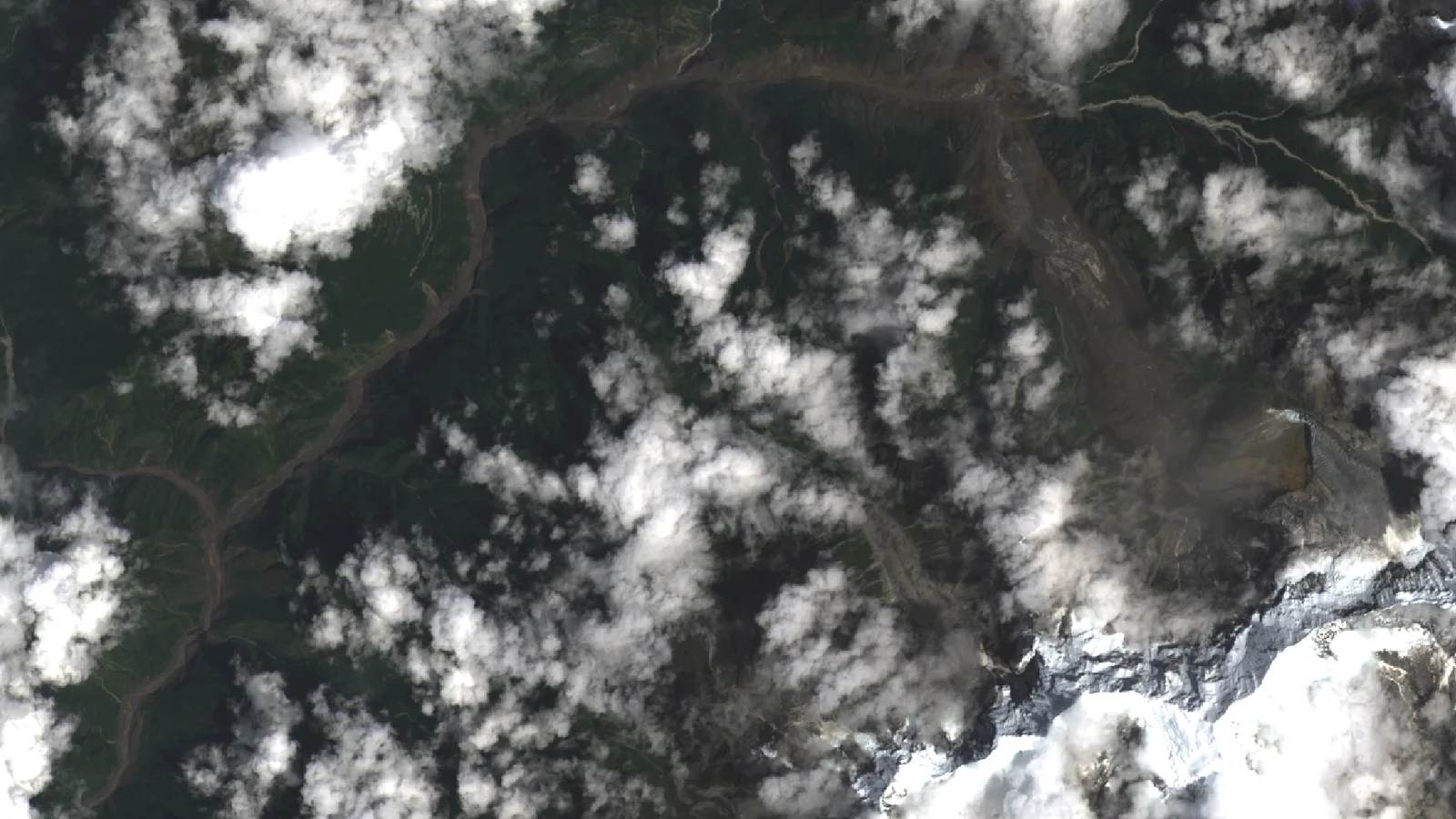
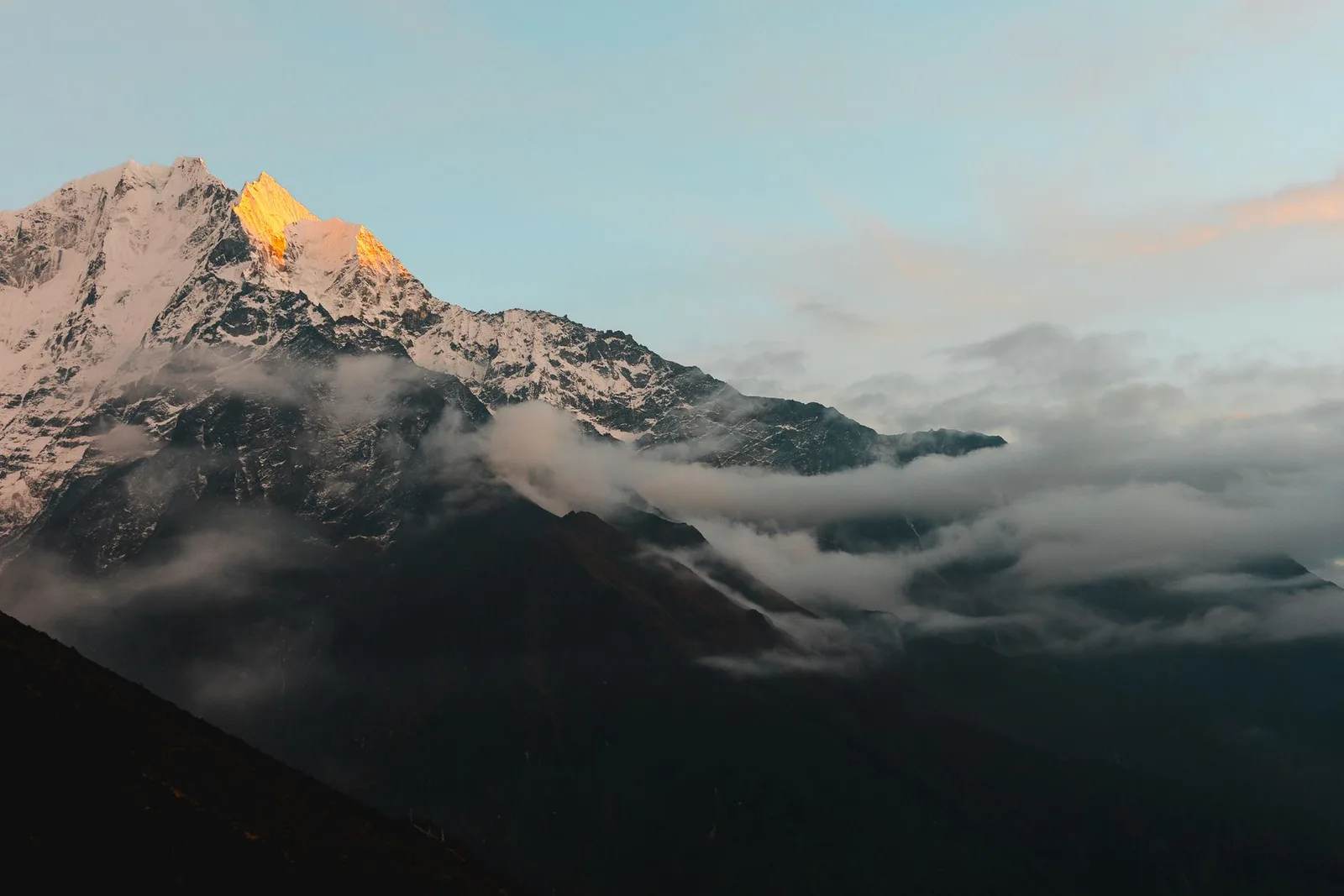
The Langtang Lirung collapse wasn't a glacial lake flood, and that changes which mountains Nepal has to watch
A week of satellite, seismic and drone analysis has settled one thing — no lake burst above Rasuwa. The next one may not come from a lake either.
Safety & Advisories
Is the Helambu Trek Affected by the 2026 Nepal Floods?
Mostly no, but this one needs a real check. The Helambu trails were not hit by the Rasuwa flood, but Helambu sits on the edge of the disruption zone on a monsoon-fragile access road. Reconfirm road access before you commit — and right now the no-doubt choice is Poon Hill or Annapurna.
Latest from the desk
Wildlife & Nature
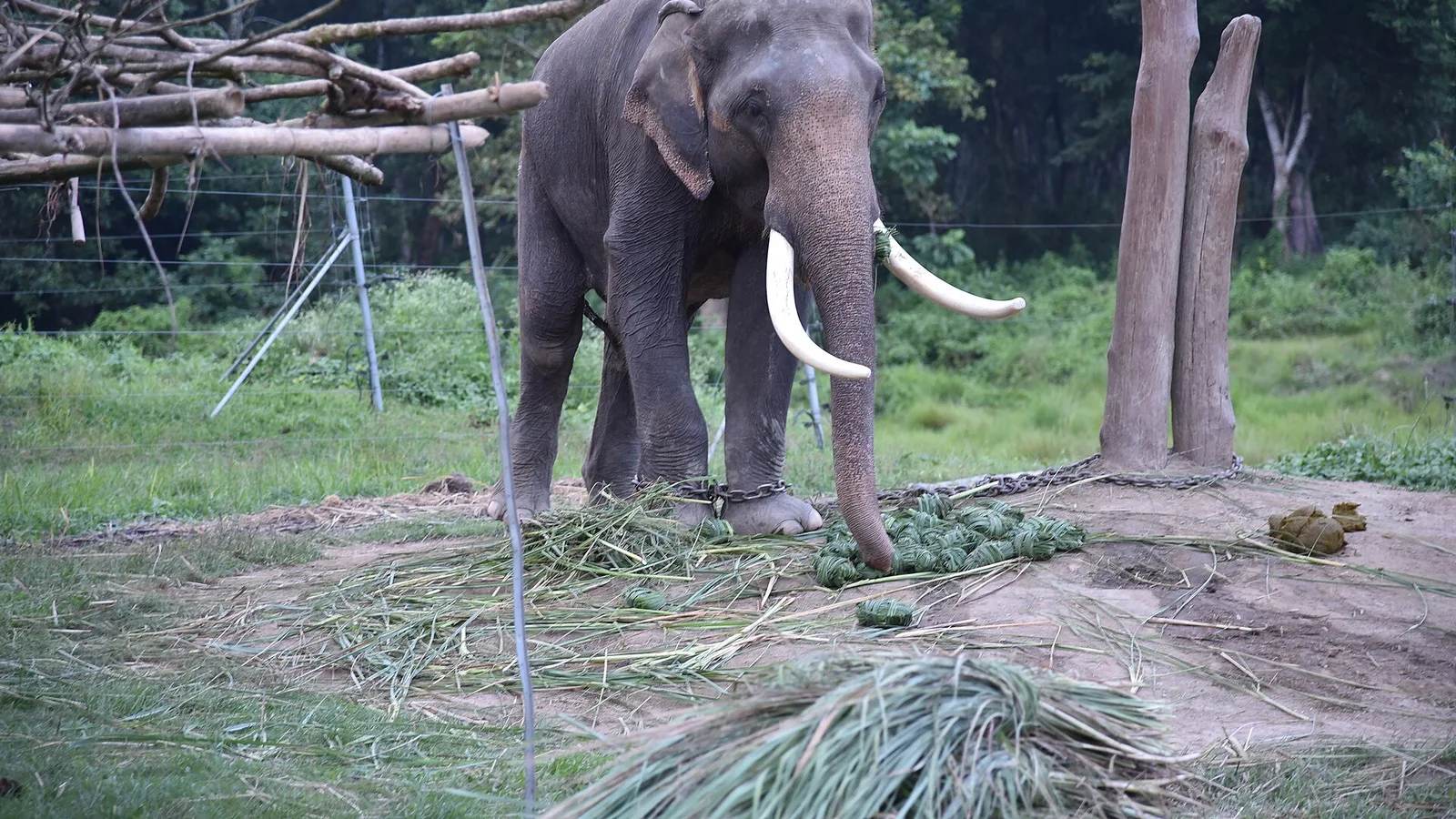
Chitwan or Bardia, here's which Nepal safari you should actually book
Nepal's 2026 tiger census found record numbers in Chitwan and a rare decline in Bardia, and it changes the honest answer to which safari to book.
Safety & Advisories
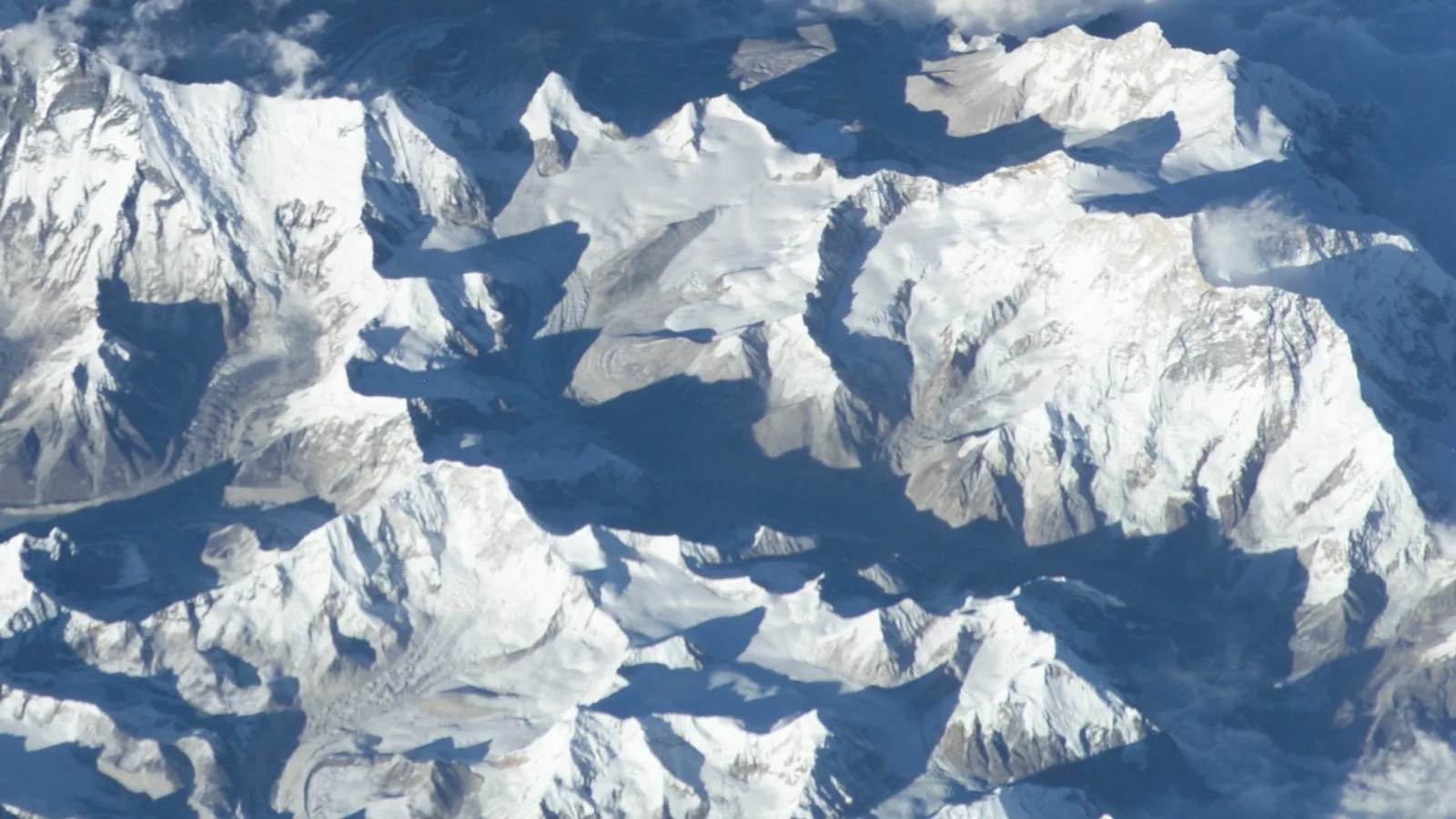
Lobuche East or Island Peak, here's which one should be your first Himalayan climb
Both cost the same permit and sit within 70 metres of each other in altitude, but our guides say the harder climb isn't the one most people assume.
Breaking Flights & Access
Heathrow's Third Runway Just Slipped Four Years to 2039, Here's What Actually Changes for Your Fare
Heathrow says its 2035 third-runway deadline is unrealistic and now targets 2039, leaving London's capacity squeeze unresolved for years.