Ski insurance in Europe has a rescue gap your GHIC will never fill
The GHIC skips mountain rescue, and Tignes bills up to 1,377 euros for an off-piste helicopter. What UK skiers should check in their policy.
On this page (7)
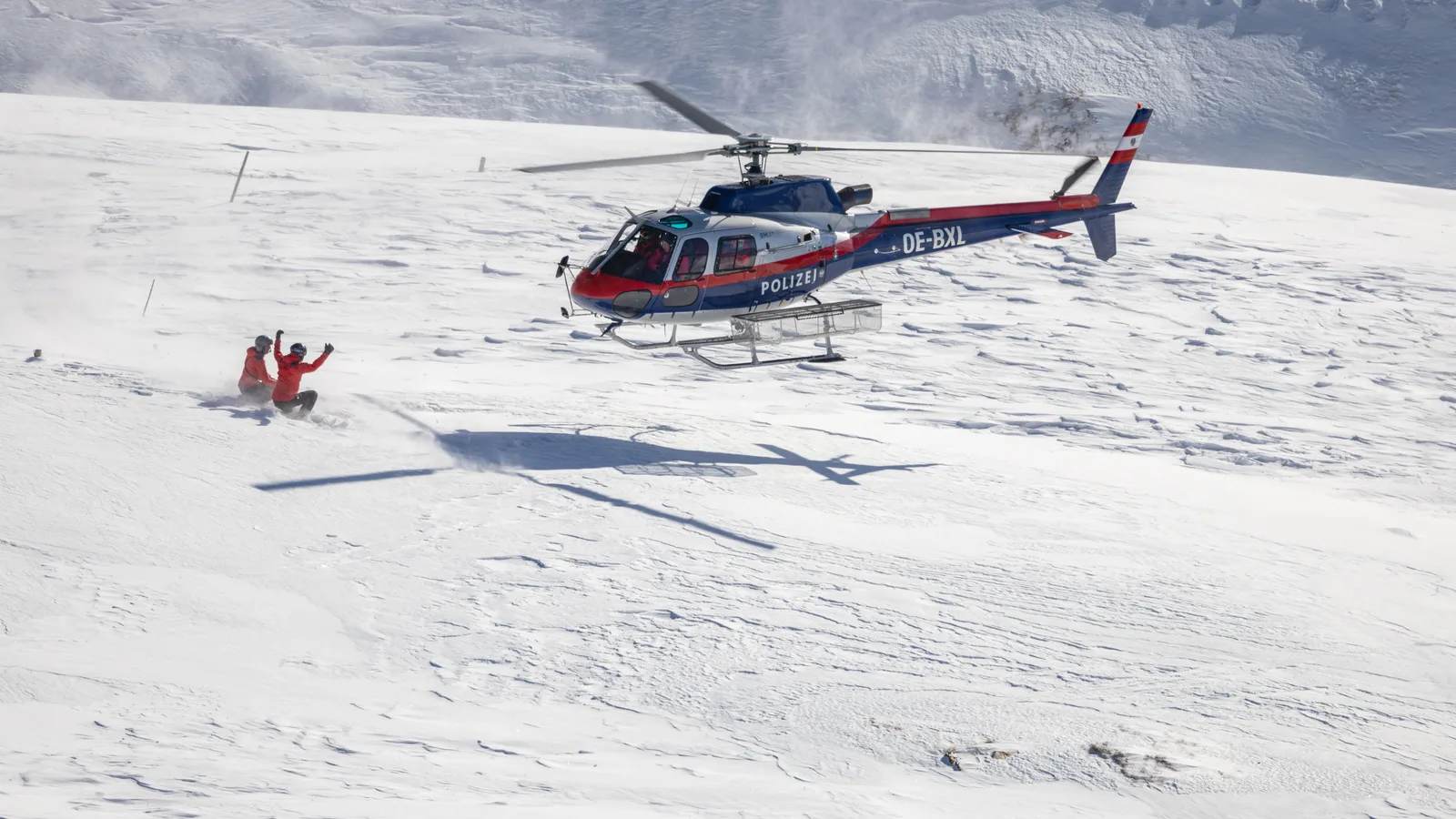
Your GHIC will not pay for mountain rescue on a European ski slope, and in France the resort’s commune sends the bill, from €74 for help at the bottom of a run to €1,377 for a helicopter lift off-piste at Tignes this season. The UK Foreign Office says the GHIC and EHIC do not cover “mountain rescue in ski resorts” or being flown home, and that many travel policies will not cover skiing off-piste without a guide and require a helmet at all times. So the card goes in your wallet, but the policy decides whether a bad fall costs you nothing or a month’s pay. As of October 2026, here is what France, Switzerland and Austria actually charge, and the policy words that decide a claim.
- Rescue and treatment are two different bills. The GHIC can help with the second; it never touches the first.
- In France, the commune bills the rescue on the ski area, by zone, and French state insurance does not reimburse it.
- In Austria, state health insurance does not pay to get you off the mountain after a leisure accident.
- “Off-piste with a guide” and “within resort boundaries” are the two phrases that decide most off-piste claims.
What does a GHIC cover on the slopes?
A GHIC gets you state hospital treatment on the same terms as a local, and nothing that happens before you reach the hospital. The FCDO’s guide to preparing for winter sports abroad, last updated on 1 December 2025, says the EHIC and GHIC provide medically necessary state healthcare, but “will not cover any private medical healthcare or costs, such as mountain rescue in ski resorts, being flown back to the UK, or lost or stolen property.”
The FCDO’s France page adds that state healthcare “is not always free” and is given “on the same basis as for French citizens”, so you can still face the standard patient share. It lists costs the card does not cover, including medical repatriation, private clinics and treatment ruled non-urgent. We cover the card itself, and how to get it free, in the free UK health card and the gap it leaves.
How much does mountain rescue cost in France?
On a French ski area the commune sets the rescue tariff by zone, and Tignes publishes one of the clearest: €74 near the base, €996 off-piste, and €916 to €1,377 for a non-medical helicopter, valid from 1 December 2025. The Tignes schedule, approved by the municipal council on 16 October 2025, opens, in capitals, by recommending ski-specific insurance, because “La CPAM et les mutuelles ne couvrent pas ces frais”: French state health insurance and top-up cover do not pay these charges.
Those are only the first line of the bill. The same schedule charges a medical helicopter at €85.22 a minute plus the patrol fee for your zone, a winching supplement of €308, an ambulance from the bottom of the slope to the Tignes medical centre at €210, and onward ambulance transfers from €375 to Bourg-Saint-Maurice up to €990 to Grenoble. A snowcat adds €304.80 an hour and each patroller €78 an hour. Every French resort sets its own figures, so read the tariff for your commune; these are Tignes’.
The law behind it is narrow. In a reply to the Senate published on 5 June 2025, the French government said billing for rescue “concerne ainsi uniquement les pistes de ski, les sites nordiques, et l’ensemble du domaine skiable” served by the lifts, and that the mayor may hand rescue to the lift operator, including off-piste terrain that runs back down to the ski area by gravity. The government added that this frame must not be stretched beyond the ski area. So the honest answer to “is rescue free in France?” is: not where most skiers fall.
Switzerland and Austria bill the patient directly
In Switzerland, Rega says the person rescued or their insurer pays, and its average helicopter mission costs around CHF 4,500; in Austria, state health insurance does not pay to bring a leisure skier off the mountain. Rega, the Swiss air rescue foundation, states: “As a rule, the persons who were rescued, or their insurer, pays,” and that the CHF 4,500 average is before specialists such as mountain rescuers are added. It can waive costs for its paying patrons, but only at its discretion and only where no insurer must pay. Even Swiss residents’ basic health insurance pays only half of a rescue, up to CHF 5,000 a year, according to the Federal Office of Public Health.
Austria writes the gap into law. Section 131(4) of the General Social Insurance Act says that after leisure accidents in sport and tourism, the health insurer does not reimburse the cost of recovery or of transport down to the valley; the Supreme Court applied it in case 10 ObS 67/11t, awarding a helicopter patient only the ambulance fare from the valley to hospital. The ÖAMTC, whose Christophorus helicopters fly many Austrian rescues, says most medically necessary missions are billed to social insurance, but “lediglich bei Sport- und Freizeitunfällen im alpinen Bereich”, only for sport and leisure accidents in the Alps, it bills the patient directly. It publishes no tariff, so we print none.
The FCDO’s Switzerland and Austria pages say the same thing in the same words: for skiing and especially off-piste, your insurance should include mountain rescue services, helicopter costs, and repatriation or transfer to a neighbouring country for treatment.
| Country | Who sends the rescue bill | What state cover pays toward rescue | Published figure, as of Oct 2026 |
|---|---|---|---|
| France | The resort commune, by zone | Nothing (“la CPAM… ne couvre pas”, Tignes) | €74 to €996 patrol; helicopter €916 to €1,377 flat (Tignes) |
| Switzerland | The rescue service, to you or your insurer | Swiss basic insurance: half, up to CHF 5,000 a year | About CHF 4,500 average Rega mission |
| Austria | The air rescue operator, to you | Nothing for recovery to the valley (ASVG s.131(4)) | No official tariff published |
| Italy | Varies by region and resort | Not stated by the FCDO | Helmet fine up to €200; third-party cover compulsory |
Off-piste wording that decides your claim
Most off-piste claims turn on two phrases, “with a qualified guide” and “within resort boundaries”, so find them in your policy before you leave the marked run. The FCDO warns that “many insurance policies will not cover… skiing off-piste without a guide”, and its Austria page says off-piste skiing “is very dangerous and can invalidate your travel insurance.”
- “Within resort boundaries”: read it as ungroomed snow between marked pistes, inside the area the lift company patrols. A powder field through a gate is outside it.
- “With a qualified guide or instructor” means a guide must be with you on the run. Following a friend who has done it before does not count.
- “Ski touring”, climbing uphill on skins, may be listed separately from off-piste. Check both words.
Italy adds law to the policy: since 1 November 2025 every skier, snowboarder and sledger must wear a CE-certified helmet, regardless of age, with a fine of up to €200 and a lift pass suspension of up to three days. Third-party liability insurance is a legal requirement and can be bought with the lift pass, and anyone going off-piste must by law carry a transceiver, probe and shovel.
The FCDO notes that many policies require a helmet on the slopes whatever local law says, and that cover “may not be valid if you injure yourself or others whilst intoxicated”. A long lunch followed by a fall is a claim many insurers will read closely.
The checklist for UK skiers
Carry the GHIC, and buy winter sports cover whose wording answers these eight questions in writing. Our general winter sports insurance explainer covers piste closure and equipment; this list is about the rescue.
- Skiing or snowboarding is named for every day of the trip.
- Mountain rescue, search and helicopter evacuation are named, with a limit.
- Off-piste is covered on the terms you will ski: with or without a guide, inside or outside the boundary.
- Medical repatriation to the UK and transfer to a neighbouring country, such as Savoie to Switzerland, are included.
- Private clinic treatment is covered, since the GHIC excludes it.
- The helmet clause, and any alcohol exclusion, is understood.
- The policy pays the resort or clinic directly, or gives you a 24-hour assistance number that will.
- Any medical condition is declared. If that makes cover expensive, the FCA signposting rule obliges the insurer to point you to a specialist.
Skiing further afield this winter? The rescue rules are very different in Japan, which we set out in Japan ski insurance has a backcountry gap.
Our verdict
Treat the GHIC as the hospital half of your cover and the policy as the mountain half. The card can save you money once you are in a state hospital; it cannot pay the €1,377 helicopter, the per-minute medical flight, or the flight home. Choose the policy on its rescue and off-piste wording, not on the headline medical limit, and if you plan to ski anything ungroomed, decide now whether you will hire a guide, because that one word is often what your claim depends on.
Frequently asked questions
Does the GHIC cover mountain rescue?
No. The FCDO says the GHIC and EHIC will not cover mountain rescue in ski resorts, private healthcare or being flown back to the UK.
Is mountain rescue free in France?
Not on the ski area. The resort commune may bill rescue on pistes and across the lift-served ski area. At Tignes in winter 2025/26 that runs from €74 to €996 for the patrol, plus helicopter and ambulance charges.
Do I need a helmet to be insured for skiing?
Often yes. The FCDO says many policies require a helmet at all times on the slopes, whatever the local law. In Italy a helmet has been compulsory for all ages since 1 November 2025.
Is off-piste covered by ski insurance?
Only if the wording says so. Many policies cover it only with a qualified guide or only within resort boundaries, and some exclude it outright. The FCDO warns off-piste can invalidate your travel insurance.
Who pays for a helicopter rescue in Austria?
You or your insurer. Austrian health insurance does not reimburse recovery and transport down to the valley after a leisure sports accident, under section 131(4) of the General Social Insurance Act.
Sources, all read 9 October 2026: FCDO, Preparing for winter sports abroad (updated 1 December 2025) and the France, Switzerland, Austria and Italy travel advice pages; Commune de Tignes, Tarifs des évacuations secours, hiver 2025/2026 (council deliberation of 16 October 2025); French Senate written question no. 03383 and the government reply of 5 June 2025; Rega, Questions and answers; Federal Office of Public Health, Transport- und Rettungskosten; Austrian Supreme Court, 10 ObS 67/11t; ÖAMTC, billing of Christophorus missions and press release of 30 November 2022. General information, not insurance or legal advice; your policy wording decides a claim.
Written by
Bishnu AdhikariPokhara-based, NMA-certified trekking guides. We’ve led 5,000+ treks across the Annapurna and Everest regions since 1998 — every word here comes from the trail. More from this author →
Ready to Trek?
From reading about it to standing on it
Our Pokhara-based guides have been doing this since 1998. Tell us your dates and fitness level — we'll build your perfect itinerary. Free, no obligation.
More guides like this
Popular trips to consider
View all treks & toursFree Trekker’s Insider Guide
Permits, packing lists, cost breakdowns — no fluff.
We send one useful email. You can unsubscribe anytime.