
If an earthquake hits while you're travelling, do these things in this order
Drop, cover and hold on, then get off the coast and out of damaged buildings. The order to follow, place by place, and who to call once the shaking stops.
On this page (9)
If an earthquake hits while you are travelling, drop to your hands and knees, cover your head and neck, and hold on until the shaking stops. Do not run outside. When it stops, get out of any damaged building, and if you are near the sea, walk inland and uphill straight away. Then text your family, tell your embassy where you are, and call your insurer’s assistance line before you pay for anything big.
That order matters more than any single tip. Moving during the shaking puts you under falling glass and masonry, and a traveller who skips the order tends to lose the first hour to panic and the next day to an airline queue. Below is the sequence we brief, the move for each place you might be standing, and the numbers to save in your phone before you fly.
Felt shaking near a coast and want to know if a tsunami alert has gone out? Our live tsunami warning page checks the US, Japanese and Indonesian warning centres every two minutes and maps every strong earthquake of the past 24 hours.
- Stay where you are during the shaking. Running outside or for a doorway is how people get hurt; the US government’s Ready.gov tells you to avoid doorways.
- On a coast, the shaking is the tsunami warning. Walk inland and uphill once it stops, without waiting for a siren.
- Expect aftershocks for days. After the 9 October 2026 Panama quake, the USGS put the chance of a magnitude 6 aftershock within a week at 67 percent.
- Text, do not call. Texts get through when lines jam and save battery.
Save or share this checklist
- During shaking: drop, cover your head and neck, hold on.
- In bed: stay there, face down, pillow over your head and neck.
- Driving: pull over away from bridges and wires, set the parking brake, stay inside.
- When it stops, on a coast: walk inland and uphill now.
- When it stops, indoors: if the building is damaged, get out and away from it.
- Text one message to family; post one update for everyone else.
- Register with your embassy or government and save its emergency number.
- Call your insurer’s emergency line before booking new flights or hotels.
- Expect aftershocks; do not go back into cracked buildings for your bags.
What to do in the first 60 seconds of an earthquake
Protect yourself where you are, because the shaking will be over before you reach a door. The US government’s preparedness site, Ready.gov, gives three moves: drop onto your hands and knees, cover your head and neck with one arm and hand, and hold on until the shaking stops. If you are inside, stay inside, and avoid doorways.
The doorway advice surprises people, because it was a fixture of older safety films. A modern doorway is no stronger than the rest of the wall, and the door can swing into you. Get under a sturdy table or against an interior wall away from windows, and stay low.

Where you are standing changes the move
The rule is the same everywhere: get low, protect your head, keep away from things that can fall. What can fall changes with the place, so this is how the guidance applies to the spots travellers actually find themselves in.
| Where you are | During the shaking | When it stops |
|---|---|---|
| Hotel room | Under a sturdy table or beside the bed, away from windows and mirrors | Shoes on, take passport and phone, use the stairs, never the lift |
| In bed | Stay there, face down, pillow over head and neck (Ready.gov) | Check the floor for glass before you stand |
| Street or market | Stay outside; move to open ground away from buildings, trees, streetlights and power lines (Ready.gov) | Keep clear of facades, balconies and signs |
| Driving | Pull over and stop, set the parking brake (Ready.gov); avoid bridges and overpasses | Drive slowly; watch for cracked roads and fallen rock |
| Beach or seafront | Drop and protect your head away from buildings | Walk inland and uphill at once; do not wait for an alert |
| Church, museum or old building | Get low against an interior wall, away from statues and hanging fixtures | Leave and move away; masonry cracked by the main shock can fall in an aftershock |
The beach row is the one that kills people who otherwise did everything right. The US National Weather Service lists three natural tsunami warnings: a strong or long earthquake, the sea behaving strangely, and a roar from the ocean. Our explainer on tsunami warnings, advisories and watches covers what each official alert means once it arrives.
The first hour after the shaking stops
Get out of anything damaged, get away from the sea if you are near it, then account for yourself. Ready.gov says to leave a damaged building and move away from it, and never to go back into one. Cracks across a wall, a door that will not close, or the smell of gas are reasons to leave and stay out.
Then communicate once, clearly. Ready.gov notes that texts are more reliable than calls after an earthquake and save battery. Send one message to your family with where you are and that you are safe, and post one update on social media for everyone else, so fifty people do not ring you on a jammed network.
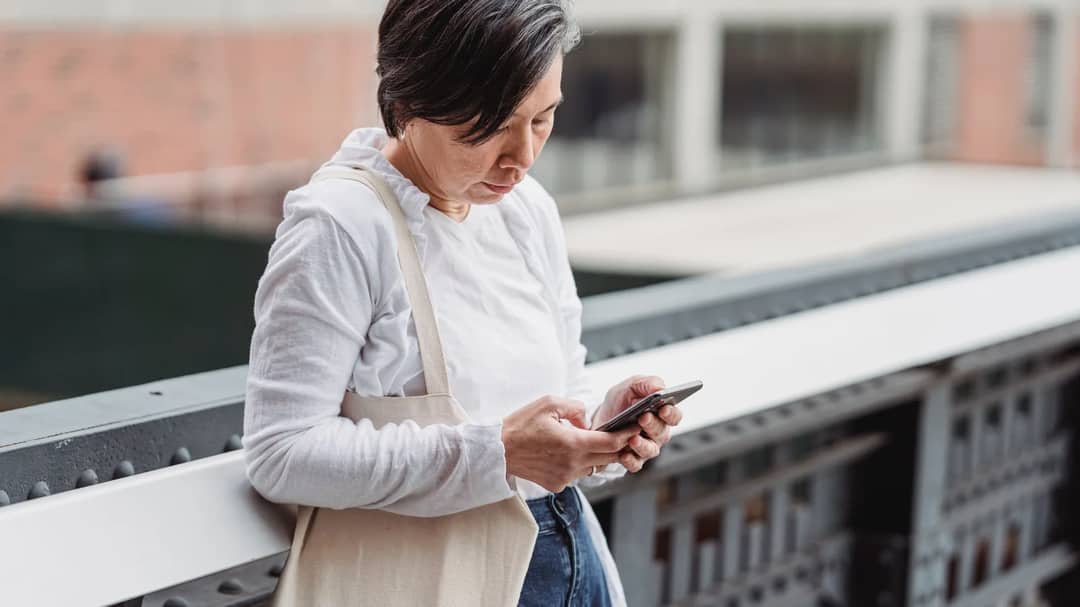
Keep your passport, phone, charger, medication and cash on you for the next few days. Hotels may evacuate guests at short notice during aftershocks, and you may not be allowed back in to collect a bag.
Aftershocks are the part travellers underestimate
Large earthquakes are followed by aftershocks for days or weeks, and some are big enough to finish off weakened buildings. The magnitude 7.7 earthquake that hit southern Panama on 9 October 2026 produced a magnitude 6.6 aftershock about two and a half hours later, USGS data show. The USGS aftershock forecast issued the next morning gave these odds of at least one more magnitude 6 or larger:
Every forecast is specific to its earthquake, but the shape is typical: the risk is highest in the first days and fades slowly. For a traveller that means two practical things. Do not move back into a cracked hotel because the first night passed quietly, and do not plan a road trip through the damaged area in the first week. Our Panama earthquake coverage shows how this played out on the ground.
Who to call, and in what order
Local emergency services first if anyone is hurt, then your government, then your insurer. Your embassy cannot pull you out of rubble, but it can tell your family you are safe, replace a lost passport and pass on evacuation information. Save these numbers before you fly.
| Your passport | 24-hour emergency line | Before you travel |
|---|---|---|
| United States | +1 202 501 4444 from abroad; 1 888 407 4747 from the US or Canada | Enrol in STEP for alerts and so the embassy can find you |
| United Kingdom | +44 20 7008 5000, consular option | Sign up for FCDO email alerts for your destination |
| Australia | +61 2 6261 3305 from abroad; 1300 555 135 in Australia | Subscribe to Smartraveller updates for your destination |
Call your insurer’s emergency assistance number before you book an expensive flight out or a new hotel. Many policies expect you to contact the assistance company before major medical or travel costs, and it may be able to rebook you faster than an airline queue. If your passport is buried or lost, our guide to a lost or stolen passport abroad walks through the first 48 hours.
Walking back into a damaged building for luggage puts you inside it when the next aftershock comes. A passport can be replaced in days; you cannot.
Getting home, and who pays for it
Your airline owes you a refund or a new flight if it cancels, but rarely compensation, and your insurance decides the rest. Airlines treat earthquakes as outside their control, so EU and UK delay payouts do not apply. In the US, a cancelled or significantly changed flight you choose not to take must be refunded in cash. Our flight rights guide sets out each country’s rules.
Insurance is where most money is won or lost, and it turns on when you bought the policy. Our guide to whether travel insurance covers an earthquake explains the known-event rule, the 24-hour clauses and what to keep for a claim.
Our verdict
Stay put during the shaking, move with purpose afterwards, and make your calls in order. We have guided treks in Nepal since 1998, a country that lives with earthquakes, and the briefing we give is short on purpose: protect your head, get out of anything cracked, get off the coast, text home. Everything else, from flights to claims, can wait an hour. The two things to do tonight, before any trip, are to save your embassy’s number and check what your policy says about natural disasters.
Frequently asked questions
Should I run outside during an earthquake?
No. Ready.gov tells people inside to stay inside and avoid doorways. Running exposes you to falling glass and masonry; drop, cover and hold on until the shaking stops.
Is a doorway the safest place in an earthquake?
No. Ready.gov specifically advises avoiding doorways. Get under a sturdy table or against an interior wall away from windows instead.
What should I do if I am on the beach when an earthquake hits?
Protect your head during the shaking, then walk inland and uphill as soon as it stops. A strong or long earthquake is itself a tsunami warning, so do not wait for a siren.
How long do aftershocks last?
They can continue for weeks and months, most often in the first few days. After the 2026 Panama quake, the USGS gave a 92 percent chance of at least one magnitude 6 aftershock within a year.
Should I cancel my trip after an earthquake at my destination?
Check your government’s travel advice, your airline and your hotel first. If the area you are visiting is damaged, postpone; if only a distant region is affected, many trips can continue with care.
Will my embassy evacuate me after an earthquake?
Government-run evacuations are rare, and some governments, including the US, expect you to repay the cost. Expect your embassy to help with information, contact with family and replacement passports, and your insurance to pay for the journey home.
Keep reading
What each alert level asks you to do, in the US, Japan and Indonesia.
Airports, aftershocks and tsunami status, updated as figures come in.
Why the date you bought the policy decides the claim.
What to do in the first 48 hours.
Sources: Ready.gov, Earthquakes (US Department of Homeland Security); US National Weather Service tsunami safety guidance; US Geological Survey event us6000u18k and its aftershock forecast of 10 October 2026; US Department of State, emergency assistance numbers and STEP; UK Foreign, Commonwealth & Development Office consular contact; Smartraveller Consular Emergency Centre. All read 10 October 2026. Photos: Jakub Zerdzicki, Disney Magat and Greta Hoffman via Pexels (Pexels licence).
Written by
Kevin CrowWritten by our travel desk. Every rule, fee and figure here is checked against its official source and dated, and we correct mistakes in the open. More from this author →
More from the travel desk
The rules that decide your trip, checked and dated
More guides like this
Free Trekker’s Insider Guide
Permits, packing lists, cost breakdowns — no fluff.
We send one useful email. You can unsubscribe anytime.