

内容速览
Annapurna Circuit or the Tour du Mont Blanc? An honest guide comparison of altitude, distance, cost, comfort and which classic long-distance trek to choose in 2026.
- The Tour du Mont Blanc is the Alps’ greatest hut-to-hut trek — ~170 km through France, Italy and Switzerland in 10–11 days, topping out at just 2,537 m, so altitude is never the issue.
- The Annapurna Circuit is the Himalayan classic — 160–220 km over 12–18 days across the 5,416 m Thorong La, where thin air is the whole challenge.
- The TMB is refined, costly and easy to reach; the Circuit is wilder, far cheaper day-to-day, and a bigger adventure.
- Choose the TMB for Alpine comfort and no altitude; choose the Circuit for raw scale, culture and value.
For experienced walkers, two long-distance treks sit at the very top of the wish list: the Tour du Mont Blanc — the loop around western Europe’s highest massif — and the Annapurna Circuit, the route that first put Himalayan trekking on the world map. Trekkers from across Europe ask us how the Annapurna compares to the TMB they already know and love. Here is the honest, guide’s-eye answer.


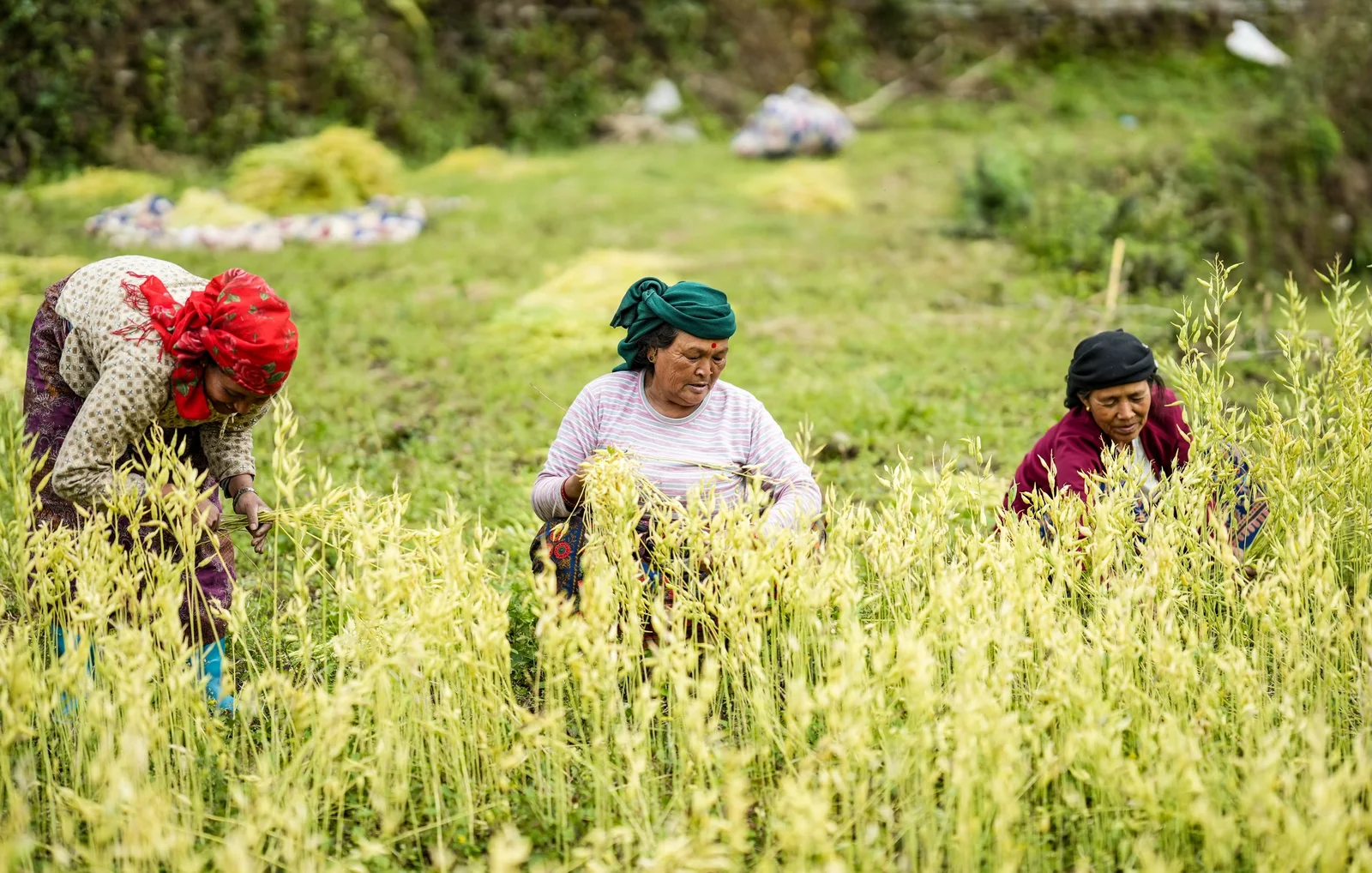
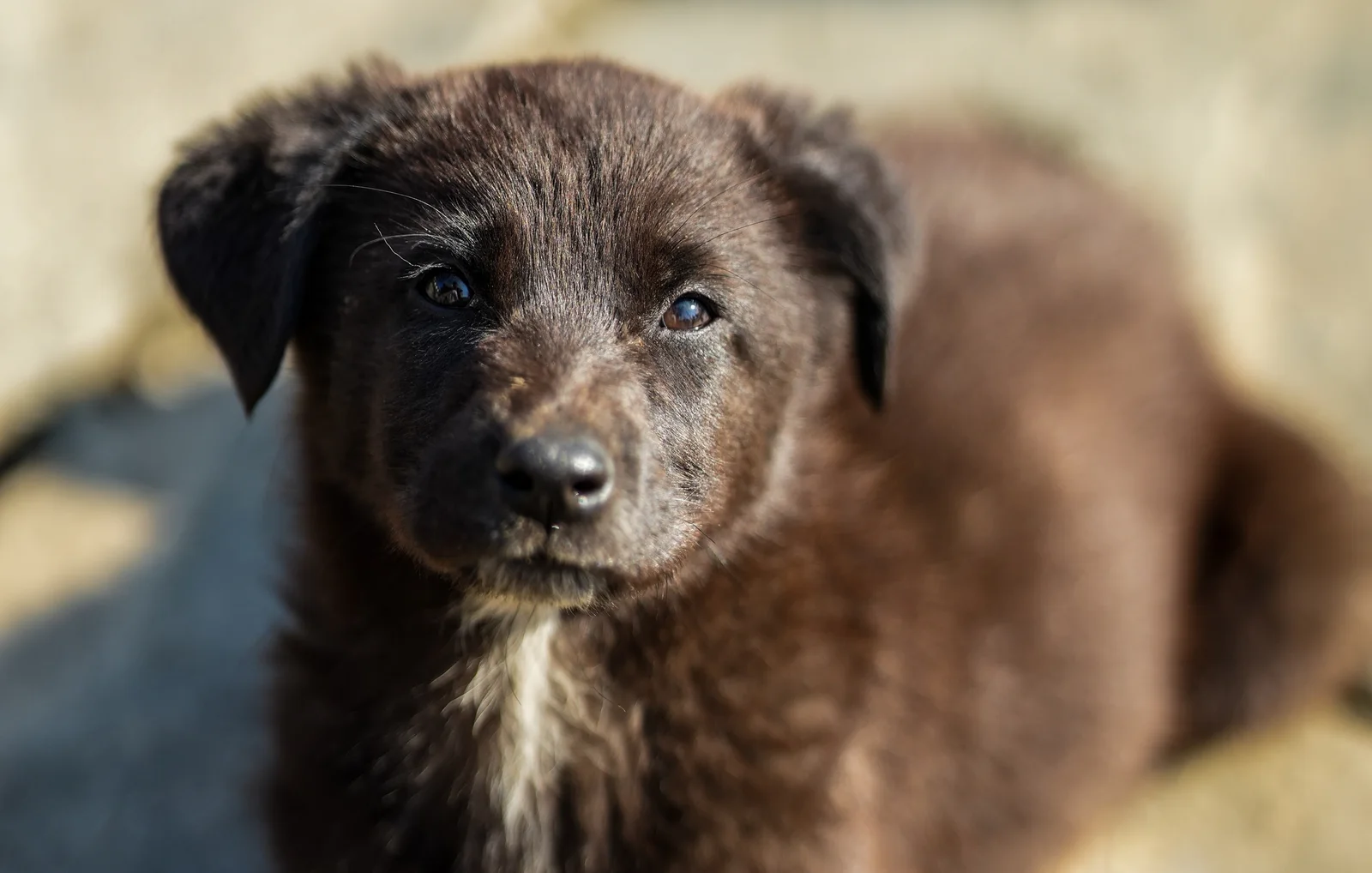


| Factor | Annapurna Circuit | Tour du Mont Blanc |
|---|---|---|
| Region | Nepal Himalaya | French / Italian / Swiss Alps |
| Distance | 160–220 km | ~170 km |
| Duration | 12–18 days | 10–11 days |
| Highest point | Thorong La 5,416 m | Grand Col Ferret 2,537 m |
| Main challenge | High altitude | Daily ascent & descent |
| Where you sleep | Teahouses | Mountain refuges / hotels |
| Cost on trail | Low (USD 25–40/day) | High (EUR 80–150/day) |
Quick facts: Annapurna Circuit vs Tour du Mont Blanc
- TMB highest point: Grand Col Ferret, 2,537 m — no altitude sickness risk
- Annapurna highest point: Thorong La, 5,416 m — serious acclimatisation required
- TMB countries: France, Italy and Switzerland in one loop
- Annapurna ethnic groups: Gurung, Manangi, Thakali and Tibetan-influenced villages
- TMB best season: late June to mid-September (huts open)
- Annapurna best season: Oct–Nov and Mar–May
- Booking: TMB refuges must be reserved months ahead; Annapurna teahouses take walk-ins
The altitude divide: the single biggest difference
This is the heart of it. The Tour du Mont Blanc never climbs above 2,537 m, so altitude sickness simply is not a factor — instead the challenge is the relentless rhythm of climbing and descending 800 to 1,200 m every single day, often on steep, rocky Alpine paths. It is hard on the legs, not the lungs.
The Annapurna Circuit flips that. The daily walking is gentler, but the route builds to the Thorong La at 5,416 m — one of the highest trekking passes in the world. Here the enemy is thin air. You spend extra days acclimatising at Manang (3,519 m), and the pre-dawn climb to the pass is cold, slow and serious. A fit TMB veteran can absolutely do the Circuit, but the new variable — altitude — must be respected, not muscled through.
Comfort, food and where you sleep
The TMB is the more refined experience. You sleep in mountain refuges and village hotels, eat hearty Alpine half-board — fondue, rösti, polenta, a glass of local wine — and move between three countries and three cuisines. It is civilised mountain travel. The trade-off: it is busy in summer and you must book your huts months in advance.
The Annapurna Circuit is simpler and freer. You sleep in teahouses with heated dining rooms, eat dal bhat and trekker staples, and almost never need to book ahead. It is less polished but more spontaneous — and a fraction of the cost.
Cost: the biggest practical gap
This is where the two diverge most sharply. The TMB runs at full European prices — refuge half-board alone is commonly EUR 70 to 110 per night, and a 10 to 11 day trip easily reaches EUR 1,500 to 2,500 before you have even bought flights. The Annapurna Circuit costs USD 25 to 40 a day on the trail, and a full guided package with permits, a licensed guide and a porter typically lands at USD 900 to 1,500 for the whole trek.
Both are hut-to-hut (or teahouse-to-teahouse) treks you walk stage by stage. But where the TMB circles one massif at Alpine altitude, the Annapurna Circuit crosses an entire Himalayan range past 8,000 m giants — Annapurna I (8,091 m) and Dhaulagiri (8,167 m) — and over a pass higher than any peak in the Alps.
Culture and wildness
The TMB passes through pretty Alpine villages and tourist-ready valleys; the culture is European mountain leisure at its most polished. The Annapurna Circuit walks through living Himalayan communities — Gurung and Thakali villages, Buddhist gompas, the sacred Hindu temple at Muktinath — and the landscape shifts from subtropical river gorge to the high Tibetan-style desert of Manang and Mustang. It feels genuinely remote in a way the Alps no longer do.
Best time — and why you can do both
The seasons are complementary. The TMB is a European summer trek (late June to mid-September, when the huts are open). The Annapurna Circuit is best in October–November and March–May, avoiding the monsoon and the winter snow that can close Thorong La. Many keen trekkers do the TMB one summer and the Circuit the next autumn — a perfect pairing. For the full seasonal picture see our best time to trek Nepal guide.
Which should you choose?
Choose the Tour du Mont Blanc if:
- You want zero altitude risk and a shorter window (about 11 days)
- Comfort matters — good food, wine, warm huts, three countries
- You are happy to book accommodation far ahead and pay Alpine prices
- European summer suits your calendar
Choose the Annapurna Circuit if:
- You want a bigger adventure — greater scale, a 5,416 m pass, real remoteness
- Cultural depth and Himalayan giants matter as much as the walking
- Value is important — it costs a fraction of the TMB day to day
- You are ready to acclimatise properly and embrace simpler teahouse comfort
Our house view: if you have walked the TMB and want the natural next step up, the Annapurna Circuit is that step — the same stage-by-stage rhythm you already love, scaled up to the Himalaya. Just add the altitude days. Compare it with the other Himalayan classic in our EBC vs Kilimanjaro guide, and check current fees on our permits page.
Frequently asked questions
Is the Annapurna Circuit harder than the Tour du Mont Blanc?
Overall, yes — because of altitude. The TMB has bigger daily climbs and descents, but it stays below 2,540 m. The Annapurna Circuit crosses 5,416 m, where thin air makes everything harder and acclimatisation becomes essential.
Do I need to book accommodation on the Annapurna Circuit?
No. Teahouses take walk-ins, so you can trek flexibly. The TMB is the opposite — its refuges fill months ahead in summer and must be reserved.
Which trek is more expensive?
The Tour du Mont Blanc, by a wide margin. Alpine refuge prices and European costs far exceed Nepal’s cheap teahouses and guided packages.
Can a Tour du Mont Blanc hiker handle the Annapurna Circuit?
Yes — the fitness transfers well. The one genuinely new factor is altitude, so build in the acclimatisation days at Manang and never rush the approach to Thorong La.
Is the Annapurna Circuit harder than the TMB?
Overall yes, because of altitude — the TMB tops out at 2,537 m while the Circuit crosses the 5,416 m Thorong La, where thin air is the real challenge.
Which is more expensive?
The Tour du Mont Blanc — Alpine huts and European prices far exceed Nepal’s teahouses; a full guided Annapurna Circuit runs about USD 900–1,500.
Can I do both?
Yes, and the seasons line up — the TMB in European summer, the Annapurna Circuit in autumn (Oct–Nov).
Plan Your Annapurna Circuit
Annapurna Circuit Trek — Full-Service Packages
The classic crossing of Thorong La (5,416 m) — licensed guides, teahouse lodging, ACAP permits and acclimatisation days all arranged. Pokhara-based since 1998.
View Annapurna Circuit Trek →Private Annapurna departures on any date, hand-picked NMA guides, and 25+ years on these trails. Tell us your dates — we usually reply within a few hours.
Browse Annapurna treks & tours → Read the Annapurna guide →
撰文
Travel Himalaya Nepal我们是常驻博卡拉、经NMA认证的徒步向导。自1998年以来,已在安纳普尔纳与珠峰地区带领超过5,000次徒步——这里的每一句话都源自山路。 More from this author →
分享这篇文章
准备好出发了吗?
从读到它,到站上它
我们常驻博卡拉的向导自1998年以来一直从事此行。告诉我们您的日期与体能水平——我们将为您打造完美行程。免费,无任何义务。
Why trek with our licensed agencyFree Trekker's Insider Guide
Permits, packing lists, cost breakdowns — no fluff.
We send one useful email. You can unsubscribe anytime.