Travel Himalaya Nepal
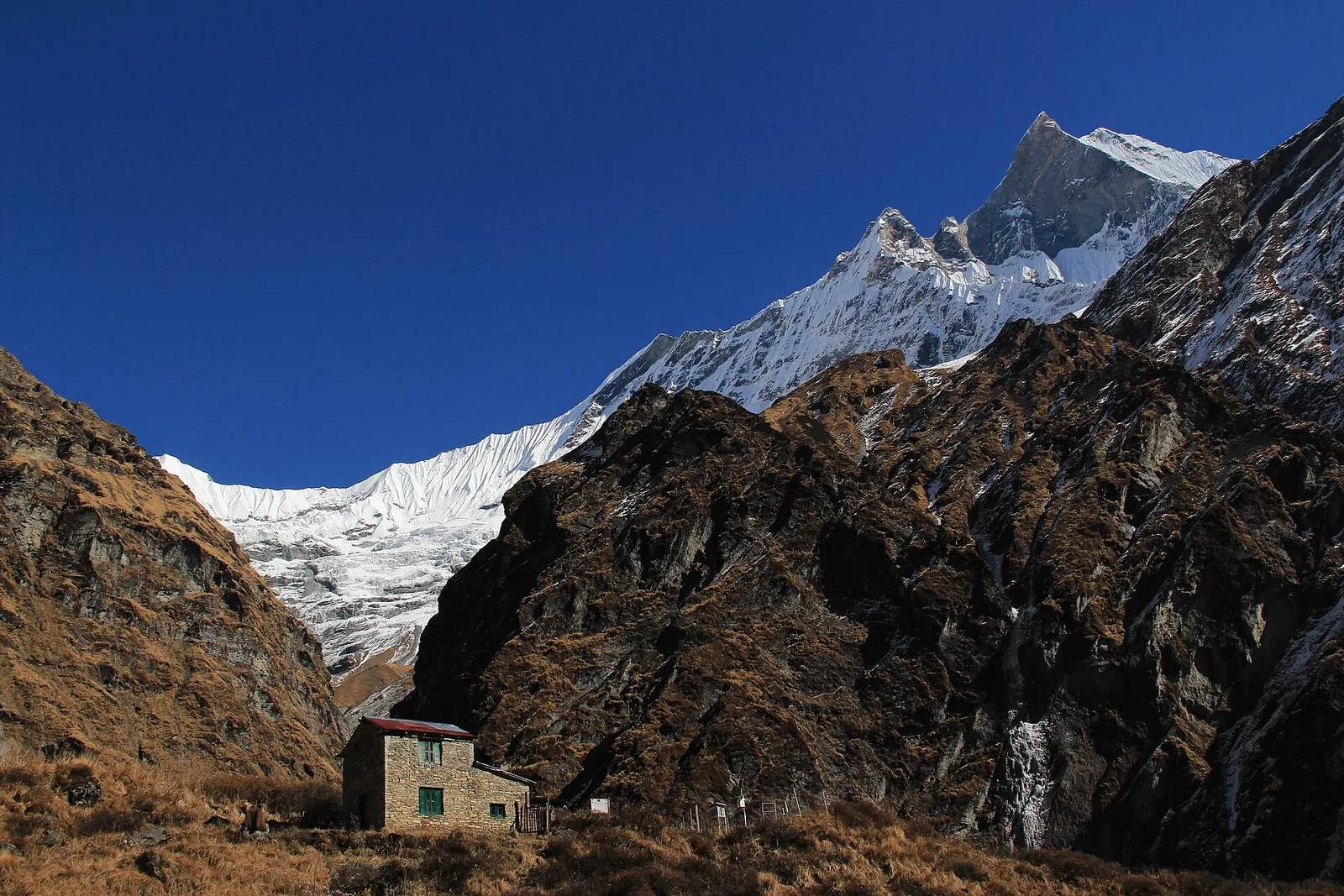
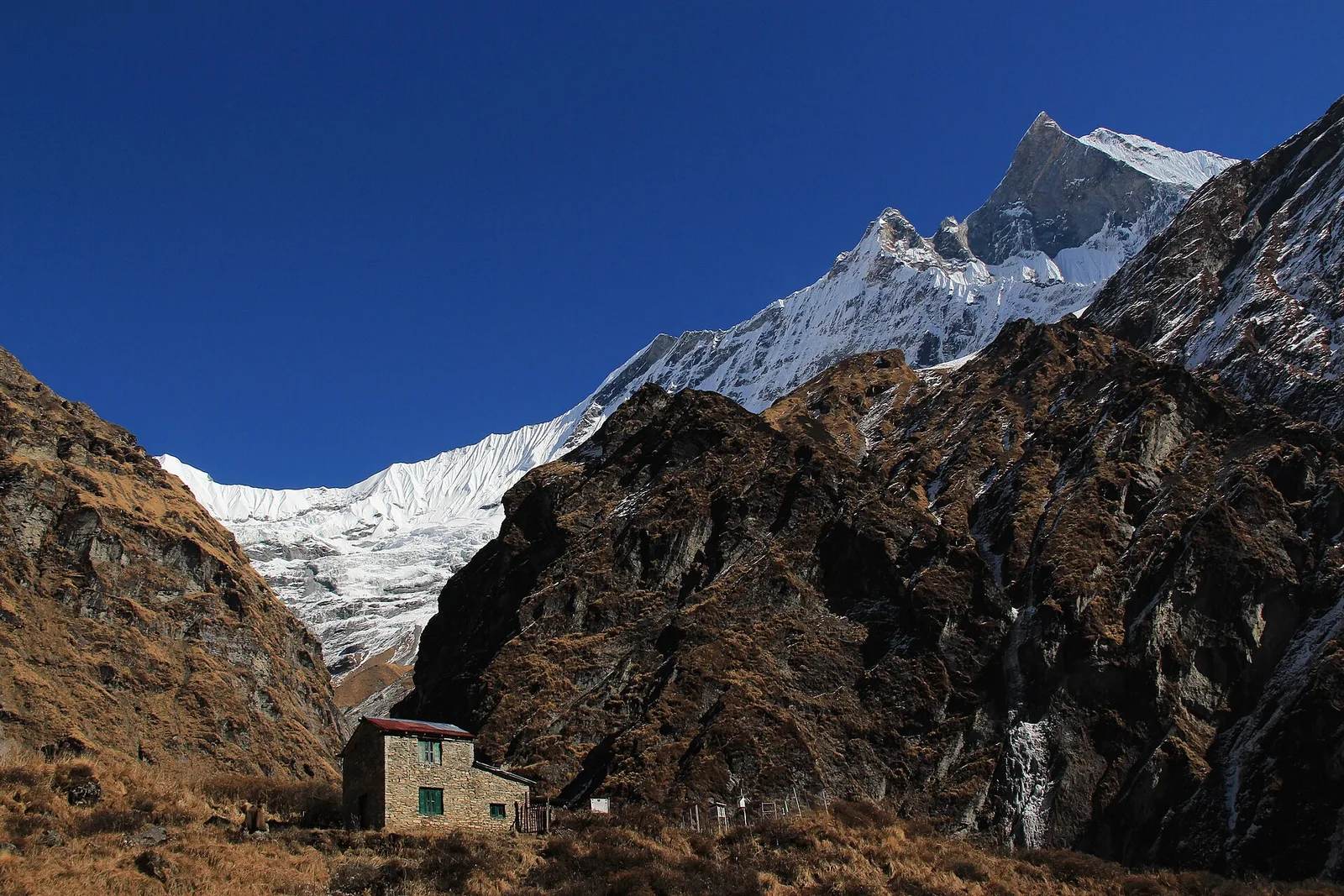
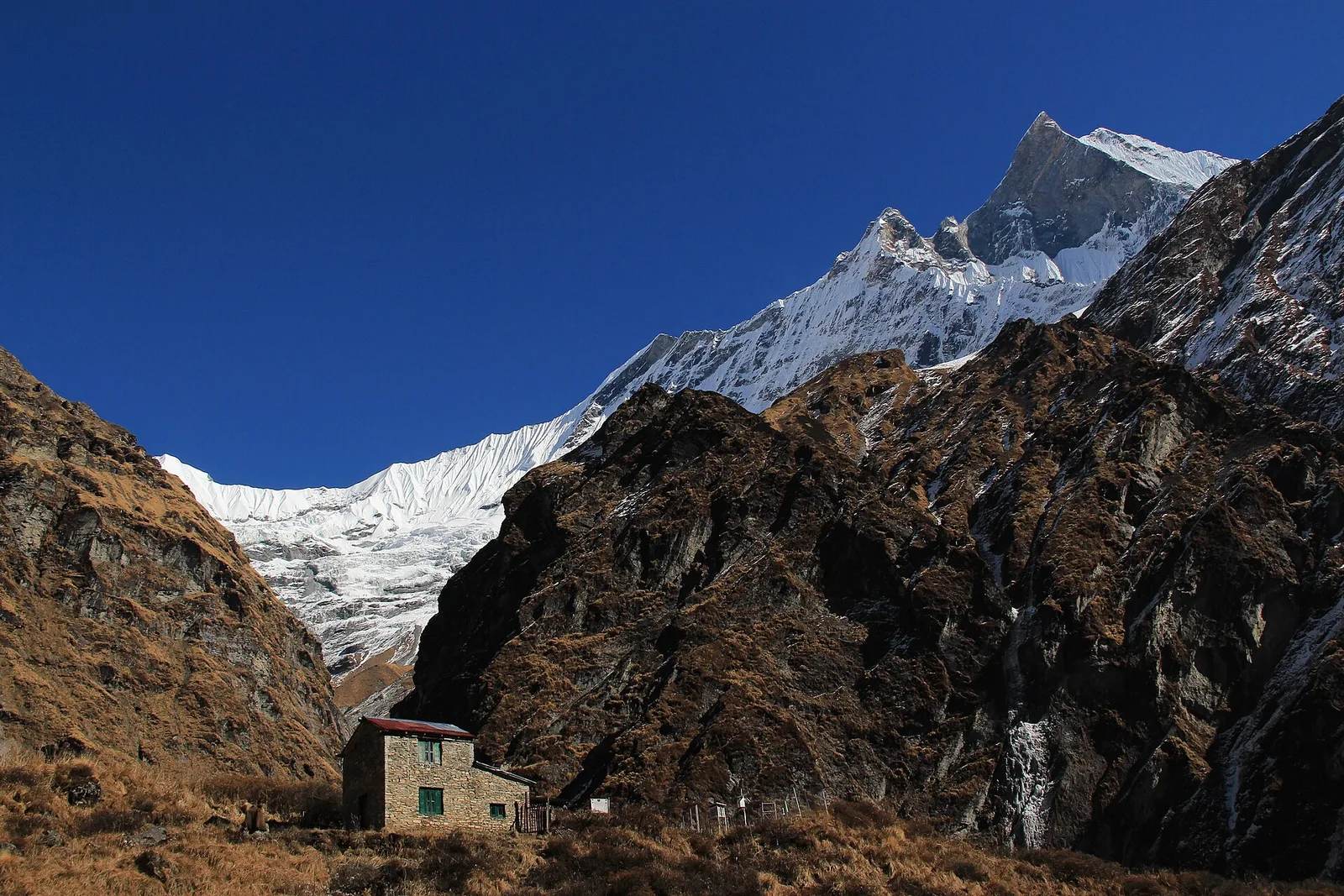
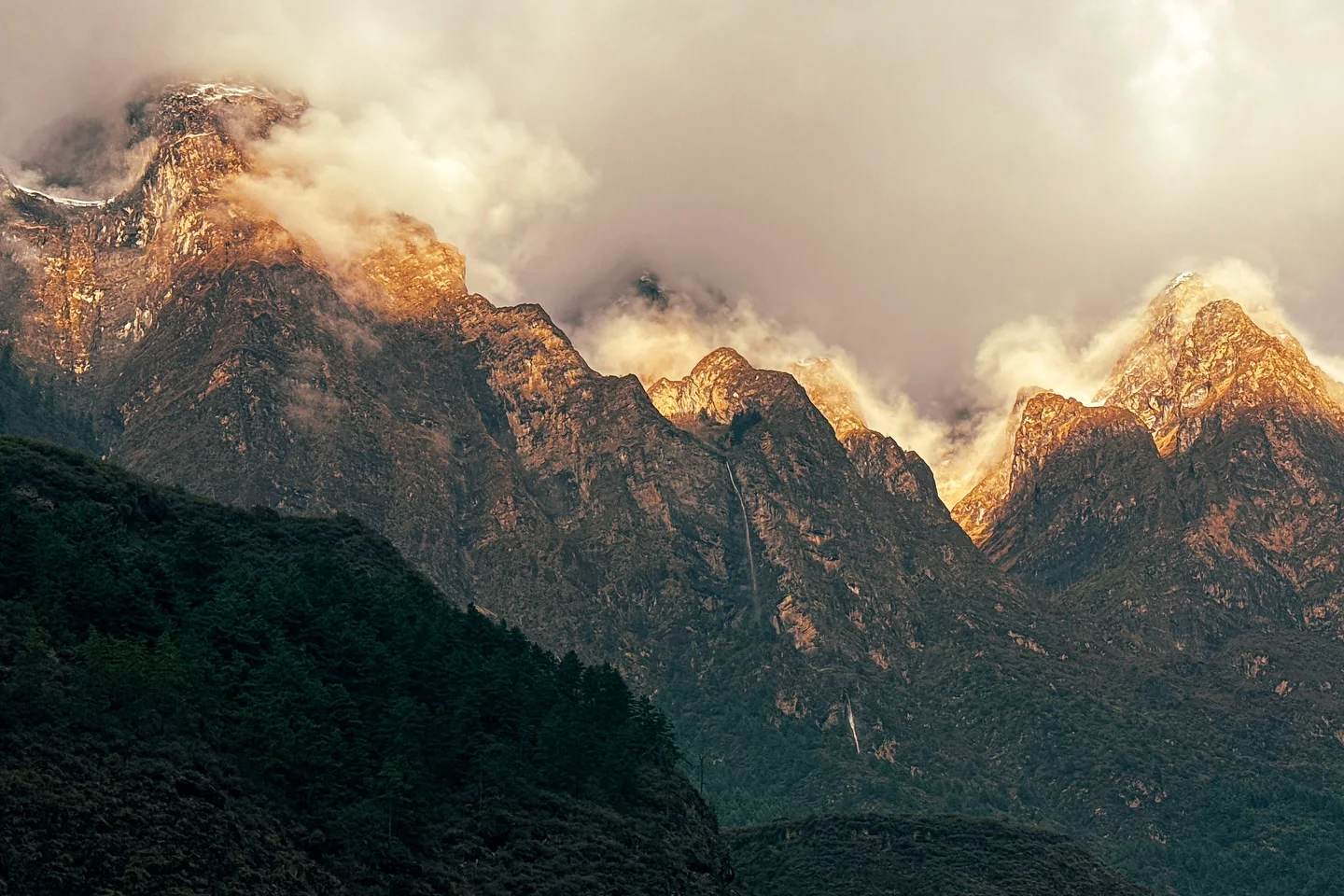
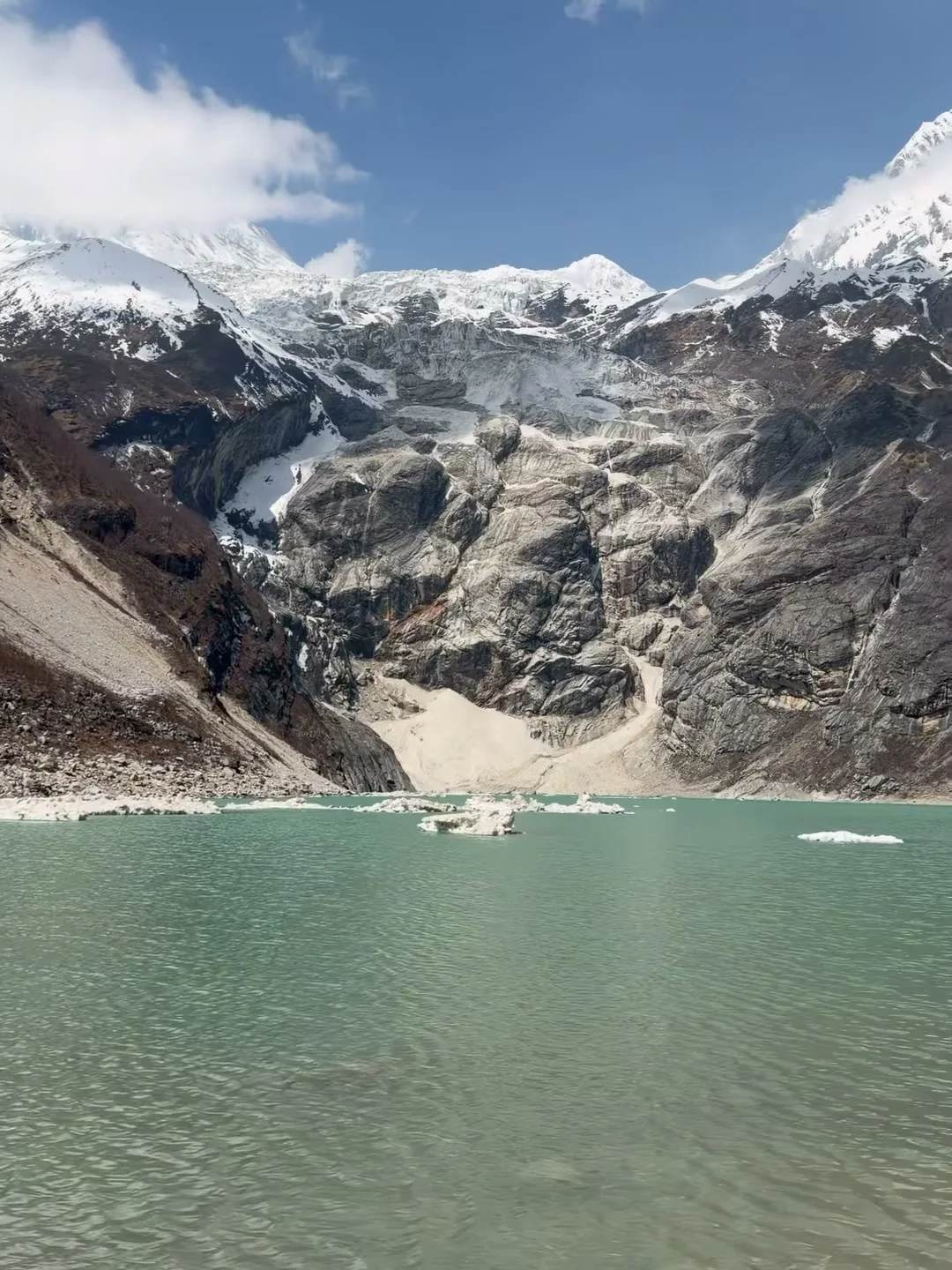
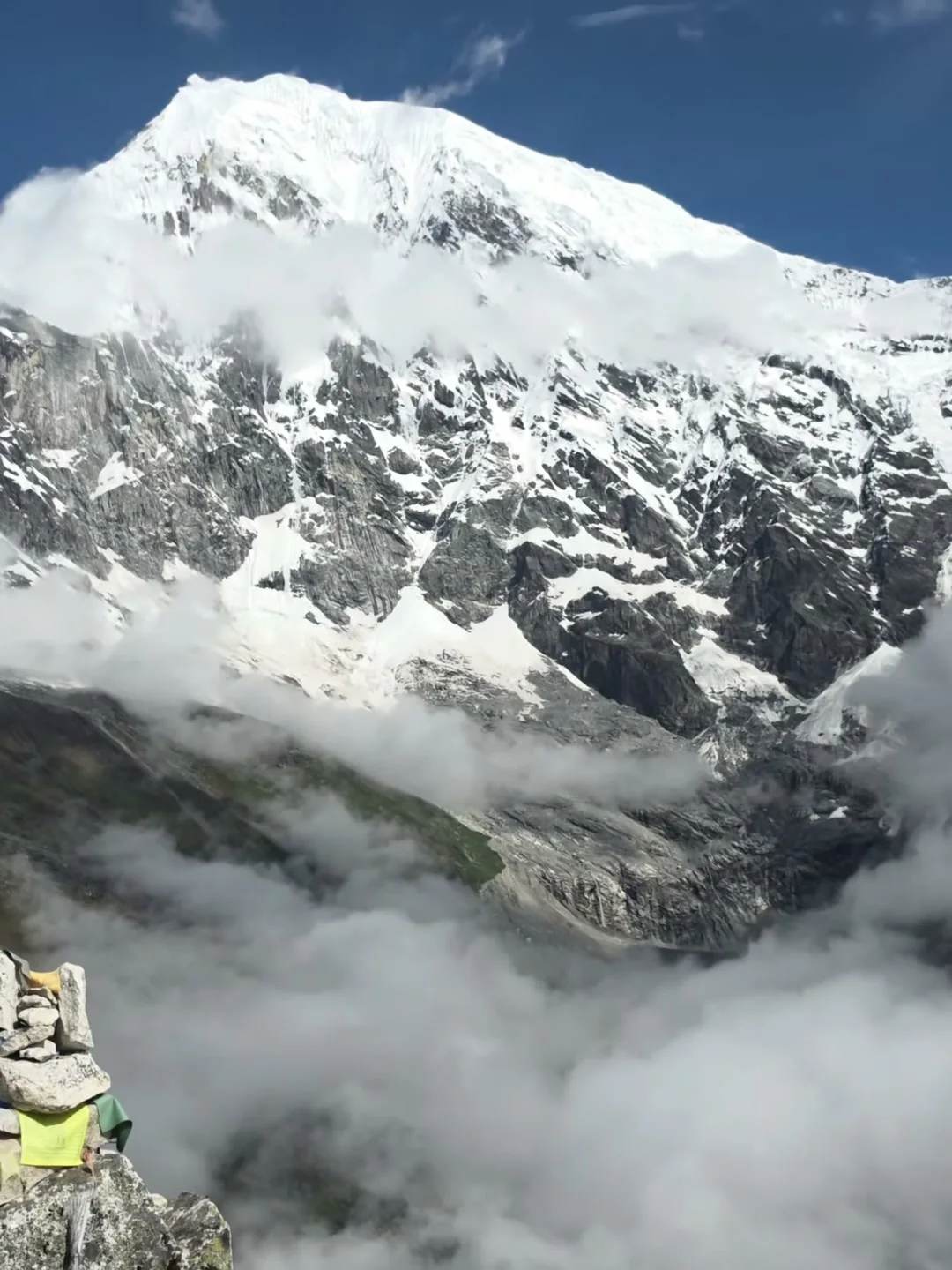
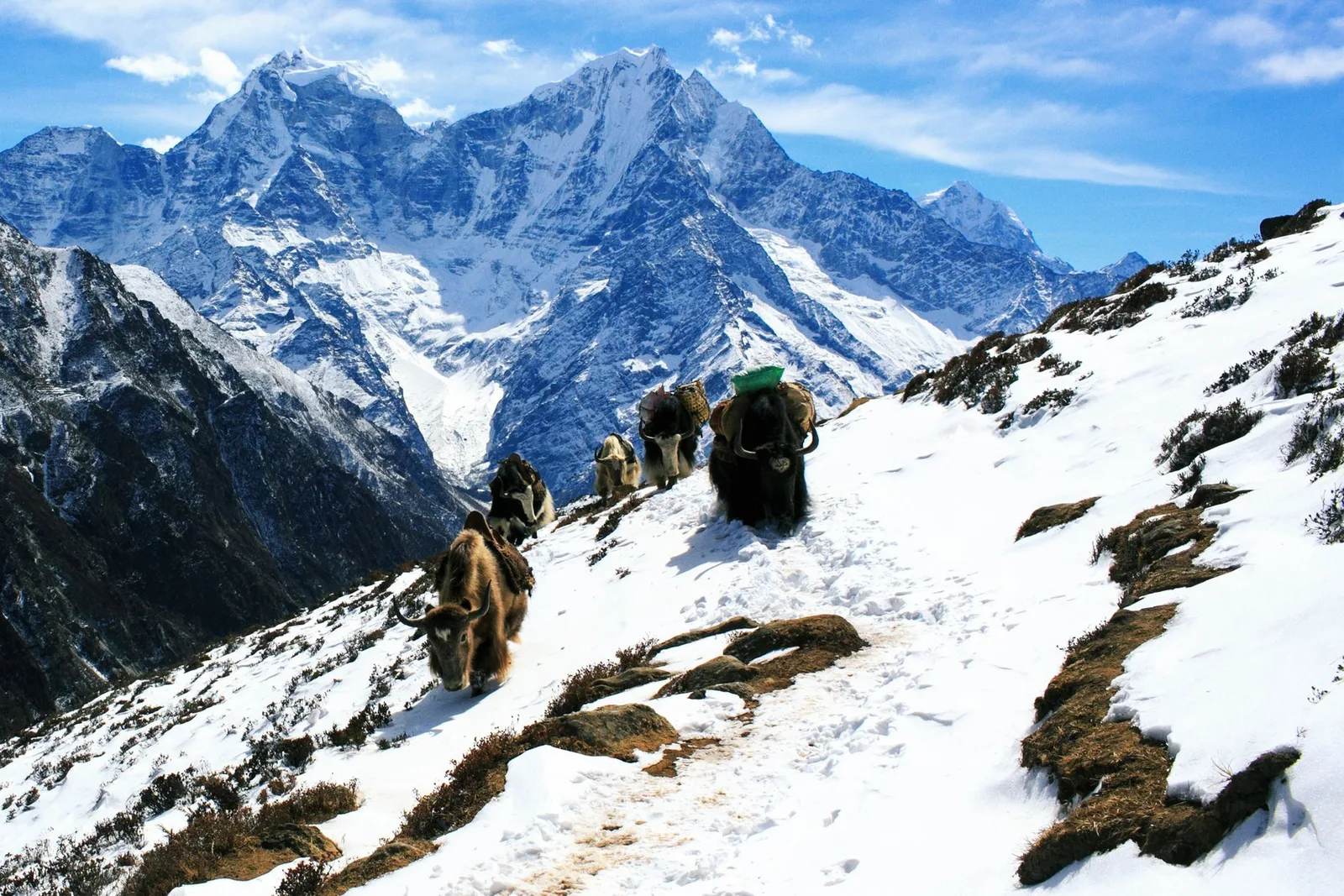
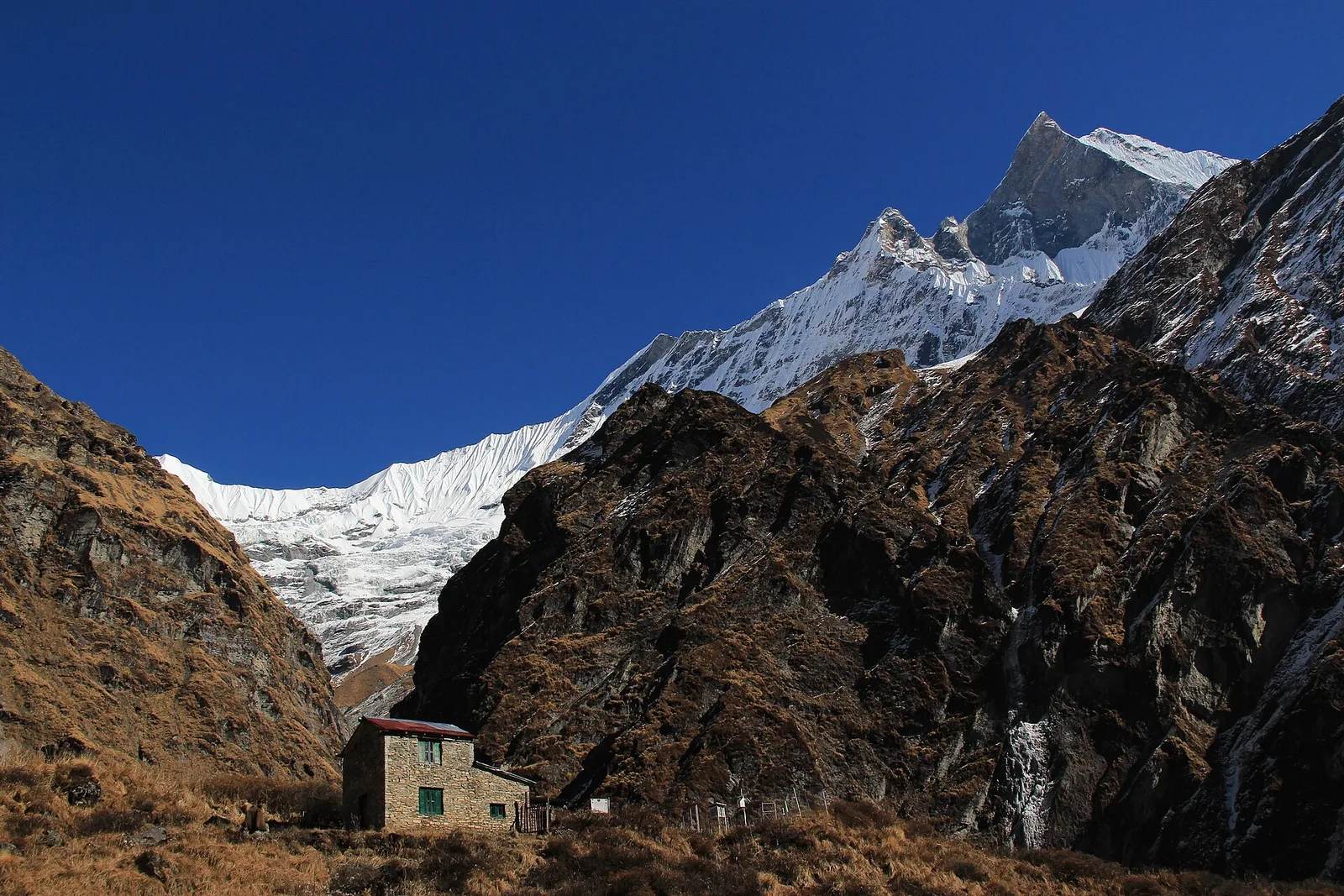
Annapurna Conservation Area landscape — permits required for the ABC trek, Nepal
安纳普尔纳地区许可证与规定

Annapurna Base Camp Trek Permits 2026: ACAP + TIMS Cost & Rules

作者 Travel Himalaya Nepal·2026年5月31日·8 分钟阅读

内容速览

You need two permits for the Annapurna Base Camp trek in 2026: ACAP (NPR 3,000 ≈ US$22) and the TIMS card (NPR 2,000 ≈ US$17) — about NPR 5,000 / US$40. This guide covers the cost, where to get them, who is exempt, and the documents required.

The Annapurna Base Camp trek crosses one of Nepal’s most protected landscapes, so before you reach that natural amphitheatre of 7,000-metre peaks you need your paperwork in order. The good news: the system is simpler than the internet makes it look. For 2026 you need exactly one entry permit — the ACAP — plus a licensed guide booked through a registered agency. This guide walks you through every rule, fee and checkpoint, updated for the 2026 season.

Quick answer
  • You need the ACAP permit (Annapurna Conservation Area Permit) — NPR 3,000 (about USD 23) for foreign nationals, fixed regardless of trek length.
  • A licensed guide is now mandatory for all foreign trekkers in the Annapurna region (rule in force since April 2023, fully enforced in 2026). Independent solo trekking is no longer permitted.
  • The old TIMS card is no longer enforced at Annapurna checkpoints — checkpoints verify the ACAP only. Group TIMS (NPR 2,000) may still be issued by your agency but is rarely checked.
  • Carry the original ACAP and your passport. You’ll show them at Birethanti, Chhomrong and other ACAP counters.
  • Children under 10 are exempt from the ACAP fee.
ACAP fee (foreign)NPR 3,000 (~USD 23)
ACAP fee (SAARC)NPR 1,000
TIMS (group, if issued)NPR 2,000
GuideMandatory (2026)

Which permits do you actually need in 2026?

For years the standard answer was “two permits” — the ACAP and the TIMS card. That answer is now out of date. Nepal’s permit landscape changed significantly in 2023, and on the Annapurna trails in 2026 the practical reality is one enforced entry permit and one mandatory service.

ACAP — required & enforced

The Annapurna Conservation Area Permit is your entry ticket to the entire sanctuary. It is checked at every major counter and you cannot trek to Annapurna Base Camp without it. NPR 3,000 for foreign nationals, NPR 1,000 for SAARC citizens, free for children under 10. Issued by the National Trust for Nature Conservation (NTNC), which runs the conservation project.

Licensed guide — required

Since 1 April 2023, every foreign trekker in a conservation area — Annapurna included — must be accompanied by a licensed guide or porter-guide booked through a government-registered, TAAN-affiliated agency. This replaced the old independent-trekker system entirely.

TIMS — largely retired here

The green “independent” TIMS card was abolished in 2023. A group TIMS (NPR 2,000 for foreigners, NPR 1,000 for SAARC) may still be issued through your agency, but Annapurna checkpoints in 2026 verify the ACAP only. Your operator handles this; you needn’t worry about it.

Why the change?

The mandatory-guide rule was introduced to improve trekker safety after a spate of solo-trekker accidents and disappearances, to support local employment, and to make search-and-rescue traceable. For first-time trekkers heading into high, remote terrain, it is genuinely a sensible safeguard — not just bureaucracy.

Permit costs at a glance

Permit / requirementIssuing authorityForeign nationalSAARC nationalValidity
ACAP (entry permit)NTNC / ACAPNPR 3,000 (~USD 23)NPR 1,000Single entry, full trek
TIMS (group, if issued)Nepal Tourism Board / TAANNPR 2,000NPR 1,000Duration of trek
Licensed guideRegistered agency (mandatory)Cost varies by packageCost varies by packageWhole trek
Children under 10ACAP freeACAP free

The ACAP fee is a flat charge: a trekker on our 6-day ABC itinerary pays exactly the same NPR 3,000 as someone doing a 12-day Annapurna Sanctuary route. For a full breakdown of how permits fold into the total trip price, see our ABC trek cost guide for 2026.

Lost permit = full repurchase

If you lose your ACAP on the trail there is no replacement at a discount — you must buy a new one at the next counter. Photograph both sides of your permit and store the image offline. Keep the physical original dry in a zip-lock bag.

Where and how to get your ACAP

If you book a guided trek with us, permits are arranged for you — you simply send a passport scan and two passport photos, and your guide carries everything to the counters. If you want to understand the process anyway, here is how it works:

  • Nepal Tourism Board office, Pokhara — the most convenient counter for ABC trekkers, a short drive from Lakeside. ACAP is issued on the spot.
  • Nepal Tourism Board / NTNC office, Kathmandu — useful if you fly straight in and prefer to sort paperwork before heading west.
  • ACAP entry checkpoints — permits can also be issued at conservation-area entry points, though buying in advance in Pokhara avoids queues.

You’ll need: a passport valid for your stay (see our Nepal visa guide), two passport-sized photographs, and the fee in Nepali rupees. Our deeper, step-by-step walkthrough lives on the dedicated ACAP & TIMS permit page, and the official source is the Nepal Tourism Board.

Guide tip

Bring four passport photos to Nepal, not two. They’re needed for permits, occasionally for restricted-area paperwork on side trips, and for SIM-card registration. Getting them printed in Pokhara is easy, but having spares saves a morning.

Checkpoints on the ABC route

The Annapurna Base Camp trail has several manned ACAP and police checkposts where your permit and passport are logged. The key ones you’ll pass through:

  • Birethanti — the main entry checkpoint near the lower trailheads; your trek into the conservation area is registered here.
  • Chhomrong — the gateway village into the upper sanctuary, where details are re-checked before you climb toward Deurali, Machhapuchhre Base Camp and ABC.
  • Additional ACAP/TIMS posts appear depending on your exact route and the entry road used.

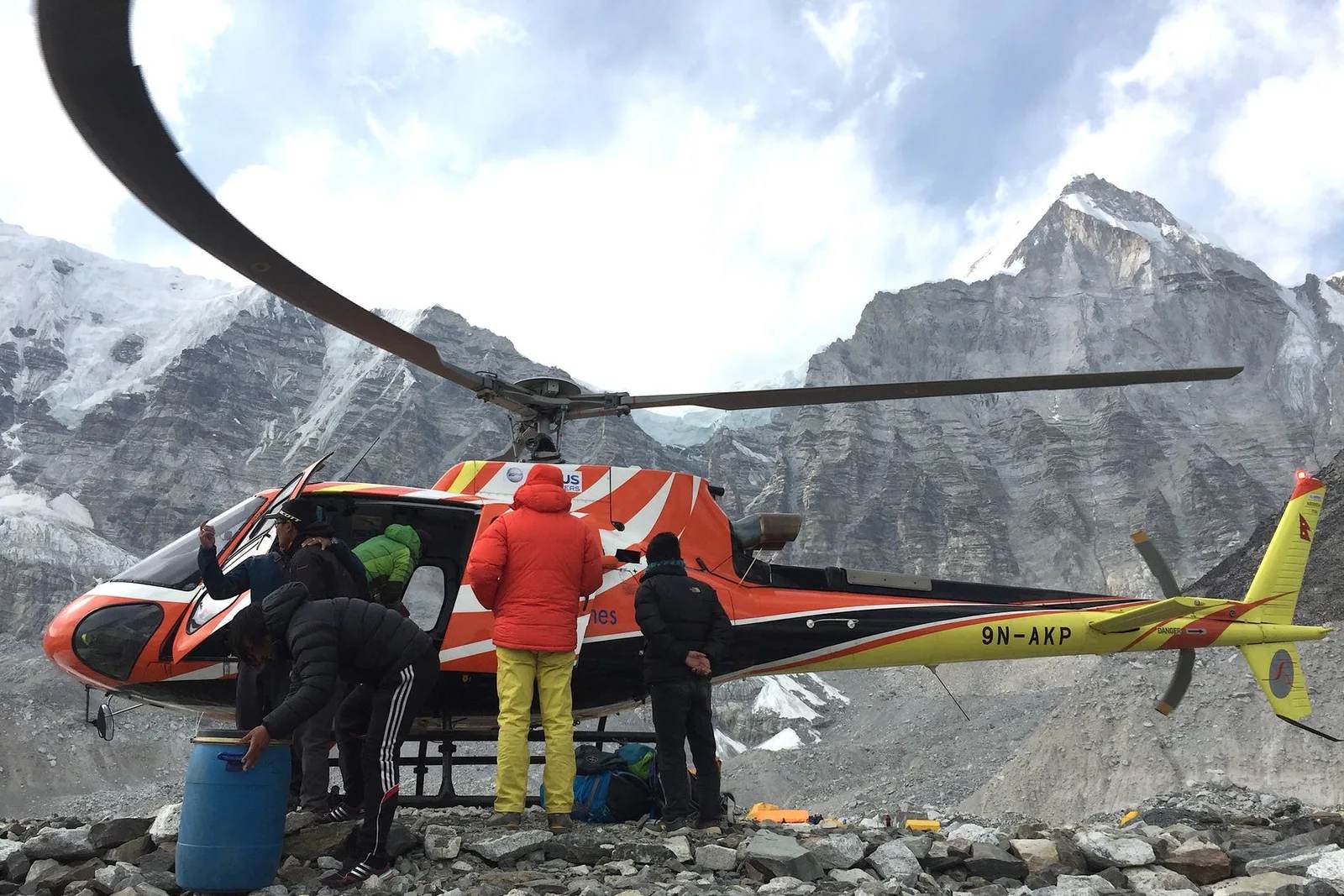
Checkpoints exist for your safety: they create a record of who is on the mountain, which is what makes a helicopter rescue possible if altitude sickness or weather forces an evacuation. Always cooperate, sign the register, and keep your original permit accessible — not buried at the bottom of your duffel.

Responsible-trekking rules inside the conservation area

The Annapurna Conservation Area is Nepal’s largest protected area and a fragile high-mountain ecosystem. Your ACAP fee funds its upkeep — trail maintenance, micro-hydro, waste management and community projects — and a set of conduct rules comes with entry:

  • Leave No Trace: pack out what you pack in, carry a reusable bottle and use teahouse refill/boiled-water stations rather than buying plastic. Single-use plastic is discouraged region-wide.
  • No open campfires: firewood collection is restricted to protect forest cover; cook only in designated teahouse kitchens.
  • Cultural respect: dress modestly in Gurung and Magar villages, ask before photographing people, and walk clockwise around chortens, mani walls and monasteries.
  • Wildlife: keep your distance from any wildlife and never feed animals. The area shelters Himalayan tahr, langur and, at higher elevations, snow leopard habitat.

For how we put these principles into practice — porter welfare, fair pay and plastic-free trekking — see our responsible trekking commitments and our regional Annapurna guide.

Combining routes?

Staying inside the Annapurna Conservation Area — whether you trek ABC, Poon Hill, Mardi Himal or the full Annapurna Circuit — you need only the single ACAP. The Circuit does not require an extra permit unless you add a restricted-area side trip such as Upper Mustang or Nar Phu, which carry their own separate Restricted Area Permits.

Don’t forget altitude

Permits get you onto the trail; acclimatisation gets you home safely. Annapurna Base Camp sits at 4,130 m, and the climb from Chhomrong gains altitude quickly. Learn the warning signs of acute mountain sickness, ascend gradually, and hydrate well — our altitude sickness prevention guide covers the symptoms and the golden rules. The World Health Organization also publishes general high-altitude travel advice worth reading before you go.

What permits do I need for the Annapurna Base Camp trek in 2026?

You need the Annapurna Conservation Area Permit (ACAP), which costs NPR 3,000 (about USD 23) for foreign nationals. You must also trek with a licensed guide booked through a registered agency — this has been mandatory for foreigners in the Annapurna region since April 2023. The old TIMS card is no longer enforced at Annapurna checkpoints.

How much does the ACAP permit cost?

NPR 3,000 for foreign nationals (roughly USD 23 depending on the exchange rate), NPR 1,000 for citizens of SAARC countries, and free for children under 10. The fee is fixed and does not change with the length of your trek.

Is the TIMS card still required for ABC?

The independent TIMS card was abolished in 2023. A group TIMS may still be issued through your trekking agency, but Annapurna checkpoints in 2026 verify only the ACAP permit. In practice you do not need to worry about TIMS as an individual — your operator handles any paperwork.

Can I trek to Annapurna Base Camp solo without a guide?

No. Since 1 April 2023, foreign trekkers must be accompanied by a licensed guide or porter-guide booked through a government-registered, TAAN-affiliated agency. Solo independent trekking is no longer permitted in the Annapurna Conservation Area, and trekking without a guide can result in fines or removal from the trail.

Where do I get my ACAP permit?

At the Nepal Tourism Board office in Pokhara (most convenient for ABC), the NTB/NTNC office in Kathmandu, or at conservation-area entry checkpoints. If you book a guided trek with us, we arrange every permit for you — you just provide a passport scan and two photos.

What documents do I need to apply?

A passport valid for the duration of your stay, two passport-sized photographs, and the permit fee in Nepali rupees. Carry the original permit and your passport on the trek — you’ll show them at Birethanti, Chhomrong and other ACAP counters.

Let us handle the paperwork

Book our guided 6-day Annapurna Base Camp trek and your ACAP, licensed guide and all logistics are arranged for you — just send a passport scan and turn up ready to walk. NMA-certified guides, est. 1998, zero fatalities across 5,000+ treks.

View the 6-day ABC trek →

Want the bigger picture before you commit? Our ultimate guide to the ABC trek and the Nepal permits hub cover everything from itineraries to costs and seasons. And always confirm the latest fees with the Nepal Tourism Board before you travel, as government fees are reviewed periodically.

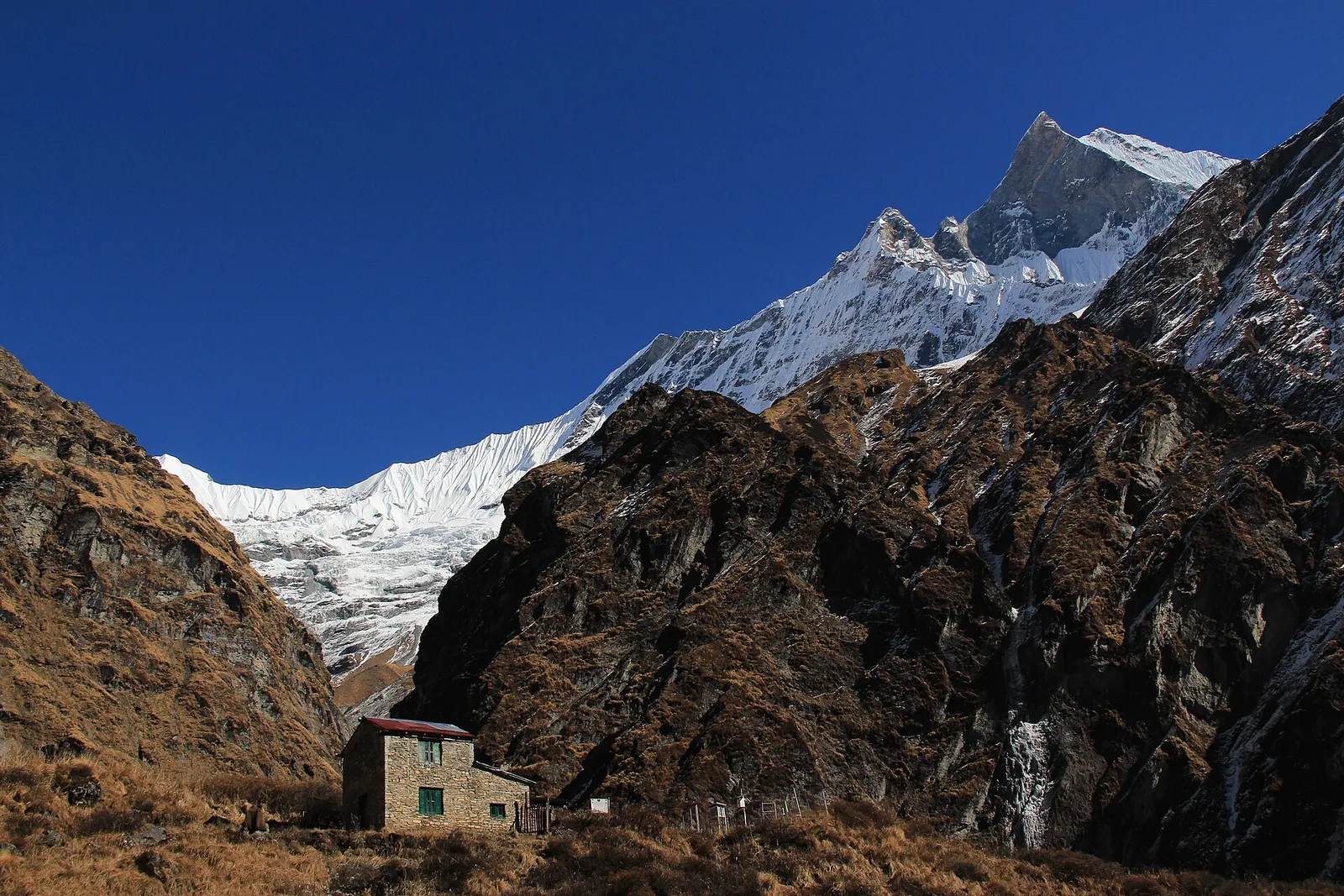
Featured image: Alexey Komarov via Wikimedia Commons (CC BY-SA 4.0).

Calculate your exact permit cost

Use our free Nepal permit cost calculator for the 2026 total in NPR and USD, or read the full Annapurna ACAP and TIMS permit guide.

Travel Himalaya Nepal

撰文

Travel Himalaya Nepal

我们是常驻博卡拉、经NMA认证的徒步向导。自1998年以来,已在安纳普尔纳与珠峰地区带领超过5,000次徒步——这里的每一句话都源自山路。 认识我们的团队 →

分享这篇文章

准备好出发了吗?

从读到它,到站上它

我们常驻博卡拉的向导自1998年以来一直从事此行。告诉我们您的日期与体能水平——我们将为您打造完美行程。免费,无任何义务。

Free Trekker's Insider Guide

Permits, packing lists, cost breakdowns — no fluff.

We send one useful email. You can unsubscribe anytime.