
Your Australian Credit Card May Have Just Lost Its Travel Insurance, Here’s What to Check Before You Fly
Banks are cutting free card travel cover from 1 October. Dates for NAB, CommBank, Westpac and ANZ, and why a card never covers a Himalayan trek.
At a glance
- Published
- TopicMoney & Insurance
- Verified againstRACV
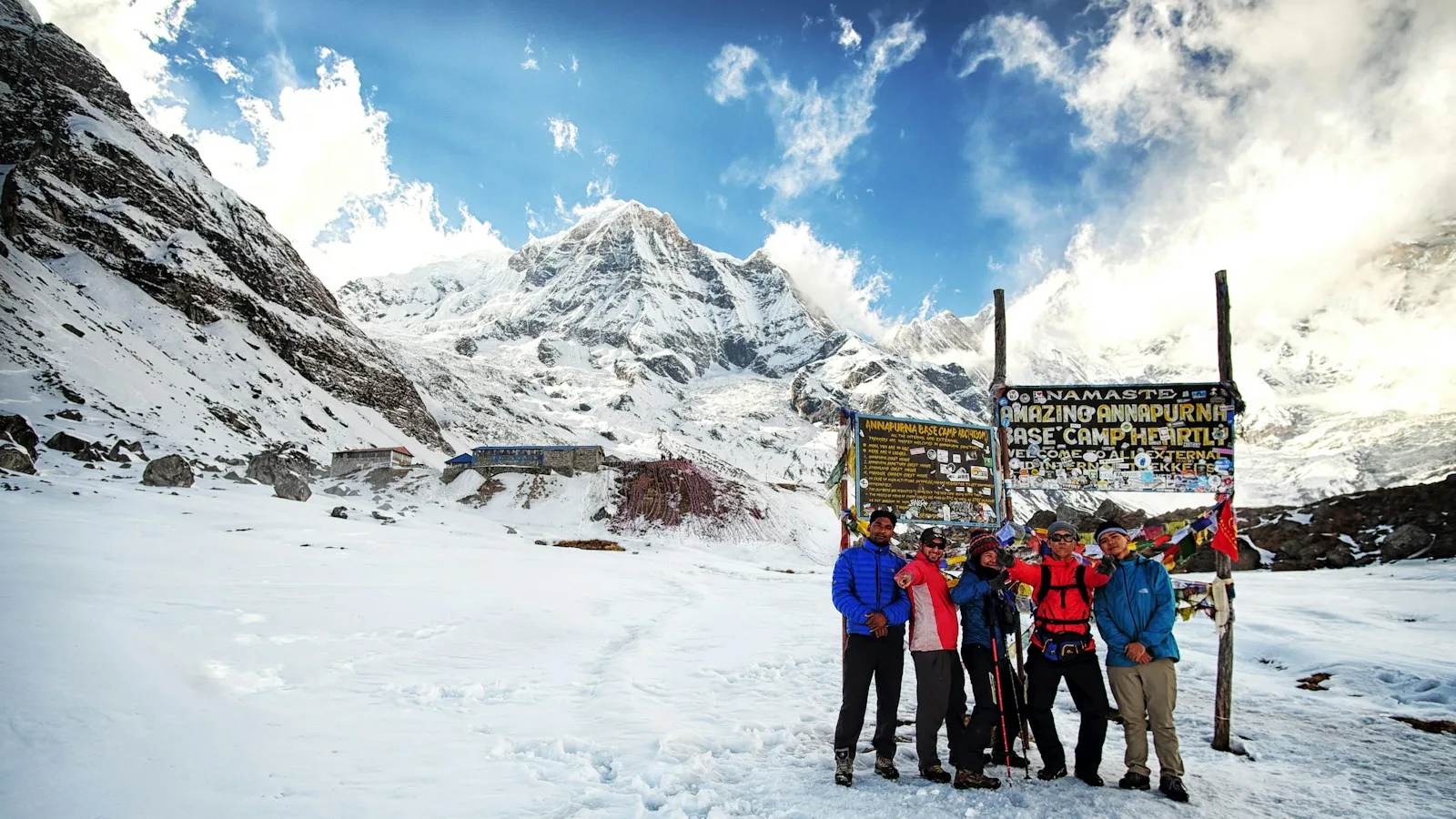
- Treks coveredAnnapurna Base Camp Trek — 9 Days
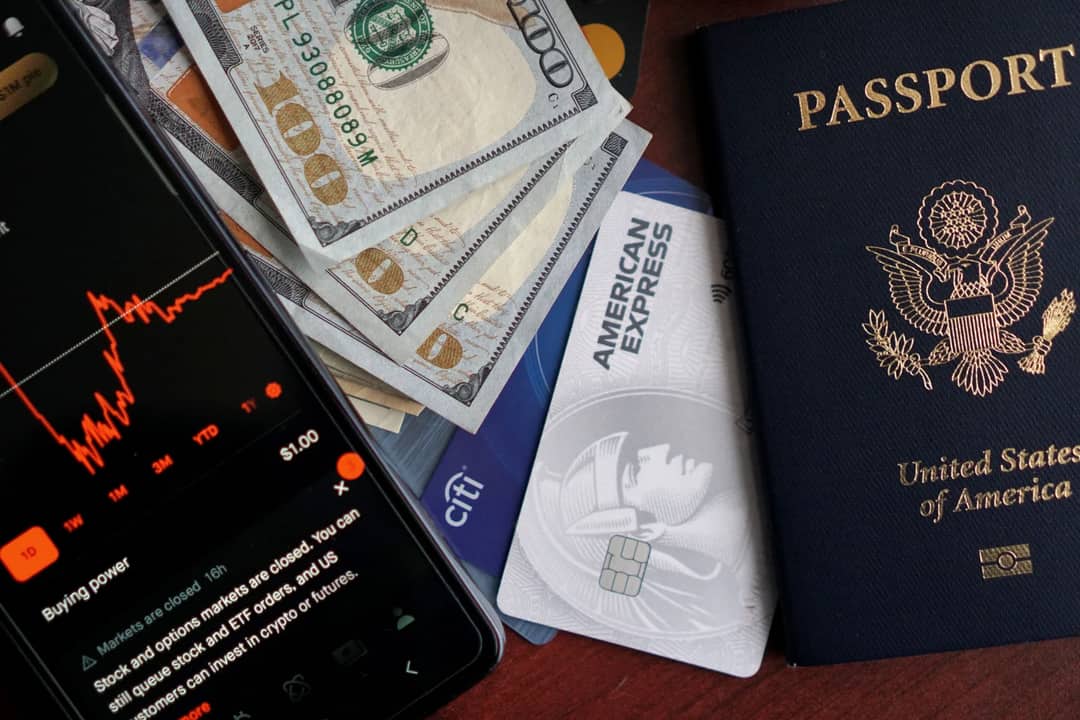
Several Australian banks are cutting the complimentary travel insurance that comes with their credit cards, with Westpac’s changes starting on 1 October 2026, the same day the Reserve Bank of Australia removes card surcharges and trims interchange fees. If your cover is a free card benefit, check it before every trip: the dates, limits and activation rules have all changed, and a booking made earlier does not always protect you.
Key facts
- NAB: changes for events from 15 May 2026, some cards lost cover and some international cover fell from three months to 30 days
- CommBank: activate by 28 September 2026 and meet a $500 prepaid travel spend, or reduced terms apply from 29 September
- Westpac: from 1 October 2026 trip cancellation, travel delay and luggage cover go on certain cards, and you must activate before leaving Australia
- ANZ: changes on 9 December 2026 and 24 March 2027, and some cards lose all complimentary cover
Why are banks cutting travel insurance now?
The banks earn less from each card payment from 1 October 2026, when the Reserve Bank of Australia removes surcharges and lowers interchange fees, and complimentary insurance is a cost they can trim. That is the reading given by insurance trade press and travel advisers, and the pattern is consistent across the big four. The practical result is that a free benefit you assumed you had may now be thinner, conditional, or gone.

What has each bank changed?
The dates differ, so check yours against the table. These details come from the RACV and the industry checklist published by KarryOn, and each bank’s own page is the final word.

| Bank | Date | What changes |
|---|---|---|
| NAB | 15 May 2026 | Some cards lose international and domestic cover; some international cover cut from three months to 30 days |
| CommBank | 29 Sep 2026 | Cover reduced or removed on various cards; activation by 28 Sep with $500 prepaid travel spend |
| Westpac | 1 Oct 2026 | Cancellation, delay and luggage cover removed on certain cards; higher medical excesses; activation before departure |
| ANZ | 9 Dec 2026, 24 Mar 2027 | Shorter trip periods, lower limits; some cards, such as ANZ Rewards Platinum, lose all cover |
Does a booking made before the change keep the old cover?
Not reliably. RACV reports that for Westpac, bookings made before 1 October 2026 may remain covered for trips completed by 30 September 2027. For ANZ, RACV says cover depends on the date of the insurable event, not when you booked. So a trip booked in July for a December departure can fall under the new, weaker terms. Read the product disclosure statement for the date of travel, not the date of purchase, and ask the bank in writing if it is unclear.
Westpac and CommBank both now ask you to activate cover. Missing that step is the quickest way to find out at the worst moment that you were never insured.
Why a card policy is never enough for a Himalayan trek
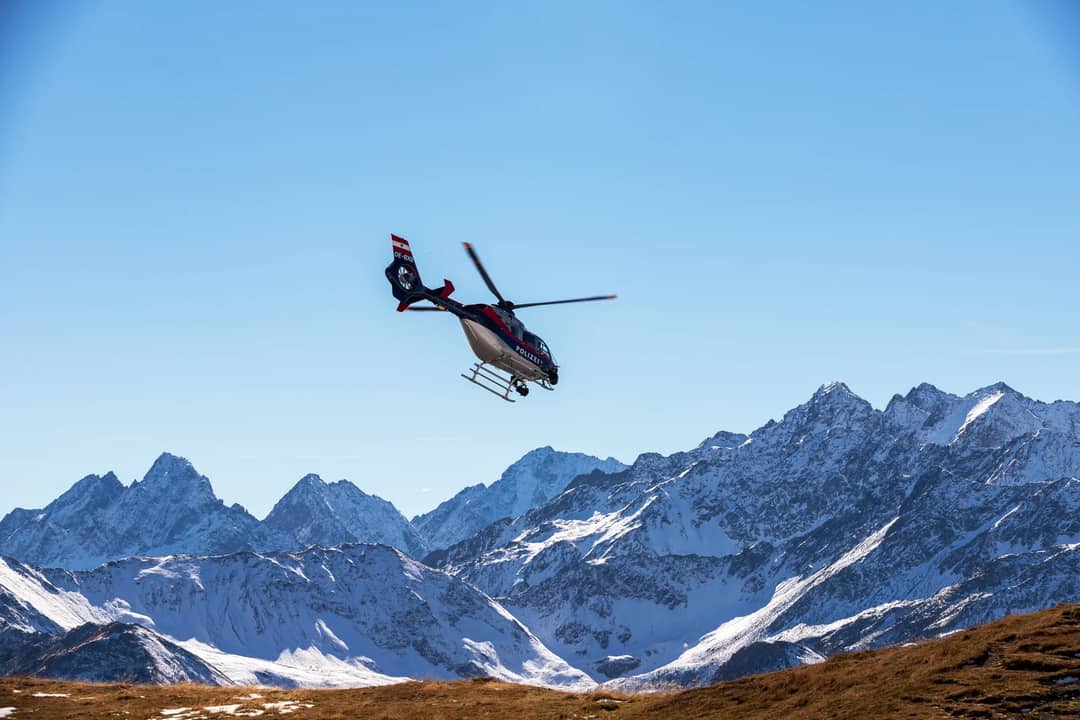
Even the best card cover rarely meets what a trek in Nepal needs, and that is true before these cuts. The things to confirm in writing from any insurer are the maximum altitude, whether helicopter evacuation is included, and whether trekking counts as a covered activity. In our experience a Khumbu helicopter evacuation costs roughly US$4,000 to 6,000 and an Annapurna one US$3,000 to 5,000, and repatriation can run far higher. Those are bills you do not want to find uncovered.
What this means for you
If you fly out of Australia in the next few months, find your card’s current policy, check the activation step, and buy a dedicated policy that states your altitude and evacuation cover. We would rather you spend a modest premium than rely on a free benefit that a bank has just rewritten. We say this even though it earns us nothing.
Planning a trek and want to know what cover your itinerary needs? See our 9-day Annapurna Base Camp trek for the altitudes you will reach, or message us on WhatsApp.
Cover photo: Redmaz Pham via Unsplash (Unsplash License). Section photos: DΛVΞ GΛRCIΛ via Pexels (Pexels licence); Dương Nhân via Pexels (Pexels licence); Alec Adriano via Pexels (Pexels licence); Terrence Henry via Pexels (Pexels licence); Alan Kabeš via Pexels (Pexels licence).
Still running this season
Annapurna Base Camp Trek — 9 Days is running normally
NMA-certified local guides, transparent pricing, 5,000+ treks since 1998. Message us your dates and we'll sort the permits, lodges and logistics — reply within 24 hours, no obligation.
Popular Nepal treks
All treks →


Related coverage
Money & Insurance
If You Buy Travel Insurance After a Strike Hits the News, It’s Already Too Late to Claim
Once a strike, flood or eruption is public news, Australian travel insurers won't cover it, and buying a policy the day it hits headlines is too late.
Money & Insurance
One in Seven Australians Fly Overseas With Zero Travel Insurance, and Vietnam’s Storm Season Just Made This the Worst Week to Try It
One in seven Australians flew overseas with zero cover last trip, and Vietnam’s storm season just gave that gamble its worst possible timing.

Money & Insurance
How Much Travel Insurance Cover Do You Actually Need in 2026? Sizing Every Limit
Medical and repatriation is the limit that can bankrupt you, cancellation should match your non-refundable spend, and a headline "£10m medical" is worthless if an exclusion applies. Here is how to right-size cover to your trip.

Money & Insurance
Honeymoon & Destination-Wedding Travel Insurance in 2026: The Extras Couples Overlook
Booking a destination wedding or honeymoon in 2026? Standard cover misses the extras that matter — a bigger single-item limit for rings, dresses and gifts, the wedding event itself, both names on one policy, supplier failure, and the activity and altitude cover an adventure honeymoon needs.
Latest from the desk
Flights & Access
If you fly a French airline 17–21 October, read this before you pack
French pilots and cabin crew have filed a five-day strike notice for 17–21 October 2026. Air France and Transavia are covered. What you are owed.
Money & Insurance
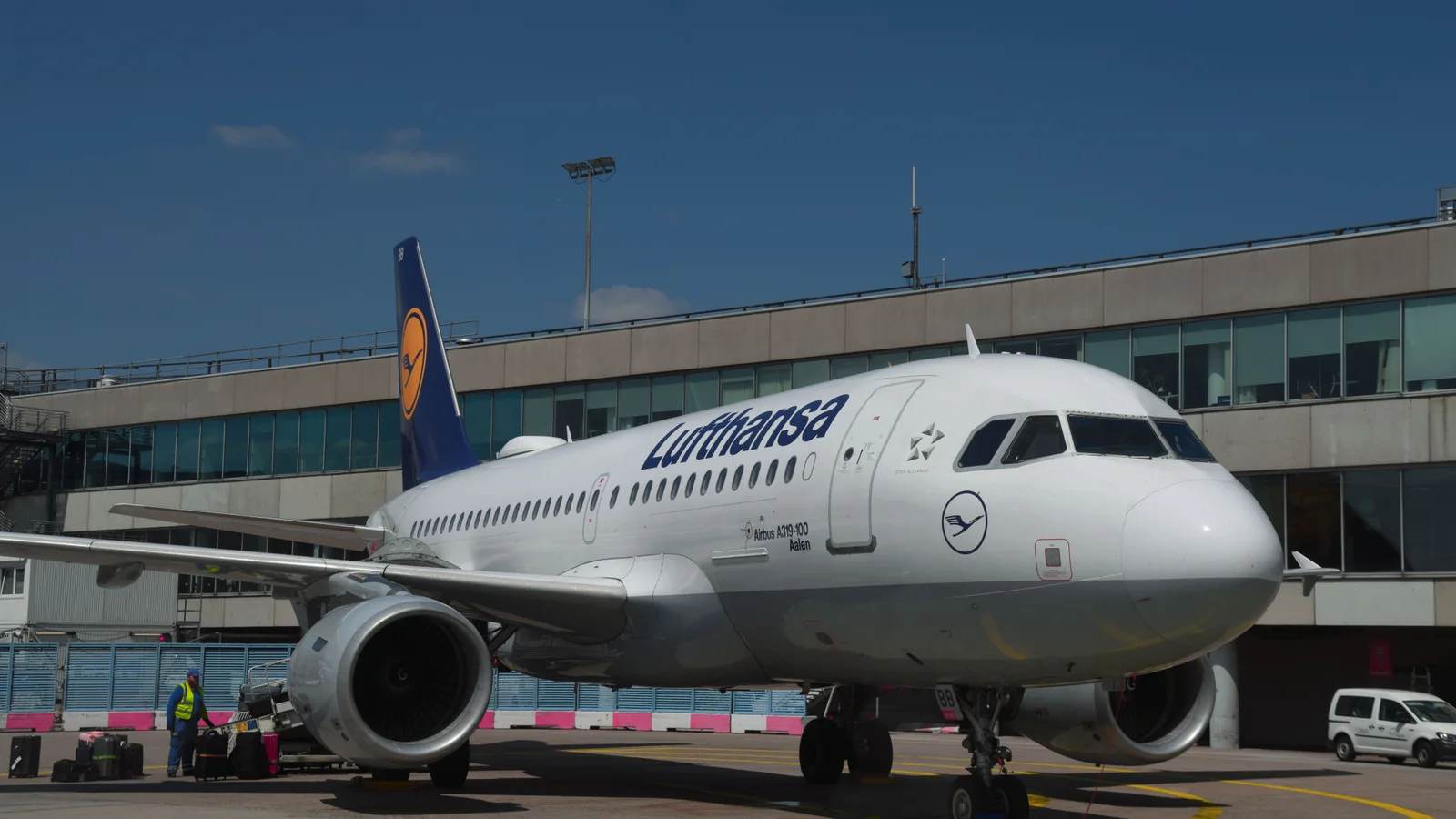
Amex Platinum just lost Lufthansa lounges, and here’s what still works
Since 1 October 2026, Amex Platinum, Business Platinum and Centurion cards no longer open Lufthansa lounges. The other 1,550+ lounges are unchanged.
Flights & Access
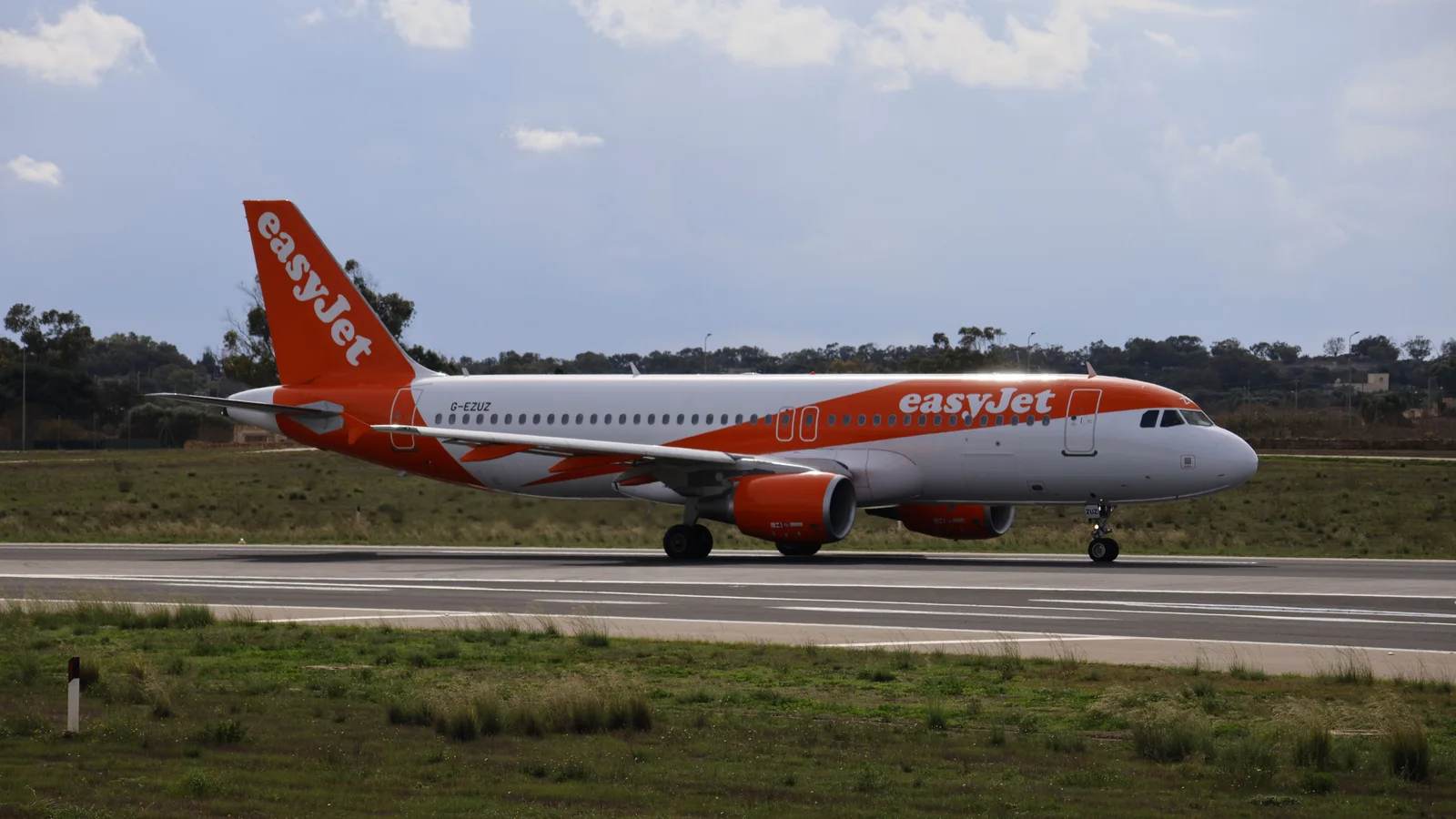
easyJet’s Italy strike on 16 October is the kind of strike that pays out
easyJet flight crew in Italy strike for 24 hours on 16 October. Because it is the airline’s own staff, a late cancellation can be worth €250 to €600.