
What to see in the Kathmandu Valley UNESCO World Heritage Site
Seven monument zones, inscribed together in 1979 as one World Heritage Site, are the cultural gateway every Nepal trek passes through.
At a glance
- Published · updated
- TopicCulture & Heritage
- Verified againstUNESCO World Heritage Centre
- Treks coveredKathmandu UNESCO Heritage Sites — 1 Day, Kathmandu Valley Cultural Tour — 3 Days, Nepal Classic Tour — 7 Days
Every trek in Nepal begins and ends in the same place: the Kathmandu Valley. Before the trailhead and after the last descent, you pass through one of the most concentrated collections of religious art and architecture on earth — a valley whose seven monument zones were inscribed together on the UNESCO World Heritage List in 1979. Most trekkers give it a rushed afternoon. It deserves a full day, and here is why.
The valley at a glance
- One inscription, seven zones. Kathmandu Valley was inscribed by UNESCO in 1979 as a single World Heritage property made up of seven distinct monument zones.
- Three faiths, one landscape. The sites blend Hindu and Buddhist worship, often on the same hill.
- Newar masterwork. The pagodas, courtyards and carved windows are the creation of the valley's indigenous Newar civilisation.
- Rebuilt after 2015. The April 2015 earthquake damaged monuments across the valley; reconstruction has been under way ever since.
Seven zones, one valley
The 1979 inscription gathers seven sites that together tell the story of the valley's kings, its craftsmen and its gods. Three are royal squares, two are great Hindu temples, and two are Buddhist stupas.
| Monument zone | What it is | Don't-miss |
|---|---|---|
| Kathmandu Durbar Square (Hanuman Dhoka) | The old royal palace square of Kathmandu | The Kumari Ghar, home of the living goddess |
| Patan Durbar Square | Lalitpur's royal square, a jewel-box of Newar metal and stone work | The stone Krishna Mandir and the museum in the old palace |
| Bhaktapur Durbar Square | The best-preserved medieval royal city in the valley | The 55-Window Palace and the gilded Golden Gate |
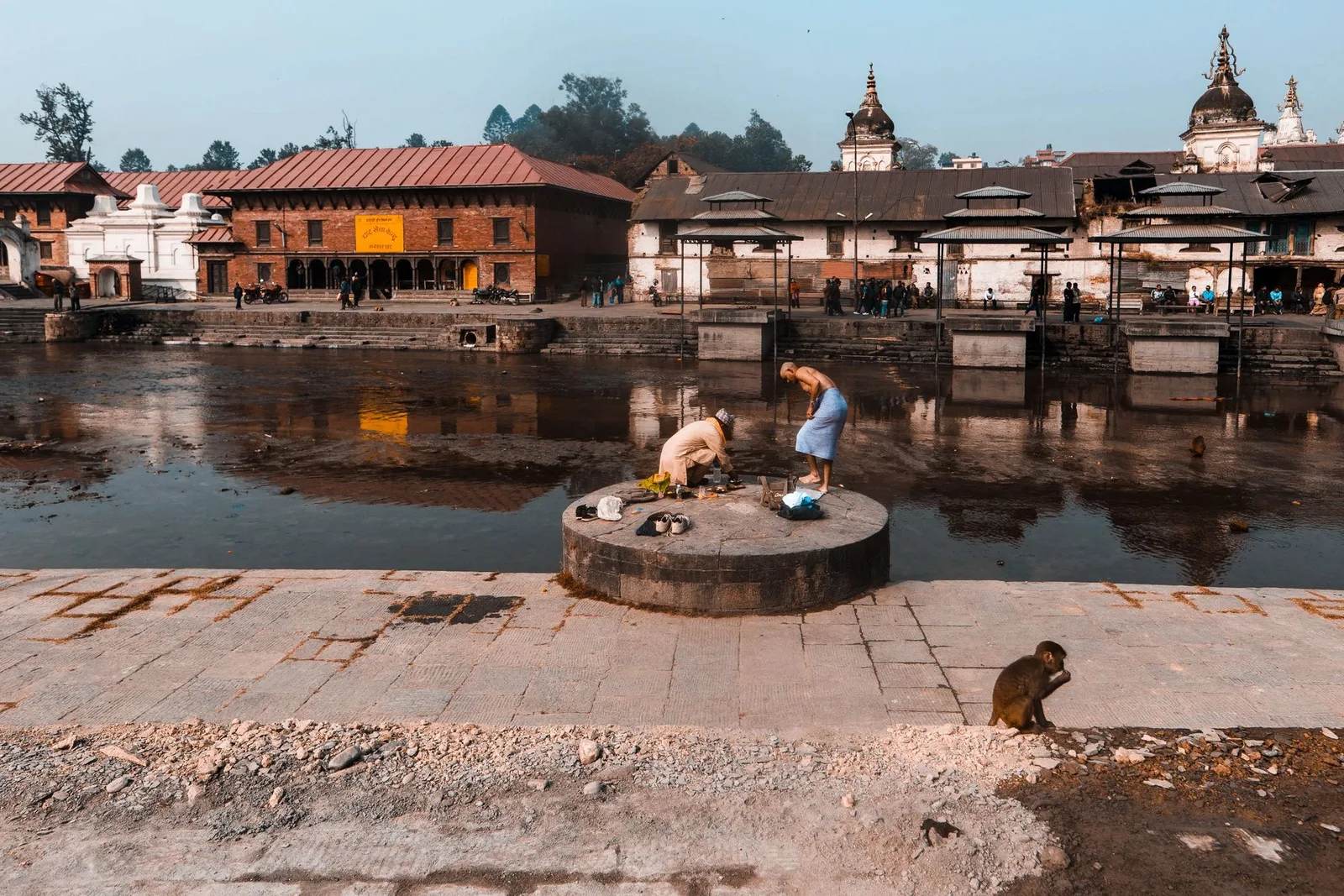
| Pashupatinath | Nepal's holiest Hindu temple, dedicated to Shiva | The Bagmati River cremation ghats (watch respectfully) |
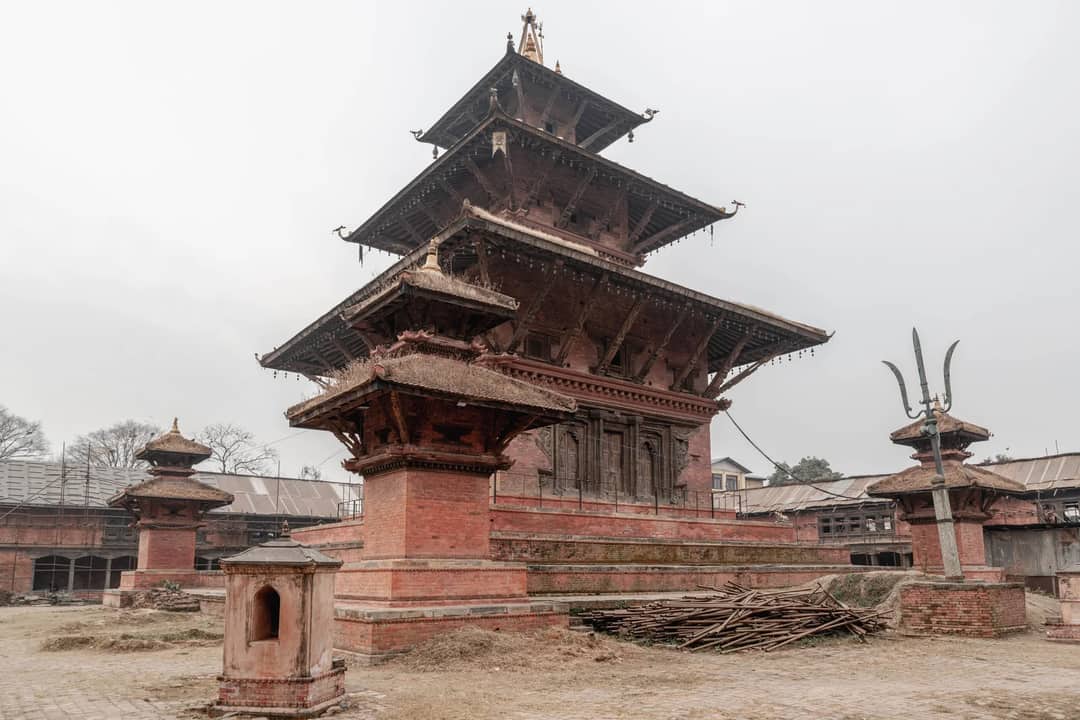
| Changu Narayan | An ancient hilltop temple to Vishnu, rich in early stone carving | The oldest inscribed sculptures in the valley |
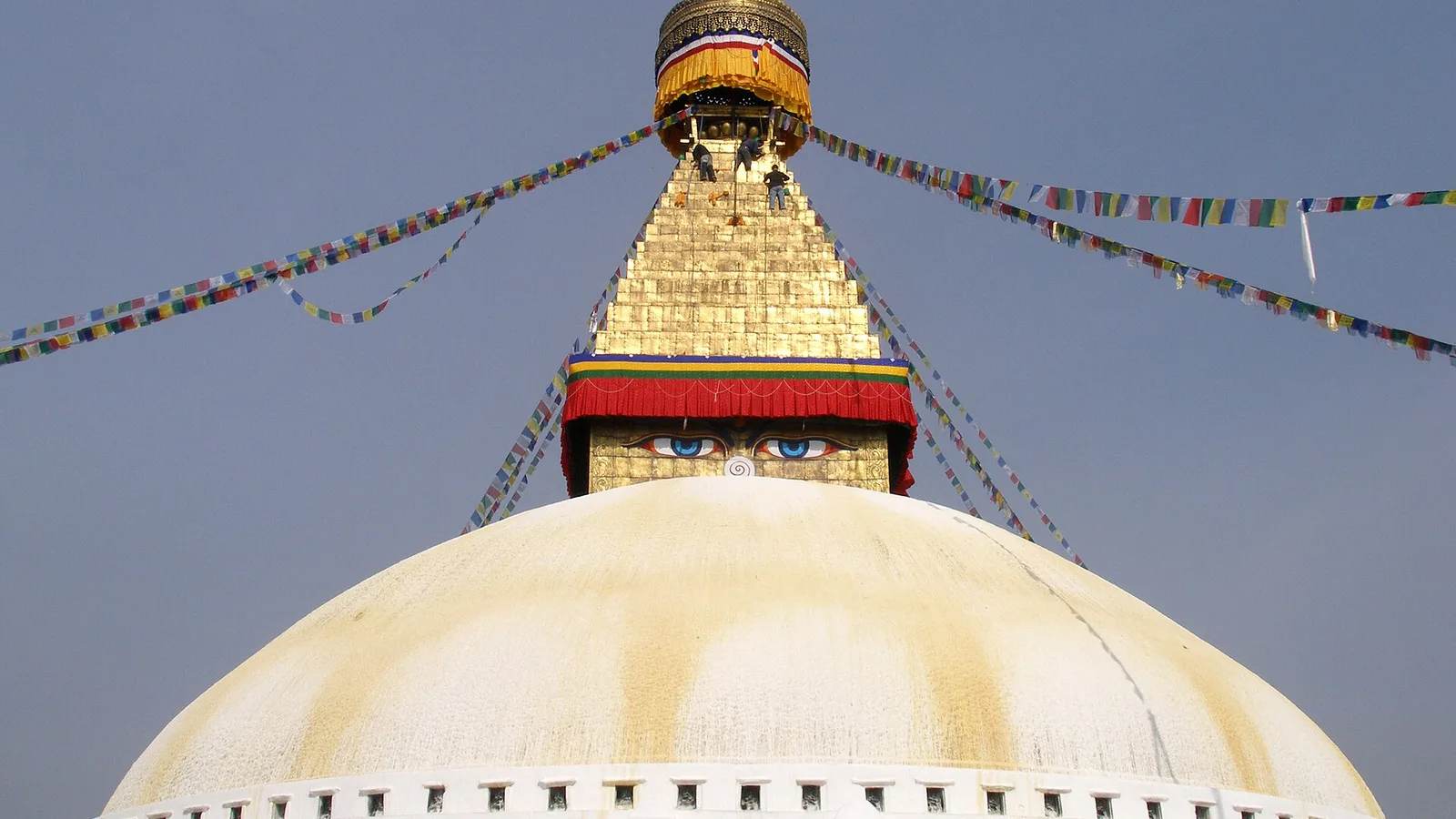
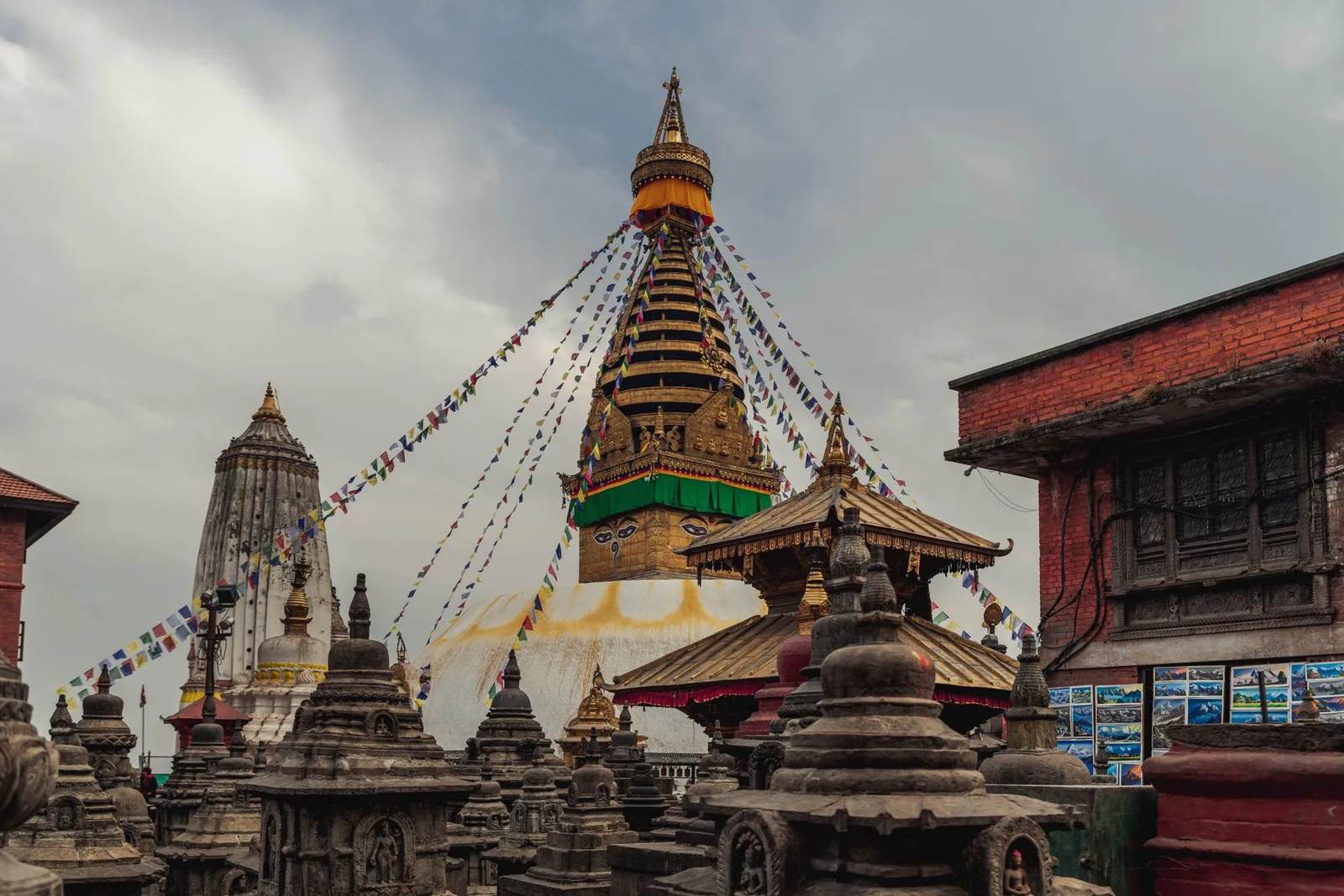
| Swayambhu (Monkey Temple) | A hilltop Buddhist stupa with sweeping valley views | The Buddha eyes and the long stairway of pilgrims |
| Boudhanath | One of the largest spherical stupas anywhere, heart of Tibetan Buddhism in Nepal | Walking the kora clockwise at dusk with the pilgrims |
The three Durbar Squares
A durbar is a royal court, and each of the three old capitals of the valley — Kathmandu, Patan and Bhaktapur — built its own. Kathmandu Durbar Square, also called Hanuman Dhoka, is where the kings were crowned; it also holds the Kumari Ghar, the residence of the living goddess Kumari, whose carved windows are among the finest in the city.
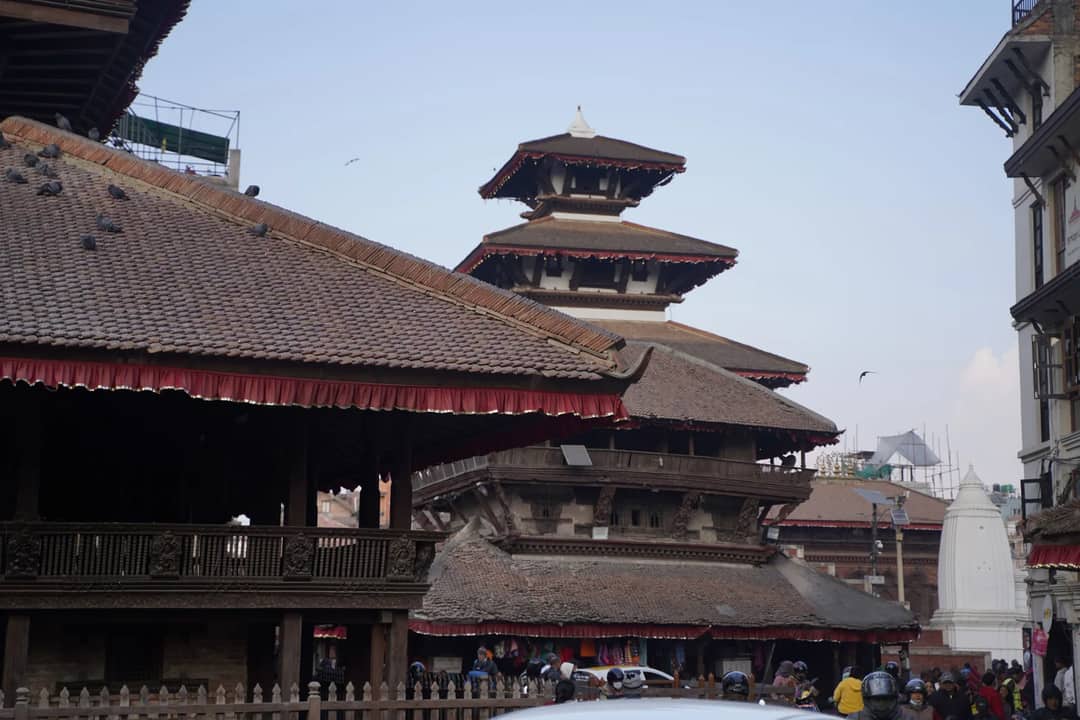
Patan Durbar Square, in the city of Lalitpur, is the most refined of the three — a compact space of struts, statues and the elegant stone Krishna Mandir. Bhaktapur Durbar Square is the most complete medieval streetscape, home to the Palace of Fifty-Five Windows (commissioned in 1708 by Bhupatindra Malla) and the Golden Gate, built between 1751 and 1754 and long praised as the loveliest piece of art in the old kingdom.
The Hindu temples: Pashupatinath and Changu Narayan
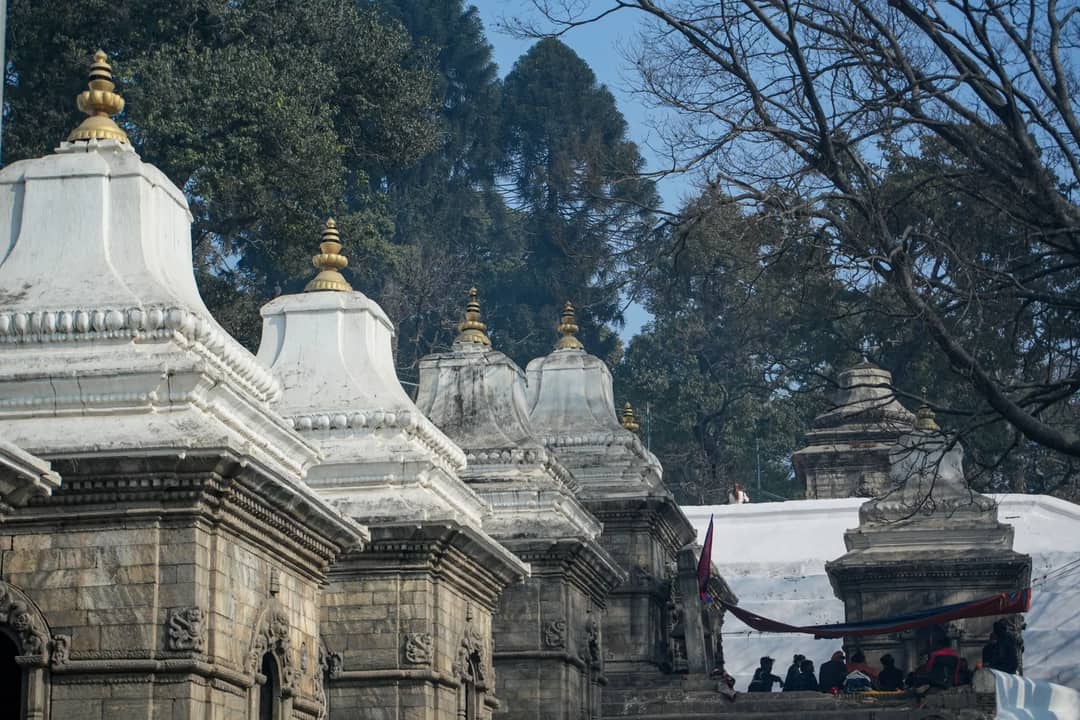
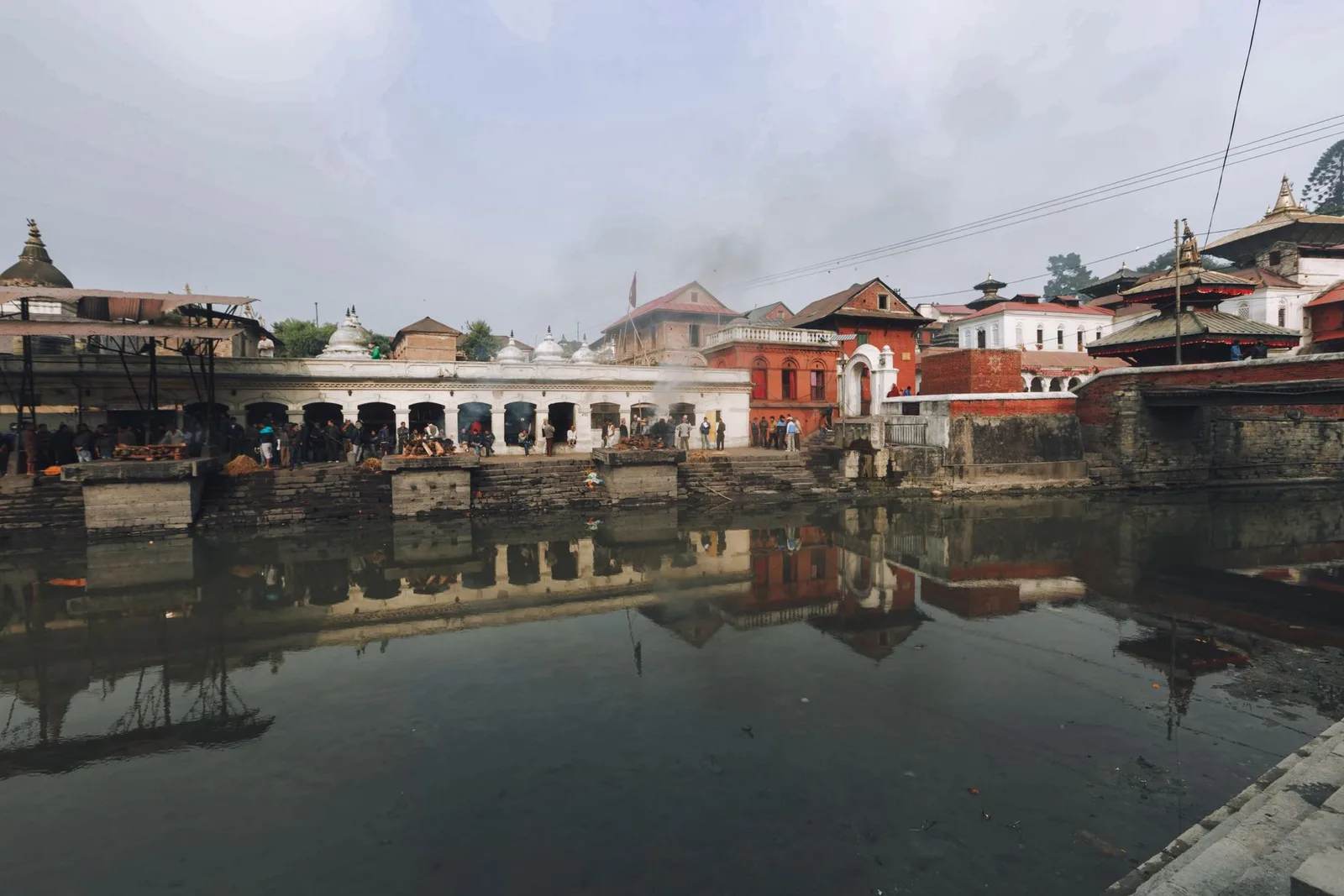
Pashupatinath, on the banks of the sacred Bagmati River, is one of the oldest and holiest Hindu complexes in South Asia, dedicated to Pashupati, a form of Shiva. Its two-tiered gold-roofed pagoda sits within an enormous precinct of hundreds of smaller shrines. The inner sanctum is open only to practising Hindus; everyone else views it from across the river, where the stone ghats serve as Nepal's principal cremation site. Changu Narayan, on a ridge above the valley, is an ancient temple to Vishnu celebrated for carvings and inscriptions that count among the earliest surviving sculpture in Nepal.
The Buddhist stupas: Swayambhu and Boudhanath
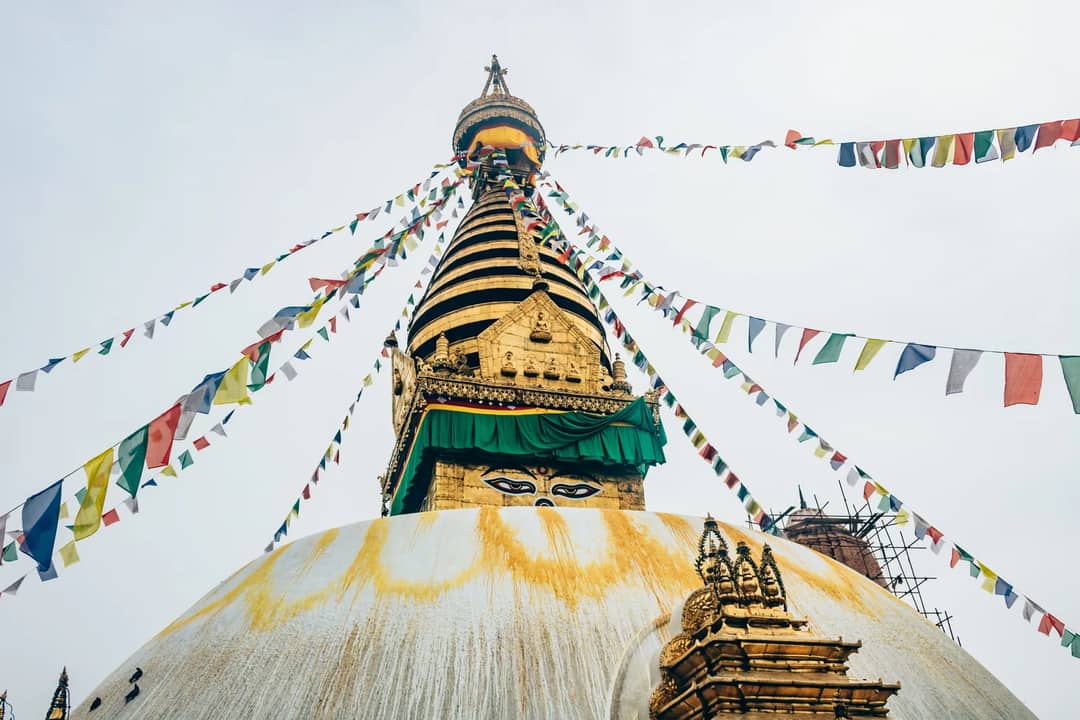
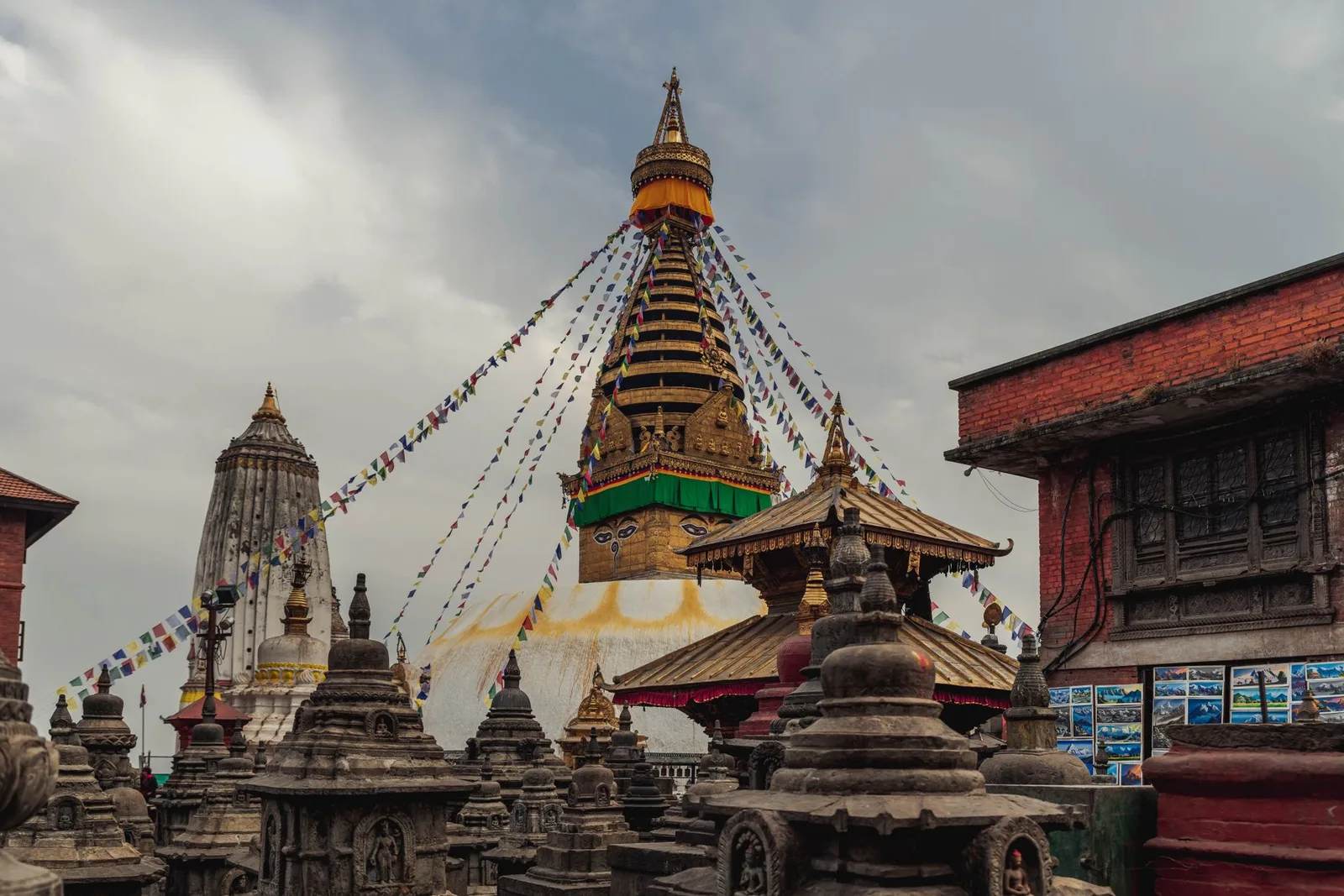
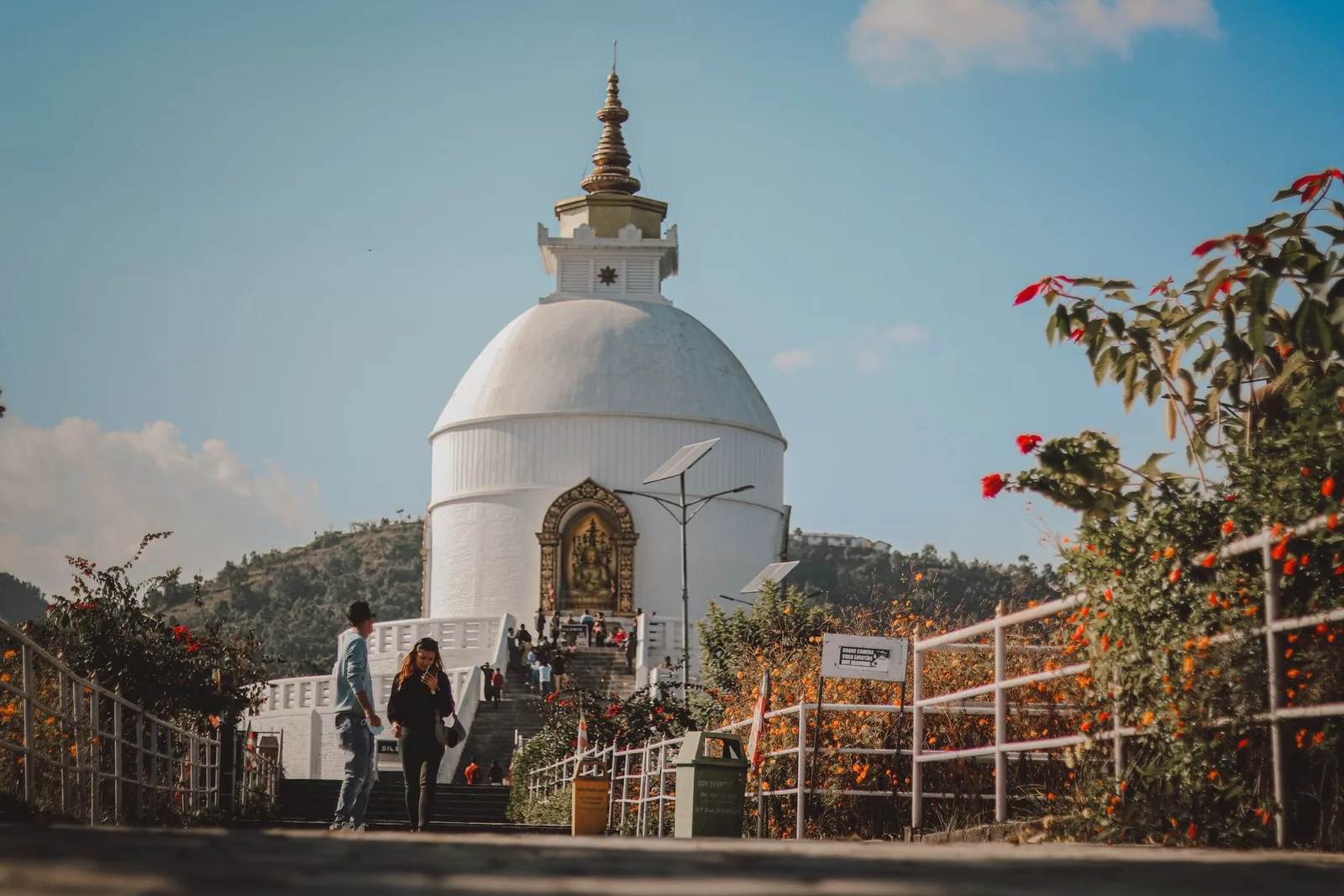
Swayambhu — the "self-arising" stupa, nicknamed the Monkey Temple for the wild monkeys on its hill — crowns a hilltop west of the city. A dome supports a cube painted with the all-seeing Eyes of Buddha, above which thirteen gilded rings represent the thirteen stages to nirvana. Hindu shrines share the same hill, a living symbol of the valley's religious harmony.
Boudhanath, rising about 36 metres, is one of the largest spherical stupas in the world and the spiritual centre of Tibetan Buddhism in Nepal. Laid out as a vast mandala and ringed by monasteries, it draws pilgrims who walk its circuit — the kora — clockwise, spinning prayer wheels, at dawn and dusk.
2015, and the long rebuilding
The Gorkha earthquake of 25 April 2015 struck the valley hard. Bhaktapur alone recorded damage to over a hundred historical and cultural monuments; temples lost roofs and some were reduced to their plinths. Boudhanath's spire cracked, and its restoration — the first World Heritage monument in the valley to be fully rebuilt — reopened in November 2016, re-consecrated with a fresh central pole and relics. At Pashupatinath the outer buildings were hurt but the main sanctum survived. Reconstruction across the squares, much of it using traditional Newar craft techniques, has continued for years; you will still see scaffolding and fresh timber beside centuries-old carving. It is part of the story, not a blemish on it.
Seeing the sites respectfully
- Dress modestly — cover shoulders and knees at temples and stupas.
- Walk clockwise around stupas and chaityas, keeping them on your right.
- Remove shoes and leather where signs ask, and never step on temple offerings.
- At Pashupatinath, do not photograph cremations — grieving families are not a spectacle.
- Ask before photographing people, especially sadhus and priests, some of whom expect a small tip.
- Carry the entry fees — foreign visitors pay to enter each Durbar Square and Pashupatinath, and the money funds conservation. Check current entry fees, as they change.
Give the valley a day
The Kathmandu Valley is not a layover to be endured before the mountains — it is the cultural gateway to them, and a UNESCO site in its own right. Pair a Durbar Square with one stupa and one temple and you have a full, unhurried day that will change how you read every carved strut and prayer flag you meet on the trail afterwards. For more on the valley's living culture, from festivals to the mountain communities you will trek among, and the traditions kept alive across Nepal, see our Authentic Nepal guide.
We build the heritage day into most itineraries, and run it on its own as a guided Kathmandu Valley cultural tour with a Newar-history guide who can read the iconography for you. Message us on WhatsApp and we will fit it around your trek dates.
Cover photo: Vyacheslav Argenberg via Wikimedia Commons (CC BY 4.0). Section photos: Roman Saienko via Pexels (Pexels licence); Bhupal Shrestha via Pexels (Pexels licence); Sushant Bista via Pexels (Pexels licence); Bijen Amatya via Pexels (Pexels licence); Mr Dr3igeteilt via Pexels (Pexels licence).
This story is part of Travel Himalaya Nepal’s guide to Nepal's culture and living heritage.
Still running this season
Kathmandu UNESCO Heritage Sites — 1 Day is running normally
NMA-certified local guides, transparent pricing, 5,000+ treks since 1998. Message us your dates and we'll sort the permits, lodges and logistics — reply within 24 hours, no obligation.
Popular Nepal treks
All treks →
Related coverage
Safety & Advisories
Is a Kathmandu Valley Tour Affected by the 2026 Nepal Floods?
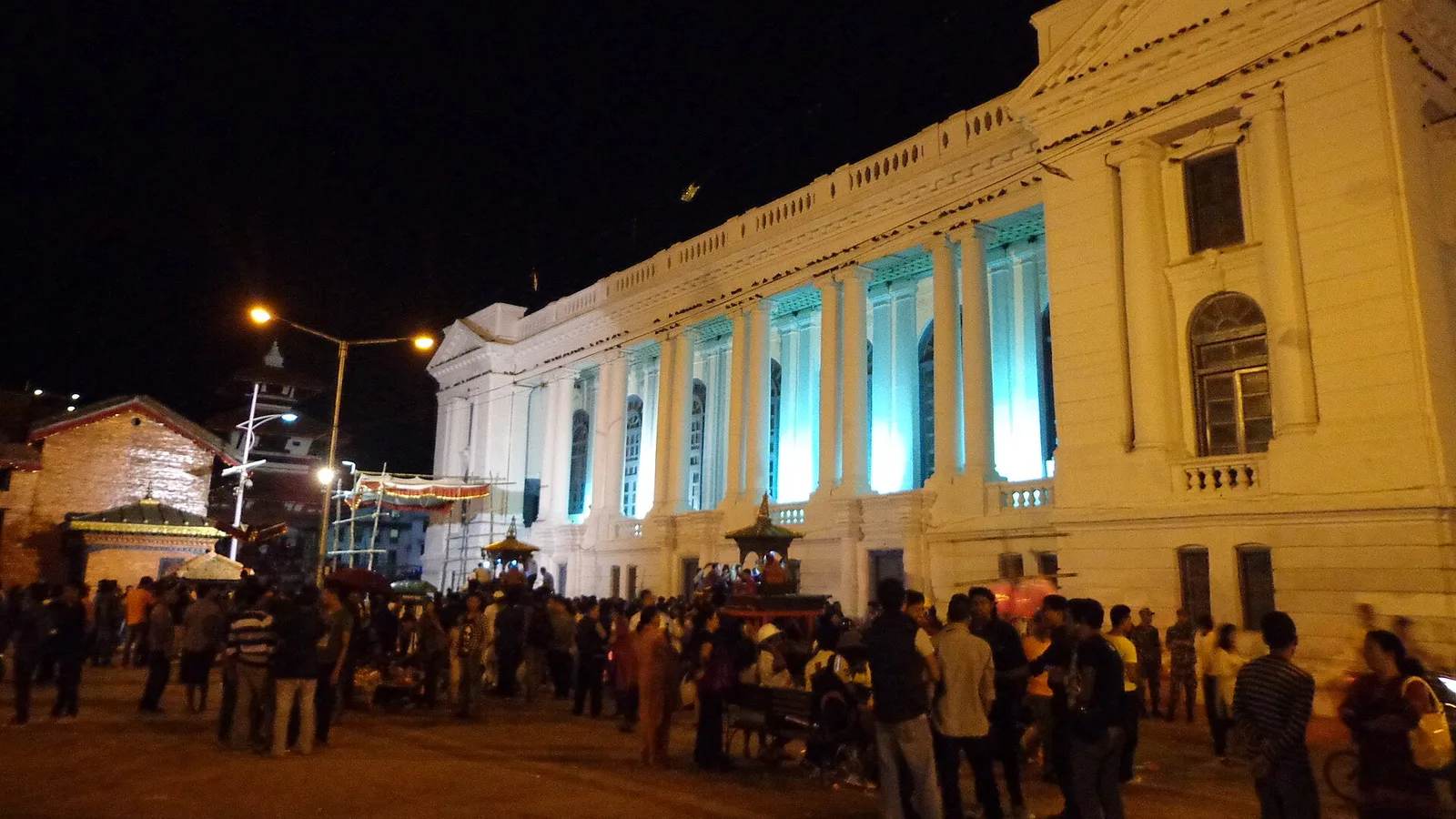
No — Kathmandu is the capital, at about 1,400 m in central Nepal, well south of the Rasuwa flood. The airport is running normally and every UNESCO heritage site in the valley is open. Here is the honest, detailed status.
Festivals & Events
Kathmandu's Biggest Street Festival Has a Stone Demon That Spits Rice Beer Into the Crowd
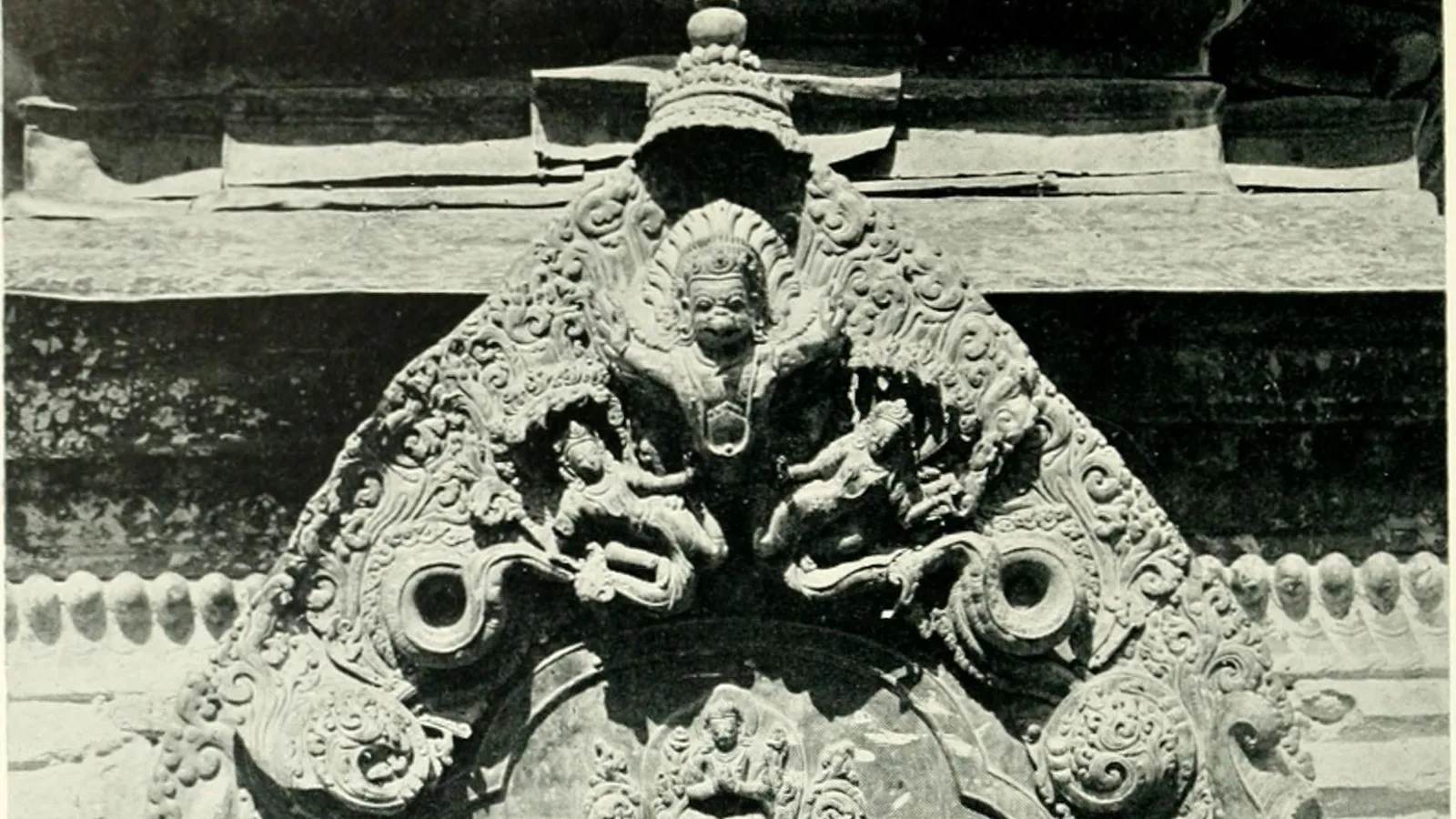
Indra Jatra runs 23 to 29 September 2026, with the Kumari chariot on Friday the 25th. Masked dancers, chariots and a god that pours rice beer.
Festivals & Events
Nepal Gives Every Dog a Flower Garland and a Tika, Even the Ones on the Street
On the second day of Tihar, Nepal puts a mark of worship on its street dogs, from the stray on the corner to the police dog on duty.
Safety & Advisories
Is the Chisapani–Nagarkot Trek Affected by the 2026 Nepal Floods?
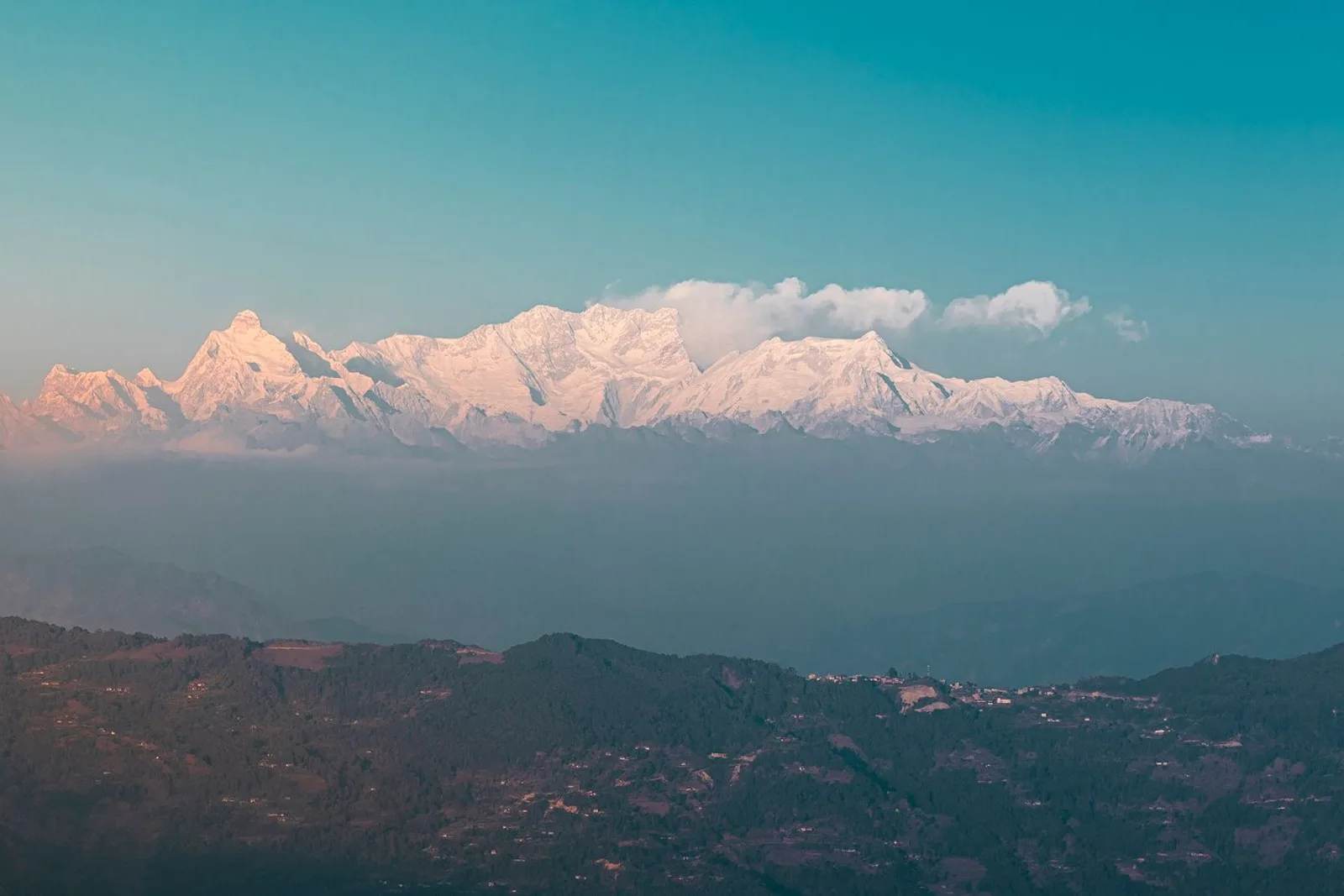
Short answer: no. This short trek runs the Kathmandu Valley rim through Shivapuri National Park, in a different watershed from the Rasuwa flood.
Latest from the desk
Breaking Safety & Advisories
An Avalanche Buried Himlung Himal's Base Camp in Nepal, and Ten Climbers and Staff Are Missing
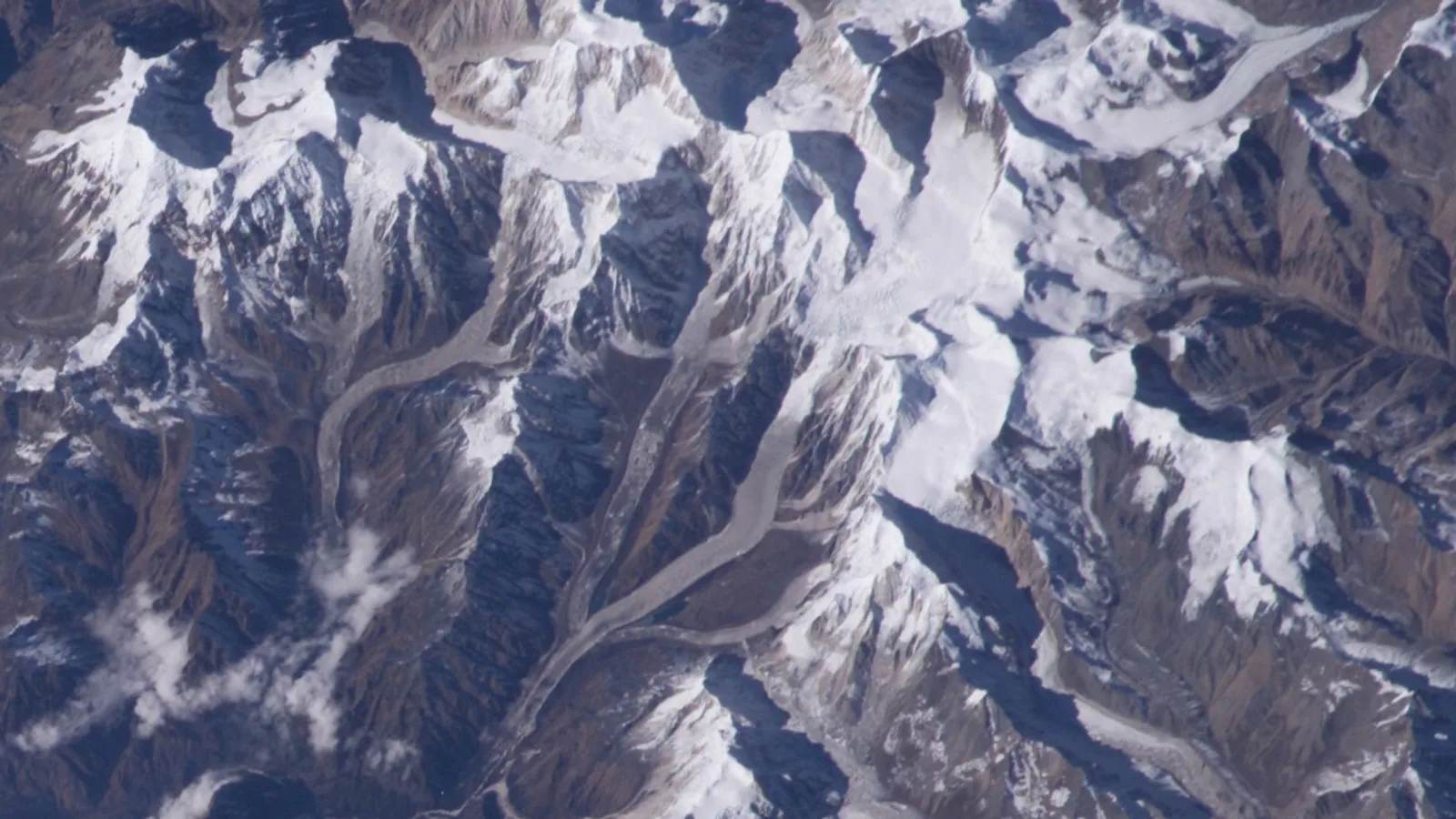
An avalanche hit Himlung Himal's base camp in Nepal's Manang district on 27 September, and rescuers are searching snow for ten missing climbers and staff.

Money & Insurance
You Could Be Owed Cash From a $167 Million Visa and Mastercard Settlement, Here's How to Check
Visa and Mastercard are paying $167.5 million after allegedly blocking cheaper ATM fees, and the claim deadline is 10 February 2027.
Wildlife & Nature
Chitwan or Bardia, here's which Nepal safari you should actually book
Nepal's 2026 tiger census found record numbers in Chitwan and a rare decline in Bardia, and it changes the honest answer to which safari to book.