If You Have Asthma, Here’s What High Altitude in Nepal Actually Does to Your Lungs
Cold dry air can trigger asthma at altitude, but studies show reduced allergens help many trekkers breathe easier — here’s which Nepal trek fits.
At a glance
- Published
- TopicSafety & Advisories
- Verified againstWorld Allergy Organization Journal – high-altitude asthma trigger study
- Treks coveredAnnapurna Base Camp Trek — 9 Days, Everest Base Camp Trek — 12 Days, Ghorepani Poon Hill Trek — 4 Days
Asthma doesn't automatically rule out a Nepal trek, and the science is more encouraging than most travellers expect, but it cuts both ways. Studies show high altitude can trigger bronchospasm through cold, dry air and hard breathing, while separate research on alpine climate therapy shows sustained altitude actually improves asthma control for people sensitised to house dust mites. Which effect wins depends on your trigger, your treatment, and which Nepal trek you pick.
Key facts
- Cold, dry air combined with hard breathing at altitude can trigger hypocapnia-driven bronchoconstriction, the mechanism behind altitude-triggered asthma attacks
- A 2022 controlled study found inhaled corticosteroid (ICS) treatment prevents the cold-and-hypoxia-driven drop in lung function that untreated asthmatics experience at altitude
- Sustained time above roughly 1,500 m reduces house-dust-mite, pollen and air-pollution allergen levels enough that alpine clinics in Switzerland and Austria use altitude itself as an asthma treatment
- At Everest Base Camp (5,364 m), each breath draws in roughly half the oxygen molecules of a breath at sea level, because barometric pressure falls with altitude even though the air is still 20.9% oxygen
What thin, cold air actually does to asthmatic lungs
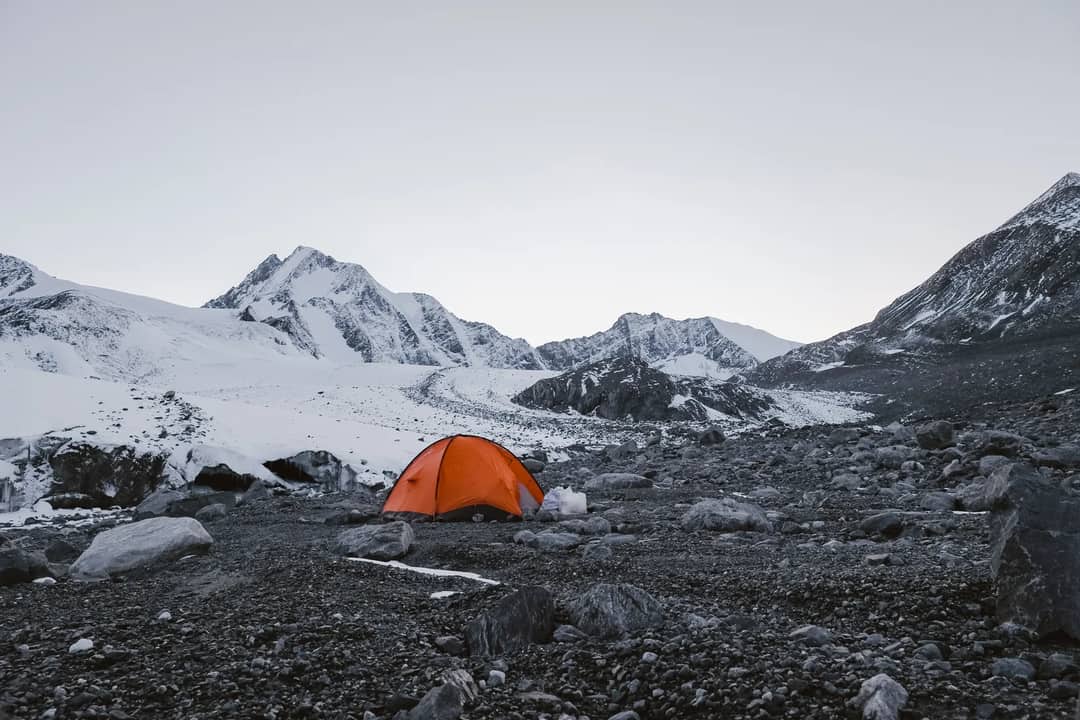
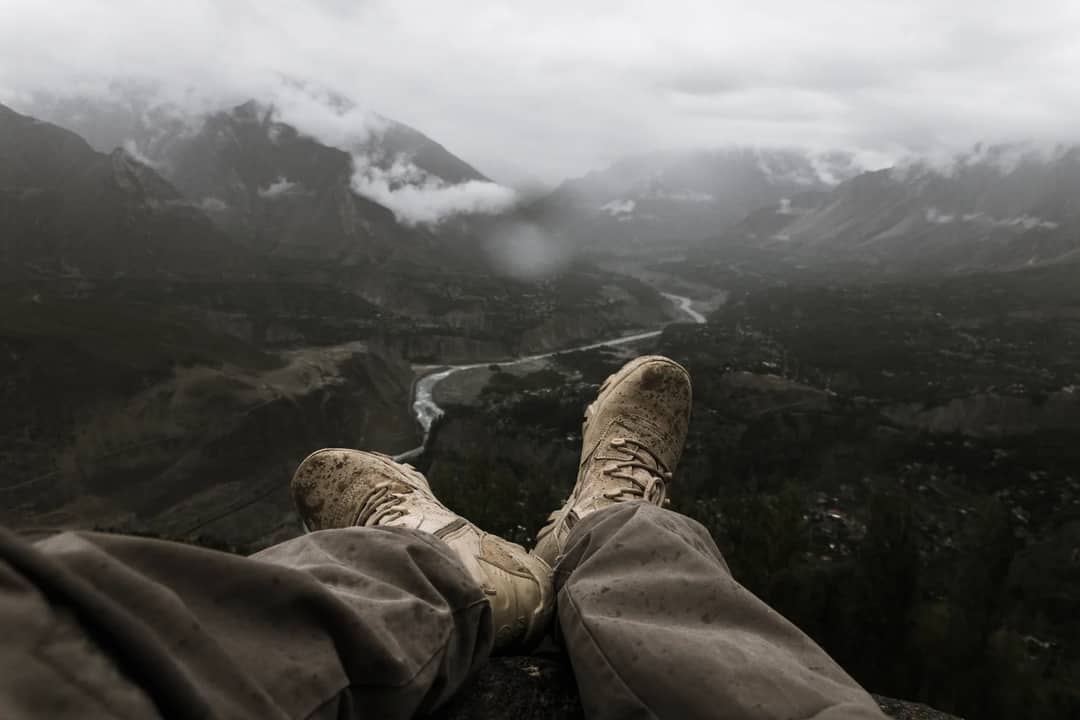
The trigger at altitude isn't the thin air by itself, it's the combination of cold, dry air and the harder, faster breathing that trekking at altitude demands. Breathing cold dry air strips moisture from the airways, and the hyperventilation trekkers do to compensate for lower oxygen drops carbon dioxide levels (hypocapnia), which a 2022 study in the World Allergy Organization Journal identified as the specific mechanism that triggers bronchoconstriction in seasonal asthmatics exposed to high-altitude conditions. That study measured real lung-function drops in asthmatic subjects exposed to cold, hypoxic, hyperventilation-inducing conditions similar to a high Nepal pass.
Why altitude sometimes makes asthma better, not worse
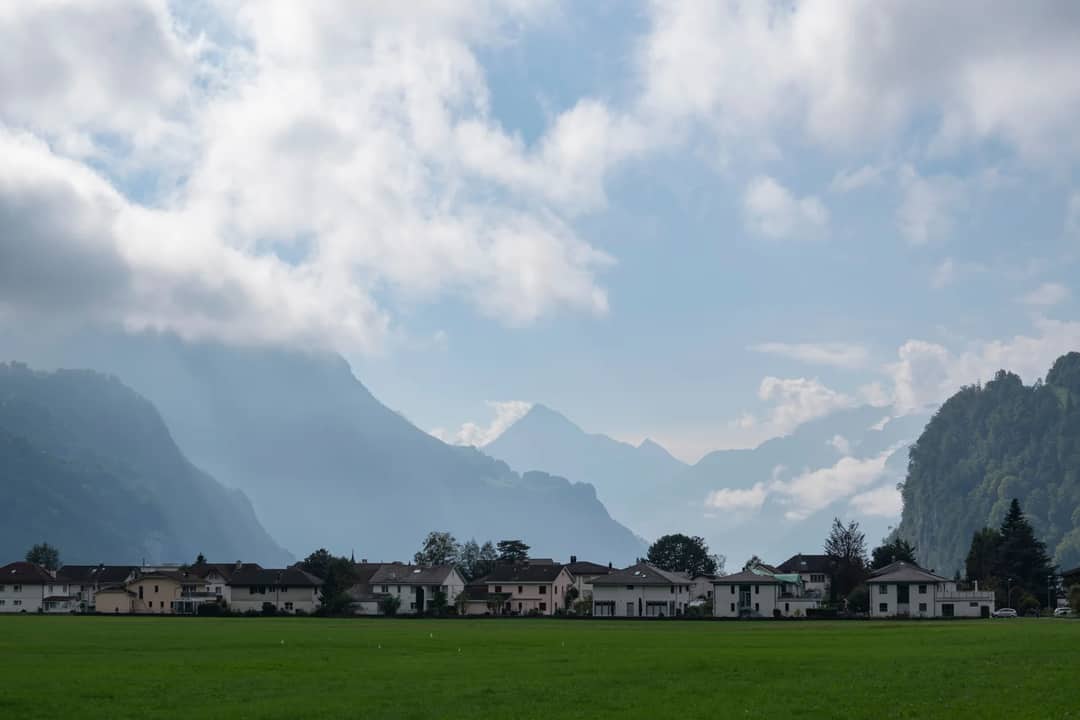
Set against that risk is a genuinely different, well-established effect: sustained time at altitude reduces the allergens that trigger the most common form of asthma. House dust mites need humidity to survive, and dry mountain air above roughly 1,500 m measurably reduces mite populations, along with pollen, mould spores and air pollution particles. This isn't a folk remedy — Alpine altitude climate treatment is an official EAACI (European Academy of Allergy and Clinical Immunology) position, and specialised clinics in Switzerland and Austria use weeks at altitude as a real treatment for severe, dust-mite-driven asthma. The catch for a trekker is that this is the benefit of living at altitude for weeks, not the acute stress of climbing hard to a high pass in one cold morning, and a Nepal trek exposes you to both.
The one precaution that actually prevents an attack up there
The same 2022 study found that pre-treatment with an inhaled corticosteroid prevented the cold-and-hypoxia-driven loss of lung function that untreated asthmatic subjects experienced under identical conditions. In practice, that means starting or maintaining your ICS in the weeks before you fly to Kathmandu, not packing it as a just-in-case, and carrying your rescue inhaler on your body, not in your duffel with the porter, since Nepal's cold mornings are exactly when an attack is most likely.
Which Nepal trek actually makes sense if you have asthma
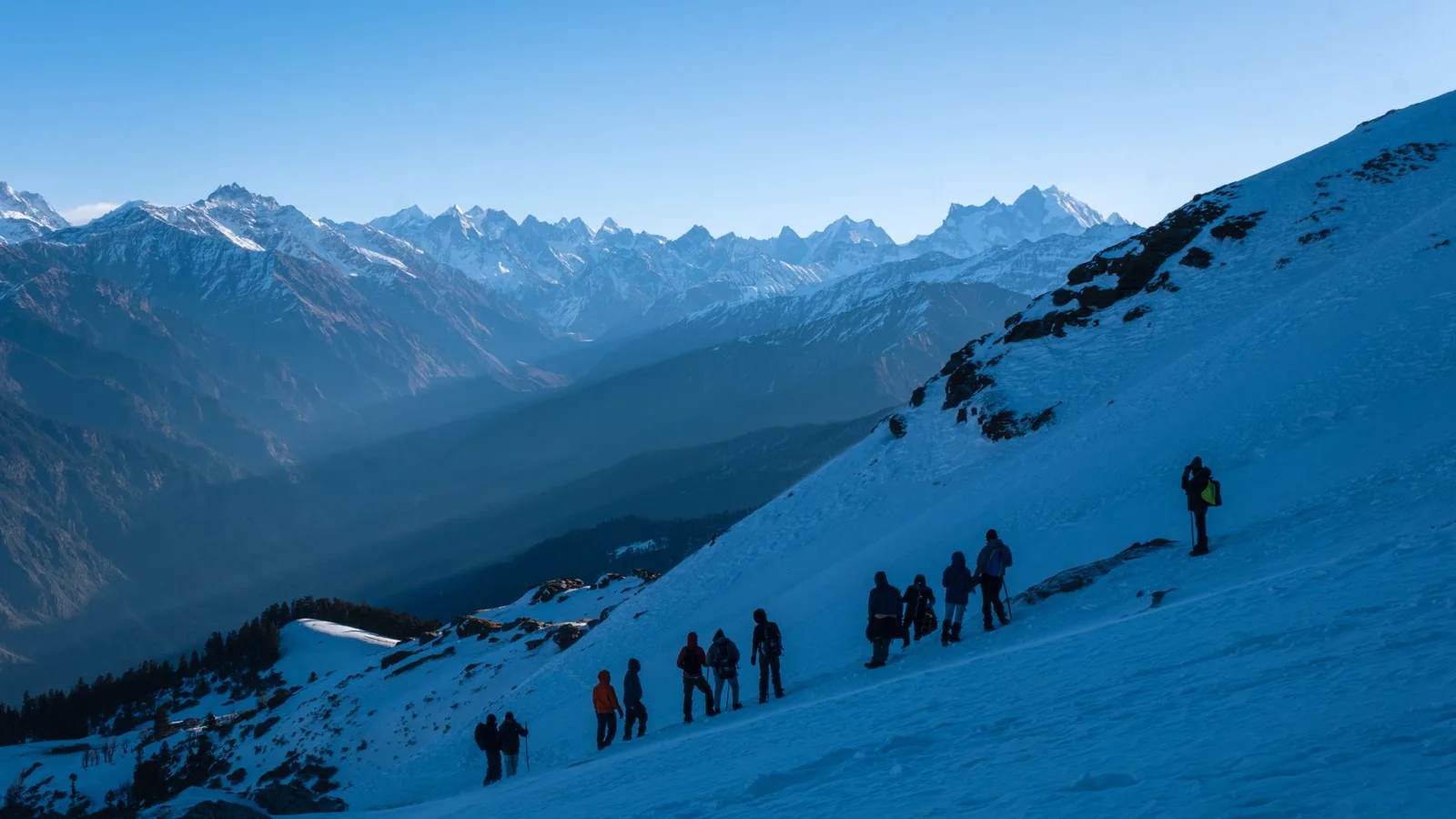
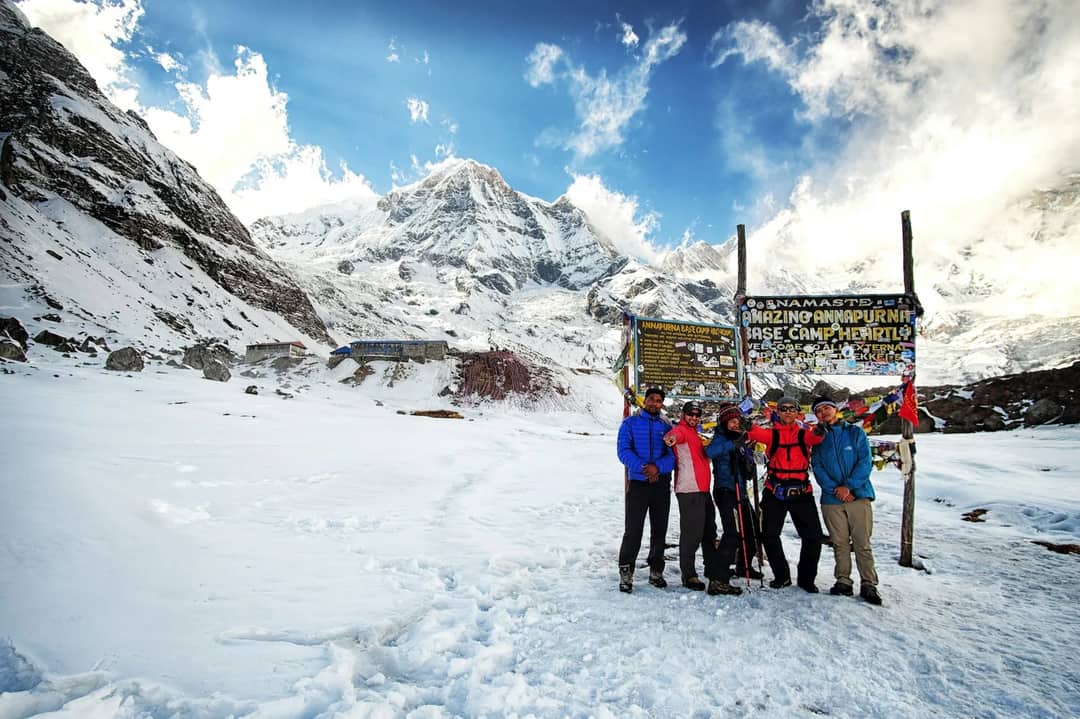
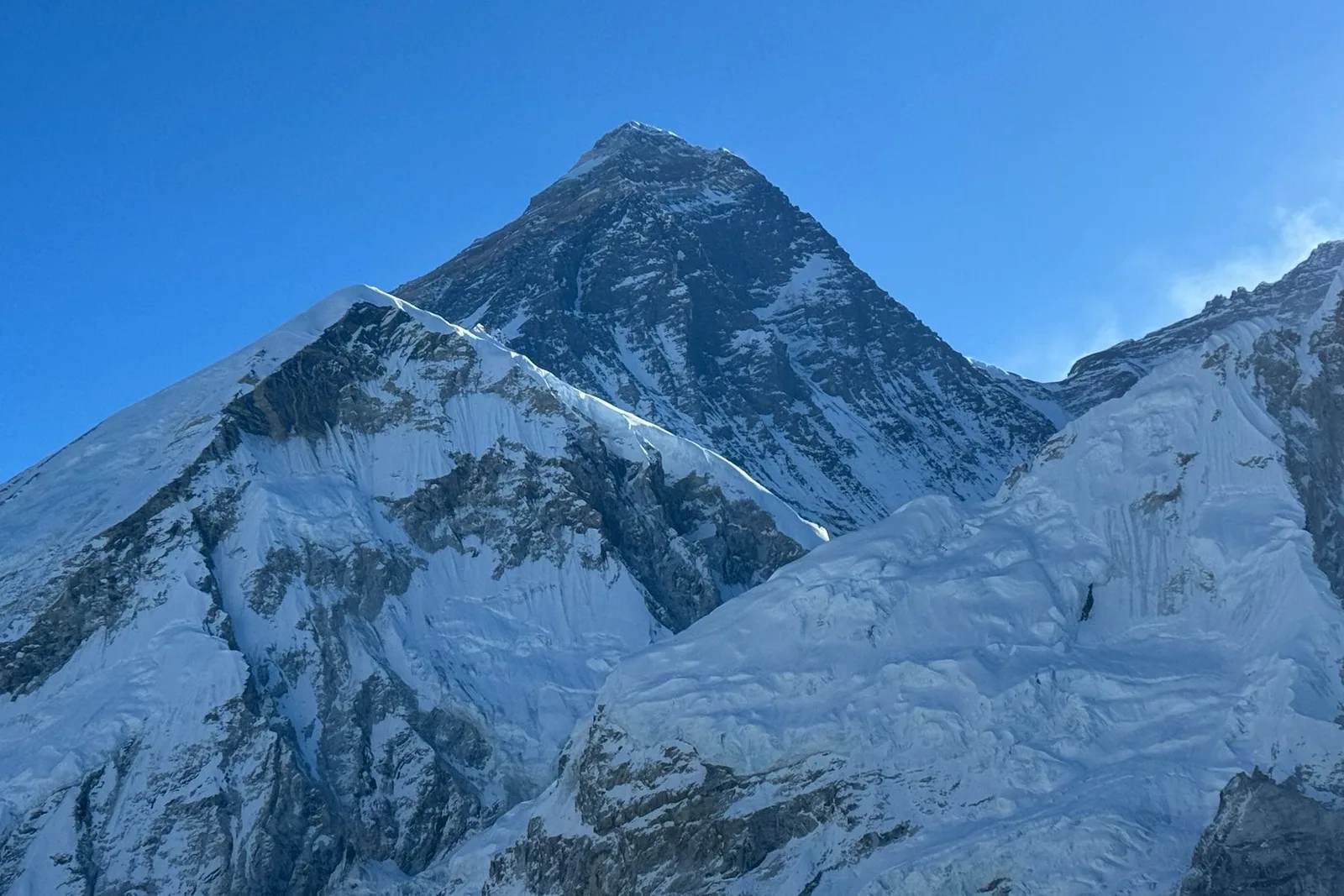
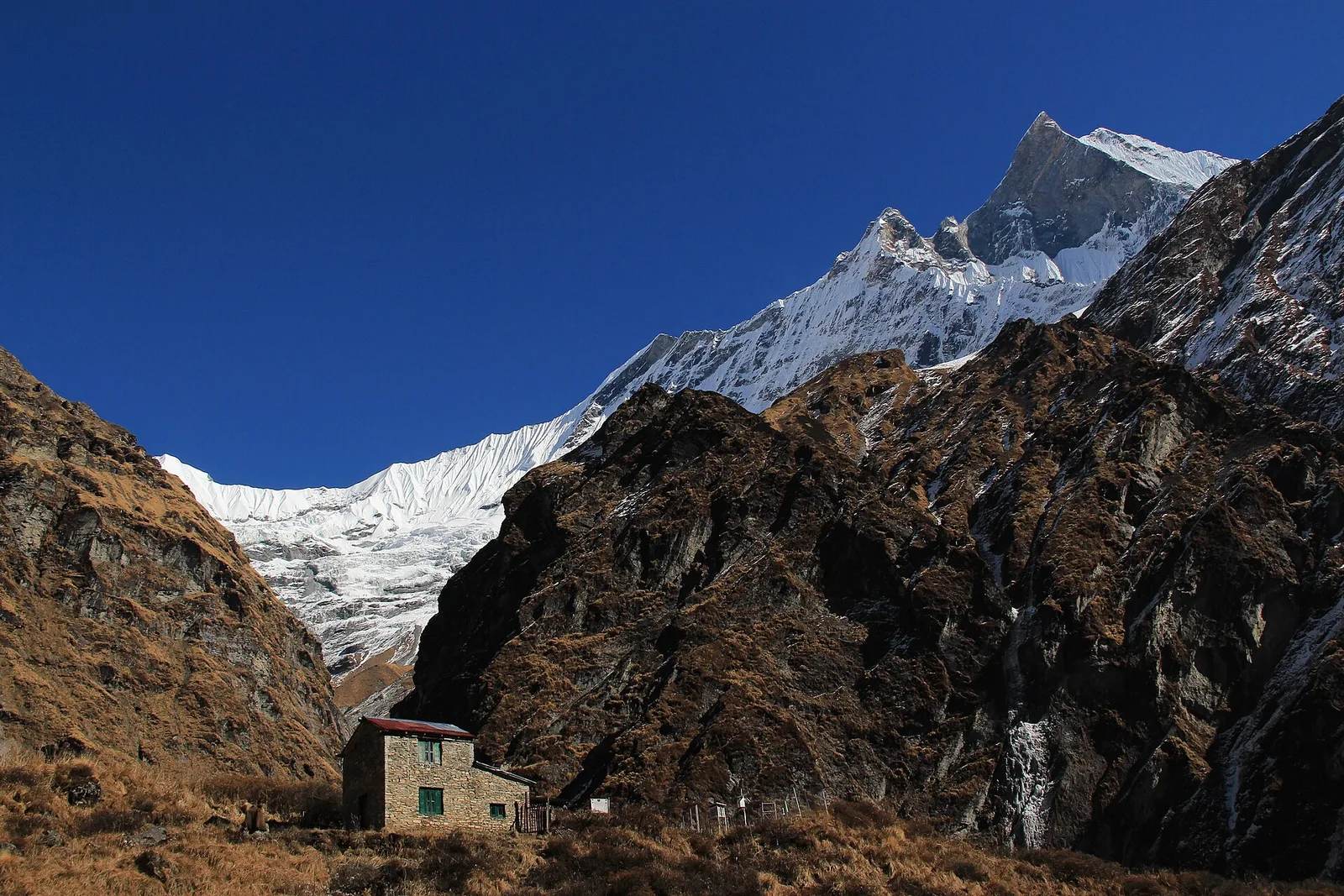
If your asthma is well-controlled on a daily inhaled corticosteroid and you carry a rescue inhaler, the physiology supports treks all the way to Everest Base Camp, teahouse trekkers with controlled asthma complete it every season. If your asthma is exercise-induced, poorly controlled, or you're not currently on a daily inhaler, choose a trek that stays below the altitude where cold and hypoxia compound each other and keeps you close to a lodge every night — Annapurna Base Camp at 4,130 m or the Ghorepani Poon Hill trek near 3,210 m give you the allergen-reduction benefit of altitude with far less of the cold-exertion trigger.
What this means for you
See your GP or respiratory specialist before you book, not before you fly, get your ICS dose reviewed for a multi-week trip, and pack your rescue inhaler in your daypack, not your duffel. Told plainly: an untreated exercise-induced asthmatic has no business above 4,500 m on a cold morning, but a well-controlled dust-mite asthmatic may feel better on this trek than they do at home.
Can you trek to Everest Base Camp with asthma?
Yes, if your asthma is well-controlled on a daily inhaled corticosteroid and you carry a rescue inhaler, trekkers do it every season. Poorly controlled or exercise-induced asthma is a stronger case for a lower trek.
Does high altitude make asthma worse or better?
Both are real. Cold, dry air and hard breathing can trigger an attack, while sustained time above about 1,500 m reduces the dust-mite and pollen allergens that drive the most common form of asthma.
What actually prevents an altitude-triggered asthma attack?
A controlled study found pre-treatment with an inhaled corticosteroid prevented the lung-function drop that untreated asthmatics experienced under cold, hypoxic conditions, so start or maintain your ICS before you fly, not after symptoms appear.
Cover photo: Shubham Dhage via Pexels (Pexels License). Section photos: Anna Shvets via Pexels (Pexels licence); 8Percent Media via Pexels (Pexels licence); Sergio Zhukov via Pexels (Pexels licence); Aa Dil via Pexels (Pexels licence); Redmaz Pham via Unsplash (Unsplash licence).
Still running this season
Everest Base Camp Trek — 12 Days is running normally
NMA-certified local guides, transparent pricing, 5,000+ treks since 1998. Message us your dates and we'll sort the permits, lodges and logistics — reply within 24 hours, no obligation.
Popular Nepal treks
All treks →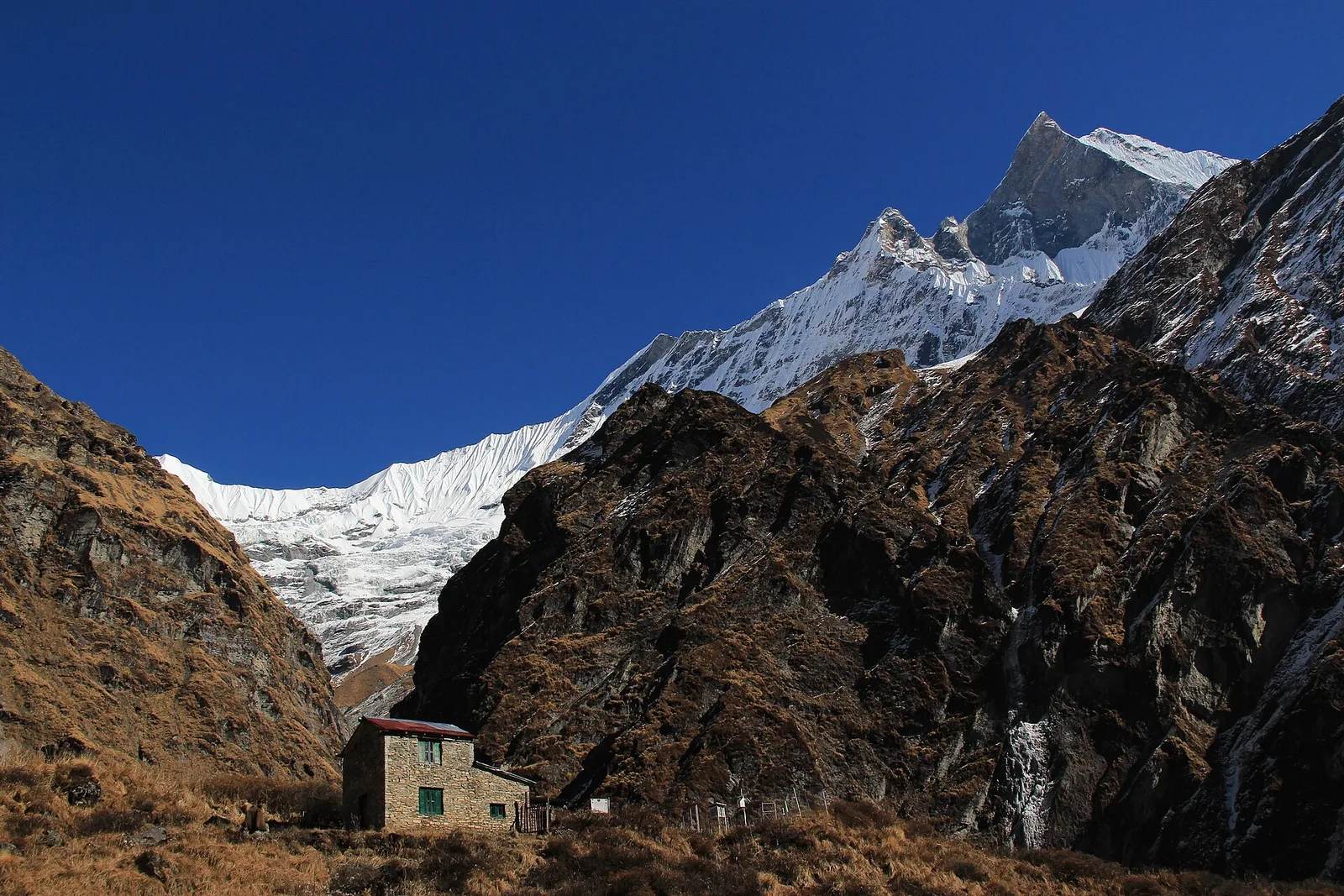
Related coverage
Safety & Advisories
If You Have Type 1 Diabetes, Here’s What Altitude in Nepal Actually Does to Your Blood Sugar
Real studies from Everest and Nepal’s Dhaulagiri circuit show blood sugar swings both ways at altitude, and which trek actually suits type 1 diabetes.
Safety & Advisories
Can you trek in Nepal with kids? The ages, treks and altitude rules that actually matter
Yes, on the right route: a fit child of 5-7 can manage a low trek like Poon Hill, most operators want 12-14 for Everest Base Camp, and the altitude rule for children is the same as for adults.
Industry & Tourism
Do you actually need a porter on a Nepal trek, or is a daypack enough?
No porter is required, but a 15 kg Lukla baggage limit and a TAAN wage floor of NPR 2,400 a day settle most of the decision. Here is when to hire one.
Safety & Advisories
How many countries the US actually tells you not to visit, and where Nepal sits
Of 214 destinations the State Department rates, 23 are do-not-travel. Nepal carries the same level as France, Italy and Spain.
Latest from the desk
Records & People
Tom Hiddleston Walked to Everest Base Camp for a Film That Finally Puts Tenzing Norgay First
Apple’s new film Tenzing sent Tom Hiddleston and co-star Genden Phuntsok trekking to Everest Base Camp before filming, here’s the real 1953 story.
Visas & Entry
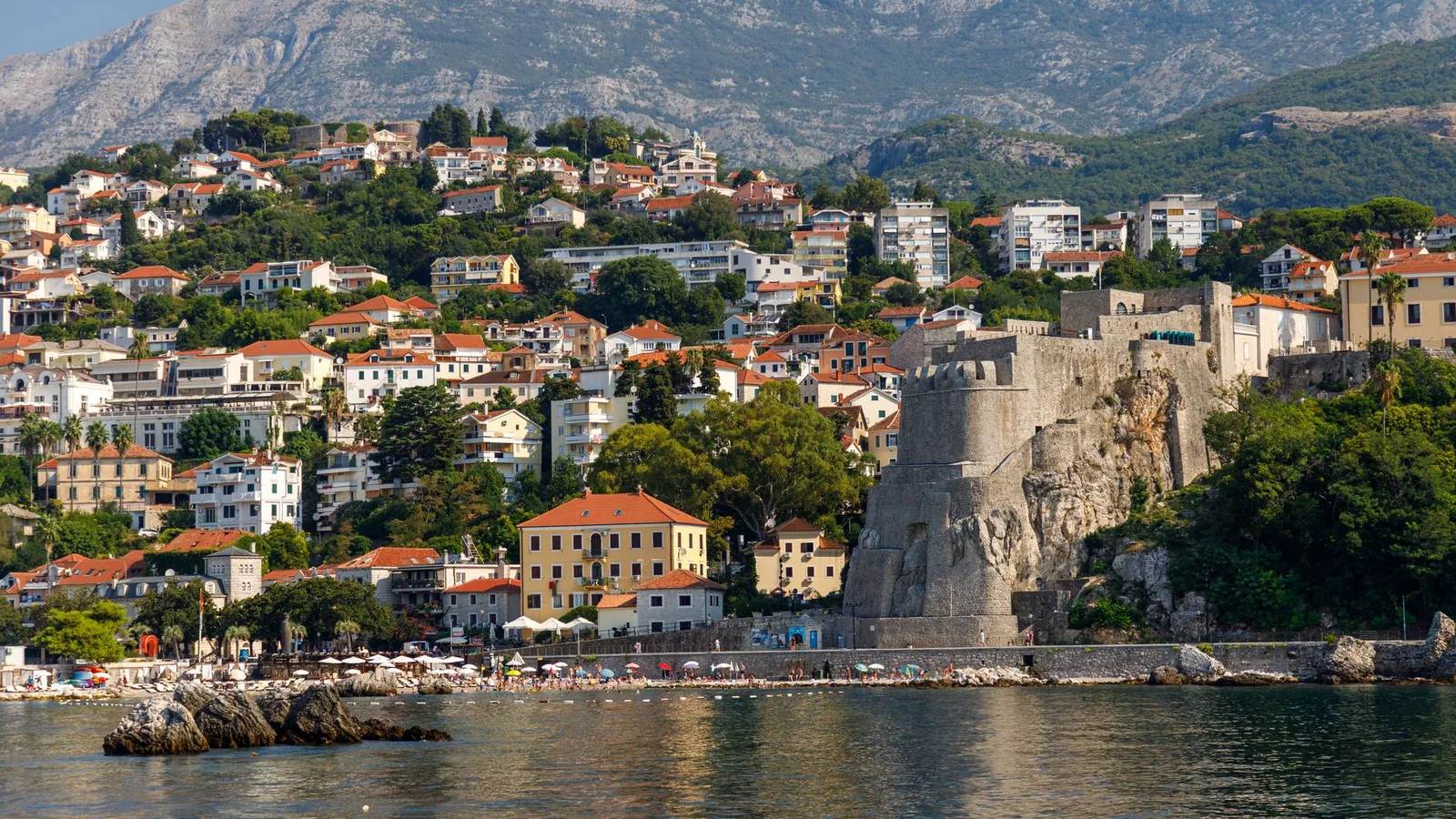
Montenegro Is Ending Visa-Free Entry for Russia and Belarus This November, and Turkey Just Got Swept In Too
From 1 November 2026, Russia, Belarus and Turkey lose visa-free access to Montenegro under EU alignment rules, most Western travellers won’t notice.
Breaking Flights & Access
LAX Got Grounded by Thunderstorms Again, and Here's the One Thing No Government Makes an Airline Pay You For
LAX got grounded by thunderstorms again. Here's what US, UK, EU, Canadian and Australian rules actually require when weather delays your flight.