
If You Have Type 1 Diabetes, Here’s What Altitude in Nepal Actually Does to Your Blood Sugar
Real studies from Everest and Nepal’s Dhaulagiri circuit show blood sugar swings both ways at altitude, and which trek actually suits type 1 diabetes.
At a glance
- Published
- TopicSafety & Advisories
- Verified againstPubMed Central – Managing diabetes at high altitude (case study)
- Treks coveredAnnapurna Base Camp Trek — 9 Days, Ghorepani Poon Hill Trek — 4 Days, Langtang Valley Trek — 7 Days
Type 1 diabetes is not a reason to rule out a Nepal trek, but altitude changes how your blood sugar behaves in ways that surprise even well-controlled trekkers. Real studies from Everest Base Camp and Nepal's Dhaulagiri circuit show glucose readings swinging in both directions once you pass about 3,600 metres, and the meter or pump you trust at home can start giving you the wrong number exactly when you need the right one.
Key facts
- A 42-year-old man with type 1 diabetes trekked to Everest Base Camp (5,364 m) in 2016 using a real-time Dexcom G4 continuous glucose monitor to manage his insulin on the trail
- A study of 25 trekkers on Nepal's 14-day Dhaulagiri circuit (peak altitude 5,300 m) found significantly higher overnight glucose readings at 3,600 m, 4,650 m and 5,120 m than at baseline
- Most handheld blood glucose meters overestimate true blood sugar at altitude, and some glucose-dehydrogenase models fail accuracy standards outright
- CGM sensors and insulin pumps are known to misbehave below about 4°C (40°F) — an ordinary teahouse morning above 4,000 m
What altitude actually does to your blood sugar
Altitude does not push glucose in one direction, it pushes it in two, at the same time, for different reasons. Hypoxia (lower oxygen) triggers a stress-hormone response — cortisol and adrenaline rise — which tends to raise blood sugar, and researchers tracking trekkers on Nepal's Dhaulagiri circuit found exactly that: significantly higher glucose readings at night at 3,600 m, 4,650 m and 5,120 m compared with their readings lower down. At the same time, six hours a day of walking at altitude burns glucose the way any hard trek does, which normally lowers it. The net effect for a given trekker is genuinely unpredictable, and it's why sea-level correction-dose habits stop being reliable above about 3,500 m.
Why your meter, pump and CGM may lie to you up there
The device you check your numbers on is not immune to the mountain. A study testing handheld glucose meters at high altitude found that most overestimate true blood glucose once you're above roughly 3,000 to 4,000 m, and two glucose-dehydrogenase-based meters missed accuracy standards altogether, meaning a reading that looks fine on the screen may not be. Continuous glucose monitors have read interstitial fluid well at altitude in trekking studies, which is why the 2016 Everest Base Camp case used one, but CGM sensors and insulin pumps are separately known to stop performing reliably below about 4°C (40°F) — the temperature of an average pre-dawn teahouse room above 4,000 m, before you've even left for the day.
| Factor | What happens |
|---|---|
| Stress hormones (cortisol, adrenaline) | Rise with hypoxia, pushing glucose up |
| Daily exertion | 6+ hours walking burns glucose, pushing it down |
| Handheld glucose meters | Tend to overestimate true blood sugar |
| CGM / insulin pump in cold | Can misread or malfunction below ~4°C (40°F) |
Which Nepal trek actually makes sense with type 1 diabetes
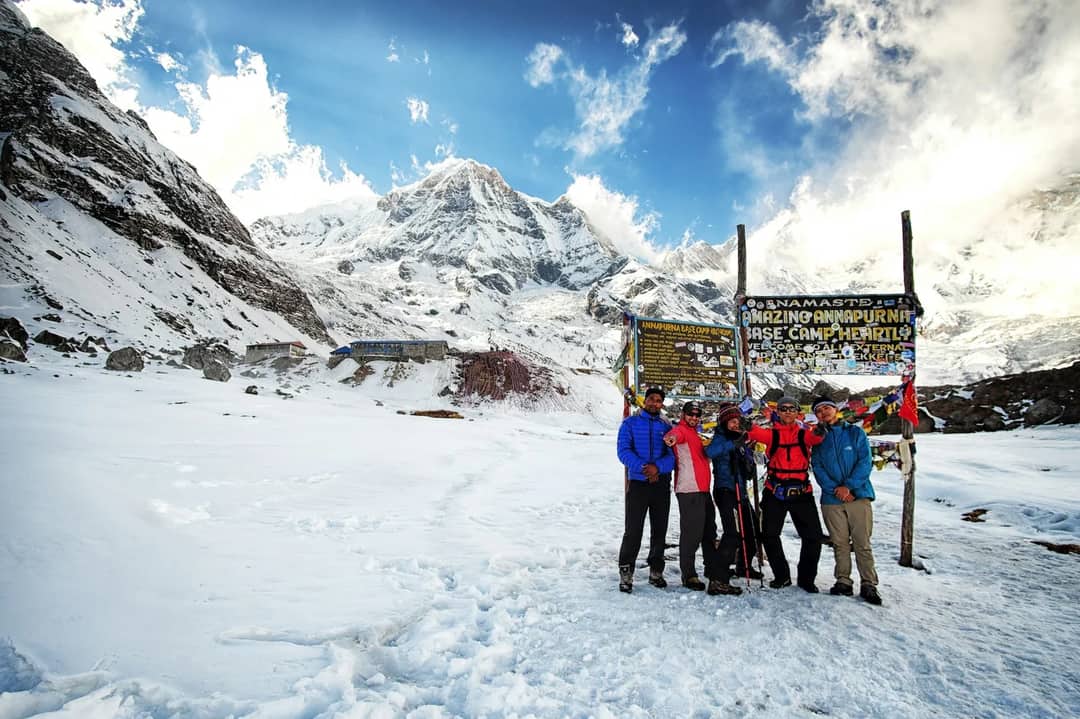
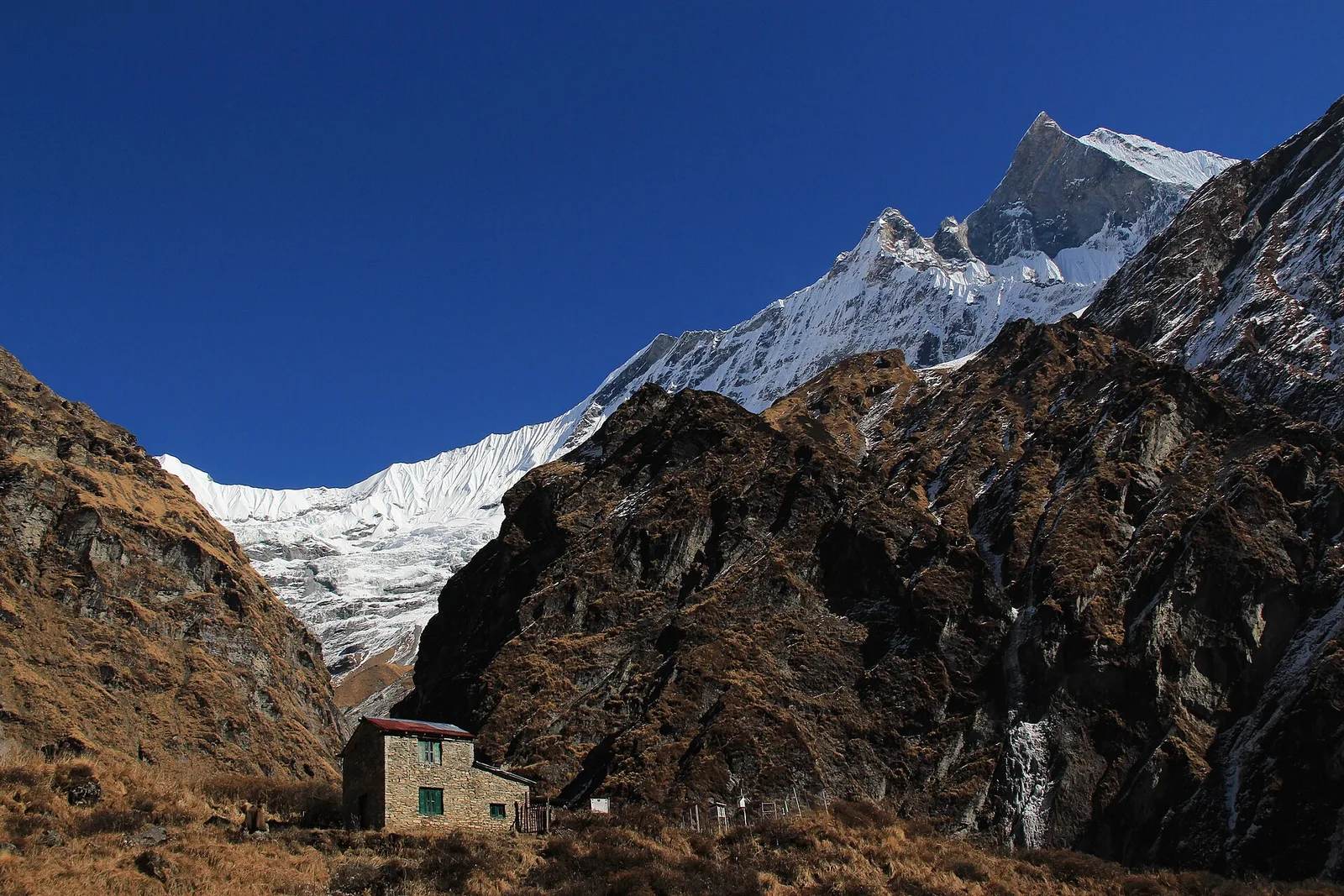
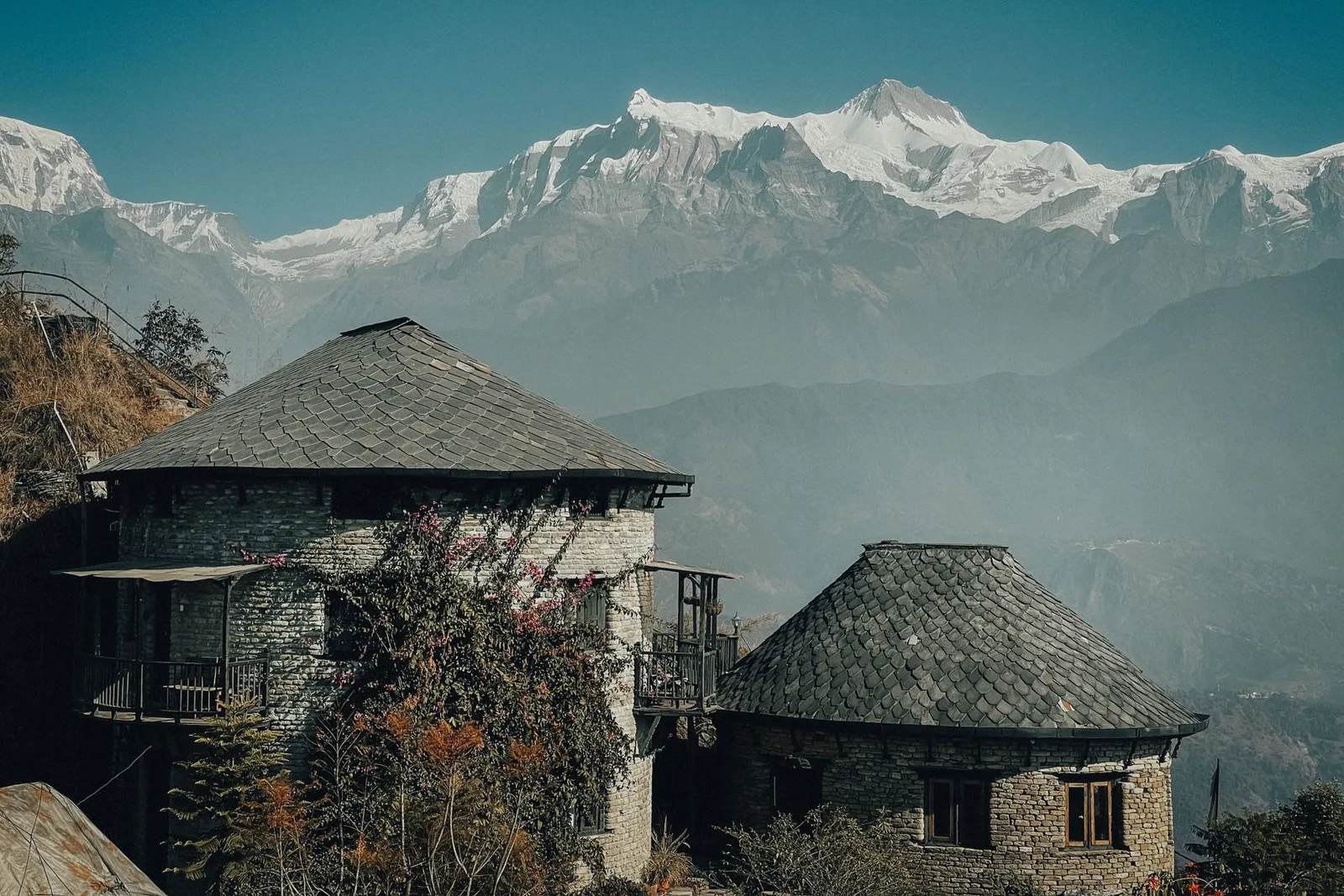
The honest answer depends on how controlled your diabetes is and how far you are from help, not on whether you can physically walk the distance. A teahouse trek that never leaves easy reach of a village and a jeep road — Annapurna Base Camp at 4,130 m, or the shorter Ghorepani Poon Hill trek topping out near 3,210 m — gives you daily access to a lodge, a phone signal often enough to reach your endocrinologist, and a same-day walk-out if your glucose control goes wrong. Everest Base Camp at 5,364 m is a different proposition: multiple nights above 4,500 m, colder mornings that threaten your CGM's accuracy, and a rescue that means a helicopter, not a jeep. It isn't off-limits — the 2016 case study proves it's possible with real-time monitoring and a trekking partner briefed on hypoglycaemia — but it's a trip to plan with your endocrinologist months out, not weeks.
What this means for you
Test more often than you would at home, know your meter's manufacturer altitude limit before you fly, and warm your CGM and pump against your body overnight rather than leaving them in an outer pocket. If your endocrinologist hasn't managed a patient at altitude before, bring the Dhaulagiri and Everest Base Camp studies to the appointment — that's the actual data they need, not a guess.
Can a type 1 diabetic trek to Everest Base Camp?
Yes, it has been done and documented with real-time continuous glucose monitoring, but it needs a pre-trip plan with your endocrinologist, backup supplies, and a trekking partner who knows the signs of hypoglycaemia.
Do glucose meters actually work at high altitude?
Most continue to function but tend to overestimate true blood sugar the higher you go, and a small number of models fail accuracy testing altogether, so check your specific meter's altitude rating before you fly to Kathmandu.
Why does blood sugar rise at altitude even without eating more?
Lower oxygen levels trigger a stress-hormone response, cortisol and adrenaline both rise, and that alone can push glucose up, independent of diet or exercise.
Cover photo: Ben Lowe via Unsplash (Unsplash License). Section photos: photowithom via Pexels (Pexels licence); Roshan Pokharel via Pexels (Pexels licence); Jędrzej Koralewski via Pexels (Pexels licence); Redmaz Pham via Unsplash (Unsplash licence).
Still running this season
Annapurna Base Camp Trek — 9 Days is running normally
NMA-certified local guides, transparent pricing, 5,000+ treks since 1998. Message us your dates and we'll sort the permits, lodges and logistics — reply within 24 hours, no obligation.
Popular Nepal treks
All treks →
Related coverage
Safety & Advisories
Can you trek in Nepal with kids? The ages, treks and altitude rules that actually matter
Yes, on the right route: a fit child of 5-7 can manage a low trek like Poon Hill, most operators want 12-14 for Everest Base Camp, and the altitude rule for children is the same as for adults.
Safety & Advisories
If You Have Asthma, Here’s What High Altitude in Nepal Actually Does to Your Lungs
Cold dry air can trigger asthma at altitude, but studies show reduced allergens help many trekkers breathe easier — here’s which Nepal trek fits.
Safety & Advisories
If You're on Blood Pressure Medication, Here's What Everest Base Camp Altitude Actually Does to You
Altitude raises blood pressure and some heart drugs slow acclimatisation, but most controlled hypertension does not rule out an Everest Base Camp trek.
Trail & Weather
Which Nepal Trek Should a Beginner Actually Do in 2026? Poon Hill vs Mardi Himal vs Langtang, Compared
If you've never trekked above 3,000 metres before, the honest starting point is Poon Hill or Panchase, not Everest Base Camp — here's the real difference in altitude, days and cost.
Latest from the desk
Records & People
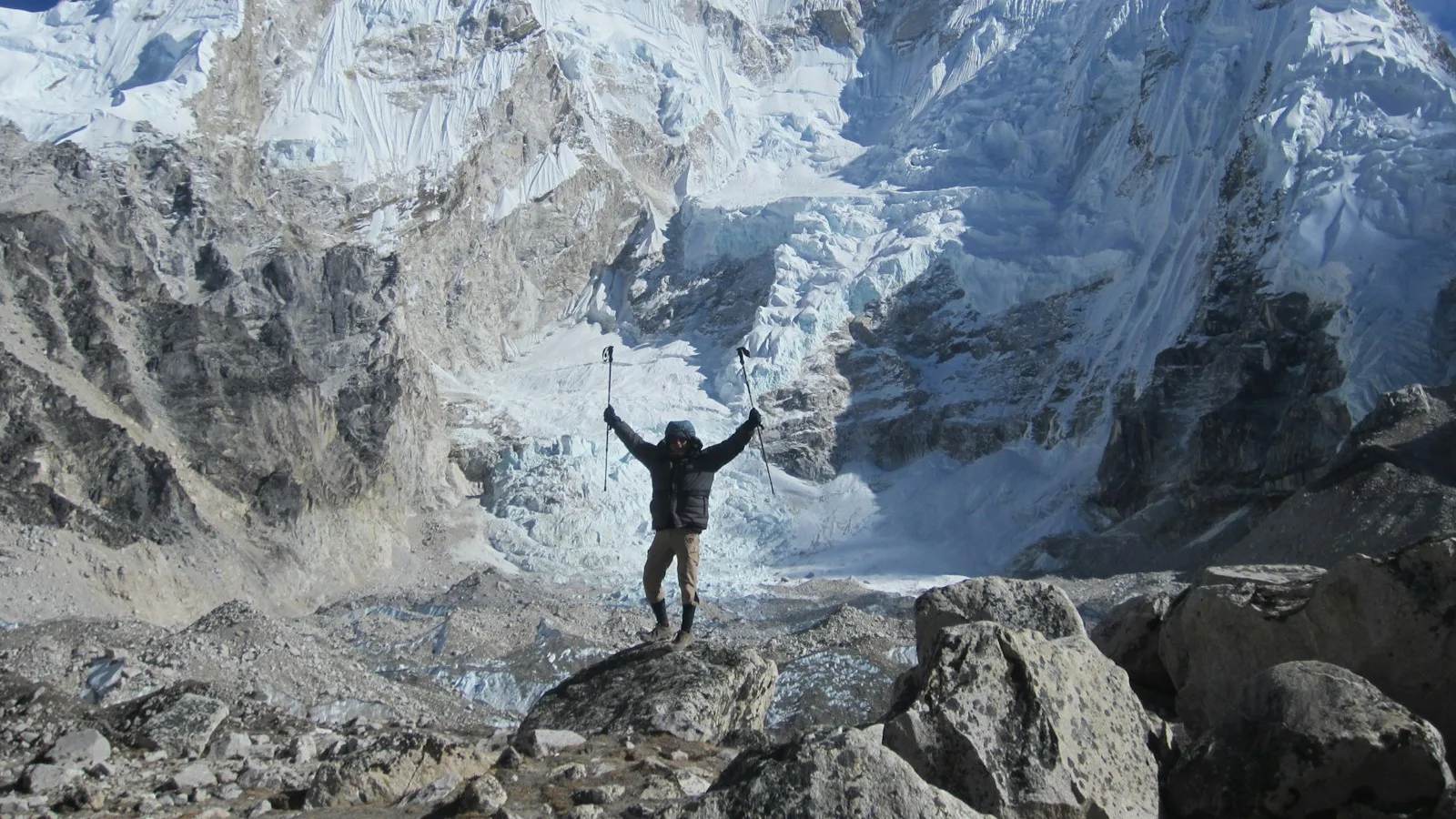
Tom Hiddleston Walked to Everest Base Camp for a Film That Finally Puts Tenzing Norgay First
Apple’s new film Tenzing sent Tom Hiddleston and co-star Genden Phuntsok trekking to Everest Base Camp before filming, here’s the real 1953 story.
Visas & Entry
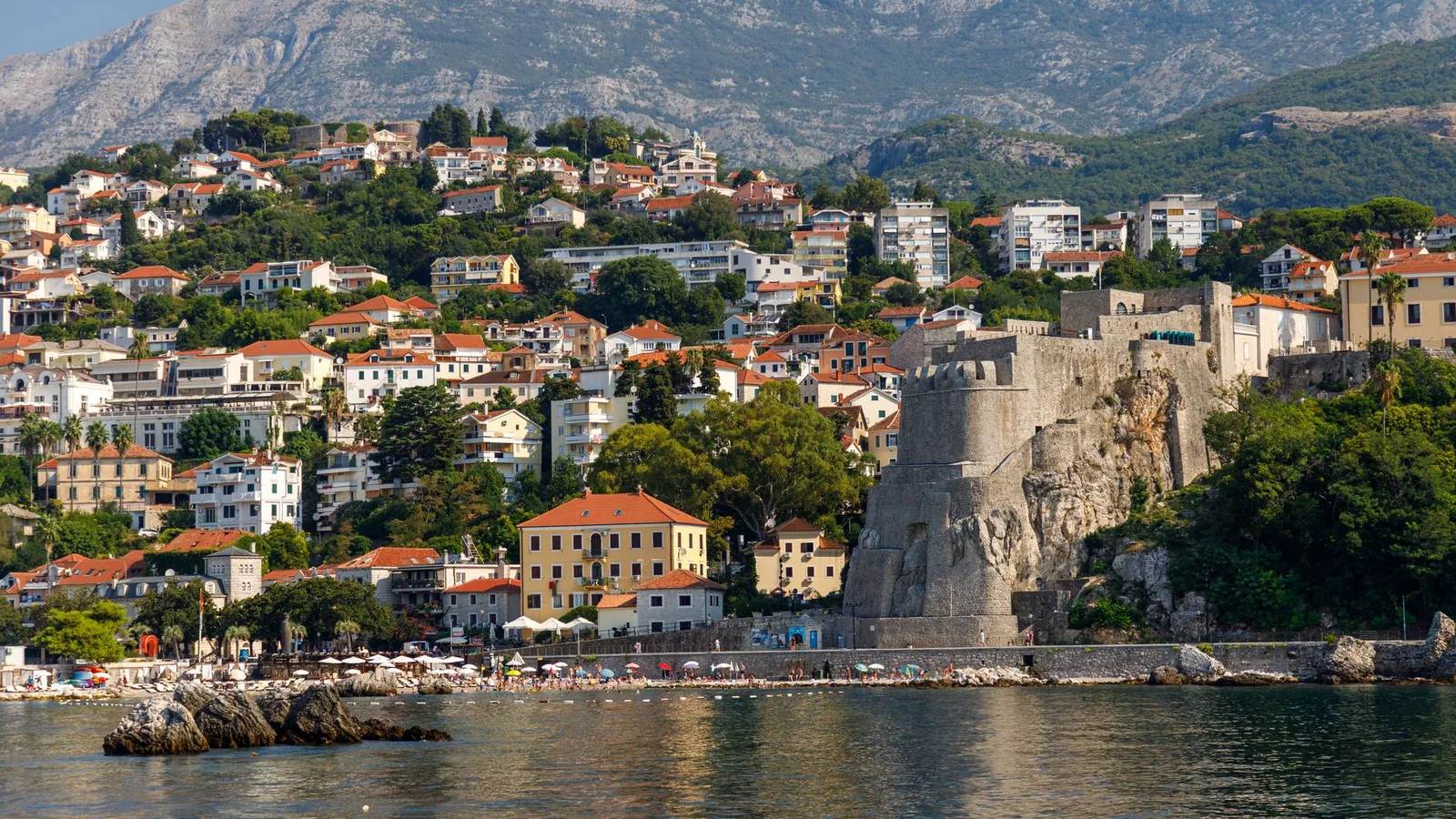
Montenegro Is Ending Visa-Free Entry for Russia and Belarus This November, and Turkey Just Got Swept In Too
From 1 November 2026, Russia, Belarus and Turkey lose visa-free access to Montenegro under EU alignment rules, most Western travellers won’t notice.
Breaking Flights & Access
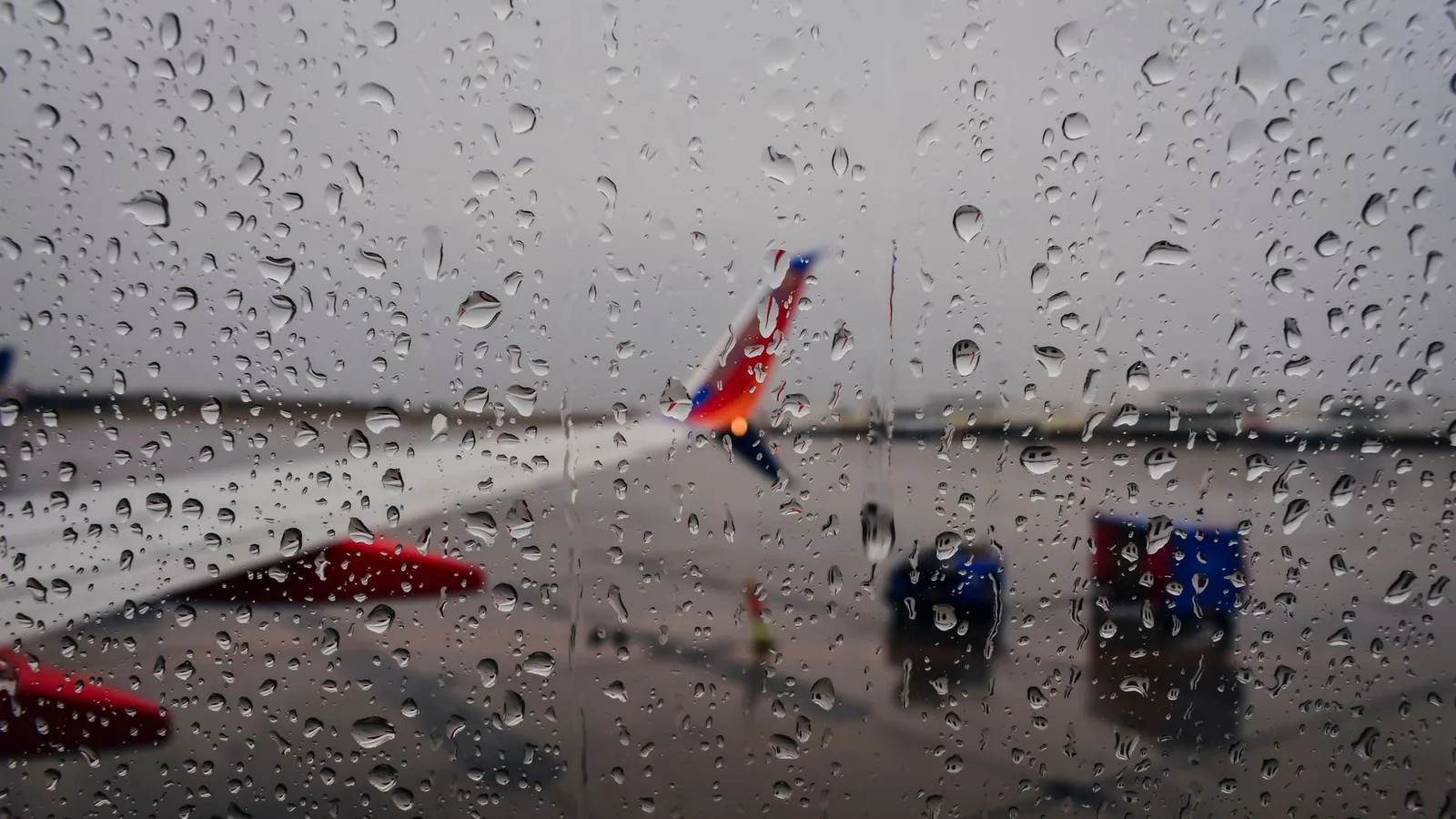
LAX Got Grounded by Thunderstorms Again, and Here's the One Thing No Government Makes an Airline Pay You For
LAX got grounded by thunderstorms again. Here's what US, UK, EU, Canadian and Australian rules actually require when weather delays your flight.