
Breaking · Flights & Access
Bangkok just declared a flood disaster in all 50 districts, here’s what it means if you’re flying through to Nepal
Bangkok declared all 50 districts disaster zones after 300mm of rain in 48 hours, and five airlines, Thai Airways included, are waiving change fees this week.
At a glance
- Published
- TopicFlights & Access
- Verified againstThe Nation Thailand / Civil Aviation Authority of Thailand (CAAT)
- Treks coveredAnnapurna Base Camp Trek — 9 Days, Everest Base Camp Trek — 12 Days
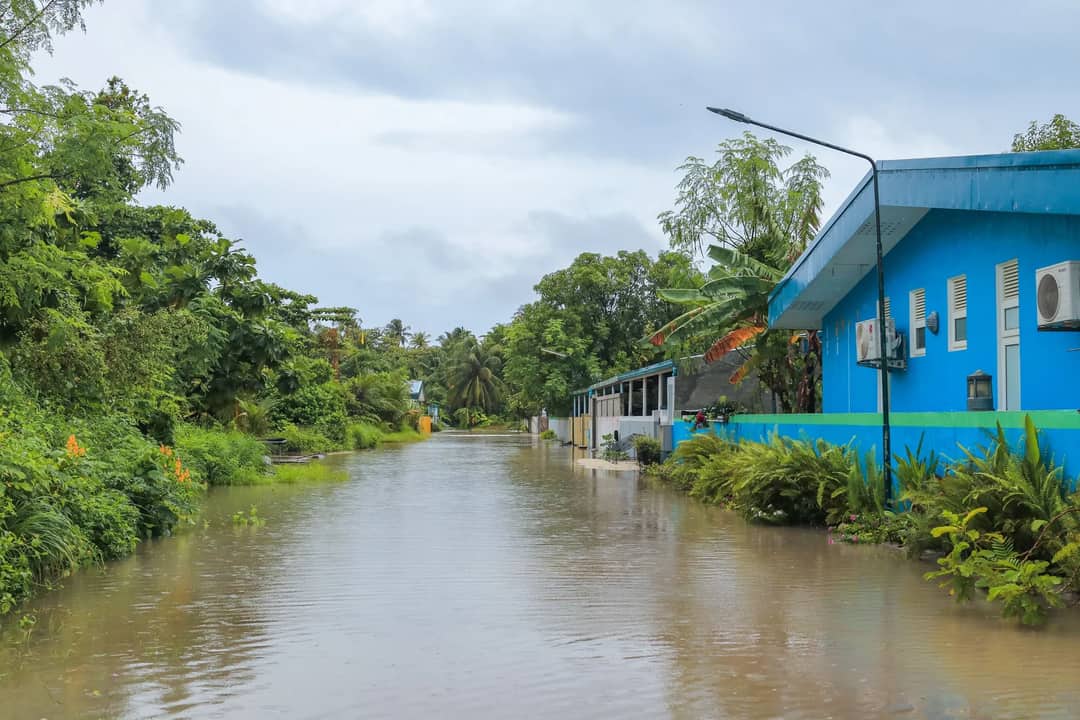
Bangkok Metropolitan Administration declared all 50 of the city’s districts disaster zones on 26 September 2026, after nearly 300mm of rain fell in 48 hours and pushed floodwater into streets, canals and at least 13 roads. Both of the city’s airports, Suvarnabhumi and Don Mueang, remain open and flights are operating — Thailand’s Civil Aviation Authority (CAAT) says the risk is delays as road access floods, not closures, and five airlines have started waiving change fees for anyone whose travel falls in the affected window, including Thai Airways, the carrier that flies the Bangkok–Kathmandu route.
Key facts
- All 50 Bangkok districts declared disaster zones after roughly 300mm of rain in 48 hours
- Suvarnabhumi and Don Mueang airports remain open; CAAT reports delays, not closures, as of 26 September
- Thai AirAsia, Nok Air, Thai Lion Air, Thai Vietjet and Thai Airways are waiving change fees for travel between 26–29 September 2026
- Thai Airways runs 14 direct Bangkok–Kathmandu flights a week, about 94% of that route’s capacity, with Nepal Airlines adding three more
What is actually happening in Bangkok right now
Bangkok has taken almost 300mm of rain in 48 hours, enough for the city to declare every one of its 50 districts a disaster zone on 26 September — a step that unlocks emergency powers and resources for district offices rather than a measure of how bad conditions are everywhere. The rain has been falling since Thursday afternoon and is forecast to continue into Sunday across much of the country. Around 980 people are staying in temporary shelters and 36 bed-ridden residents have been moved to hospital as a precaution, and Prime Minister Anutin Charnvirakul cut short a trip to London to oversee the response. One long-time vendor told AFP the flooding already feels worse to her than Bangkok’s severe 2011 flood.
Are the airports actually still open
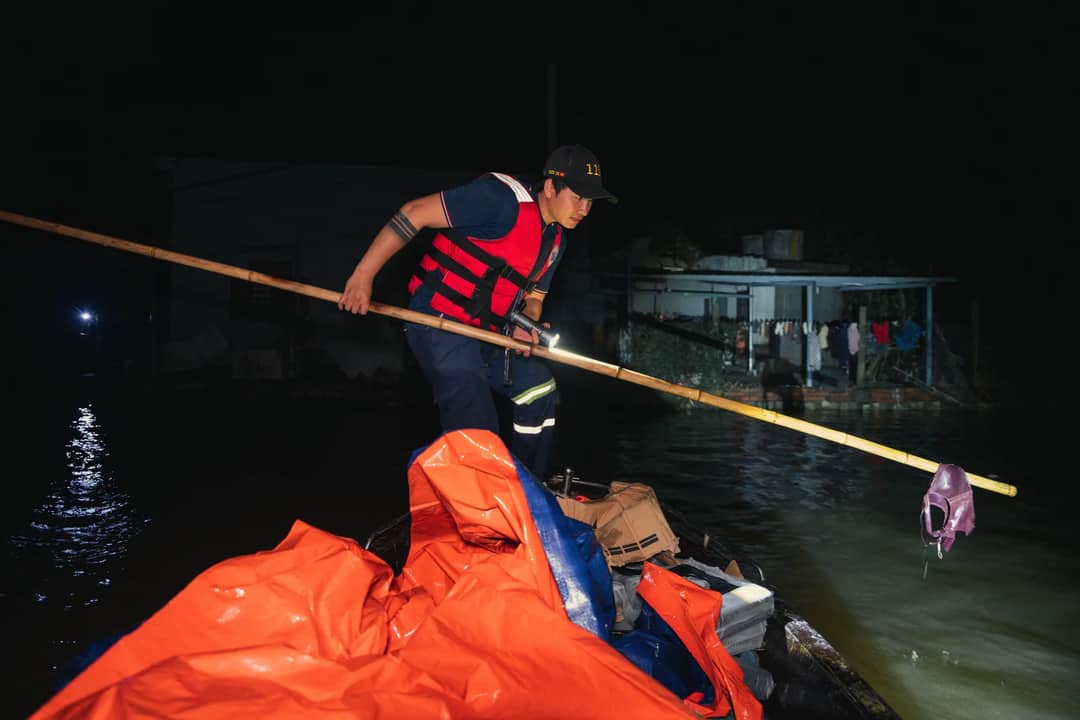
Yes — Suvarnabhumi and Don Mueang are both operating, with delays rather than closures. CAAT confirmed flight operations at both continued as of 26 September, with some flights accumulating delays but no significant build-up of stranded passengers reported at either terminal. The real risk is road access, not the runways: heavy rain has slowed the drive to both airports, so CAAT is telling passengers to leave far earlier than usual and to check their airline’s app before setting out rather than trusting an estimated travel time.

Which airlines are waiving change fees, and until when
Four Thai carriers plus Thai Airways itself are letting affected passengers rebook free of charge, each with a slightly different window and mechanism.

| Airline | What’s waived | Window |
|---|---|---|
| Thai Airways (THAI) | One free date change in the same fare class, fees waived | Through 29 Sep |
| Thai AirAsia | One free change on the same route within 7 days, or full value kept as a 2-year AirAsia Credit Account | 26–28 Sep |
| Nok Air | One free change within 30 days, or 100% of ticket value as a 30-day voucher | 26–28 Sep |
| Thai Lion Air | Free rebooking or a 30-day ticket credit | 26–28 Sep |
| Thai Vietjet | One free change within 7 days, or a 180-day Credit Shell | 26–28 Sep |
None of these require your flight itself to have been cancelled — they are being offered because the flooding is disrupting the journey to and from the airport, so ask for the waiver even if your flight status still shows on time.
What this means if you are flying to Nepal through Bangkok
The Bangkok–Kathmandu route itself is unaffected so far — the problem is reaching Suvarnabhumi through flooded streets, not the flight once you are on it. Thai Airways alone runs 14 direct flights a week on the route and carries roughly 94% of its traffic, with Nepal Airlines adding three more, and THAI is one of the five carriers now offering a free date change. If you have a same-day connection through Bangkok this week, build in a real buffer: leave for the airport earlier than a map app suggests, and if your itinerary is tight, ask about the fee waiver before you assume you have to eat a change fee to shift by a day.
What this means for you
Don’t cancel a Nepal trek over a Bangkok stopover this week — the airports are open and the Kathmandu route is running. Do rebuild your transit day around the flooding: an earlier airport departure, a checked airline app rather than a checked watch, and the fee waiver in hand if you need to shift by a day.
Common questions about flying through Bangkok this week
Is it safe to be in Bangkok right now?
The flooding is serious for residents of low-lying districts, but the disaster declaration is an administrative step that unlocks emergency resources — it does not mean the whole city is impassable. Tourist areas and the airport corridor are functioning with delays, not closures, as of 26 September.
Will this affect my Nepal trek start date?
Only if your itinerary has a same-day Bangkok connection with little buffer. The Bangkok–Kathmandu flights themselves are operating; the risk is missing your own connection because the road to the airport took longer than planned.
Should I get travel insurance for a transit delay like this?
A policy with trip-delay cover can reimburse a missed connection or an extra hotel night that an airline’s own fee waiver does not stretch to — worth checking before you fly, not after you are already stuck.
If Bangkok is your usual stopover on the way to the mountains, our Everest Base Camp and Annapurna Base Camp itineraries both build in a buffer night in Kathmandu for exactly this kind of transit disruption.
Cover photo: NASA/METI/AIST/Japan Space Systems, and U.S./Japan ASTER Science Team via Wikimedia Commons (Public domain). Section photos: Hussain Naushad via Pexels (Pexels licence); Long Bà Mùi via Pexels (Pexels licence); Hoài Nam via Pexels (Pexels licence); Braeson Holland via Pexels (Pexels licence); Roman Saienko via Pexels (Pexels licence).
Still running this season
Annapurna Base Camp Trek — 9 Days is running normally
NMA-certified local guides, transparent pricing, 5,000+ treks since 1998. Message us your dates and we'll sort the permits, lodges and logistics — reply within 24 hours, no obligation.
Popular Nepal treks
All treks →

Related coverage
Safety & Advisories
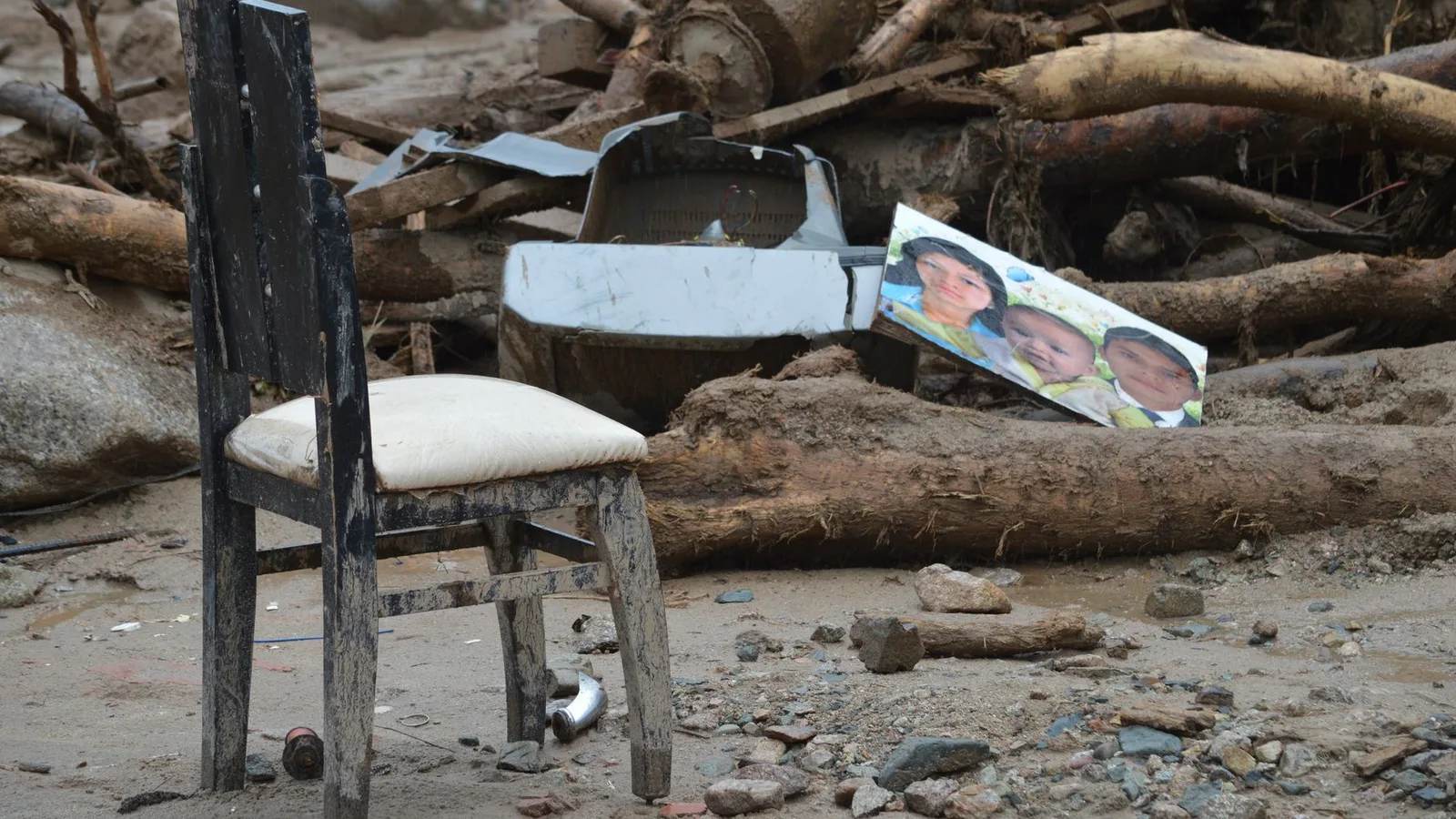
One Month After Nepal's Floods, Rescuers Are Still Searching for 5,644 People and the Rebuild Will Cost $4.77 Billion
A month after Nepal's flood, disaster officials say 5,644 people remain missing, 1,453 bodies have been recovered, and the rebuild will cost $4.77 billion.
Breaking Flights & Access
Four Airlines Are Waiving Fees for Hurricane Nolo, Here's Exactly What Each One Covers
Hurricane Nolo has grounded at least 21 Hilo flights, and four airlines have separate waiver rules — here’s what each requires.

Breaking Flights & Access
Iran's Airlines Just Got Shut Down Worldwide, Here's What That Actually Means for Your Flight Through the Gulf
The US triggered sweeping sanctions on Iran's airlines on 23 September 2026; Gulf hub airports and the routes through them are operating normally.
Breaking Flights & Access
Virgin Australia Cancelled 30 Flights Because Its Own Cabin Crew Said No to Extra Shifts, Here's What That Means If You're Flying This Week
Virgin Australia scrapped about 30 flights over one weekend after cabin crew refused rostered days-off requests, and says more disruption could follow while contract talks continue.
Latest from the desk
Breaking Flights & Access
Mount Etna’s ash cloud shut Catania airport again, here’s what your airline actually owes you
Catania halted arrivals after a 4km Etna ash plume, and EU261 treats volcanic ash as ‘extraordinary’, so no cash payout, but care and rerouting are owed.

Breaking Safety & Advisories
A Melbourne Man Is Missing After Trekking Alone in Peru, Here's Why We Never Let a Client Do That in Nepal
Jordan Yap, 30, hasn’t been heard from since he set off solo into Peru’s Huayhuash range on 14 September — Nepal’s guide rule exists for this.

Money & Insurance
International Airfares Just Jumped 21.5% in a Year, and Nepal Flights Aren't Immune
International airfares rose 21.5% in the year to August 2026, the steepest climb since 2023 — and it's part of what a Nepal flight costs now too.