
One Month After Nepal's Floods, Rescuers Are Still Searching for 5,644 People and the Rebuild Will Cost $4.77 Billion
A month after Nepal's flood, disaster officials say 5,644 people remain missing, 1,453 bodies have been recovered, and the rebuild will cost $4.77 billion.
At a glance
- Published
- TopicSafety & Advisories
- Verified againstThe Associated Press, via U.S. News & World Report
- Treks coveredAnnapurna Base Camp Trek — 9 Days, Everest Base Camp Trek — 12 Days
Key facts
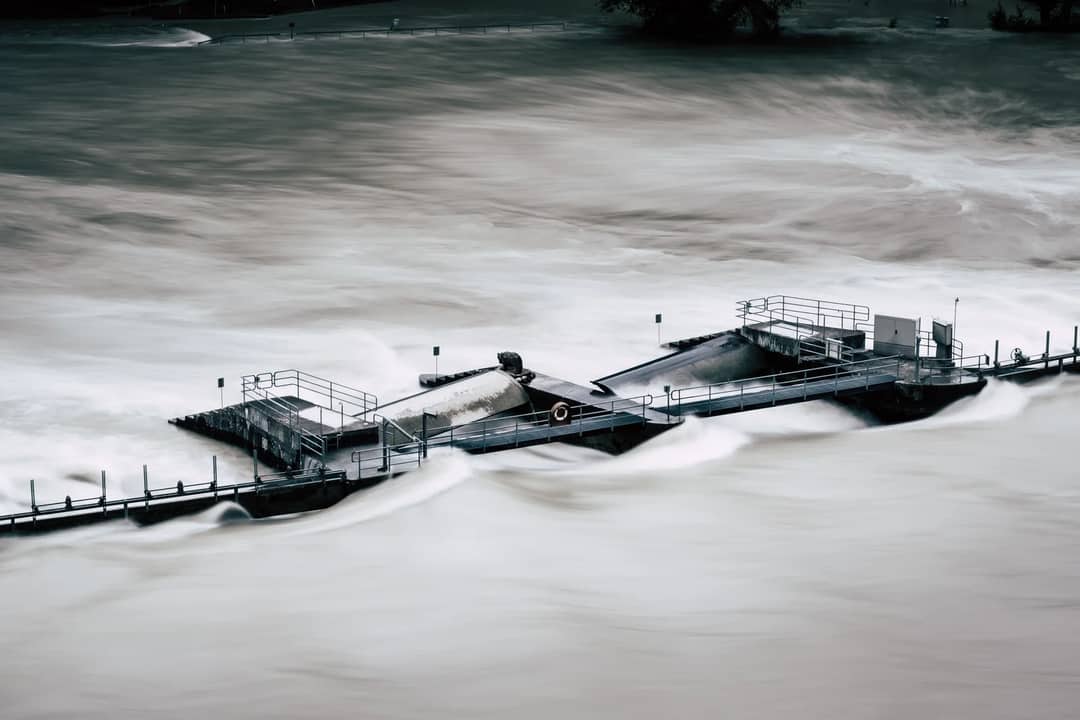
- 5,644 people remain missing a month after the 26 August flood, Nepal's disaster agency says
- 1,453 bodies have been recovered; only 112 have been identified and returned to relatives
- Nepal's own damage assessment puts the reconstruction bill at US$4.77 billion
- Everest, Annapurna and Mustang trekking routes are open and running; Langtang and the Rasuwa border crossing remain paused
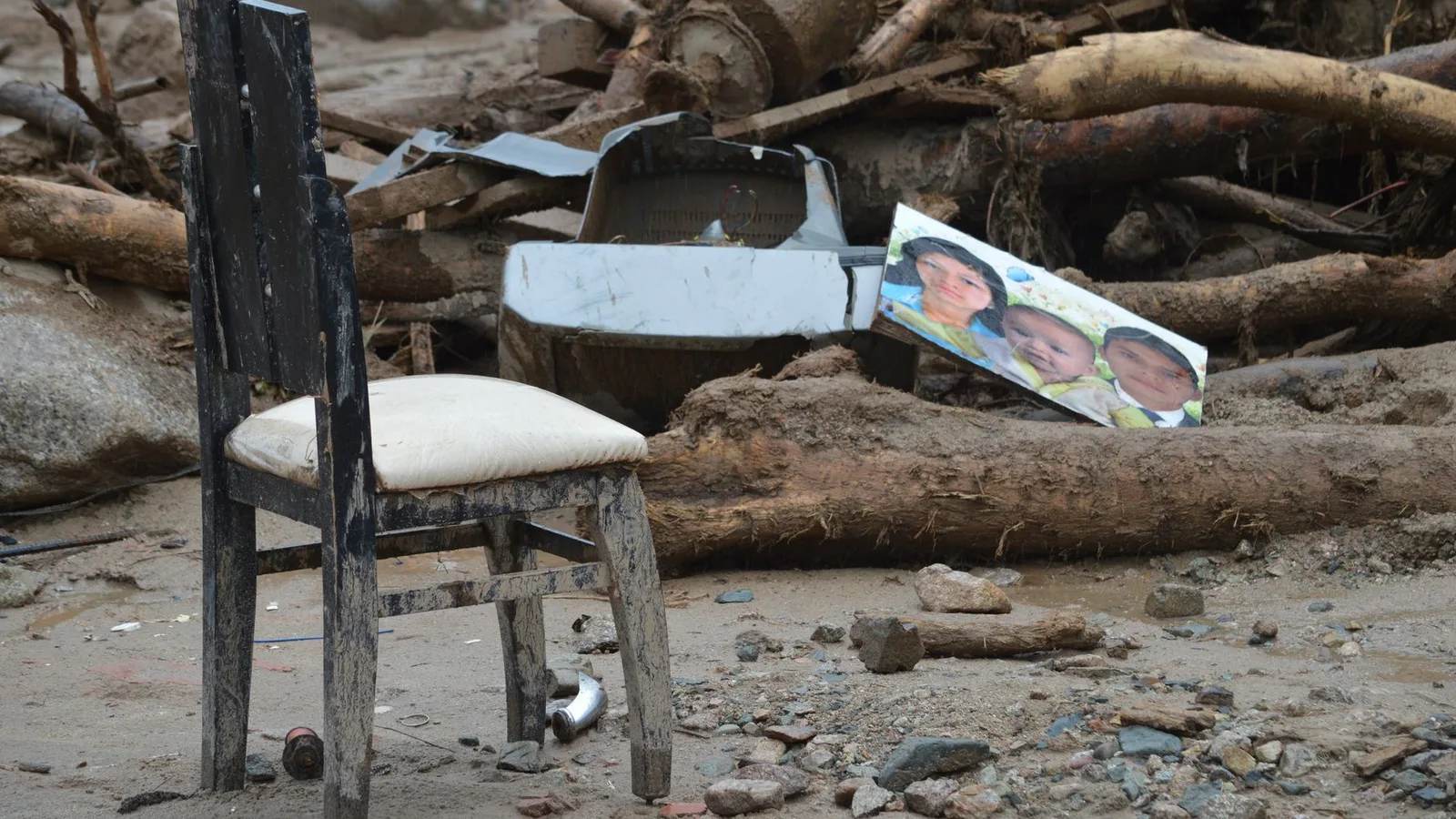
One month after a wall of water and glacial debris tore down the Bhotekoshi River on 26 August, Nepal's disaster authority says 5,644 people are still missing and 1,453 bodies have been recovered, most of them not yet identified. The government's own damage assessment puts the cost of rebuilding at US$4.77 billion. If you're weighing whether to go ahead with a Nepal trek this autumn or winter, here is exactly what has, and hasn't, changed since that morning.
How many people are still missing in Nepal a month after the flood?
Nepal's National Disaster Risk Reduction and Management Authority says 1,453 bodies have been recovered since the 26 August flash floods along the Bhotekoshi and Trishuli rivers, and 5,644 people remain missing. Only 112 of the recovered dead have been formally identified and handed back to relatives; the other 1,333 are being kept in temporary burial while relatives give DNA samples at tents set up outside the Nepal Police Hospital in Kathmandu, for comparison against the recovered remains. Nearly 33,000 people in total were directly affected by the disaster.
What will it actually cost Nepal to rebuild?
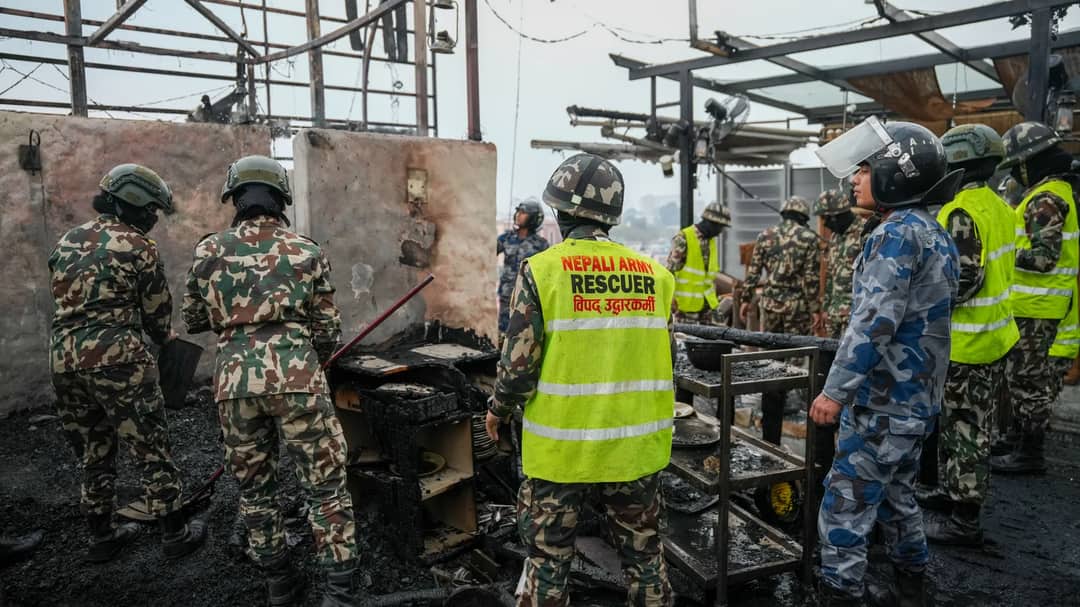
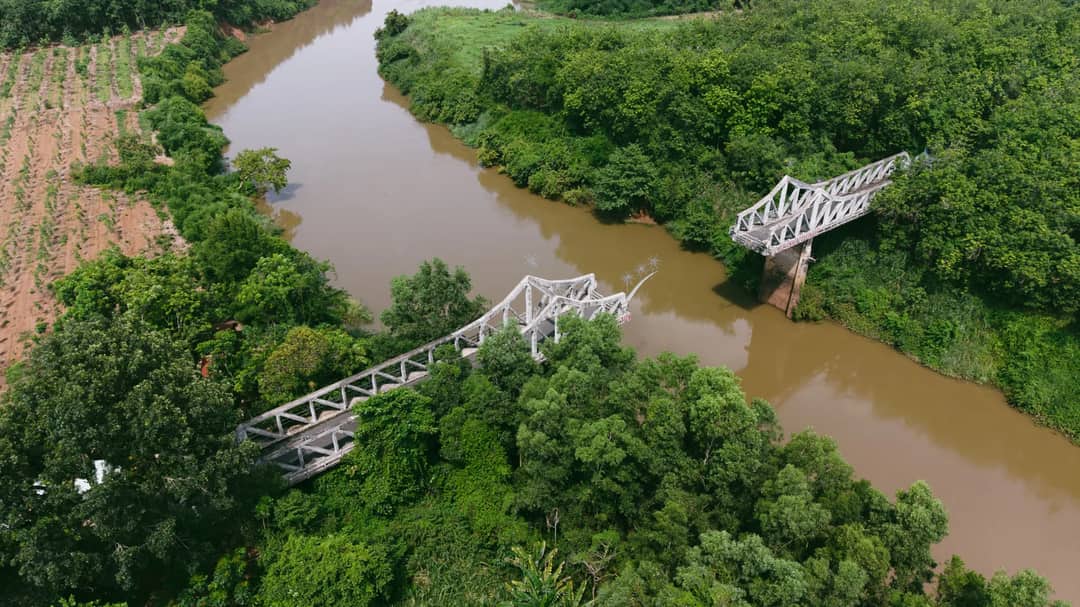
Nepal's National Planning Commission and disaster authority put the total recovery and reconstruction need at US$4.77 billion in a joint damage and needs assessment, and infrastructure accounts for roughly three-quarters of that bill. About 7,570 private homes and 48 public buildings were damaged or destroyed. The flood also tore out 69 kilometres of road, damaged 33 motorable bridges and 53 of the 64 suspension bridges in the affected districts, and knocked out 13 hydropower projects with a combined 759 megawatts of capacity, plus five solar plants.
| Infrastructure | Damaged |
|---|---|
| Roads | 69 km |
| Motorable bridges | 33 |
| Suspension bridges | 53 of 64 |
| Hydropower projects | 13 (759 MW) |
| Solar plants | 5 (24 MW) |
| Private homes | 7,570 |
Which trekking regions are still affected, and which are running normally?
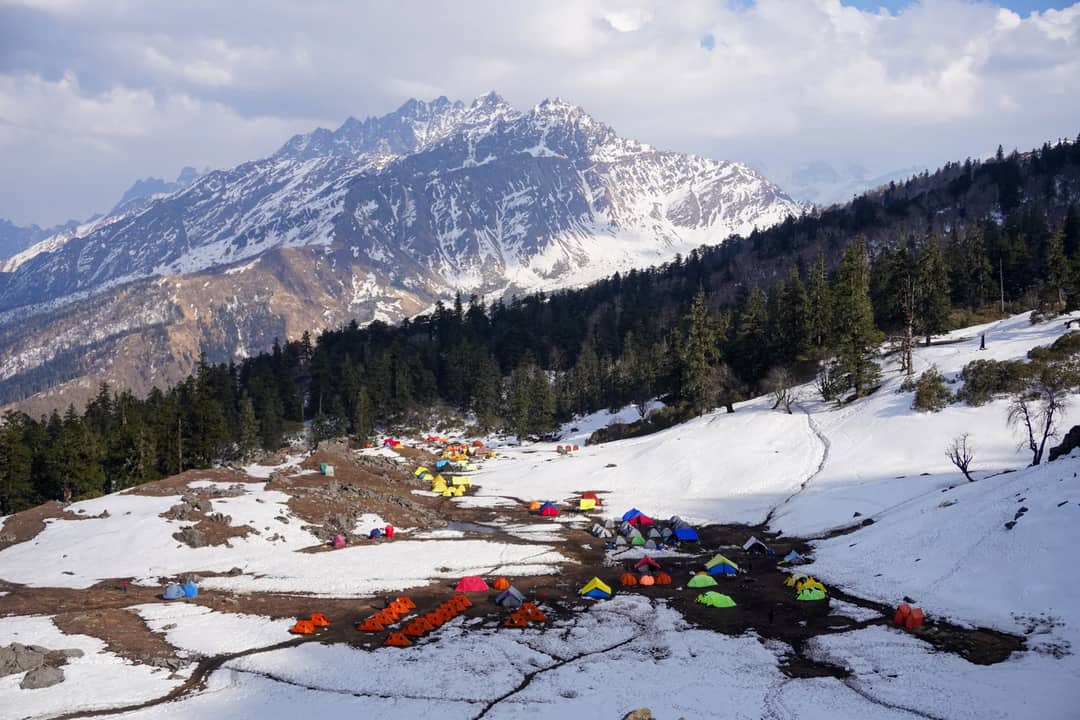
Only one corridor is affected: the Bhotekoshi and Trishuli valleys in Rasuwa and Nuwakot districts, including the Rasuwagadhi border crossing into Tibet. That is also the access road for the Langtang Valley and Tamang Heritage treks, which is why those two routes remain paused under our own operator incident notice. Everest, Annapurna, Manaslu, Mustang and every other major trekking region sits on a different river system entirely and has been trekkable throughout, with the usual autumn crowds already on the trail to Everest Base Camp and Annapurna Base Camp this month.
What this means if you're planning a trek this autumn or winter
If your itinerary was never routed through Langtang or the Rasuwa border, nothing about your trip has changed, and a headline about a flood 100 kilometres away shouldn't talk you out of a booking to Everest or Annapurna. If Langtang was on your list, ask your operator for a specific reopening date rather than a vague reassurance — a month on, we still can't give one ourselves, and neither should anyone else.
What this means for you
The honest answer, one month on, is that Nepal's recovery is going to take years, not weeks, and the most useful thing a visitor can do is keep coming to the regions that are open. Trekking tourism to Everest, Annapurna and the rest of the country supports the guides, porters and lodge owners whose income helps pay for a rebuild that has nothing to do with a discount on your trip — the price of your trek hasn't changed, and it shouldn't.
Is it insensitive to trek in Nepal right now?
No. Trekking tourism supports guides, porters and lodge owners across the regions that were not affected, and that income is part of how the country pays for a rebuild it can't fund with tourist cancellations. Reputable operators ask you to avoid the affected valleys out of respect and practicality, not to cancel a trip to an unaffected region.
How do I check whether my specific trek is affected?
Ask your operator whether your itinerary crosses Rasuwa or Nuwakot districts, or the Langtang or Tamang Heritage routes. If it doesn't, the flood has no bearing on your trek.
Cover photo: Franklin Peña Gutierrez via Pexels (Pexels License). Section photos: Christian Wasserfallen via Pexels (Pexels licence); Bijen Amatya via Pexels (Pexels licence); Phi Long via Pexels (Pexels licence); K S ARAVINDA Kashyap via Pexels (Pexels licence); Roman Saienko via Pexels (Pexels licence).
Still running this season
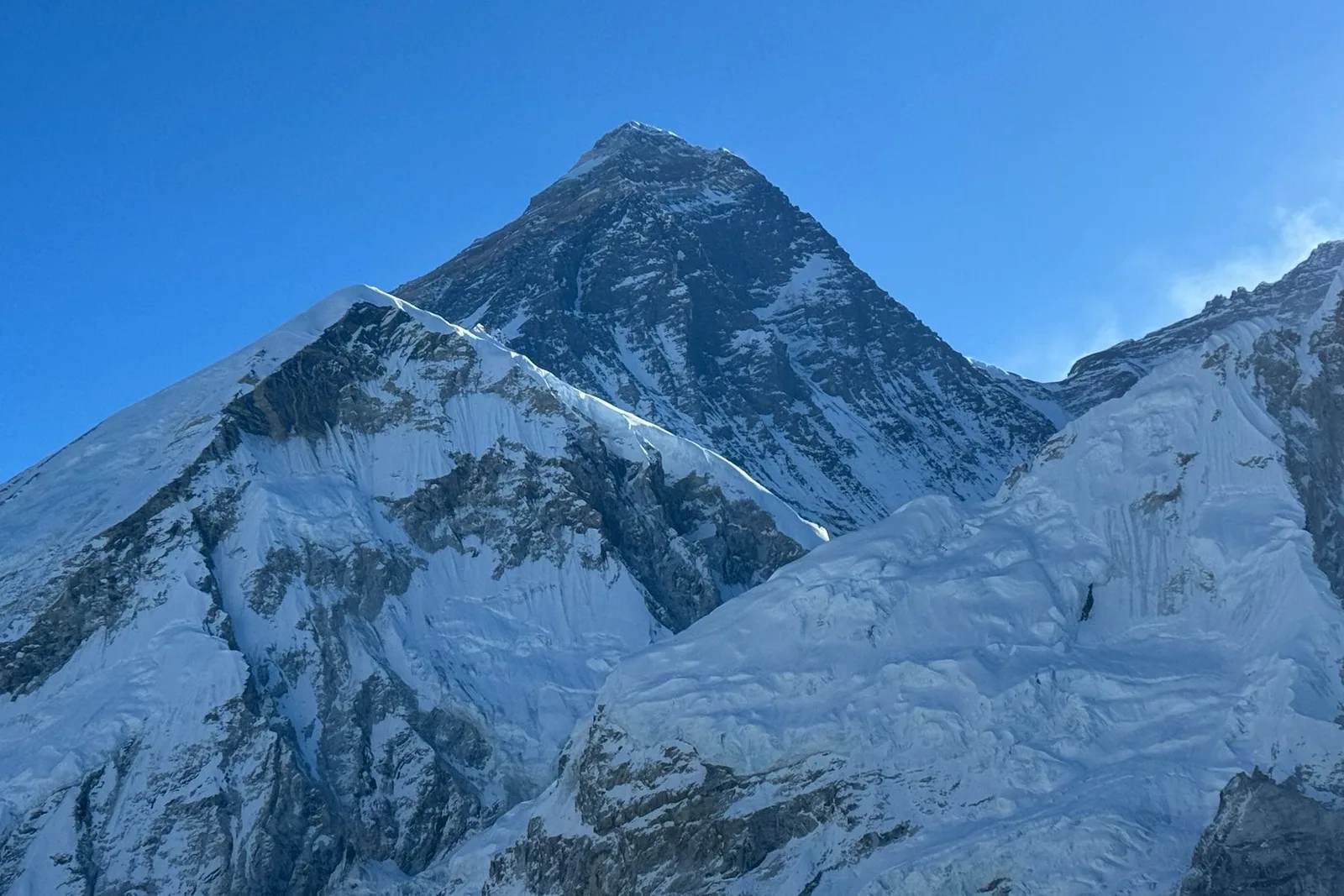
Everest Base Camp Trek — 12 Days is running normally
NMA-certified local guides, transparent pricing, 5,000+ treks since 1998. Message us your dates and we'll sort the permits, lodges and logistics — reply within 24 hours, no obligation.
Popular Nepal treks
All treks →
Related coverage
Breaking Climate & Environment
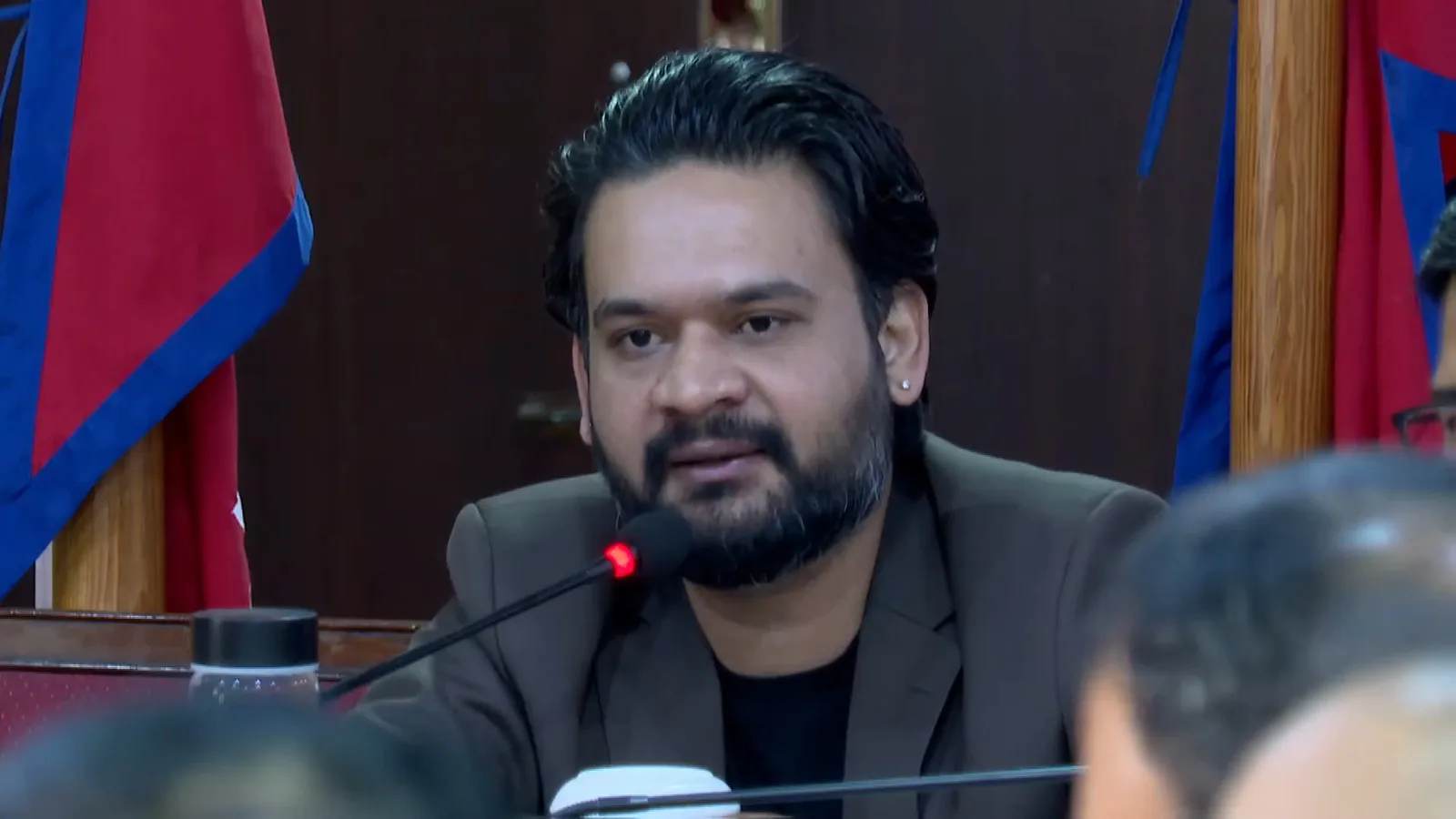
Nepal's Prime Minister Just Told the United Nations the World Owes His Country for a Flood That Killed Over 1,300 People
Balen Shah told the UN General Assembly on 24 September that Nepal needs $4.78 billion to rebuild after a flood that killed over 1,300 people.
Safety & Advisories
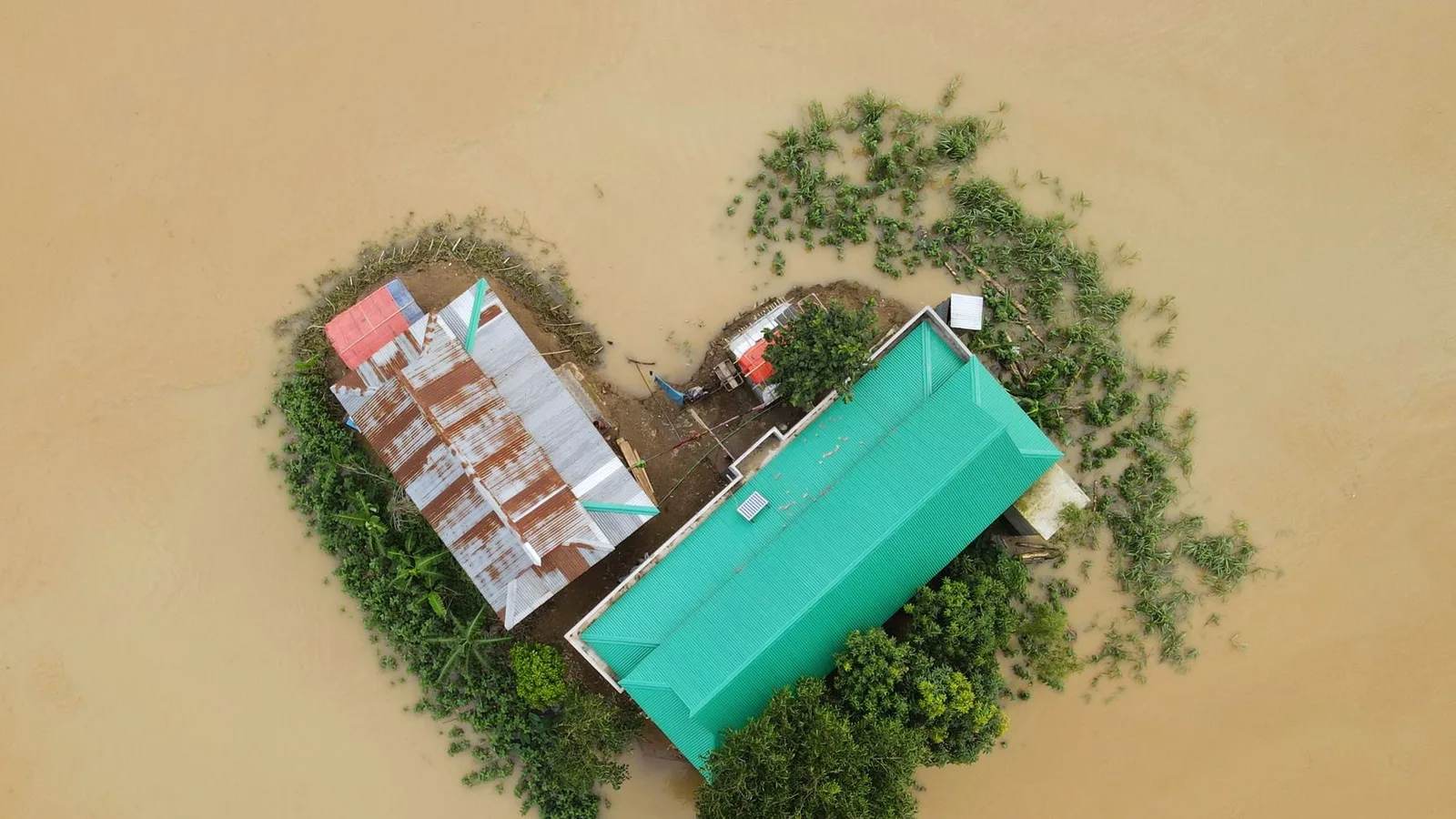
If someone you know is missing in the Nepal flood, you don't have to fly to Kathmandu
Nepal Police have identified 95 of more than 1,200 bodies recovered. Families abroad can be DNA-profiled at home and send the result in. Here is how it works.
Industry & Tourism
Nepal Just Put a Mountain Guide on Its Tourism Board, and a 2026 Flood Recovery Fund Just Opened
Five new members joined Nepal's national tourism authority this month, including a Himalayan expedition operator speaking from Manaslu Base Camp, while the PATA Foundation opened a fund to rebuild what the 26 August flood destroyed.
Safety & Advisories
If You Have Asthma, Here’s What High Altitude in Nepal Actually Does to Your Lungs
Cold dry air can trigger asthma at altitude, but studies show reduced allergens help many trekkers breathe easier — here’s which Nepal trek fits.
Latest from the desk
Money & Insurance
International Airfares Just Jumped 21.5% in a Year, and Nepal Flights Aren't Immune
International airfares rose 21.5% in the year to August 2026, the steepest climb since 2023 — and it's part of what a Nepal flight costs now too.
Safety & Advisories
If You Have Type 1 Diabetes, Here’s What Altitude in Nepal Actually Does to Your Blood Sugar
Real studies from Everest and Nepal’s Dhaulagiri circuit show blood sugar swings both ways at altitude, and which trek actually suits type 1 diabetes.
Records & People
Tom Hiddleston Walked to Everest Base Camp for a Film That Finally Puts Tenzing Norgay First
Apple’s new film Tenzing sent Tom Hiddleston and co-star Genden Phuntsok trekking to Everest Base Camp before filming, here’s the real 1953 story.