
Nepal's Deepest Lake Changes Colour Four Times a Day — and Almost No One Has Seen It
Rara plunges 167 metres, deeper than any other lake in Nepal, and shifts from sapphire to turquoise as the light crosses it. Few trekkers ever reach it.
At a glance
- Published · updated
- TopicRecords & People
- Verified againstNepal Tourism Board
- Treks coveredKhaptad National Park Trek — 8 Days, Rara Lake Trek — 12 Days
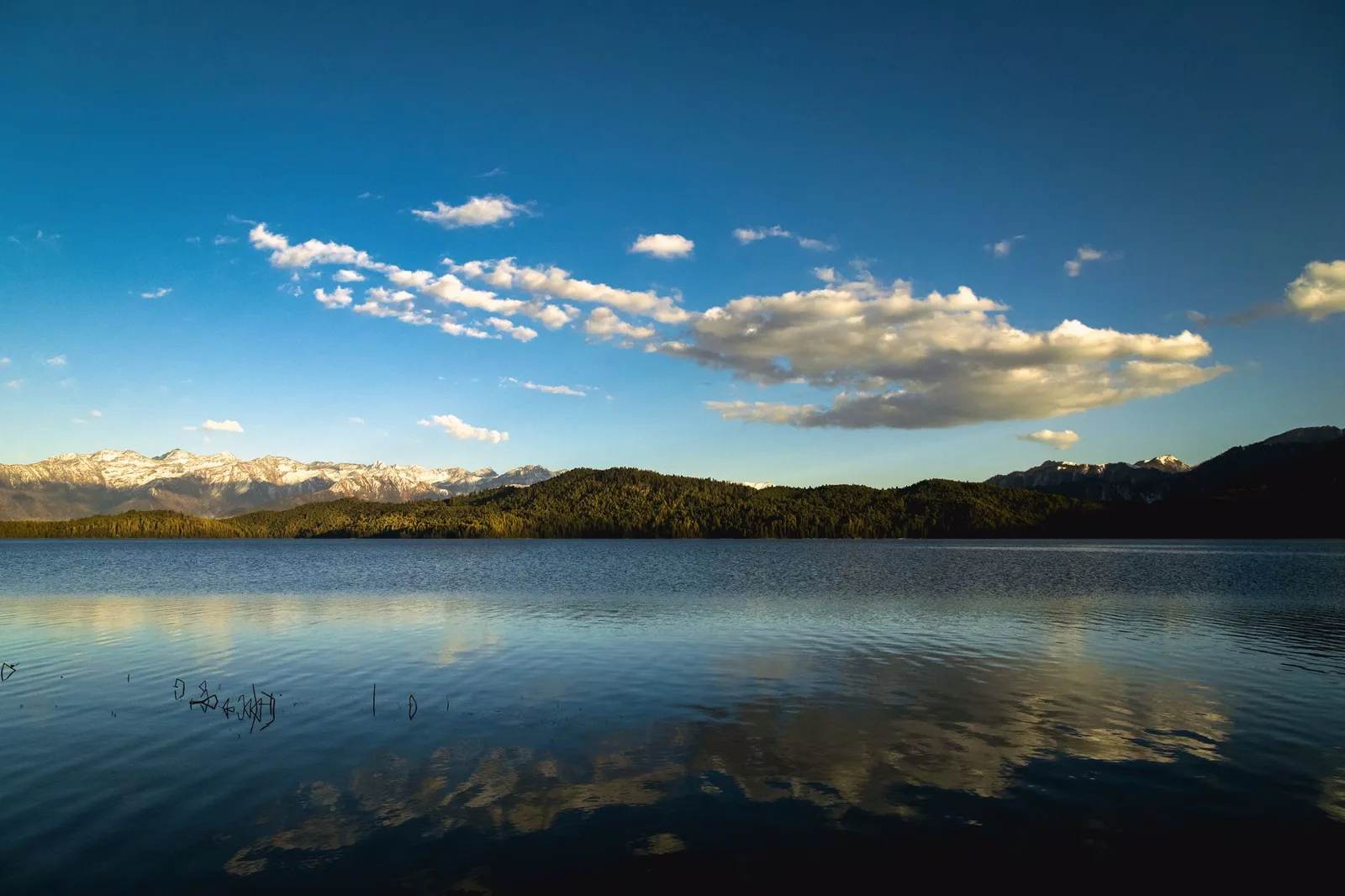
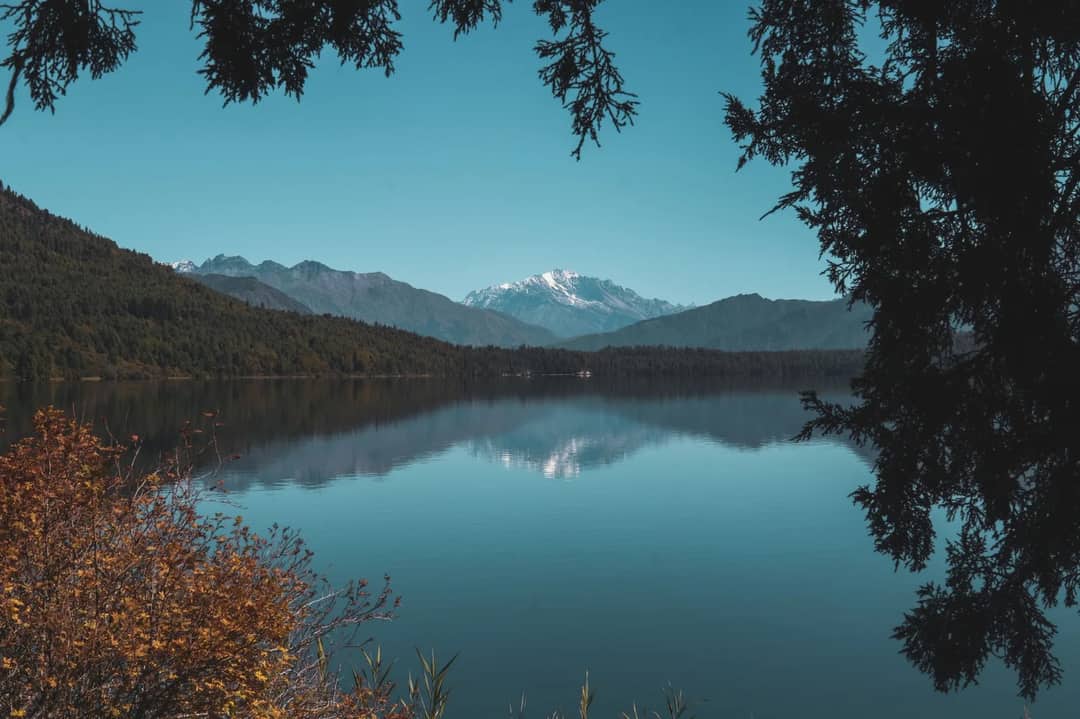
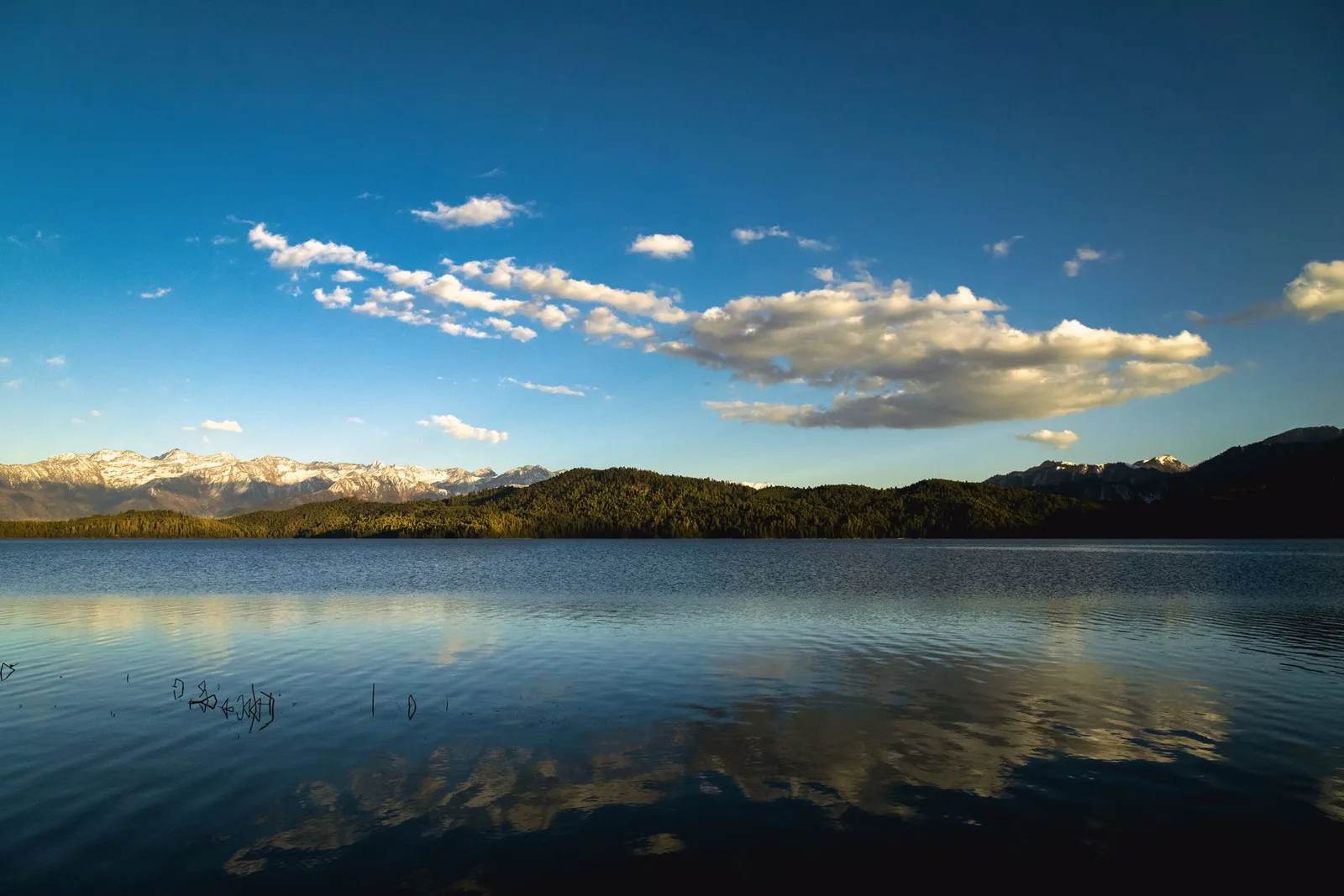
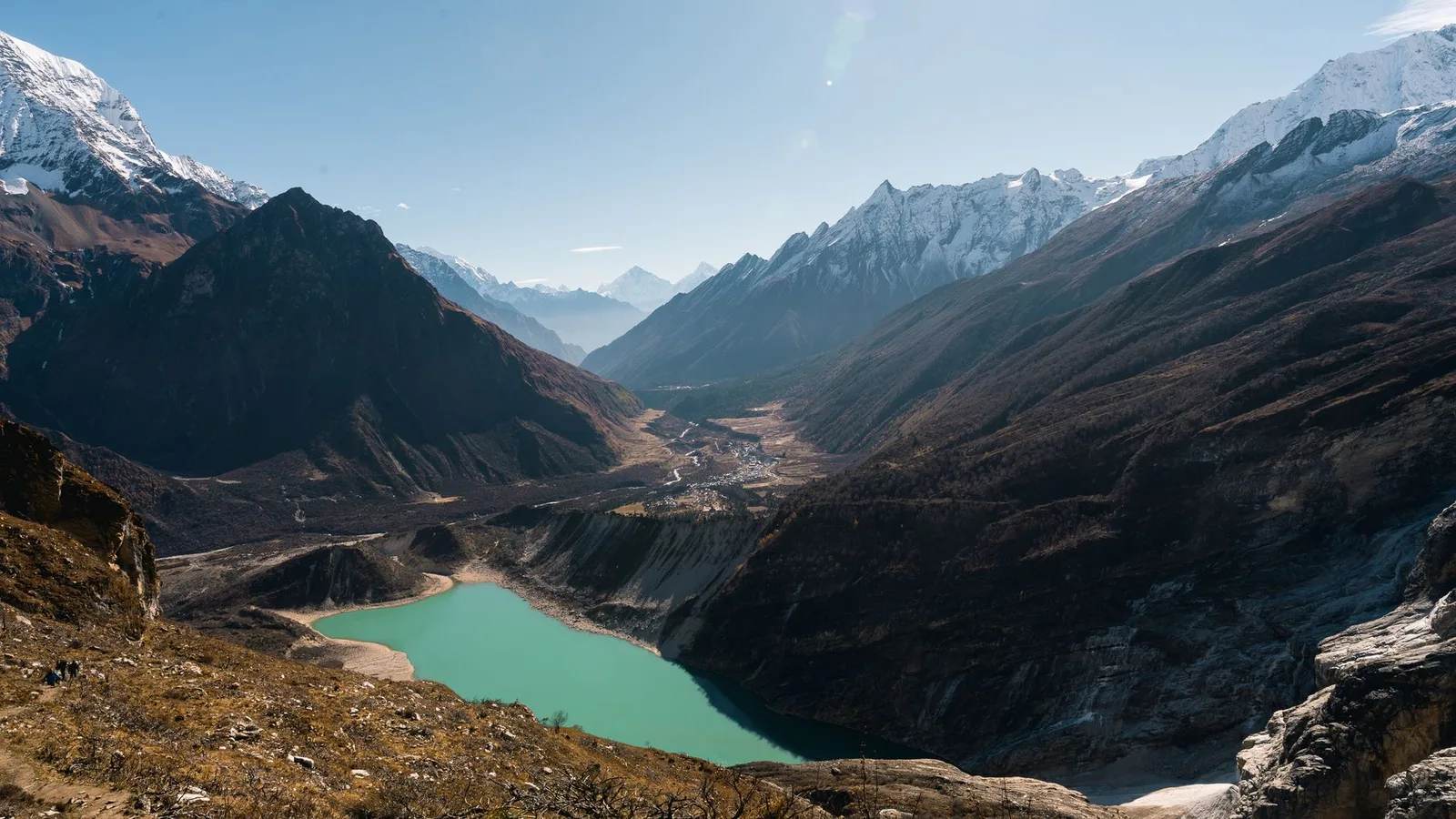
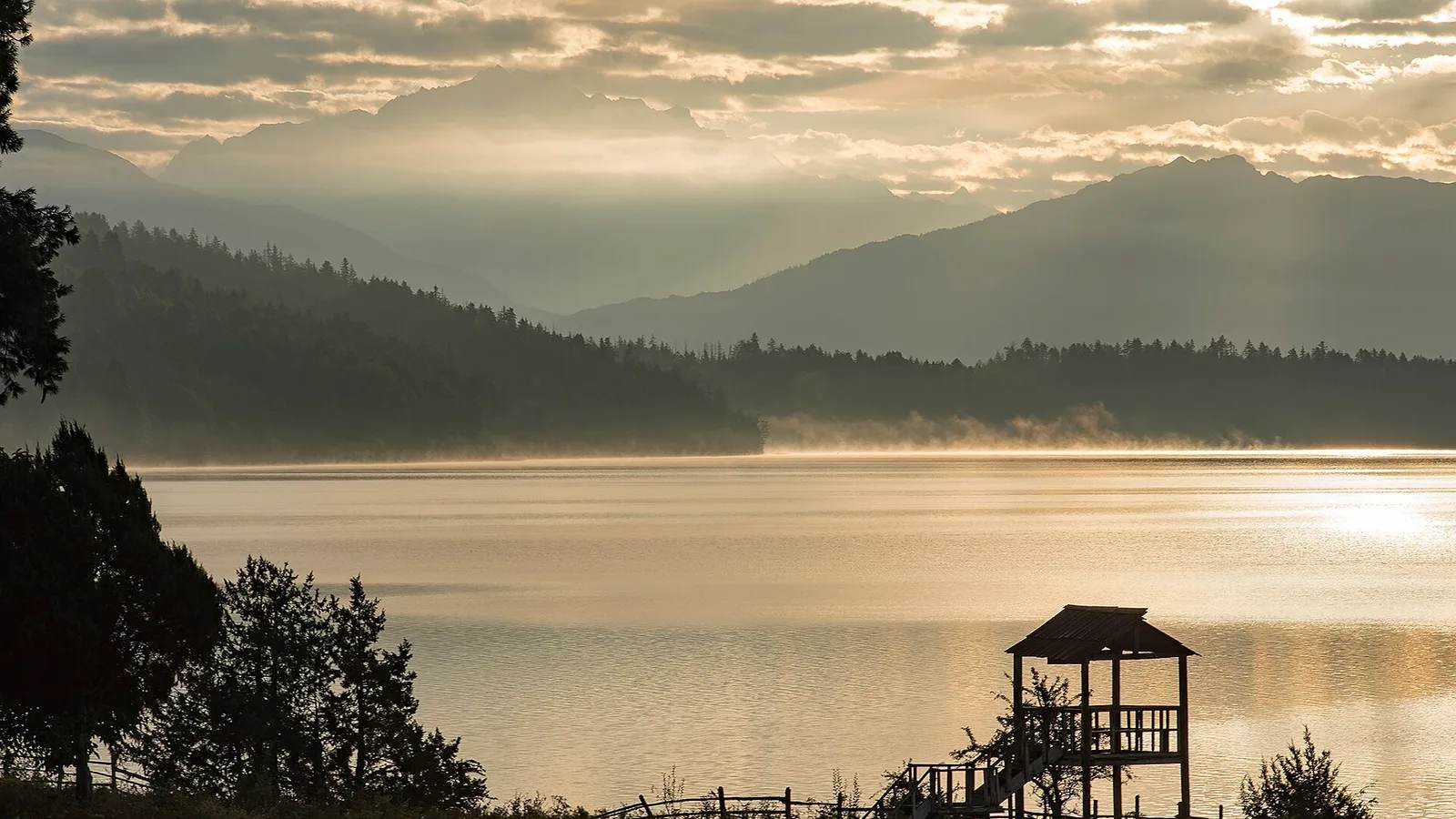
Somewhere in the far west of Nepal, a trek in from Jumla or a short mountain flight to Talcha, a lake sits at 2,990 metres and simply changes colour while you watch it. Morning light turns it sapphire-blue. By midday it's turquoise. Cloud cover pulls it toward emerald, and at dusk it can shift to violet. It isn't a filter or a trick of water chemistry — it's ordinary sunlight crossing 167 metres of the clearest water in the country, and almost no foreign trekker has ever stood on its shore.
Key facts
- Rara Lake reaches 167 metres deep — the deepest lake anywhere in Nepal
- It sits at 2,990 metres in Mugu district, in Nepal's remote far west
- At 10.6 km², it's also Nepal's largest lake by surface area
- Rara National Park, protecting the lake, was established in 1976
Why so few people see it
Rara earned the nickname "Queen of the Lakes" partly from King Mahendra, who visited in the 1970s and was reportedly so taken with it that he pushed for the national park that now protects it — at 106 square kilometres, one of Nepal's smaller protected areas, built almost entirely around this single body of water. Unlike the Annapurna and Everest regions, which see hundreds of thousands of trekking permits issued every year, no road reaches the lake itself even now. Most visitors fly into the short mountain airstrip at Talcha, take the bus to Gamgadhi, Mugu’s district headquarters, and walk up, or trek in over several days from Jumla — which is precisely why it has stayed this pristine.
Deeper than any other lake in Nepal
Depth is the detail that separates Rara from Nepal's more famous high lakes. Tilicho Lake, on the Annapurna Circuit, is better known internationally simply because it sits higher — at 4,919 metres it's one of the highest lakes in the world — but it's comparatively shallow. Phoksundo Lake, in neighbouring Dolpo, comes closest to Rara on depth, at 136 to 145 metres depending on which government survey you read, and it sits far higher, at 3,611 metres. Rara simply wins on raw depth, full stop, anywhere in the country.
| Lake | Region | Depth | Altitude | Known for |
|---|---|---|---|---|
| Rara Lake | Mugu, far-west | 167 m | 2,990 m | Deepest lake in Nepal |
| Phoksundo Lake | Dolpo | 136–145 m | 3,611 m | Turquoise glacial water |
| Tilicho Lake | Annapurna | — | 4,919 m | Among the highest lakes on Earth |
Why the colour changes
The colour shift comes down to a combination most alpine lakes don't have together: exceptional water clarity, a bed deep enough to absorb rather than reflect most wavelengths of light, and a valley wide enough that the lake catches direct sun for most of the day rather than sitting in permanent mountain shadow. Locals in the handful of villages around the shore — largely Bhotia and Chhetri communities who fish and farm barley on the surrounding terraces — have watched this happen every clear day of their lives; for most outside visitors, it's the single most striking thing about the trek.
What this means for trekkers
What this means for trekkers
Rara is not an add-on to an existing itinerary — it's a destination in its own right, and that's exactly its appeal if you've already done Everest or Annapurna and want somewhere the trail isn't shared with anyone else. Because it's reached by flight or a multi-day walk rather than a paved road, trip planning matters more here: flights into Talcha are small-aircraft and weather-dependent, so build a buffer day either side. Best months are autumn (October–November) and spring (April–May), same as the rest of the country's high-altitude trekking season, when far-west skies are clearest and the colour shift is at its most dramatic.
Source: Nepal Tourism Board
Cover photo: Ashok J Kshetri via Pexels (Pexels License). Section photos: Ashok J Kshetri via Pexels (Pexels licence). Section photos: Ashok J Kshetri via Pexels (Pexels licence); Suki Lee via Pexels (Pexels licence).
Still running this season
Khaptad National Park Trek — 8 Days is running normally
NMA-certified local guides, transparent pricing, 5,000+ treks since 1998. Message us your dates and we'll sort the permits, lodges and logistics — reply within 24 hours, no obligation.
Popular Nepal treks
All treks →
Related coverage
Records & People
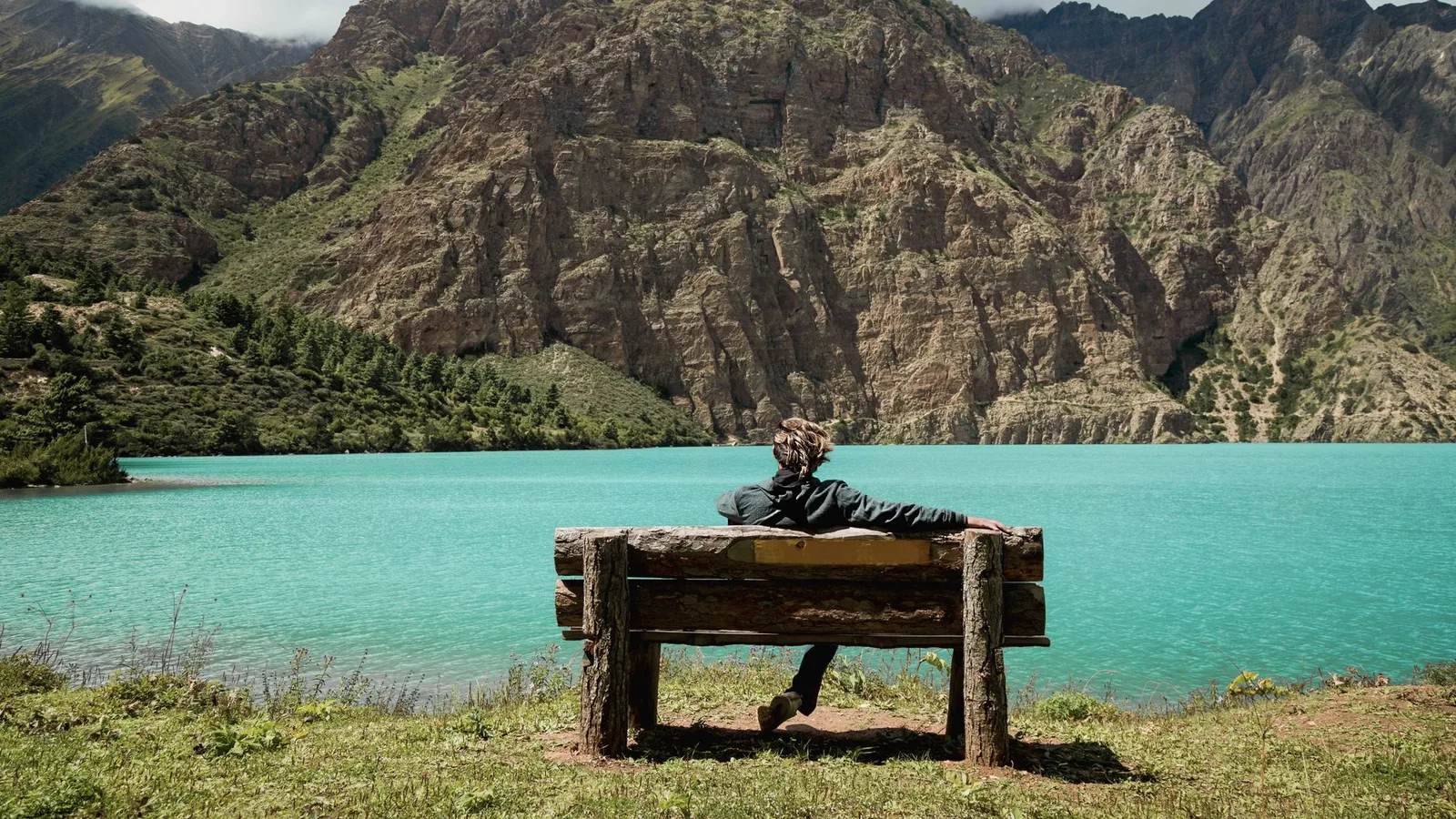
Everyone Calls This Nepal's Deepest Lake. A Government Survey Says It Isn't.
Phoksundo's turquoise water and no-fishing custom are real, but Nepal's own hydrology surveys put the actual depth record on a different lake entirely.
Records & People
Nepal's Gokyo Lakes Turn an Impossible Turquoise Every Autumn, and Rock Dust Is Why
Six sacred glacial lakes above Everest sit higher than almost any freshwater on Earth, and the colour that makes trekkers stop mid-stride comes down to stone ground fine enough to float.
Permits & Rules
Rara or Phoksundo, Here's Which of Nepal's Two Great Hidden Lakes You Should Actually Book
Rara and Phoksundo are Nepal's two legendary remote lakes, and almost nobody treks to both. Here's the real difference in cost, permits and days.
Industry & Tourism
Yarsagumba, the Himalayan Fungus Worth More Than Gold, Is Running Out in Nepal (2026)
Nepal's Rs 2.7-million-a-kilogram caterpillar fungus season just closed in Dolpa, and four collectors didn't come back down.
Latest from the desk
Breaking Safety & Advisories
An Avalanche Buried Himlung Himal's Base Camp in Nepal, and Ten Climbers and Staff Are Missing
An avalanche hit Himlung Himal's base camp in Nepal's Manang district on 27 September, and rescuers are searching snow for ten missing climbers and staff.

Money & Insurance
You Could Be Owed Cash From a $167 Million Visa and Mastercard Settlement, Here's How to Check
Visa and Mastercard are paying $167.5 million after allegedly blocking cheaper ATM fees, and the claim deadline is 10 February 2027.
Wildlife & Nature
Chitwan or Bardia, here's which Nepal safari you should actually book
Nepal's 2026 tiger census found record numbers in Chitwan and a rare decline in Bardia, and it changes the honest answer to which safari to book.