
The short version
Rip currents caused 38 of 57 US surf deaths in 2026 so far. What a beach hazards statement means, how to spot a rip, and the one move that gets you out.
A beach hazards statement means the National Weather Service expects waves and currents that can kill a swimmer, and its advice is simple: stay out of the water and off piers and breakwalls. The main killer is the rip current, a narrow channel of water running away from the shore at up to 8 feet per second, faster than an Olympic swimmer. If one catches you, do not swim against it: swim parallel to the beach, or float and signal for help.
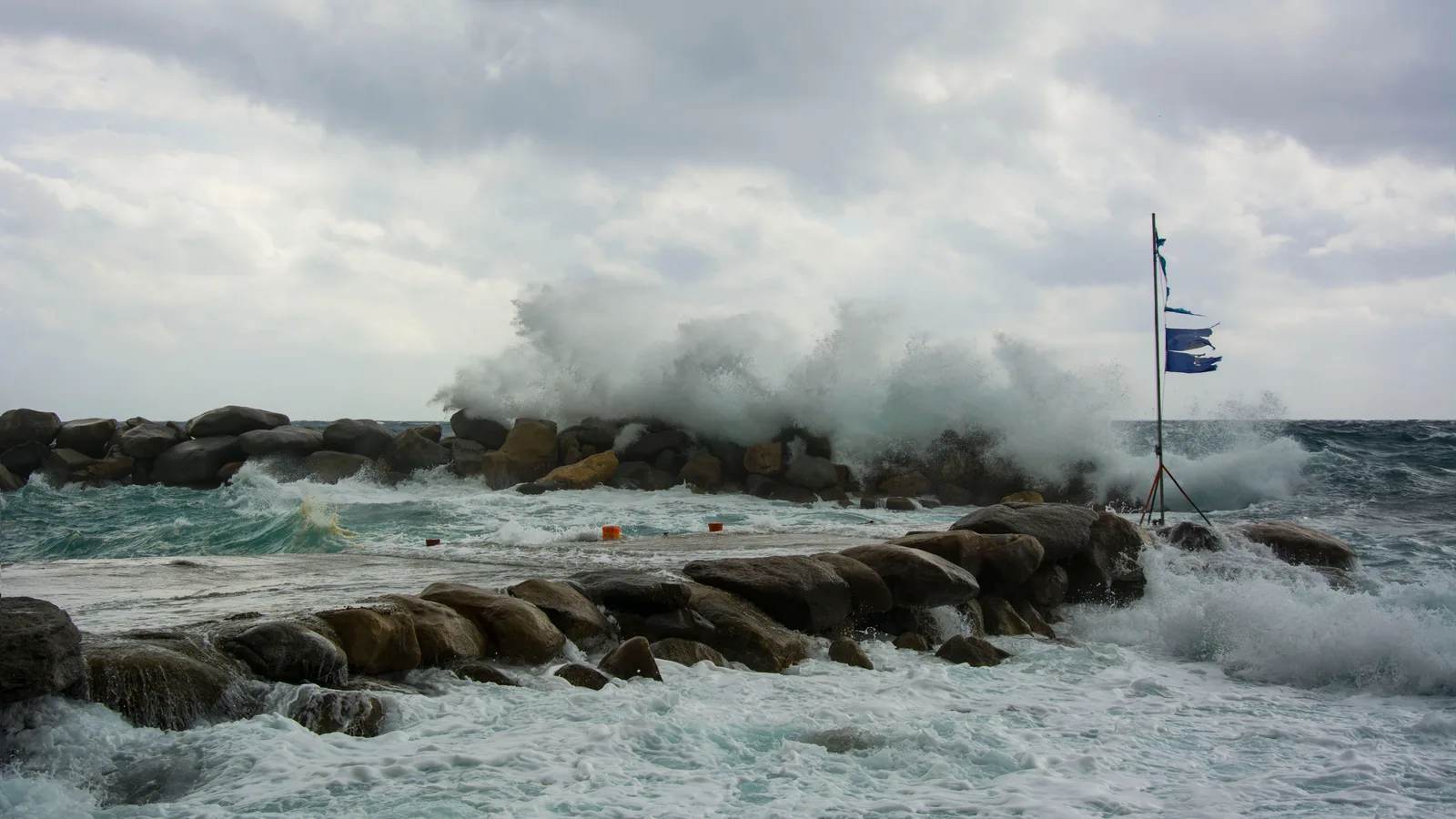
This week the statements are up along the Lake Michigan and Lake Erie shores and on the Virginia coast, with waves of 4 to 7 feet. The Great Lakes surprise people every year, because a lake does not look like an ocean until it behaves like one.
- A beach hazards statement means life-threatening waves and currents are expected. Treat it as a no-swim day.
- Rips happen rain or shine, in waves of only 2 to 3 feet.
- A rip will not pull you under. It pulls you out. Panic and exhaustion are what drown people.
- Swim at a lifeguarded beach: the odds of drowning there are about 1 in 18 million.
What a beach hazards statement actually tells you
It is a forecast that the water will be dangerous, not just rough. A statement issued by the National Weather Service office in Milwaukee on 22 September read: “Life threatening waves of 4 to 7 feet and dangerous currents are expected”, and told people to “stay out of the water and away from dangerous areas like piers and breakwalls.” The Chicago office’s version for Cook County was blunter: swimming conditions “will be life threatening, especially for inexperienced swimmers.”
Each statement lists the What, Where, When and Impacts, so read the Where line: it names the counties or beaches covered. Local weather offices also publish a surf zone forecast with a rip current risk level for the day, and your local NWS page is the fastest place to check it before you leave for the beach.

Who dies in the surf, and where
The National Weather Service counts every surf zone death, and in 2026 the total had reached 57 by 17 September, 38 of them caused by rip currents, about two in three. Puerto Rico had the most deaths so far this year with 17, then Florida with 11 and New Jersey with 6. Only five of the victims were women. The Weather Service’s own summary of the typical victim is a male aged 10 to 29.
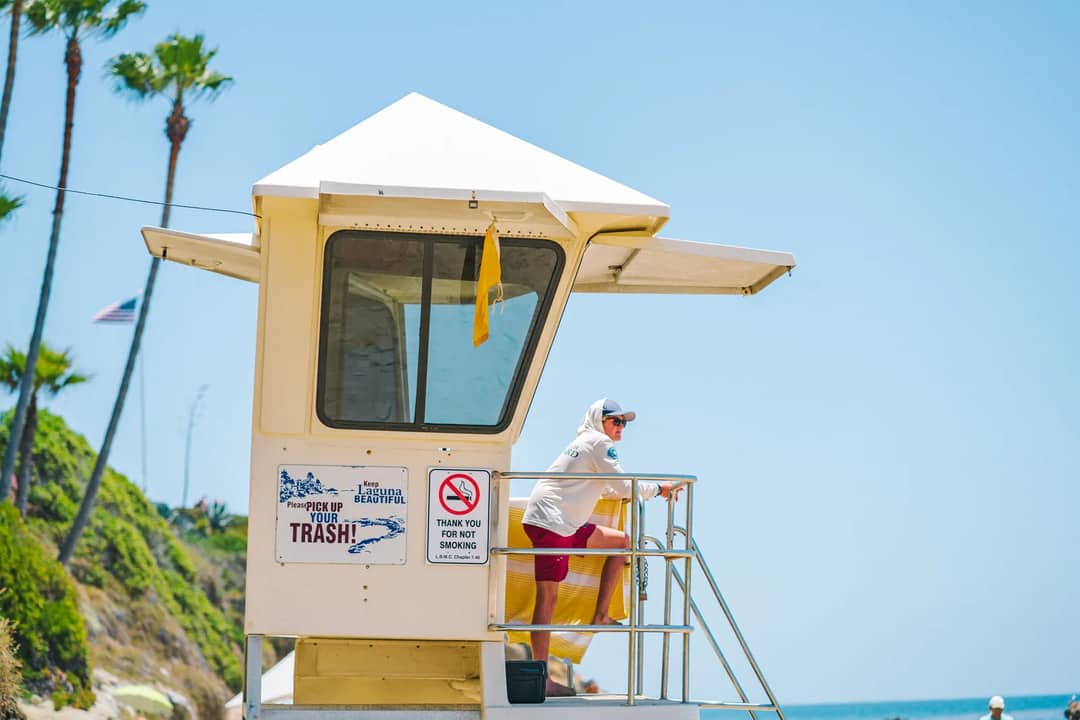
That profile matters. The people who die are mostly confident, young and fit, and often swimming where there is no lifeguard. The same US Lifesaving Association figure the Weather Service quotes, a 1 in 18 million chance of drowning at a lifeguarded beach, is the strongest argument there is for walking the extra ten minutes to a guarded stretch.
Seven things people believe about rip currents that are wrong
The Weather Service publishes its own list of myths, and every one of them has cost lives:
| The myth | What the Weather Service says |
|---|---|
| A strong swimmer can outswim a rip | Rips are measured at up to 8 feet per second, more than 5 mph, faster than an Olympic swimmer |
| Rips pull you under | They pull you away from the beach, not under the water |
| A human chain is a good rescue | Call lifeguards or 911, and throw the person something that floats |
| You can always see a rip | They are hard to spot; look for the signs below |
| Rips only happen in bad weather | Rain or shine, even in waves of only 2 to 3 feet |
| Swim where the waves are smallest | A gap in the breaking waves can be the rip itself |
| Rip, rip tide and undertow are the same | They are three different things |
How to spot one before you get in
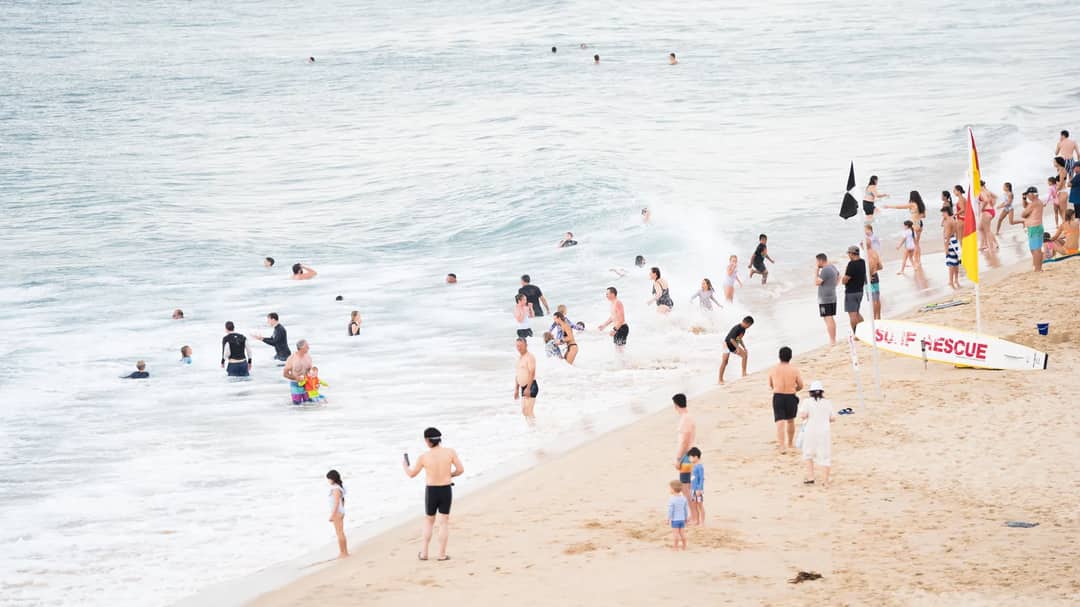
Stand somewhere high and watch the water for a few minutes before you swim. The Weather Service lists four signs: a channel of churning, choppy water; water of a noticeably different colour; a line of foam or debris moving steadily out to sea; and a break in the incoming wave pattern. That last one catches people, because the calm-looking gap between breaking waves is exactly where a rip is running.
What to do if a rip catches you
Stay calm, because the current will not drag you under, and fighting it is what exhausts you. NOAA’s instruction is clear: “don’t fight it! Swim parallel to the shore and swim back to land at an angle.” Rips are narrow, so a short swim sideways usually takes you out of the channel.
- Relax and float if you cannot swim out of it. Many rips circle back towards the beach.
- Face the shore, wave and shout for help.
- Once free, swim back at an angle, away from the current, not straight into it.
- If someone else is caught, do not swim out after them. Call a lifeguard or 911 and throw them something that floats.
The verdict
If there is a beach hazards statement for where you are, do not swim, and stay off the piers. On any other day, swim only at a lifeguarded beach, watch the water before you go in, and know the one move that saves lives: sideways, not back. The ocean and the Great Lakes are not the place to prove you are a strong swimmer.
Our Annapurna Base Camp trek walks you into a ring of 7,000 and 8,000-metre peaks in nine days, topping out at 4,130m, with a licensed guide setting the pace. US$920 solo, from US$680 each in a group of eight or more, permits and lodges included. October and November are the clearest months of the year.
See the itinerary & price →Frequently asked questions
What does a beach hazards statement mean?
It is a National Weather Service alert that dangerous waves and currents are expected. Recent statements describe the conditions as life-threatening and tell people to stay out of the water and off piers and breakwalls.
How many people die from rip currents each year?
In 2026, the National Weather Service recorded 57 surf zone deaths in the US by 17 September, and 38 of them were caused by rip currents.
Can a rip current pull you under?
No. A rip pulls you away from the shore, not under the water. People drown when they exhaust themselves fighting it or panic.
Should you swim against a rip current?
No. Swim parallel to the shore until you are out of the current, then swim back at an angle. If you cannot, float, face the shore and wave for help.
Do the Great Lakes have rip currents?
Yes. The Great Lakes produce rip currents and dangerous structural currents along piers and breakwalls, which is why beach hazards statements are issued for Lake Michigan and Lake Erie shores.
How safe is swimming at a lifeguarded beach?
Very. The US Lifesaving Association puts the chance of drowning at a beach with lifeguards at about 1 in 18 million.
Keep reading
Why drowning and driving kill more park visitors than falls.
The warm-season hazard off the beach.
Darkness, cold, hunters and bears, and one fix for each.
Where to take your next adventure on foot.
Why October and November are the Himalaya’s best months.
Thinking about a trek this autumn instead? Contact us and our guides will plan it around your dates.
Sources: National Weather Service surf zone fatality statistics (2026, updated 17 September); National Weather Service, “7 rip current myths debunked”; NOAA National Ocean Service, “What is a rip current?”; National Weather Service Milwaukee/Sullivan and Chicago beach hazards statements, 22 September 2026; US Lifesaving Association drowning odds as cited by the National Weather Service. Photos via Pexels: giorgos kalogridis (cover), Mike Norris, Eunjin Baek, Hengki W.

Written by
Anjali ShresthaPokhara-based, NMA-certified trekking guides. We’ve led 5,000+ treks across the Annapurna and Everest regions since 1998 — every word here comes from the trail. More from this author →
Share this article
Ready to Trek?
From reading about it to standing on it
Our Pokhara-based guides have been doing this since 1998. Tell us your dates and fitness level — we'll build your perfect itinerary. Free, no obligation.
Why trek with our licensed agencyMore guides like this
Popular trips to consider
View all treks & toursFree Trekker’s Insider Guide
Permits, packing lists, cost breakdowns — no fluff.
We send one useful email. You can unsubscribe anytime.