
The Nepal temple where fire burns on water, and why it never goes out
At 3,762 metres in Mustang, natural gas keeps a flame burning beside a spring at Muktinath, a shrine Hindus and Buddhists have shared for centuries.
At a glance
- Published · updated
- TopicRecords & People
- Verified againstWikipedia (Muktinath); Sacred Sites; The Himalayan Times
- Treks coveredAnnapurna Circuit Trek — 14 Days, Jomsom Muktinath Trek, Upper Mustang Trek — 12 Days
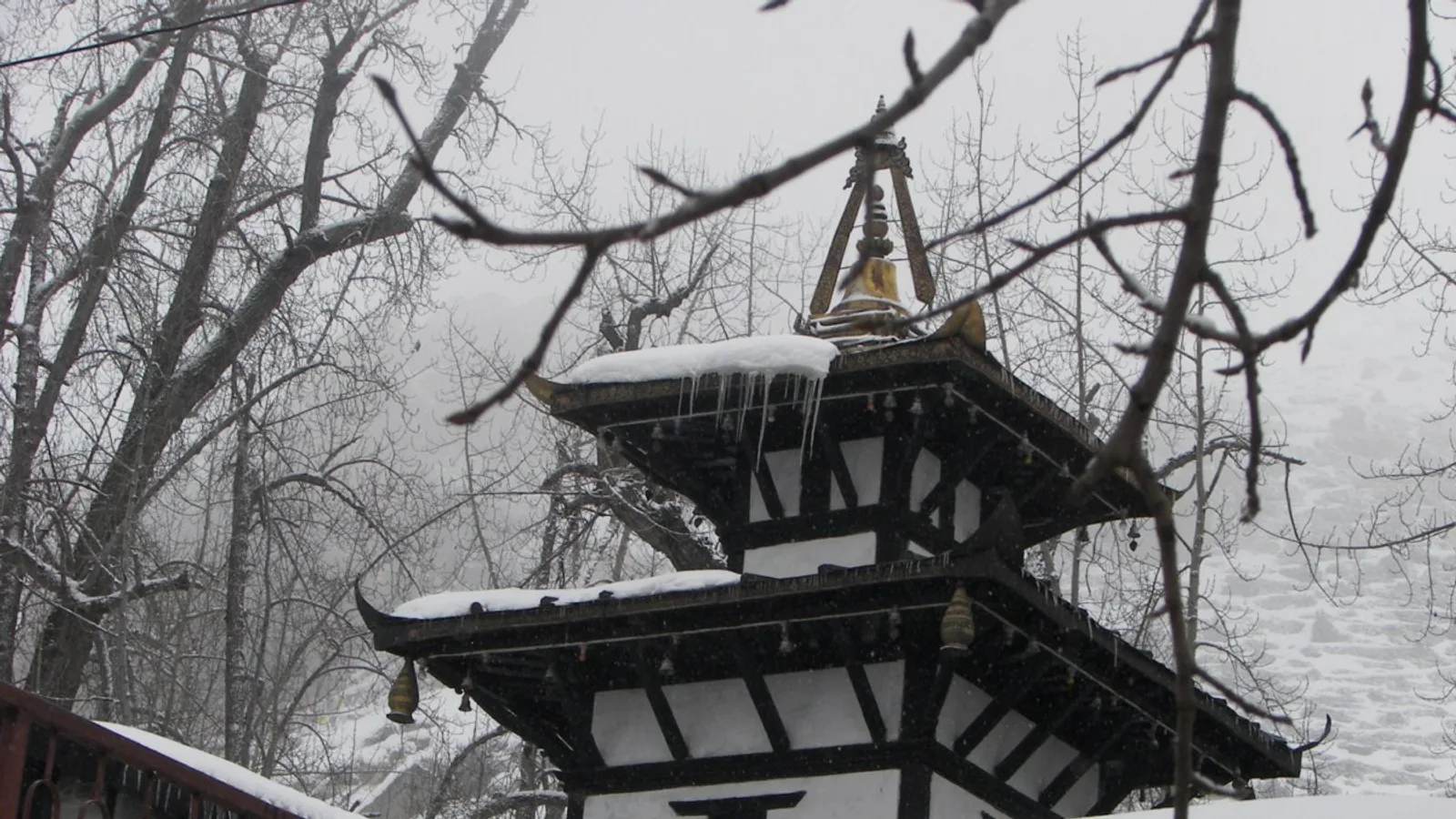
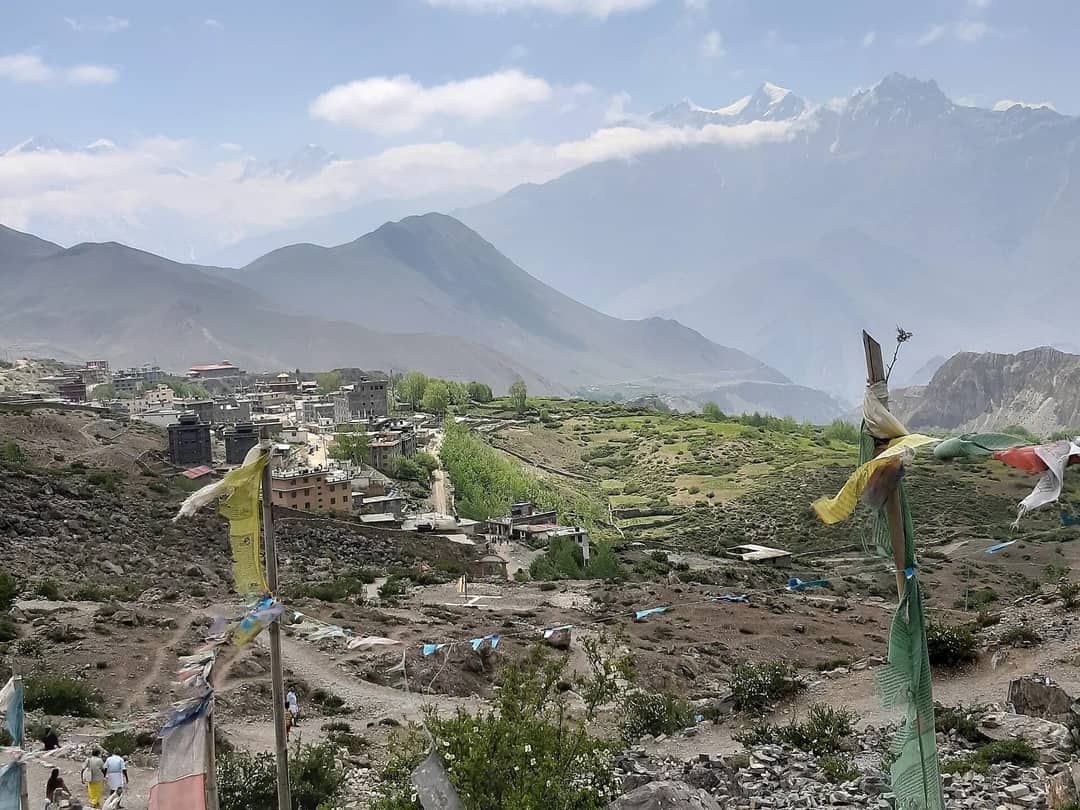
At Muktinath, 3,762 metres up in Nepal’s Mustang district, natural gas seeping through the rock keeps a small flame burning beside a spring that never stops running. Fire and water sharing one small chamber is the reason pilgrims have climbed here for centuries, and it is a real geological effect, not a lamp someone tends.
Key facts
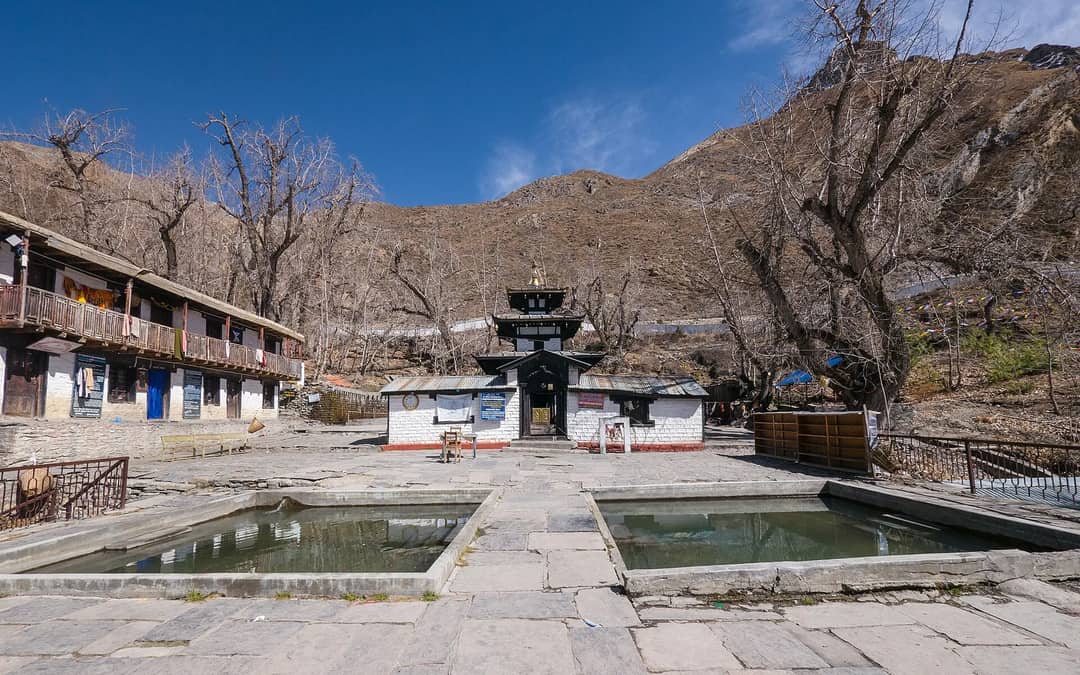
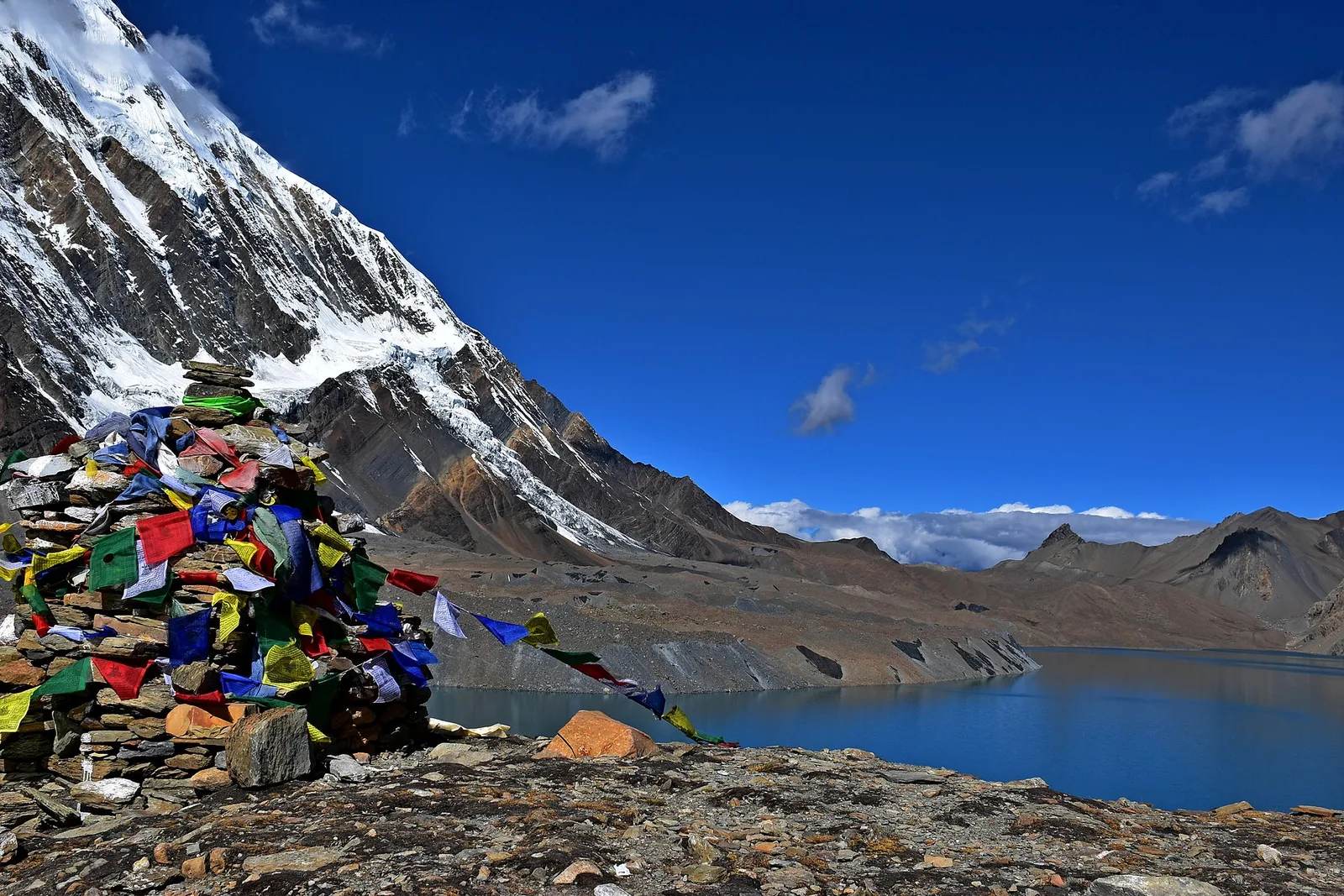
- Muktinath temple stands at 3,762 m (12,343 ft) in Mustang, below the 5,416 m Thorong La pass.
- The flame in the Jwala Mai shrine beside the main temple is fuelled by natural gas escaping from the earth.
- Hindus count it among the 108 Divya Desams of Vishnu and the 51 Shakta Pithas, and as one of Nepal’s Char Dham.
- Tibetan Buddhists call it Chumig Gyatsa, “Hundred Waters”, one of their 24 tantric places.
What is actually burning
Methane, rising through fractured rock and igniting where it meets the air. Mustang sits on a fault-riddled stretch of the Himalaya, and the same collision that built these mountains keeps the ground cracked enough for gas trapped in the rock to reach the surface all year.
Geologists who study natural gas seeps describe exactly this: where gas escapes at high enough concentration, it can burn on its own, sustained by pressure from below rather than any fuel added above. Local tradition names three flames — one from soil, one from rock and one from the water itself — and holds that the flame over water appears far more rarely than the other two. Nobody has dated when it first caught. The shrine is dim and the flame smaller than photographs suggest, so bring a headlamp.
One shrine, two religions
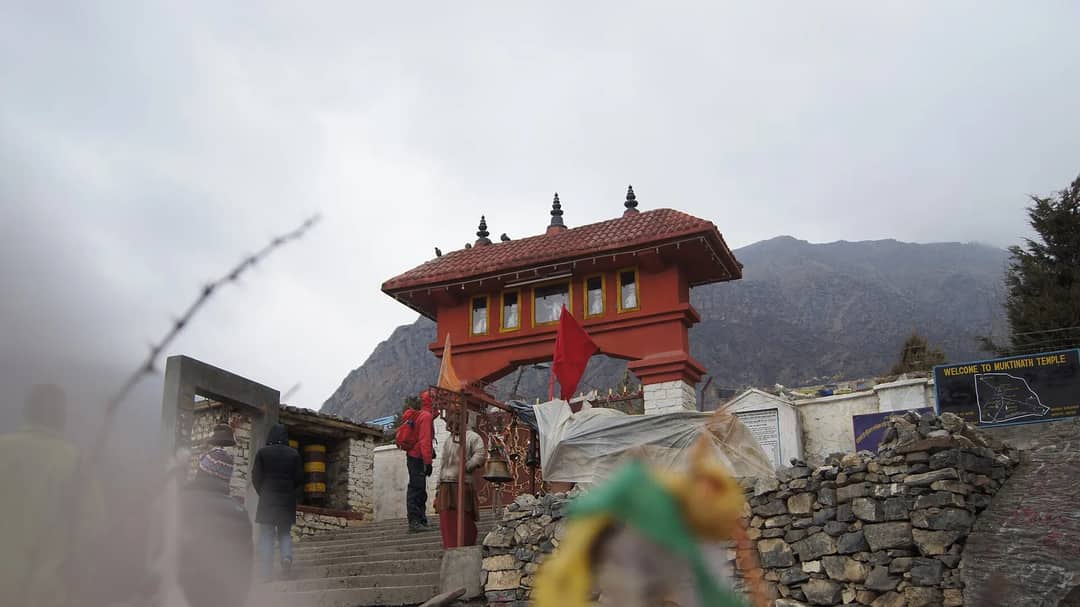
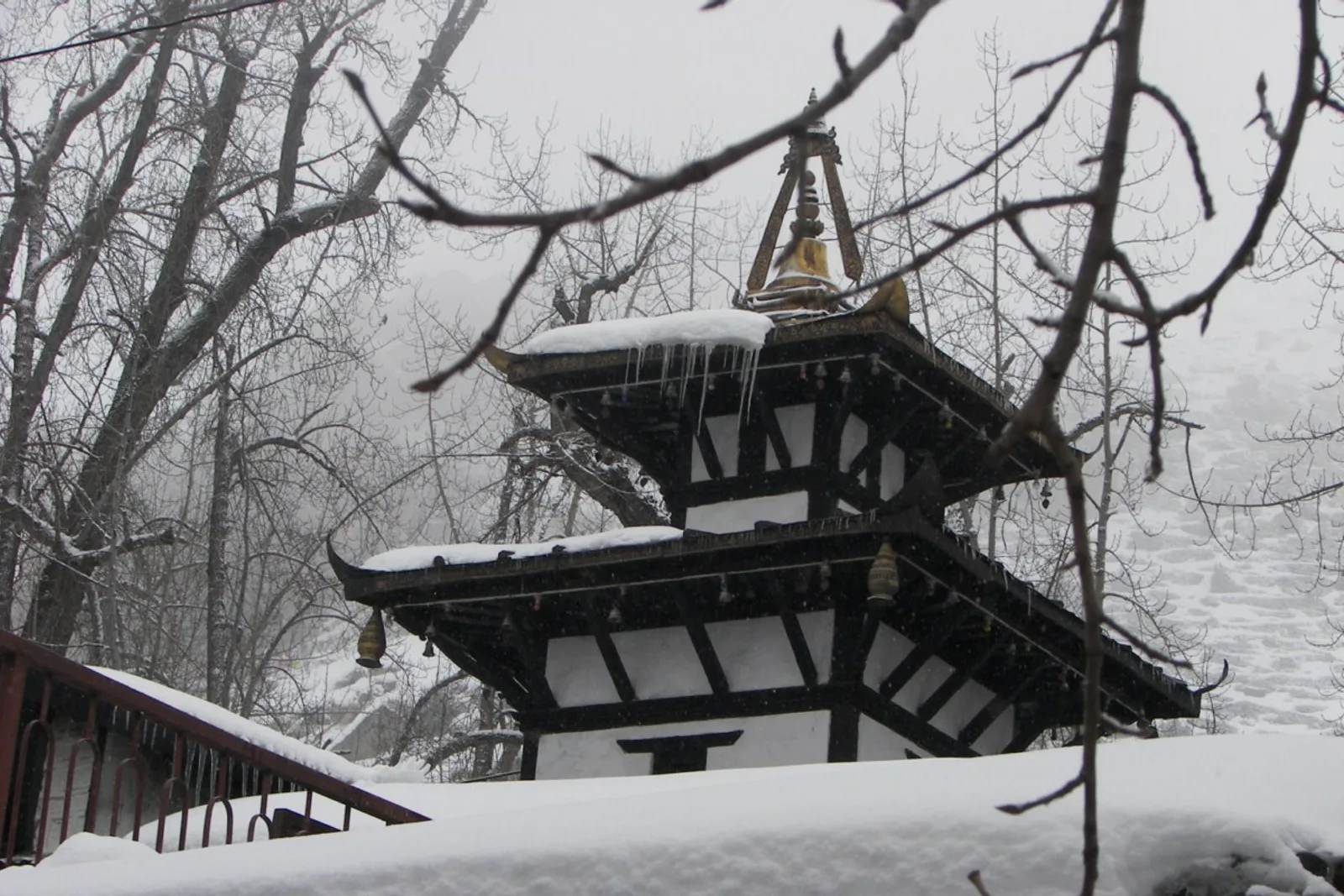
Muktinath is one of very few Himalayan sites where Hindus and Buddhists have shared the same shrine for centuries rather than building side by side. The name means “Lord of Liberation”, and Hindu pilgrims come for moksha, release from the cycle of rebirth.
For Tibetan Buddhists the same ground is Chumig Gyatsa, associated with Padmasambhava, the master credited with carrying Buddhism into the Himalaya. On any morning in the pilgrim season you will see sadhus and Buddhist monks on the same stone stairs, under the same spouts, in front of the same flame.
| Tradition | What it is called | Why it is sacred |
|---|---|---|
| Hinduism | Muktinath, “Lord of Liberation” | One of 108 Divya Desams, one of 51 Shakta Pithas, a Char Dham of Nepal |
| Tibetan Buddhism | Chumig Gyatsa, “Hundred Waters” | One of 24 tantric places; associated with Padmasambhava |
The 108 spouts
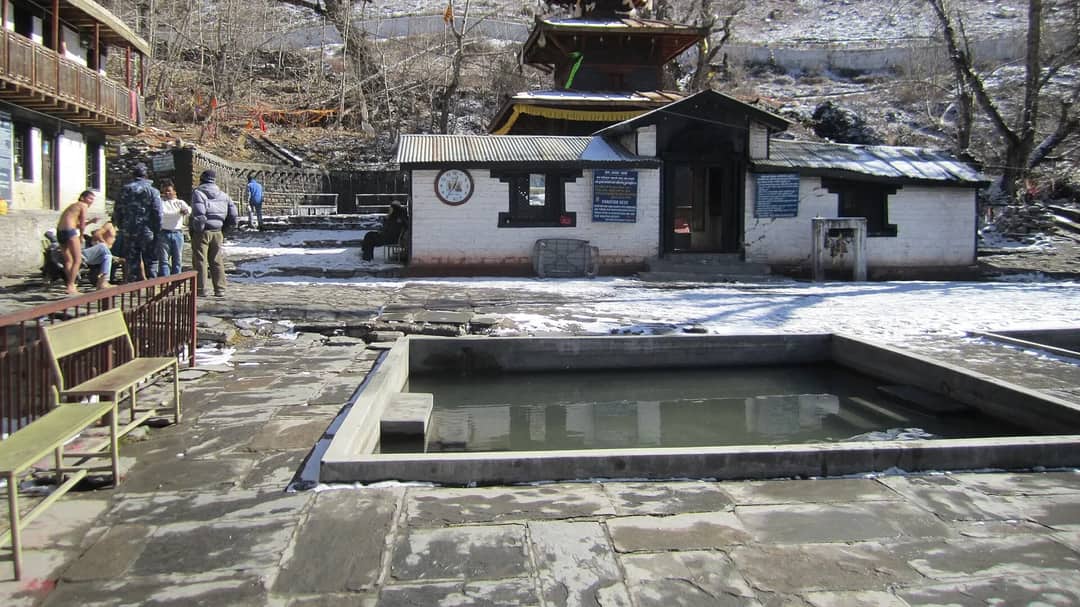
A semicircle of 108 stone spouts, the Mukti Dhara, pours glacial spring water around the main temple, and pilgrims bathe beneath every one. In both traditions 108 stands for completeness; bathing under all of them is said to wash away 108 defilements of the mind.
It is freezing at any time of year. Most pilgrims walk the whole ring, and the Kali Gandaki’s afternoon wind makes it harder, so mid-morning is the gentler time to visit — the valley’s daily wind is a phenomenon of its own.
Muktinath is not the only eternal flame
Natural gas seeps burn in a handful of places on Earth, which makes Muktinath remarkable rather than unique. What sets it apart is the company: a spring, a shared shrine and a pilgrimage at 3,762 metres.
| Site | Country | Known burning |
|---|---|---|
| Muktinath (Jwala Mai) | Nepal | Undated, centuries |
| Chimaera (Yanartaş) | Turkey | Described in antiquity, 2,000+ years |
| Baba Gurgur | Iraq | Said to have burned for thousands of years |
| Jwala Ji | India | An ancient temple flame |
How to get there, and the one mistake to avoid
Walk up rather than drive up. Trekkers on the Annapurna Circuit reach Muktinath the day they cross the 5,416 m Thorong La; others fly Pokhara to Jomsom and continue by foot or jeep. You need an Annapurna Conservation Area Permit, and there is no separate entry fee for the shrine.
The road is the risk. Of 25 tourists who died of altitude sickness in the Annapurna region in the year to July 2026, 15 were in Mustang, where a paved road now lets visitors reach Muktinath in a single day with no acclimatisation — the full numbers are here. Spend a night in Jomsom or Kagbeni first, go in March–May or September–November, and check current trail status before you set off. A cable car from the lowlands is also planned: what that project involves.
What we would tell a friend
Our Jomsom–Muktinath trek is built around the shrine and the Mustang desert, and it acclimatises you properly on the way. On the Annapurna Circuit you arrive the long way, over Thorong La. If you want to keep going north into the rain shadow, the Upper Mustang trek continues past cave monasteries to the walled city of Lo Manthang. Permits are covered in our ACAP and TIMS guide, and the gorge you walk up to get here is the world’s deepest.
Sources: Wikipedia, “Muktinath”; Sacred Sites — World Pilgrimage Guide; The Himalayan Times (ACAP altitude-death figures, 22 July 2026).
Cover photo: Ankitrimal via Wikimedia Commons (CC BY-SA 3.0). Photos in the article: Prabina Karki via Wikimedia Commons (CC BY-SA 4.0); Polyflux via Wikimedia Commons (CC BY-SA 4.0); Faj2323 via Wikimedia Commons (CC BY-SA 4.0); Manjul bhattarai via Wikimedia Commons (CC BY-SA 4.0).
Still running this season
Jomsom Muktinath Trek is running normally
NMA-certified local guides, transparent pricing, 5,000+ treks since 1998. Message us your dates and we'll sort the permits, lodges and logistics — reply within 24 hours, no obligation.
Popular Nepal treks
All treks →
Related coverage
Permits & Rules
Nepal's Last Forbidden Kingdom Stayed Closed Until 1992, and Getting In Just Got Far Cheaper
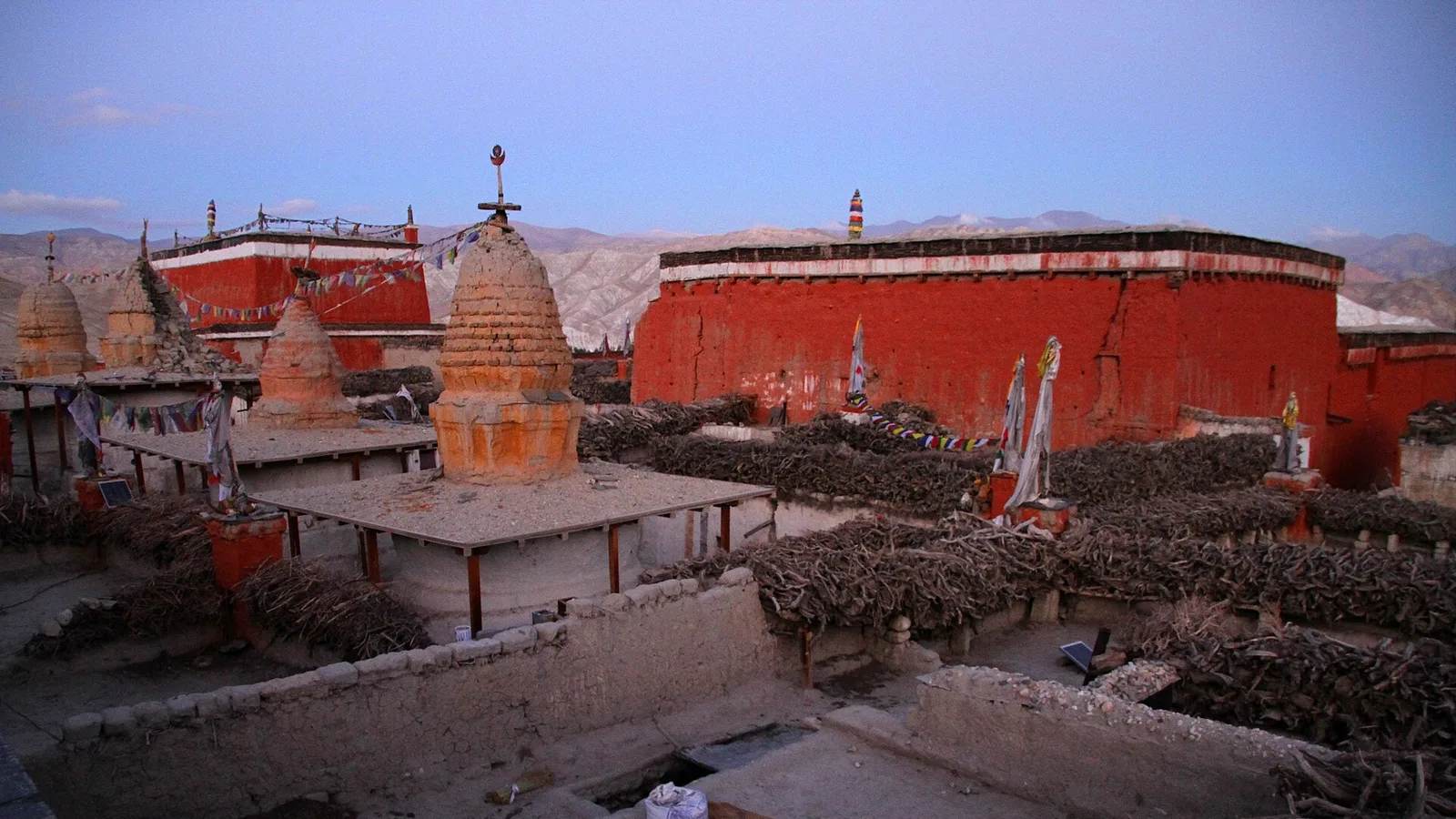
Upper Mustang stayed shut to foreign visitors until 1992. Nepal has now dropped the fee that made a short visit cost the same as a ten-day one.
Records & People
Nepal Drops From 8,848 Metres to 59 in Under 250 Kilometres, and Its Lowest Point Just Moved
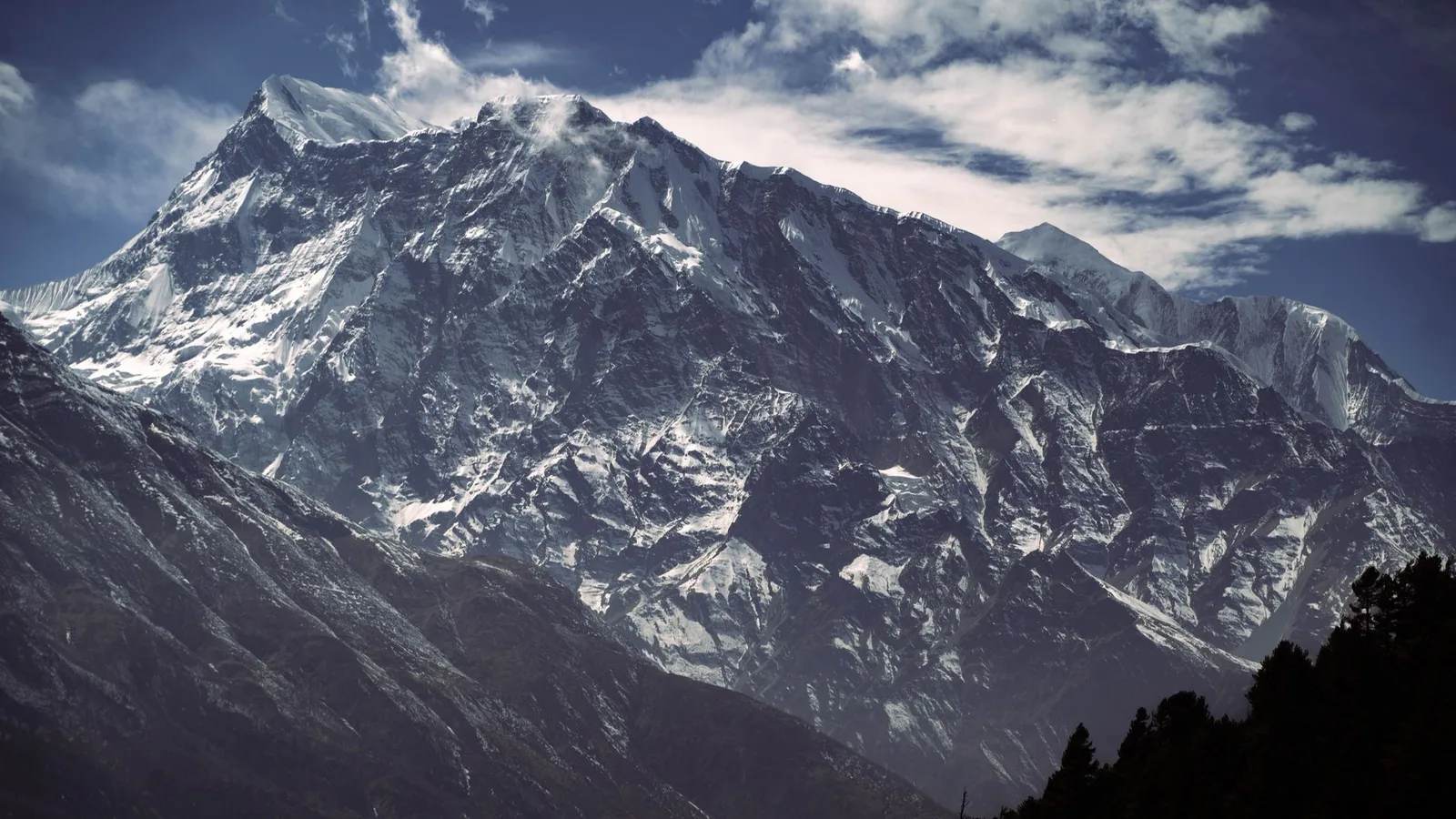
A 2017 survey reportedly found a lower spot than the one Nepal had used for decades, which makes the gap between jungle floor and Everest summit even harder to believe.
Deals & Routes
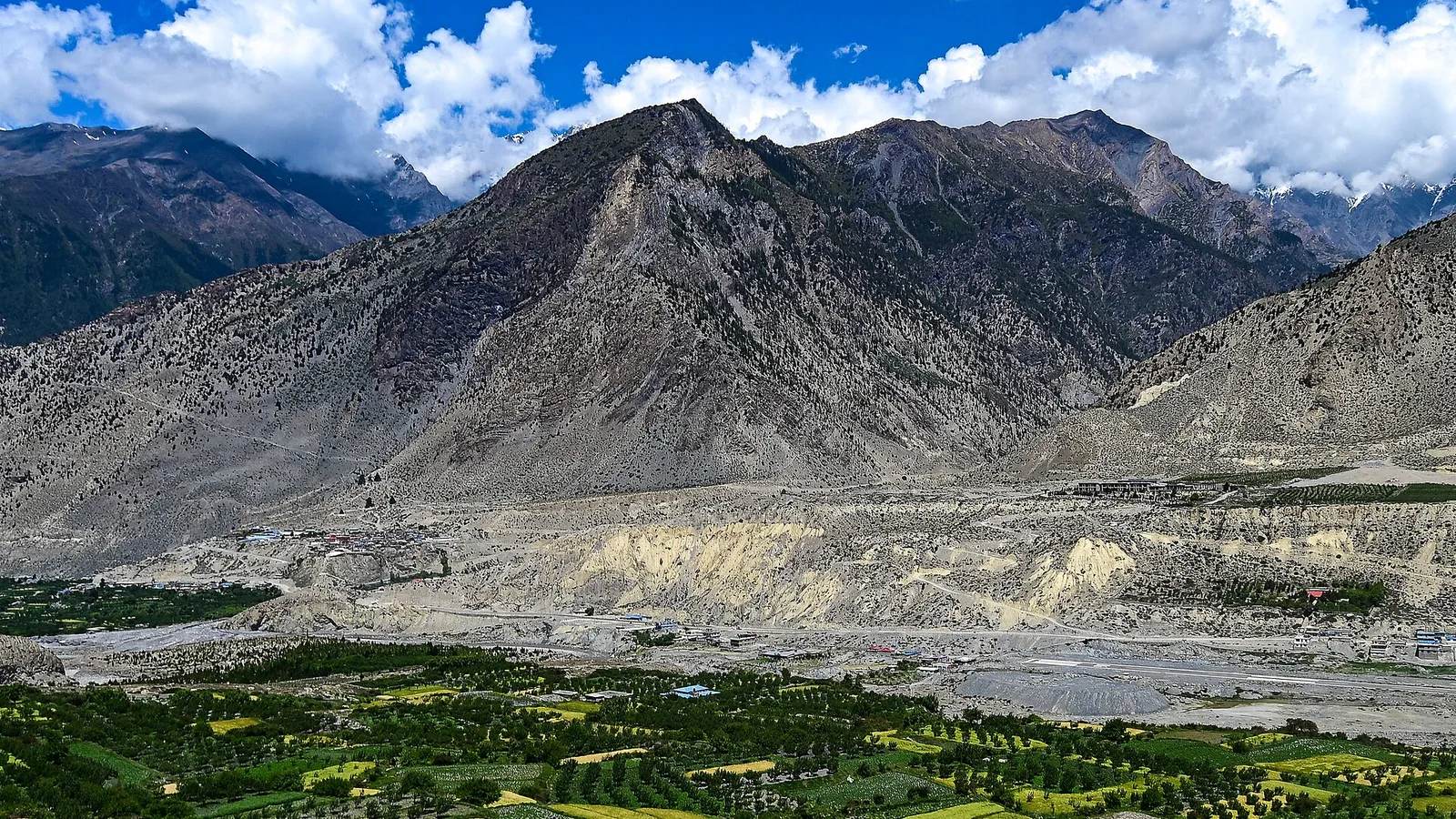
Annapurna Circuit or Upper Mustang, here's how to pick between Nepal's two classic treks
One climbs to a 5,416m pass with real altitude risk, the other stays under 4,000m in a walled desert kingdom. Here's the honest trade-off.
Safety & Advisories
If You Think a Satellite Beacon Keeps You Safe on a Trek, Here’s What It Actually Can’t Do
A rescue beacon gets you help faster once something goes wrong. It has never stopped anyone getting lost, hurt, or caught by a storm in the first place.
Latest from the desk
Breaking Safety & Advisories
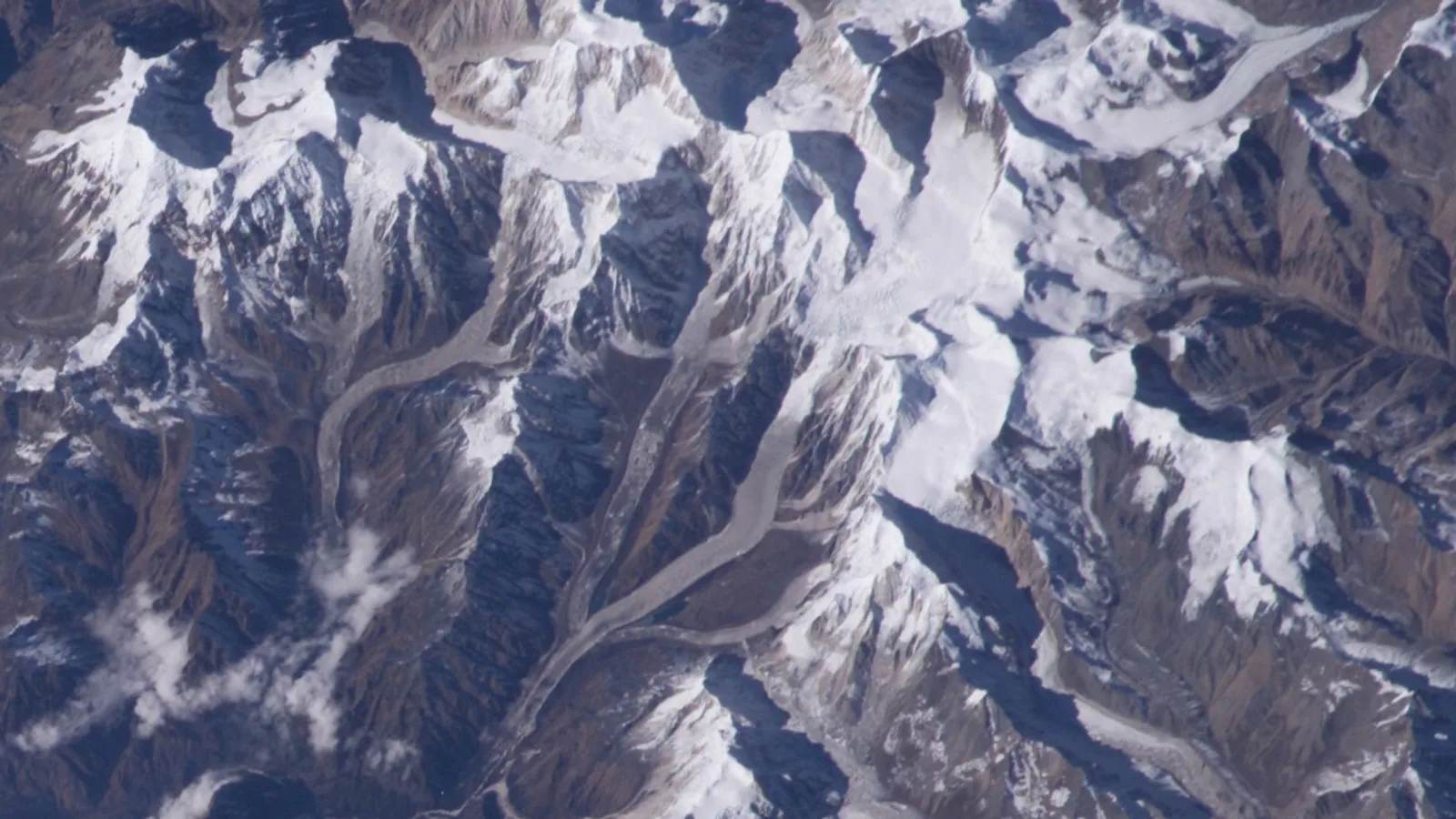
An Avalanche Buried Himlung Himal's Base Camp in Nepal, and Ten Climbers and Staff Are Missing
An avalanche hit Himlung Himal's base camp in Nepal's Manang district on 27 September, and rescuers are searching snow for ten missing climbers and staff.

Money & Insurance
You Could Be Owed Cash From a $167 Million Visa and Mastercard Settlement, Here's How to Check
Visa and Mastercard are paying $167.5 million after allegedly blocking cheaper ATM fees, and the claim deadline is 10 February 2027.
Wildlife & Nature
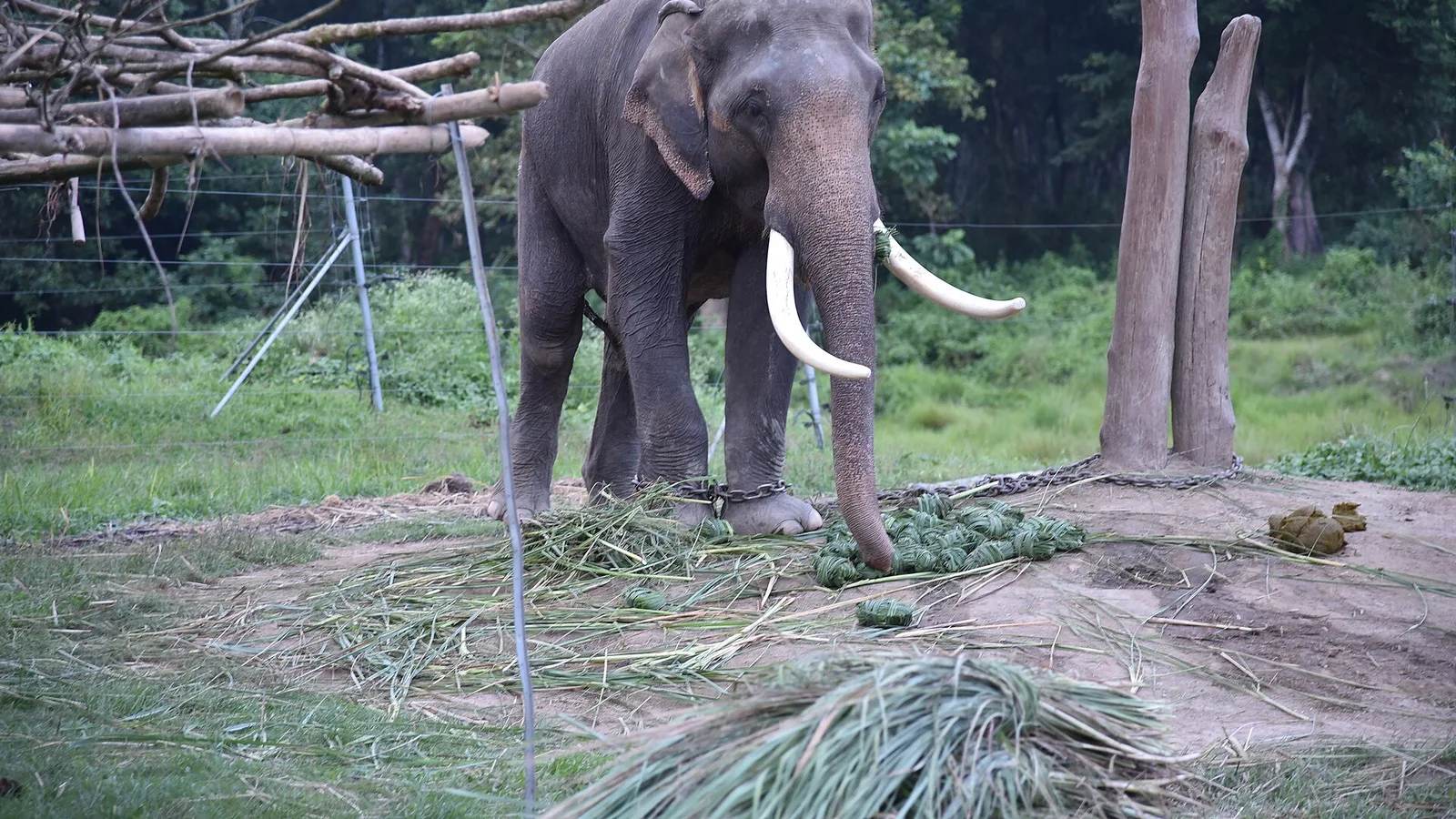
Chitwan or Bardia, here's which Nepal safari you should actually book
Nepal's 2026 tiger census found record numbers in Chitwan and a rare decline in Bardia, and it changes the honest answer to which safari to book.