
Mera Peak or Island Peak: Which Nepal Trekking Peak Should You Climb First in 2026?
Mera is higher and easier, Island is lower and far more technical — the honest breakdown of Nepal's two most-climbed 6,000m peaks, and which one should be your first.
At a glance
- Published · updated
- TopicSafety & Advisories
- Verified againstNepal Mountaineering Association
- Treks coveredIsland Peak Climbing — 18 Days, Mera Peak Climbing — 15 Days, Lobuche East Peak Climbing — 16 Days
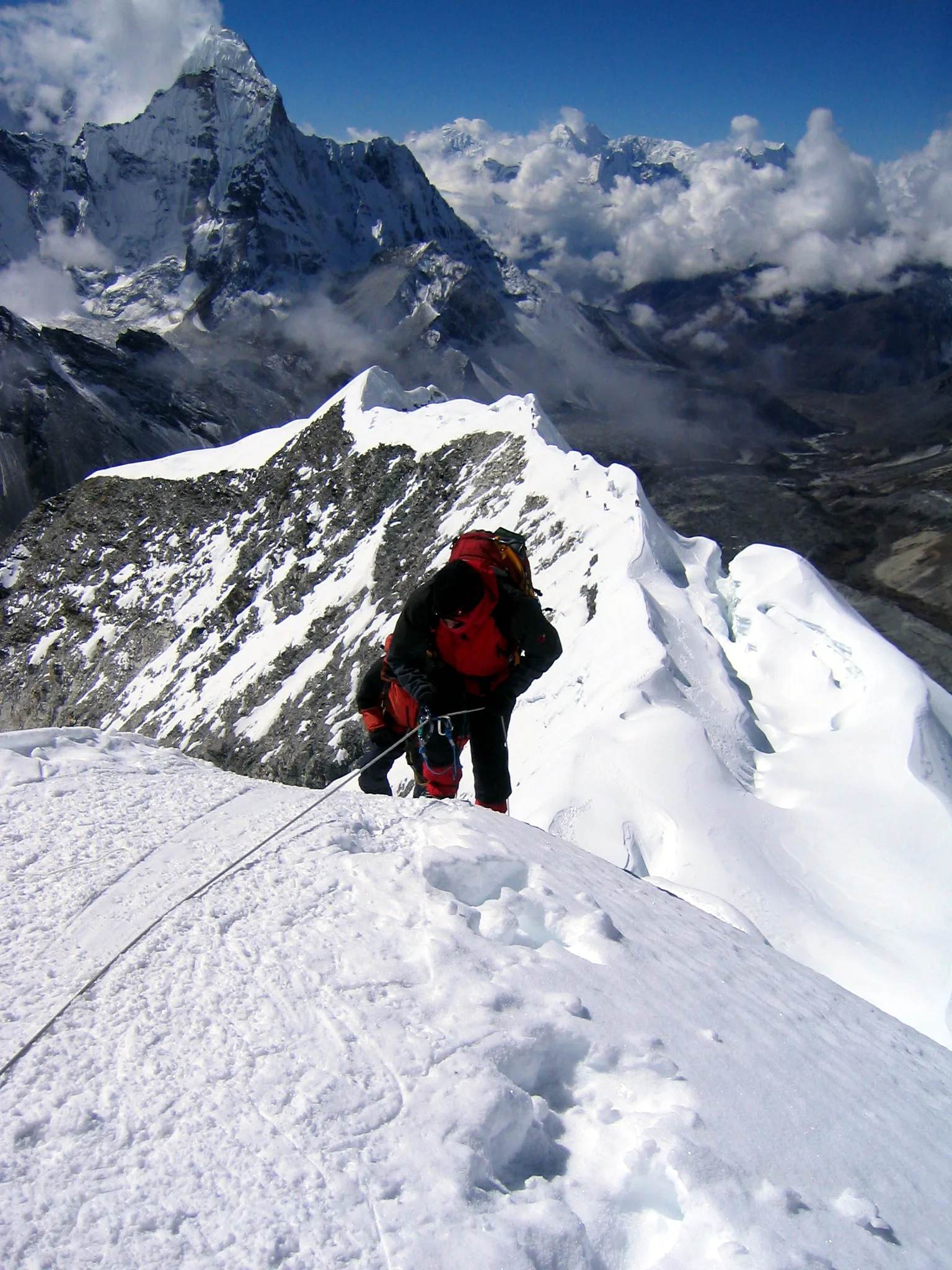
If your climbing résumé is mostly long, high-altitude trekking, climb Mera Peak first. At 6,476m it is Nepal's highest trekking peak, but the final push to the summit is a straightforward glacier walk on a moderate slope, not a technical climb — the challenge is altitude and stamina, not rope skills. If you have already used a jumar and crampons and want a short, sharp alpine test, climb Island Peak instead: at 6,189m it is 287m lower than Mera, but its summit day includes a fixed-rope headwall around 45 to 55 degrees that turns back more climbers than the thin air does.
Key facts
- Mera Peak: 6,476m, Nepal's highest trekking peak, rated non-technical to moderate
- Island Peak (Imja Tse): 6,189m, rated technical, with fixed ropes, ladders and a steep headwall on summit day
- Both are NMA Group A trekking peaks: the climbing permit costs $350 per climber in spring and $175 in autumn or winter, plus a refundable $500 group garbage deposit (rates in force since 1 September 2025)
- Both peaks were first climbed in the same nine days of May 1953, alongside the expedition that put Tenzing Norgay and Edmund Hillary on Everest
Same permit fee, very different climb
Since Nepal's climbing-royalty overhaul took effect on 1 September 2025, every standard NMA trekking peak, Mera and Island included, carries the same government fee: $350 per climber in spring, dropping to $175 in autumn and winter. Price is not what should decide between them. Mera sits in the Hinku Valley south of Everest, reached via a Makalu Barun National Park permit plus a local rural-municipality fee; its three summit points (Mera North, Central and South) top out on a broad snow dome you climb roped but essentially walking, provided the weather holds. Island Peak sits inside Sagarmatha National Park, a short detour from the Everest Base Camp trail near Chhukung. Its summit ridge narrows to an exposed, fixed-rope scramble above a crevassed glacier, and most operators, us included, run a rope-and-ladder skills day at base camp before the summit push.
Two peaks from the same nine days in 1953
Eric Shipton named Island Peak in 1952, after it looked to him like an island in a sea of ice viewed from Dingboche. The following year, a rope from the British Everest expedition, including Tenzing Norgay, Charles Evans, Alfred Gregory and Charles Wylie, climbed it as an acclimatisation exercise before their own summit attempt; it was formally renamed Imja Tse in the early 1980s. Nine days earlier, on 20 May 1953, Colonel Jimmy Roberts and Sherpa Sen Tenzing made the first ascent of Mera Peak while Roberts wound down his supply duties for the same Everest expedition — a quiet first ascent now credited as one of the seeds of Nepal's entire commercial trekking industry.
| Factor | Mera Peak | Island Peak |
|---|---|---|
| Altitude | 6,476m | 6,189m |
| Technical grade | Non-technical to moderate | Technical, fixed ropes and ladders |
| Main cause of turnback | Altitude, stamina | Technical terrain, fatigue on the headwall |
| National park permit | Makalu Barun NP | Sagarmatha NP |
| NMA peak fee, spring | $350 | $350 |
| Our trip length | 15 days | 18 days, 14-day option available |
| Our price from | $1,950pp (8+) | $2,800pp (8+) |
What this means for climbers
Choose Mera Peak if this is your first roped summit and you want the highest trekking-peak altitude in Nepal without technical climbing — our 15-day Mera Peak climb builds in the acclimatisation days that altitude, not skill, demands. Choose Island Peak if you are already doing, or have done, Everest Base Camp and want a genuine technical summit added to the same trip — our 18-day Island Peak climb includes a training day on the ropes before the summit push. Climbers who find Island Peak comfortable often step up next to Lobuche East (6,119m), a technically harder peak we also run as a 16-day expedition.
Source: Nepal Mountaineering Association, official foreign-climber service charges.
Cover photo: Mountaineer via Wikimedia Commons (CC BY 3.0).
Still running this season
Lobuche East Peak Climbing — 16 Days is running normally
NMA-certified local guides, transparent pricing, 5,000+ treks since 1998. Message us your dates and we'll sort the permits, lodges and logistics — reply within 24 hours, no obligation.
Popular Nepal treks
All treks →
Related coverage
Safety & Advisories
Is the Mera Peak Climb Affected by the 2026 Nepal Floods?
No — Mera Peak is in the Hinku valley of the Everest region and the climb is running normally. The 26 August flood hit Rasuwa in the north. What decides your summit is Lukla flights, acclimatisation, the weather window and your NMA permit — not the flood.
Safety & Advisories
Is the Lobuche Peak Climb Affected by the 2026 Nepal Floods?
Short answer: no. Lobuche Peak (6,119 m) is an NMA climbing peak in the Everest region, reached via Lukla on the Dudh Koshi — a separate watershed from the Rasuwa flood. The route is unaffected; the only real variable is monsoon-season Lukla flights.
Safety & Advisories
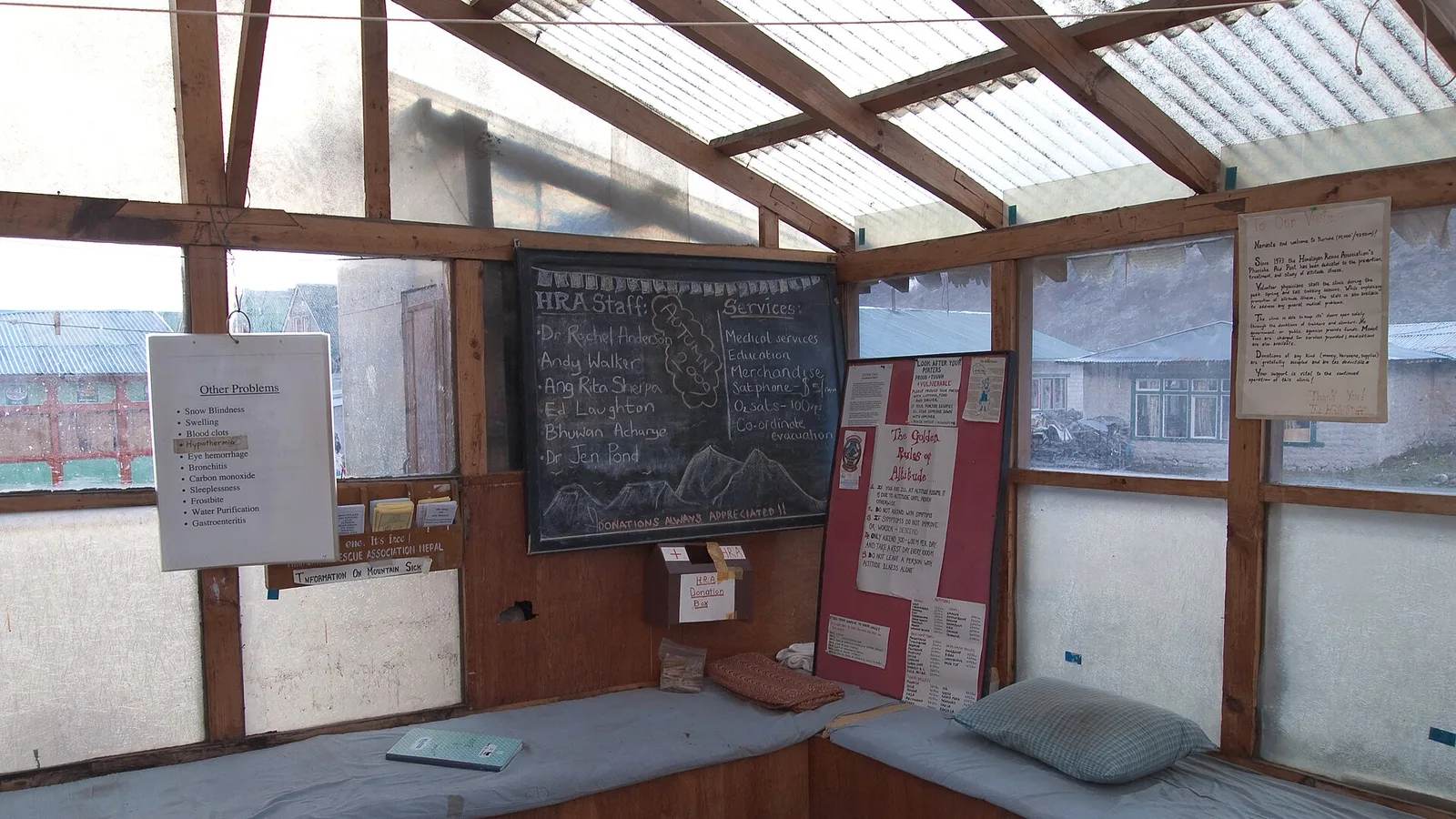
Your Nepal Trekking Guide Just Spent the Week Learning to Keep You Alive Above 4,000m
Days before Nepal's autumn trekking season opens, two of the country's oldest mountain-safety institutions ran back-to-back wilderness first-aid courses for working guides, drilling CPR, patient evacuation and the earliest signs of altitude sickness.
Safety & Advisories
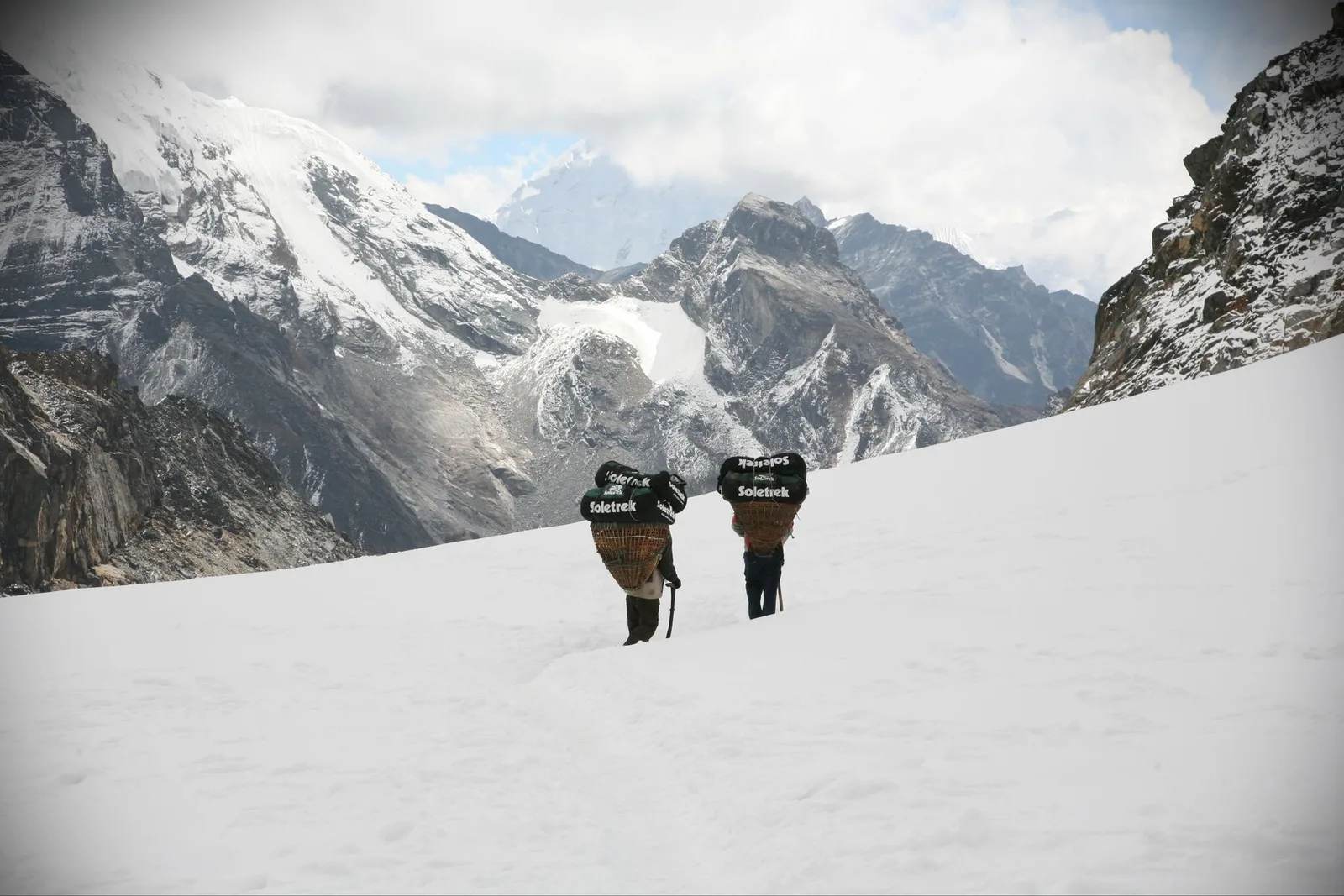
Is the Island Peak Climb Affected by the 2026 Nepal Floods?
No — Island Peak (Imja Tse) is in the Khumbu, Everest region, and the climb is running normally. The 26 August flood hit Rasuwa in the north. What decides your summit is Lukla flights, acclimatisation, the weather window and your NMA permit — not the flood.
Latest from the desk
Gear & Tech
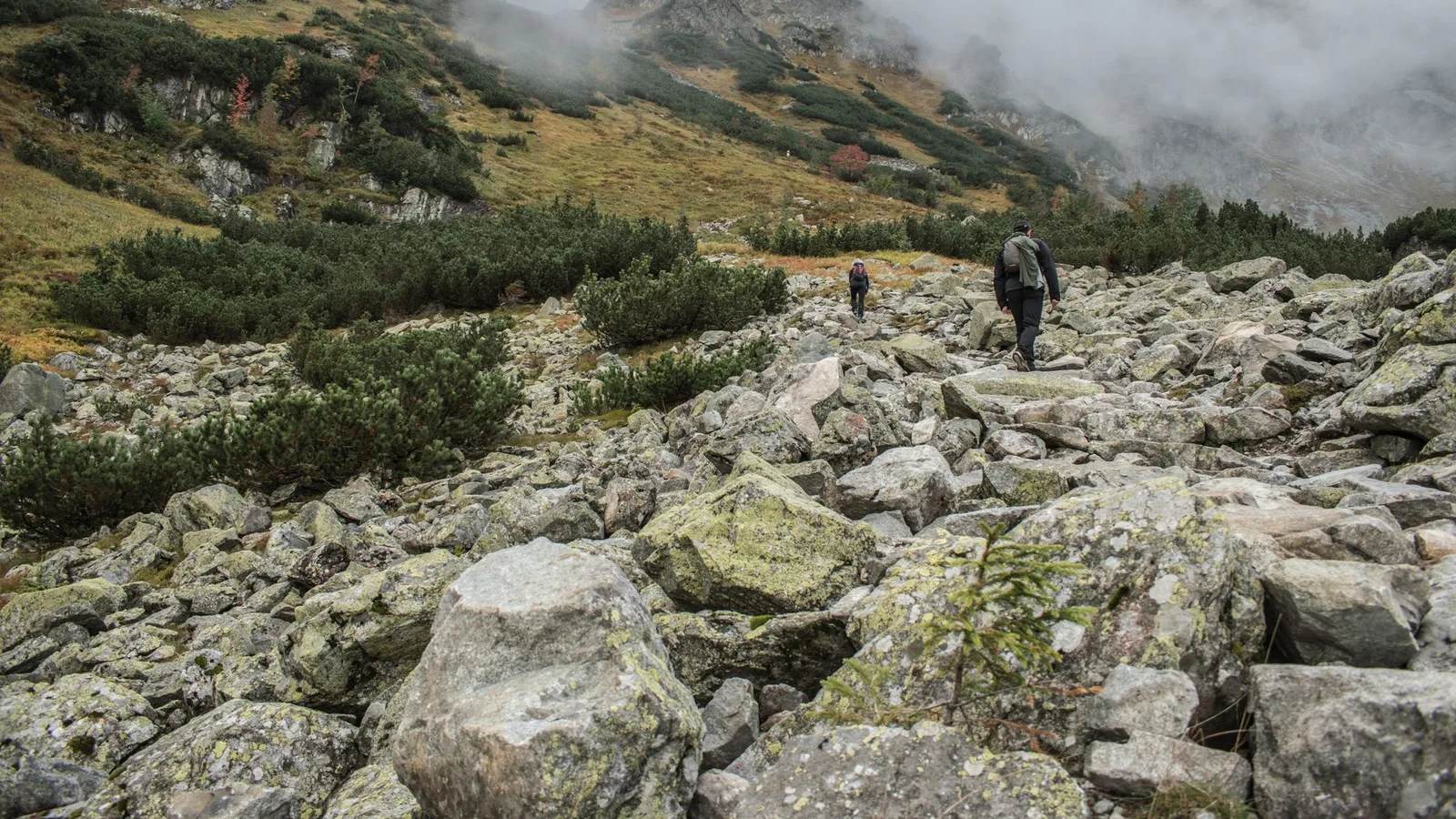
Trail shoes or hiking boots, and what the ankle-support research actually found
Most teahouse trekkers wear more boot than the walk needs, and the ankle-support argument holding that up is thinner than the shops suggest.
Gear & Tech
Merino or synthetic base layers, and what a lab found when it measured the smell
Merino wins the week-long wear, synthetic wins the overnight dry, and the lab reason merino stays fresh is not the bacteria story you have been told.
Safety & Advisories
If someone you know is missing in the Nepal flood, you don't have to fly to Kathmandu
Nepal Police have identified 95 of more than 1,200 bodies recovered. Families abroad can be DNA-profiled at home and send the result in. Here is how it works.