Nepal's Last Forbidden Kingdom Stayed Closed Until 1992, and Getting In Just Got Far Cheaper
Upper Mustang secretly hosted a CIA-backed guerrilla army and then stayed shut to every foreign visitor for another eighteen years, and Nepal has now dropped the fee that made a short visit cost the same as a ten-day one.
At a glance
- Published
- TopicPermits & Rules
- Verified againstWikipedia
- Treks coveredUpper Mustang Trek — 12 Days, Upper Mustang Trek — 15 Days
Most travellers who've heard of Upper Mustang know it by its nickname, the Forbidden Kingdom — but few know how literally that name was earned, or that Nepal just rewrote the rule that decided who could afford to go.
Key facts
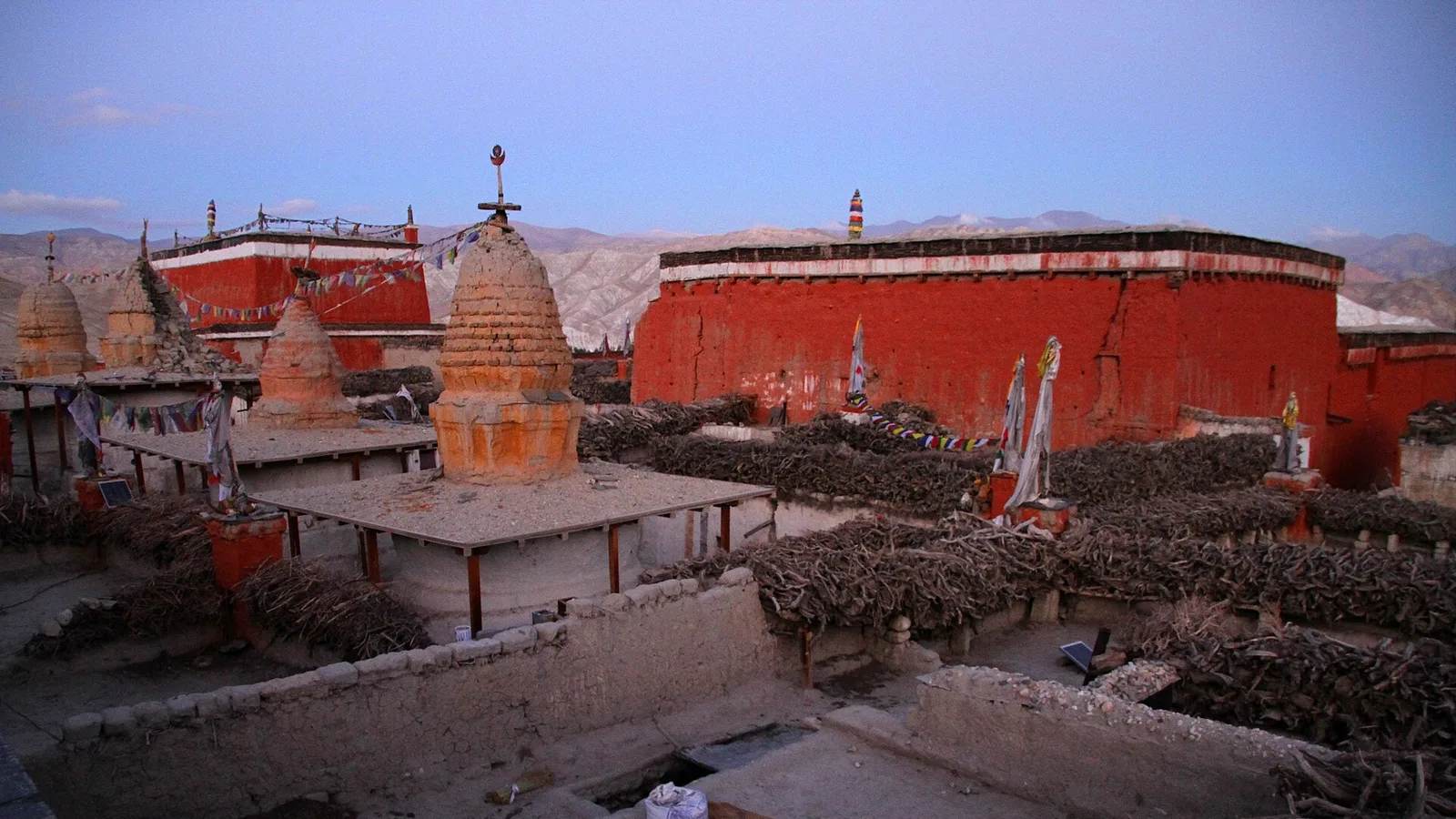
- The walled capital, Lo Manthang, was founded in 1380 by King Ame Pal and still stands largely unchanged
- From 1960 to 1974, Mustang secretly hosted a CIA-backed Tibetan guerrilla army fighting Chinese rule over Tibet
- Nepal kept the region closed to every foreign visitor for another 18 years after that, only opening it in 1992
- From 2025, the restricted-area permit changed from a flat $500-for-10-days fee to $50 per person, per day, with no minimum stay
The history explains the secrecy better than any marketing copy could. In 1960, the CIA and Tibetan resistance leaders set up a guerrilla base inside Mustang, training and arming more than 4,000 Khampa fighters to strike across the border into occupied Tibet. Washington funded the operation until 1972, when Richard Nixon normalised relations with Beijing and pulled the plug; the Tibetan fighters carried on alone for two more years until Kathmandu, under pressure from China, sent its own army in to disband the camp in 1974. Even after the guerrillas were gone, Nepal left Mustang off the map for any foreign traveller for another eighteen years, wary of its sensitivity so close to the Tibetan border.
When the government finally reopened Upper Mustang in 1992, it did so by pricing most people out. The original restricted-area permit ran to roughly $700 for the first ten days, deliberately capping visitor numbers at around 1,000 a year to protect a landscape with almost no tourist infrastructure. The fee later settled at a flat $500 for the first ten days plus $50 for each additional day — which meant a rushed three- or four-day jeep tour to Lo Manthang cost exactly the same as a leisurely two-week trek. From 2025, Nepal's Department of Immigration scrapped that structure altogether: the permit is now a flat $50 per person per day, with no minimum charge at all.
Inside the walls that made it famous, Lo Manthang hasn't changed nearly as fast. The city Ame Pal founded in 1380 still holds barely 200 households inside its perimeter wall, and scholars regularly call it one of the best-preserved medieval walled settlements left standing anywhere. The kingdom kept a hereditary ruler, the Raja of Lo, right through the restricted-visitor era — Jigme Dorje Palbar Bista held the title from 1964 until Nepal abolished its own national monarchy and, with it, recognition of Mustang's, in 2008. Locals kept calling him king anyway until his death in 2016 at age 86, and Lo Manthang still marks the royal lineage as part of its identity today.
What this means for trekkers
What this means for you
The old flat fee punished exactly the travellers with the least time — a long weekend in Lo Manthang used to cost as much as a proper two-week circuit. Under the new $50-a-day rate, a focused 4–5 day loop into Lo Manthang is realistic on a real budget for the first time, on top of the roughly $25 ACAP conservation fee that still applies across the wider Annapurna Conservation Area. A full 12-day Upper Mustang trek or the longer 15-day route still gives the most complete picture of the kingdom, but the region is no longer an all-or-nothing decision.
Sources: Wikipedia, “Upper Mustang” and “Jigme Dorje Palbar Bista”; Small Wars Journal, “The CIA in Tibet, 1957–1969”; Nepal Economic Forum, “What is the State of Tourism in Mustang?”; 2026 permit-fee reporting via northnepaltrek.com and adventuremastertrek.com.
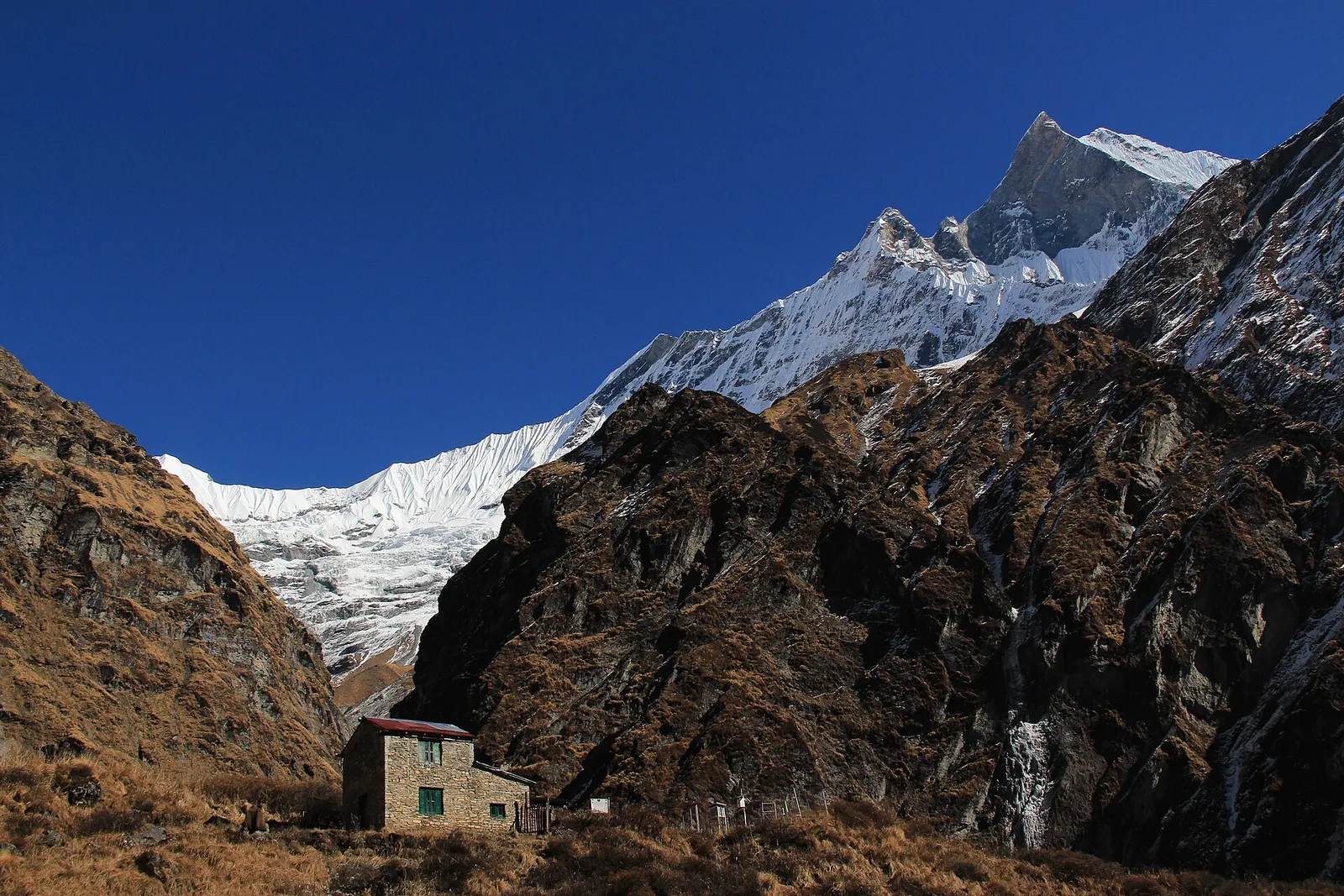
Cover photo: Gerd Eichmann via Wikimedia Commons (CC BY-SA 4.0).
Still running this season
Upper Mustang Trek — 12 Days is running normally
NMA-certified local guides, transparent pricing, 5,000+ treks since 1998. Message us your dates and we'll sort the permits, lodges and logistics — reply within 24 hours, no obligation.
Popular Nepal treks
All treks →
Related coverage

Safety & Advisories
Is the Upper Mustang Trek Affected by the 2026 Nepal Floods?
No — and Upper Mustang is one of the driest, safest regions to trek right now. The 26 August flood hit Rasuwa; Mustang sits in the rain shadow behind the Himalaya, dry and open.
Records & People
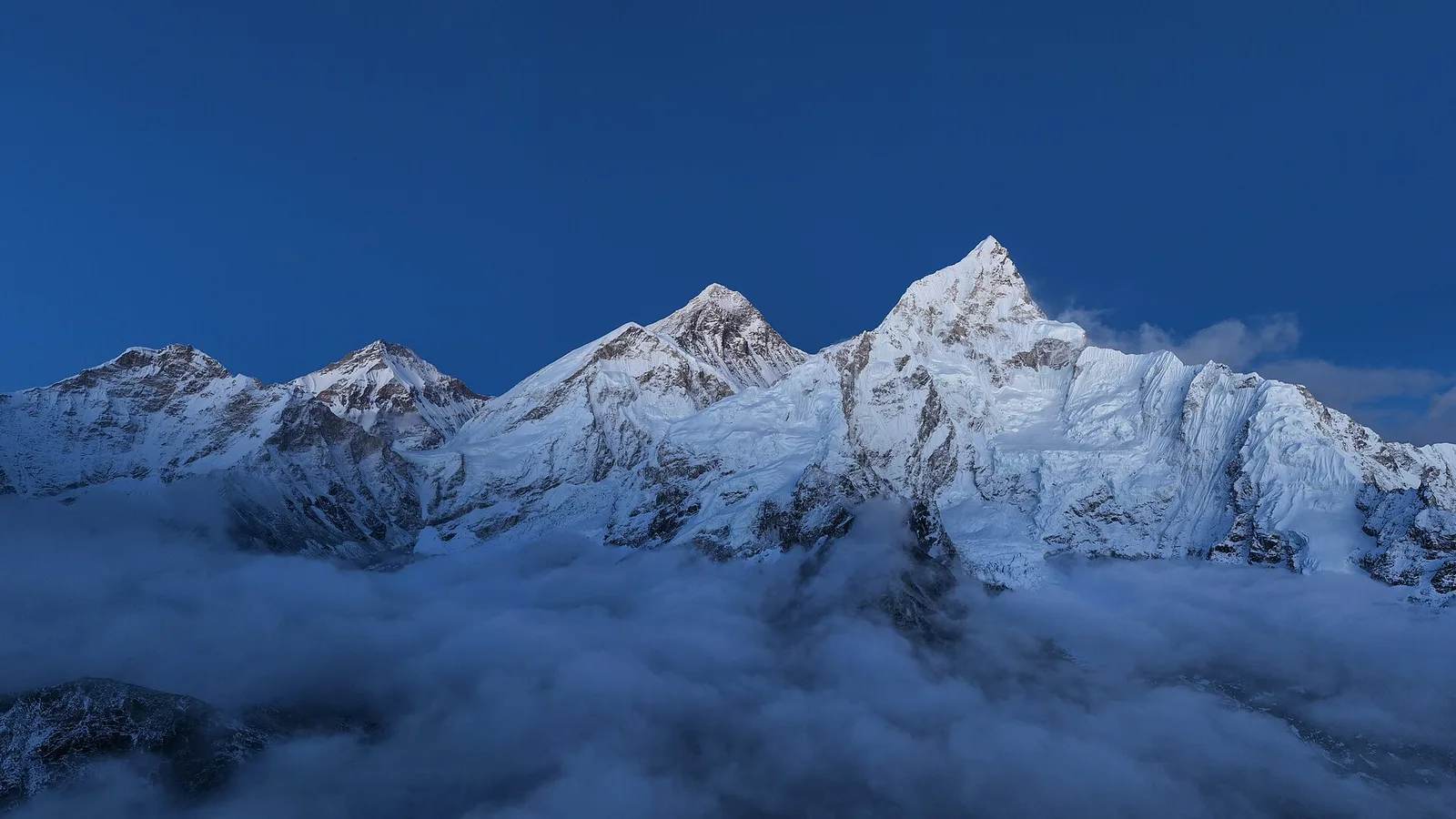
Mount Everest's Official Height Was Wrong for 65 Years, Until Nepal and China Finally Agreed in 2020
The number on every map, 8,848.86 metres, only became official on 8 December 2020, after two countries spent over a decade measuring the same mountain and getting two different answers.
Records & People
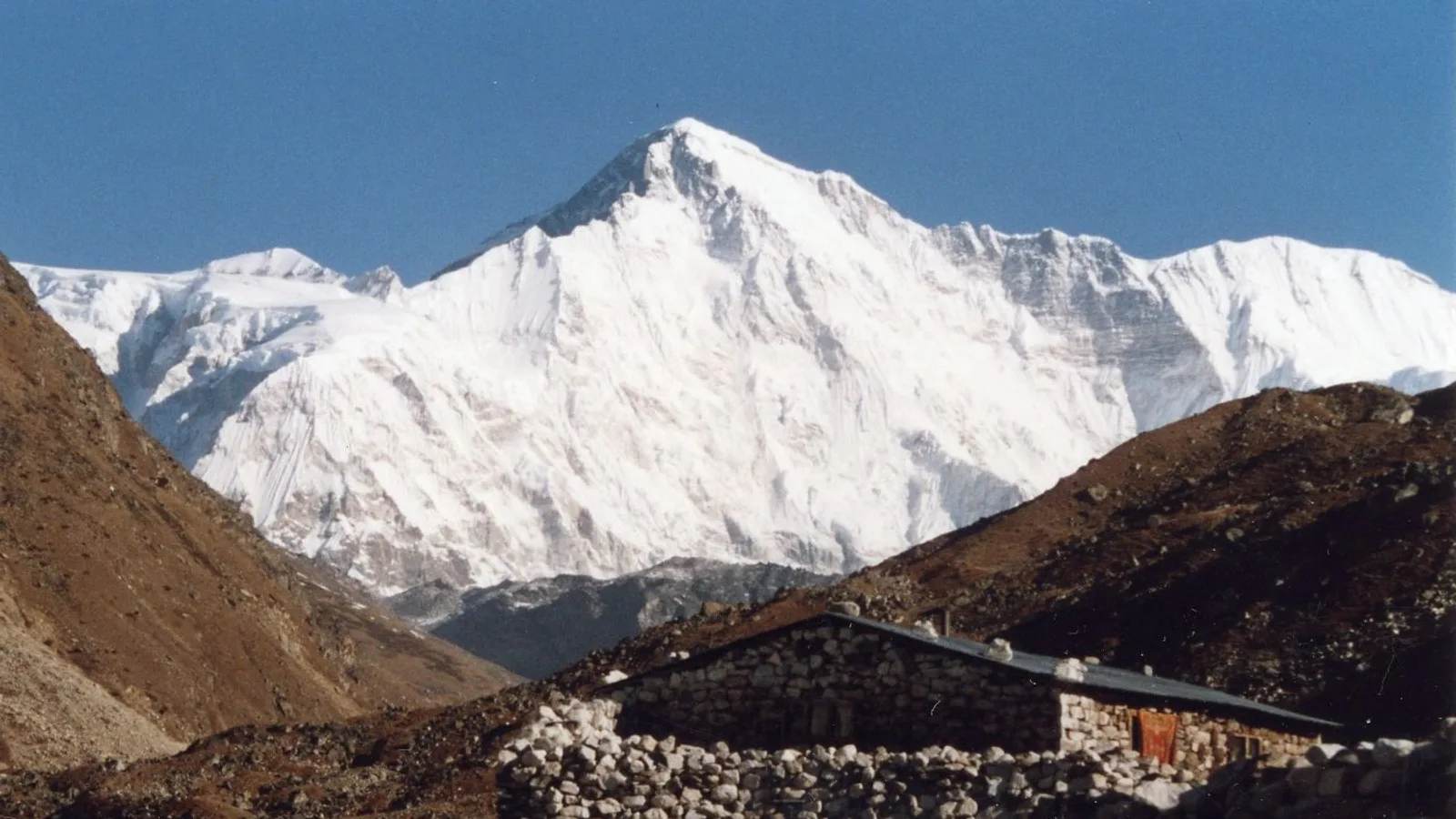
Cho Oyu and Shishapangma are closed again this autumn and every 14-peak climber is funnelled into Nepal
The China-Tibet Mountaineering Association has kept Cho Oyu and Shishapangma shut to foreign teams for autumn 2026, and Manaslu absorbs the whole overflow.

Records & People
Fire Burns Directly Out of Water at This Himalayan Shrine — and Nobody Lit It
At 3,762 metres in Nepal's Mustang district, natural gas has kept a flame alight beside — and by tradition within — a spring for so long that Hindus and Buddhists both call the same shrine holy.
Latest from the desk
Records & People
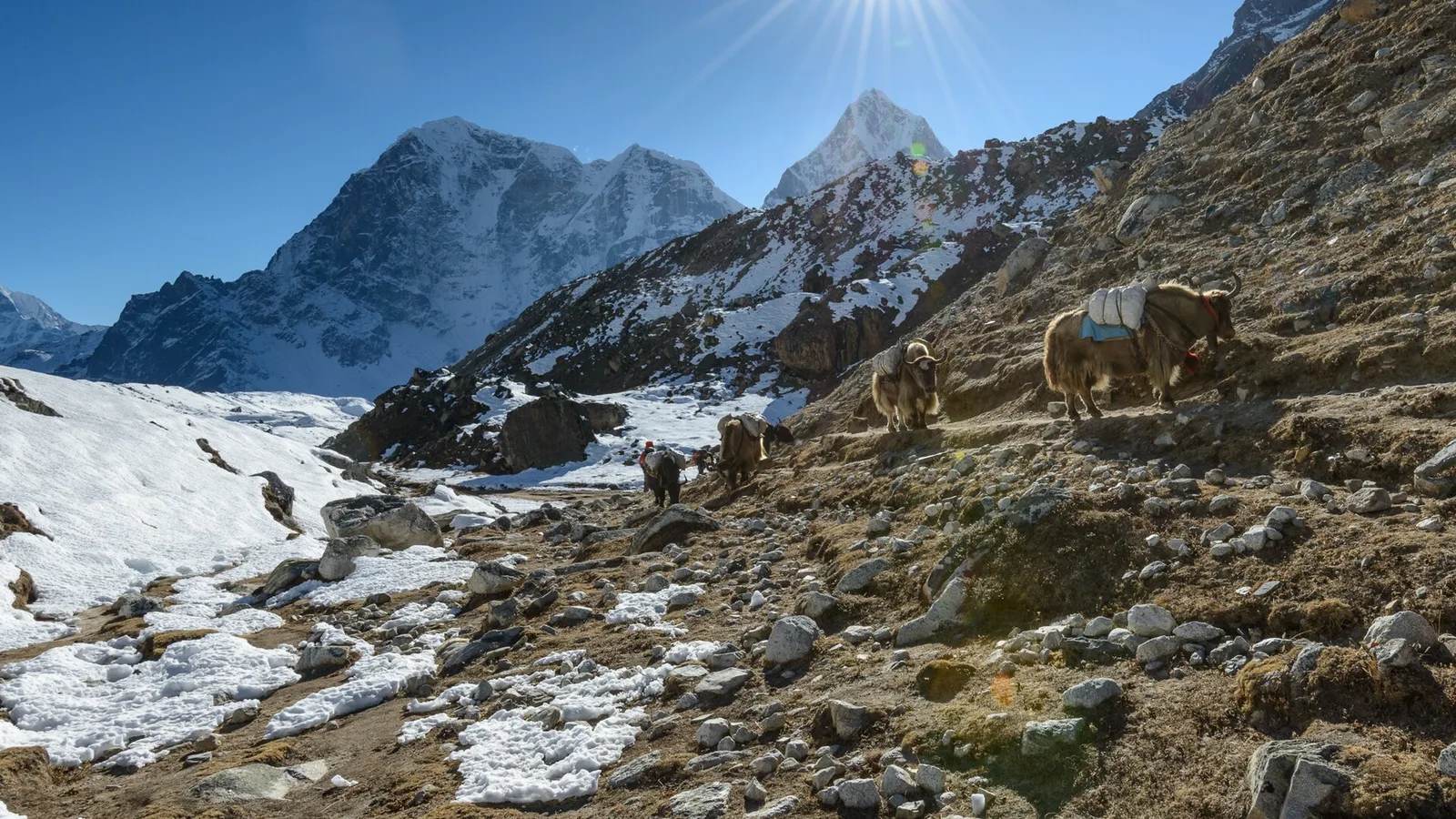
Nobody Tells You Most 'Yaks' Photographed on the Everest Trail Aren't Yaks at All
The shaggy pack animal hauling your duffel bag below about 3,500m almost certainly isn't a yak, but a dzo, a yak-cattle hybrid bred because real yaks can't handle the heat.
Industry & Tourism
Everyone Says Island Peak Costs More Than Mera Peak in 2026 — the NMA Fee Says They're Identical
Nepal's two most-climbed trekking peaks carry the exact same government permit fee this year, so the real decision between Mera Peak and Island Peak comes down to technical grade, not price.
Breaking Permits & Rules
Nepal Just Proposed a Way for Tourists to Travel Without Ever Carrying a Passport
A new Department of Immigration plan would let visitors register once on a mobile app and skip the physical passport for domestic flights, money changers and trekking agencies — but for now, the paper one still needs to stay in your daypack.