
Packing cubes do one thing well, and it is not the thing most people buy them for
Compression cubes won the AAA space test, but no cube changes what the scale says. Which airlines limit size, which limit weight, and how to buy for yours.
At a glance
- Published
- TopicGear & Tech
- Verified againstAAA Club Alliance
- Treks coveredEverest Base Camp Trek — 14 Days
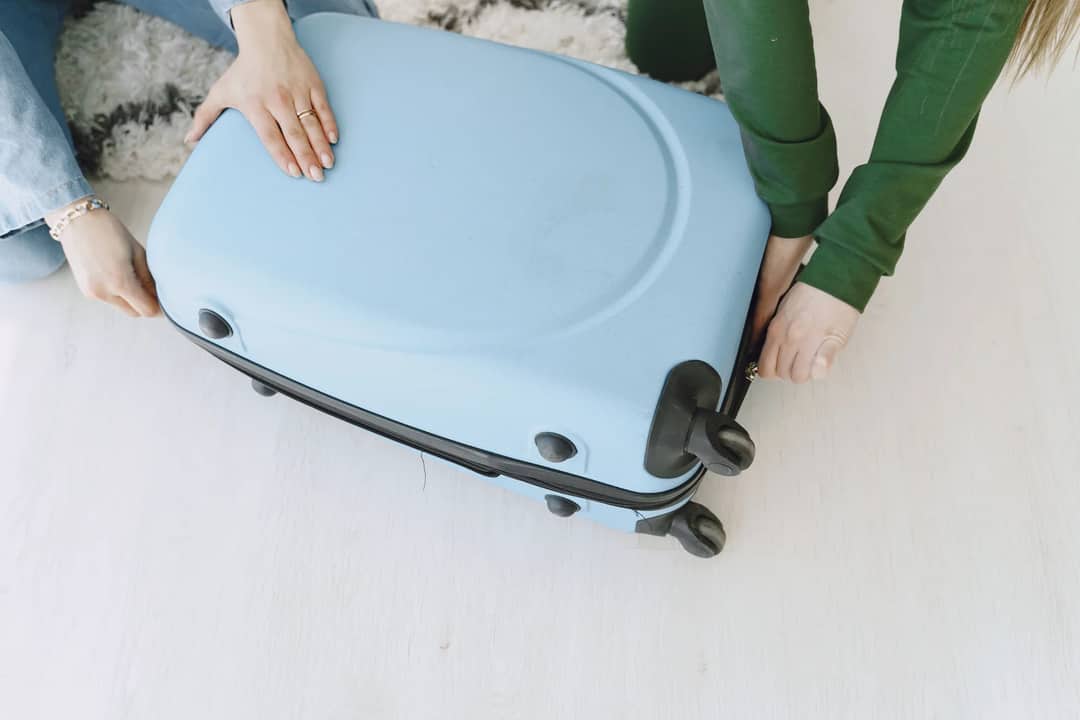
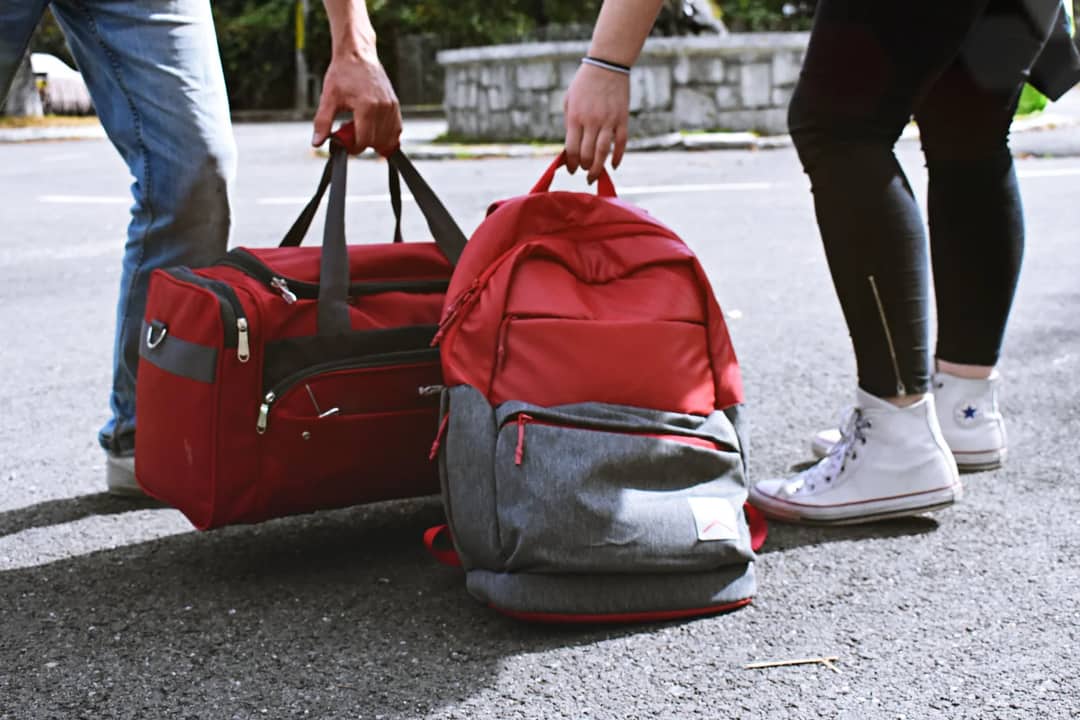
Packing cubes save space, and compression cubes save the most, but neither saves a single gram, and weight is what the gate agent puts on the scale. That is the whole buying decision in one line. If your airline allows a 10 kg cabin bag and yours weighs 7 kg, cubes will let you fit more into it and you will still walk through. If your allowance is 7 kg, a compression cube full of jumpers will fit beautifully and then cost you the checked-bag fee at the desk. Buy for the rule you fly under, not the video where someone fits a week into a backpack.
Key facts
- Compression cubes saved the most space in a packing test by the AAA; plain cubes saved less than rolling clothes with no cube at all.
- Neither type changes the weight of what is inside.
- Cabin bag weight limits run from 10 kg (Ryanair) to 23 kg (British Airways); US majors set a size, not a weight.
- The Kathmandu to Lukla flight allows about 5 kg in the cabin and 10 kg in the hold.
What a cube does, and what it cannot do
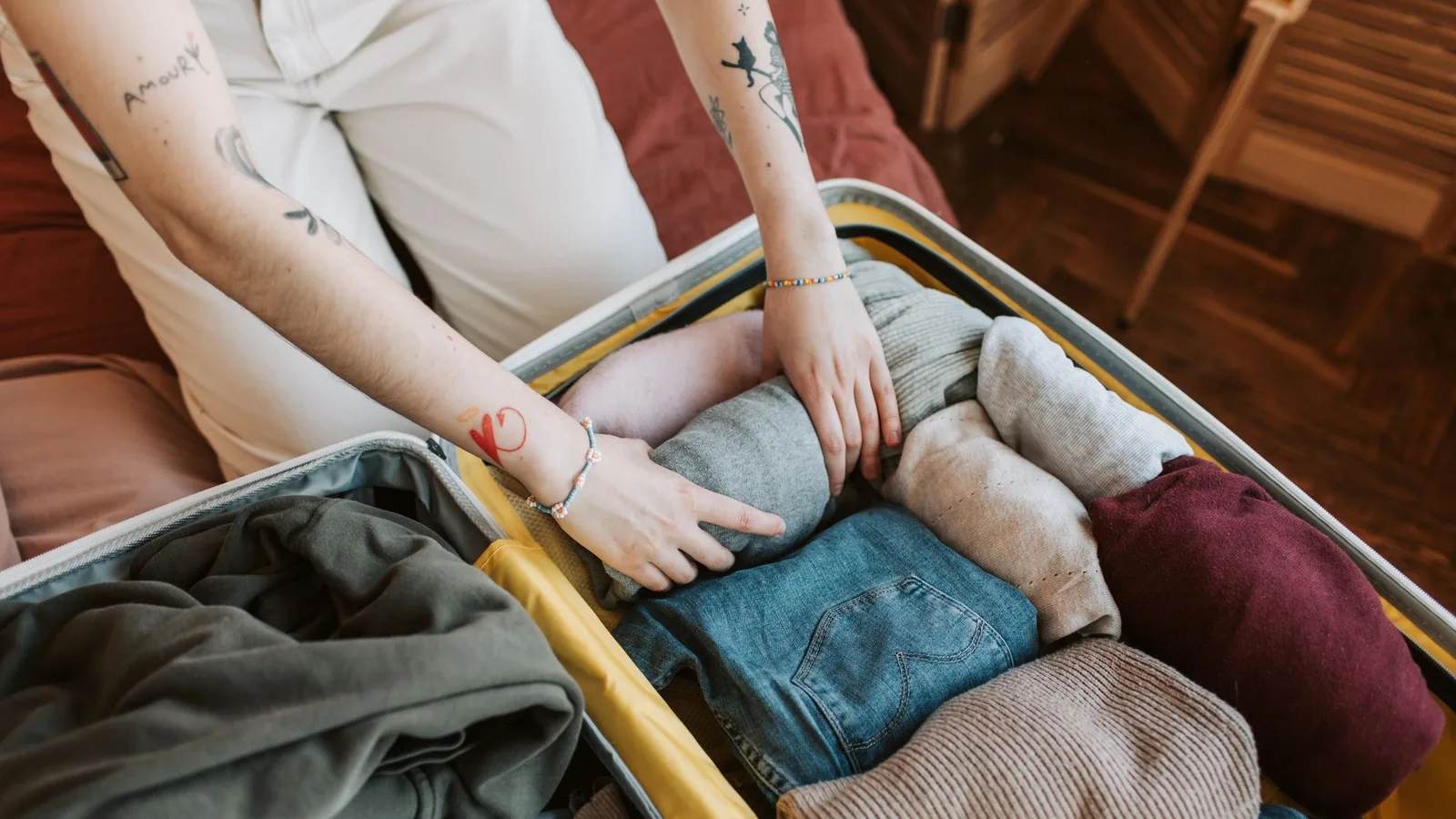
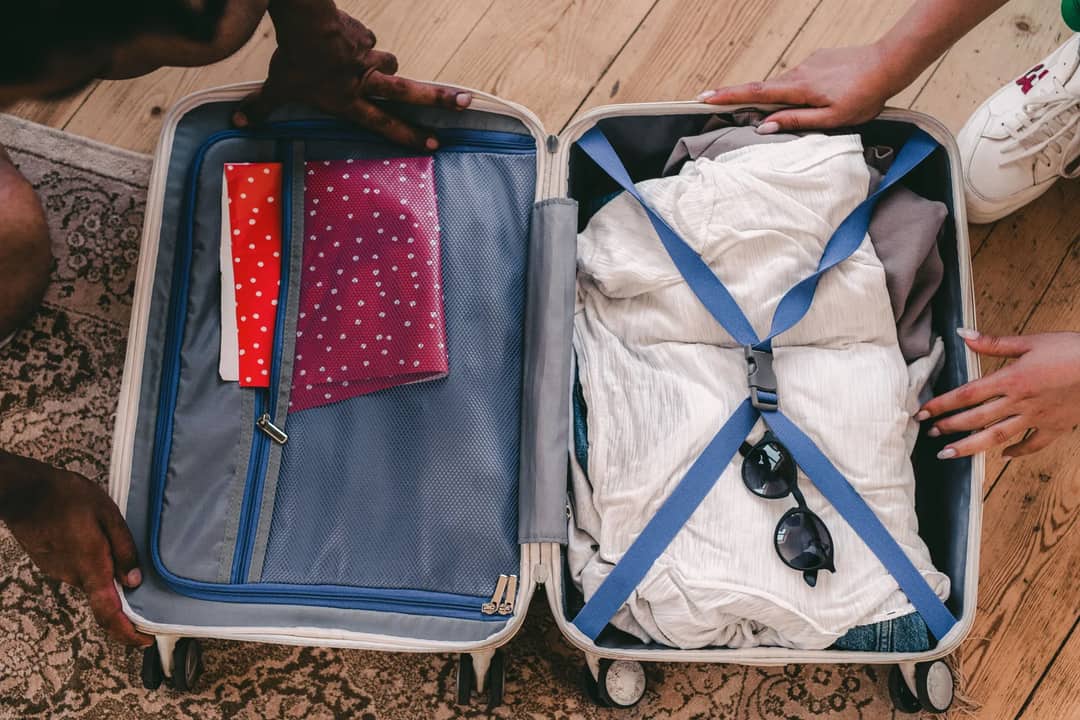
A packing cube is a zipped fabric box. Its job is order: shirts in one, underwear in another, the dirty pile in a third, so a bag can be opened on a lodge bed without exploding. A compression cube adds a second zip around the outside; closing it squeezes the air out, and the cube gets thinner. The AAA ran a like-for-like test and found that "compression packing cubes conserved the most space", followed by rolling clothes with no cube, with ordinary cubes behind both. Two costs came with the compression: clothes wrinkled, and nothing got lighter, because air weighs nothing.
The rule that decides whether you need one
The reason to think about weight first is that the airlines do. Our own cabin-bag guide checked the current allowances, and they are not close to each other:

| Airline | Cabin bag | Weight limit | Cube worth buying? |
|---|---|---|---|
| Ryanair | 55 x 40 x 20 cm (paid Priority) | 10 kg | Compression, to fit the size; watch the scale |
| easyJet | 45 x 36 x 20 cm free under-seat bag | 15 kg | Compression; size is the limit, not weight |
| British Airways | 56 x 45 x 25 cm | 23 kg | Ordinary cubes for order; compression unnecessary |
| US majors (American, Delta, United) | ~56 x 36 x 23 cm | Size only | Compression makes a real difference |
| Kathmandu–Lukla (Everest) | Small STOL aircraft | ~5 kg cabin + 10 kg hold | No cube helps; pack less |
Read the table one way: where the limit is size, compression pays; where the limit is weight, it does nothing and can tempt you into a bag you cannot lift into the locker.
How to choose one, in order
Measure the inside of the bag you own and buy cubes that fill it in one layer; a "large" from one brand is a "medium" from another, and a cube that does not fit flat wastes the space it was meant to save. Take fewer than you think: one for tops, one for bottoms and underwear, one for the things that get wet or dirty. Anything more and you are packing containers. Skip the ones with a thin plastic window, which crack in the cold, and the ones without a handle, which cannot be pulled from a stuffed duffel.
The trekking case, where cubes matter most
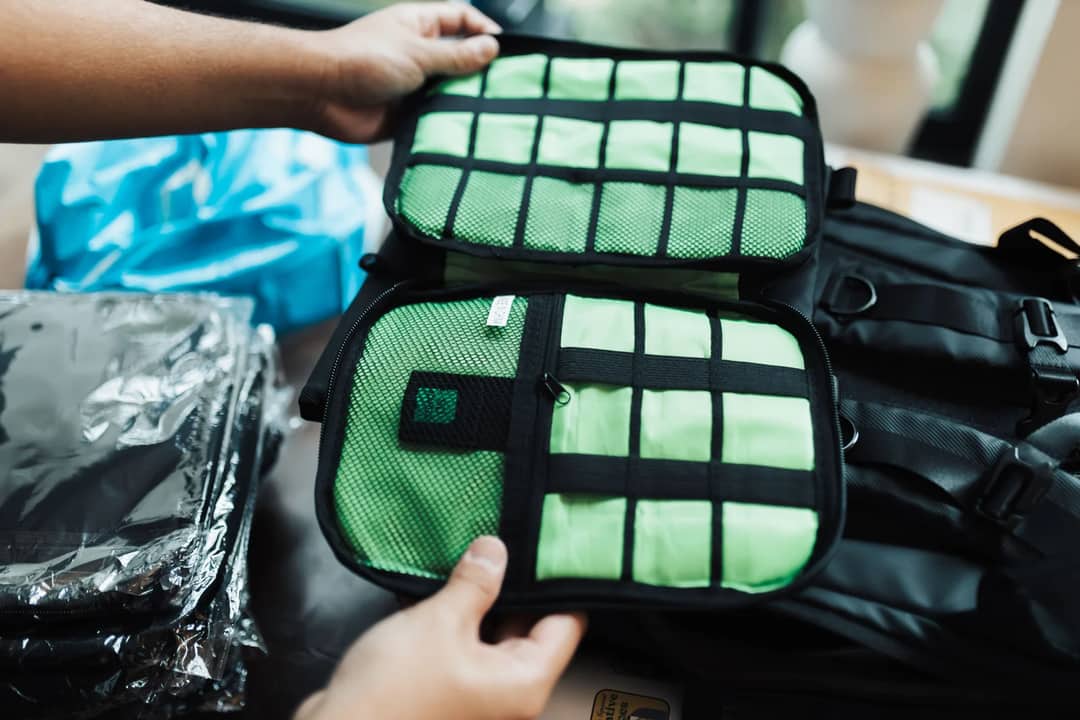
On a teahouse trek the bag lives in a porter's basket by day and on a plank bed by night, and it is opened in the dark, in a cold room, by someone wearing a headtorch. Cubes are what let you find the dry socks without emptying everything onto the floor. Our guides pack the same way: one cube for the layers that come out every evening, one for the things that only come out at the high camps, and a small one for the electronics and medicines that must not get lost. The 10 kg hold limit on the Lukla flight is where the "pack less" rule bites hardest; the packing list works to that number.
What this means for you
Two compression cubes and one ordinary cube, sized to your bag, will do for a two-week trip anywhere. Buy them after you have chosen the airline and read its weight rule, not before. And if the trip includes a small mountain aircraft, the only thing that fits the allowance is leaving things at home.
What not to buy
Vacuum bags that need a pump or a hoover: they work once, in a hotel, and never again on the road. Full "sets" of six or eight cubes, half of which stay empty. Cubes marketed with a claimed percentage of space saved, because the saving depends entirely on what you put in them and how you packed before. And any cube bought to squeeze a bag under a weight limit, which is the one thing it cannot do.
Sources: AAA Club Alliance, "Do packing cubes really help save space?" (comparative packing test); Travel Himalaya Nepal, hand luggage size and fees by airline (2026 allowances, verified with the airlines); Lukla cabin and hold limits as documented in the same guide.
Cover photo: Vlada Karpovich via Pexels (Pexels License). Section photos: SHVETS production via Pexels (Pexels licence); Gustavo Fring via Pexels (Pexels licence); Matheus Bertelli via Pexels (Pexels licence); Diana ✨ via Pexels (Pexels licence).
Still running this season
Everest Base Camp Trek — 14 Days is running normally
NMA-certified local guides, transparent pricing, 5,000+ treks since 1998. Message us your dates and we'll sort the permits, lodges and logistics — reply within 24 hours, no obligation.

Popular Nepal treks
All treks →












Related coverage
Gear & Tech
Waterproof jackets fail in a way the label never warns you about
A jacket can be sold as waterproof at 1,500 mm. What the ratings actually measure, why yours feels like it leaks, and the details worth more than the number.
Gear & Tech
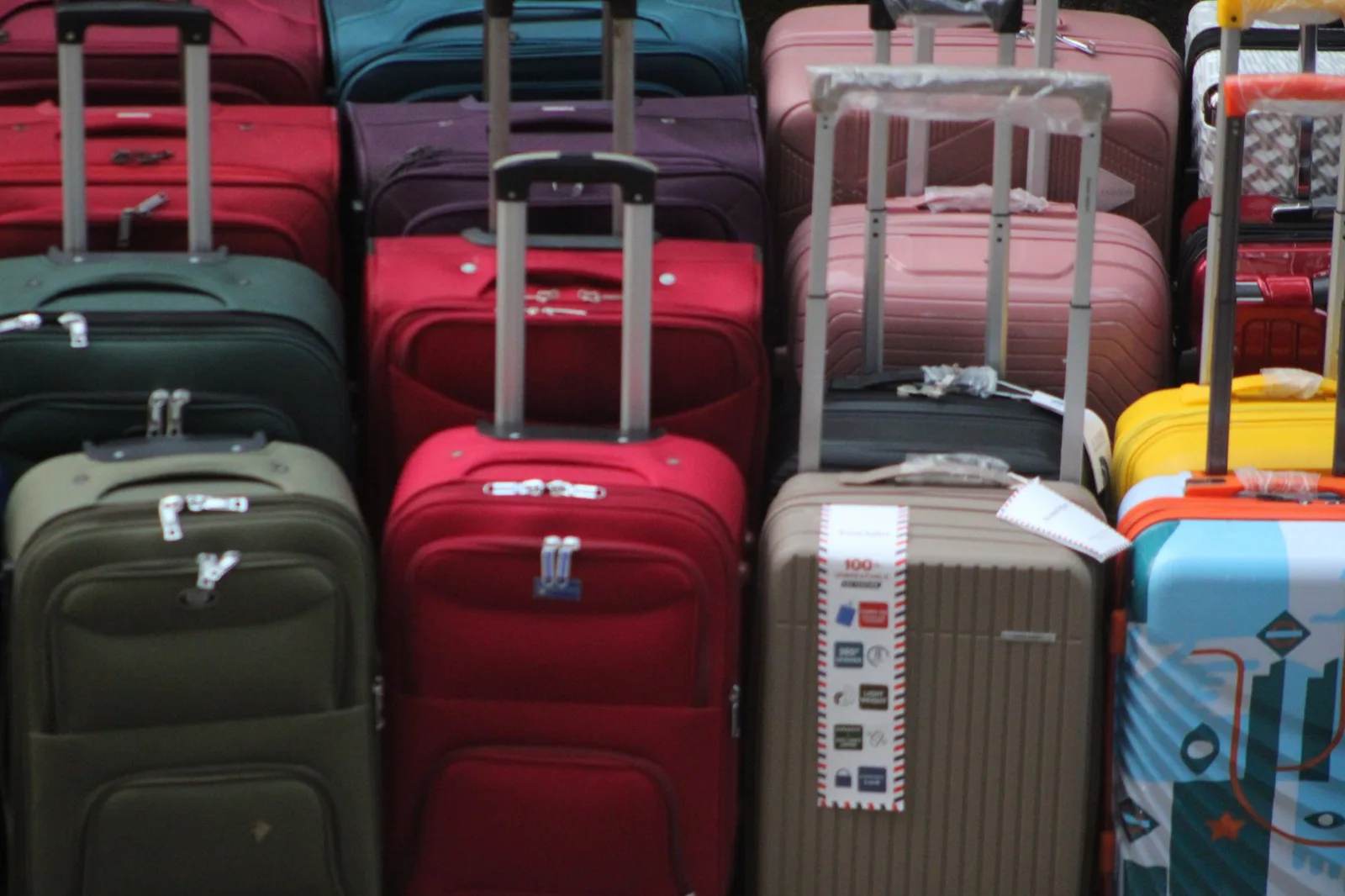
Luggage Buying Guide 2026: Hard vs Soft, Carry-On vs Checked, and Backpack vs Spinner
A practical buyer’s guide to choosing travel luggage in 2026 — hard shell vs soft, carry-on vs checked, two-wheel vs spinner, and when a backpack or duffel wins. How to match the bag to the trip, weight allowances, and durability vs price.

Money & Insurance
How Much Travel Insurance Cover Do You Actually Need in 2026? Sizing Every Limit
Medical and repatriation is the limit that can bankrupt you, cancellation should match your non-refundable spend, and a headline "£10m medical" is worthless if an exclusion applies. Here is how to right-size cover to your trip.
Deals & Routes
Budget vs Full-Service Airlines in 2026: Which Is Really Cheaper Once You Add It All Up?
The headline low fare rarely tells the truth. Here is how budget and full-service airlines really compare on bags, seats, food, changes and connections in 2026 — and when each one is the smarter buy.
Latest from the desk

Permits & Rules
Rara or Phoksundo, Here's Which of Nepal's Two Great Hidden Lakes You Should Actually Book
Rara and Phoksundo are Nepal's two legendary remote lakes, and almost nobody treks to both. Here's the real difference in cost, permits and days.

Safety & Advisories
If You're on Blood Pressure Medication, Here's What Everest Base Camp Altitude Actually Does to You
Altitude raises blood pressure and some heart drugs slow acclimatisation, but most controlled hypertension does not rule out an Everest Base Camp trek.
Flights & Access
Qantas has dated the 20-hour flight, and here is who should actually book it
Sydney to London non-stop starts October 2027, tickets from February, New York to follow. A 238-seat A350 built for it, and who should keep the stopover.