
The US passport ranks 10th now, and these are the trips that actually got harder
Singapore opens 192 countries visa-free. The US opens 179, after losing seven in a year. What changed for American travellers, and where is still easy.
At a glance
- Published
- TopicVisas & Entry
- Verified againstHenley & Partners; Brazil Ministry of Foreign Affairs; CNN
- Treks coveredEverest Base Camp Trek — 14 Days, Ghorepani Poon Hill Trek — 4 Days
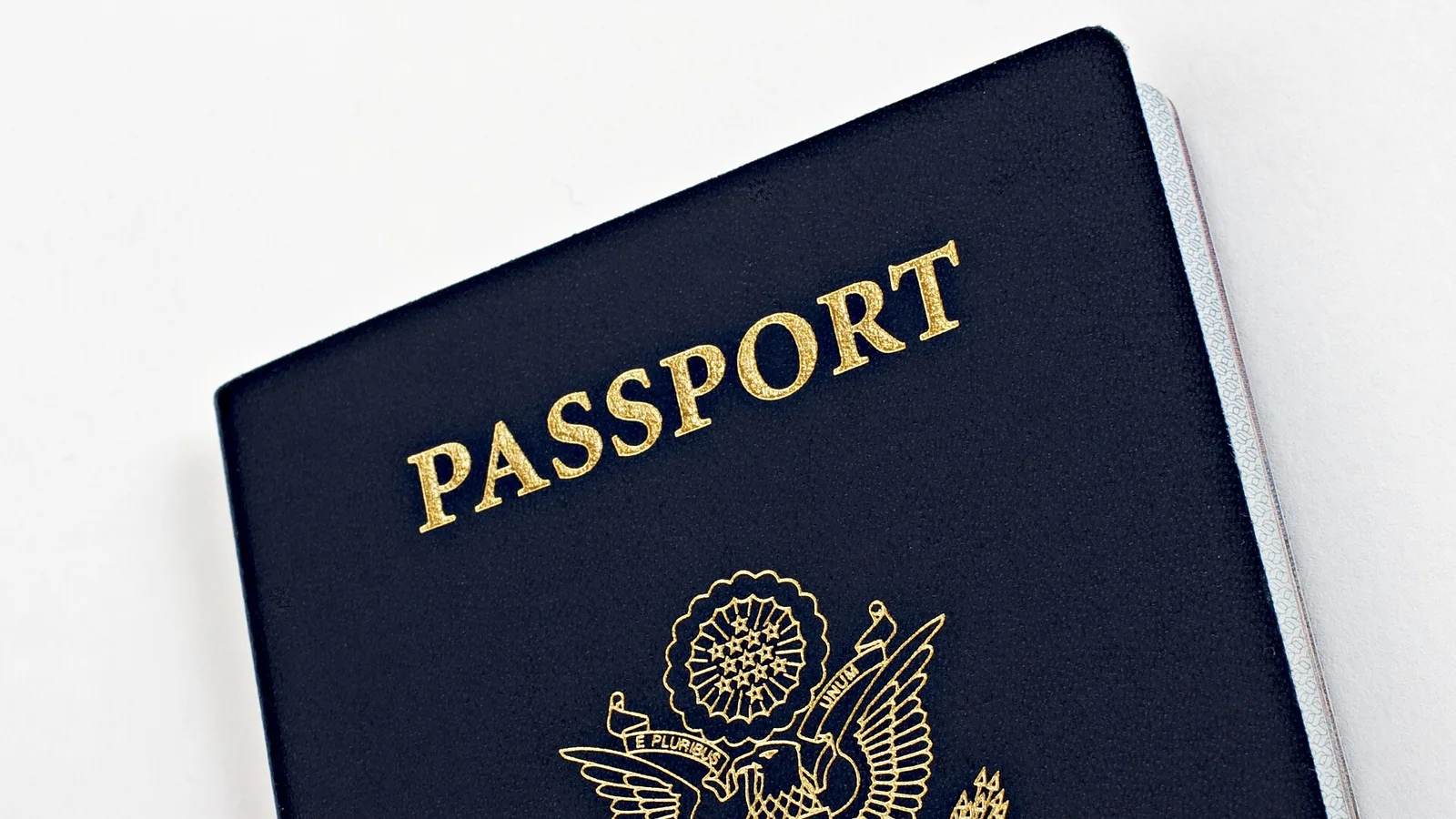
The American passport is 10th in the world, with visa-free access to 179 destinations, and it lost seven of them in a single year. Singapore sits first on 192. Japan and South Korea share second on 188. In 2006 the United States was joint first; it is now behind Japan, South Korea, Canada, the United Kingdom and most of the European Union, and it briefly fell out of the top ten altogether in late 2025. Those are the numbers from the Henley Passport Index. What they mean in practice is narrower than the headlines suggest: a handful of specific countries now want paperwork and a fee before you fly.
Key facts
- The US ranks 10th, with 179 visa-free destinations.
- It lost access to seven destinations in the year to January 2026.
- It was joint first in 2006, and dropped out of the top ten briefly in late 2025.
- Singapore leads on 192; Afghanistan is last on 24.
Where the American passport sits
Tenth, and the gap at the top is now 13 destinations. The index counts the places a passport can enter without arranging a visa first.

| Rank | Passport | Visa-free destinations |
|---|---|---|
| 1 | Singapore | 192 |
| 2 | Japan, South Korea | 188 |
| 3 | Denmark, Luxembourg, Spain, Sweden, Switzerland | 186 |
| 10 | United States | 179 |
| Last | Afghanistan | 24 |
What actually changed
The clearest loss is Brazil, and it is about reciprocity rather than politics. Since 10 April 2025, American, Canadian and Australian passport holders have needed a visa for Brazil again, because Brazil asked those countries to drop visa requirements for Brazilians and they did not. It is an e-visa rather than an embassy appointment: you apply online, it costs US$80.90, and it is valid for ten years and multiple entries, with stays capped at 90 days a year. Apply well ahead; the operator recommends about two months, though processing usually runs to a few working days.

The rest of the year’s decline is mostly about not being added to other countries’ new visa-free lists. As China, Vietnam and others widened visa-free entry to more nationalities, the United States was left off, which lowers the score without anything being taken away. Henley’s own commentary, as reported by CNN, also points to changes in Papua New Guinea, Myanmar and Somalia’s move to an eVisa.
China is the interesting case, because there is a workaround that most Americans do not know about: a US passport still gets 240 hours in China without a visa when you are transiting to a third country.
Does the ranking matter, really?
Only as a proxy for paperwork, cost and lead time. Nobody is refused a holiday because their passport is tenth rather than first. What the ranking measures is how often you must apply for something before you go, and each application is a fee, a form and a wait you have to plan around. Seven fewer visa-free destinations means a handful of trips that now need three weeks of notice instead of none.

It is also worth keeping the scale in view. 179 destinations is still most of the world, and the practical difference between 179 and Singapore’s 192 is a short list of countries most travellers were never going to visit this year.
Where it is still simple for Americans
Nepal is one of the easy ones, and it stayed easy. A US passport gets a visa on arrival at Kathmandu airport: fill in the form, pay the fee, walk through. It costs US$30 for 15 days, US$50 for 30 and US$125 for 90, and there is nothing to arrange before you fly except a passport with six months left on it. Our Nepal visa guide for US citizens has the detail, and what an American needs to plan a Nepal trek covers the routings and the budget.

What this means for you
Check the entry rule for each country the season before you travel, not the week before: the rules moved for seven destinations this year alone. And when a trip needs a visa, price the fee and the wait into the plan rather than the disappointment. For Nepal, there is nothing to do in advance.
How many countries can Americans visit without a visa?
179, according to the Henley Passport Index for January 2026, which puts the United States 10th in the world.
Do Americans need a visa for Brazil?
Yes. Since 10 April 2025 US passport holders need a visa again, applied for online. It costs US$80.90 and is valid for ten years with multiple entries, up to 90 days a year.
Do Americans need a visa for Nepal?
Not in advance. Nepal issues a visa on arrival to US passport holders, at US$30 for 15 days, US$50 for 30 days or US$125 for 90 days.
Sources: Henley & Partners, Henley Passport Index press release, 13 January 2026; CNN and Forbes reporting on the July 2026 update; Brazil’s Ministry of Foreign Affairs on the e-visa for US, Canadian and Australian citizens; Nepal Department of Immigration fees. Entry rules change: confirm before booking.
Cover photo: Tony Webster via Wikimedia Commons (CC BY-SA 4.0).
Still running this season
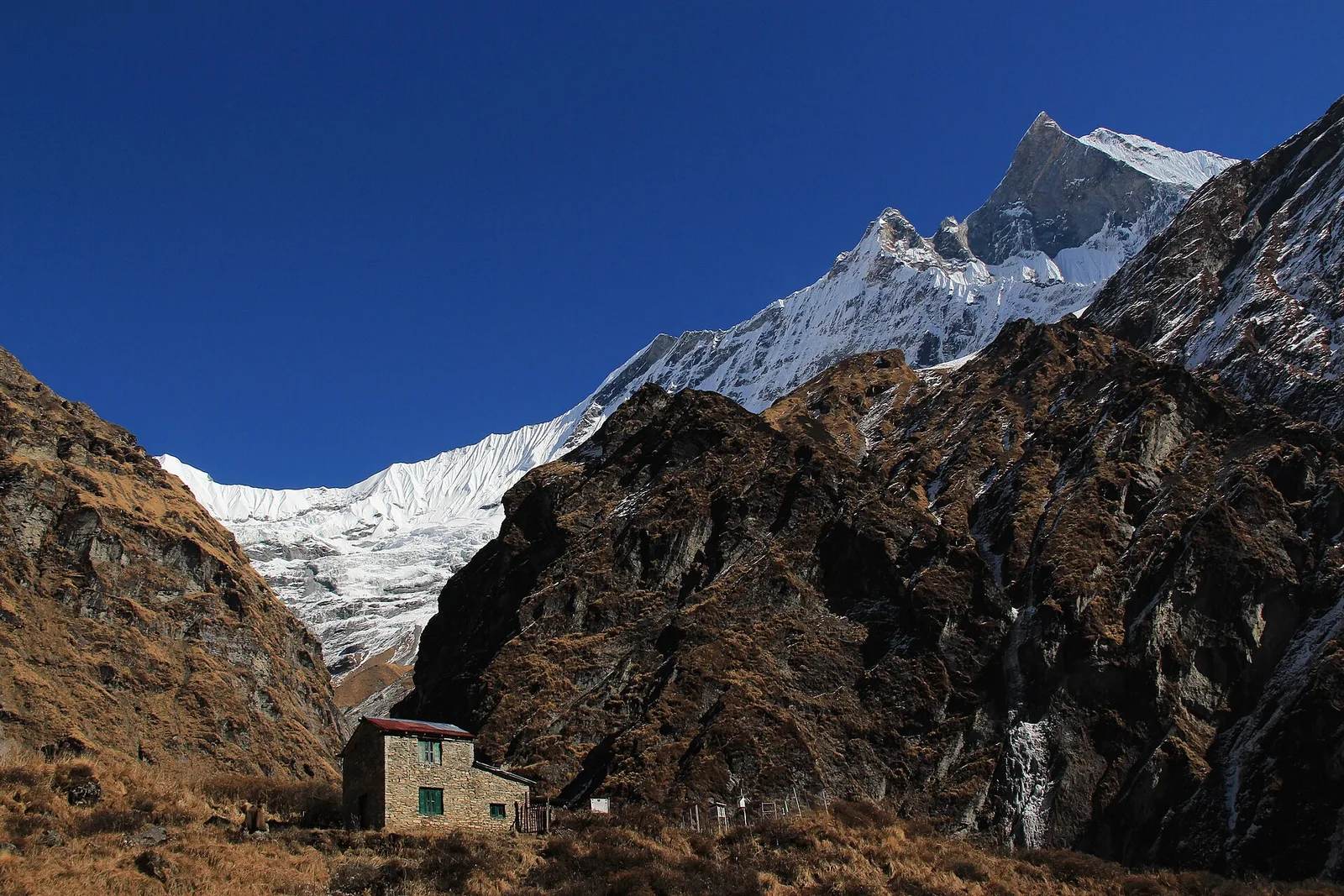
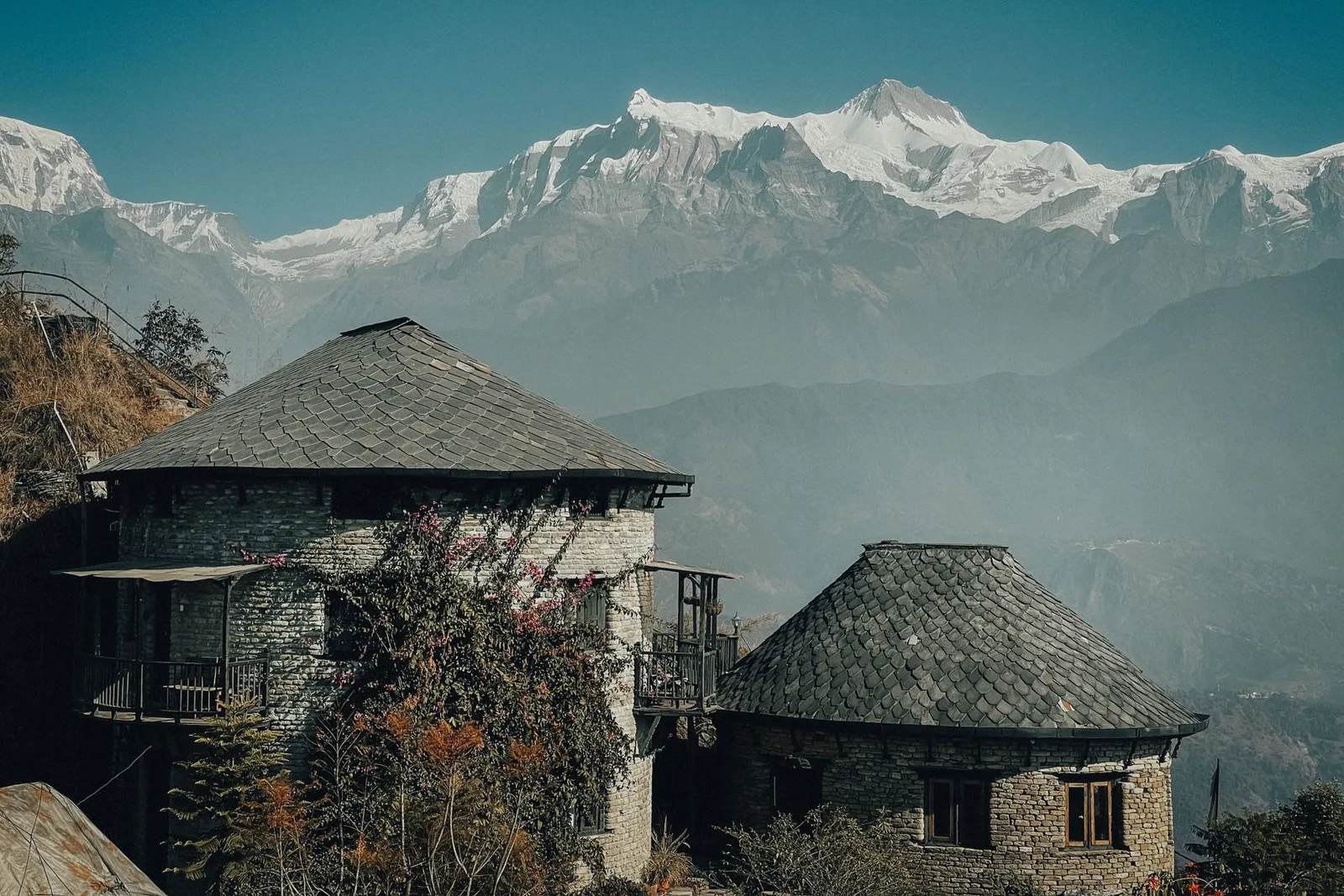
Everest Base Camp Trek — 14 Days is running normally
NMA-certified local guides, transparent pricing, 5,000+ treks since 1998. Message us your dates and we'll sort the permits, lodges and logistics — reply within 24 hours, no obligation.
Popular Nepal treks
All treks →



Related coverage
Visas & Entry
Overstaying a Visa in 2026: The Fines, Deportation and Entry Bans Travellers Underestimate
A day past your visa still counts as an overstay — and the penalties run from daily fines to deportation and multi-year entry bans. Here is what really happens, and how to stay clear of it.
Visas & Entry
Passport Validity in 2026: The Six-Month Rule That Gets Travellers Refused at the Gate
A passport that has not expired can still be rejected — the six-month rule, the Schengen 10-year catch, blank pages, damage and name mismatches that get people denied boarding even with a valid visa.

Visas & Entry
Americans get 10 visa-free days in China on the way to Asia, if the ticket is right
China lets US passport holders transit visa-free for 240 hours at 65 ports. What it requires, where you can go, and how it turns a connection into a stopover.

Visas & Entry
ETA vs eVisa vs Visa vs Visa-Free in 2026: What the Difference Actually Is
An ETA is a pre-screen, not a visa. An eVisa is a real visa applied for online. A visa on arrival is granted at the border. And none of them guarantees entry — the officer does. Here is the plain-English taxonomy, and where Nepal fits.
Latest from the desk
Flights & Access
Which days are quietest at US airport security, by TSA's own daily count
TSA screened 642 million people so far in 2026. Tuesdays ran 519,000 lighter than Thursdays, and Saturday came out as the second-quietest day of the week.

Visas & Entry
What Americans actually need to enter Spain now, and what changed at the border
No visa under 90 days, but Europe now takes your fingerprints on arrival and ETIAS starts at the end of 2026. Here is the current checklist.

Safety & Advisories
How many countries the US actually tells you not to visit, and where Nepal sits
Of 214 destinations the State Department rates, 23 are do-not-travel. Nepal carries the same level as France, Italy and Spain.