
The travel health guide that tells you what actually matters, and when
Vaccines a month ahead, medicines packed legally, a few habits on the plane, care with food and mosquitoes, and in Nepal, altitude. Every step, sourced.

On this page (7)
Most travel health comes down to five things: the right vaccines a month or more before you fly, your medicines packed legally, a few habits on the plane, care with food, water and mosquitoes when you land, and insurance that covers where you are actually going. Nepal adds a sixth, altitude, which is the one that can turn serious within hours. This guide sets out what matters at each stage, with the official figure behind each point and a link to our full guide on every topic. We are a trekking company in Pokhara, not doctors, so treat it as a map and take your own questions to a travel clinic.
- Book the travel clinic early. Some vaccines need more than one dose, and the CDC advises seeing a doctor at least a month before you leave.
- Carry medicine in its original packaging, in hand luggage, with a doctor’s letter. Check every country you change planes in.
- Most problems on a trip are ordinary ones: an upset stomach, mosquito bites, jet lag. Plan for those, not just the dramatic ones.
- On a Himalayan trek, altitude and insurance come first. Descent is the treatment, and a policy that stops at 4,600 m does not cover Everest Base Camp.
Before you go: vaccines, medicines and cover
Start about a month or more ahead, because the clinic, the prescriptions and the insurance all take time. For Nepal, no vaccine is legally required for visitors from the US, UK, EU, Australia or Canada. The one exception is yellow fever, and only if you arrive from, or spend 12 hours or more in transit through, a country with yellow fever risk. The CDC recommends hepatitis A and typhoid for most travellers. Our guide to the CDC’s Nepal vaccine advice lists the rest and who needs them.

Medicines are the step people skip. Keep them in their original labelled packaging, in your hand luggage, with a copy of the prescription and a doctor’s letter that lists each one by its generic name. A medicine that is ordinary at home can be controlled in a country you only change planes in, and the CDC warns that breaking those rules can mean confiscation, fines or jail. The details are in travelling with prescription medication abroad. Then buy insurance that names the activity and the altitude you will actually reach; evacuation membership vs travel insurance explains the difference between the two products.
On the way: blood clots, jet lag and motion sickness
For a healthy traveller, the long flight is more tiring than dangerous. The World Health Organization puts the risk of a blood clot at about 1 in 6,000 for a journey of more than four hours, and the CDC says 75–99% of people who develop a travel-related clot already had another risk factor, such as a previous clot, recent surgery, pregnancy or oestrogen-containing medicine. Walking the aisle and working your calf muscles are free. Who actually needs compression socks is covered in DVT on long-haul flights.
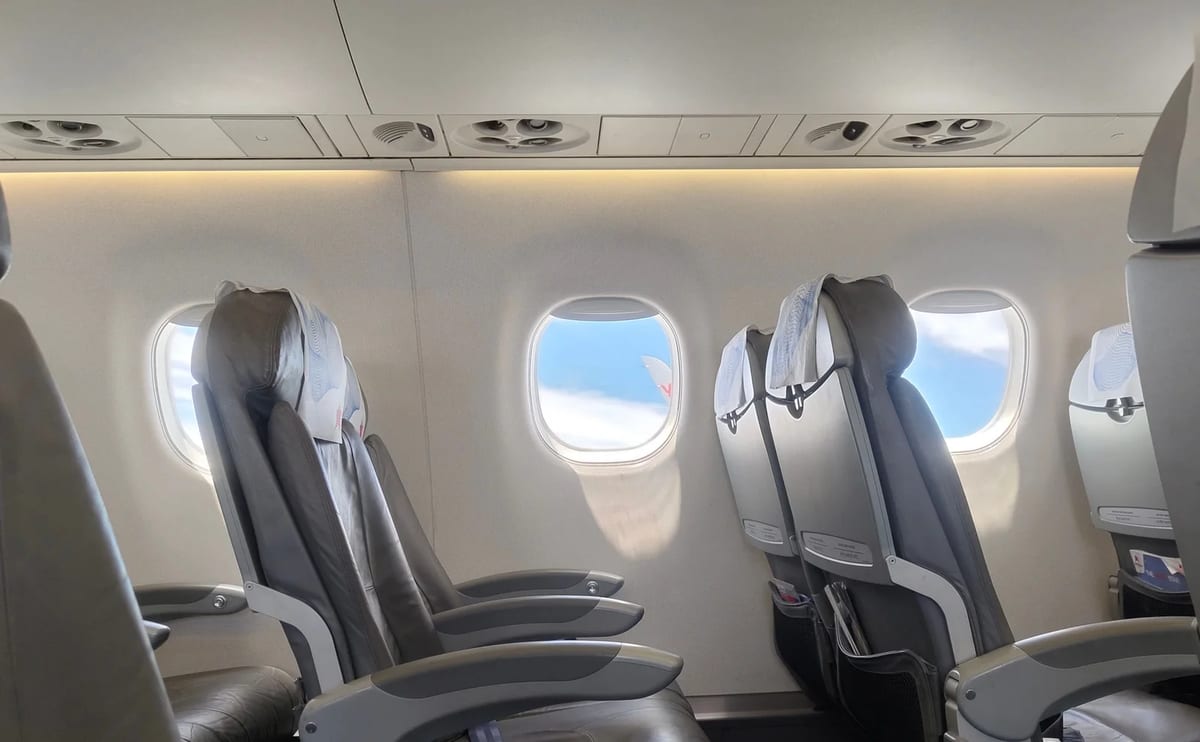
Jet lag is the bigger nuisance. The CDC says the body clock moves about an hour a day when you fly east and about an hour and a half when you fly west, so someone flying from New York to Kathmandu, nearly ten hours ahead, needs around ten days to adjust fully. Plan the first two days gently; see how long jet lag lasts when you fly east. For winding mountain roads, the CDC finds the evidence for ginger weak and contradictory, and acupressure bands no better than a placebo in laboratory trials; what works instead is in motion sickness remedies that work.
When you land: food, water and mosquitoes
The illness most likely to spoil a trip is an upset stomach, and the treatment that matters most is cheap. Travellers’ diarrhoea is usually caught from contaminated food or water, and oral rehydration salts are the first thing to reach for. Our guide to travellers’ diarrhoea and food safety covers the habits that prevent it.
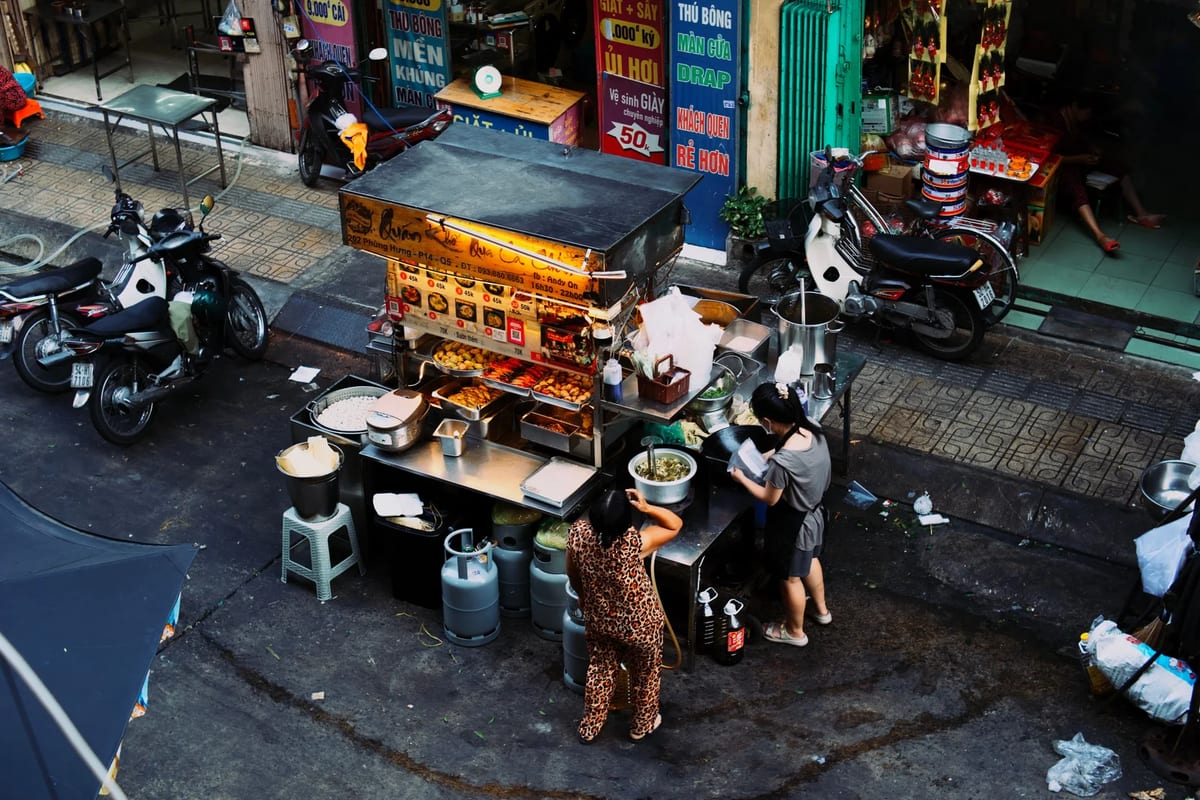
Mosquitoes are the other everyday risk in the lowlands. Nepal’s own national guidelines put the dengue season at September to November, in the Terai, the mid-hills and increasingly the Kathmandu valley. The Aedes mosquito that carries it bites by day, there is no specific treatment, and doctors advise paracetamol rather than ibuprofen or aspirin for the fever. Read dengue fever in Nepal before an autumn trip, and pack the basics from our travel first aid kit list.
| Risk | When it matters | The one thing to do | Our full guide |
|---|---|---|---|
| Missing vaccines | 4+ weeks before you fly | Book a travel clinic | Nepal vaccines |
| Medicine seized at a border | Packing day | Original packs, doctor’s letter, check transit countries | Medicine abroad |
| Blood clot | Flights over 4 hours | Walk and move your calves | DVT |
| Jet lag | First 2 days | Keep day one light | Jet lag |
| Upset stomach | Any day | Carry oral rehydration salts | Food and water |
| Dengue | Sept–Nov in the lowlands | Repellent in daylight | Dengue |
| Altitude illness | Above about 2,500–3,000 m | Climb slowly; descend if worse | AMS, HACE, HAPE |
| Uncovered evacuation | When you buy cover | Check the policy’s altitude limit | Evacuation vs insurance |
Up high: altitude, the Nepal-specific risk
Altitude sickness is three illnesses, not one, and two of them can kill within hours. Most trekkers only ever meet acute mountain sickness, a headache with nausea and poor sleep. High-altitude cerebral oedema and high-altitude pulmonary oedema are rarer and are emergencies. The rule that prevents all three is to gain height slowly, never go higher with symptoms, and go down if they get worse. Descent is the treatment, which is why our guides carry the decision to turn a client around. Start with AMS, HACE and HAPE explained, then our Nepal altitude sickness guide. If your doctor prescribes acetazolamide, read flying to Nepal with Diamox before you pack it.
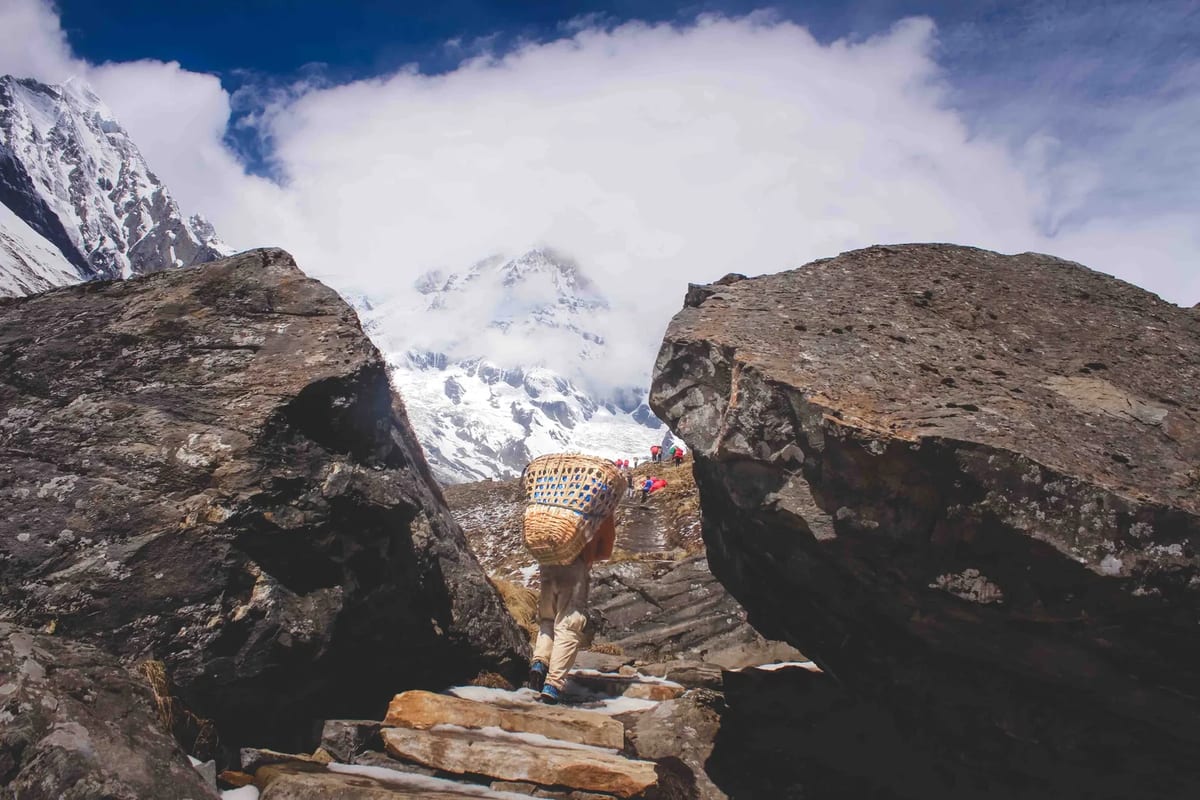
Altitude is also where insurance quietly fails. Everest Base Camp sits at 5,364 metres and the Thorong La pass on the Annapurna Circuit at 5,416 metres, while many policies and rescue memberships stop at 3,000 or 4,600 metres. Buy cover whose limit is higher than the highest point on your route.
This page points you to official guidance and to our own trail experience. Whether you should take a particular vaccine or medicine, including acetazolamide for altitude, is a question for your doctor, who knows your history.
If something goes wrong
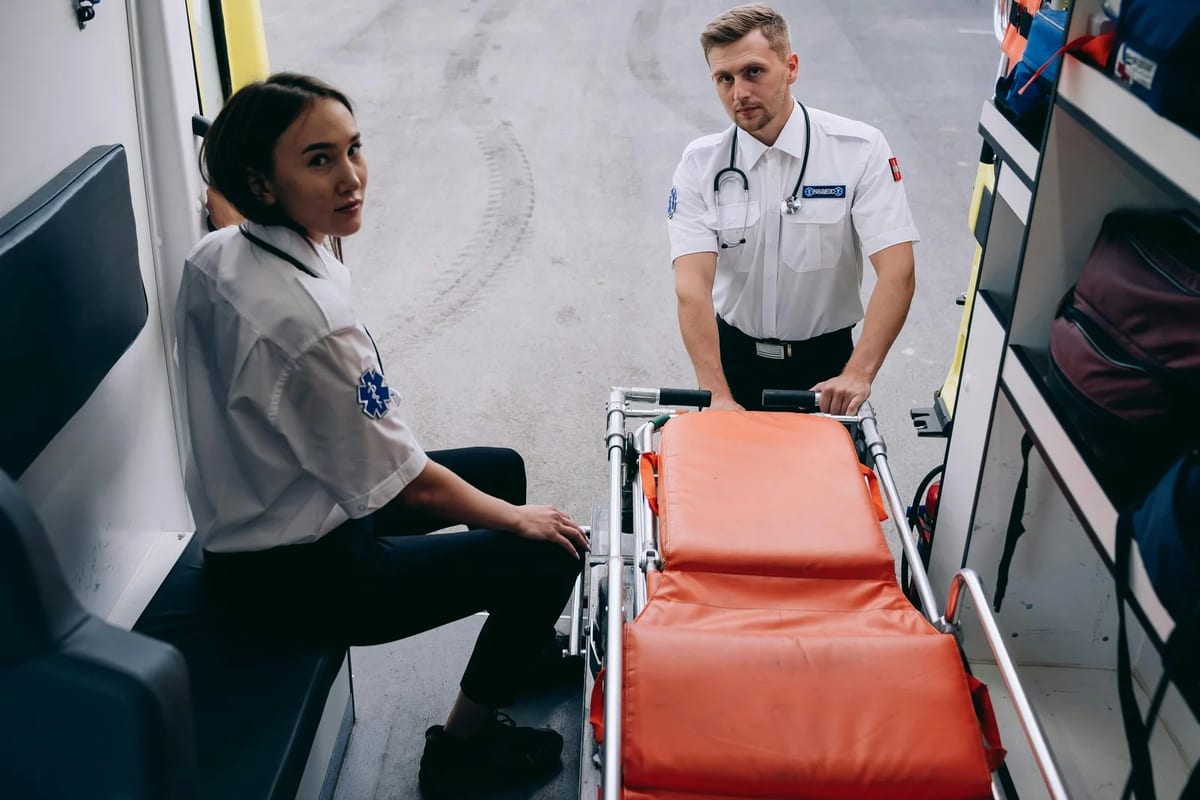
Know before you go who you would call, and what your policy pays for. On a trek, that is your guide first, then your insurer’s emergency line. In a city, it is your insurer and the nearest private hospital. Keep the policy number and the emergency number on paper as well as on your phone, because a phone is the thing most likely to be lost, flat or out of signal. If you are long-term and travelling as a remote worker, ordinary travel cover may not fit at all; see digital nomad health insurance.
Our Everest Base Camp trek is twelve days, at $1,700 USD solo, with acclimatisation days, a government-registered guide, a porter, permits, teahouses and meals.
See the Everest Base Camp trekFrequently asked questions
What vaccines do I need for Nepal?
None is legally required for most visitors. Yellow fever is required only if you arrive from, or transit for 12 hours or more through, a country with yellow fever risk. The CDC recommends hepatitis A and typhoid for most travellers, plus routine vaccines.
How far ahead should I see a travel clinic?
The CDC advises seeing a healthcare provider at least a month before you leave, because some vaccines need more than one dose or time to take effect.
What is the most common illness for travellers?
Travellers’ diarrhoea, usually from contaminated food or water. It is rarely dangerous, and oral rehydration salts are the most important treatment.
Do I need compression socks on a long flight?
Most healthy travellers do not. The CDC suggests graduated compression stockings for people with extra risk factors on long flights; for everyone else, walking and moving the calves is enough.
Can I take altitude sickness medicine abroad?
Usually, yes, if it is prescribed to you, in its original packaging and with a doctor’s letter. Check the rules of every country you will pass through, as described in our medicine guide.
Does travel insurance cover trekking in Nepal?
Only if the policy covers the activity and the altitude. Many stop at 3,000 or 4,600 metres, below Everest Base Camp at 5,364 metres. Check the limit in writing before you buy.
Keep reading
Vaccinations, altitude and staying well on a trek.
What to pack for the trail, and what the lodges lack.
What the science says actually works.
What to check before you fly abroad this year.
Sources: US Centers for Disease Control and Prevention, Travelers’ Health (Nepal), “Traveling Abroad with Medicine” and CDC Yellow Book 2026 chapters on deep vein thrombosis, jet lag, motion sickness, dengue and high-altitude travel; World Health Organization, WRIGHT project on travel and blood clots; Government of Nepal, Ministry of Health and Population, national dengue guidelines (2019); insurer and membership altitude limits as cited in our evacuation guide; all as read for the linked guides between 27 September and 2 October 2026. This is general information, not medical advice.
Photos via Pexels: DΛVΞ GΛRCIΛ (cover), Tara Winstead, Aayush Shah, Tuan Vy, Sujan Kunwar, Mikhail Nilov.
Written by
Anjali ShresthaPokhara-based, NMA-certified trekking guides. We’ve led 5,000+ treks across the Annapurna and Everest regions since 1998 — every word here comes from the trail. More from this author →
Ready to Trek?
From reading about it to standing on it
Our Pokhara-based guides have been doing this since 1998. Tell us your dates and fitness level — we'll build your perfect itinerary. Free, no obligation.
More guides like this
Popular trips to consider
View all treks & toursFree Trekker’s Insider Guide
Permits, packing lists, cost breakdowns — no fluff.
We send one useful email. You can unsubscribe anytime.