

内容速览
Above 4,000m laundry freezes rather than dries. Why two sets is the number, why blends beat pure merino, and why cheap merino in Thamel is a myth.
Here is the sentence that should change what you pack: above about 4,000 metres, nothing you wash will dry. Trekkers report damp laundry freezing overnight rather than drying. One washed on days one to three and gave up because things never dried and started to smell. Another washed once in three weeks, at Namche. A third pair simply never washed anything at all.
Everything else about base layers follows from that.
The short version. Two sets is what experienced trekkers converge on — one on, one spare. 150–200 weight for walking, 260 for evenings. Merino wins on smell and loses on durability, so a merino/synthetic blend is the sensible middle. And do not plan around laundry: pin damp things to the back of your pack and let the sun do it while you walk.
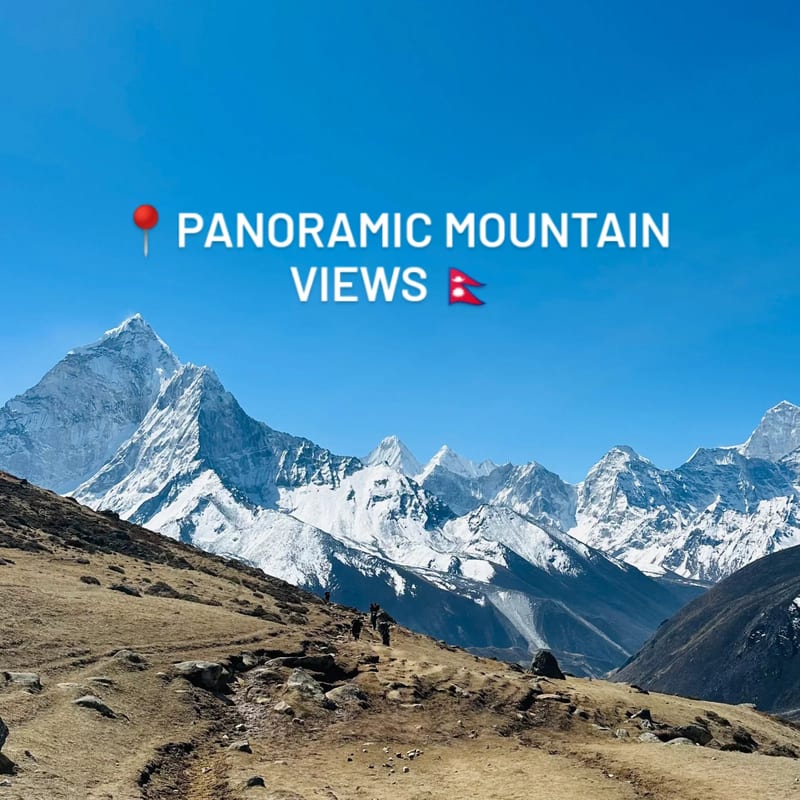
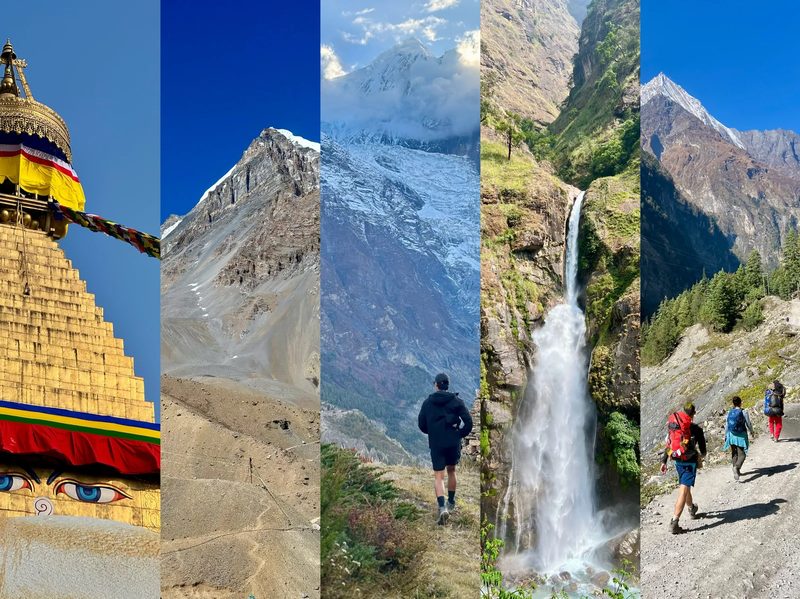
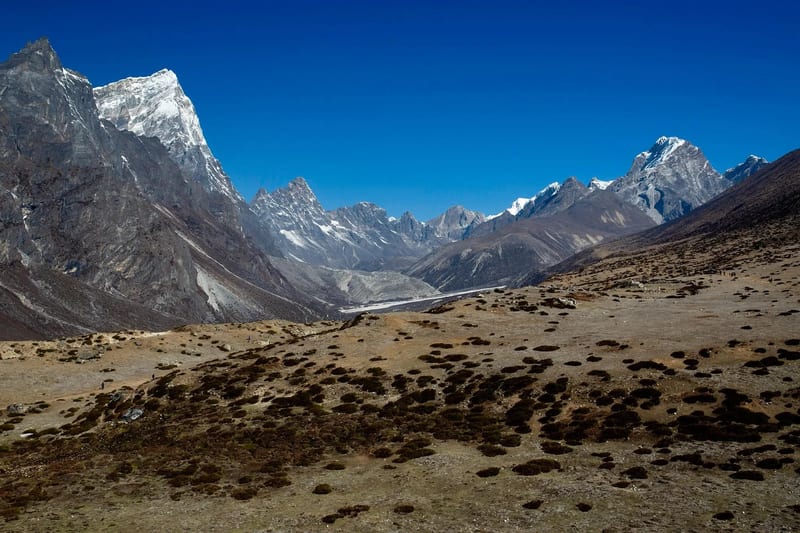
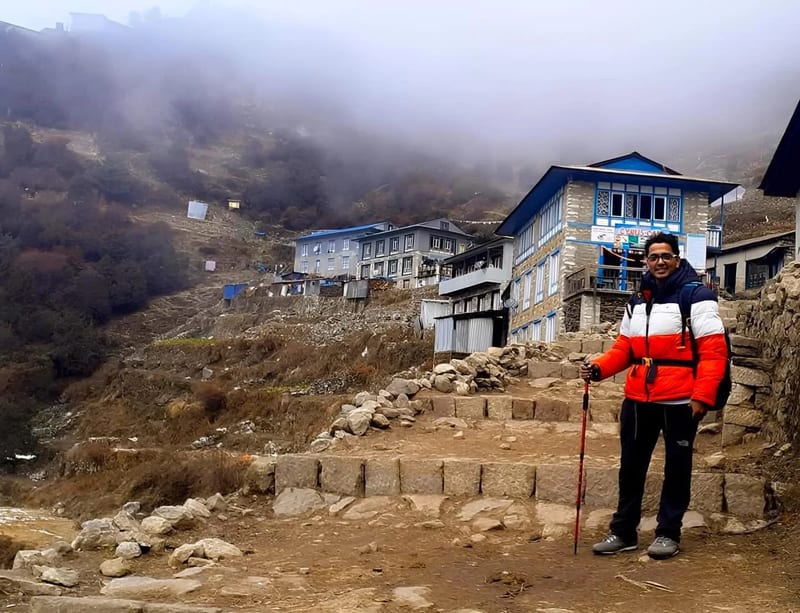
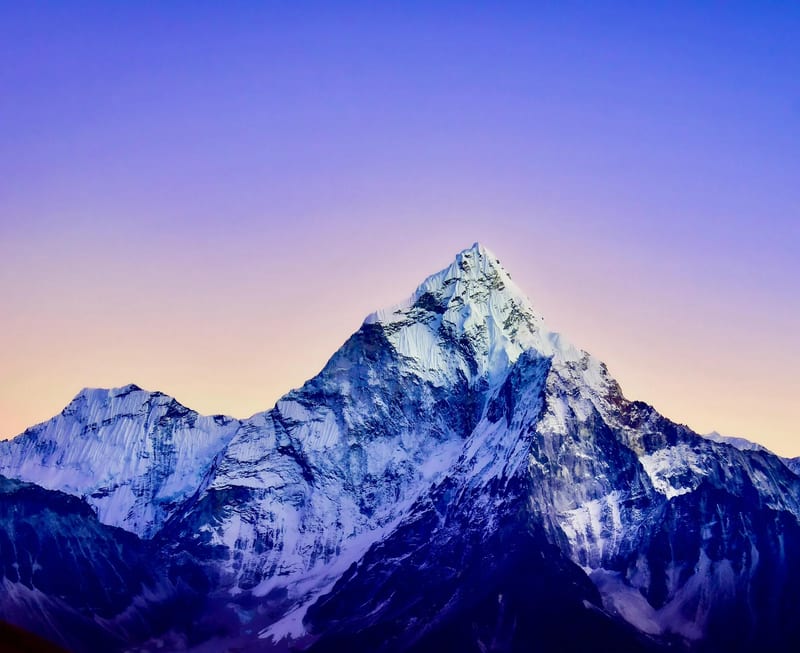
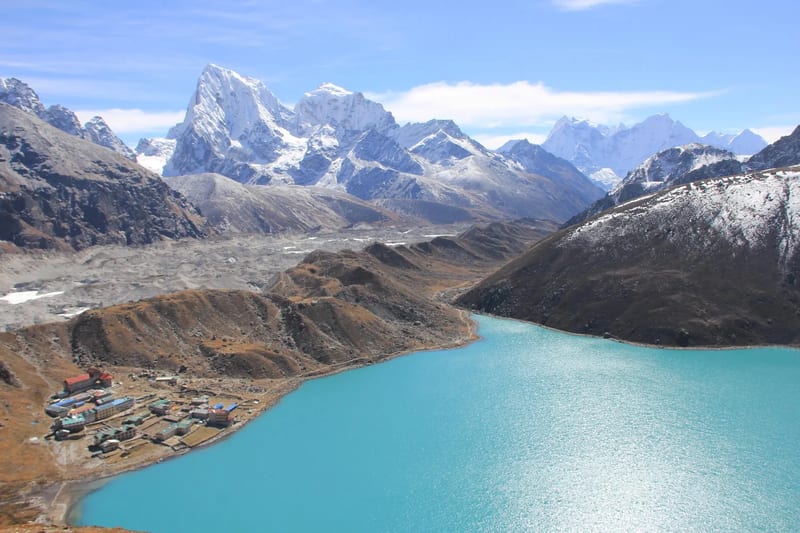
Two sets. Not three, not one
Five separate trekkers we looked at — Everest Base Camp, the Annapurna Circuit, Manaslu — landed in the same place: two tops, or two tops and two bottoms. One did EBC on a single set. Nobody who took two said they wished they had taken fewer.
We should be honest about something here, because every other gear page implies it. We went looking for the trekker who packed three sets and regretted it, and we could not find one. The over-packing regrets people actually write about are extra t-shirts, spare underwear, a tripod, a book. Not thermals. So the honest line is not "everyone over-packs base layers" — it is simply that two is where experience settles.
The evening-kit rule is true, until it isn’t
You will read everywhere that thermals are for evenings and sleeping, not for hiking. Below about 4,000 metres that is well supported: several trekkers describe days too warm to wear a base layer at all, pulling them on only in the teahouse at night.
Above that it breaks down. Trekkers crossing Larkya La at 5,106 m and walking the Manaslu circuit in March describe hiking in their thermals. The pass mornings are a different climate from the approach, and treating them the same is how people get caught.
| Where you are | Base layer is… |
|---|---|
| Below ~4,000 m, daytime | Evening and sleeping kit. Too warm to walk in. |
| Above ~4,500 m, or any pass morning | Actual hiking kit. Put it on. |
| Thermal bottoms, almost anywhere | Evenings only. Several trekkers never hiked in them at all. |
Merino wins on smell. It loses on holes
The odour claim is real and Himalaya-specific: merino tops worn for twelve days without much smell, and one report of five weeks on a Himalayan trip still acceptable. Synthetic, by comparison, is often unpleasant after a day.
But there is a genuine dissent worth knowing — some people find merino goes sour in the armpits in a way washing does not fix. It is not universal, and if that has happened to you before, it will happen again.
Durability is where merino actually struggles. Long-distance walkers repeatedly report lightweight merino developing holes within a season of normal wear. That is why the recurring recommendation is a merino/synthetic blend: most of the odour resistance, considerably more life.
A number we are not going to repeat. You will see a precise claim that synthetic dries in four to six hours and merino in eight to ten. We went looking for its source and it traces only to SEO pages with no named trekker behind it. It may well be roughly right. We just cannot stand behind it, so we are not printing it as fact.
Expensive is not the answer, and that surprised us
This is the finding we least expected. On the hillwalking forums where people wear this stuff to destruction, the brands most often reported failing are the premium ones — Icebreaker and Smartwool tops full of holes, one pair of Icebreaker long johns not lasting a season. Meanwhile supermarket and Decathlon merino gets praised for lasting years, with the fair caveats that it is scratchier and can shrink.
Nobody we found regretted buying cheap base layers for a Nepal trek. Spend where it changes your week — boots, eye protection — and be relaxed here.
What we would actually put in your bag
About the links below. Some go to Amazon, and as an Amazon Associate we earn from qualifying purchases — at no extra cost to you. It changes nothing about the advice: we tell people to rent down jackets and sleeping bags in Thamel rather than buy them, and we earn nothing when they do.
Two long-sleeve tops, 150–200 weight, merino or blend
One hundred and fifty to two hundred is the weight experienced trekkers name for active days — warm enough at dawn, not so warm that you are soaked an hour into the climb. Two is the number. A blend costs you a little odour resistance and buys you a garment that survives the season.
Skip 300+ weight as a base layer. People who have tried it are consistent: too hot to wear once you are moving.
Compare base layers →One 260-weight top, or thermal bottoms
Teahouse dining rooms are cold once the stove goes out, and the sleeping is colder. This is the layer that makes the evening bearable rather than the layer you walk in. Several trekkers report never hiking in thermal bottoms at all — they exist for the hours between dinner and sleep.
One is enough. This is the item where a second set genuinely earns nothing.
Compare heavier weights →A few clothes pins or small carabiners
Since nothing dries indoors above 3,500 m, the workaround trekkers actually use is to pin damp things to the outside of the pack and let the sun and wind do the work while you walk. It costs almost nothing, weighs almost nothing, and solves the thing that genuinely goes wrong.
Do not count on teahouse drying rooms above Namche. Several trekkers report laundry freezing overnight rather than drying.
Compare clips and lines →Coming this autumn?
Everest and Annapurna were untouched by the 2026 floods and are running normally. Tell us your route and we will send the real list — including what to leave at home.
- Everest Base Camp — 14 days · from US$1,650 per person
- Annapurna Base Camp — 7 days · from US$730 per person
The Thamel myth, which costs people money
You will be told you can pick up cheap merino in Kathmandu. We went looking for a single first-hand account of someone doing that, and there isn’t one.
What the reports actually say: the cheap thermals in Thamel are unbranded synthetic, and the genuine merino that exists there — real Icebreaker at the established shops — sells at roughly Western high-street prices. That is not a scandal. It is simply that the bargain everyone assumes is waiting for them is not.
Every Thamel price we could verify dates from 2013 to 2018, so we are not going to quote you a figure and pretend it is current. Buy your base layers at home, where you can try them on.
One warning we will give you honestly
You will read that a sweat-soaked base layer at altitude can chill you dangerously once you stop moving. That is physiologically sound and every experienced walker repeats it.
We should be straight, though: we could not find a first-hand Nepal account of it actually happening to someone. It is good advice rather than a cautionary tale, and we would rather tell you which of the two it is. Manage your layers on the climb — take one off before you are wet, not after.
How many base layers do I need for Everest Base Camp?
Two sets. That is where trekkers who have done it consistently land, and one trekker completed EBC on a single set. Plan on wearing rather than washing.
Merino or synthetic?
Merino if smell matters to you, and it will after ten days. A merino/synthetic blend if durability matters, because lightweight pure merino is repeatedly reported developing holes. Both work; the failure mode is different.
Can I wash clothes on the trek?
Below Namche, realistically yes. Above about 4,000 m, no — trekkers report washing freezing overnight rather than drying. Most people wash once or twice on a two-week trek, or not at all.
Should I buy base layers in Kathmandu?
We would not plan on it. The cheap thermals in Thamel are unbranded synthetic, and genuine merino there costs about what it costs at home. Buy where you can try it on.
Do I hike in my thermals or only wear them at night?
Below 4,000 m they are evening and sleeping kit — days are usually too warm. On pass mornings and above roughly 4,500 m, they become hiking kit. Thermal bottoms stay evening-only for most people.
What else should I buy rather than rent?
Boots, socks, eye protection and base layers — anything that has to fit you or touch you. Rent the bulky expensive things: down jacket and sleeping bag. The full split is in our gear rental guide.
Keep reading
Trekking somewhere specific and unsure what the weather actually does there? Ask us — we walk these trails every season.
撰文
Laxman Rawal我们是常驻博卡拉、经NMA认证的徒步向导。自1998年以来,已在安纳普尔纳与珠峰地区带领超过5,000次徒步——这里的每一句话都源自山路。 More from this author →
分享这篇文章
准备好出发了吗?
从读到它,到站上它
我们常驻博卡拉的向导自1998年以来一直从事此行。告诉我们您的日期与体能水平——我们将为您打造完美行程。免费,无任何义务。
Why trek with our licensed agencyFree Trekker's Insider Guide
Permits, packing lists, cost breakdowns — no fluff.
We send one useful email. You can unsubscribe anytime.