
How many vacation days Americans actually get, and what fits inside them
No US law requires a single paid day off, and most workers get 10 to 14 after a year. Here is the trip arithmetic that comes out of that.

At a glance
- Published
- TopicWorld Destinations
- Verified againstUS Department of Labor; US Bureau of Labor Statistics; EU Working Time Directive
- Treks coveredEverest Base Camp Trek — 12 Days, Ghorepani Poon Hill Trek — 5 Days
There is no American law entitling anyone to a single paid day of vacation, and most private-sector workers end up with 10 to 14 days after a year on the job. The Department of Labor is blunt about it: the Fair Labor Standards Act “does not require payment for time not worked, such as vacations, sick leave or federal or other holidays.” Every other wealthy country legislates a floor — four weeks across the European Union, 5.6 weeks in Britain, four weeks in Australia. So the American planning question is not the one travel writing usually answers. It is not where to go. It is what actually fits.
Key facts
- US federal law guarantees zero paid vacation days.
- 31% of private-industry workers get 10–14 days after one year (BLS, March 2025).
- Access ranges from 46% in leisure and hospitality to 96% in manufacturing and finance.
- The EU floor is 20 days; the UK is 28; Australia 20; Japan 10, rising to 20.
How the United States compares
It is the only large rich economy with no statutory minimum at all. The others set a floor by law and let employers go above it; America sets nothing and lets the market decide, which is why the same job title can carry 25 days at one company and five at another.

| Country | Days a year | Set by |
|---|---|---|
| United States | 0 | Nothing in federal law |
| Japan | 10 | After 6 months; rises to 20 with service |
| European Union | 20 | Working Time Directive, minimum for all members |
| Australia | 20 | National Employment Standards; 25 for shiftworkers |
| United Kingdom | 28 | 5.6 weeks, and it may include bank holidays |
The comparison that stings is not the headline number but the floor beneath it. A British worker who negotiates nothing and reads no contract still gets 28 days. An American who does the same may get none, legally, and the survey data shows 54% of people working in leisure and hospitality have no paid vacation access at all.
What that means for a long-haul trip
Work in workdays, not calendar days, and the picture changes completely. A trip that spans two weekends only costs you the weekdays in the middle. Leave on a Saturday and a two-week absence is ten working days — which is inside what a typical American allowance covers, for a trip most people assume they cannot take.
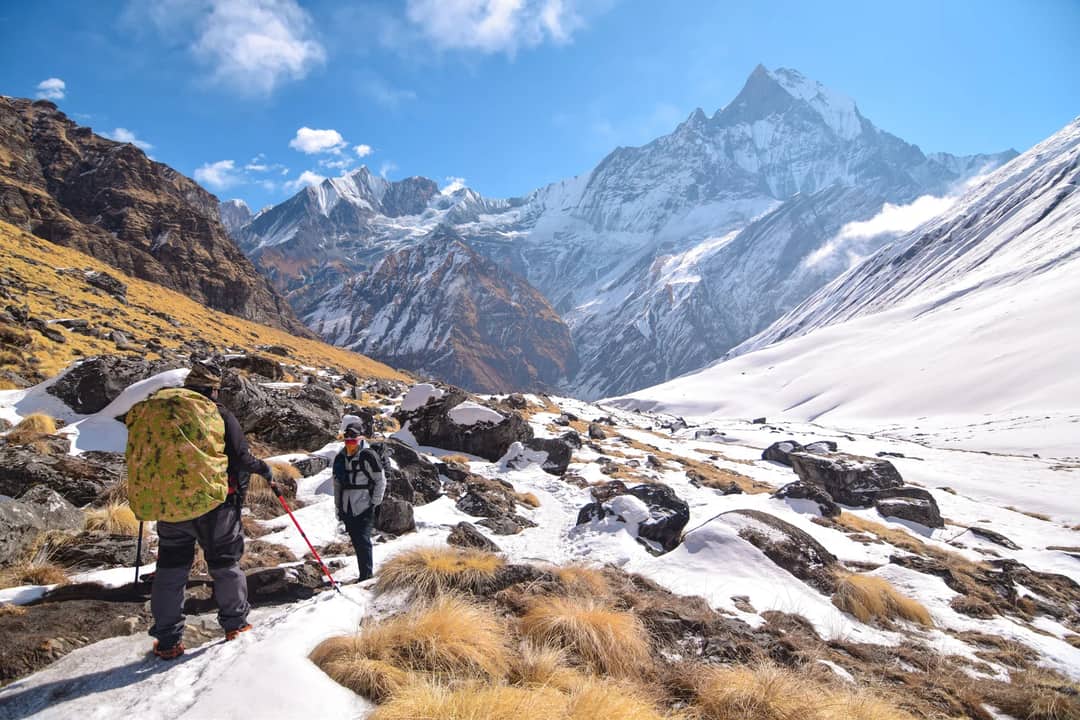
Below is our own arithmetic on our own treks: the itinerary length as we run it, plus one day in the air each way, then the weekdays that actually come off your allowance if you fly out on a Saturday.
| Trek | Days in Nepal | Door to door | Workdays used | From |
|---|---|---|---|---|
| Mardi Himal | 4 | 6 | 4 | $330 |
| Ghorepani Poon Hill | 5 | 7 | 5 | $370 |
| Everest Base Camp, helicopter out | 10 | 12 | 8 | $1,900 |
| Annapurna Base Camp | 9 | 11 | 7 | $680 |
| Everest Base Camp | 12 | 14 | 10 | $1,230 |
| Manaslu Circuit | 14 | 16 | 11 | $1,550 |
That fifth row is the one worth staring at. Everest Base Camp costs ten working days if you time the flights right. It is not a sabbatical trek. It is a standard American two-week vacation, spent differently.
The mistake that wastes the days you have
Cutting the acclimatisation to save a day is how people spend the whole allowance and come home without the summit day. We see it every season: someone books the 12-day Everest itinerary, then asks to drop the Namche and Dingboche rest days to get home on Thursday. Those two days are the reason the trek works. Remove them and the odds of turning back at 4,000 metres go up sharply — and a trek you abandoned still used every hour of leave.
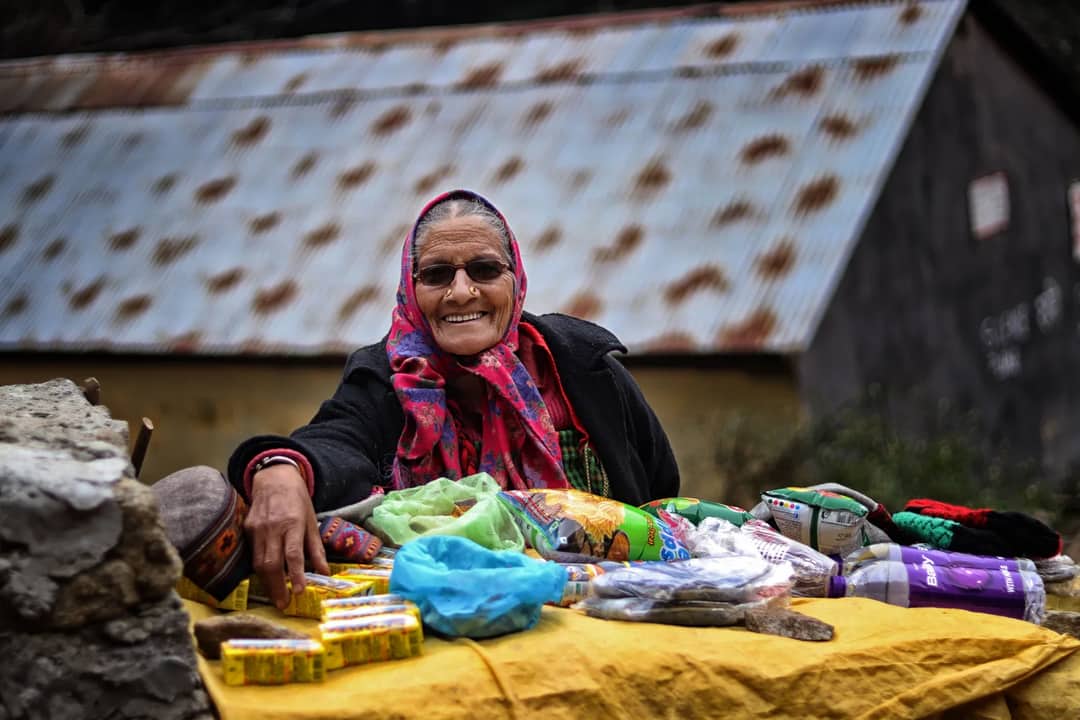
The honest alternative, if you genuinely only have a week, is not a compressed Everest. It is a lower trek done properly. Five days around Poon Hill at 3,200 metres gives you the Annapurna skyline at dawn, no altitude risk worth the name, and change from a fifth of the budget. That is a better holiday than a failed one.
What this means for you
Count the weekdays, not the days. Fly out on a Saturday, come back on a Sunday, and the trip that looked impossible costs eight to ten days of leave. Then protect the acclimatisation days inside the itinerary — those are the ones that decide whether you get there. Our 12-day Everest Base Camp trek is built around exactly that timing.
Where the jet lag fits
Nepal runs 9 hours 45 minutes ahead of New York, 10 hours 45 in the American winter, and the first day of every itinerary is a gentle one for a reason. Most of our itineraries open in Kathmandu rather than on the trail, which is not padding — it is the day your body needs, and it is also the buffer if a bag goes missing. If you are routing through Asia anyway, a stop on the way in does the same job: Americans can take ten visa-free days in China in transit to a third country, which is time off spent in two countries instead of one. Our full costing and routing guide for US travellers is here.
How many vacation days does the average American get?
There is no legal minimum. The Bureau of Labor Statistics found that 31% of private-industry workers received 10 to 14 paid vacation days after one year of service in March 2025, with more after longer service.
Is paid vacation required by law in the United States?
No. The Fair Labor Standards Act does not require payment for time not worked, so paid vacation is entirely a matter of agreement between employer and employee.
Can you trek to Everest Base Camp on two weeks of vacation?
Yes. A 12-day itinerary plus a day of flying each way is 14 calendar days, which is 10 working days if you leave on a Saturday and return on a Sunday.
Sources: US Department of Labor on vacation leave; US Bureau of Labor Statistics, National Compensation Survey, March 2025; EU Working Time Directive 2003/88/EC, Article 7; UK Government holiday entitlement guidance; Fair Work Ombudsman (Australia); Japan’s Labour Standards Act via the Ministry of Health, Labour and Welfare. Trek durations and prices are our own published itineraries; the workday arithmetic is ours.
Cover photo: Edge Training via Pexels (Pexels License). Section photos: Nataliya Vaitkevich via Pexels (Pexels licence); Namal Siriwardana via Pexels (Pexels licence); Hiteshkumar Koradiya via Pexels (Pexels licence); ArtHouse Studio via Pexels (Pexels licence).
Still running this season
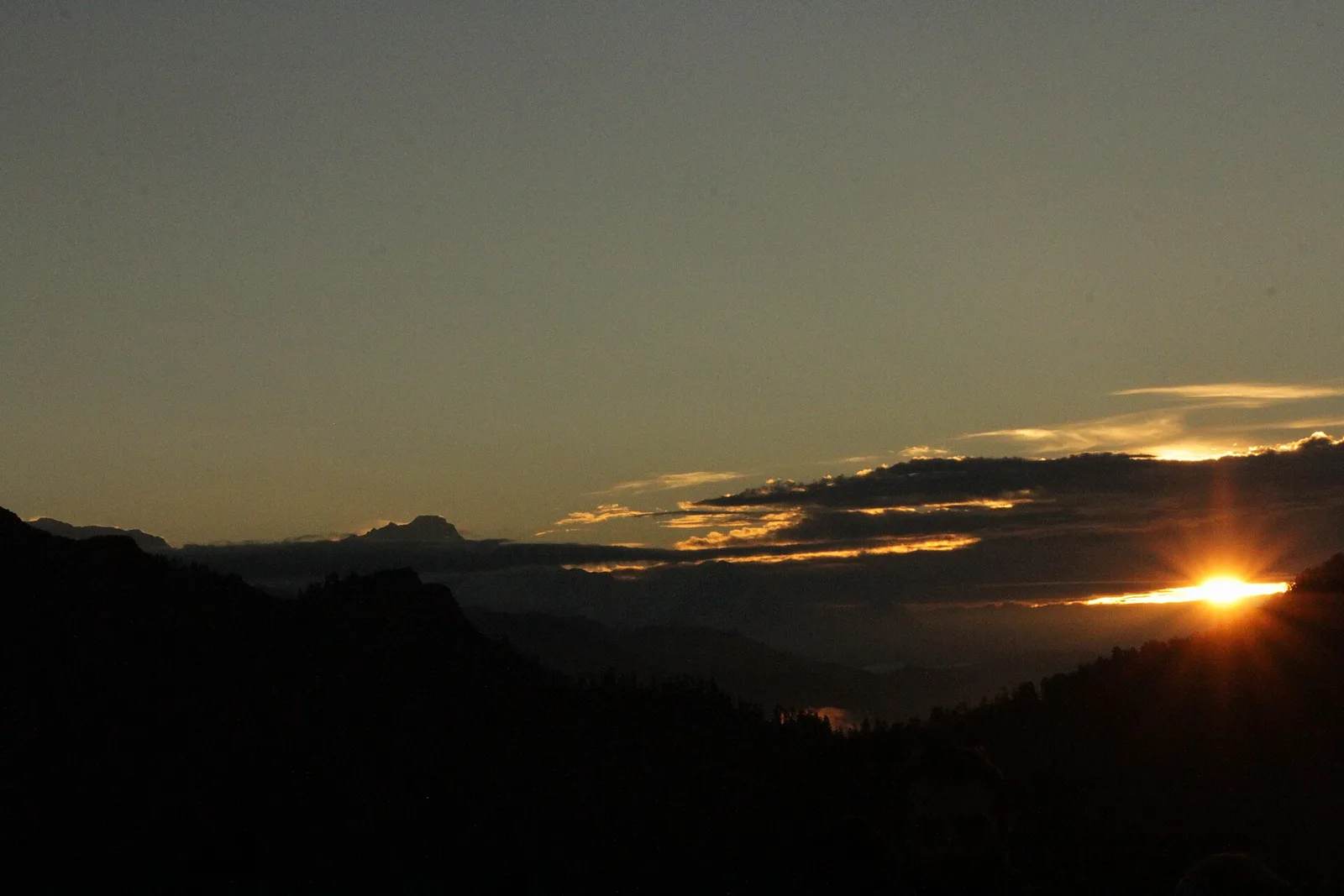
Ghorepani Poon Hill Trek — 5 Days is running normally
NMA-certified local guides, transparent pricing, 5,000+ treks since 1998. Message us your dates and we'll sort the permits, lodges and logistics — reply within 24 hours, no obligation.
Popular Nepal treks
All treks →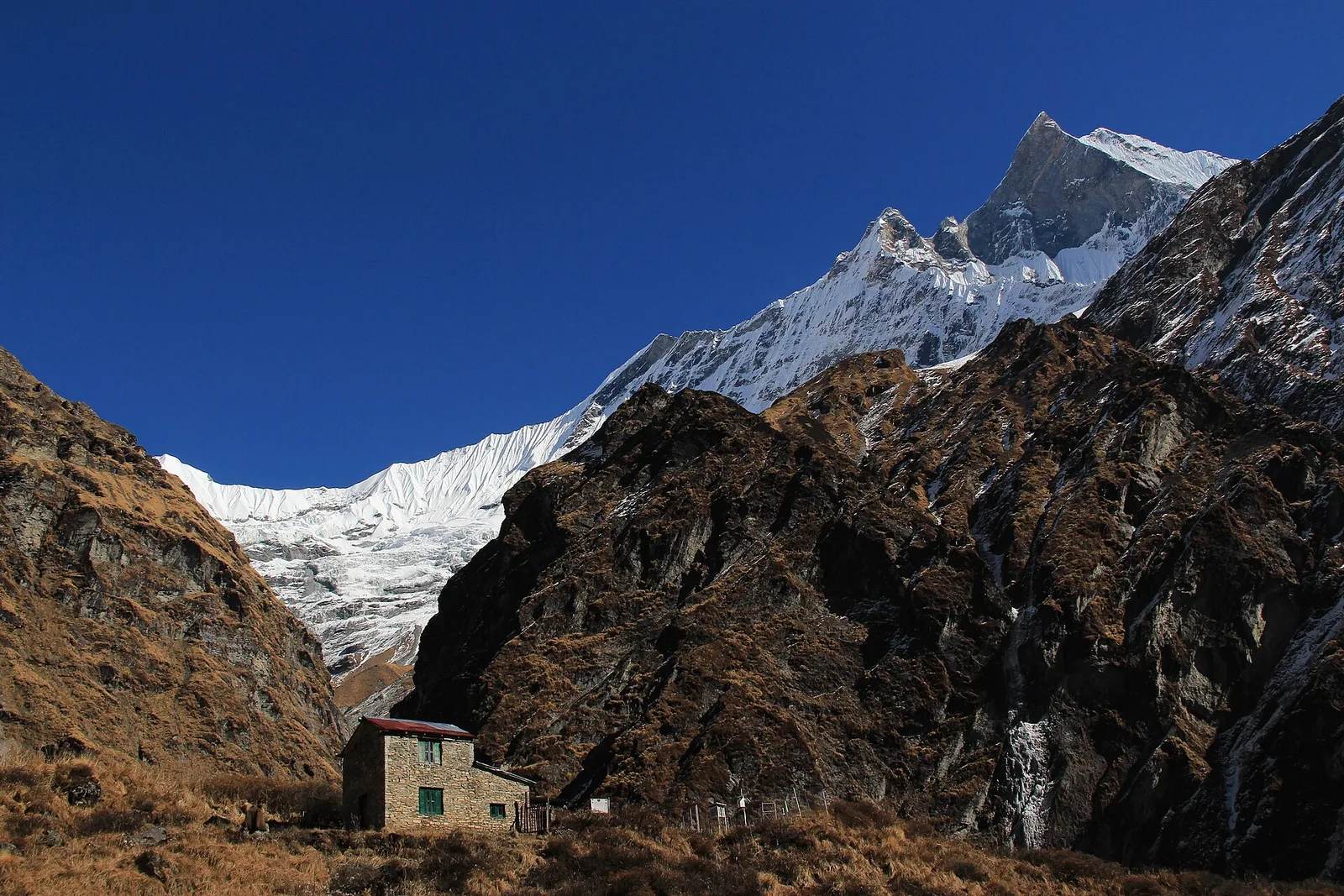
Related coverage
Visas & Entry
What Americans actually need to enter Spain now, and what changed at the border
No visa under 90 days, but Europe now takes your fingerprints on arrival and ETIAS starts at the end of 2026. Here is the current checklist.

World Destinations
Cheapest Countries to Visit in Asia in 2026 (Where Your Money Goes Furthest)
From Nepal’s Himalaya on a backpacker budget to the street-food value of Vietnam, India and Kyrgyzstan — the great-value Asian destinations for 2026, why each is cheap, and when to go.
Safety & Advisories
How long jet lag actually lasts when you fly east, and what that means for day one
The body clock shifts about an hour a day going east, and Kathmandu is nearly ten hours ahead of New York. Here is how to plan the first days around it.
Trail & Weather
Everest Base Camp or Kilimanjaro: Which Trek Should You Actually Do in 2026?
One is a five-day sprint to 5,895 metres, the other a fourteen-day walk to 5,364 — the honest trade-off between them comes down to acclimatization, not fitness.
Latest from the desk
Flights & Access
Which days are quietest at US airport security, by TSA's own daily count
TSA screened 642 million people so far in 2026. Tuesdays ran 519,000 lighter than Thursdays, and Saturday came out as the second-quietest day of the week.
Safety & Advisories
How many countries the US actually tells you not to visit, and where Nepal sits
Of 214 destinations the State Department rates, 23 are do-not-travel. Nepal carries the same level as France, Italy and Spain.
Visas & Entry
The US passport ranks 10th now, and these are the trips that actually got harder
Singapore opens 192 countries visa-free. The US opens 179, after losing seven in a year. What changed for American travellers, and where is still easy.