
The Himalayan Valley Nepal Kept Secret for Centuries — Sealed by Two Mountains, Opened by One Man in 1956
The Annapurna Sanctuary is a mile-high amphitheatre ringed by six peaks over 6,400m, with exactly one way in. No outsider found that gap until a British colonel spent three days slogging through a bamboo gorge — and today you can walk the same route in trail shoes.
At a glance
- Published
- TopicRecords & People
- Verified againstAmerican Alpine Journal
- Treks coveredShort Annapurna Base Camp Trek — 4 Days, Poon Hill & Annapurna Panorama Trek — 10 Days, Annapurna Base Camp Trek — 9 Days
For centuries, the only way into this valley was rumour. No foreigner had a map of it, a name for it, or a photograph of it — because, as far as anyone outside a handful of Gurung villages in central Nepal knew, no foreigner had ever stood inside it. It took until 1956 for that to change, and even then, the man who finally got in nearly didn't find the door.
Key facts
- The Annapurna Sanctuary is a glacial basin at roughly 4,130m, ringed almost entirely by peaks over 6,400m — most over 7,000m.
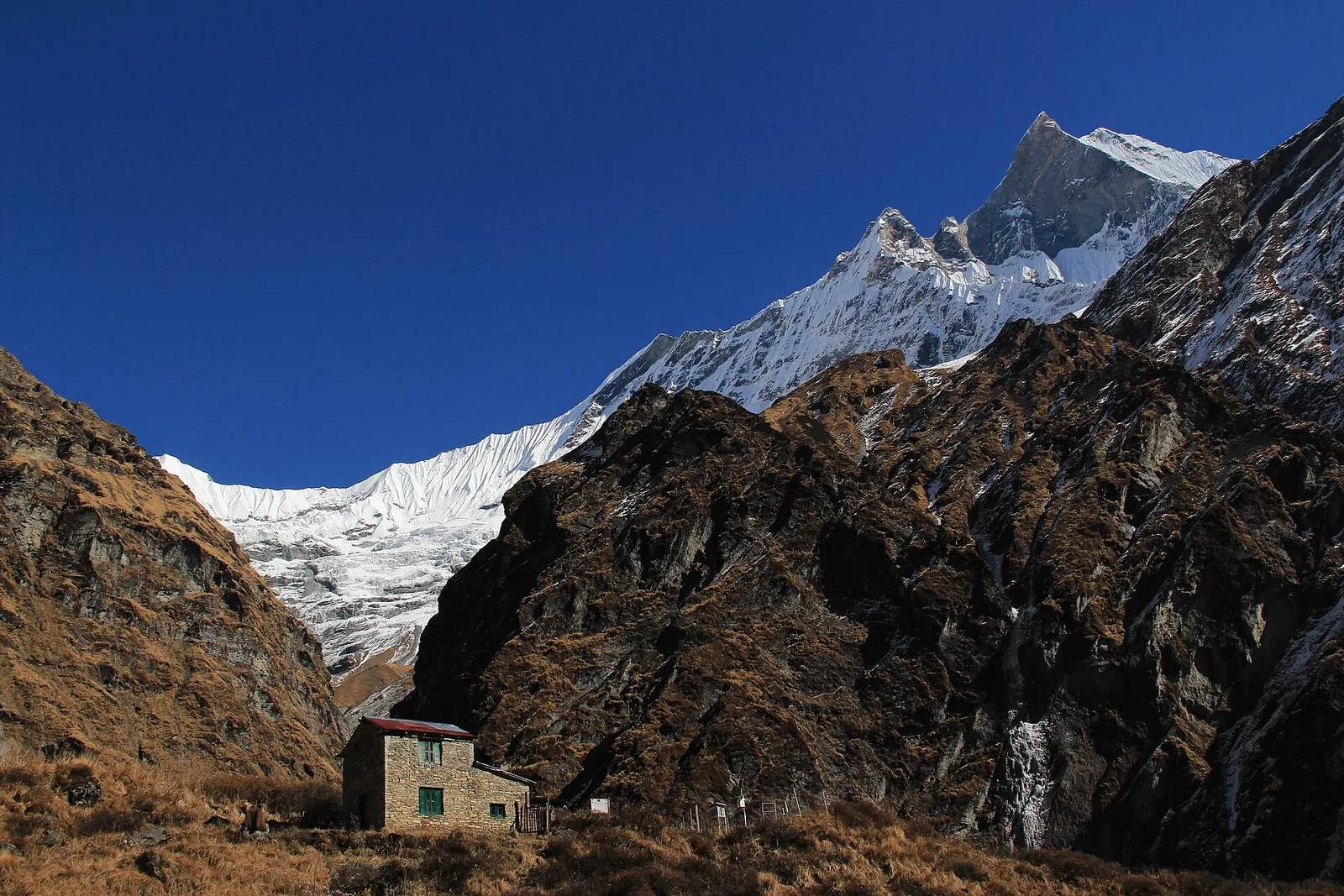
- It has exactly one entrance: a narrow gorge cut by the Modi Khola river, squeezed between Hiunchuli (6,441m) and Machapuchare (6,993m).
- The first recorded outsider entry was in 1956, by British Army officer Major J. O. M. 'Jimmy' Roberts, with two Nepali companions, Lal Bahadur Gurung and Ang Nyima Sherpa.
- At the height of summer, the basin floor gets as little as seven hours of direct sunlight a day, boxed in by the surrounding wall of rock and ice.
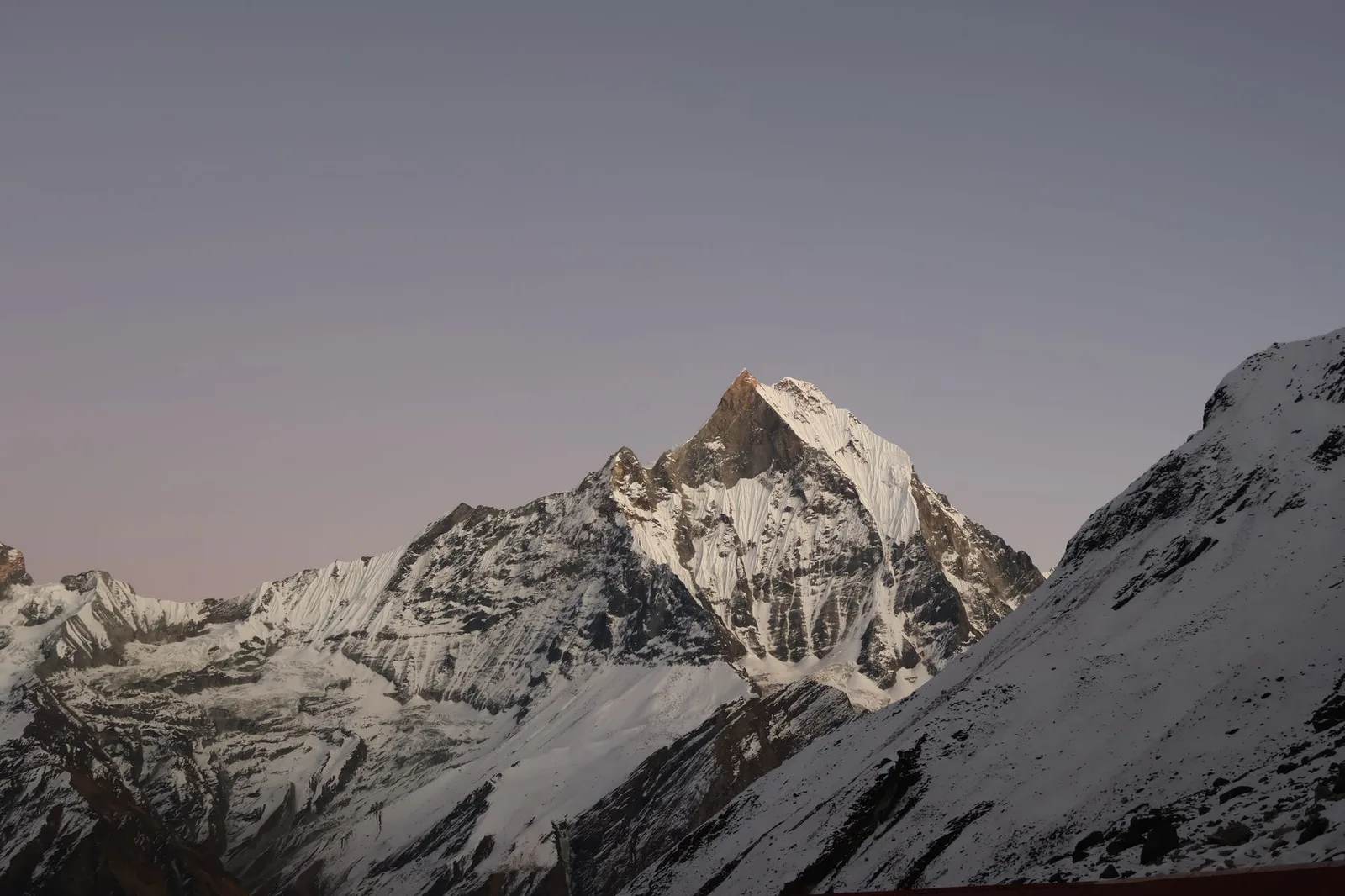
Local Gurung communities had known of the valley long before any European did, and had their own reasons for keeping it closed. It was held sacred as a repository of treasure left by the Nagas, serpent-deities of local belief, and Machapuchare — the fishtail-shaped peak that forms one wall of the amphitheatre — is considered the dwelling place of the Hindu god Shiva; the long plumes of snow that blow off its summit ridge were traditionally read as the smoke of his divine incense. Entry was restricted: meat and eggs were forbidden inside, and for generations women and members of lower castes were barred outright.
Roberts wasn't trying to find a lost valley — he was reconnoitring Machapuchare for a climbing attempt the following year. According to the American Alpine Journal's own account of the expedition, his route from Chomrong village followed the Modi Khola gorge for three days, described at the time as 'most of the way by dismal bamboo slogging' — hacking through dense jungle along a river gorge so narrow that, for most of human history, nobody outside the valley had bothered to check what lay beyond it. When Roberts and his companions finally emerged, they found themselves standing inside a natural amphitheatre completely walled in by some of the highest mountains on Earth. He named it, simply, the Sanctuary — the title stuck, and it is the name still used on every map of the region today.
Roberts came back the following spring, in 1957, and got close enough to Machapuchare's summit that his team could have finished the climb — then turned around, deliberately, to respect the mountain's sacred status. No one has completed a verified summit of Machapuchare since. It remains, by the region's own tradition and by longstanding government policy, a peak nobody is meant to stand on top of.
What this means for trekkers
What this means for you
The same three-day bamboo gorge Roberts hacked through in 1956 is now a maintained trekking trail — the final approach of the Annapurna Base Camp trek, one of the most walked routes in Nepal. You won't need a machete; you'll need an Annapurna Conservation Area Permit (ACAP) and a TIMS card, both required inside the sanctuary today, and roughly 7–9 days round-trip from Pokhara at a normal trekking pace. Stand at Annapurna Base Camp itself and you're inside the exact amphitheatre Roberts named — encircled by six peaks over 6,400m, with the same short winter daylight hours he recorded nearly seventy years ago.
It's a reminder of how recently — and how narrowly — this part of the Himalaya opened up. Compare it with how we cover the neighbouring approach in our Everest Base Camp vs Annapurna Base Camp breakdown, or read more on permits before you go at our Nepal permits hub.
Source: American Alpine Journal; additional detail from Wikipedia's Annapurna Sanctuary entry, cross-checked against the AAJ account.
Cover photo: Santanu Deb via Pexels (Pexels License).
Still running this season
Short Annapurna Base Camp Trek — 4 Days is running normally
NMA-certified local guides, transparent pricing, 5,000+ treks since 1998. Message us your dates and we'll sort the permits, lodges and logistics — reply within 24 hours, no obligation.
Popular Nepal treks
All treks →
Related coverage
Records & People
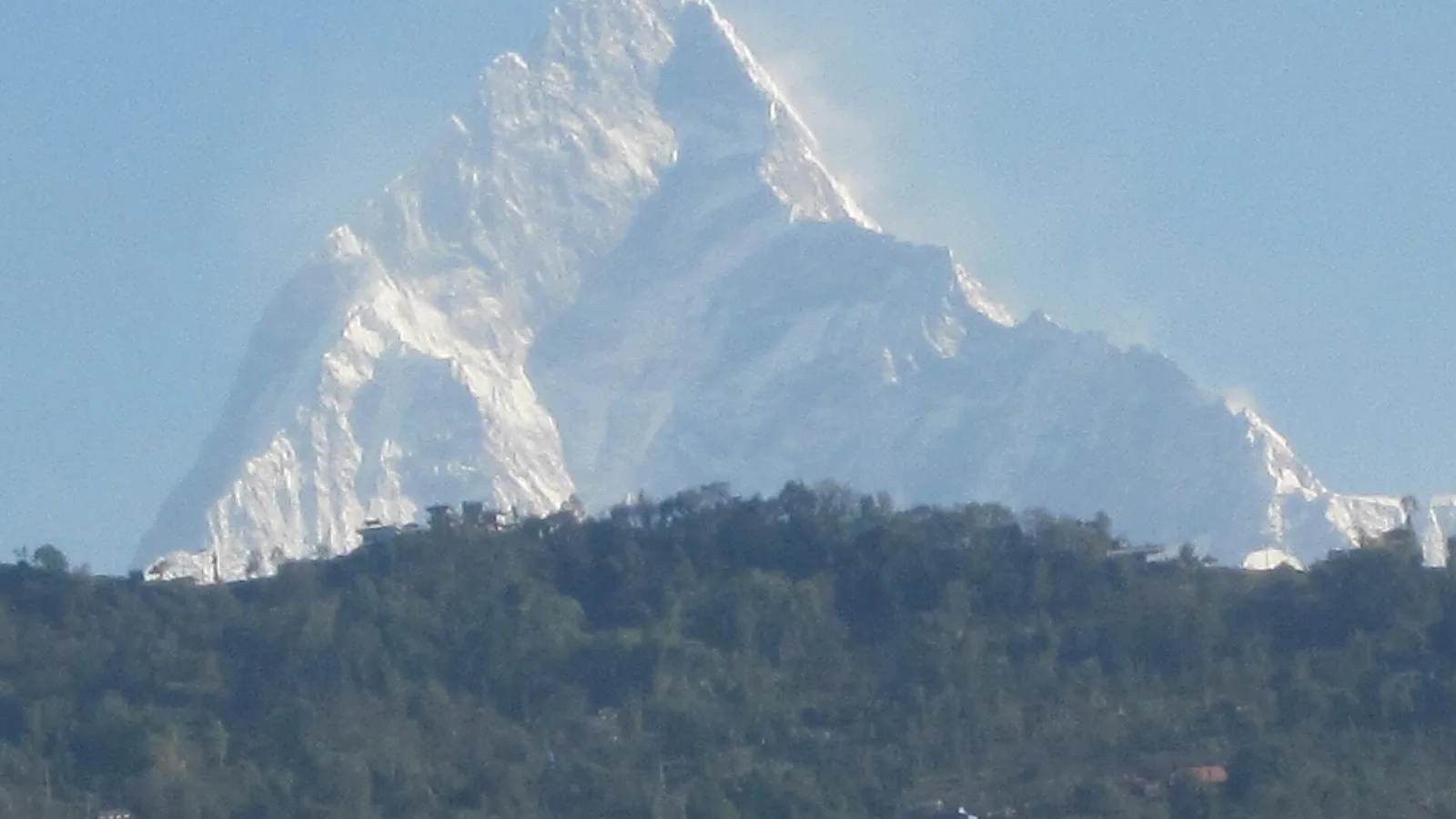
Machapuchare Is the Nepal Mountain Nobody Has Ever Been Allowed to Summit (2026)
At 22,943 feet, Machapuchare towers over the Annapurna Sanctuary, and by Nepal's own law, no one has legally set foot on its true summit since a British team turned back 150 feet short of it in 1957.
Records & People
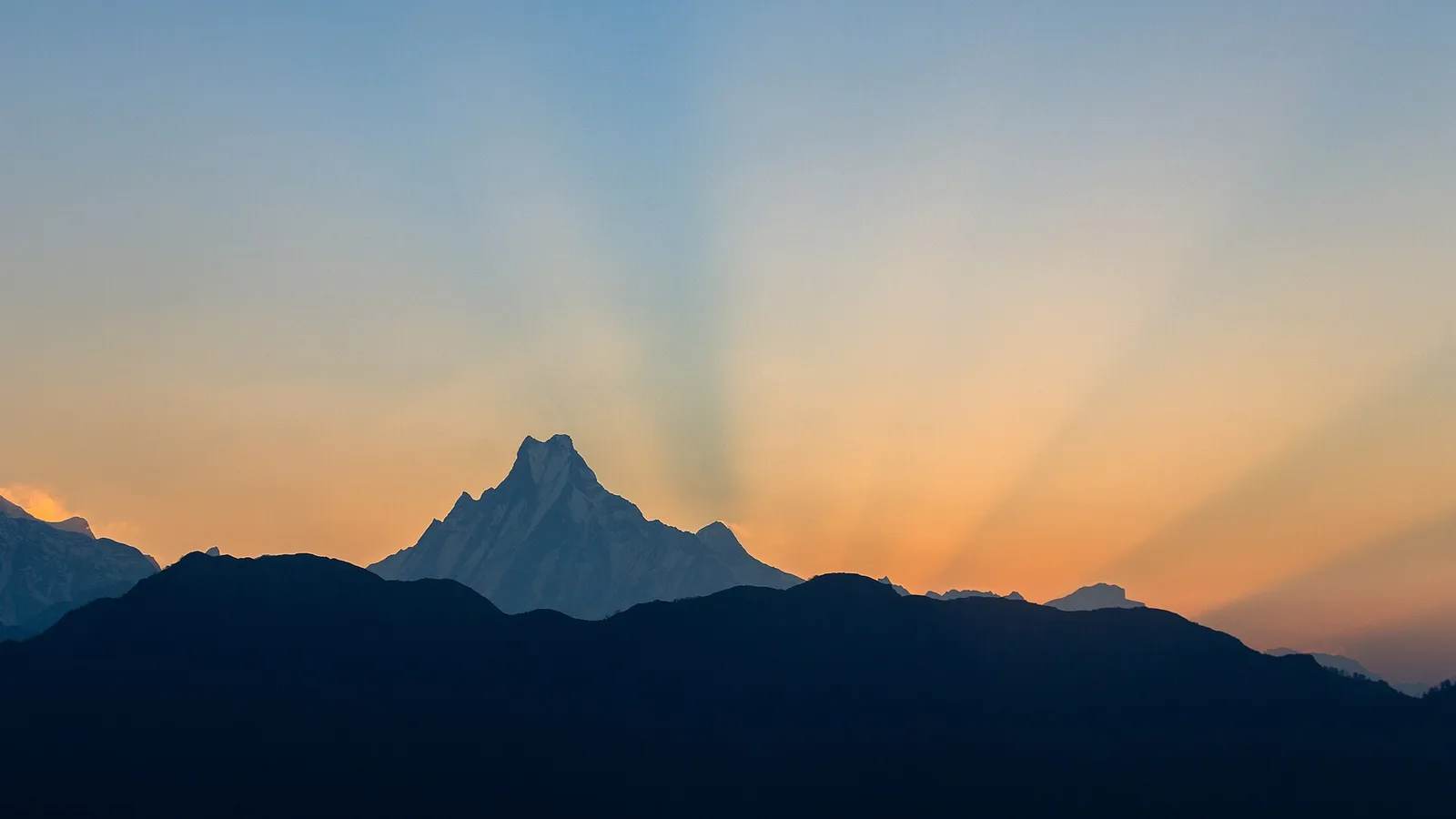
The 22,943-Foot Himalayan Peak No One Has Ever Officially Stood On
In 1957 a British team stopped 150 feet short of Machapuchare's summit and kept their word never to finish it — Nepal has banned every climber from trying since.
Safety & Advisories
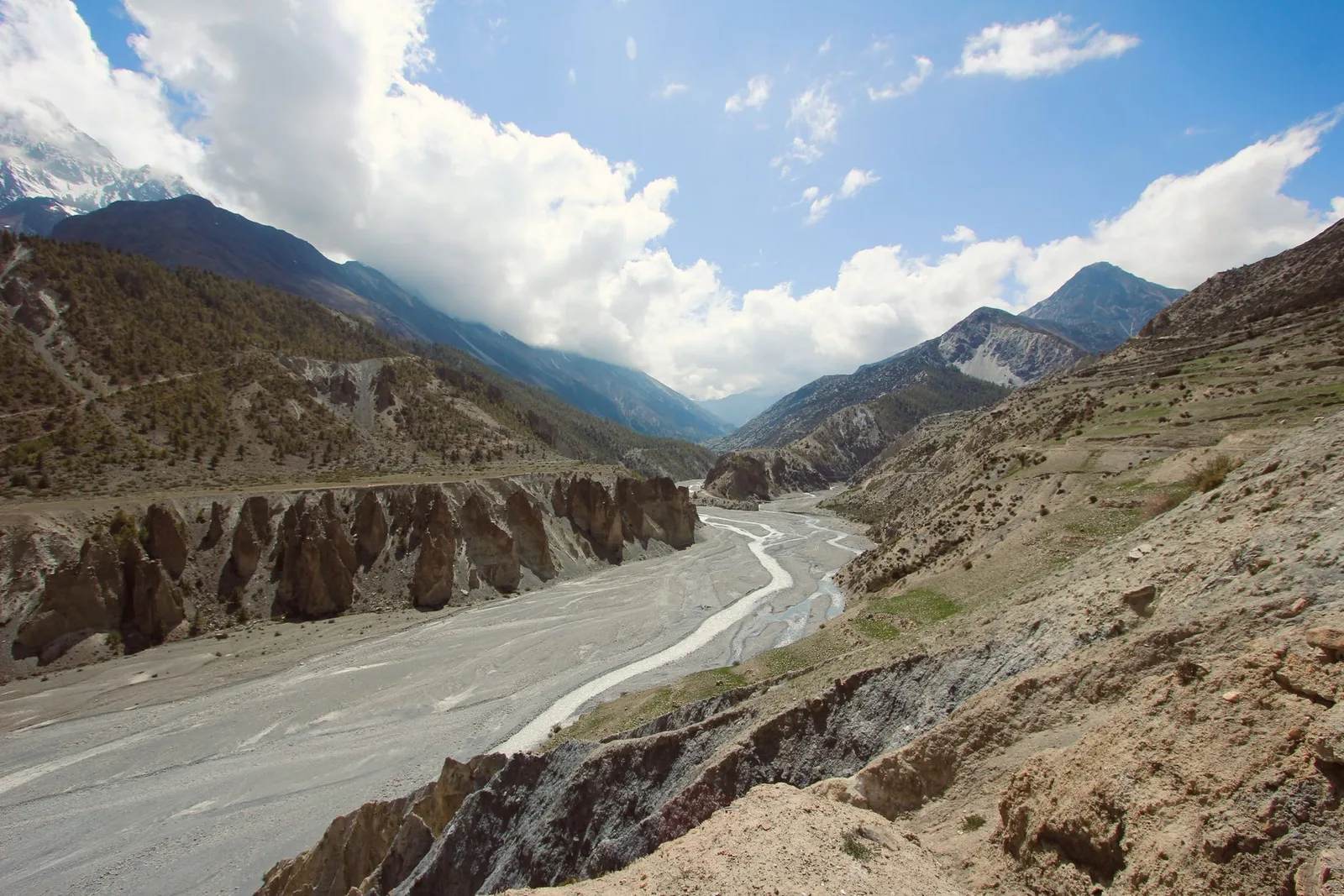
Is the Nar Phu Valley Trek Affected by the 2026 Nepal Floods?
No — Nar Phu is a restricted Annapurna-region valley in Manang, on the Marsyangdi, far from the flood-hit Bhote Koshi in Rasuwa, and it is running normally. Here is why the trail is unaffected, plus the one monsoon road caveat.

Records & People
Nepal’s first woman helicopter captain flew nearly 100 rescues in six days
Priya Adhikari has flown over 1,000 Himalayan rescues. In the week after the Bhote Koshi flood she flew about a hundred, into places with nowhere to land.
Latest from the desk
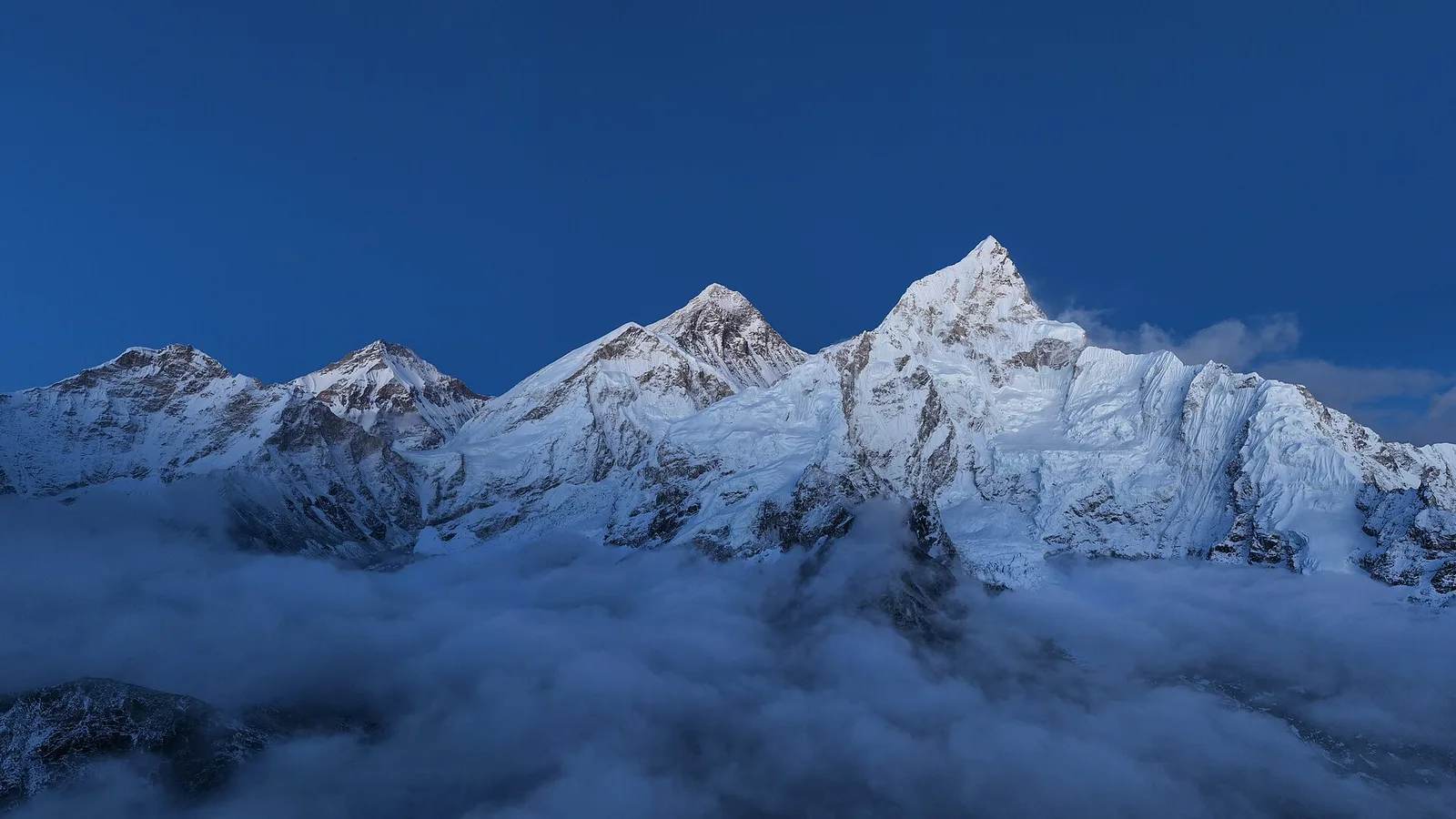
Records & People
Mount Everest's Official Height Was Wrong for 65 Years, Until Nepal and China Finally Agreed in 2020
The number on every map, 8,848.86 metres, only became official on 8 December 2020, after two countries spent over a decade measuring the same mountain and getting two different answers.
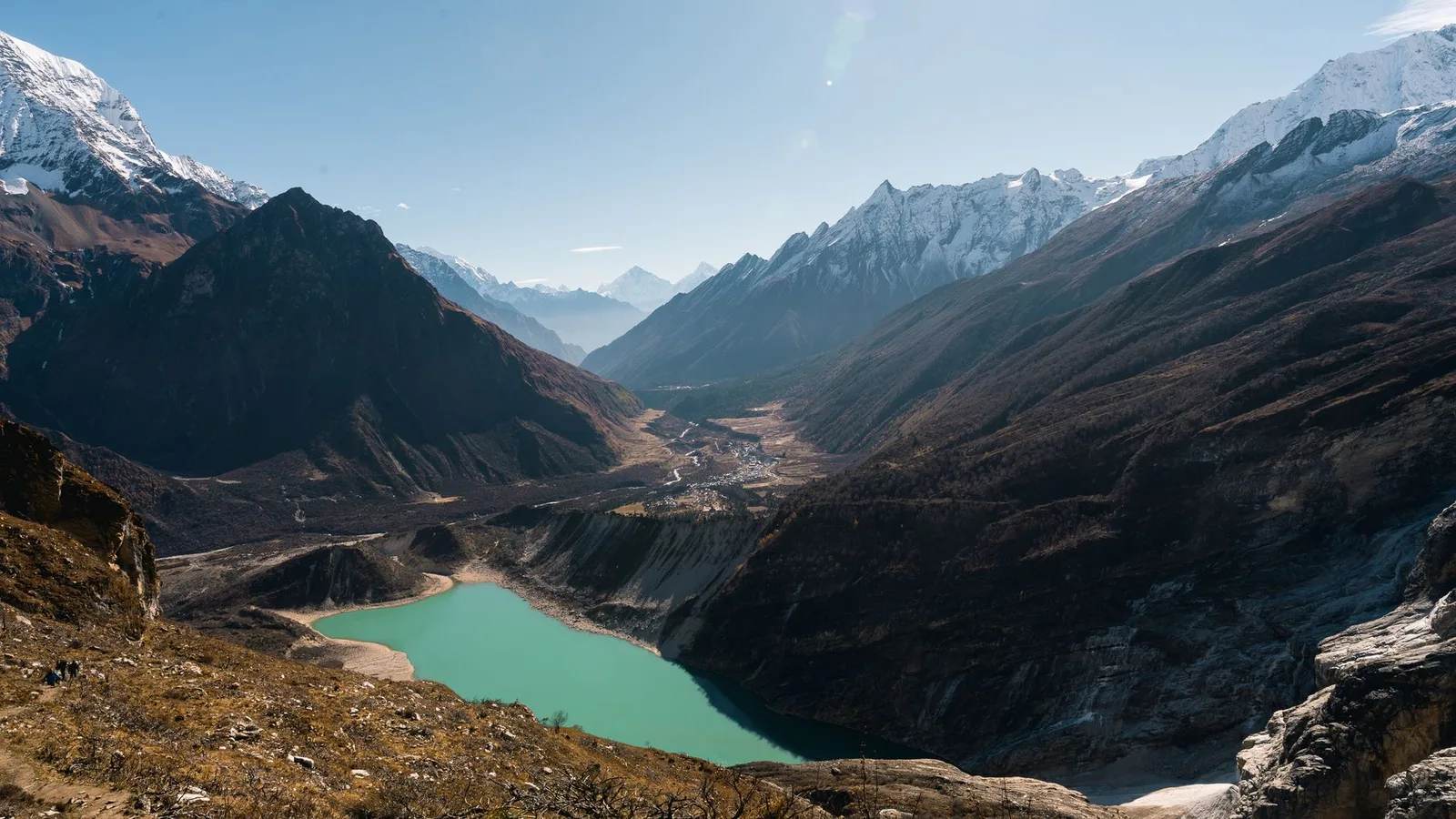
Records & People
Nepal's Gokyo Lakes Turn an Impossible Turquoise Every Autumn, and Rock Dust Is Why
Six sacred glacial lakes above Everest sit higher than almost any freshwater on Earth, and the colour that makes trekkers stop mid-stride comes down to stone ground fine enough to float.
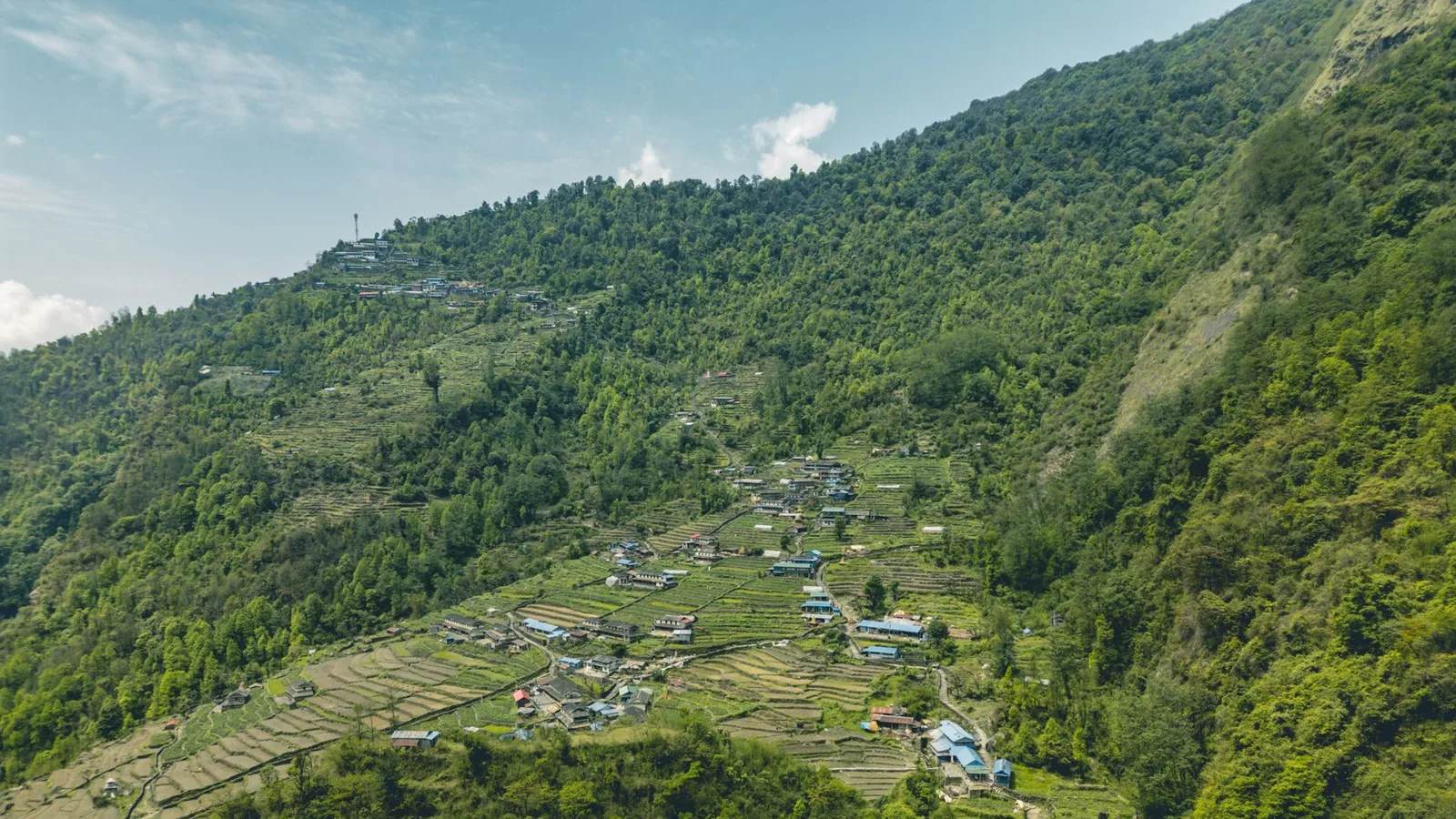
Records & People
Nobody Tells You Nepal's National Flower Turns Whole Mountainsides Crimson Every Spring
Nepal's national flower isn't grown in a garden bed — it's a forest tree that turns entire hillsides red for about six weeks a year, and the bloom climbs the mountain in a predictable wave.