
The Everest Speed Record Stood for 23 Years. An American Ultrarunner Just Smashed It by an Hour
Tyler Andrews climbed from Everest Base Camp to the 29,032-foot summit in 9 hours 55 minutes on May 28, 2026, breaking Lhakpa Gelu Sherpa's 2003 record — and beat the round-trip mark by nearly two hours too.
At a glance
- Published · updated
- TopicRecords & People
- Verified againstCBS News
- Treks coveredGokyo Ri Trek — 11 Days, Everest Base Camp Trek — 14 Days, Island Peak Climbing — 18 Days
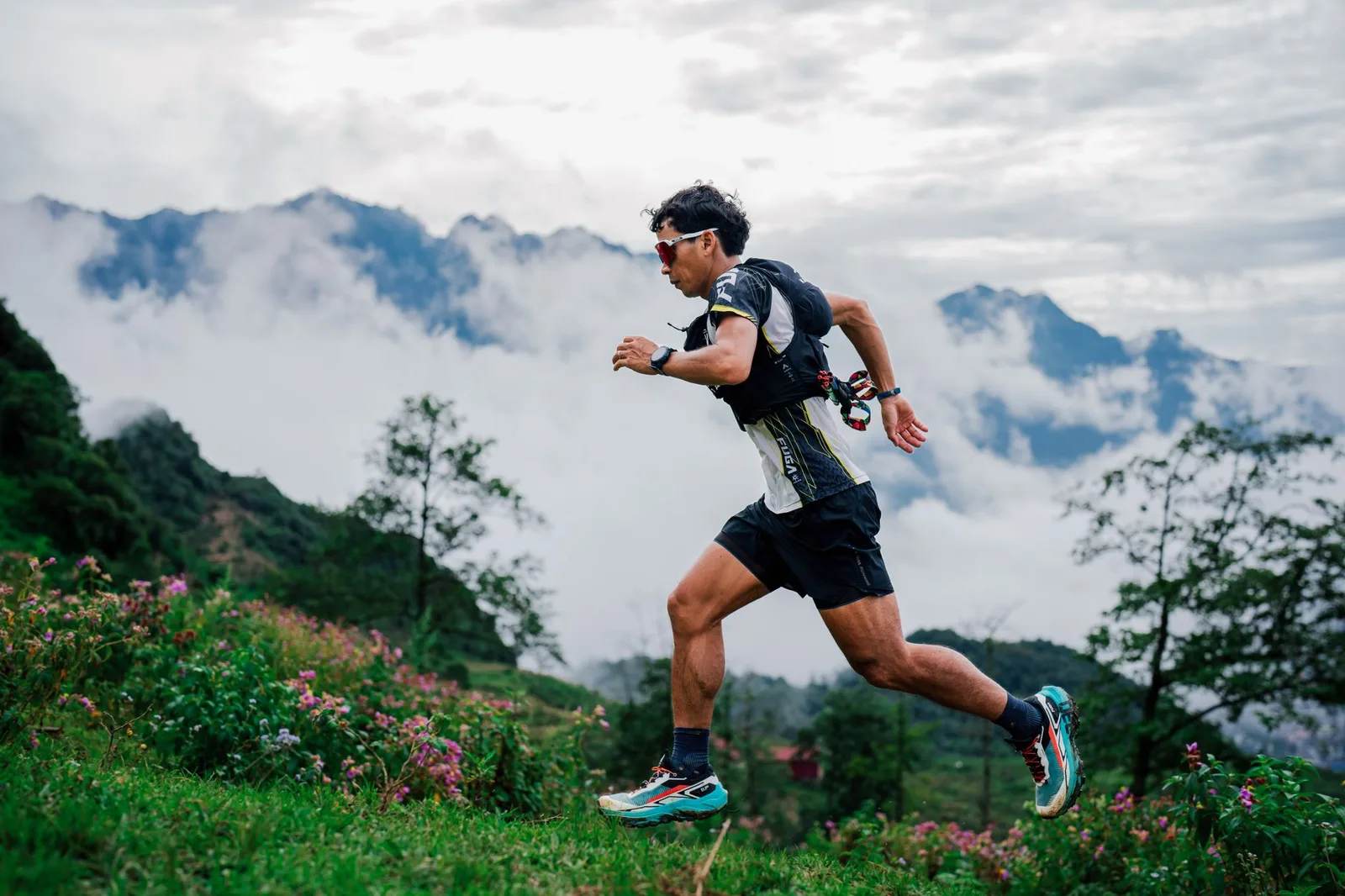
On the morning of May 28, 2026, American ultrarunner Tyler Andrews did something no one had managed in 23 years: he beat Mount Everest's speed record. Andrews climbed from Everest Base Camp (5,364m) to the 8,849m summit in 9 hours 55 minutes — more than an hour faster than the mark Nepali climber Lhakpa Gelu Sherpa set in 2003, a record that had outlasted every attempt to break it for more than two decades.
Key facts
- New record: 9h 55m, Base Camp to summit, May 28, 2026
- Old record: 10h 56m, set by Lhakpa Gelu Sherpa in 2003
- Round trip: 16h 32m, nearly two hours faster than the previous 18h 30m mark
- Andrews, 36, of Concord, Massachusetts, is a cancer survivor and former US collegiate distance runner
Both climbs used supplemental oxygen and standard route-fixing support — this is a speed record set within the normal commercially-guided system, not an alpine-style solo. What makes it remarkable is the margin: Andrews didn't inch past a 23-year-old mark, he obliterated it, then turned around and beat the round-trip record too.
A record built on failure, twice over
Andrews didn't arrive at 9h 55m by accident. He had spent more than a year chasing an even harder goal — Everest's no-oxygen speed record — and the public story of his 2026 record starts with two very public defeats.
Andrews announces he will attempt Everest's no-oxygen speed record, a far harder mark than the oxygen-assisted one.
He reaches Camp III (roughly 7,300m) in 4h 32m — on pace — before a torn boot gaiter zipper exposes his foot to the cold and forces a retreat.
A rare autumn attempt gets him to roughly 26,400 feet before unstable snowpack and avalanche danger turn him back again.
Andrews shifts to an oxygen-assisted push and posts 9h 55m Base Camp-to-summit, and 16h 32m round trip — both new marks.
By his own account, Andrews spent eight attempts and six figures of his own money chasing an Everest record before this one landed. He climbed with a support team that supplied oxygen, food and water along the route, tracked live via GPS — a far cry from the no-oxygen solo mark he originally set out for, but a legitimate record in its own right, set on the mountain's standard route in the middle of the world's busiest climbing season.
| Split | 2003 (Lhakpa Gelu Sherpa) | 2026 (Tyler Andrews) |
|---|---|---|
| Base Camp to summit | 10h 56m | 9h 55m |
| Round trip (summit and back) | 18h 30m | 16h 32m |
Nepal's mountaineering authorities typically take weeks to formally ratify a new record, and as of this writing Andrews' climb was still awaiting that official sign-off — standard procedure, not a mark against the achievement, which multiple outlets on the mountain independently tracked and reported in real time.
What this means for trekkers
Andrews' 9h 55m run and the 12–14 days most of our own trekkers spend walking to Everest Base Camp aren't really the same sport — and that's the point. His record depended on months of altitude prep, a full support crew and a near-perfect weather window; ours is built the opposite way, with a slow, staged ascent that lets your body acclimatise properly. If Everest is on your list, the mountain rewards patience far more often than it rewards speed.
Andrews has said the climb was also a fundraiser, supporting coaching and equipment access for young athletes in Ecuador and Nepal. For everyday trekkers, the real takeaway is simpler: the same Base Camp trail he ran in under ten hours is one you can walk in comfort over two weeks, watching the mountain the whole way instead of racing past it.
Source: CBS News
Cover photo: VANNGO Ng via Pexels (Pexels License).
Still running this season
Gokyo Ri Trek — 11 Days is running normally
NMA-certified local guides, transparent pricing, 5,000+ treks since 1998. Message us your dates and we'll sort the permits, lodges and logistics — reply within 24 hours, no obligation.
Popular Nepal treks
All treks →
Related coverage
Safety & Advisories
Can You Trek to Everest Base Camp at 82? What the Record and the Research Actually Say
There is no legal or medical age cutoff on the trail to Everest Base Camp, and the current record holder just proved it at 82.
Records & People
Nobody tells you Everest can only be climbed a few days a year, and the jet stream is why
For most of the year a jet stream sits on the summit of Everest with winds over 250 km/h. It lifts north for a few weeks each May when the monsoon pushes it aside, and that short calm is the only time the mountain is climbable.

Records & People
Nims Purja's Project Possible: All 14 Peaks in 6 Months, 6 Days
How Nirmal 'Nims' Purja climbed every 8,000-metre mountain in 189 days in 2019, shattering a record that had stood almost eight years — and how the speed record has fallen twice since. Every date and time sourced.
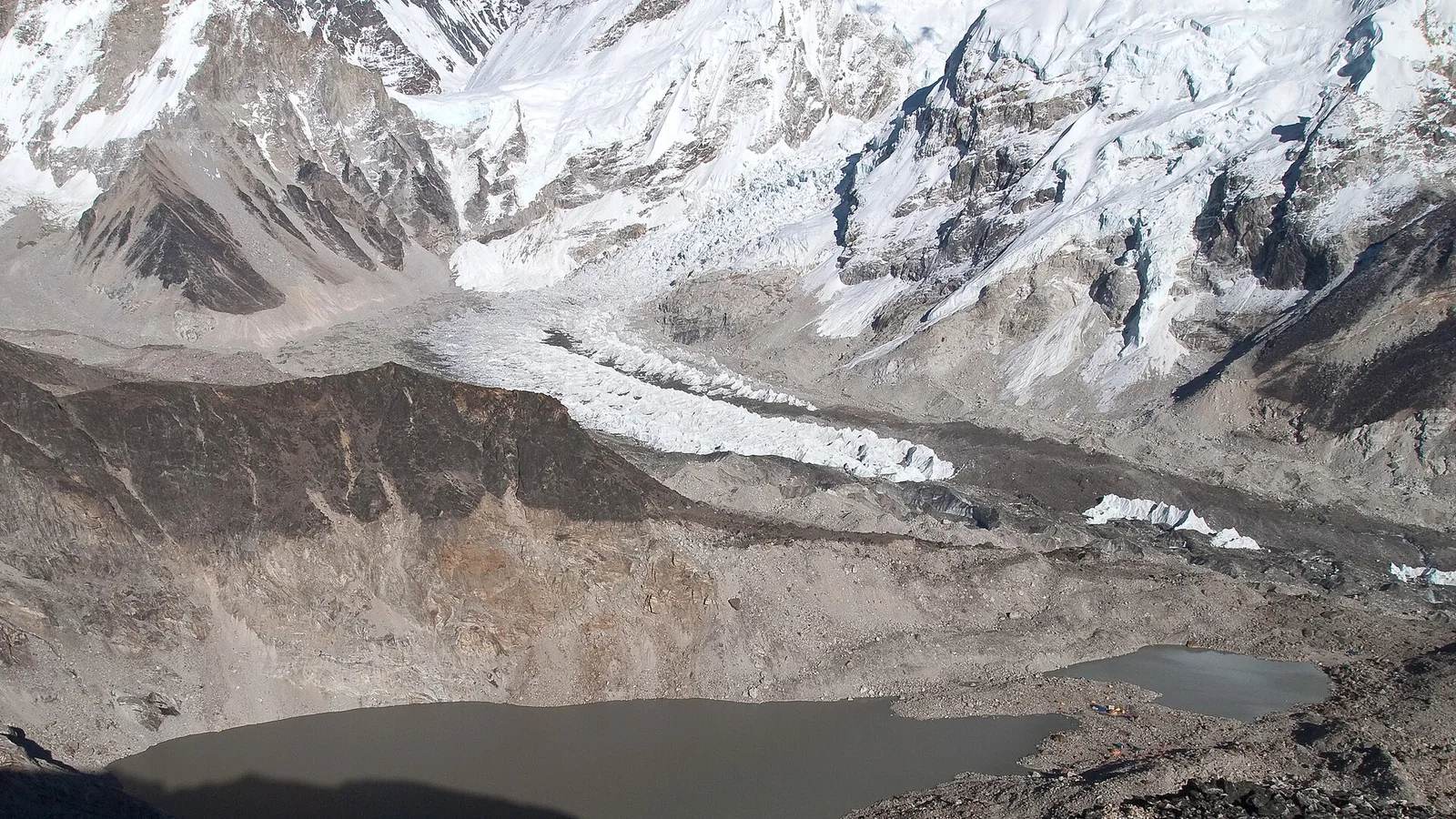
Records & People
The Deadliest Avalanches in the Nepal Himalaya
From the 2014 Khumbu Icefall to the earthquake that swept Everest Base Camp in 2015 — the deadliest avalanches in Nepal's mountains, their causes and tolls, recorded with respect.
Latest from the desk
Gear & Tech
Trail shoes or hiking boots, and what the ankle-support research actually found
Most teahouse trekkers wear more boot than the walk needs, and the ankle-support argument holding that up is thinner than the shops suggest.
Gear & Tech
Merino or synthetic base layers, and what a lab found when it measured the smell
Merino wins the week-long wear, synthetic wins the overnight dry, and the lab reason merino stays fresh is not the bacteria story you have been told.
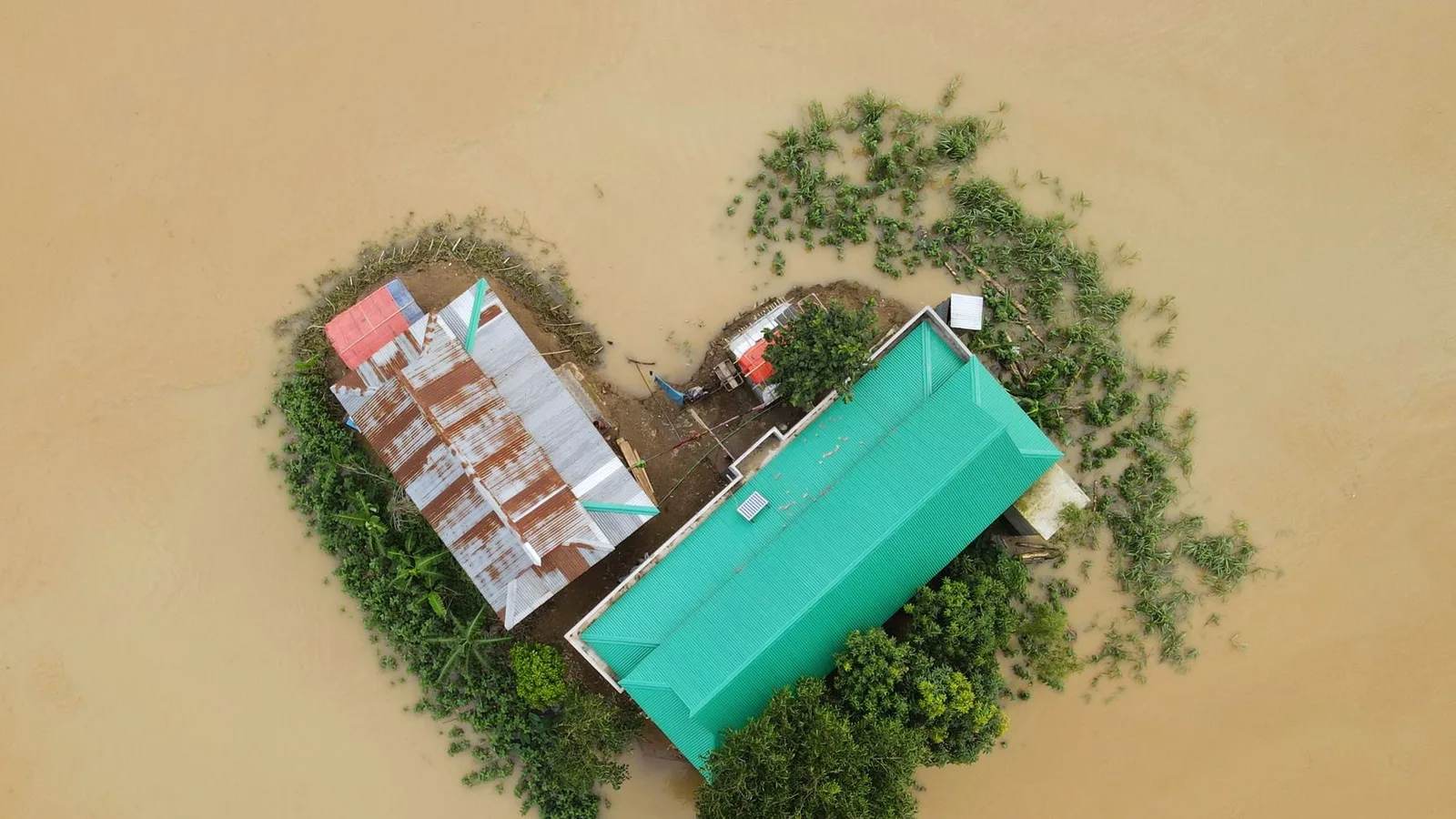
Safety & Advisories
If someone you know is missing in the Nepal flood, you don't have to fly to Kathmandu
Nepal Police have identified 95 of more than 1,200 bodies recovered. Families abroad can be DNA-profiled at home and send the result in. Here is how it works.