
Breaking · Permits & Rules
Nepal's Everest Rules Just Got 263 Proposed Amendments — What Could Change for Climbers
Lawmakers want Everest hopefuls to summit two Nepali peaks above 8,000m first, plus new insurance floors for guides and a wage fund — here is exactly what is now before Parliament, and what is still just a rule already in force.
At a glance
- Published
- TopicPermits & Rules
- Verified againstThe Kathmandu Post
- Treks coveredAma Dablam Base Camp Trek — 10 Days, Island Peak Climbing — 18 Days, Mera Peak Climbing — 15 Days
Nepal's Parliament is currently debating 263 separate amendments to a single bill that could reshape who is allowed to attempt Everest — and what the country's guides and climbing crews are legally owed while they get you there.
Key facts
- 58 lawmakers registered 263 amendments to Nepal's Integrated Tourism Bill, reported by The Kathmandu Post on July 22, 2026.
- The toughest proposal: an Everest permit only after summiting one peak above 7,000m and two peaks above 8,000m, all inside Nepal.
- Separate amendments would set minimum insurance for climbing crews at Rs 50 million (death), Rs 20 million (medical) and Rs 10 million (search and rescue).
- The bill is still in committee for clause-by-clause review — none of this is law yet.
This is a live update to a story we've followed all year. Back in February 2026, Nepal's National Assembly passed an earlier version of the same bill requiring Everest climbers to have already summited one Nepali peak above 7,000m — a rule we reported on in June. That version alone was already significant: Nepal has 86 peaks between 7,000m and 7,999m, with spring royalty fees for foreigners running $500–$800 depending on altitude (half that in autumn), so the pool of qualifying climbs is real and accessible, not symbolic.
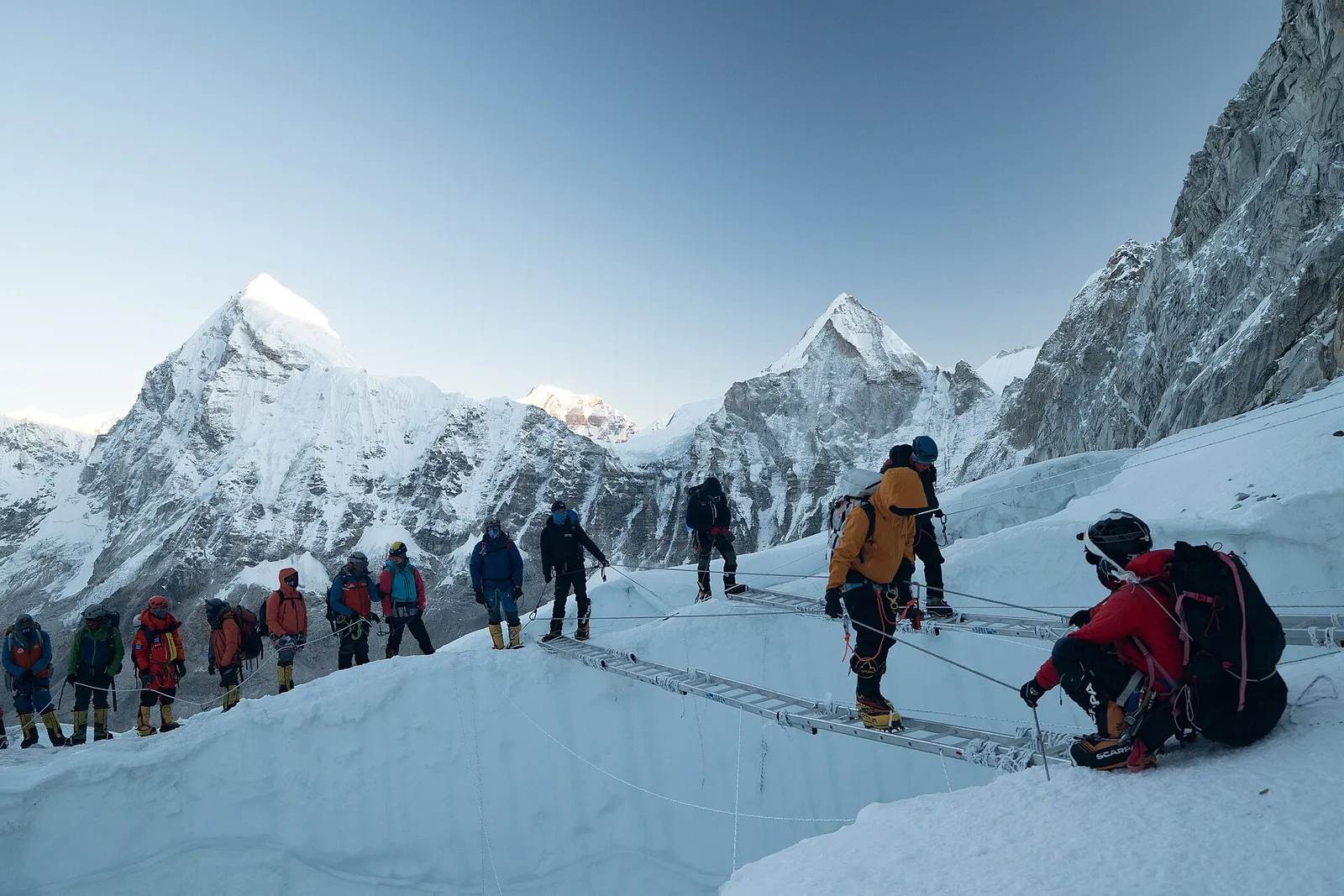
What's new is the House of Representatives stage. Since the bill returned to Parliament, 58 lawmakers have filed 263 amendments, and several go well beyond the original 7,000m rule. MPs Shishir Khadka and Nitima Bhandari Karki want Everest permits reserved for climbers who have already stood on top of one peak above 7,000m and two peaks above 8,000m — a bar that, if it survives, would rule out most first-time 8,000m climbers from ever using Everest as their debut.
| Proposal | Requirement |
|---|---|
| Current rule (passed Feb 2026) | 1 peak ≥7,000m in Nepal |
| Khadka & Karki amendment | 1 peak ≥7,000m + 2 peaks ≥8,000m |
| Karki (alternate) | 1 peak ≥7,000m + 1 peak ≥8,000m |
| Bishwakarma amendment | 1 peak ≥7,000m (minimum, unchanged) |
| Regmi amendment | 2 peaks ≥6,000m + 1 peak ≥7,000m |
The other amendments aren't about who can climb, but about who is protected while working on the mountain. Several MPs have proposed mandatory cashless insurance for Sherpas, guides and Sirdars — Rs 50 million for death, Rs 20 million for medical treatment, Rs 10 million for search and rescue, reviewed every three years by Parliament. Others would shift liaison officer salaries onto the state instead of expedition operators, cap loads carried above base camp at 20kg, require mandatory mountaineering training and medical certificates within a month of applying, ban single-use plastic in mountaineering areas, and require QR-coded tracking of equipment above base camp. One clause would even require every climbing support worker on the mountain to be a Nepali citizen.
Proposed insurance floors for climbing crews
What this means for trekkers and climbers
What this means for you
If you're trekking to Everest Base Camp, none of this touches you — trekking permits (TIMS, Sagarmatha National Park) are untouched by this bill. If Everest is a long-term goal, the practical read is: start now, on a real Nepali peak, with a certified guide, rather than waiting to see which amendment survives. Peaks like Island Peak (6,189m), Mera Peak (6,476m) and Lobuche East (6,119m) are exactly the acclimatisation and experience-building climbs Nepali guides already use to prepare clients for 7,000m and 8,000m objectives — under any version of this bill, that ladder gets more valuable, not less.
Nothing here is final. The bill is still in committee for clause-by-clause review before it goes back to the floor for a vote, then needs the President's signature — a process unlikely to finish before the 2027 spring season, according to reporting so far. We'll update this article as the amendments are accepted, rejected, or merged.
Source: The Kathmandu Post, July 22, 2026.
Cover photo: AngeliSherpa via Wikimedia Commons (CC BY-SA 4.0).
Still running this season
Ama Dablam Base Camp Trek — 10 Days is running normally
NMA-certified local guides, transparent pricing, 5,000+ treks since 1998. Message us your dates and we'll sort the permits, lodges and logistics — reply within 24 hours, no obligation.
Popular Nepal treks
All treks →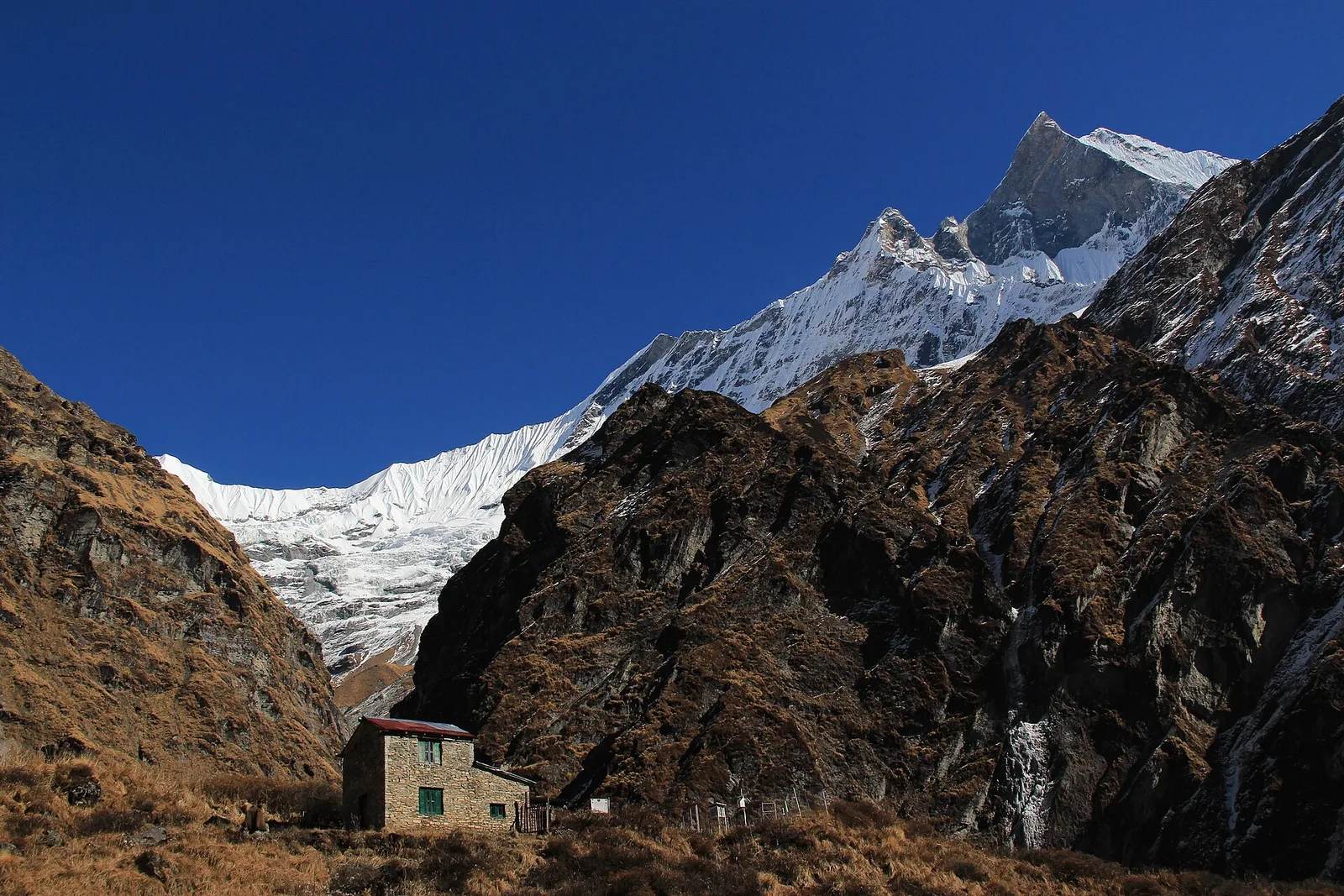
Related coverage
Safety & Advisories
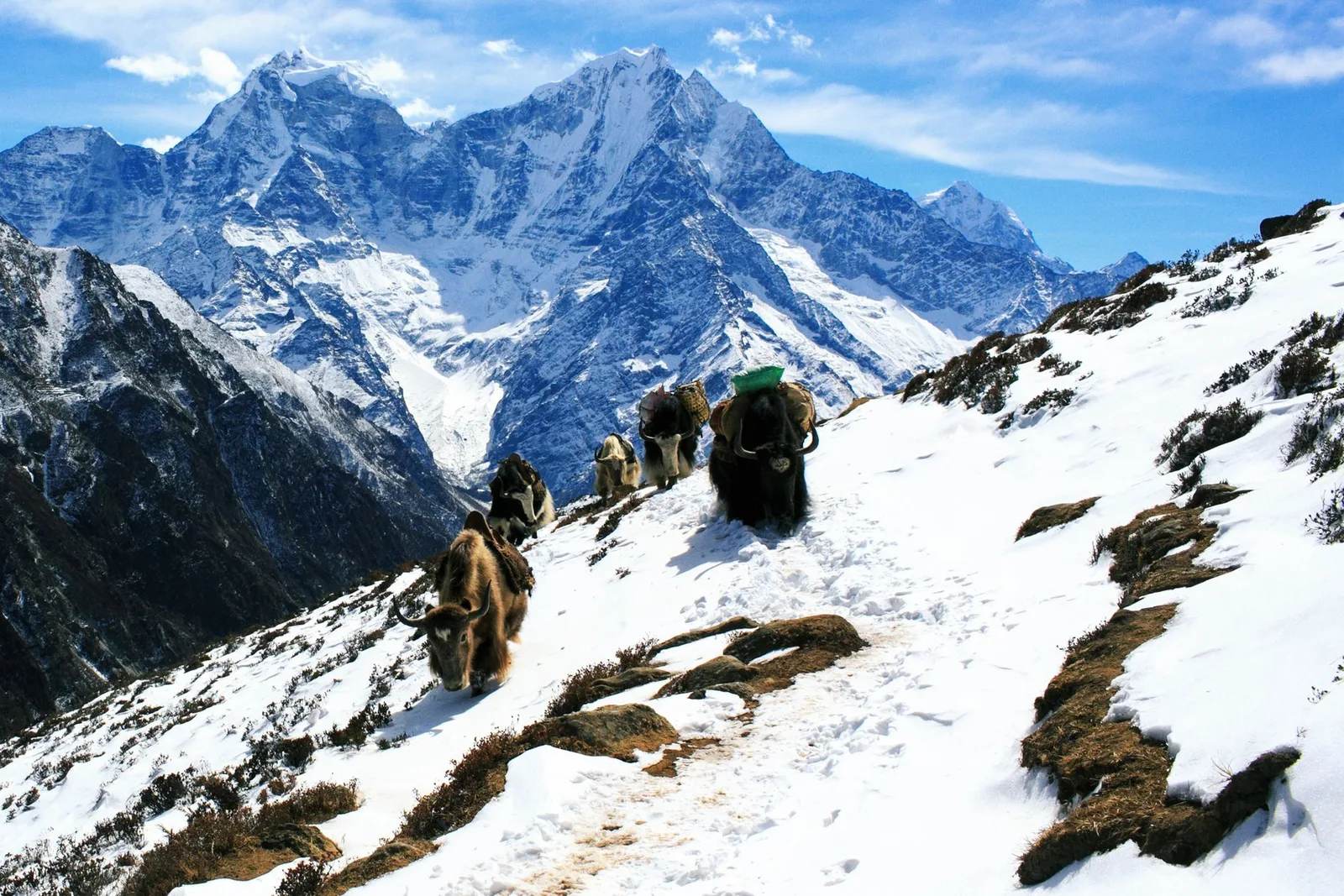
Is the Mera Peak Climb Affected by the 2026 Nepal Floods?
No — Mera Peak is in the Hinku valley of the Everest region and the climb is running normally. The 26 August flood hit Rasuwa in the north. What decides your summit is Lukla flights, acclimatisation, the weather window and your NMA permit — not the flood.
Records & People
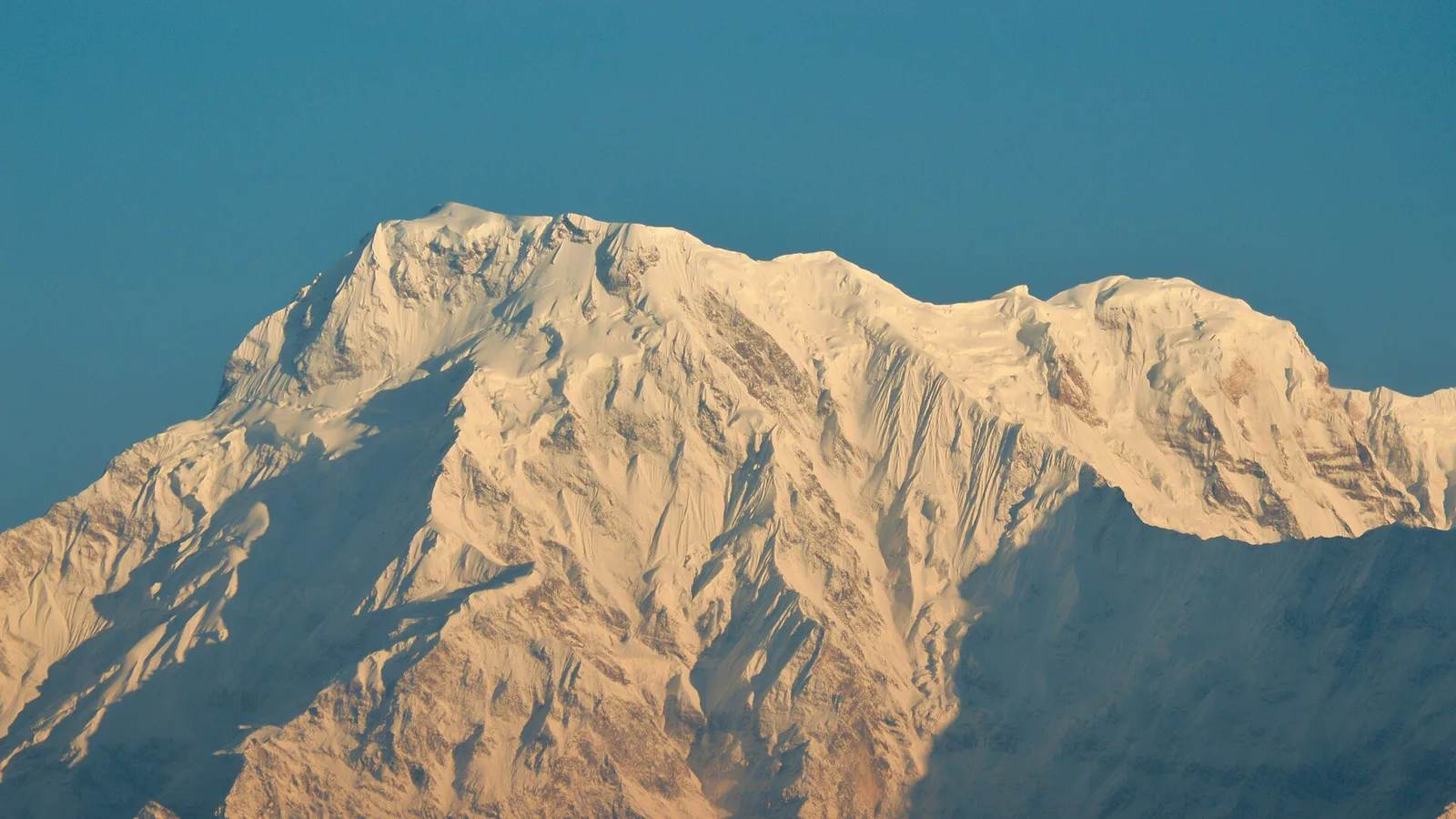
The Most Dangerous 8,000m Peak: Annapurna I's Fatality Rate
By the summit-to-death ratio, Annapurna I is the deadliest of the fourteen 8,000-metre peaks — what the Himalayan Database and Guinness numbers actually say, next to K2 and Everest.
Safety & Advisories
Is the Ama Dablam Base Camp Trek Affected by the 2026 Nepal Floods?
No — the Ama Dablam Base Camp trek in the Khumbu is running normally. The 26 August flood hit Rasuwa in the north, not the Everest region. Here is why Lukla flights and the Pangboche trail are unaffected.
Records & People
Nepal's Gokyo Lakes Turn an Impossible Turquoise Every Autumn, and Rock Dust Is Why
Six sacred glacial lakes above Everest sit higher than almost any freshwater on Earth, and the colour that makes trekkers stop mid-stride comes down to stone ground fine enough to float.
Latest from the desk
Records & People
Mount Everest's Official Height Was Wrong for 65 Years, Until Nepal and China Finally Agreed in 2020
The number on every map, 8,848.86 metres, only became official on 8 December 2020, after two countries spent over a decade measuring the same mountain and getting two different answers.
Records & People
Nobody Tells You Nepal's National Flower Turns Whole Mountainsides Crimson Every Spring
Nepal's national flower isn't grown in a garden bed — it's a forest tree that turns entire hillsides red for about six weeks a year, and the bloom climbs the mountain in a predictable wave.
Gear & Tech
Waterproof jackets fail in a way the label never warns you about
A jacket can be sold as waterproof at 1,500 mm. What the ratings actually measure, why yours feels like it leaks, and the details worth more than the number.