
What to pack for a Nepal trek: the essential list (and what to leave home)
Pack right and a Himalayan trek is pure joy; pack wrong and you'll regret it at 4,000m. Here's the no-nonsense packing list our guides actually recommend for 2026.
At a glance
- Published · updated
- TopicTrail & Weather
- ReportingOriginal, by our guides in Pokhara
- Treks coveredAnnapurna Base Camp Trek — 9 Days, Everest Base Camp Trek — 12 Days, Poon Hill & Annapurna Panorama Trek — 10 Days
The single most common rookie mistake on a Nepal trek is the wrong kit — too much of what you do not need, too little of what you do. The mountains demand layers, warmth and sun protection, but you also want to keep your pack light. Here is the no-nonsense list our guides actually recommend, built from thousands of treks.
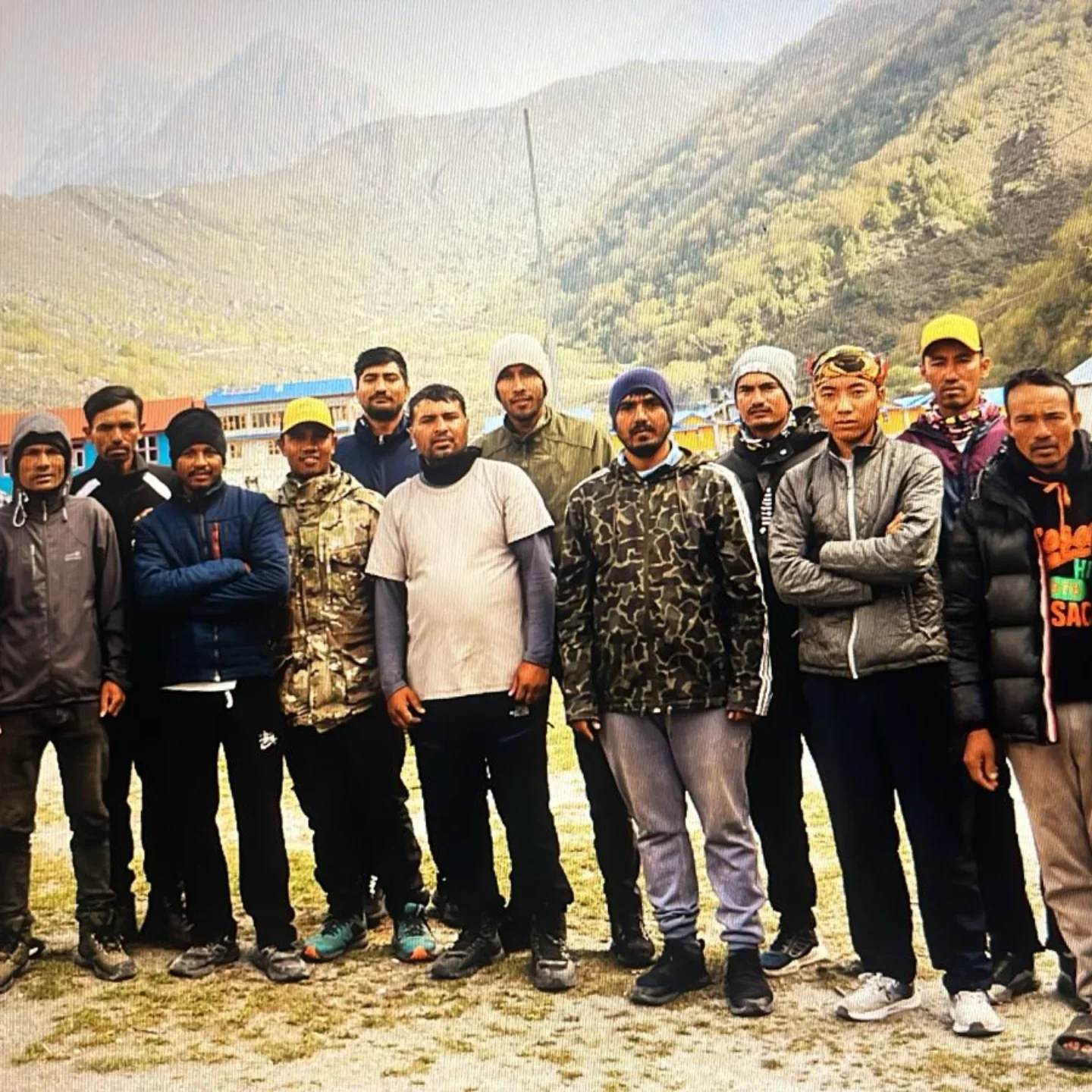
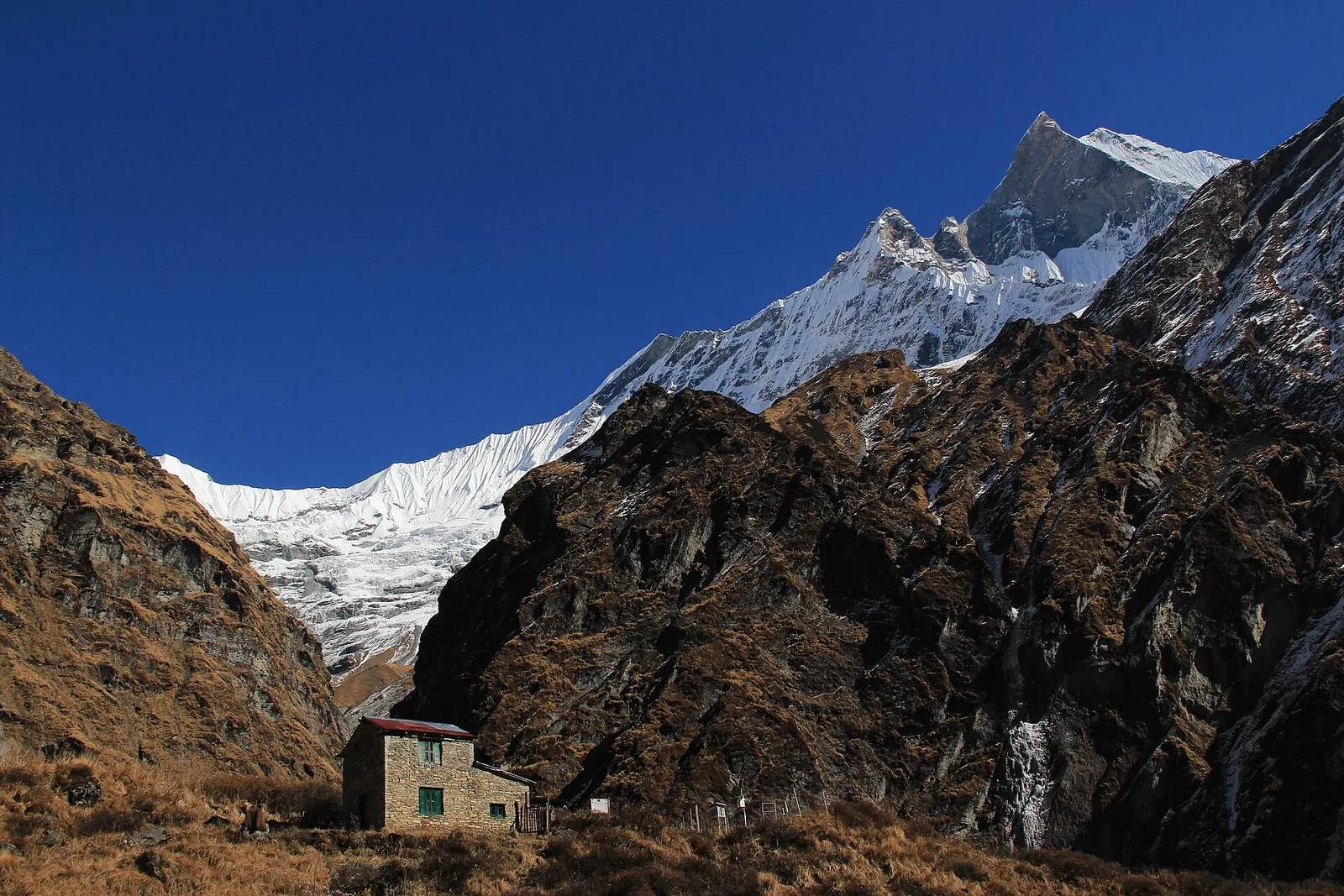
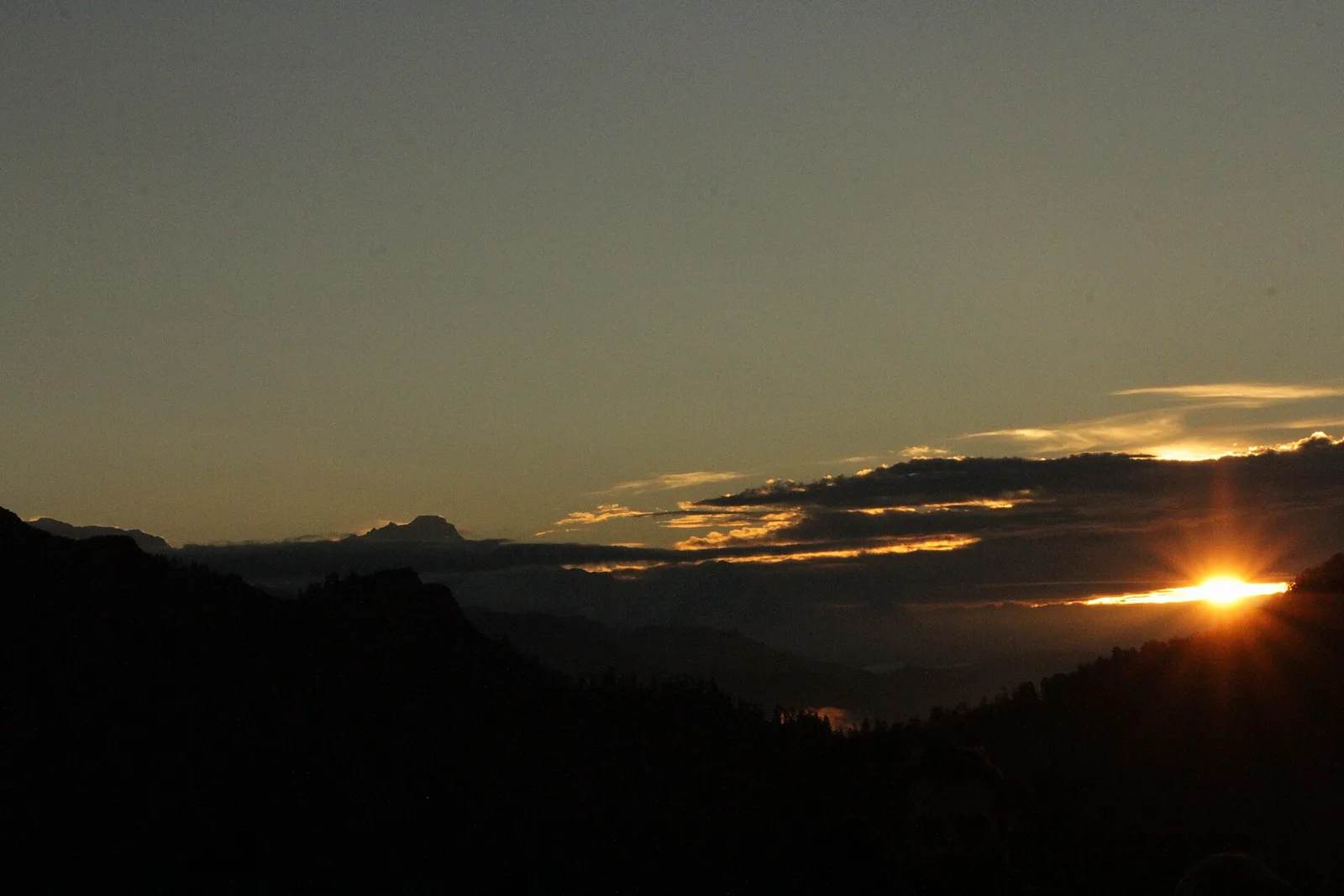
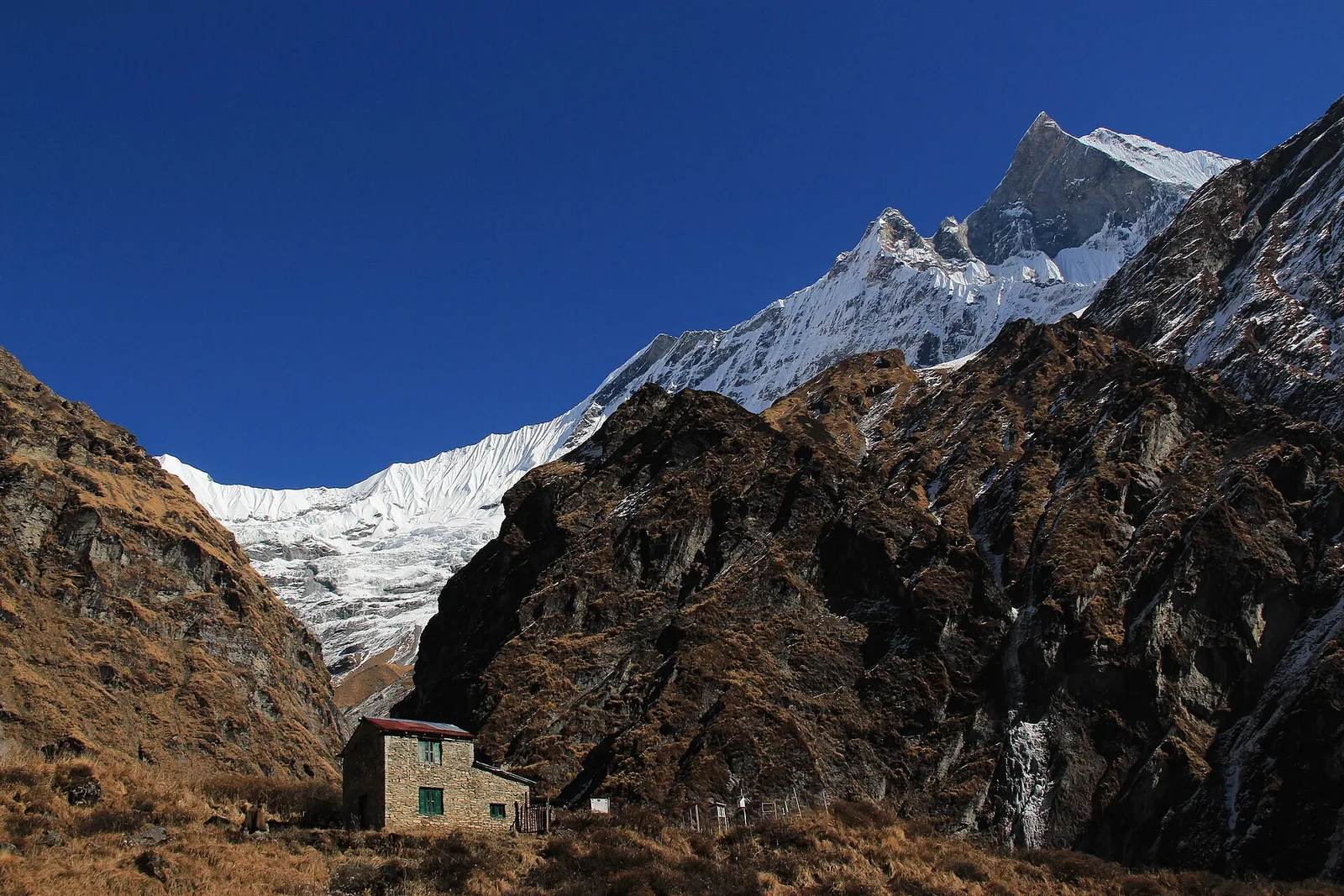
From the trail · Annapurna


The non-negotiables
- Layers: base layers, a fleece, and a warm down jacket
- Broken-in boots and good socks — blisters end treks
- A proper sleeping bag (nights get cold even in lodges)
- Sun protection: high-UV sunglasses, sunscreen, a hat
Where a specific model matters we say which one and why in the gear catalogue — including the handful of things you should rent in Thamel instead of buying.
Why layers beat everything
Himalayan weather swings from hot sun to freezing wind in the same day, sometimes the same hour. The answer is layering: a base layer to wick sweat, a fleece for warmth, a waterproof shell for wind and rain, and a down jacket for cold mornings and high camps. The sun is fierce at altitude, so quality sunglasses and sunscreen are not optional. Carry a reusable bottle and a way to purify water rather than buying plastic, pack a small first-aid kit, and bring any personal medication. Everything else, you can mostly buy or rent in Kathmandu or Pokhara.
| Category | Bring |
|---|---|
| Upper body | Base layer, fleece, down jacket, shell |
| Feet | Broken-in boots, trekking socks |
| Sleep | Warm sleeping bag |
| Sun | UV sunglasses, sunscreen, hat |
| Water | Bottle + purification |
What this means for you
You do not need to spend a fortune or carry a mountain of gear — you need the right few things. We send every trekker a tailored packing list for their route and season, and you can rent quality down jackets and sleeping bags in Kathmandu. Pack smart, walk happy.
What to leave at home — and what to rent in Kathmandu
Just as important as what to bring is what to leave behind. First-timers routinely over-pack: cotton clothing (useless once wet), heavy jeans, hardback books, a spare pair of boots, and a pile of "just in case" extras a porter ends up carrying. Skip them. Nepal''s trekking hubs make light packing easy — Thamel in Kathmandu and Lakeside in Pokhara are wall-to-wall gear shops where you can buy or rent almost anything: down jackets, four-season sleeping bags, trekking poles, duffels, even microspikes, at a fraction of Western prices. Renting a good down jacket and bag for the trip often costs less than the excess-baggage fee to fly your own.
Pack for the season, not the postcard
Your list shifts with the calendar. Spring (Mar–May) and autumn (Sep–Nov) are mild by day but freezing up high — full layers plus the down jacket. Winter (Dec–Feb) brings serious cold above 3,500 m: warmer gloves, a heavier bag, and microspikes for icy passes. Monsoon (Jun–Aug) trades cold for wet, so a reliable rain shell, a pack liner and quick-dry layers matter more than insulation, and gaiters help against leeches. Whatever the month, keep the load light, the boots broken in, and the essentials — passport, permits, cash and medication — in your daypack, never the porter''s bag.
Source: Travel Himalaya Nepal.
For what to put it all in — and why a wheeled suitcase is the wrong object on a trail where a porter carries your bag — see our guide to choosing travel luggage.
As an Amazon Associate we earn from qualifying purchases, at no extra cost to you.
Still running this season
Annapurna Base Camp Trek — 9 Days is running normally
NMA-certified local guides, transparent pricing, 5,000+ treks since 1998. Message us your dates and we'll sort the permits, lodges and logistics — reply within 24 hours, no obligation.
Popular Nepal treks
All treks →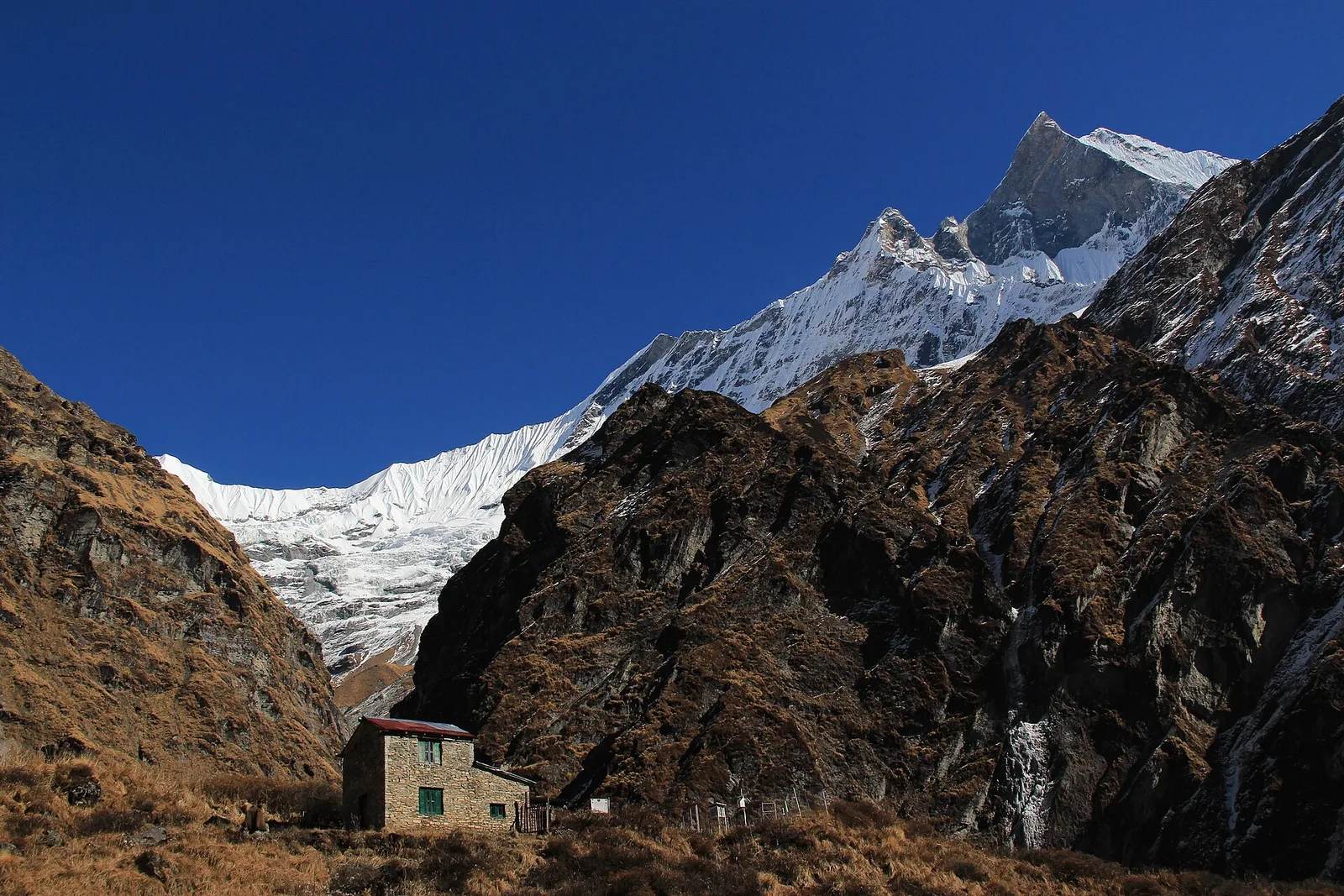
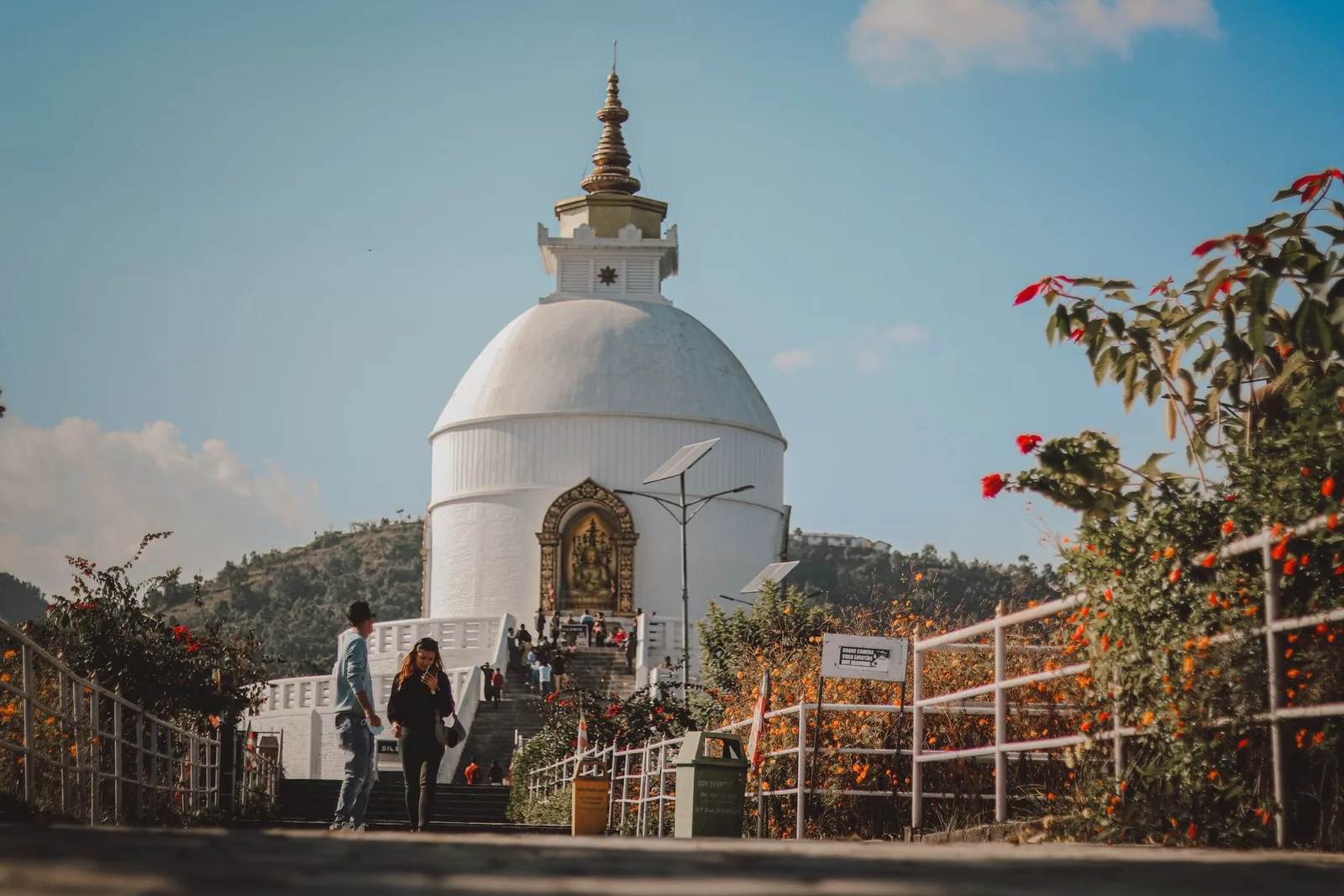
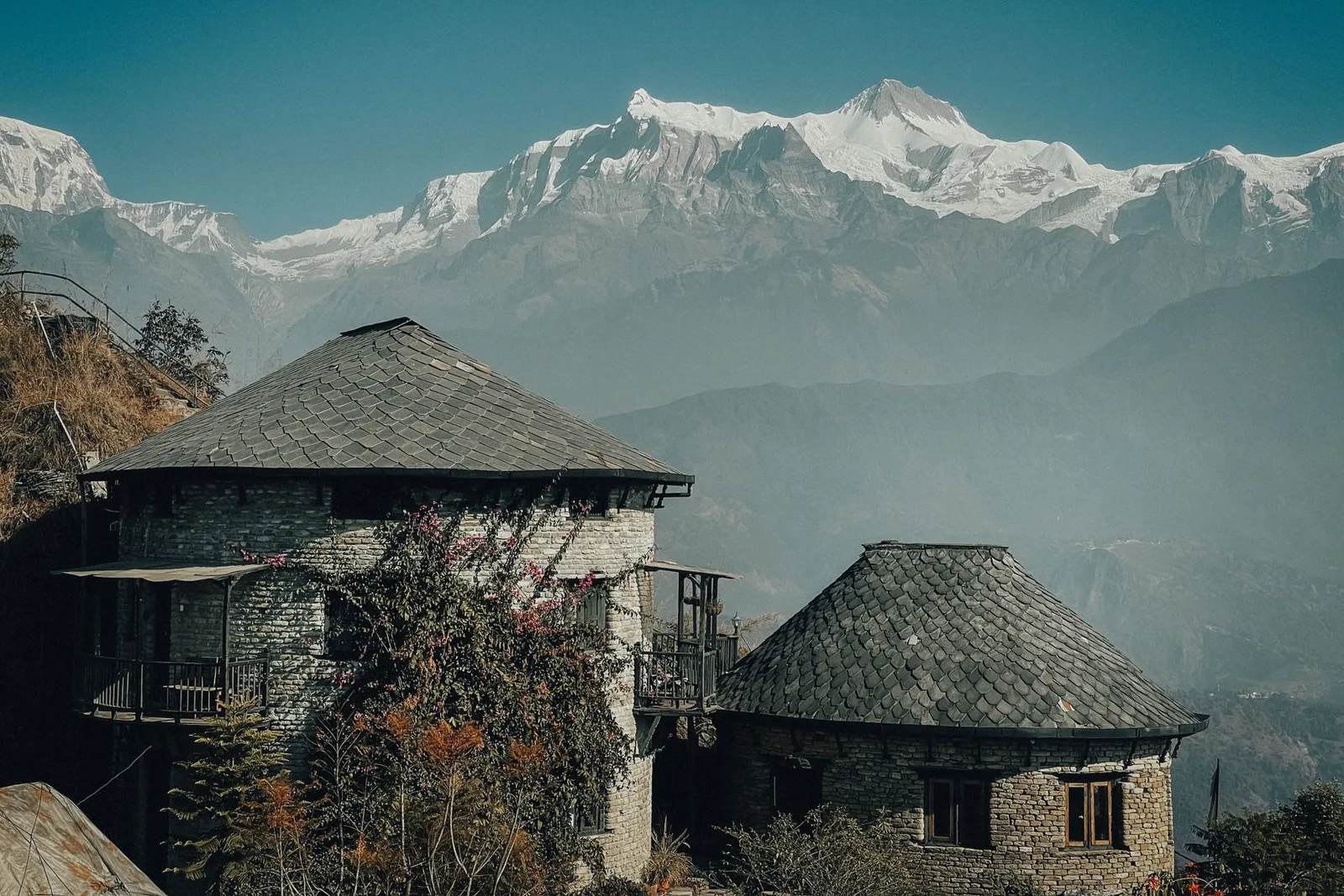
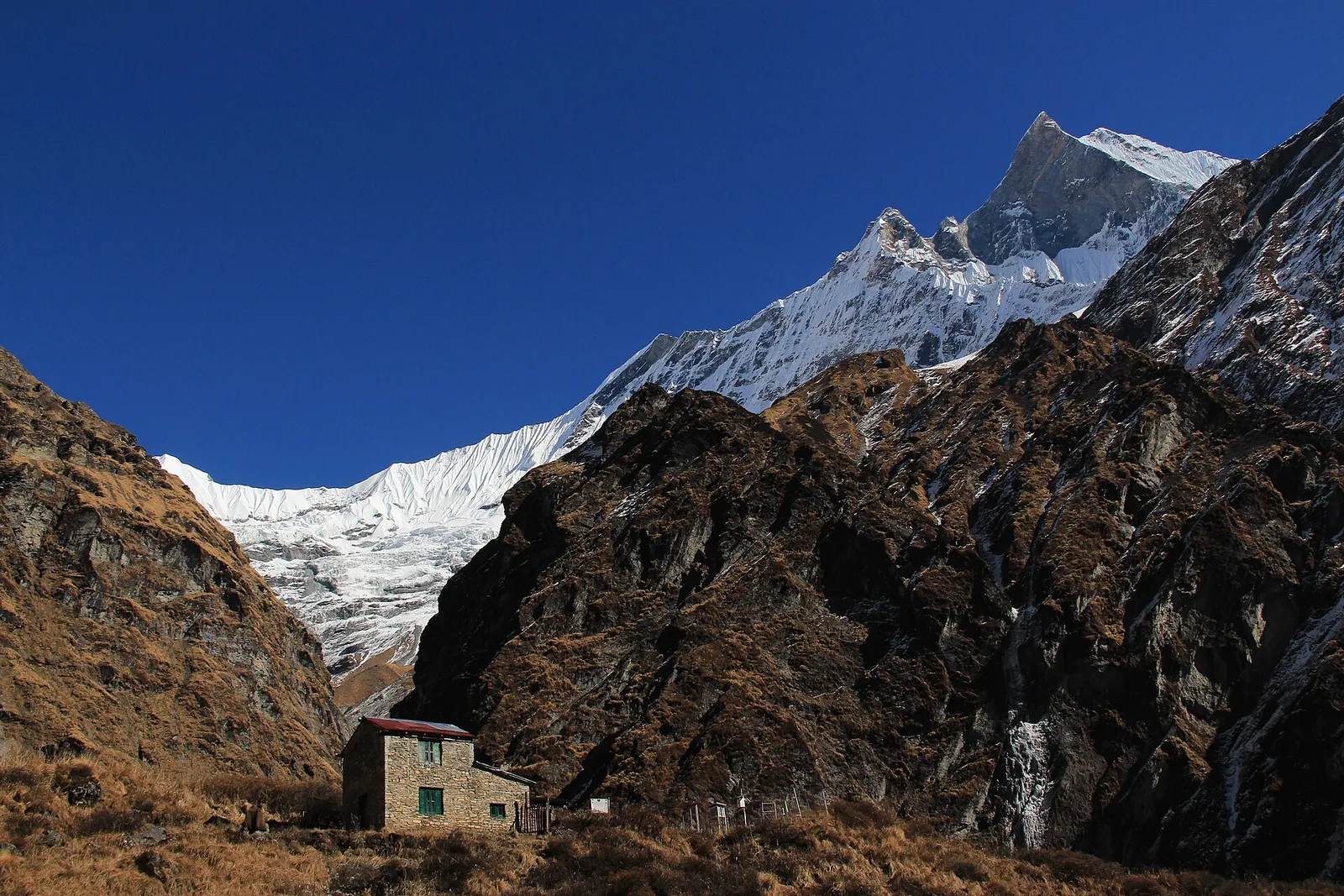
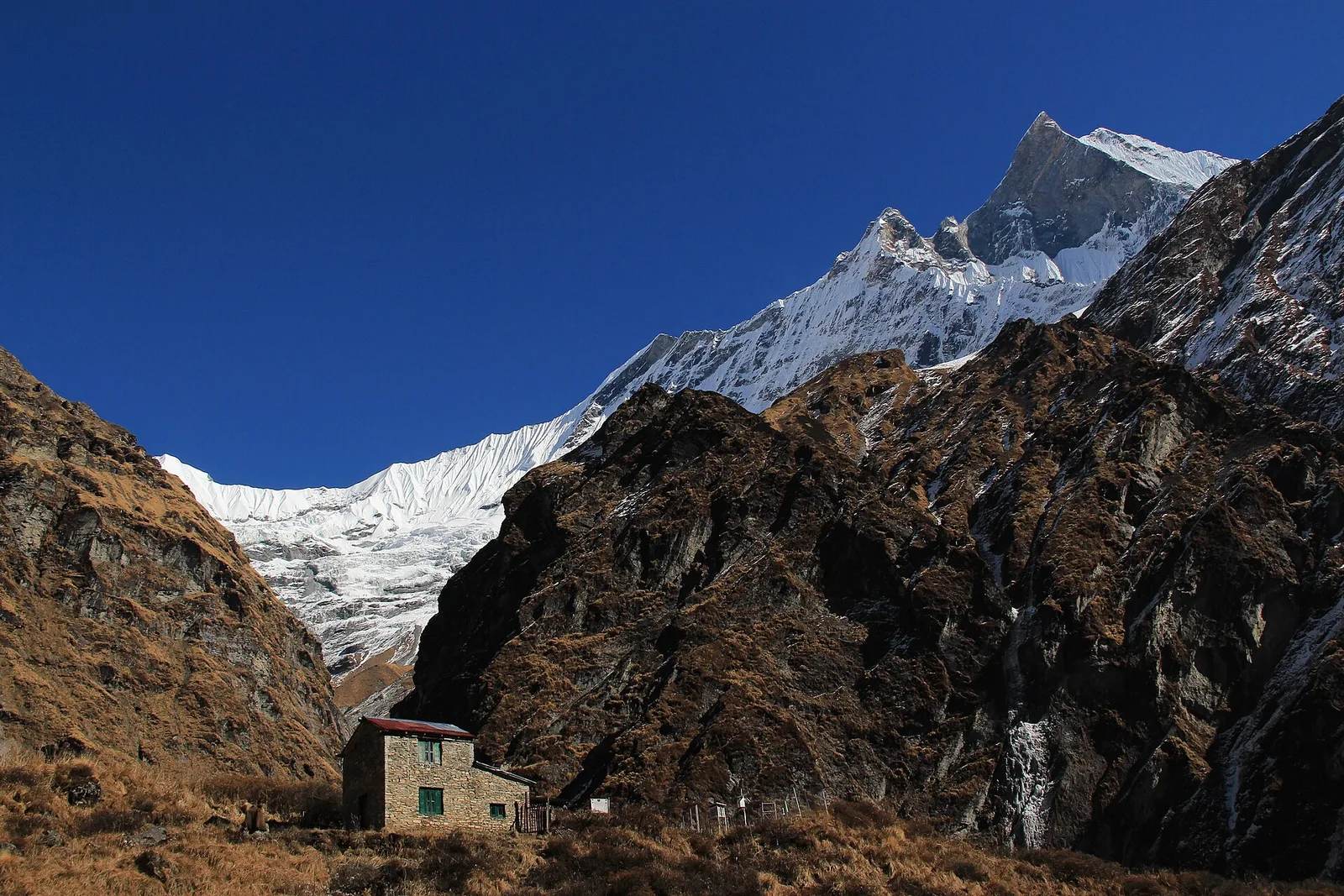
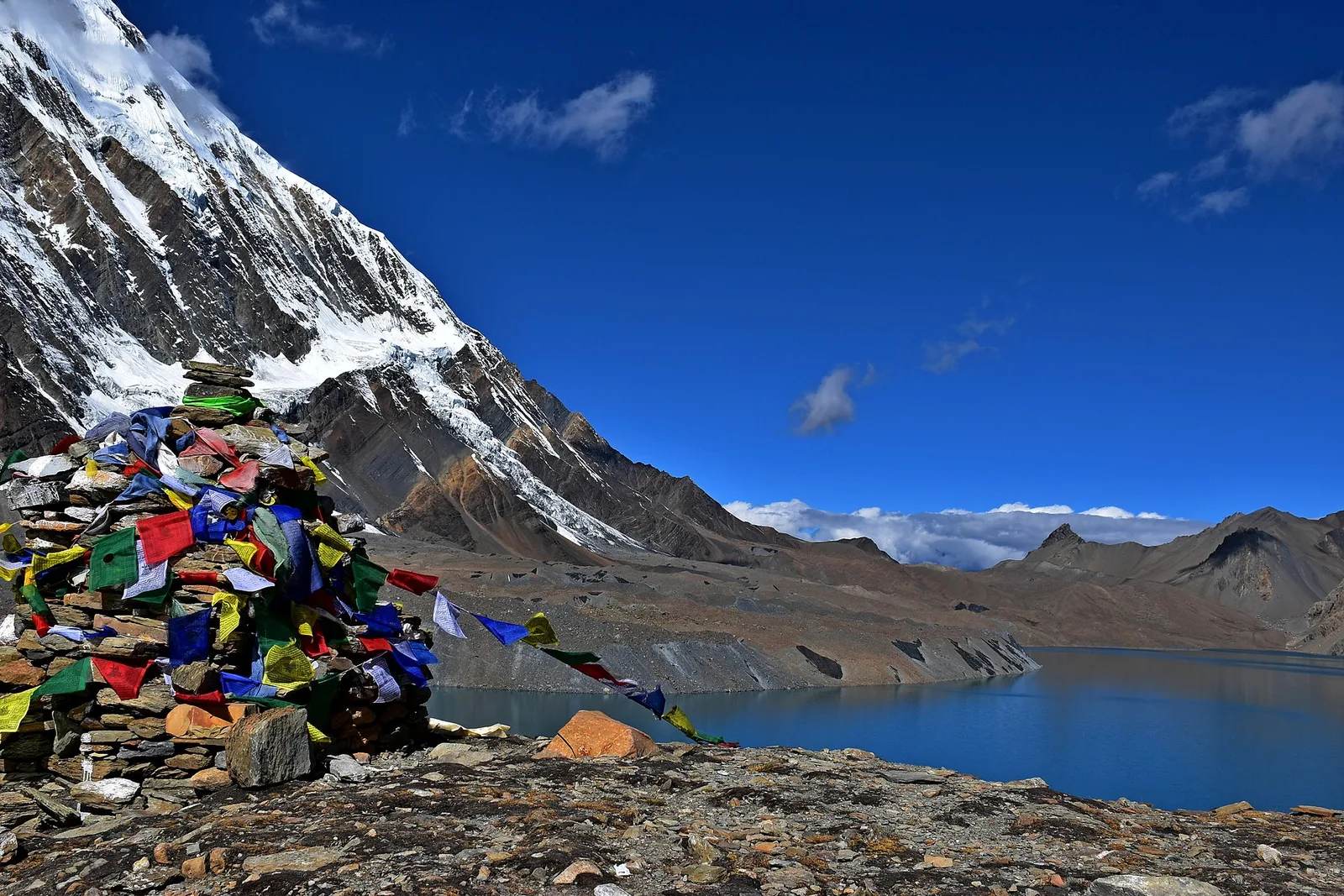
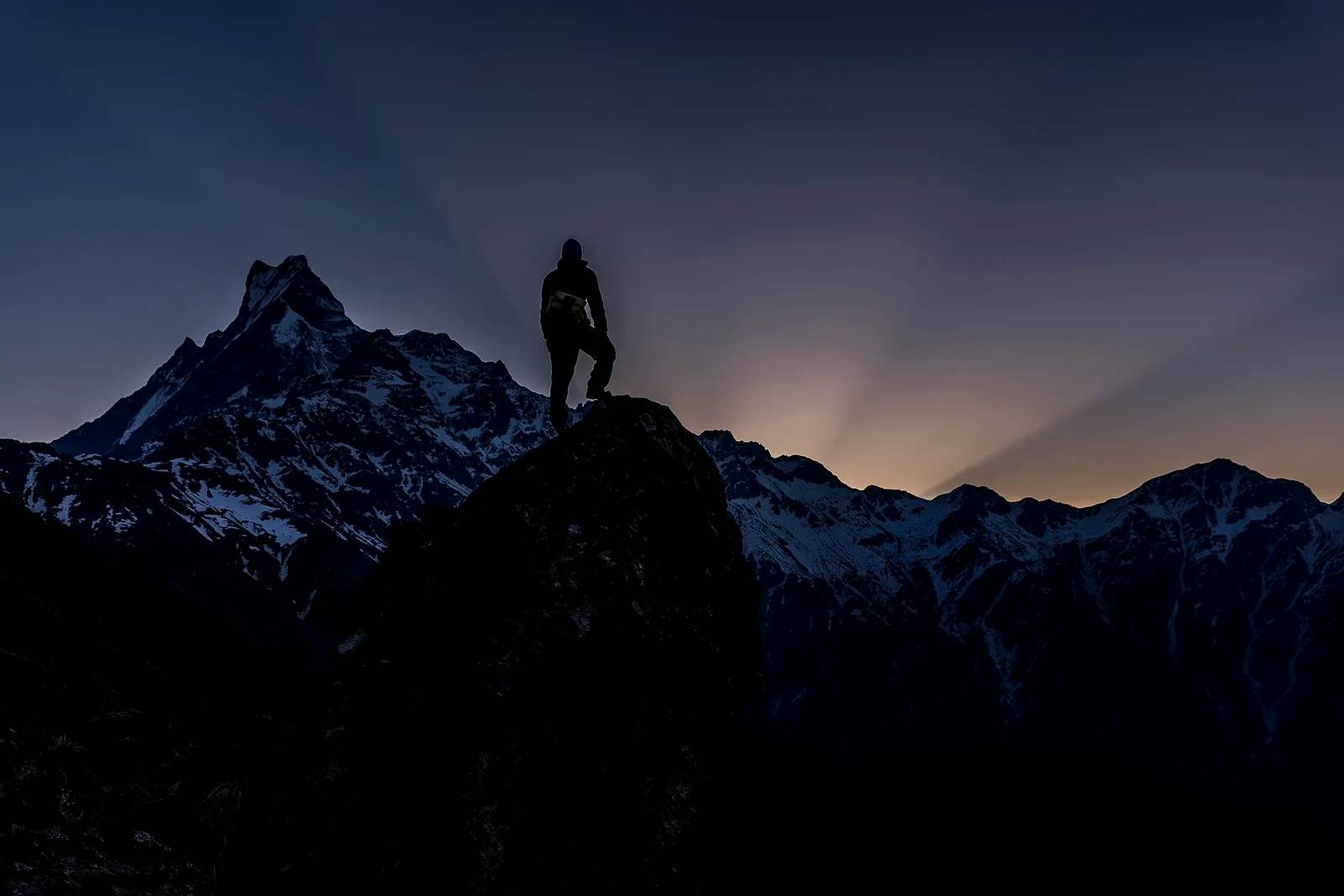
Related coverage

Trail & Weather
Is November too late to trek Nepal in 2026? Here's the honest answer
No - November is often the clearest month of the whole year, and after the festival crowds go home around 10 November the trails empty out while the skies stay 150km-sharp. Here's exactly what changes, and when it really does get too cold.
Trail & Weather
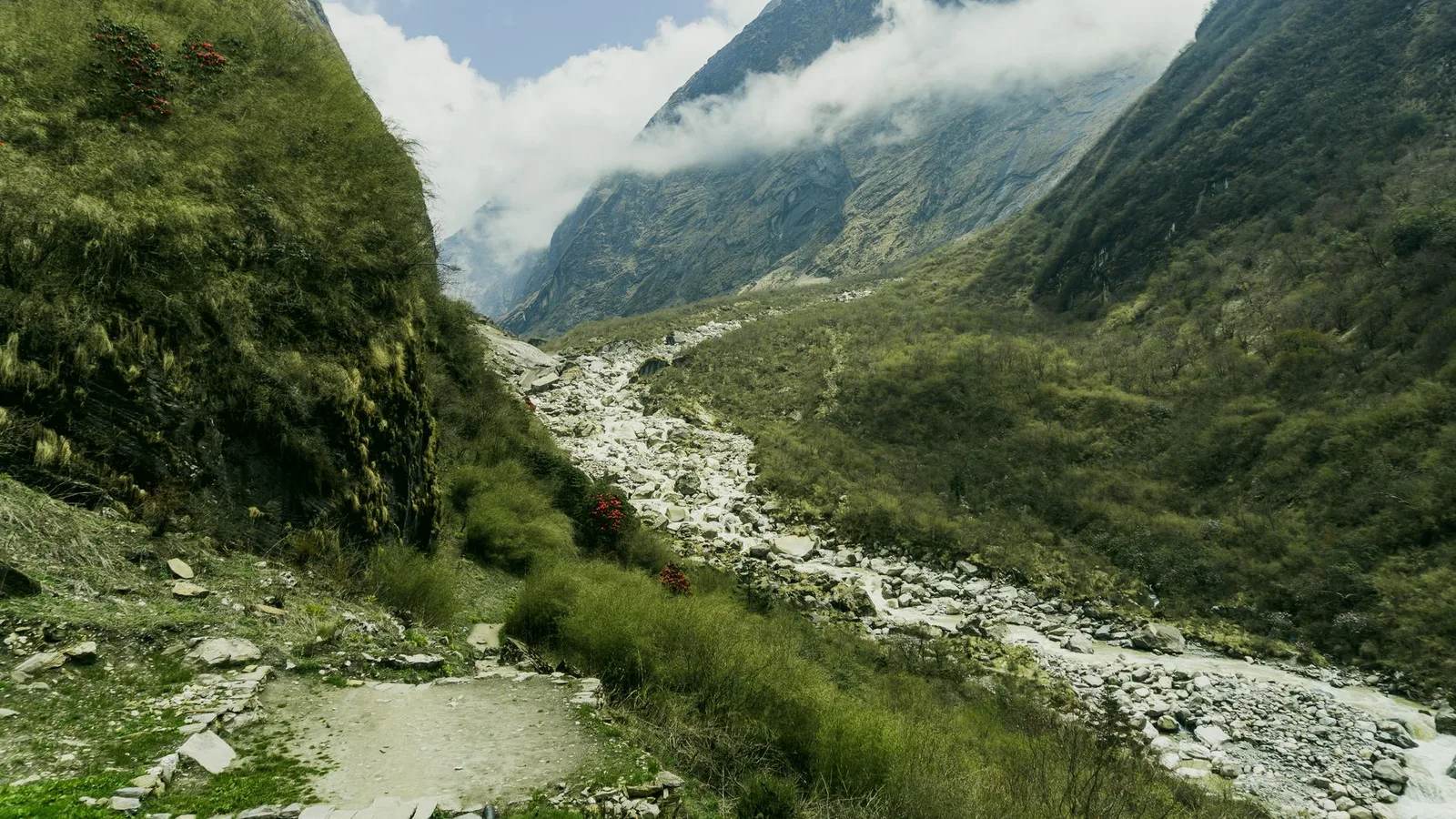
Spring or Autumn? The Data-Backed Answer to When You Should Trek Nepal in 2026
Real temperature, rainfall and crowding numbers for the Everest and Annapurna regions — not opinion — settle which season actually suits your trek.
Trail & Weather
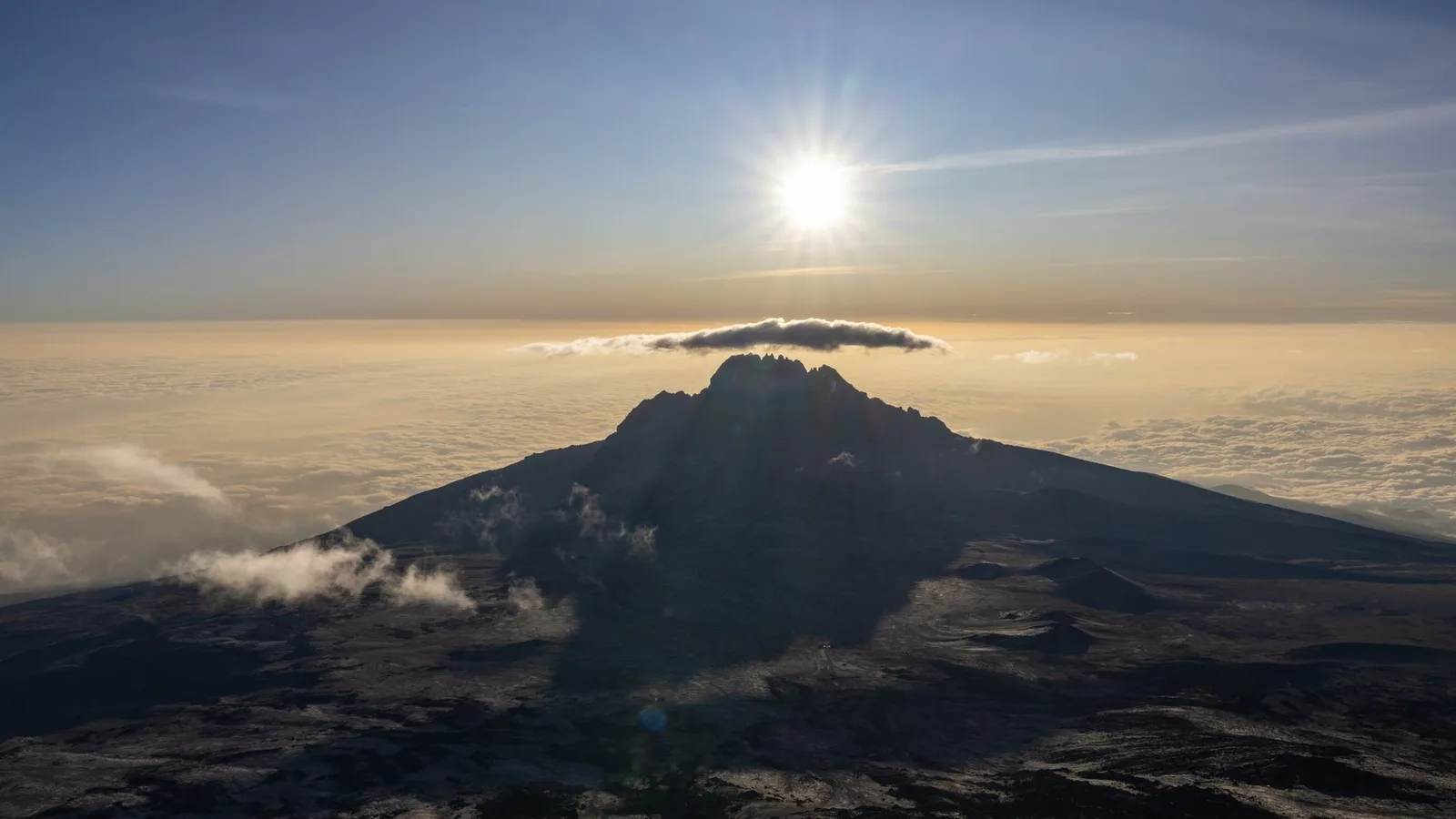
Everest Base Camp or Kilimanjaro: Which Trek Should You Actually Do in 2026?
One is a five-day sprint to 5,895 metres, the other a fourteen-day walk to 5,364 — the honest trade-off between them comes down to acclimatization, not fitness.

Breaking Safety & Advisories
Nepal’s tourism minister is asking you not to cancel your trek
Khadak Raj Paudel says the floods hit specific places, not the whole country, and the trails are open. Where he is right, and the bit he leaves out.
Latest from the desk
Gear & Tech
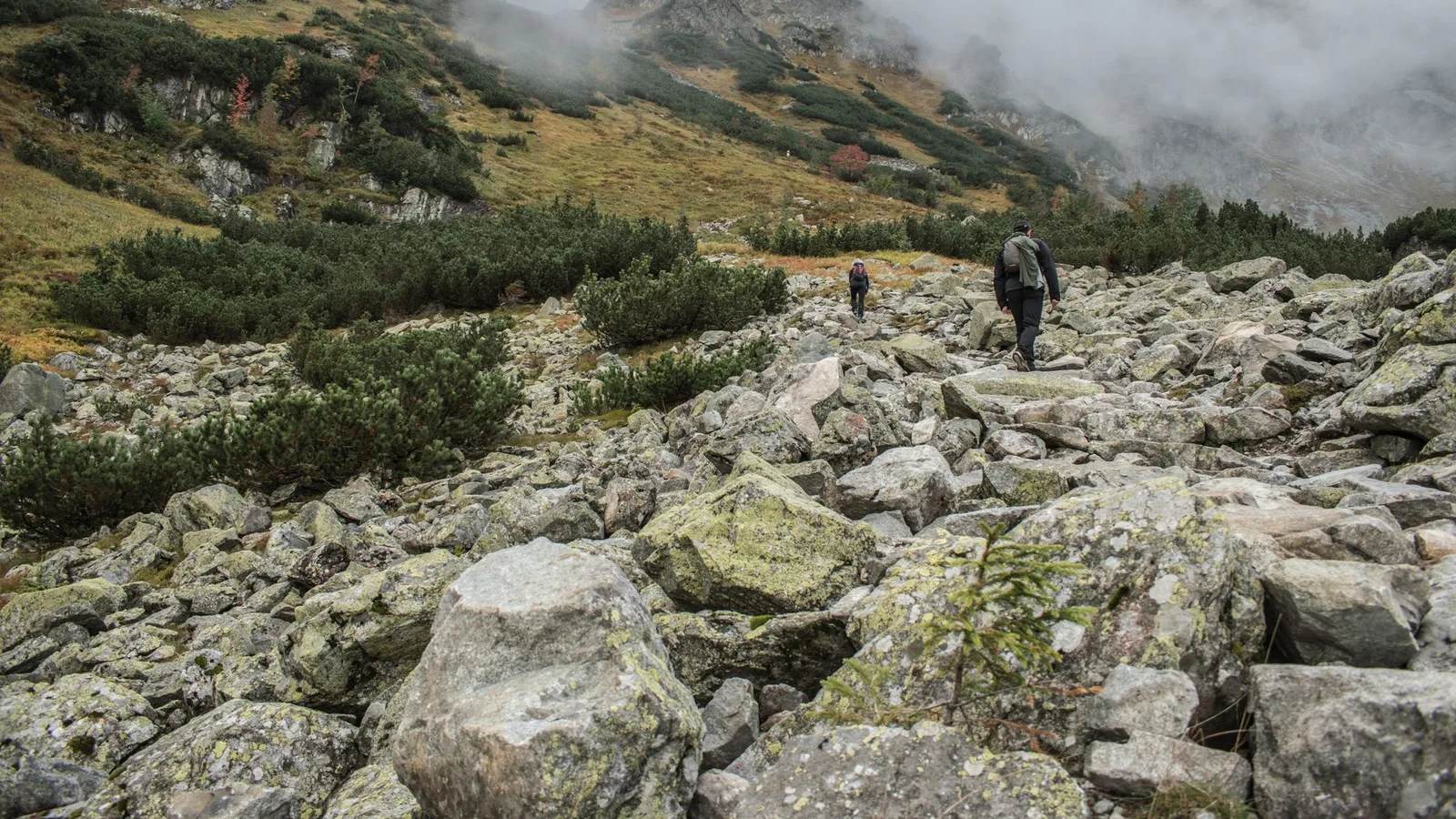
Trail shoes or hiking boots, and what the ankle-support research actually found
Most teahouse trekkers wear more boot than the walk needs, and the ankle-support argument holding that up is thinner than the shops suggest.
Gear & Tech
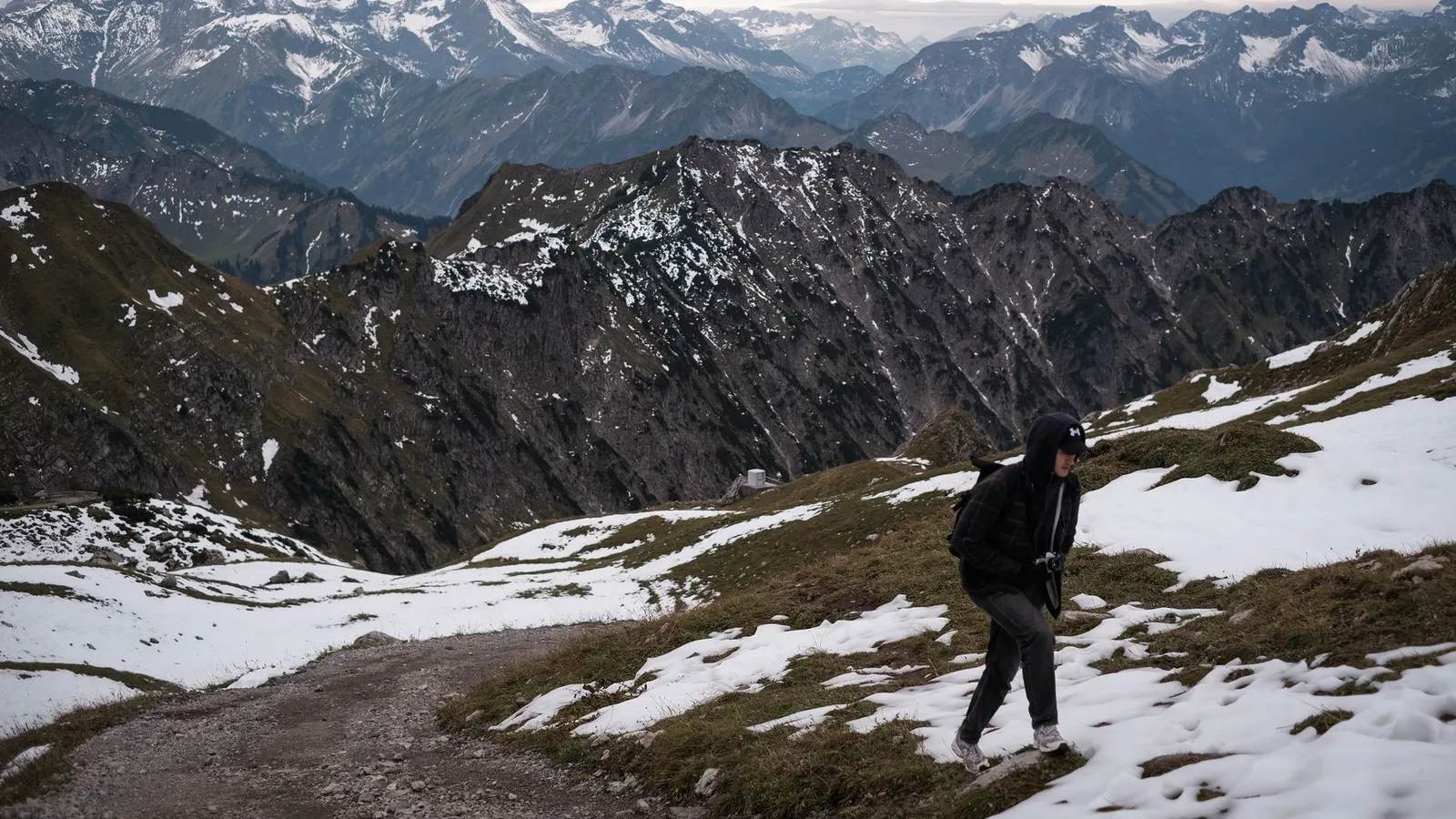
Merino or synthetic base layers, and what a lab found when it measured the smell
Merino wins the week-long wear, synthetic wins the overnight dry, and the lab reason merino stays fresh is not the bacteria story you have been told.
Safety & Advisories
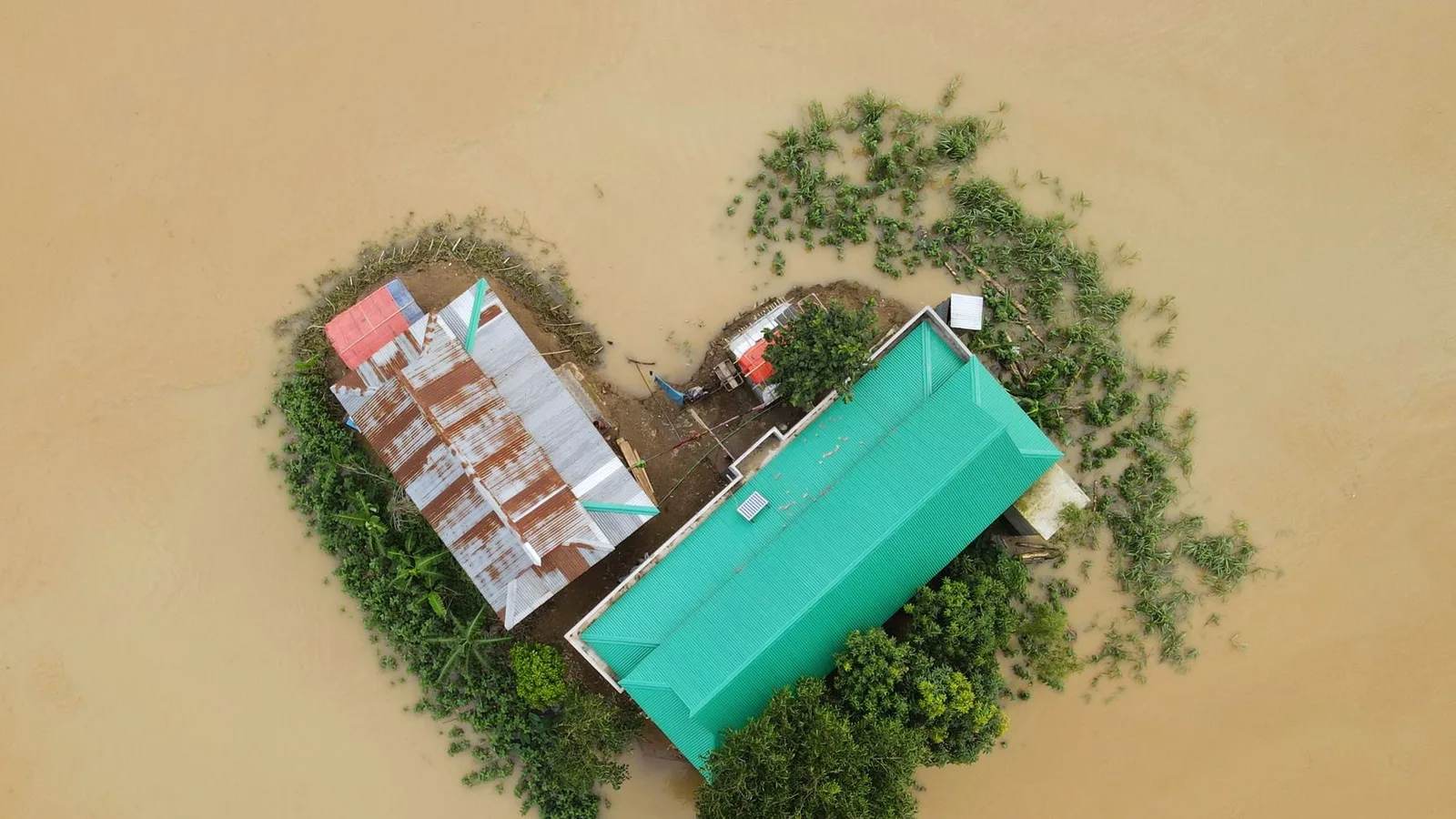
If someone you know is missing in the Nepal flood, you don't have to fly to Kathmandu
Nepal Police have identified 95 of more than 1,200 bodies recovered. Families abroad can be DNA-profiled at home and send the result in. Here is how it works.