
The airports where a pilot needs a special licence just to land
US law names them, Bhutan lets in a handful of its own pilots, and Lukla has a 527 m runway on a 12% slope. Why these six close when the cloud comes in.
At a glance
- Published
- TopicWorld Destinations
- Verified against14 CFR 121.445 (eCFR)
- Treks coveredEverest Base Camp Trek — 14 Days
There is a short list of airports where an airline is not allowed to send just any captain. In the United States the rule is written into federal law: a pilot may not command a flight into an airport the FAA has designated as "special" unless they have landed there in the past twelve months or trained for it with approved pictures and video. Outside America the list is unofficial but everyone in aviation knows it. Bhutan's only international airport lets in a handful of its own airline's pilots, in daylight, by eye, with no radar. Nepal's Lukla has a runway shorter than some aircraft carriers, tilted at 12 per cent, with a mountain at the end.
Key facts
- US law: 14 CFR 121.445 lets the FAA designate airports that need special pilot qualification, because of terrain, obstructions or complex procedures.
- To command a flight there, the pilot must have landed at that airport within the preceding 12 months, or qualified with approved pictorial training.
- Paro, Bhutan: elevation 7,364 ft, peaks to 18,000 ft, daylight and good visibility only, flown by hand.
- Lukla, Nepal: runway 527 m, gradient 12 per cent, elevation 9,334 ft, no practical go-around.
The rule that makes an airport "special"
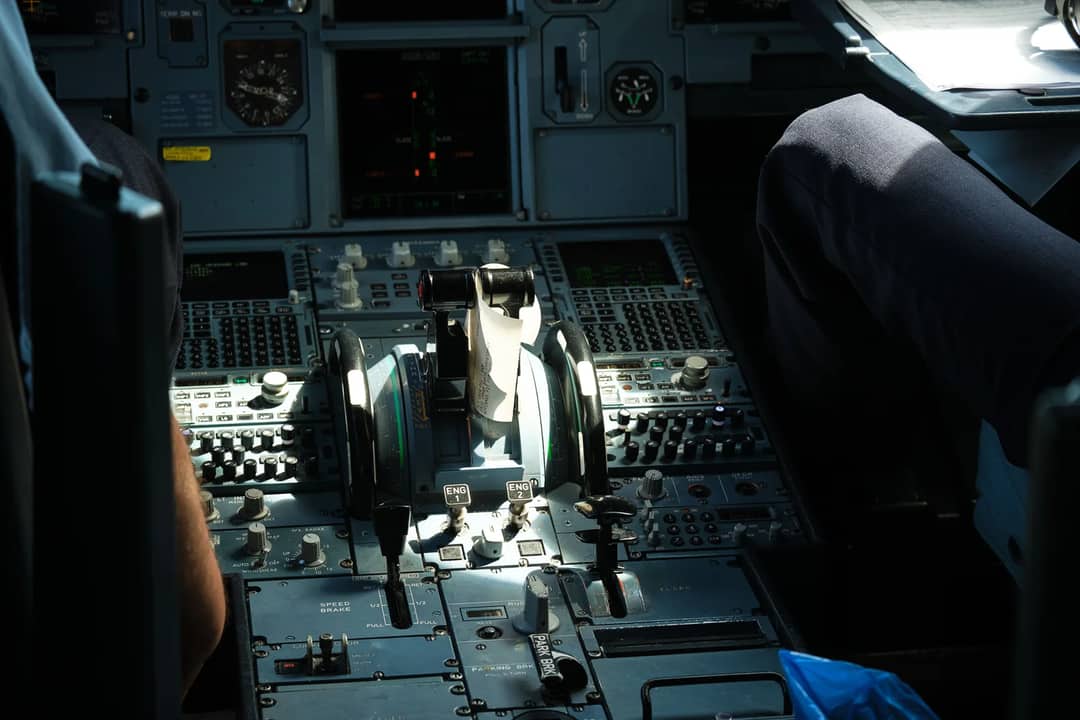
The US regulation is plain about why the list exists. The FAA "may determine that certain airports (due to items such as surrounding terrain, obstructions, or complex approach or departure procedures) are special airports requiring special airport qualifications". No airline may use a pilot as captain into one of them unless, in the last twelve calendar months, that pilot or the first officer has flown in and out of it, or the captain has qualified "by using pictorial means acceptable to the Administrator". In practice that means a briefing package of photographs, charts and video, studied before the flight, and it is why some regional airlines keep a small group of captains for one mountain town.
The American ones
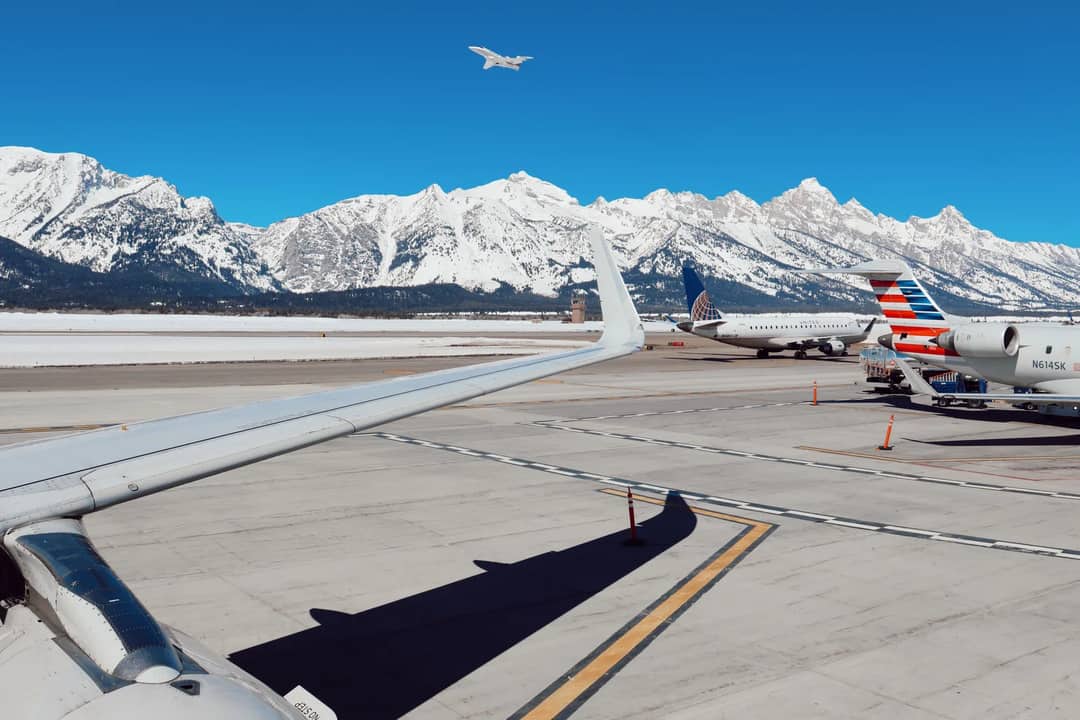
Two of the best-known are in ski country and one is in Alaska. Telluride, Colorado, sits at 9,078 feet on a mesa with a thousand-foot drop to the San Miguel River at the end of the runway, and terrain above 14,000 feet around it; it is the highest US airfield with scheduled passenger flights. Jackson Hole, Wyoming, at 6,451 feet, is the only commercial airport in the country inside a national park, Grand Teton, with a single 6,300-foot runway that keeps anything bigger than a 757 away. Juneau, Alaska, is on the same list for the same reason: mountains on the approach, weather that closes in fast, and one way in.
| Airport | Country | Elevation | Runway | The problem |
|---|---|---|---|---|
| Paro | Bhutan | 7,364 ft | ~7,400 ft | Peaks to 18,000 ft, no radar, daylight and visual only |
| Lukla | Nepal | 9,334 ft | 527 m | 12% slope, mountain at the end, no go-around |
| Courchevel | France | 6,588 ft | 537 m | 18.6% gradient, no go-around |
| Saba | Caribbean NL | sea level | 400 m | World's shortest commercial runway, cliffs both ends, waiver needed |
| Telluride | USA | 9,078 ft | 7,111 ft | Mesa with a 1,000 ft drop, terrain above 14,000 ft |
| Jackson Hole | USA | 6,451 ft | 6,300 ft | Inside Grand Teton National Park, high and short |
Paro, where the runway appears at the last moment
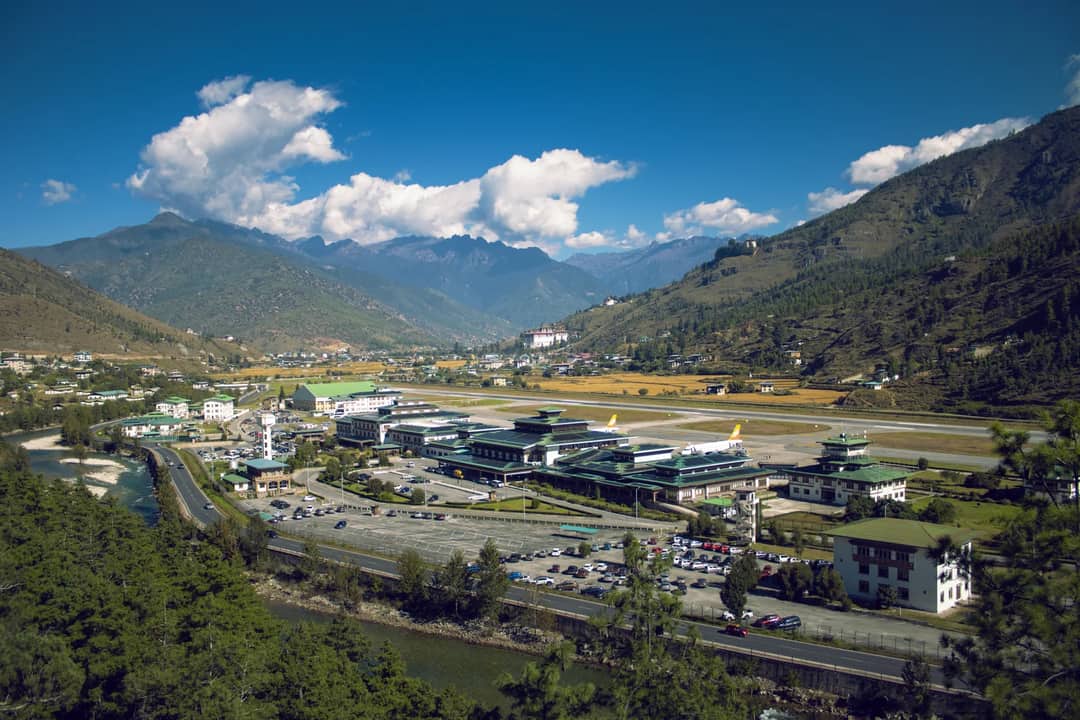
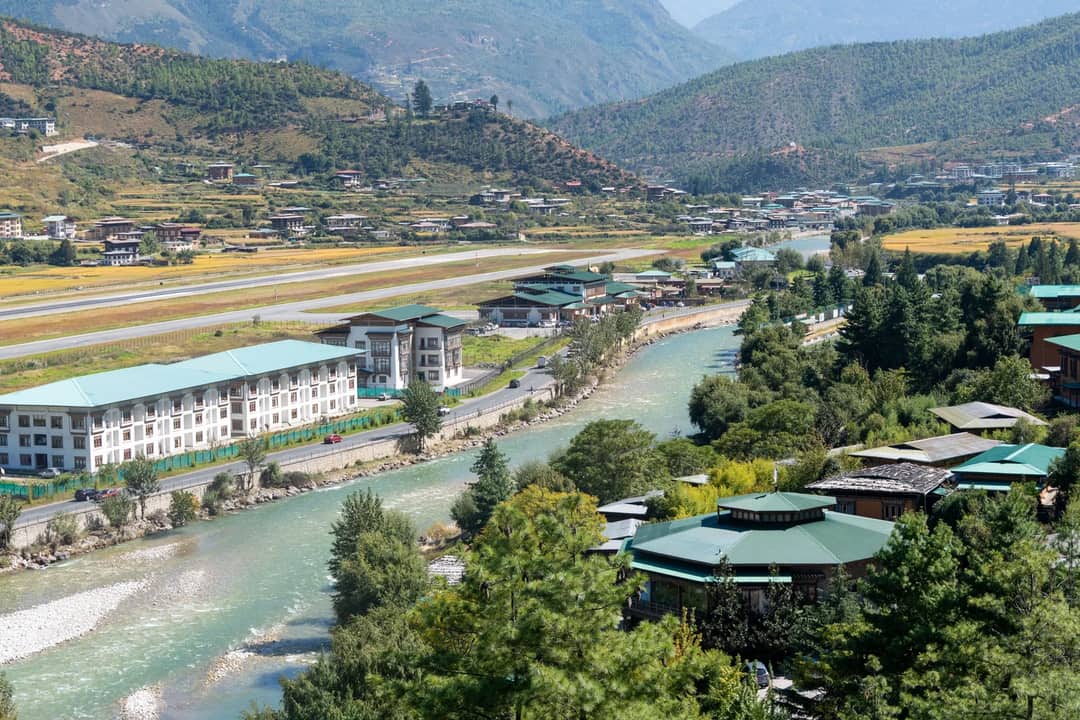
Bhutan's Paro sits in a valley at 7,364 feet with mountains up to 18,000 feet on both sides. There is no radar and no instrument landing system, so every arrival is flown by hand in daylight and good visibility, following a series of landmarks down the valley. The runway is only in view for the final seconds. Drukair, the national carrier, has around 35 pilots, and only a handful are certified to land there; the Bhutan Civil Aviation Authority's policy is that only properly trained and experienced captains may. Radio New Zealand has reported the number of qualified pilots worldwide at around fifty. The airline itself objects to the "world's most dangerous airport" label, and with reason: it has never had an accident there.
Lukla, the airport that starts the Everest trek
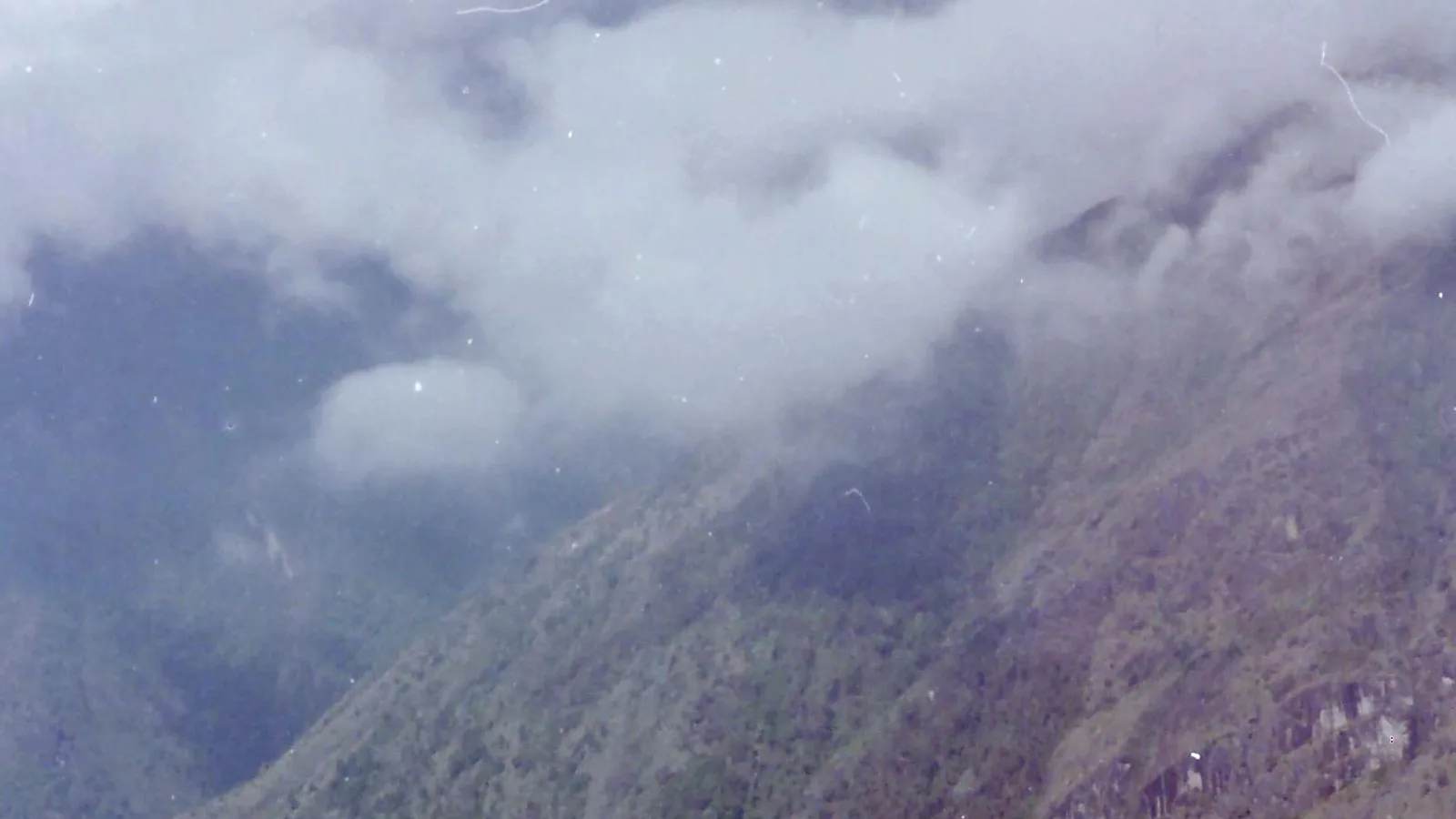
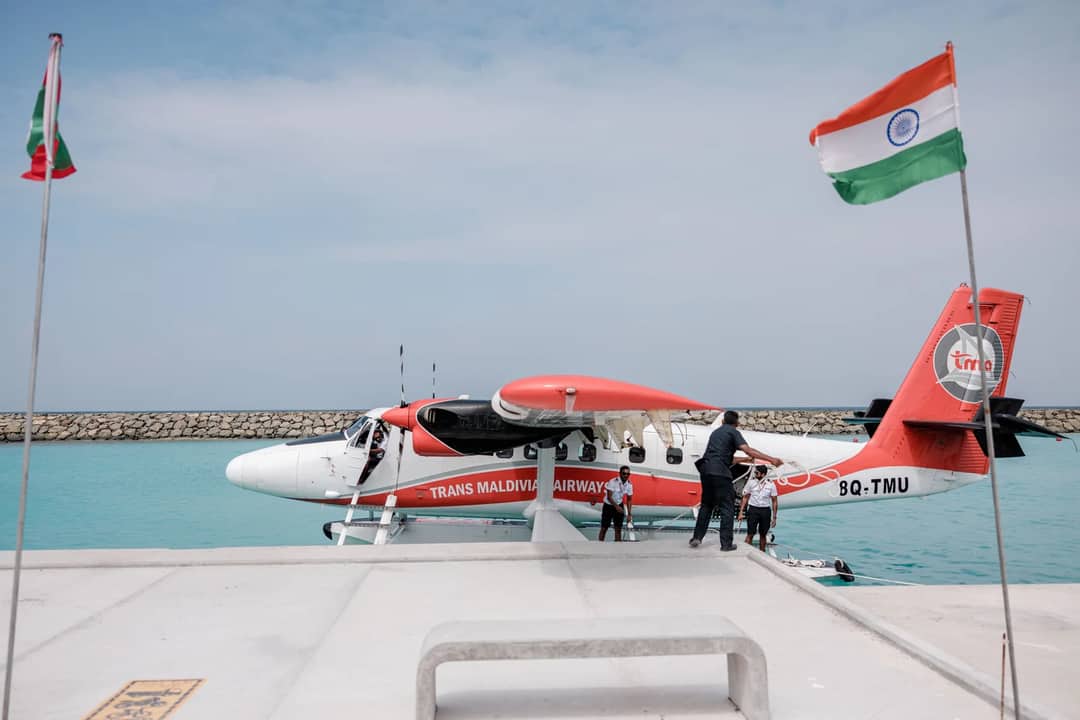
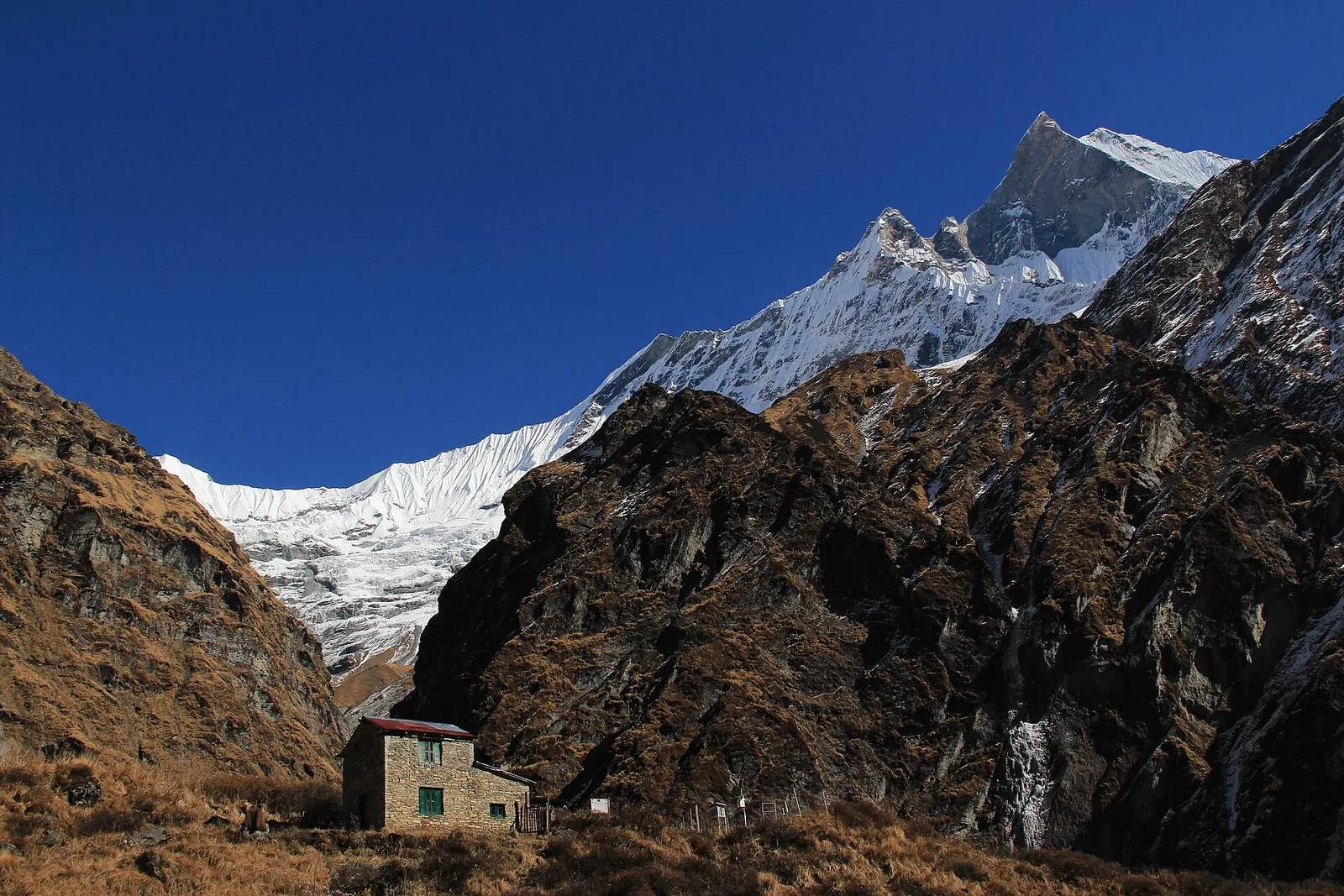
Tenzing-Hillary Airport at Lukla is the one on this list most of our own travellers fly into. It sits at 9,334 feet, higher than Paro, with a runway of 527 metres that climbs at 12 per cent toward a hillside. Aircraft land uphill and take off downhill, and a go-around on final approach is, in the words of one aviation analysis, "physically impossible but may be done under dire need". Everything operates under visual flight rules, which is why a cloudy morning cancels the day and why the schedule in peak season runs from Ramechhap rather than Kathmandu. Our Lukla flights guide explains that shift and what to do about it.
What this means for you
If a flight to Lukla, Paro or Telluride is delayed, it is not the airline being cautious for its own sake. These airports close when the pilot cannot see the runway, and there is no instrument approach to fall back on. Build a spare day at each end of any trip that depends on one of them, and never book an onward international flight for the same day you are due out.
Courchevel and Saba, the two Europeans and Americans argue about
Courchevel Altiport in the French Alps has a 537-metre runway with an 18.6 per cent gradient, steeper than Lukla, and no go-around procedure because of the terrain. Saba, in the Dutch Caribbean, has the shortest commercial runway in the world at 400 metres, with cliffs at both ends; only small propeller aircraft such as the Twin Otter use it, under waivers from the civil aviation authority, and it is closed to jets. Neither is on the FAA's list, because the FAA's list only governs US airlines. Both are on every pilot's.
For a trekker, the point is not fear. It is respect for a system that has flown climbers into the Everest region for more than half a century by keeping the rules strict. If you want to see what a 12 per cent runway looks like from the seat of a Twin Otter, the Everest Base Camp trek begins with exactly that landing.
Sources: 14 CFR 121.445, Pilot in command airport qualification: special areas and airports (eCFR); Simple Flying on Paro operations and Drukair; Airways Magazine on Paro and Lukla approaches; Wikipedia entries for Telluride Regional Airport, Jackson Hole Airport, Courchevel Altiport and Juancho E. Yrausquin Airport (Saba).
Cover photo: Calistemon via Wikimedia Commons (CC BY-SA 3.0). Section photos: Harsh Suthar via Pexels (Pexels licence); Malcolm Garret via Pexels (Pexels licence); Sarah O'Shea via Pexels (Pexels licence); Anil Sharma via Pexels (Pexels licence); Asad Photo Maldives via Pexels (Pexels licence).
Still running this season
Everest Base Camp Trek — 14 Days is running normally
NMA-certified local guides, transparent pricing, 5,000+ treks since 1998. Message us your dates and we'll sort the permits, lodges and logistics — reply within 24 hours, no obligation.
Popular Nepal treks
All treks →
Related coverage
Deals & Routes
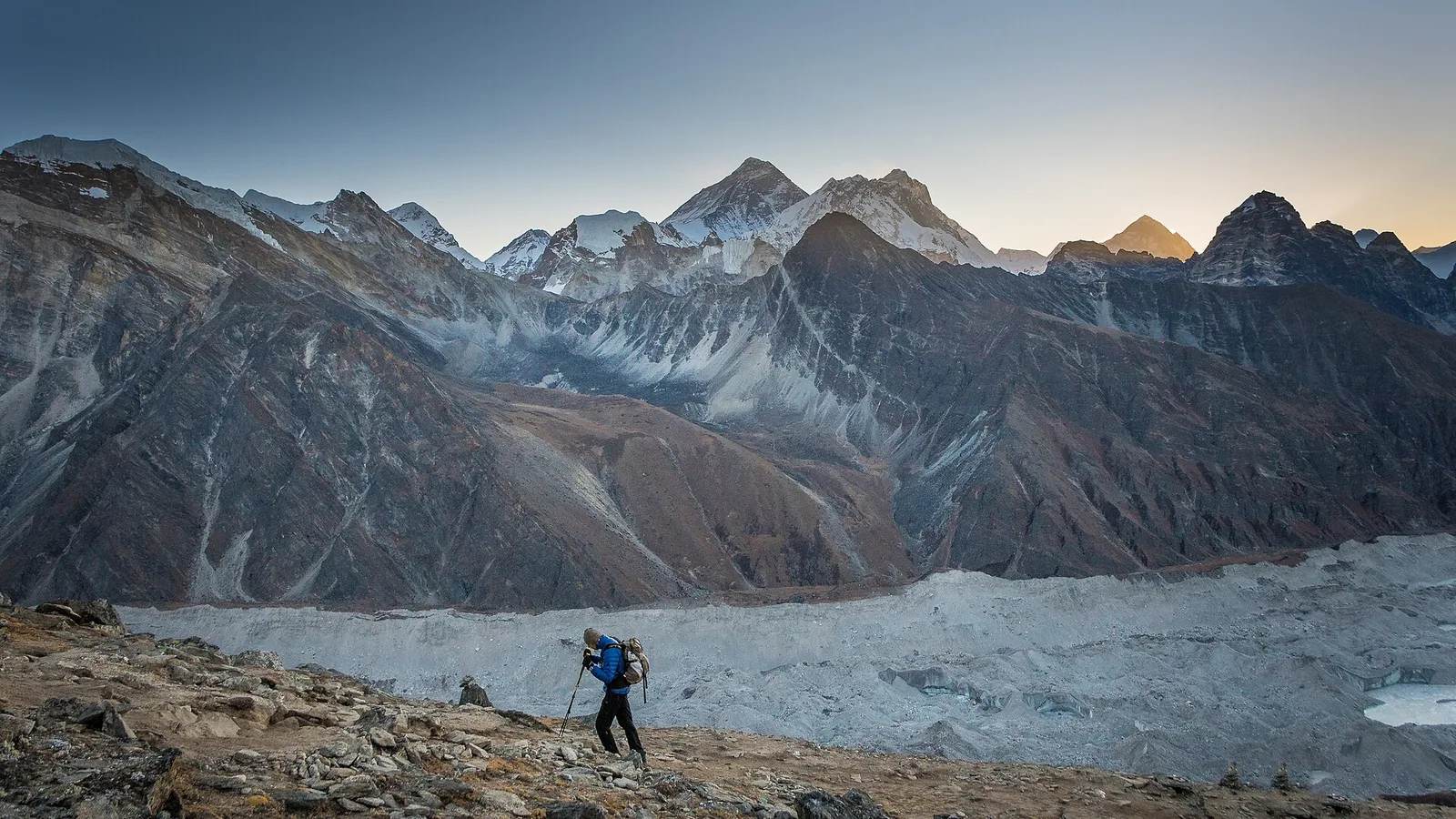
Gokyo Ri or Kala Patthar, which Everest viewpoint should you actually add to your trek
Kala Patthar is 5,644m and gives you Everest up close, Gokyo Ri is 5,357m and gives you four 8,000m peaks at once. Here's which one earns the extra day.
World Destinations
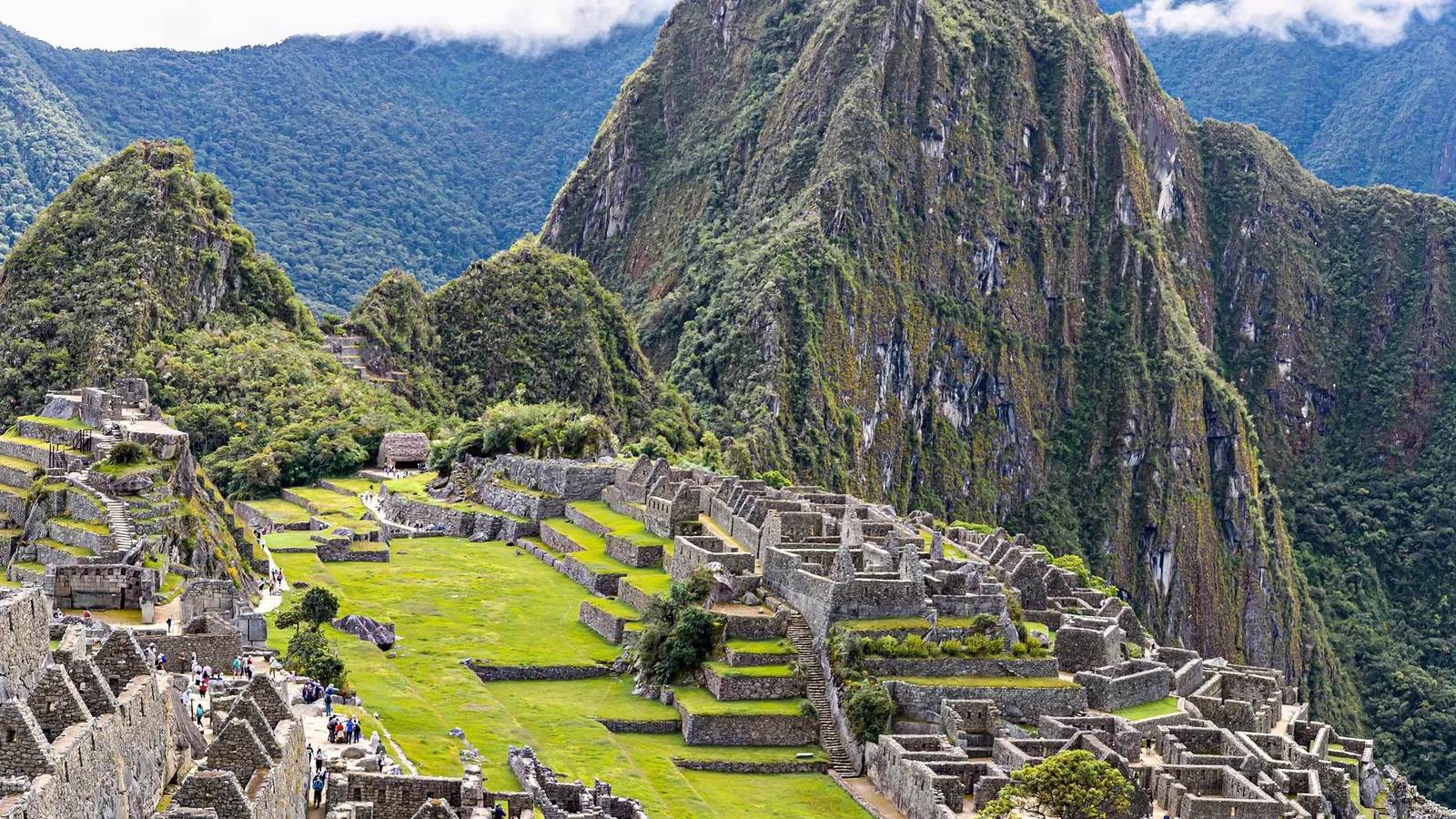
Altitude sickness doesn't need a mountain, just a flight to Cusco
Altitude illness starts around 2,450 m, and Cusco, La Paz and Lhasa all sit above it. Flying straight in is harder on you than walking to Everest Base Camp.
Trail & Weather
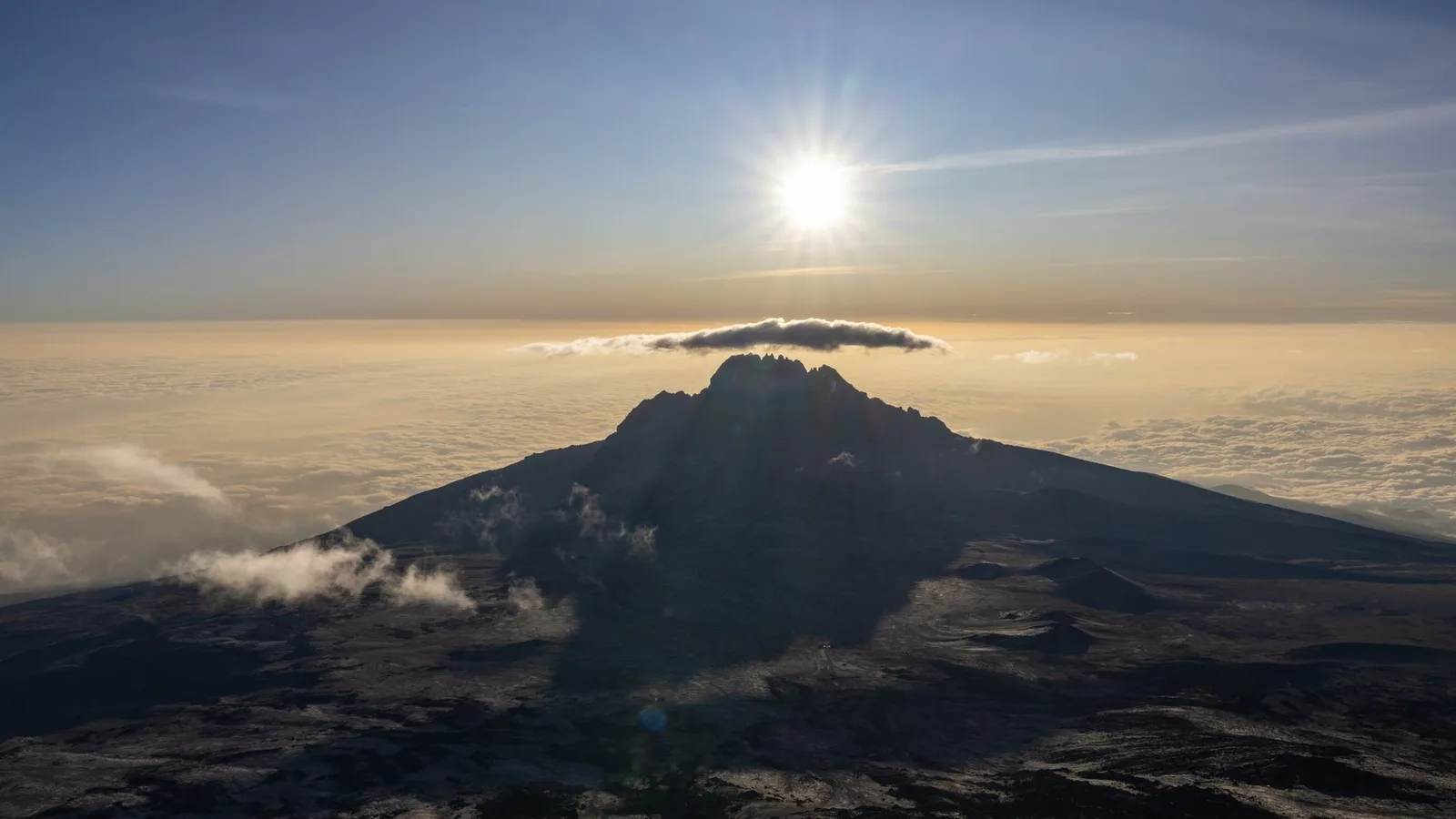
Everest Base Camp or Kilimanjaro: Which Trek Should You Actually Do in 2026?
One is a five-day sprint to 5,895 metres, the other a fourteen-day walk to 5,364 — the honest trade-off between them comes down to acclimatization, not fitness.
World Destinations
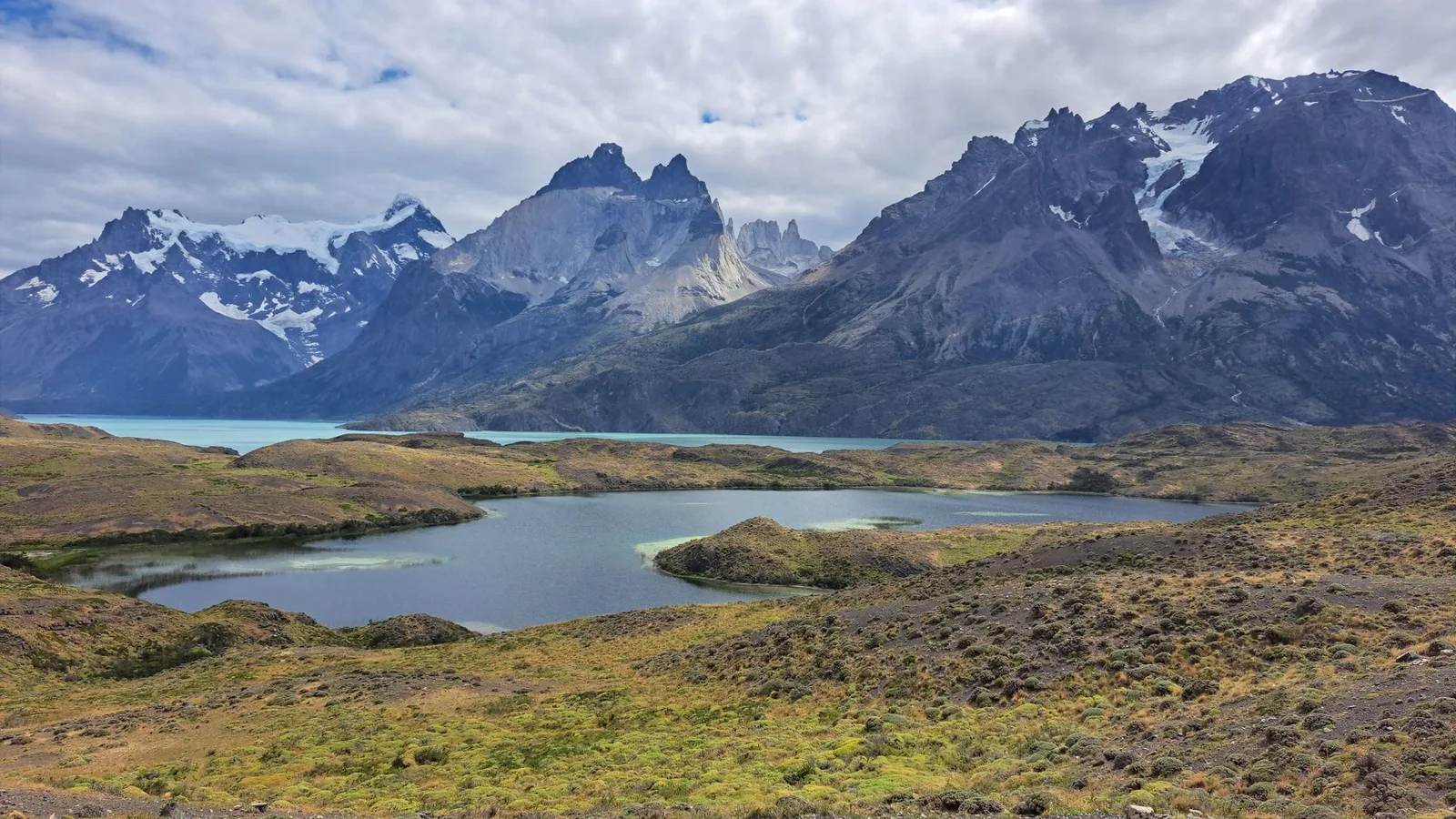
The World’s Best National Parks to Visit in 2026: A Continent-Hopping Bucket List
From Torres del Paine to the Serengeti to Nepal’s own Everest and Chitwan — nine UNESCO-grade parks worth planning a whole trip around, and the season each is best.
Latest from the desk
Permits & Rules
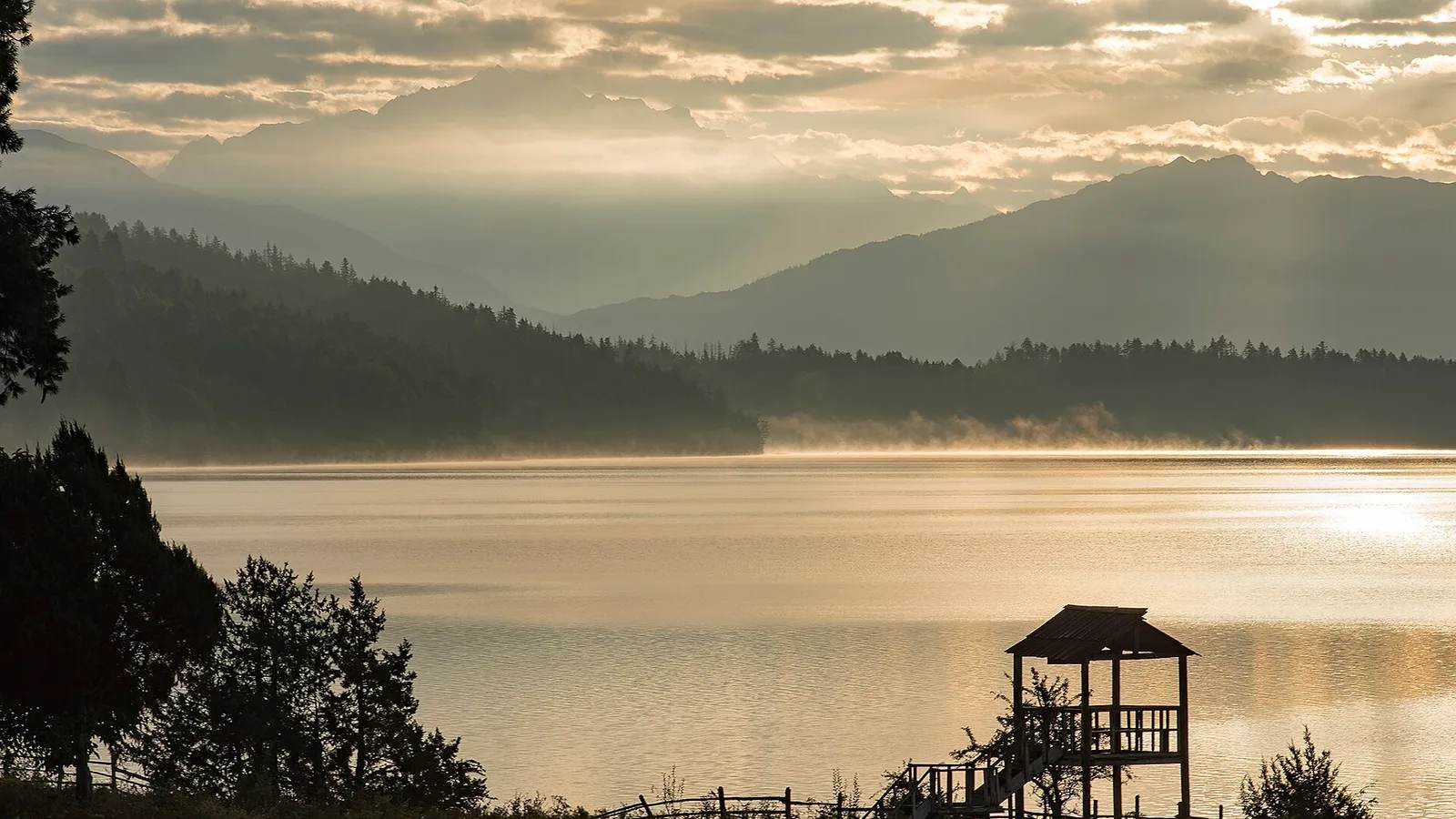
Rara or Phoksundo, Here's Which of Nepal's Two Great Hidden Lakes You Should Actually Book
Rara and Phoksundo are Nepal's two legendary remote lakes, and almost nobody treks to both. Here's the real difference in cost, permits and days.
Safety & Advisories
If You're on Blood Pressure Medication, Here's What Everest Base Camp Altitude Actually Does to You
Altitude raises blood pressure and some heart drugs slow acclimatisation, but most controlled hypertension does not rule out an Everest Base Camp trek.

Gear & Tech
Packing cubes do one thing well, and it is not the thing most people buy them for
Compression cubes won the AAA space test, but no cube changes what the scale says. Which airlines limit size, which limit weight, and how to buy for yours.