
Mount Everest's Summit Is Made of 450-Million-Year-Old Seabed — Fossils and All
At 8,849 metres, the rock under Everest's summit pyramid is ancient ocean floor, packed with the fossilised shells of sea creatures — proof the world's highest point was once at the bottom of the sea.
At a glance
- Published · updated
- TopicRecords & People
- Verified againstBBC Science Focus
- Treks coveredUpper Mustang Trek — 12 Days, Everest Base Camp Trek — 14 Days, Jomsom Muktinath Trek
The rock under Mount Everest's summit pyramid was once the floor of a tropical ocean. Climbers who reach 8,849 metres are standing on 450-million-year-old seabed, layered with the fossilised remains of sea creatures that died long before the Himalaya existed — proof that the highest point on Earth used to be underwater.
Key facts
- Everest's summit limestone is Middle Ordovician, roughly 450 million years old, formed on the floor of the ancient Tethys Sea
- The rock contains fossilised crinoids, brachiopods and conodonts — all marine animals
- British climber-geologist Noel Odell found the first confirmed Everest fossils in 1924, at roughly 7,770m
- The seabed was thrust to the roof of the world when the Indian Plate collided with Asia, starting around 55 million years ago
The story starts with a supercontinent. About 200 million years ago Pangea broke apart and the Indian Plate began drifting north across the Tethys Sea, a shallow tropical ocean that once separated India from Asia. For millions of years the shells of crinoids (relatives of starfish, often called 'sea lilies'), brachiopods and tiny eel-shaped conodont animals sank onto that seafloor and compacted into limestone. Then, around 55 million years ago, India slammed into Asia. The seabed had nowhere to go but up. The collision folded and stacked rock into the Himalaya, carrying that same marine limestone — fossils intact — to 8,849 metres. Geologists studying the summit rock still describe it as tropical marine limestone: a reminder that when these creatures were alive, the future site of the world's highest point sat near the equator, not at the roof of the world.
The first person to notice was a geologist, not a summit-chaser. On the 1924 British Everest expedition — the same expedition on which George Mallory and Andrew Irvine vanished high on the mountain — team geologist Noel Odell was scouting a route above 25,500 feet when he found a band of pale limestone. 'At about 25,500 feet I came upon a limestone band which to my joy contained fossils,' he wrote afterwards, 'the first definite forms found on Everest.' What Odell had found were crinoid fragments: sea creatures fossilised at what is still one of the highest points a human has ever stood.
| Fossil | What it was | What it tells geologists |
|---|---|---|
| Crinoids | Stalked sea animals related to starfish, nicknamed 'sea lilies' | Lived attached to a shallow, tropical seafloor |
| Brachiopods | Small shelled filter-feeders resembling clams | Common across warm, Ordovician-era shallow seas |
| Conodonts | Tooth-like fossils from an early eel-shaped animal | Used to precisely date the rock to about 450 million years ago |
What this means for trekkers
You don't need to summit Everest to hold this history
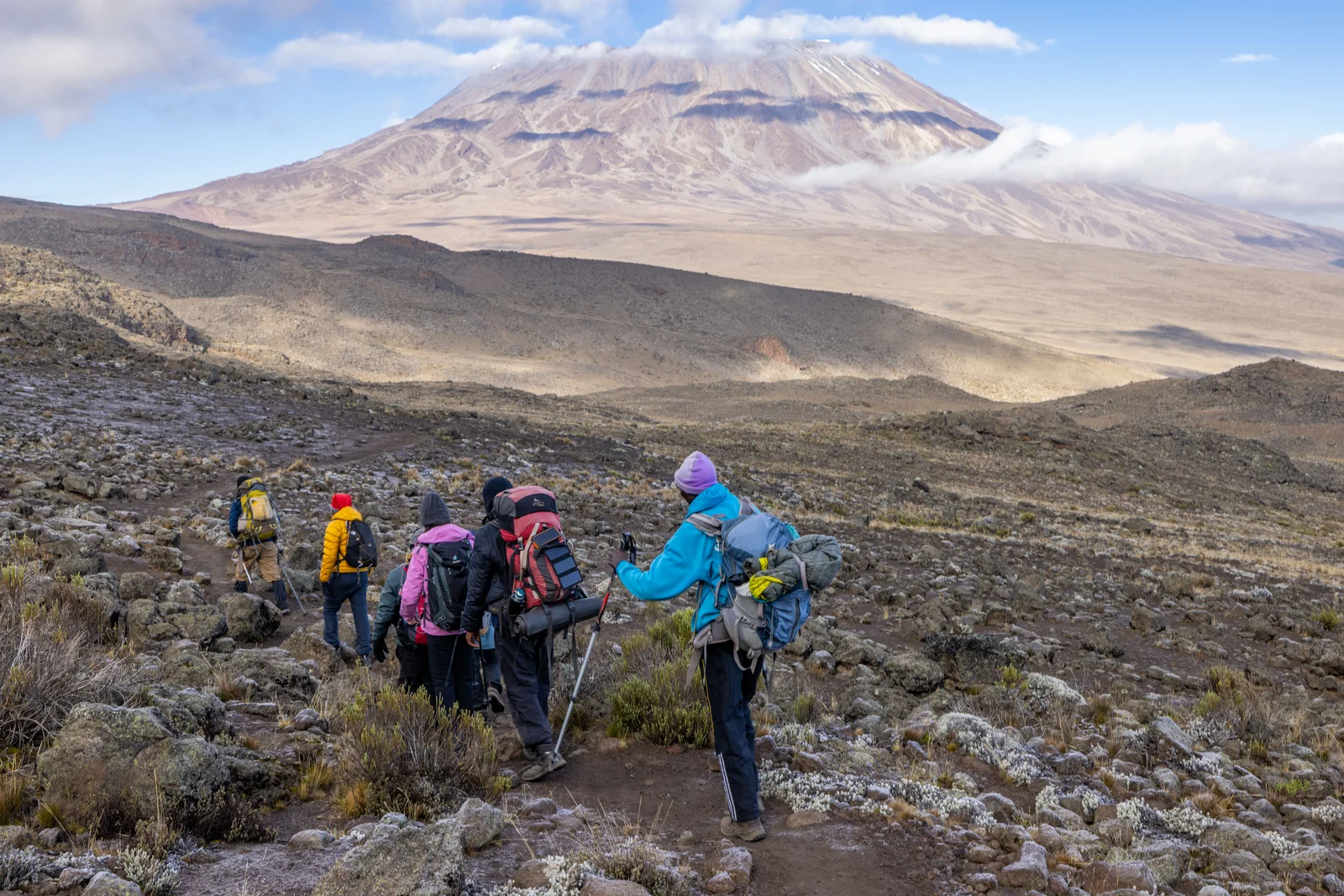
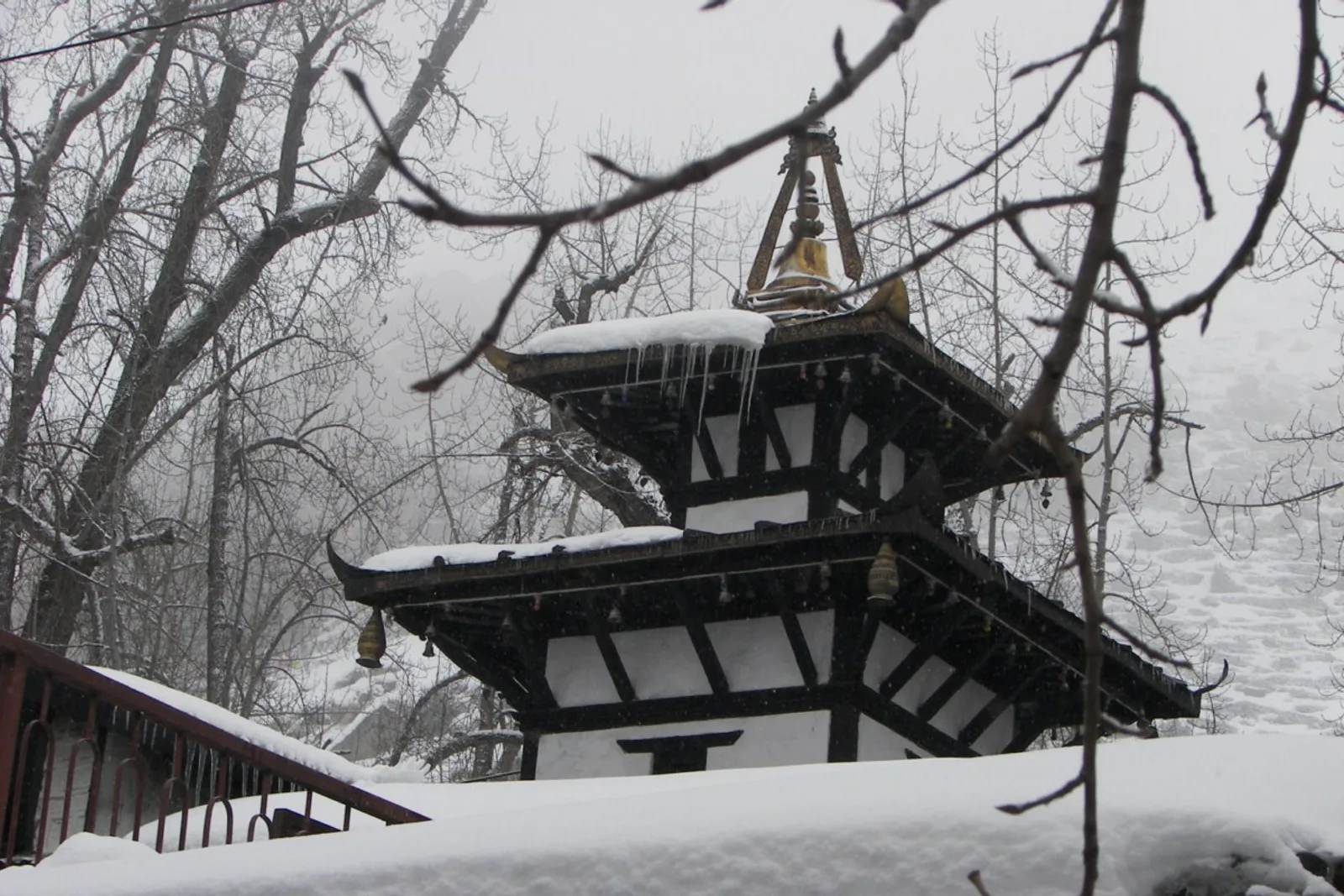
Everest's fossil band sits deep in the death zone, far beyond any trekker's reach. But the same ancient seafloor is exposed at trekking altitude elsewhere in Nepal — most famously in the Kali Gandaki riverbed on the Upper Mustang trek and the classic Jomsom-Muktinath trek. There, trekkers and pilgrims pick up ammonite fossils — coiled shells from the same Tethys Sea — straight out of the riverbed. Nepalis call them shaligram, and for more than 2,000 years Hindus and Buddhists have venerated them as a living form of the god Vishnu, kept on home altars from Kathmandu to India. It's the same 450-million-year-old ocean that built Everest, just far easier to reach.
Everest, meanwhile, is still rising — the same collision that lifted this seabed to the roof of the world hasn't stopped, as we reported when new data confirmed the mountain is still gaining height. Next time you see a photo of the summit ridge, remember what you're actually looking at: an ancient seabed, higher than any ocean will ever reach again.
Source: BBC Science Focus, IUGS Geological Heritage Sites
Cover photo: Ezmari Nabizadeh via Pexels (Pexels License). Section photos: Jasper Hunter via Pexels (Pexels licence); Balazs Simon via Pexels (Pexels licence).
Still running this season
Everest Base Camp Trek — 14 Days is running normally
NMA-certified local guides, transparent pricing, 5,000+ treks since 1998. Message us your dates and we'll sort the permits, lodges and logistics — reply within 24 hours, no obligation.
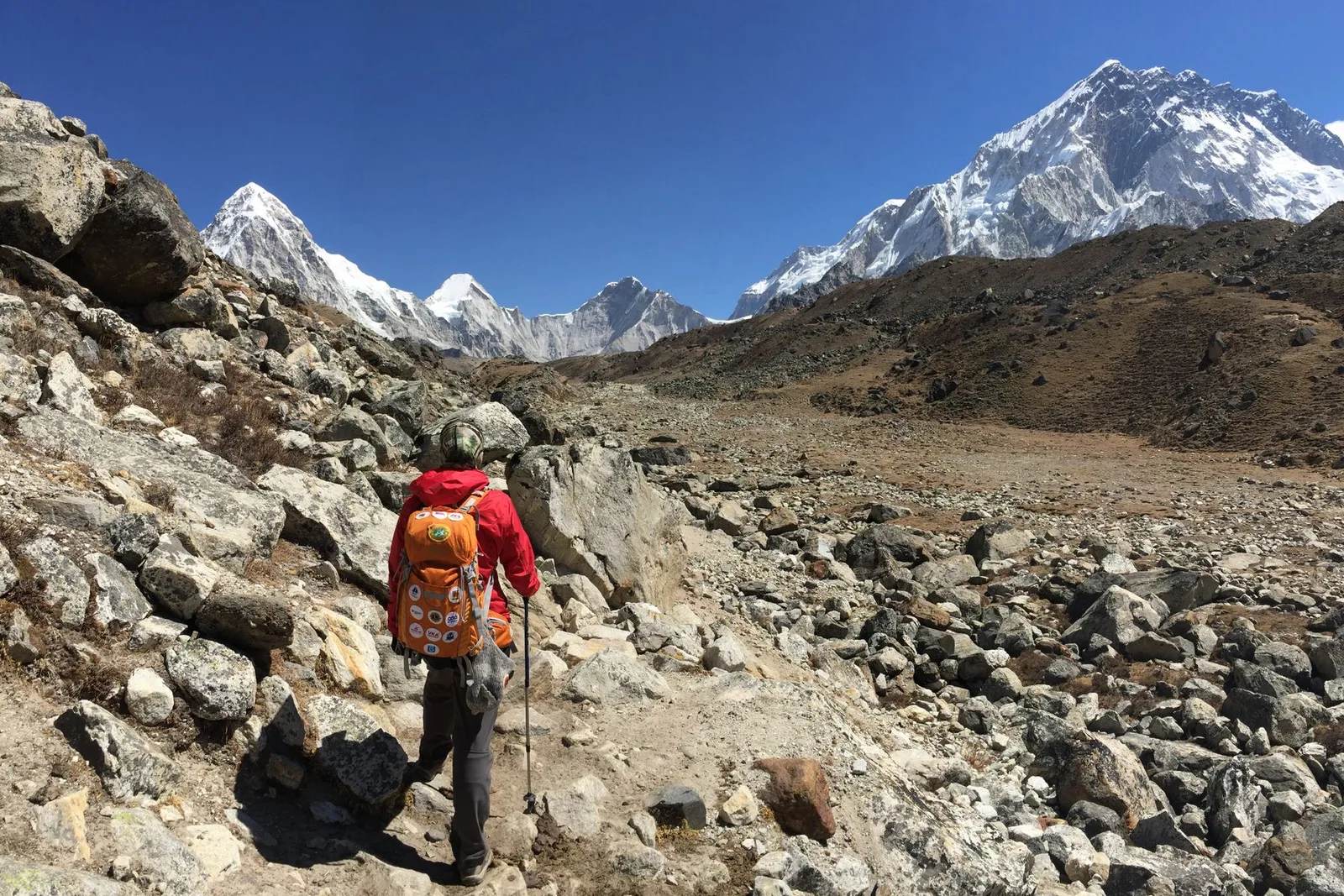
Popular Nepal treks
All treks →
Related coverage
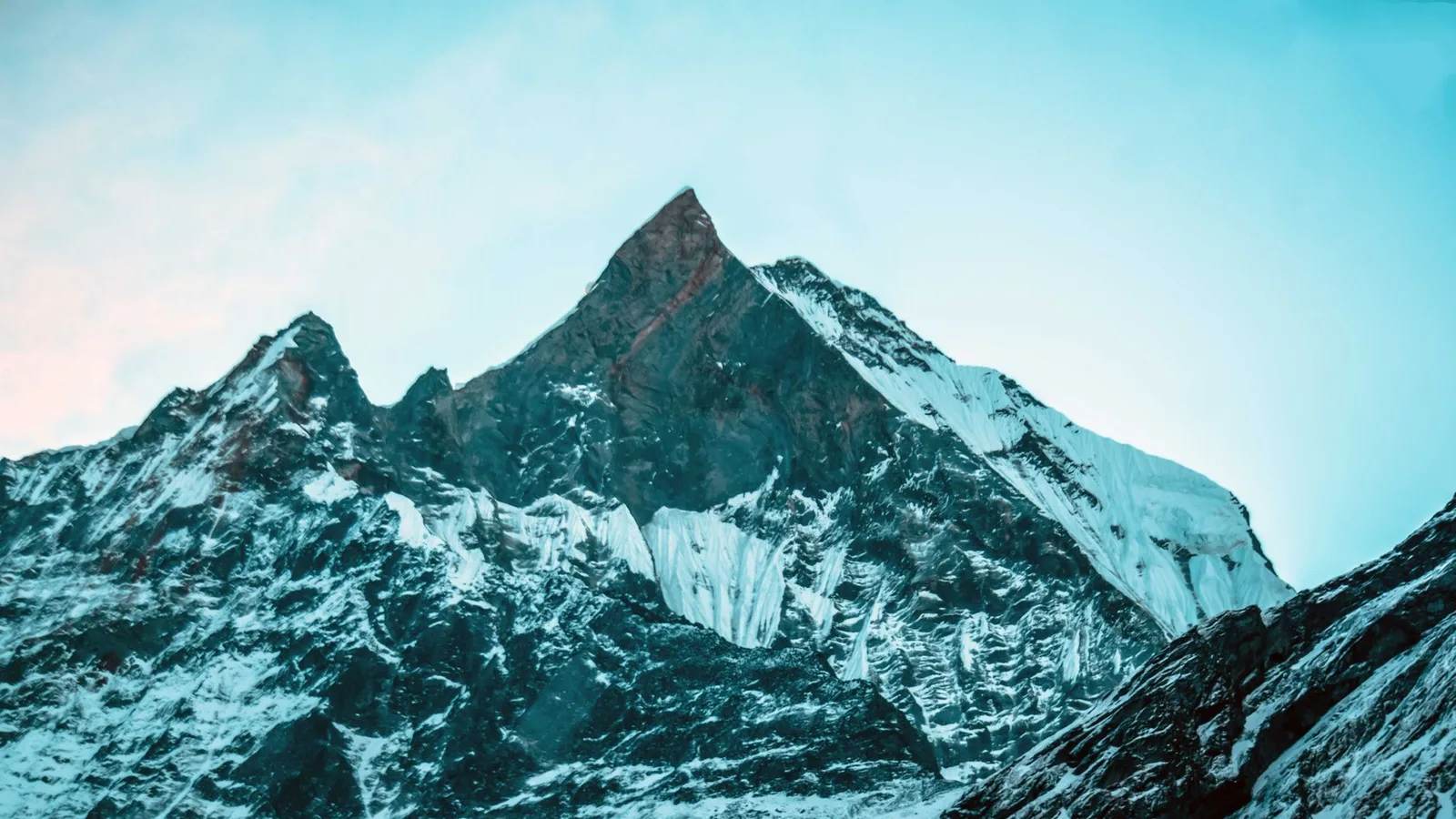
Records & People
There Are 450-Million-Year-Old Seashells Near the Top of Mount Everest — Because It Used to Be Seafloor
The rock forming Everest's summit pyramid is marine limestone packed with ancient sea-creature fossils, laid down in a tropical ocean long before the Himalaya existed.
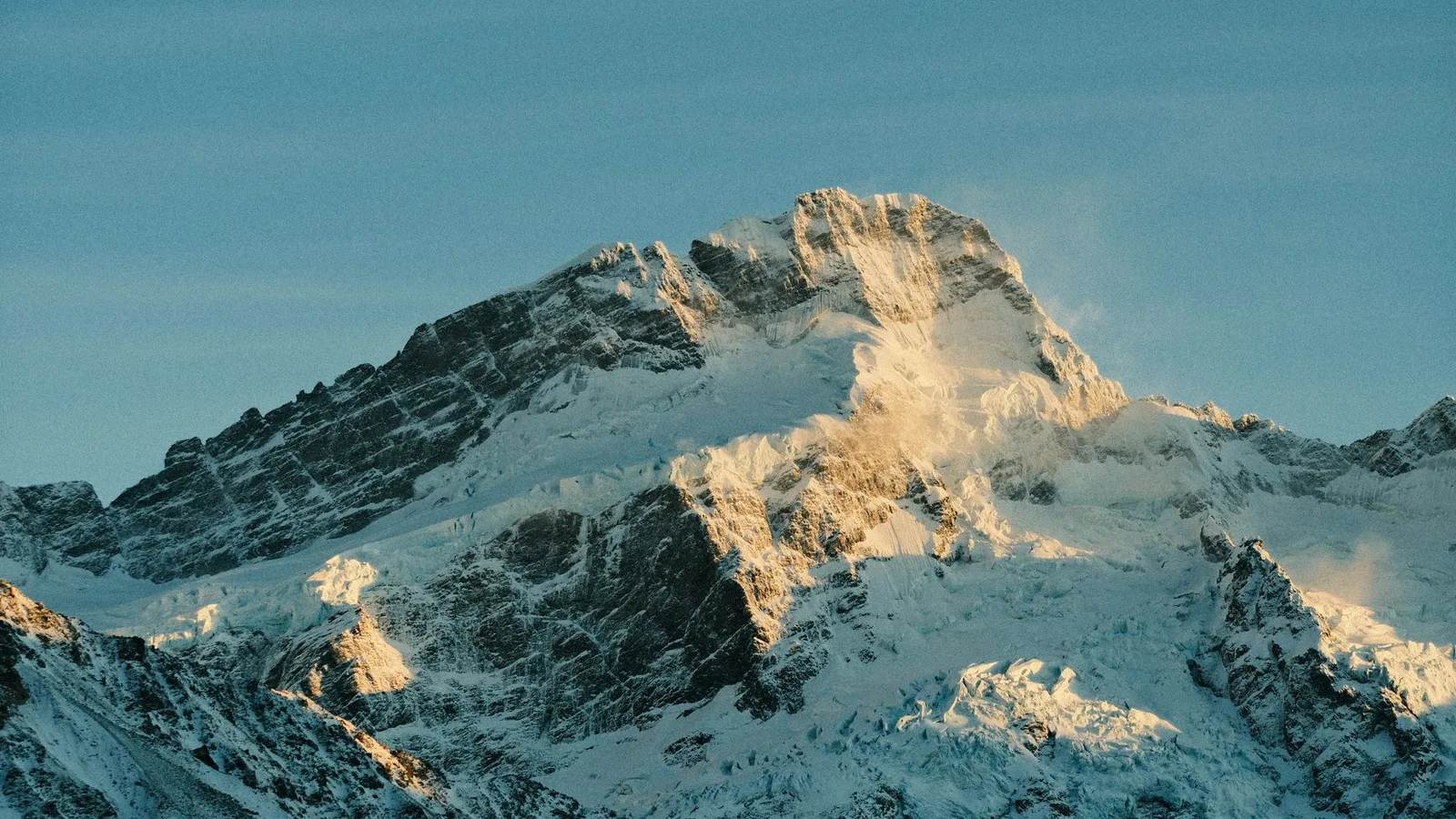
Records & People
Mount Everest Is Still Growing — and a Hijacked River 47 Miles Away Is Pushing It Up
A 2024 study in Nature Geoscience found the world's tallest mountain gains roughly 2mm a year from an ancient river 'piracy' event on top of the tectonic collision that built it in the first place.
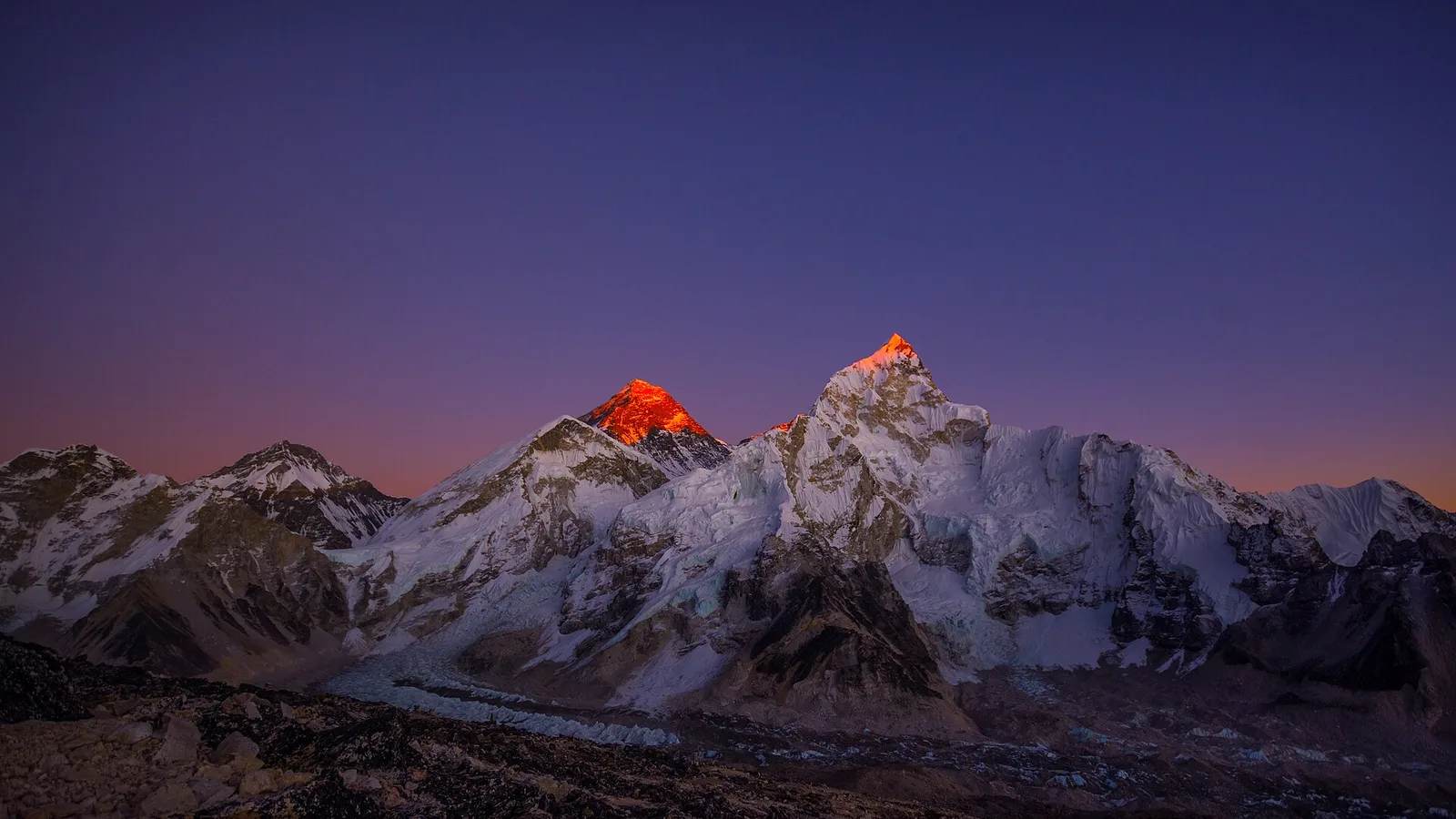
Records & People
Nobody tells you Everest can only be climbed a few days a year, and the jet stream is why
For most of the year a jet stream sits on the summit of Everest with winds over 250 km/h. It lifts north for a few weeks each May when the monsoon pushes it aside, and that short calm is the only time the mountain is climbable.
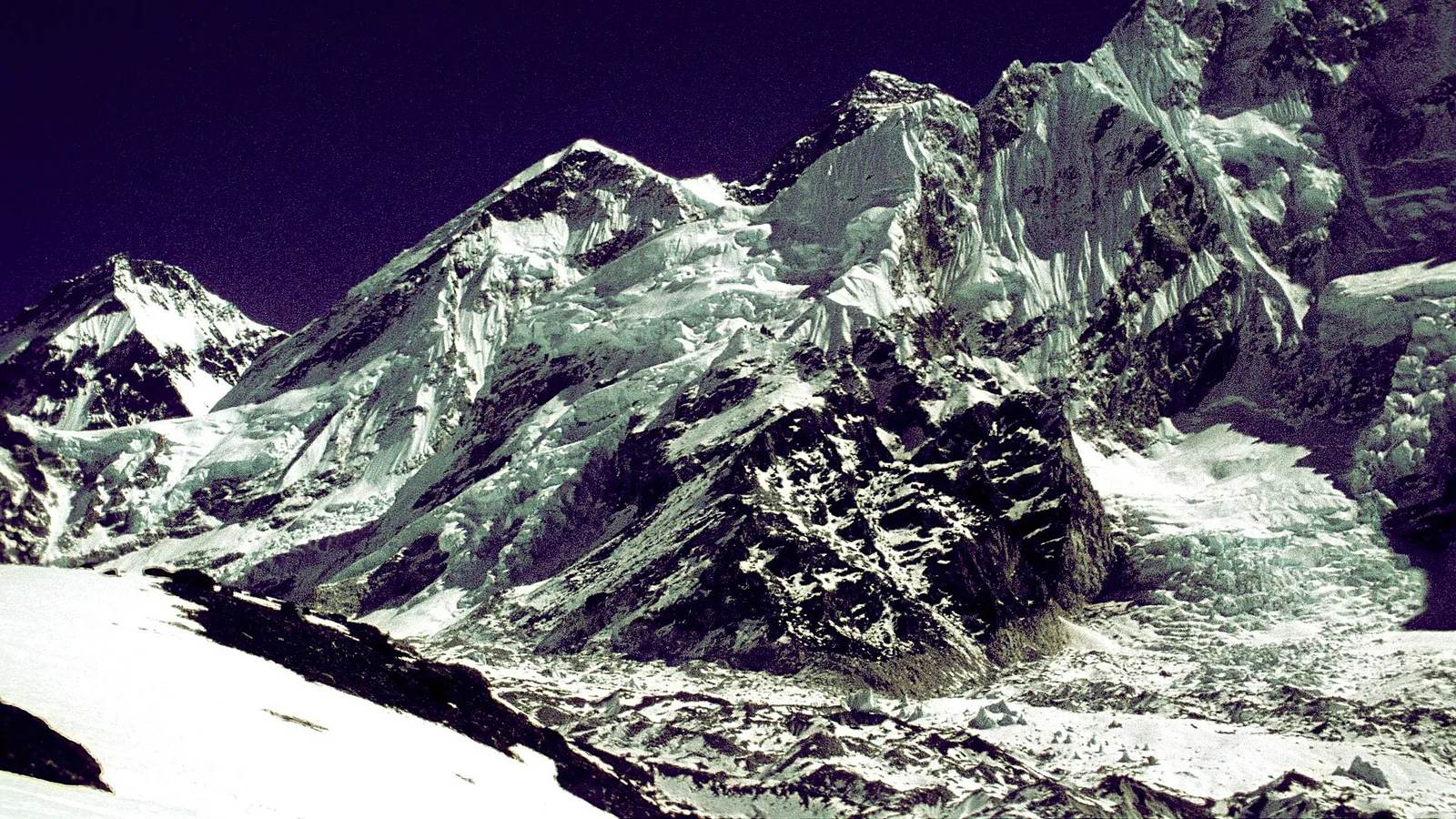
Records & People
Everest Records: The Fastest, Oldest, and Most Summits
Mount Everest's verified record book — who has summited most, who was oldest and youngest on top, and the fastest ascent ever timed, with every name, number and year sourced.
Latest from the desk
Records & People
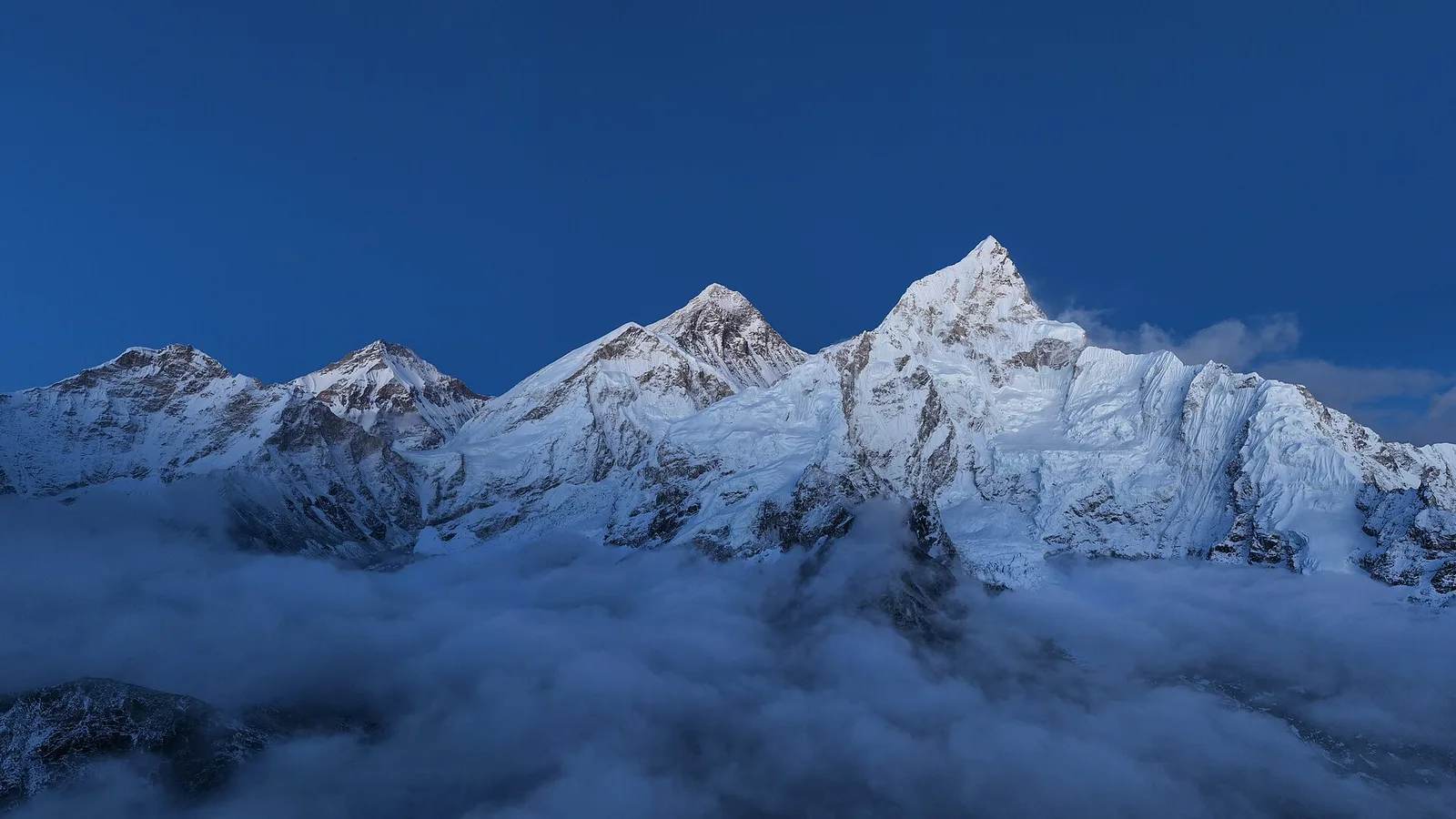
Mount Everest's Official Height Was Wrong for 65 Years, Until Nepal and China Finally Agreed in 2020
The number on every map, 8,848.86 metres, only became official on 8 December 2020, after two countries spent over a decade measuring the same mountain and getting two different answers.
Records & People
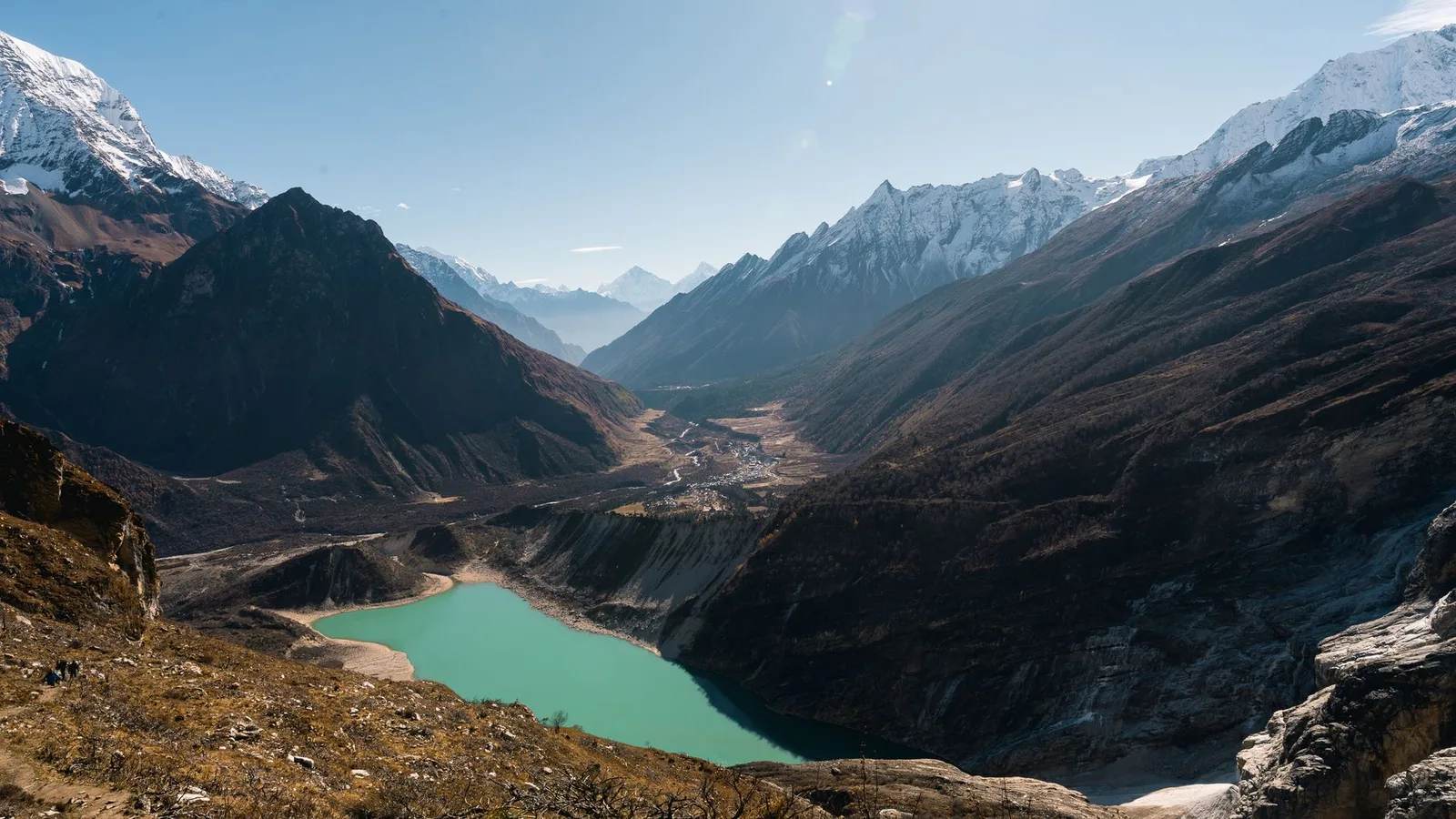
Nepal's Gokyo Lakes Turn an Impossible Turquoise Every Autumn, and Rock Dust Is Why
Six sacred glacial lakes above Everest sit higher than almost any freshwater on Earth, and the colour that makes trekkers stop mid-stride comes down to stone ground fine enough to float.
Records & People
Nobody Tells You Nepal's National Flower Turns Whole Mountainsides Crimson Every Spring
Nepal's national flower isn't grown in a garden bed — it's a forest tree that turns entire hillsides red for about six weeks a year, and the bloom climbs the mountain in a predictable wave.