Travel Himalaya Nepal
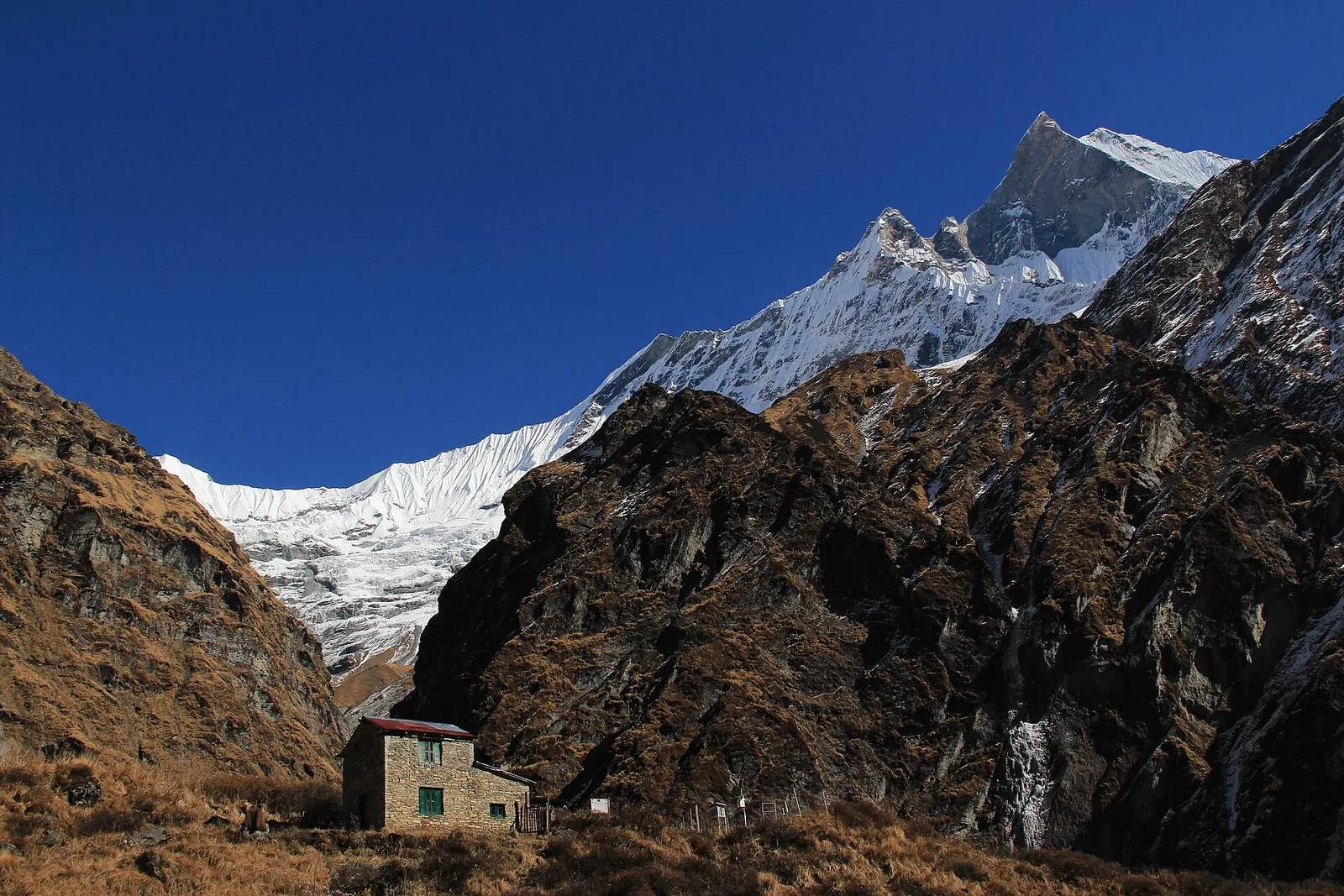
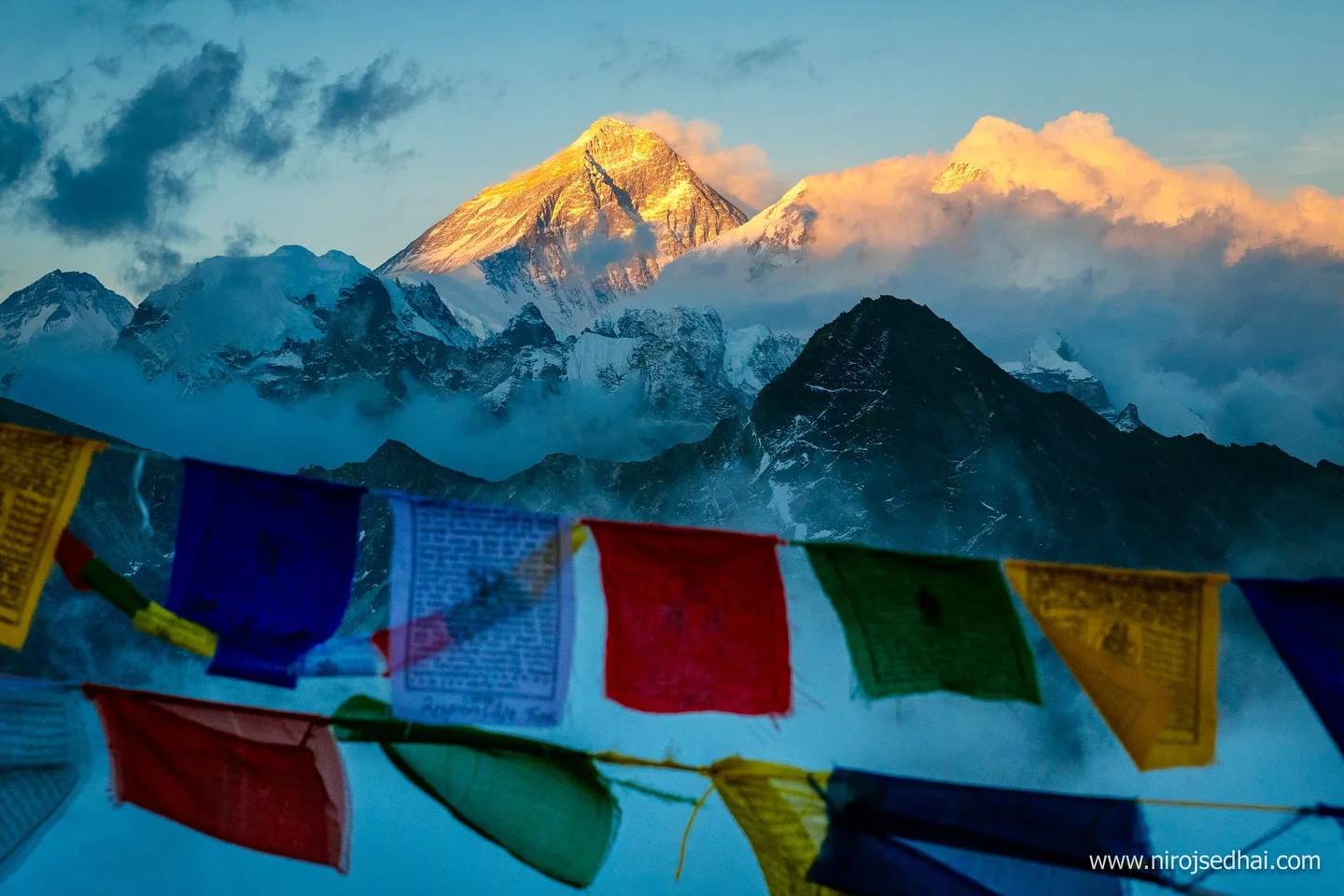
Sunrise lighting the summit of Mount Everest seen from Kala Patthar viewpoint

Kala Patthar 2026: The Real Everest Viewpoint (You Cannot See Everest From Base Camp)

作者 Rajan Gurung·2026年8月4日·10 分钟阅读

内容速览

Kala Patthar (5,545m) is where you actually see Everest, because the summit stays hidden from Base Camp. Best time, difficulty and how it fits your EBC trek.

Here is the thing no brochure tells you plainly: you do not see the summit of Everest from Everest Base Camp. Stand at 5,364m among the prayer flags and the icefall, and the mountain that gave the trek its name is hidden — blocked by the wall of Nuptse and Everest’s own West Shoulder. The view everyone remembers, the one on the postcards, is earned a little higher and a little colder, on a black shoulder of rock called Kala Patthar.

Elevation5,545 m
Climb fromGorak Shep
Ascent~380 m
Time up1.5–2.5 hr
Best monthsOct–Nov, Mar–Apr
On our EBC trekfrom $1,700
Short version:
  • Kala Patthar (5,545m) is the highest point most Everest Base Camp trekkers reach — and the best accessible view of Everest’s south-west face.
  • It sits on the south ridge of Pumori, not on Everest. Base Camp itself has no view of the summit.
  • It is a short, steep, breathless climb from Gorak Shep — no technical skill, just thin air and cold.
  • Our verdict: go at sunrise for the clearest sky; go at sunset if you want gold light on the face and fewer people.

Why you can’t see Everest from Base Camp

It surprises almost everyone. Everest Base Camp sits at the foot of the Khumbu Icefall, tucked so close beneath the mountain that the summit disappears behind the West Shoulder and the Nuptse wall. For the last hours of the walk in, Everest is simply gone from view. Base Camp is a pilgrimage to a place, not a viewpoint — the reward there is standing where every expedition begins, on the groaning ice of the Khumbu Glacier.

Kala Patthar solves the geometry. By climbing 380 vertical metres up Pumori’s southern ridge, you step back just far enough for the summit pyramid to lift clear of Nuptse. From the top you get Everest, Nuptse, Changtse and the flank of Lhotse in one sweep, with Pumori rearing behind your shoulder. It is the closest most people will ever stand to the highest point on earth without a rope and a climbing permit.

Where you stand vs what you’re looking at (metres)

On foot — where you get toThe summit you’re photographing
Gorak Shep (last lodge)
5,164 m
Everest Base Camp
5,364 m
Kala Patthar (the viewpoint)
5,545 m
Pumori (behind you)
7,161 m
Mount Everest summit
8,849 m
On the name. Kala Patthar means “black rock” in Nepali — the dark, wind-scoured stone stands out against the snow. A GPS survey put the rocky high point at 5,644m; the shoulder trekkers actually gather on is around 5,545m. Either way, it is the highest your boots go on a classic Base Camp trek.

The climb: short, steep, and honestly hard

Do not let “380 metres” fool you. You start from Gorak Shep at 5,164m, where the air holds barely half the oxygen of sea level, and the path tilts up immediately — loose, dusty switchbacks, then a rocky scramble to the flag-strung top. Fit trekkers take 90 minutes to two and a half hours up, and everyone stops often. There is nothing technical: no ropes, no exposure that will frighten you. The difficulty is entirely the altitude and, if you go before dawn, the cold.

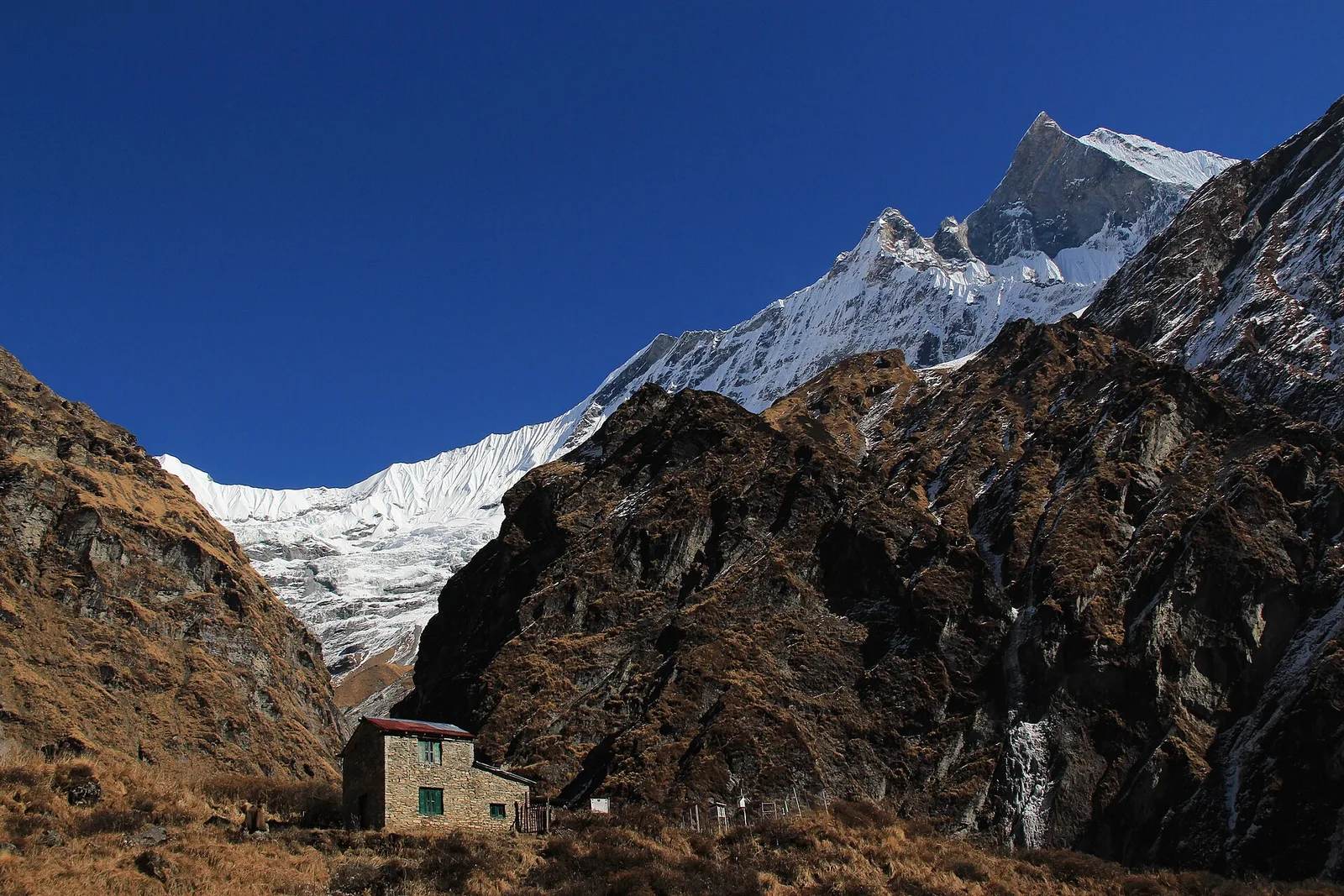
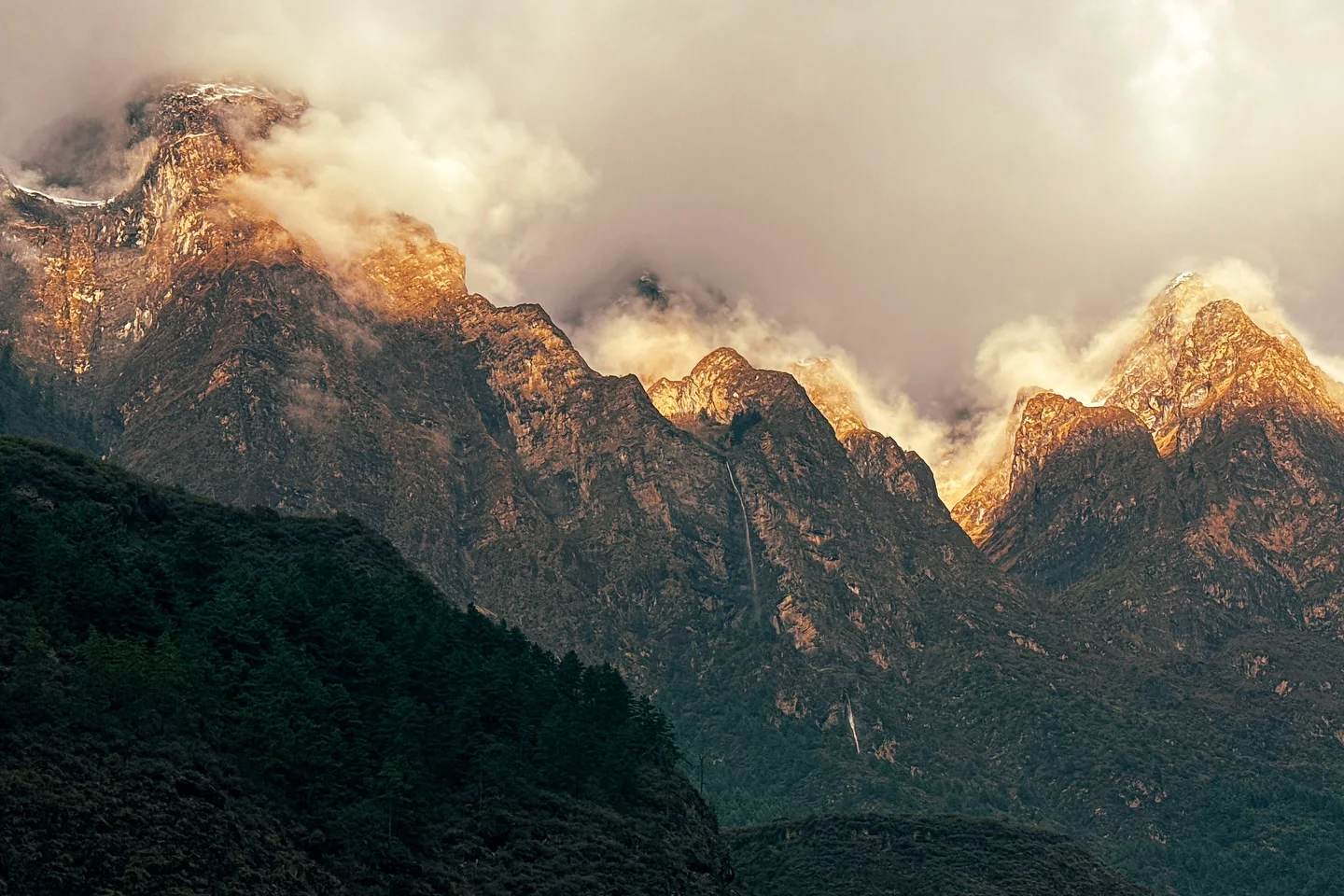
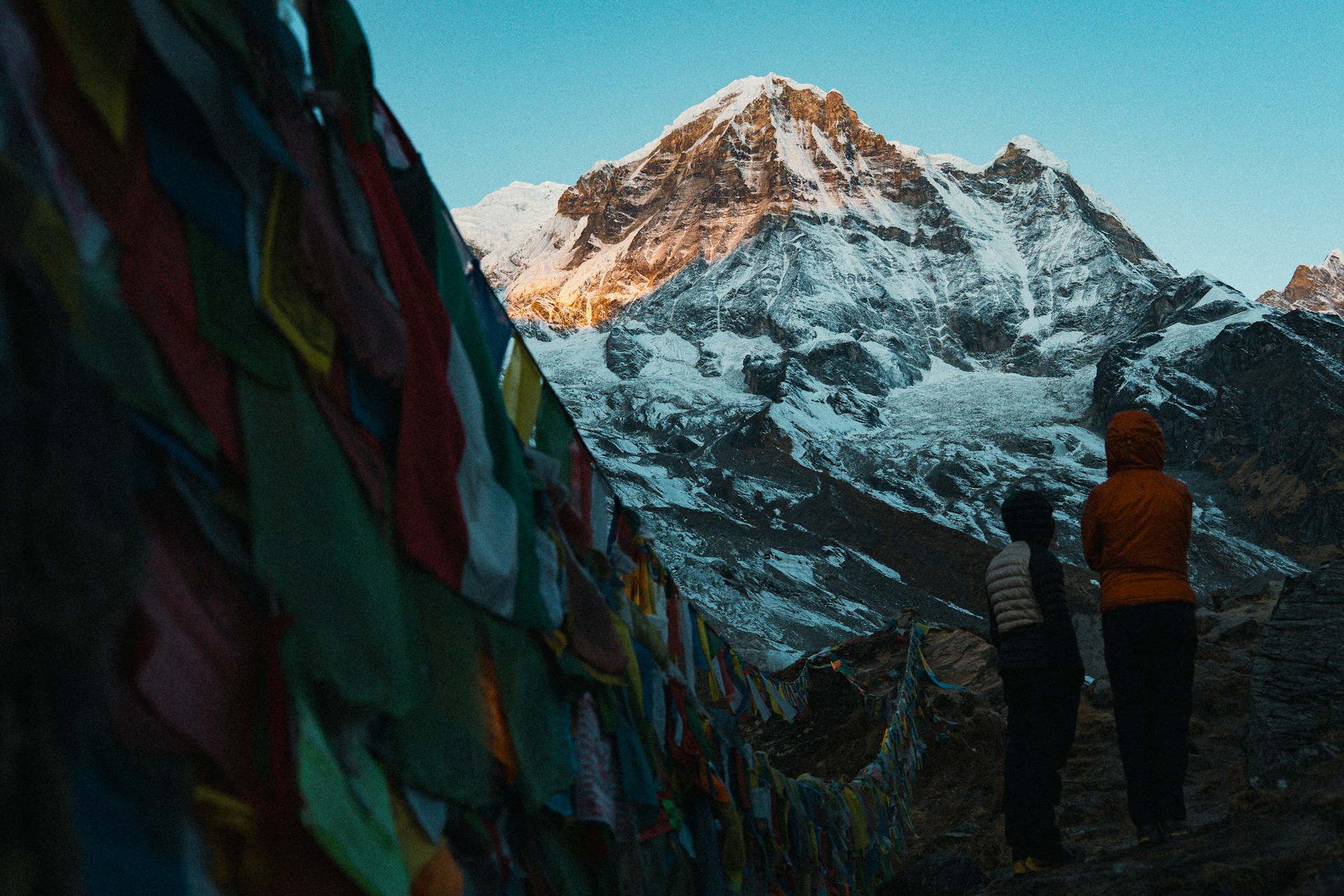
High on the ridge above Gorak Shep — where the earth finally lets go of the summit.

Sunrise or sunset? Our honest call

This is the real decision, and guides disagree, so here is how we think about it after thousands of mornings up there.

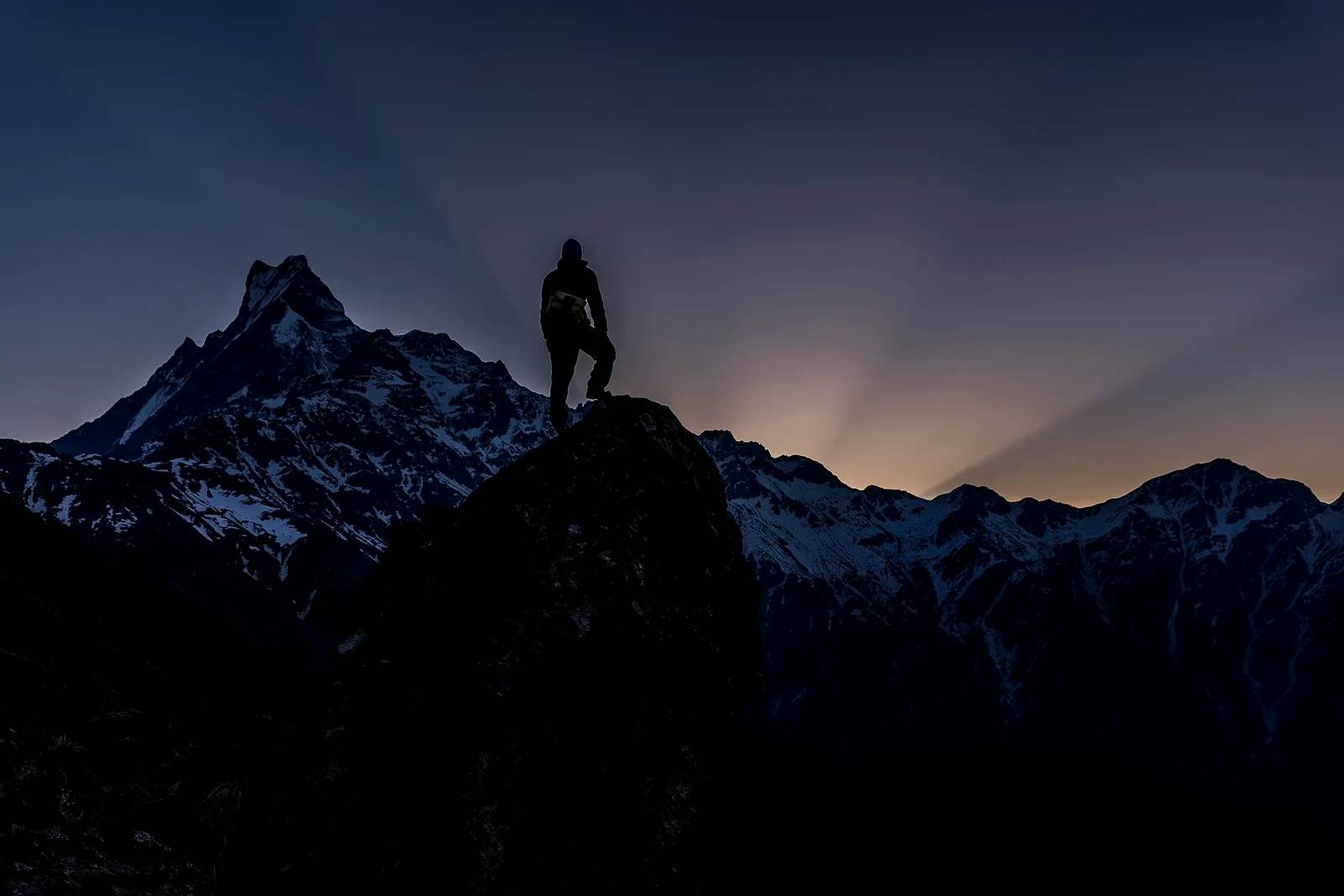
Sunrise is the classic. Skies are usually at their clearest in the first hours after dawn, before the valley’s afternoon cloud builds, so it is the reliable choice for a guaranteed view. The catch: the sun climbs from behind the Everest massif, so for the first minutes the summit is partly in silhouette before the light spills onto the range and every peak flares gold in turn. You also pay for it — a 4:00–4:30 a.m. start in −10°C to −20°C cold.

Sunset is the connoisseur’s pick. The low western sun throws warm, direct light straight onto Everest’s south-west face, and you often share the top with a handful of people instead of a crowd. The risk is weather: afternoon cloud can roll in and hide everything. We only recommend sunset when the day has stayed clear and settled.

 SunriseSunset
Sky clarityUsually best of the dayAfternoon cloud risk
Light on EverestBacklit, then gold on the rangeDirect warm light on the face
CrowdsBusiestQuiet
ColdBrutal pre-dawn startCold but milder than dawn
Best forA sure view in peak seasonPhotography on a settled day
Guide tip. Best months for a clean view are October–November and March–April. Whichever you choose, wear every layer you own, keep spare camera batteries against your body (cold kills them), and bring a headtorch — you will climb and descend part of it in the dark.
Stand where Everest finally comes into view

Our 12-day Everest Base Camp trek puts you on Kala Patthar for the summit view, with an NMA-certified guide, careful acclimatisation and fixed October–November departures filling now. From $1,700 per person (solo); as low as $1,230 pp in a group of 8+.

See the EBC trek & dates →

How Kala Patthar fits your trek

On a classic itinerary, Kala Patthar is the morning after Base Camp. You reach EBC on one day, sleep at Gorak Shep, and climb the viewpoint at first light the next — two rewards from one bleak, beautiful little settlement. Some trekkers, weather permitting, climb it the evening they arrive and treat Base Camp as the following morning. Both work; your guide reads the sky and decides.

Ama Dablam seen on the upper Everest Base Camp trail
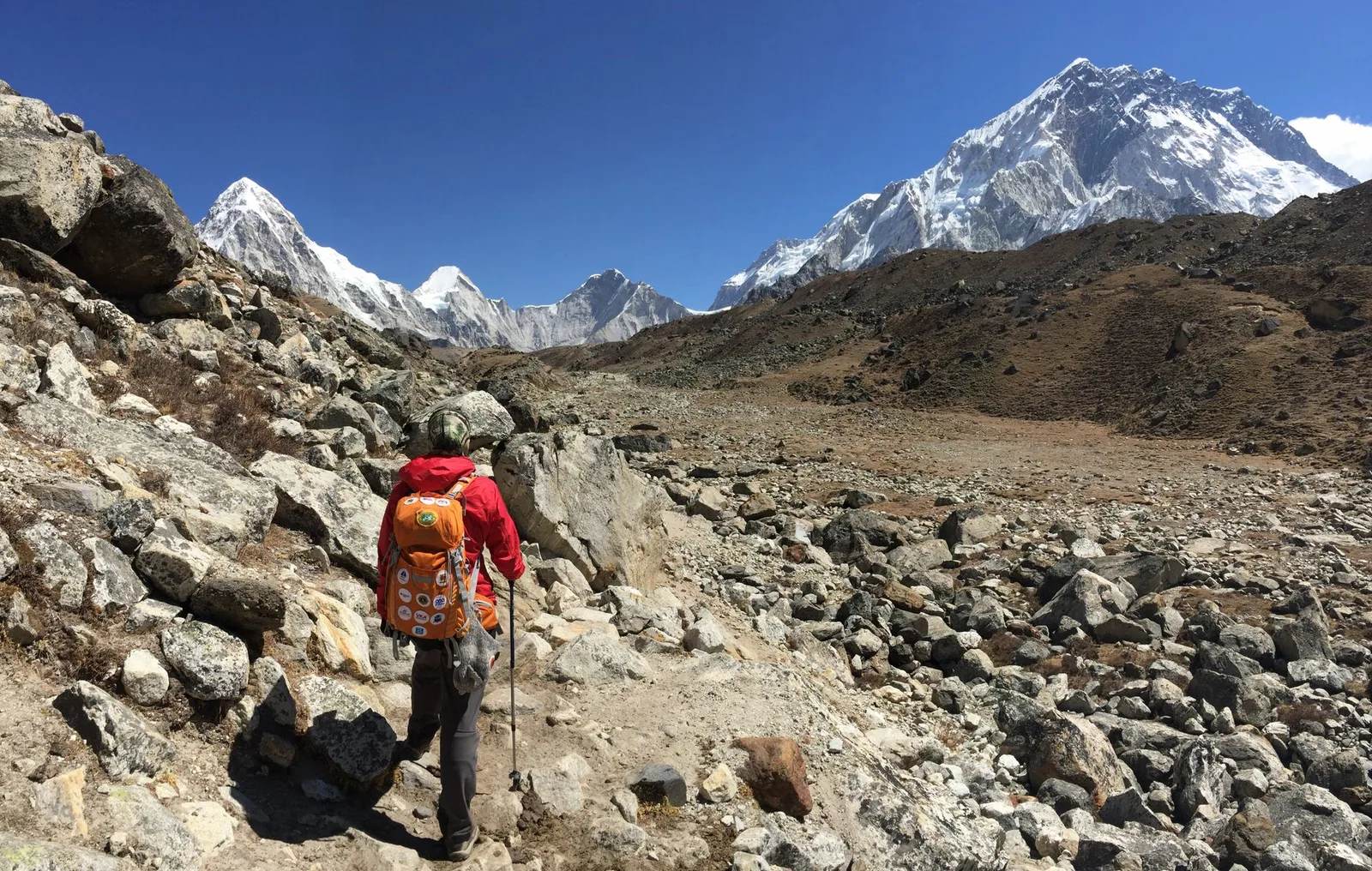
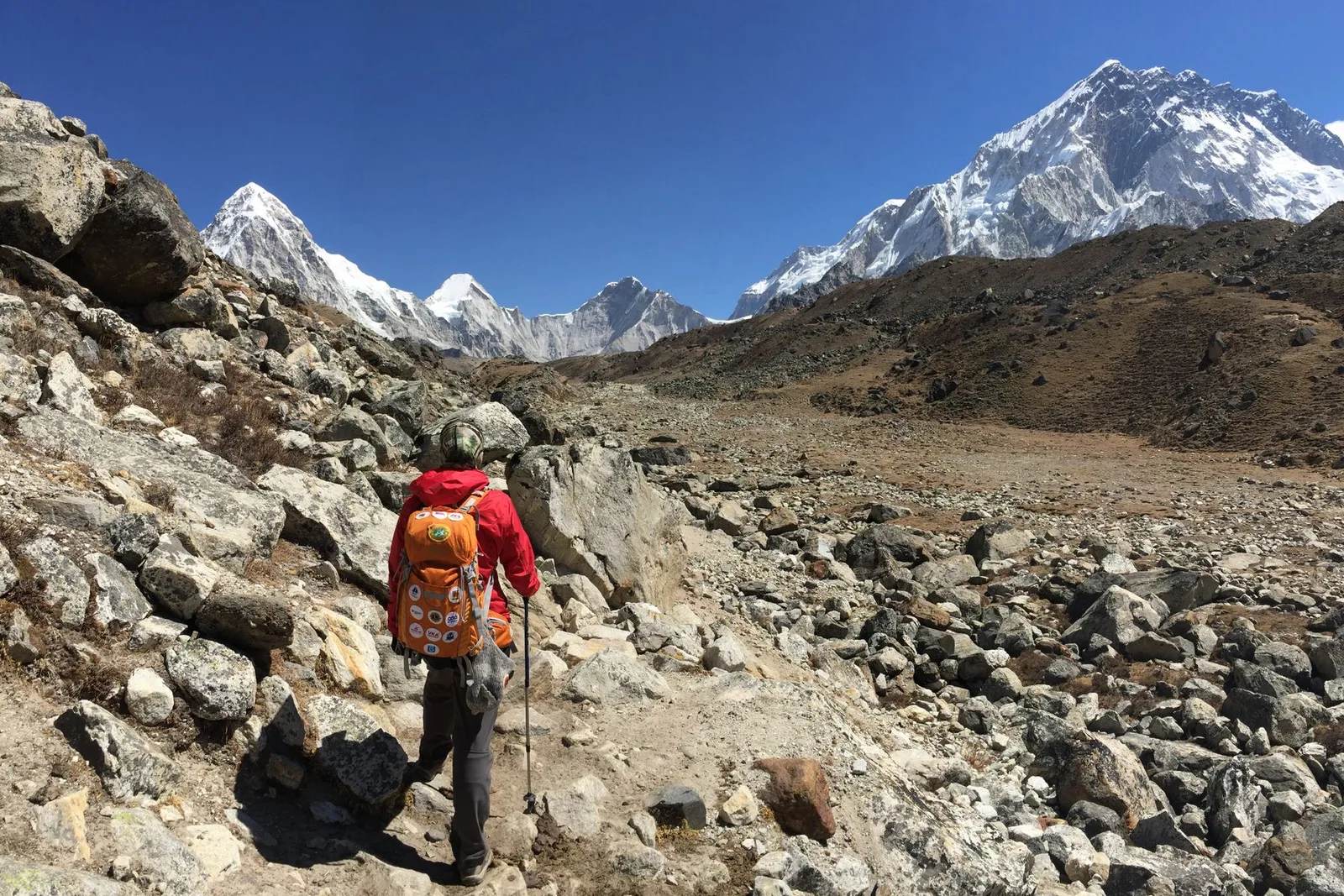
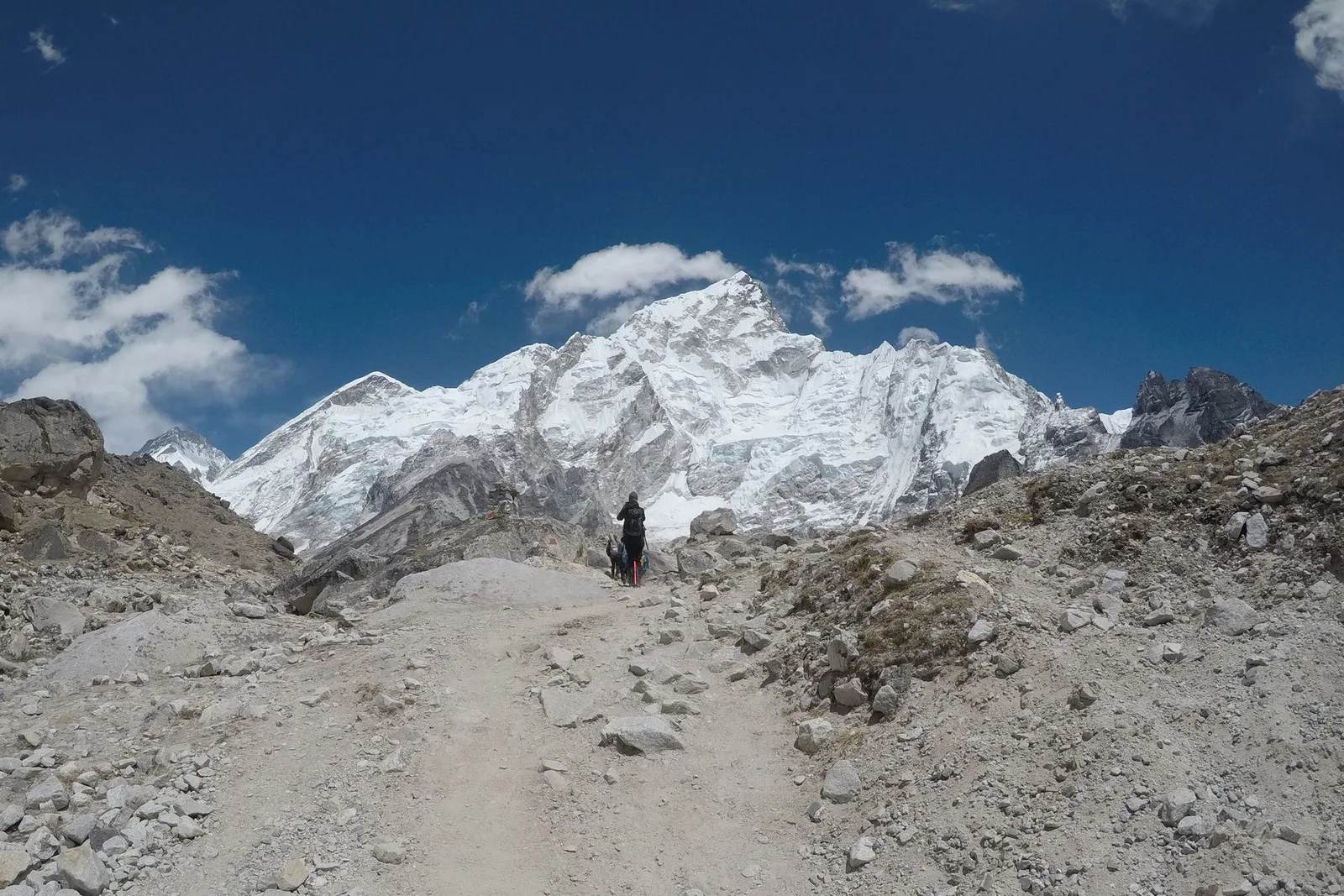
Ama Dablam and the upper Khumbu on the walk toward Gorak Shep — the scenery that builds to the Kala Patthar finale.

Kala Patthar vs Base Camp: which is “the” moment?

People ask us to choose, so we will. Base Camp is the story; Kala Patthar is the photograph. Standing on the glacier at EBC is a genuine pilgrimage — the ice, the icefall, the ghosts of every expedition. But if you want the picture in your head to be Mount Everest, unmistakable and whole, that only happens from the black rock. On our treks you do both, and you should.

Everest Base Camp — 5,364mThe pilgrimage

Stand on the Khumbu Glacier where expeditions launch. Iconic place — but the summit is hidden from here.

vs
Kala Patthar — 5,545mThe view

The best accessible look at Everest’s south-west face, Nuptse and Lhotse. The postcard is taken here.

4:15 a.m. · Gorak Shep01Head-torches into the darkA line of small lights leaves the lodge in the cold, breath freezing on scarves.
The false top02Ten steps, then a restThe ridge keeps pretending to end. It doesn’t — not yet. You breathe and go again.
First light03The summit lifts clearEverest catches the sun and glows — and suddenly the whole cold climb makes sense.
The walk down04Warm tea at Gorak ShepDown before the crowd, hands around a hot cup, the photo already saved.Walk it with us →

Permits, cost and the practical bits

Kala Patthar needs no special permit of its own — it sits inside the same two Everest permits every trekker carries: the Sagarmatha National Park entry (NPR 3,000) and the Khumbu Pasang Lhamu Rural Municipality permit (NPR 2,000). We arrange both. For the full picture on Everest permits and current fees, see our Nepal trekking permits guide.

You do not book “Kala Patthar” on its own; it is the high point of an Everest Base Camp trek. Our 12-day EBC trek runs from $1,700 pp (solo) down to $1,230 pp for a group of 8+, all-in on the trail. If you want to add the turquoise Gokyo valley or cross a high pass, the 15-day EBC & Cho La Pass trek tops out on Kala Patthar too.

Peak-season dates are filling

October and November mornings give the clearest Kala Patthar skies of the year — and those departures book out first. Tell us your dates and we will hold a place.

Ask about EBC departures →

Frequently asked questions

Can you see Mount Everest from Everest Base Camp?

No — and this surprises most first-timers. From Base Camp (5,364m) the summit is hidden behind the West Shoulder and the Nuptse wall. The clear view of Everest is from Kala Patthar (5,545m), the viewpoint you climb from Gorak Shep.

How high is Kala Patthar?

The shoulder trekkers gather on is about 5,545m (18,209 ft); a GPS survey put the rocky high point slightly higher at around 5,644m. It sits on the south ridge of Pumori (7,161m), not on Everest itself.

How hard is the climb to Kala Patthar?

Non-technical but genuinely tough because of the altitude. It is roughly 380m of ascent from Gorak Shep, taking most people 1.5 to 2.5 hours on loose switchbacks and a final rocky scramble. No ropes or climbing skill needed — just fitness, warm layers and patience with the thin air.

Is Kala Patthar better at sunrise or sunset?

Sunrise usually has the clearest sky and is the safe choice for a guaranteed view, but it means a 4 a.m. start in extreme cold and the summit is briefly backlit. Sunset gives warm, direct light on Everest’s face and far fewer people, but afternoon cloud can spoil it. We pick based on the day’s weather.

How cold is it on Kala Patthar?

Pre-dawn temperatures commonly sit between −10°C and −20°C with wind chill on top. It warms quickly once the sun is up. Dress in full winter layers, protect your camera batteries from the cold, and carry a headtorch.

Do I need a separate permit for Kala Patthar?

No. It falls inside the standard Everest permits — the Sagarmatha National Park entry and the Khumbu Pasang Lhamu Rural Municipality permit — which we arrange for every trekker. See our permits guide for details.

Keep reading

Kala Patthar is the punctuation mark at the end of the Everest Base Camp sentence — the cold, steep, unforgettable place where the mountain finally shows itself. When you are ready to stand there, talk to our guides and we will get you up there for first light.

Rajan Gurung

撰文

Rajan Gurung

我们是常驻博卡拉、经NMA认证的徒步向导。自1998年以来,已在安纳普尔纳与珠峰地区带领超过5,000次徒步——这里的每一句话都源自山路。 More from this author →

分享这篇文章

准备好出发了吗?

从读到它,到站上它

我们常驻博卡拉的向导自1998年以来一直从事此行。告诉我们您的日期与体能水平——我们将为您打造完美行程。免费,无任何义务。

Why trek with our licensed agency

Free Trekker's Insider Guide

Permits, packing lists, cost breakdowns — no fluff.

We send one useful email. You can unsubscribe anytime.