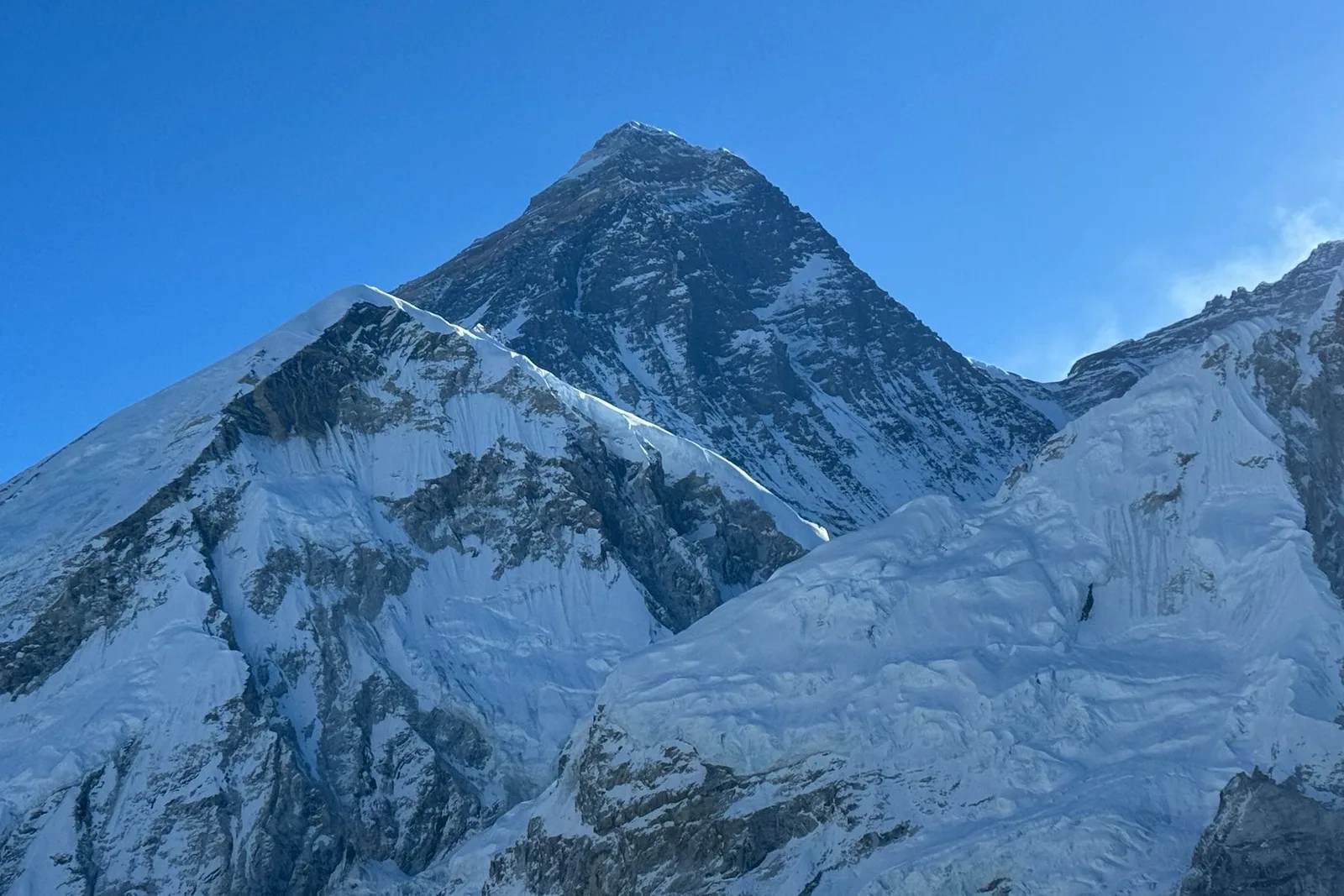
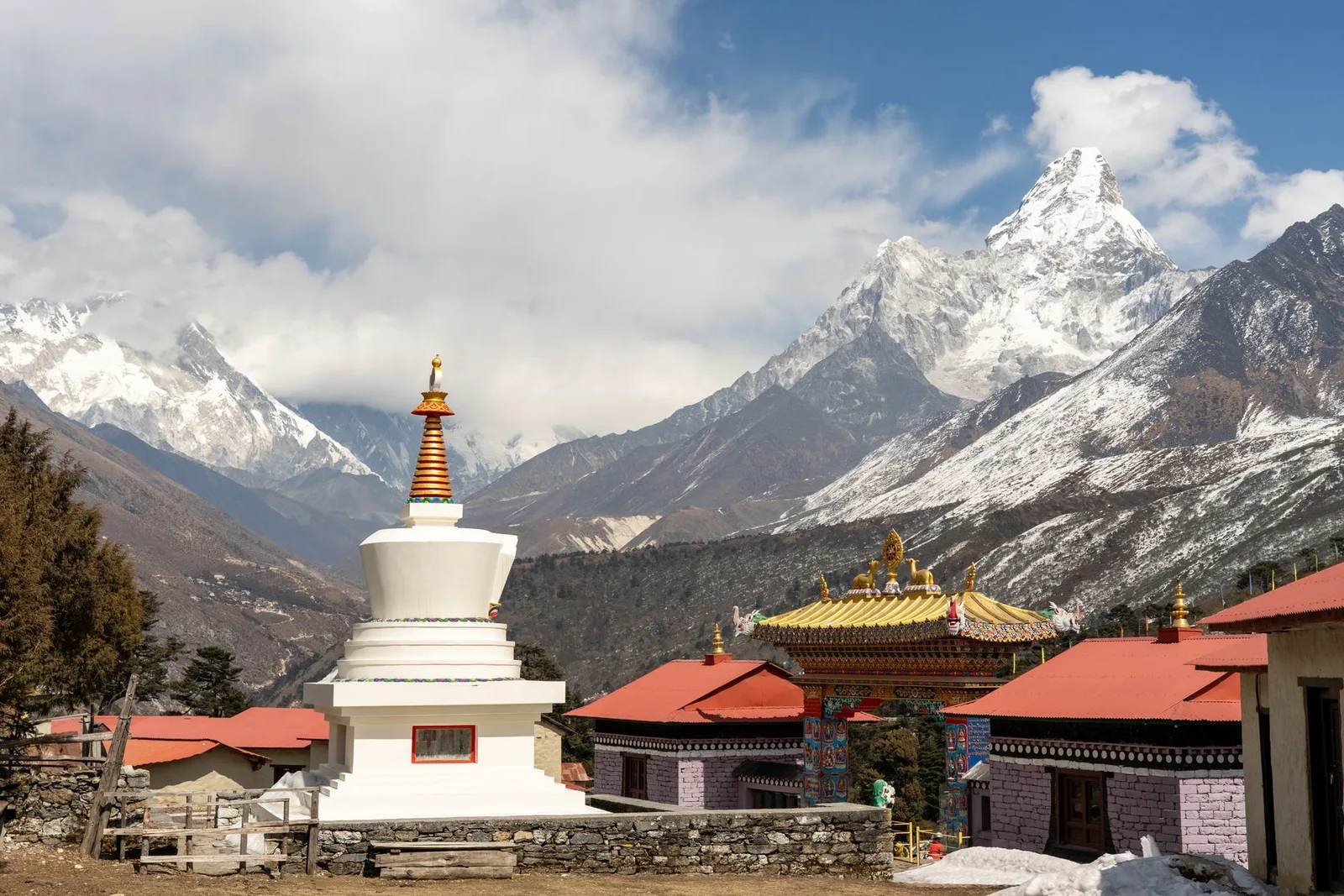
Nepal floods: Everest, Annapurna and Manaslu are unaffected and running normally.
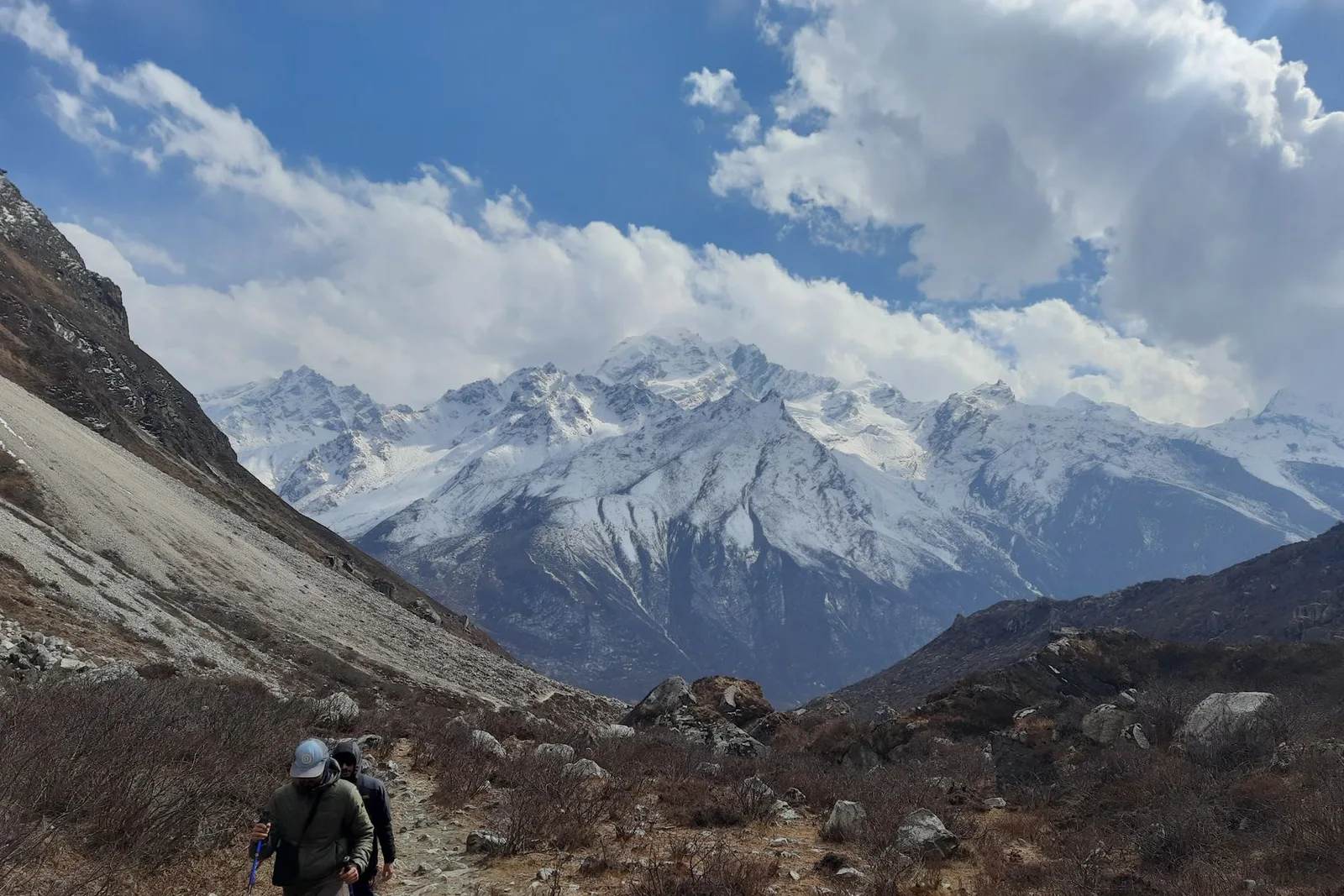
The 26 August flood hit one corridor in northern Rasuwa. Langtang-region treks are paused while the access road is rebuilt — everything else is operating as usual.
106 guided treks, tours and peak climbs across the Nepal Himalaya — run by the people who grew up in these valleys, not a booking desk in another country.
We run 106+ trips across the Annapurna, Everest, Manaslu, Langtang and Mustang regions from our office in Lakeside, Pokhara. Almost every trekker choosing between them is really weighing four things: how many days they have, how high they are willing to go, what it costs, and which month they are travelling.
Altitude is the one that catches people out. Below roughly 3,500 m, the limit is ordinary hill-walking fitness. Above 4,000 m, the limit is acclimatisation — which is why a 14-day Everest Base Camp itinerary is not simply a longer walk than a 7-day Annapurna Base Camp one, but a different kind of trip with rest days built in. The table below compares our flagship routes on exactly those terms.
Comparison of flagship Nepal treks by region, duration, maximum altitude, difficulty and starting price per person
Starting prices are per person at our largest group size and include guide, porter, permits, tea-house accommodation and meals on the trail. Solo and small-group rates are higher — each trek page shows the full price ladder.
Have under a week
Poon Hill, Mardi Himal or a short Annapurna Base Camp trek — all start and finish in Pokhara.
Want the big amphitheatre
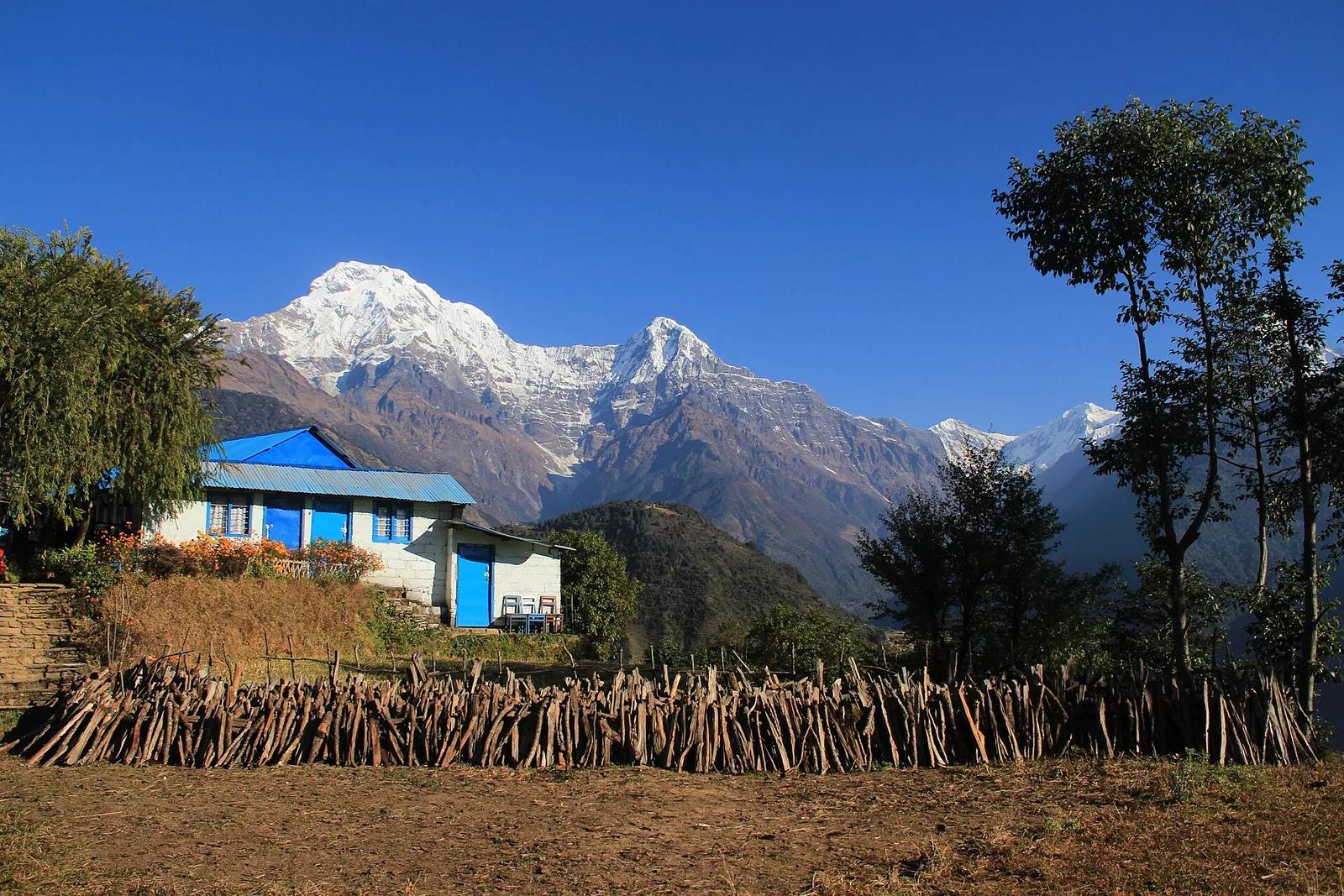
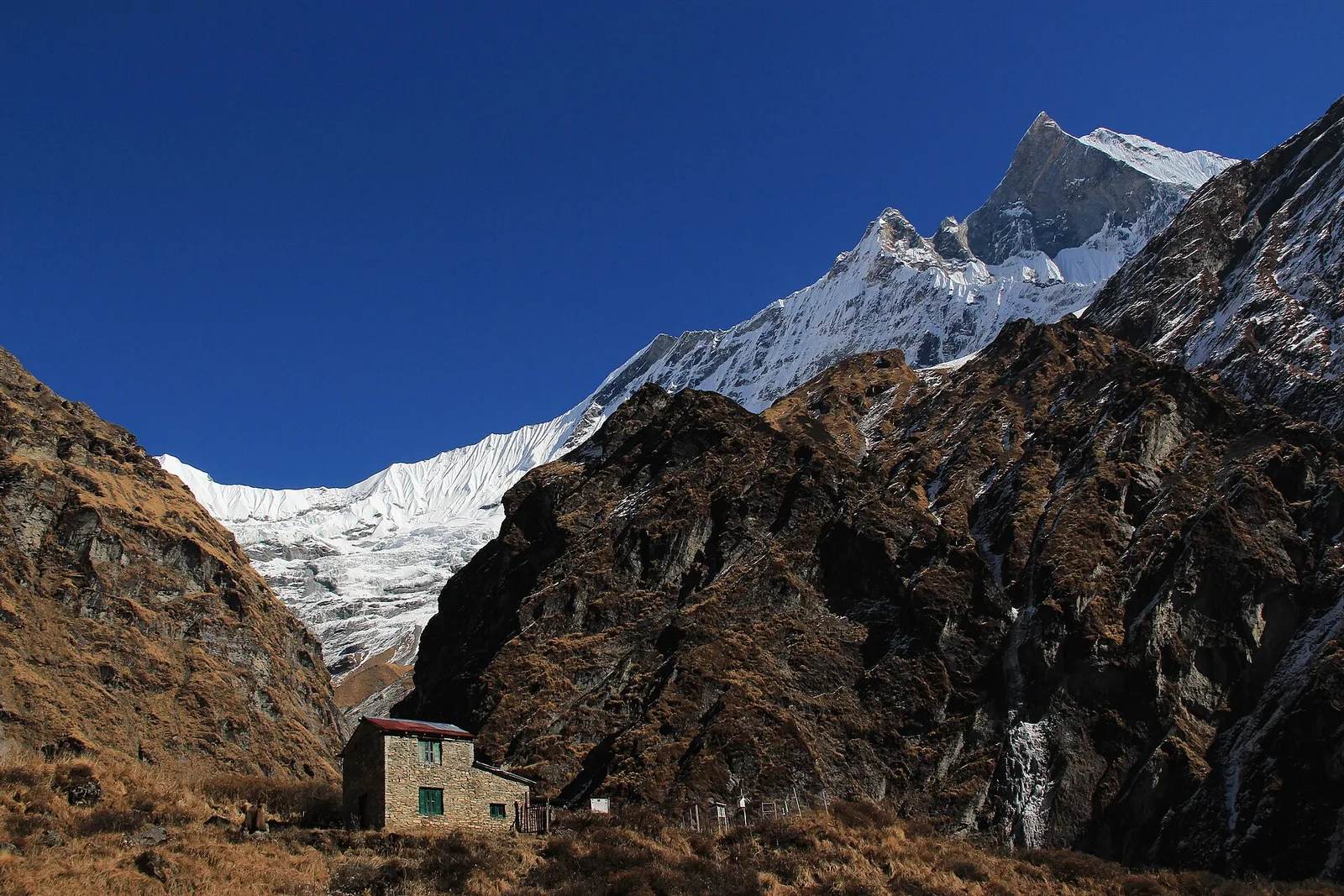
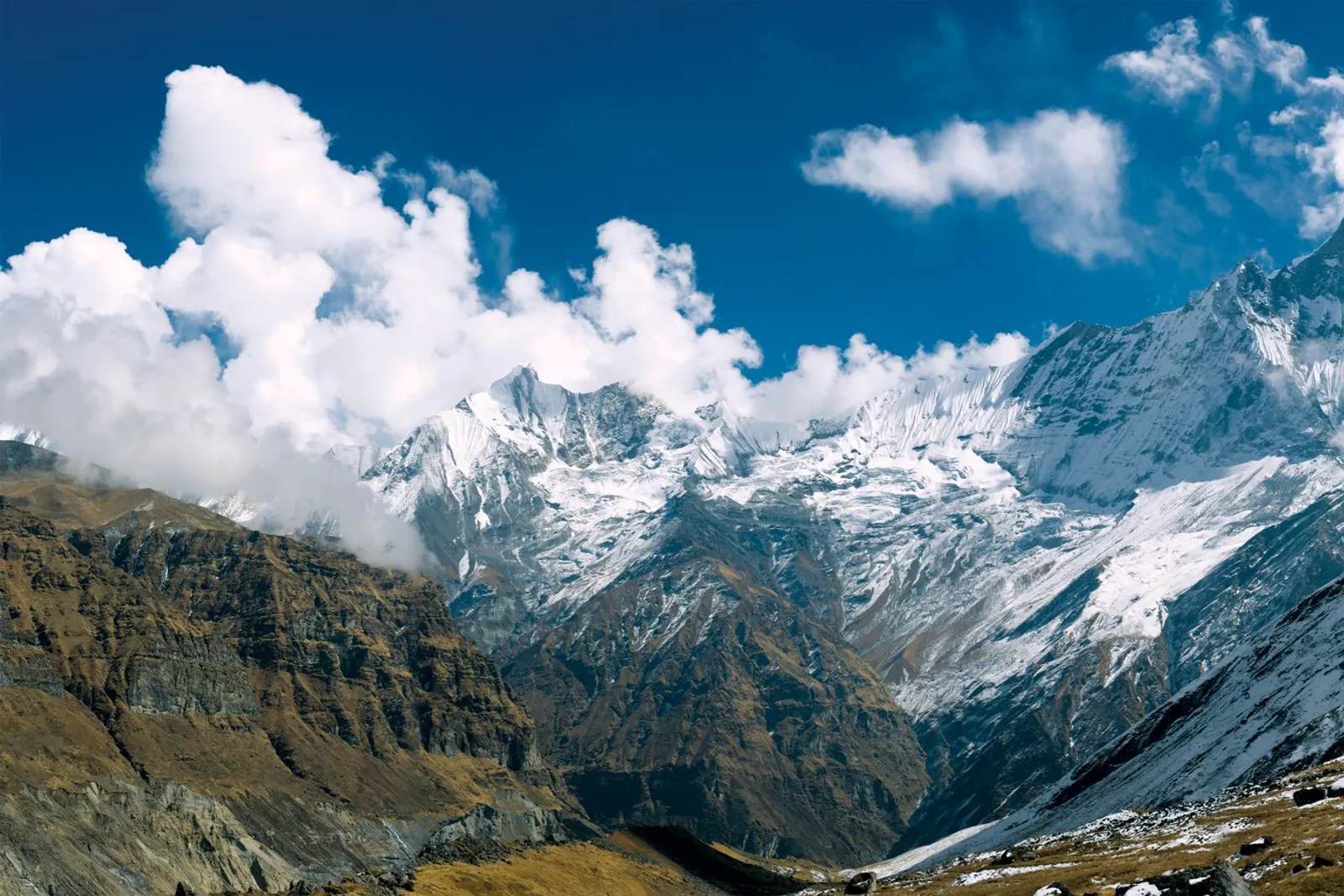
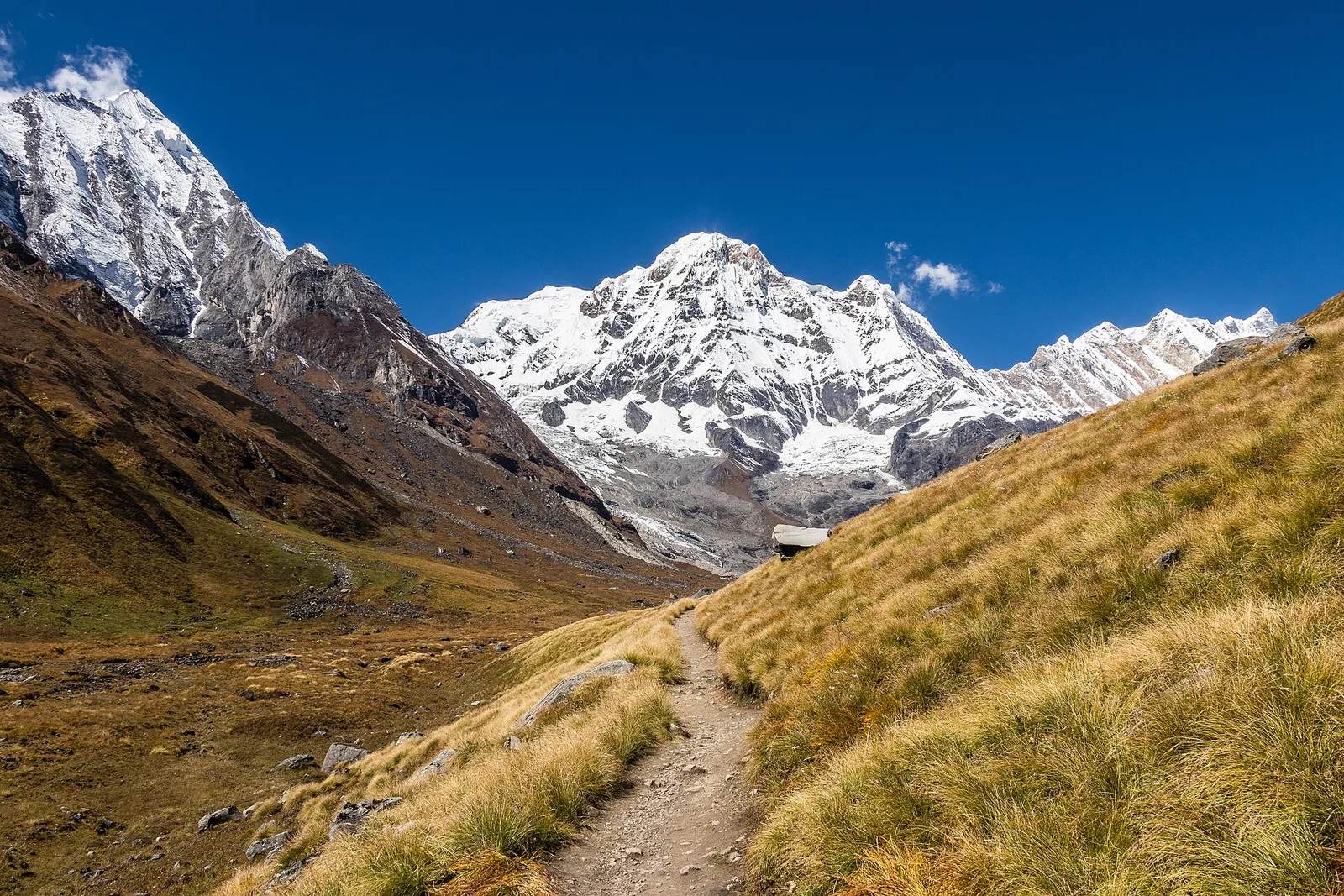
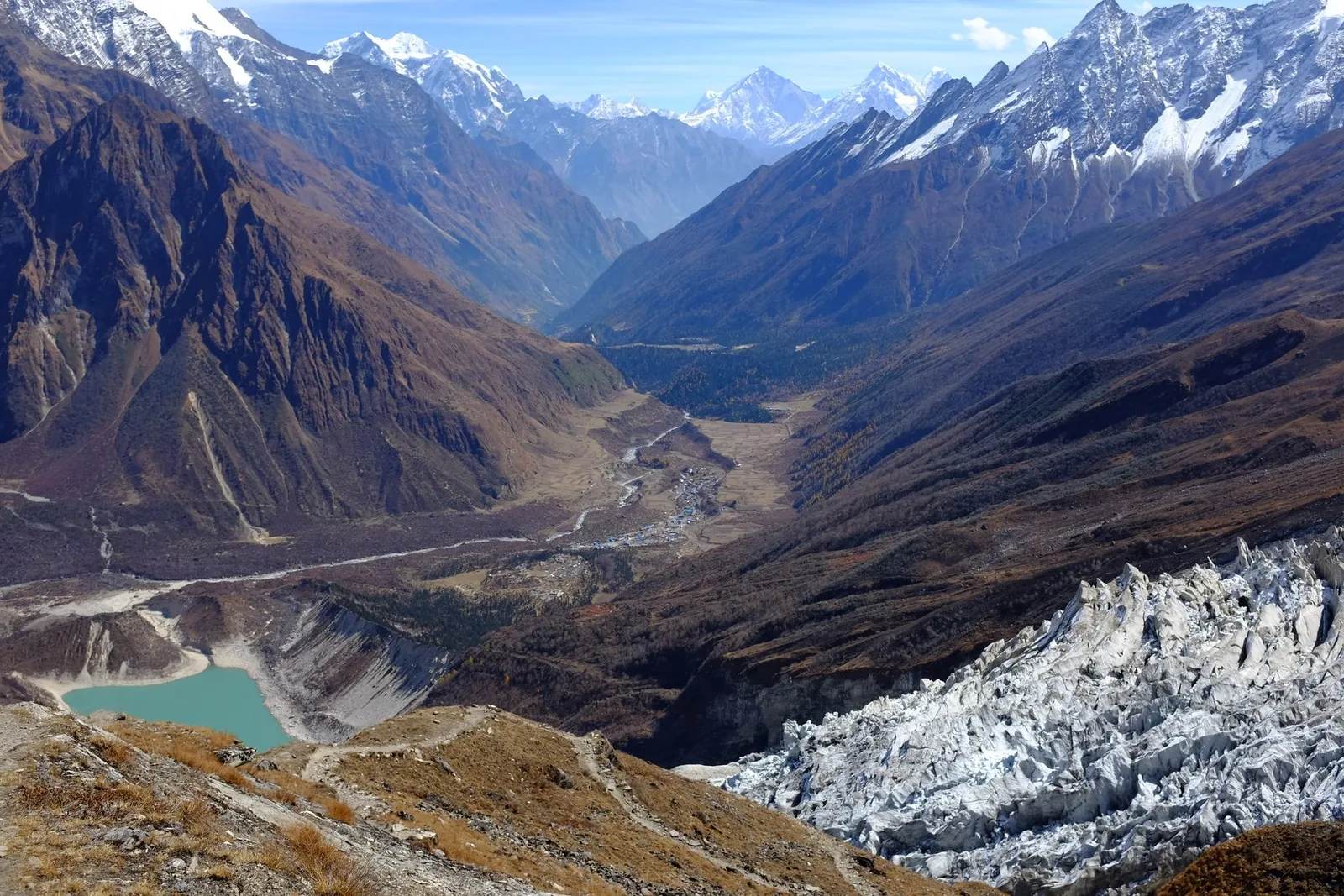
Annapurna Base Camp at 4,130 m puts you inside a ring of 7,000 m peaks without technical ground.
Want real altitude
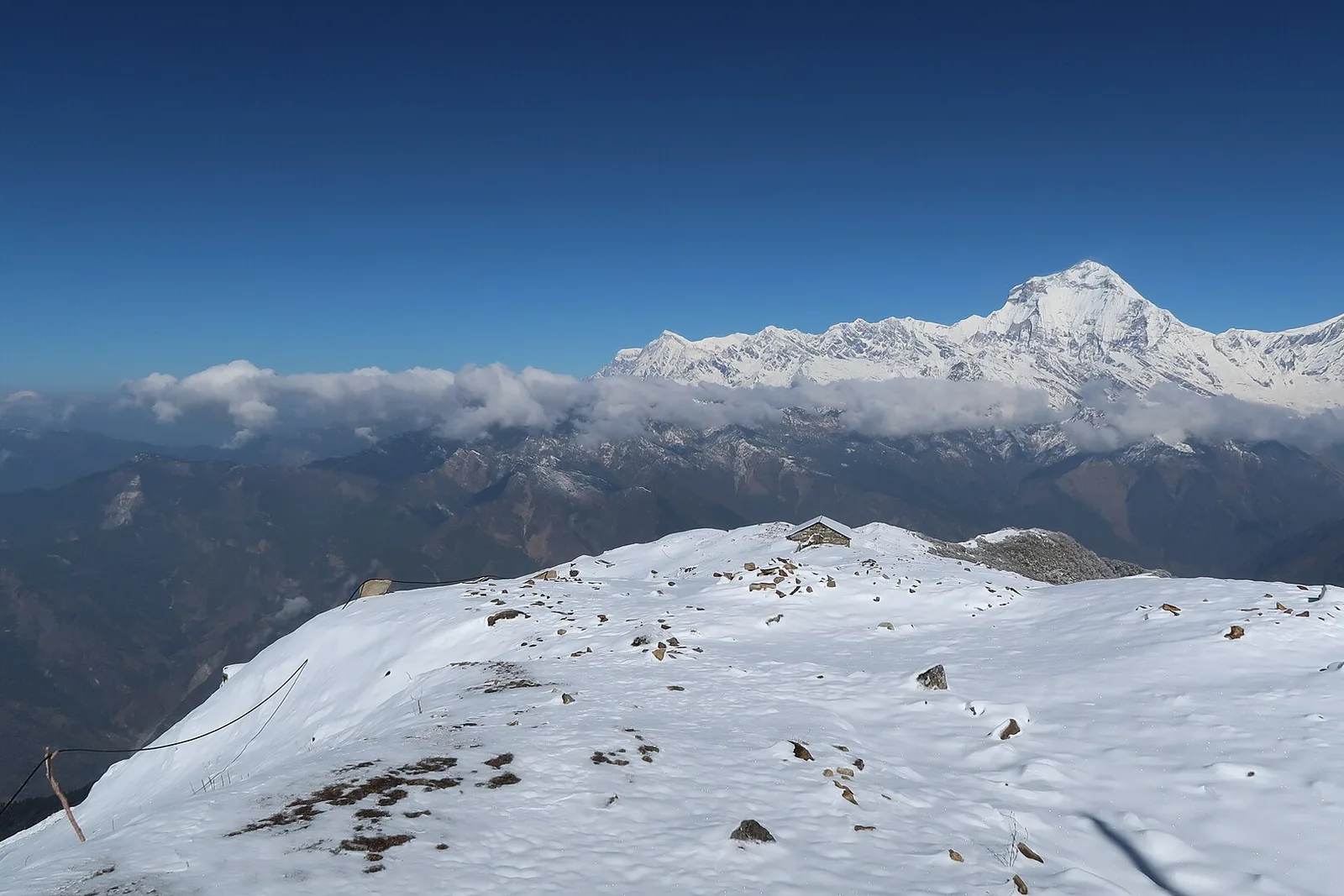
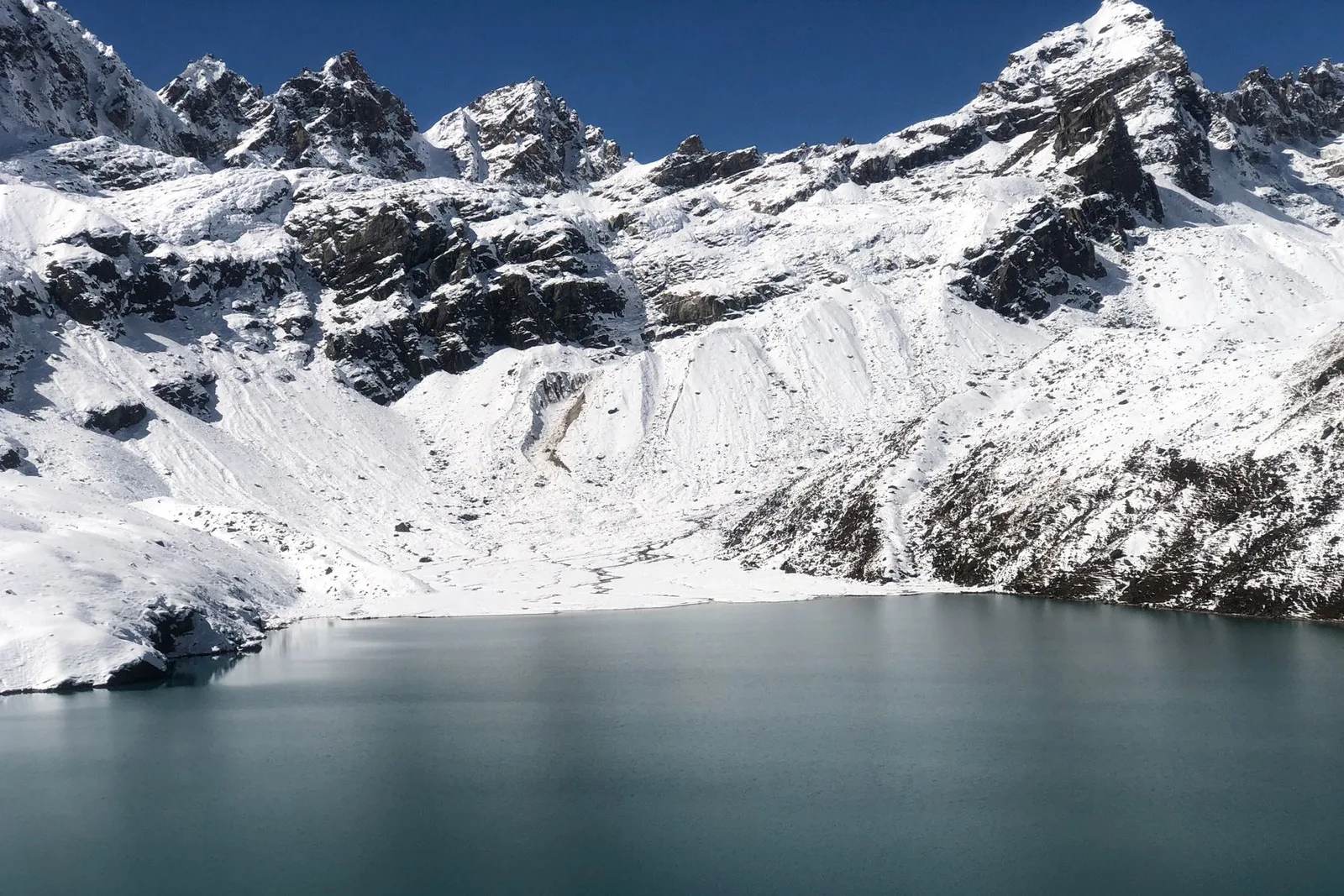
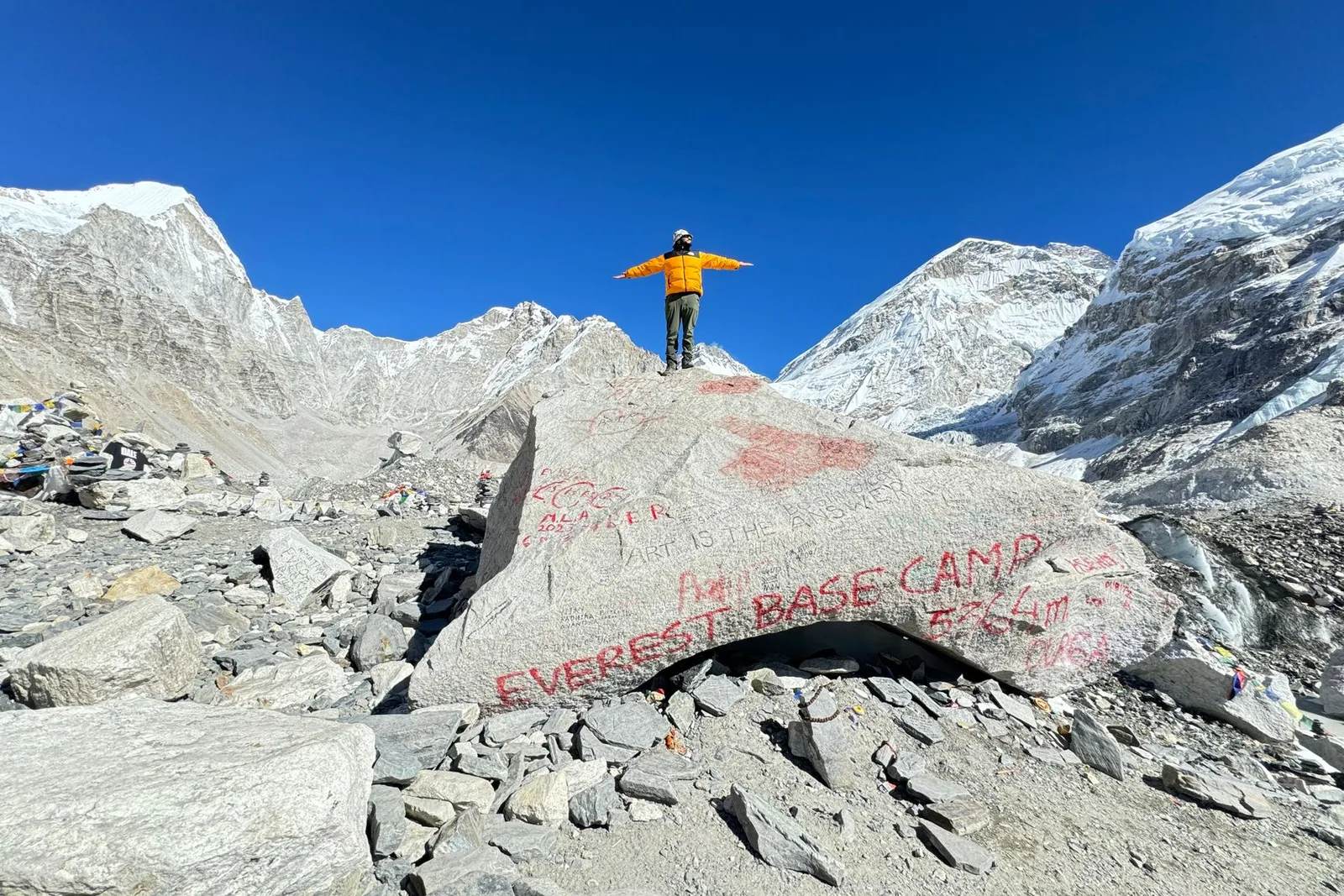
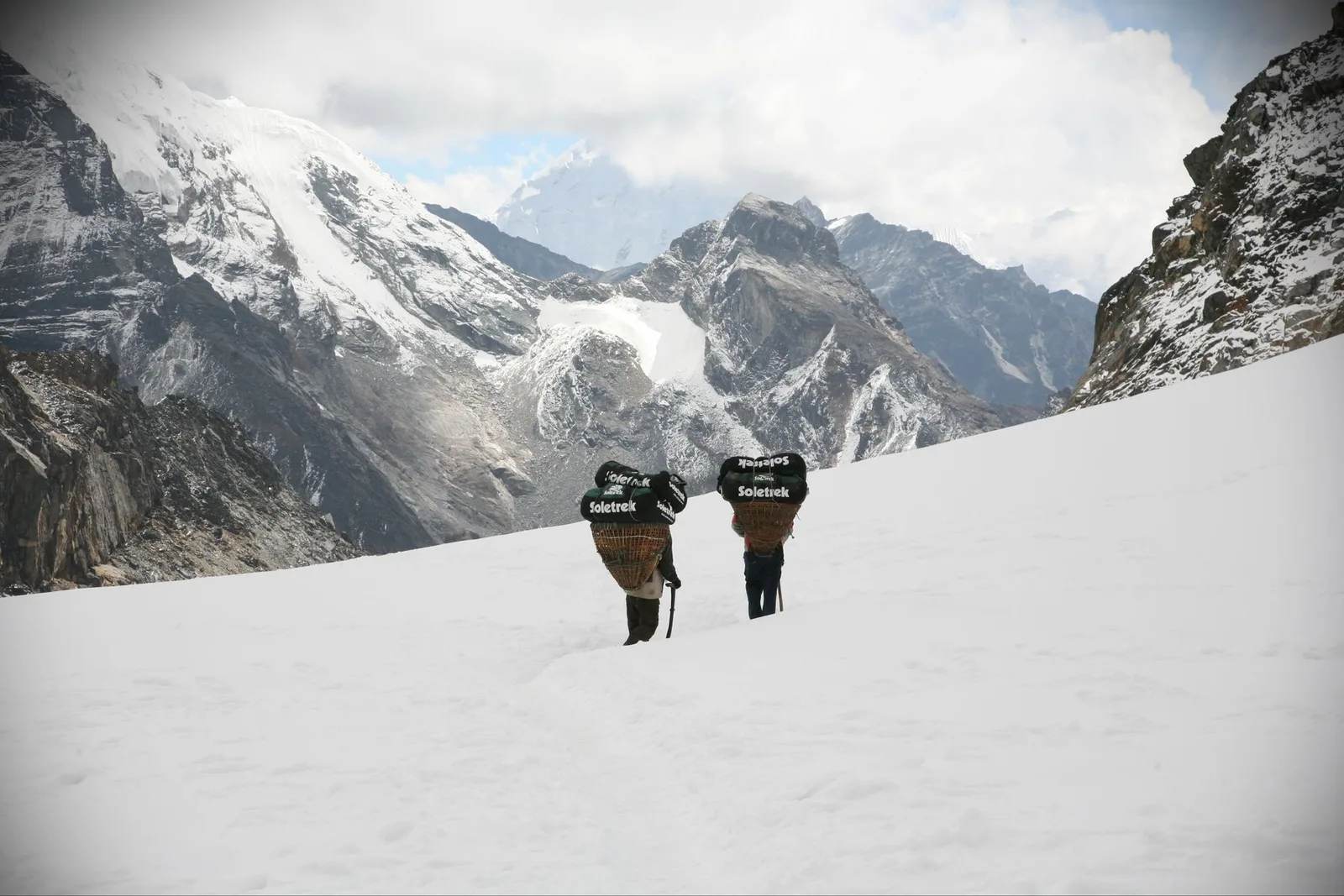
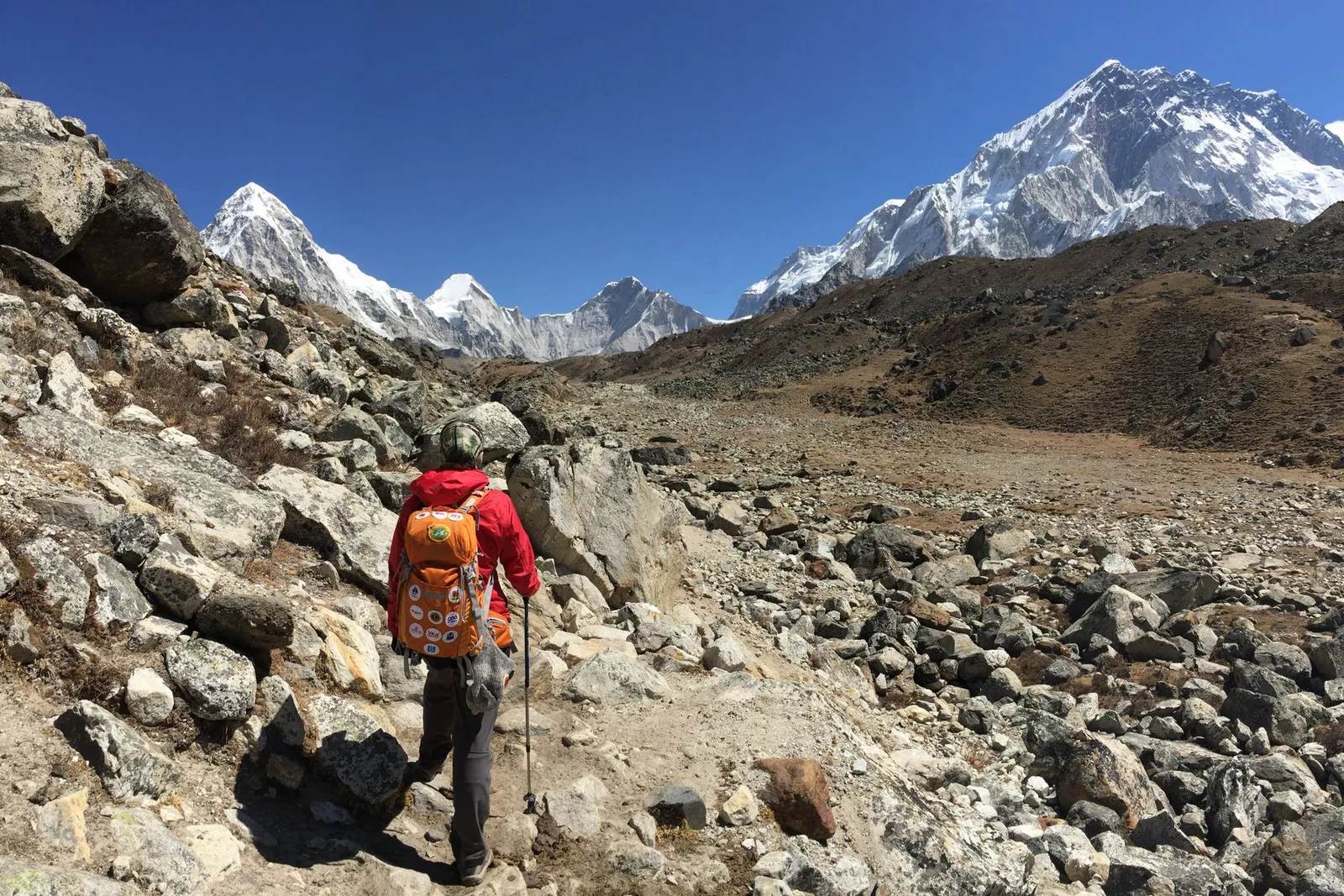
Everest Base Camp (5,364 m), Thorong La (5,416 m) or the Manaslu Circuit (5,106 m), with rest days built in.
Trekking in monsoon
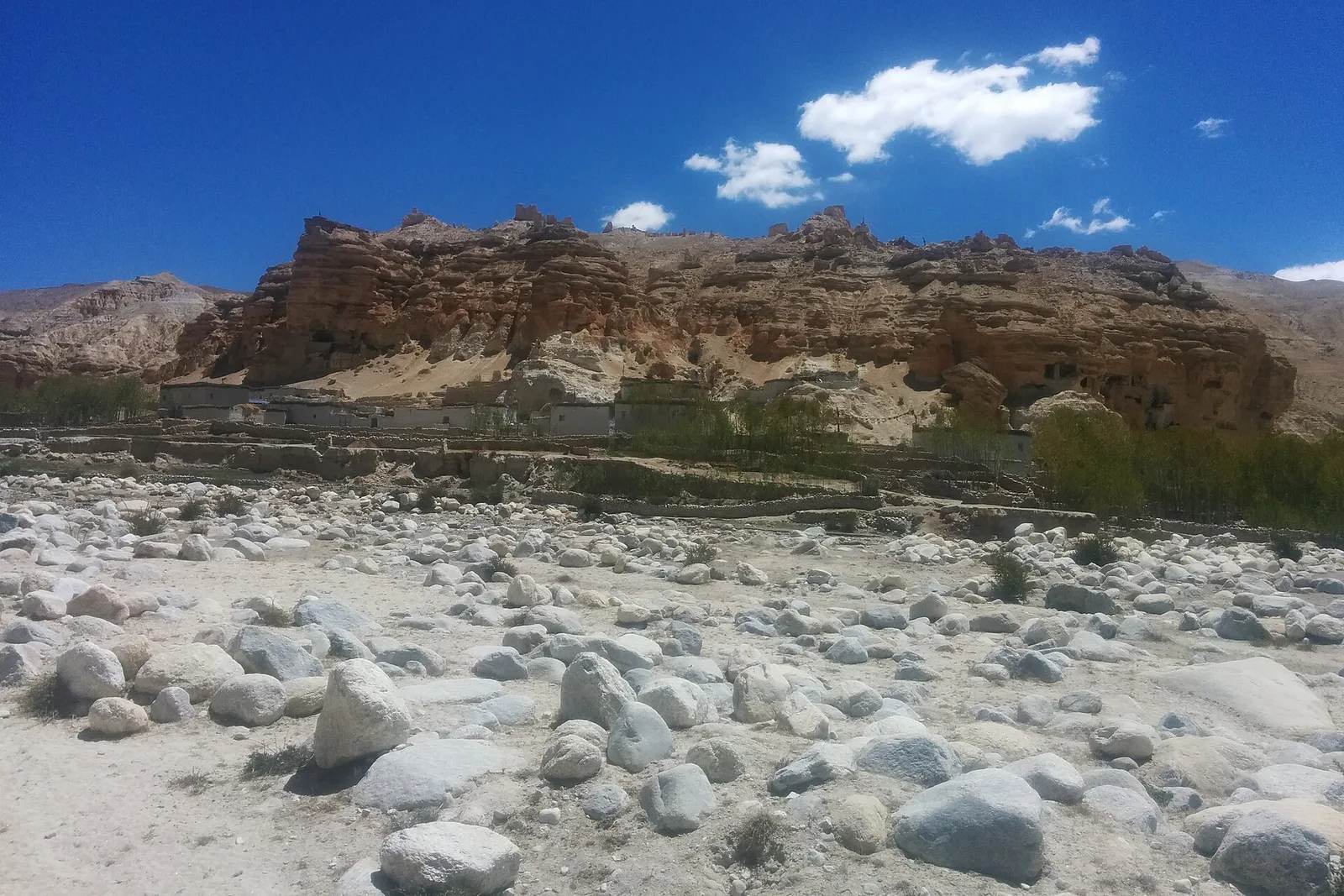
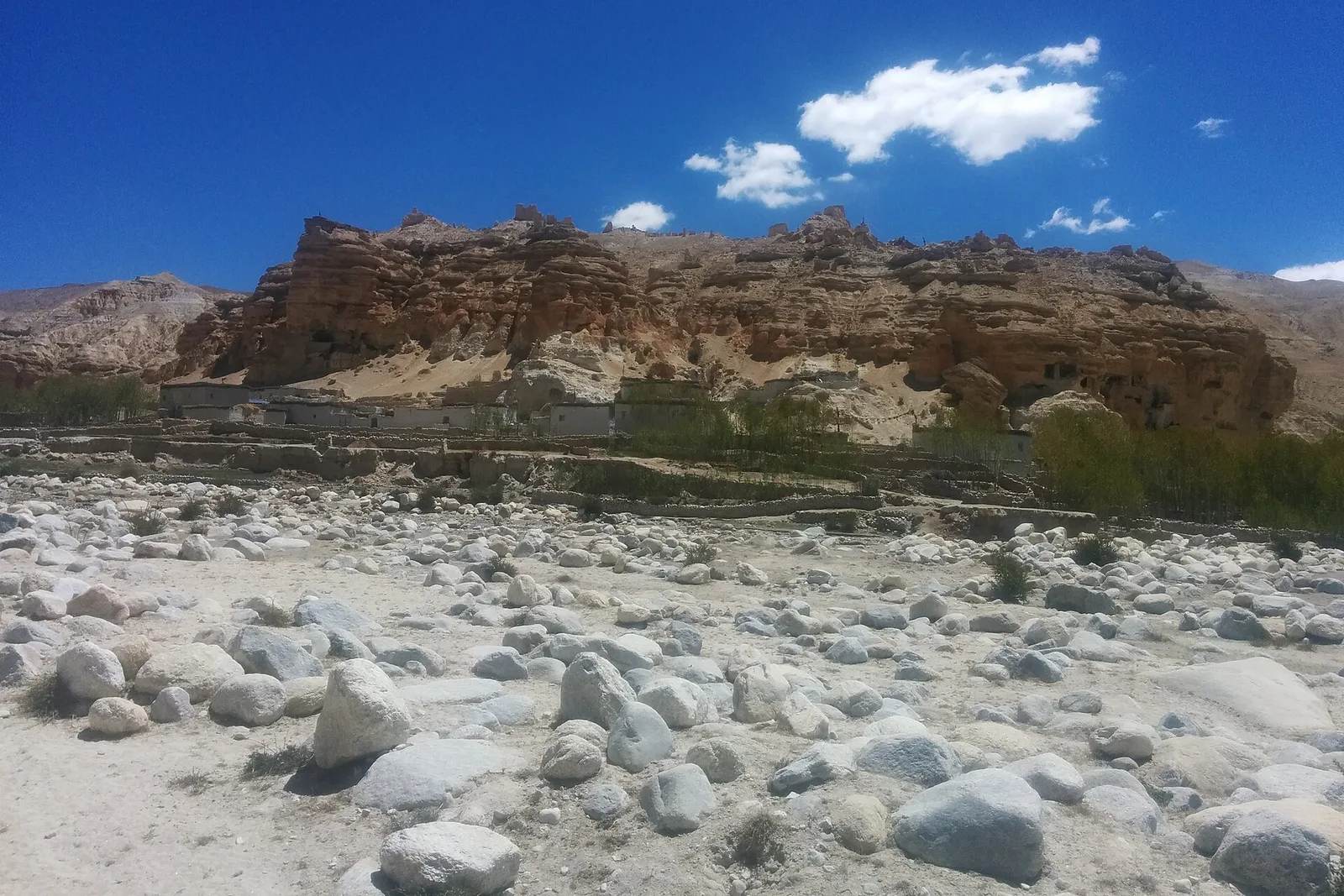
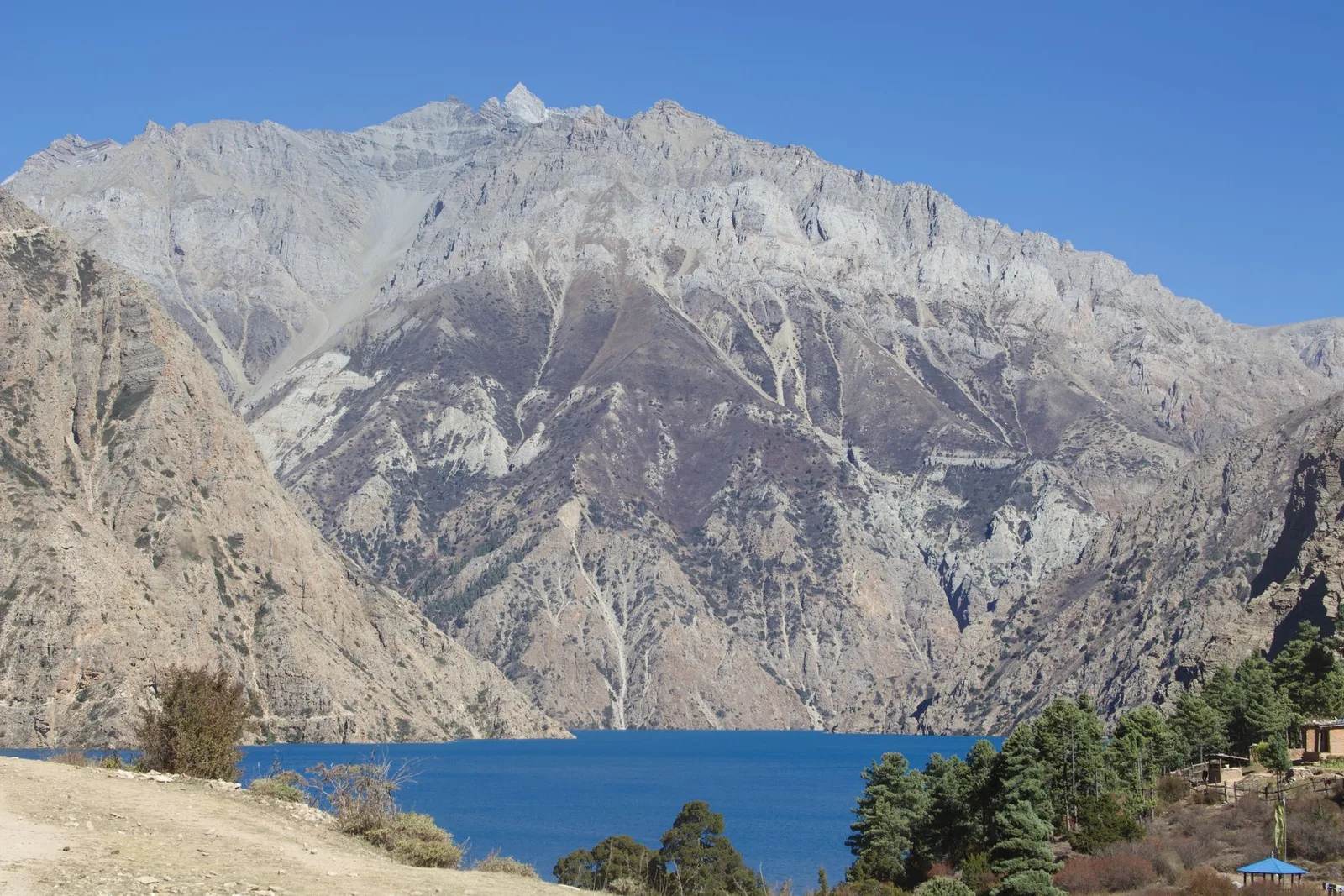
Upper Mustang and Dolpo sit in the rain shadow and stay dry through June to September.
Common questions before booking
Which trek in Nepal is best for a first-time trekker?
Ghorepani Poon Hill is the usual first trek. It tops out at 3,210 m — below the altitude where sickness normally starts — runs 2 to 4 days, and follows a well-built stone staircase between tea houses, so there is no camping and no technical ground. Mardi Himal is the next step up: still short at 4 to 5 days, but it reaches 4,500 m on a quieter ridge. Trekkers who want the classic amphitheatre of 7,000 m peaks without committing to a two-week trip normally choose Annapurna Base Camp, 5 to 7 days from Pokhara at 4,130 m.
How much does a guided trek in Nepal cost?
Our guided treks run from about US$190 per person for a 2-day Poon Hill trip to roughly US$2,050 per person for 12 days in Upper Mustang, where a restricted-area permit alone costs US$500. A 7-day Annapurna Base Camp trek starts around US$600 per person and a 14-day Everest Base Camp trek around US$1,350. Prices fall as group size rises, because the guide, porter and permit-handling costs are shared. Quoted prices include guide, porter, permits, tea-house accommodation and meals on the trail; international flights, travel insurance and the Nepal visa are separate.
Do I need a guide to trek in Nepal?
For most trekking regions, yes. Since April 2023 the Nepal Tourism Board has required a licensed guide for foreign trekkers in national-park and conservation areas, which covers Annapurna, Everest and Langtang. Restricted areas such as Upper Mustang and Manaslu have always required both a licensed guide and a minimum of two trekkers, and those permits can only be issued through a registered Nepali agency — an independent trekker cannot buy them directly.
What permits do I need, and what do they cost?
In the Annapurna region you need an ACAP entry permit (NPR 3,000) plus a TIMS card (NPR 2,000) — about NPR 5,000, or roughly US$38 per person. For Everest you need a Sagarmatha National Park permit (NPR 3,000) plus the Khumbu Pasang Lhamu Rural Municipality fee (NPR 3,000), about NPR 6,000 or US$45. Restricted areas cost far more: Upper Mustang is US$500 per person for 10 days. We issue every permit as part of the trip, so you do not queue at a permit office.
When is the best time to trek in Nepal?
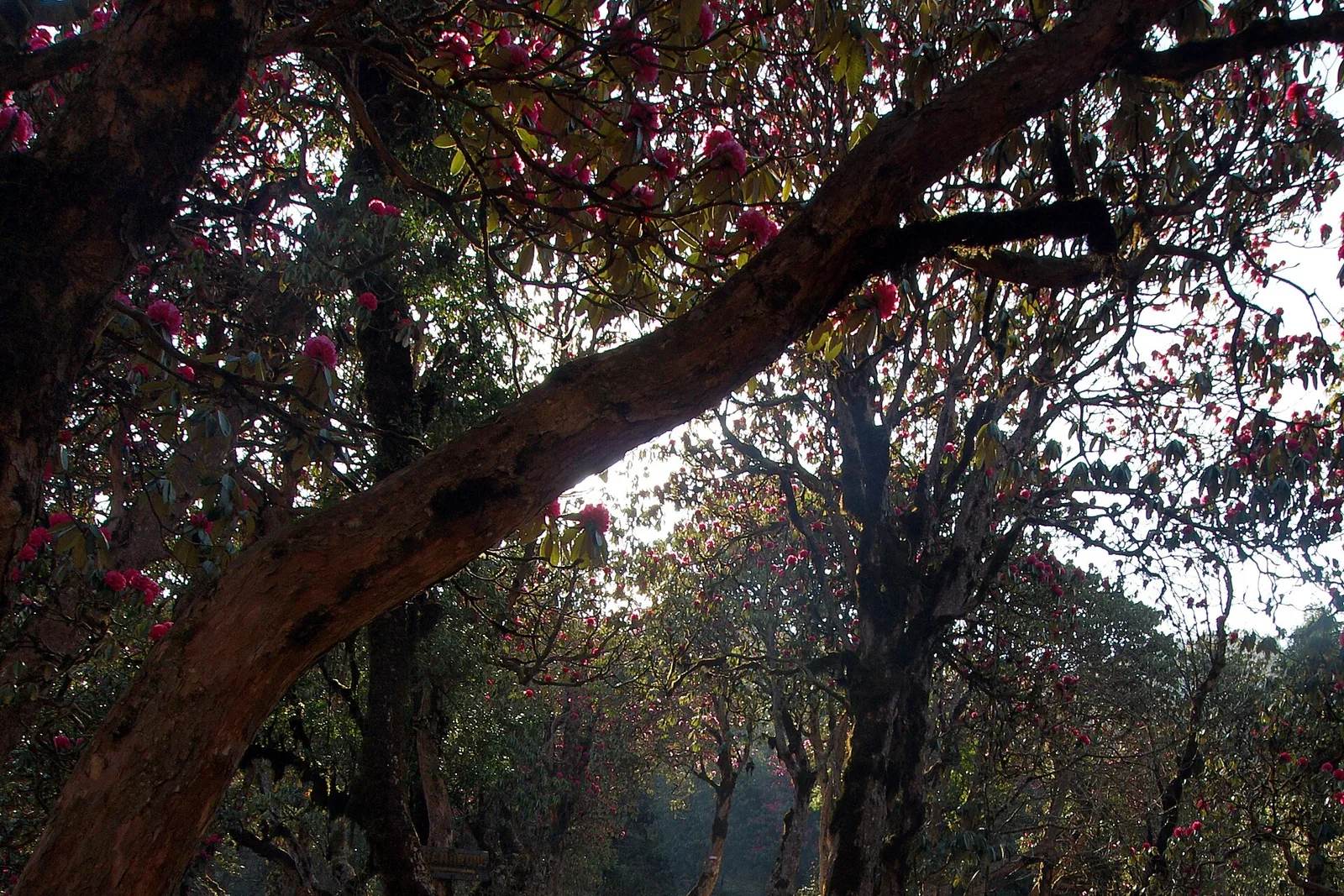
October and November give the clearest mountain views and the most stable weather, and are the busiest months. March to May is the second main season, warmer and quieter at altitude with rhododendron forest in bloom below 3,500 m. June to September is the monsoon — trails are wet, leeches are active and views are unreliable everywhere except the rain-shadow regions of Upper Mustang and Dolpo, which stay dry and are genuinely good in summer. December to February is cold and clear, and fine for lower treks such as Poon Hill.
How fit do I need to be, and how high do these treks go?
The treks we run range from 3,210 m on Poon Hill to 5,416 m at Thorong La on the Annapurna Circuit. Anything up to about 3,500 m needs ordinary hill-walking fitness — 4 to 6 hours of walking a day on stairs and trail. Above 4,000 m, altitude matters more than fitness: Annapurna Base Camp (4,130 m), Everest Base Camp (5,364 m) and the Manaslu Circuit (5,106 m) all need built-in acclimatisation days, which is why our itineraries for those treks are longer than the walking distance alone would suggest.
What is the difference between the trek packages you list?
The same trek appears at several durations because the itinerary changes, not the price alone. A 5-day Annapurna Base Camp trek drives high up the valley to shorten the walk-in; the 7-day version walks more of the traditional route; the 11- and 15-day versions start from Pokhara or Kathmandu and add acclimatisation and buffer days. Longer versions are safer at altitude and less rushed. Every listing shows its own day-by-day itinerary, maximum altitude and what is included.
Not sure where to start?
Which trek is right for you?
4 quick questions — we'll match you to your perfect trek
Step 1 of 4 · Fitness
How would you describe your fitness level?
Custom Itinerary
Can't Find What You're After?
Every trekker is different. Share your dates, budget, and fitness level — we’ll design a private itinerary with permits, guides, and logistics all sorted.
No booking fees · Free consultation · 100% satisfaction guarantee